
Reviewed · NEW ORLEANS TOURS
Destrehan Plantation Tour
Destrehan Plantation tells a fuller story than the usual antebellum house tour. You’ll hear about the owners, the people held in slavery, the plantation’s political and economic life, and the 1811 Slave Revolt, the largest uprising of enslaved people in United States history. I like the costumed interpretation, and I like that the visit continues beyond the main house into cabins, work buildings, and document displays.
The price is reasonable at $29.70, especially if you use the grounds and dependency buildings to turn a short house visit into a longer history lesson. The main catch is timing: the booking information lists about 45 minutes, while the on-site program and visitor advice point closer to two hours. Plan for the longer visit, not the shorter number.
In This Review
- Key points to know before you go
- Why Destrehan feels different from a standard plantation tour
- The main house and the people who lived there
- The 1811 Slave Revolt Exhibit
- Slave cabin, registry, and work buildings
- The Legacy Room and original documents
- Walking the grounds under the old oaks
- Is $29.70 good value?
- How long should you allow?
- Who will enjoy this tour most?
- Booking, cancellation, and practical timing
- Should you book Destrehan Plantation?
- FAQ
- Where does the Destrehan Plantation Tour begin?
- Where does the tour end?
- How much does the tour cost?
- How long does the tour last?
- What language is the tour offered in?
- What can I see at Destrehan Plantation?
- Does the tour discuss the 1811 Slave Revolt?
- Can I explore the grounds on my own?
- Is Destrehan Plantation accessible without a private car?
- What is the cancellation policy?
Key points to know before you go
- The 1811 Slave Revolt gets its own exhibit: The overseer’s cabin explains a major event often left out of plantation tours.
- Costumed interpretation adds character: Guides including Jim, Beverly, Jordan, Kelly, and others use period clothing and personal stories to bring the site’s residents into focus.
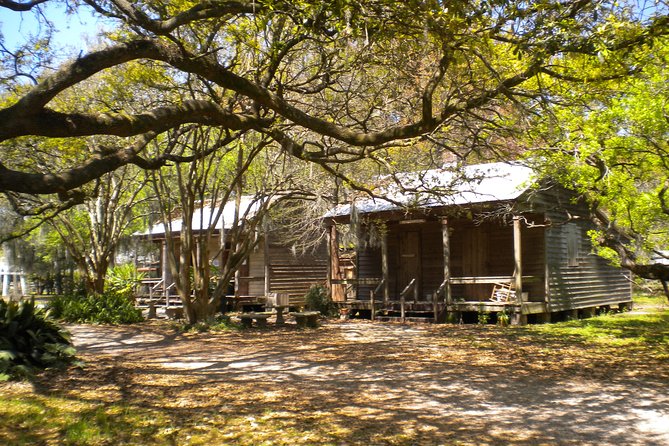
- The tour goes beyond the mansion: You can see a slave cabin, outdoor kitchen, washroom, trapper’s cabin, and Legacy Room.
- The grounds are part of the experience: Give yourself time for the oak trees, paths, and buildings after the guided portion.
- It is close to New Orleans by road: Rideshare or taxi service makes the site reachable without arranging a full-day excursion.
- Plan on two hours: The official duration can look short, but the buildings and self-guided areas deserve extra time.
Why Destrehan feels different from a standard plantation tour
Many plantation visits focus heavily on architecture and the families who owned the property. Destrehan includes that material, but it also puts more weight on the people who lived and worked there under slavery, the plantation economy, and the political forces around it.
That wider frame matters. You are not only looking at a grand house and hearing about decorative details. You are also considering how the property functioned, who maintained it, how wealth was created, and what life looked like for people with very little control over their own lives.
The costumed guides help make the story personal. Guides named in visitor feedback include Jim, Beverly, Jordan, Kelly, Kaitlin, Clint, Sarah, Alan, and Ann. That does not mean you can request a particular person or expect the same guide each day, but it gives you a sense of the interpretive style. Jim is repeatedly praised for holding attention with stories and details, while Beverly’s period costume and thoughtful presentation have made the difficult parts of the subject especially direct.
This is still a short visit by plantation standards. You will not spend an entire day here. That is useful if your New Orleans schedule is tight, but it also means you should arrive ready to pay attention. The tour covers a lot in a limited time.
Other New Orleans days travellers line up against this one:
- New Orleans Premier Ghost, Voodoo and Vampire Walking Tour
★ 4.5 · 12,856 reviews - New Orleans Steamboat Natchez Jazz Cruise with Dinner Option
★ 4.0 · 7,533 reviews - Adults-Only New Orleans Ghost, Crime, Voodoo, and Vampire Tour
★ 5.0 · 6,545 reviews
The main house and the people who lived there
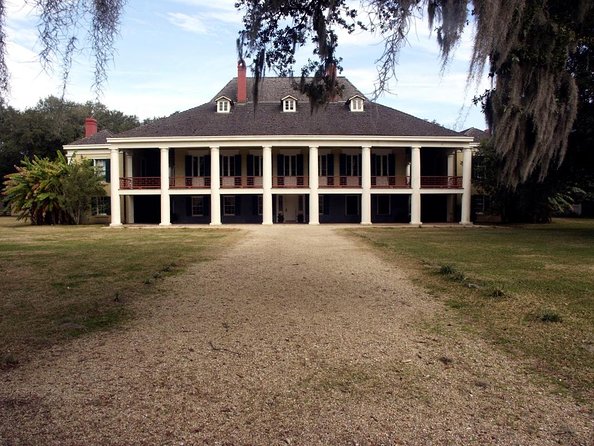
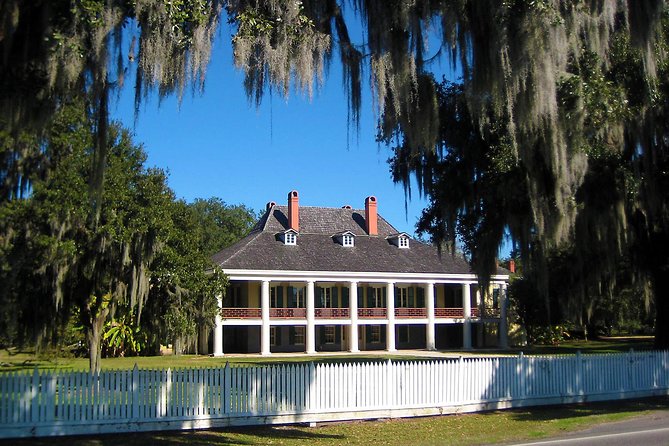
The guided portion begins at Destrehan Plantation, where a costumed historical interpreter explains the property and the families connected with it. The house gives you the visual anchor for the visit, with its construction, upkeep, restoration, and domestic spaces providing a way into the larger story.
I would pay attention to the practical details. The way a house was built and maintained tells you something about money, labor, climate, and social position. Several parts of the tour focus on construction and preservation, so this is not just a quick parade through attractive rooms.
The family story is important, but it is not presented alone. The interpretation includes people who lived at the plantation free and enslaved. That balance makes the visit more useful than a tour that treats the property mainly as a beautiful relic.
You may hear different guides frame the material in slightly different ways. Some focus more on family history and personal stories. Others spend more time on the broader setting, original inhabitants of the New Orleans area, or the political and economic role of the plantation. The result should still give you a clear sense of how the site operated.
The main house is the most polished part of the visit, and it is likely to be the first thing that catches your eye. Do not stop there. The less formal buildings often provide the sharper understanding of daily life.
The 1811 Slave Revolt Exhibit
The most important reason to visit Destrehan is the attention given to the 1811 Slave Revolt. The exhibit is located in the overseer’s cabin, and it examines the uprising of enslaved people that took place in Louisiana. It is described as the largest uprising in United States history.
This section gives the plantation a much-needed historical weight. The revolt was not an isolated footnote. It belongs to the story of forced labor, resistance, fear, punishment, and the struggle for freedom. A visit that only celebrates plantation architecture would leave out the central human conflict. Destrehan does not do that.
The exhibit includes historical interpretation and artifacts connected to the event. Staff members such as Ann have been noted for explaining the revolt in depth. I would allow extra time here, even if the rest of your group is ready to move on. The subject is serious, and the material deserves more than a quick glance.
You may find this portion more thought-provoking than the house tour. That is a strength, but it also means the experience is not a light sightseeing stop. The content deals with slavery and harsh living conditions. Families should decide in advance how they want to discuss those subjects with children.
The revolt exhibit also helps you read the rest of the plantation differently. After seeing the main house, you can consider who built, cleaned, cooked for, and maintained it. After seeing the work buildings, you can think about how labor and control shaped the entire property.
Slave cabin, registry, and work buildings
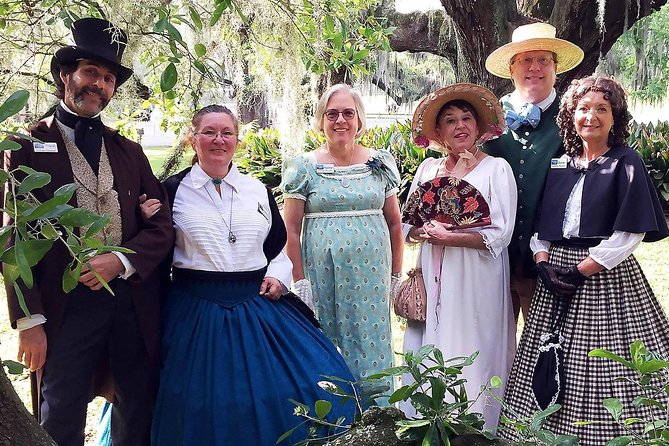
After the main guided discussion, you can explore the grounds and dependency buildings. This is where the visit gains much of its value. The buildings are not just background scenery. Each one adds a practical piece to the plantation story.
The slave cabin includes an enslaved registry. That detail is especially important because it moves the subject from general discussion to individual records. A registry can show how slavery reduced people to property entries, while also reminding you that each name represented a real person and a disrupted life.
The outdoor kitchen helps explain the labor behind household life. Food did not simply appear in the dining room. Cooking, washing, preparation, and maintenance required time and skill, much of it carried out by enslaved workers.
The washroom gives you another look at ordinary work. It may not have the visual drama of the main house, but it helps you understand how much effort went into basic daily routines before modern plumbing and appliances.
The trapper’s cabin adds another part of the local story. It broadens the visit beyond the plantation owners and formal household. Together, these smaller buildings create a more grounded picture of the people and work connected to the property.
You can also view a folk-life demonstration. Since the exact demonstration may vary, I would treat it as an added interpretation rather than the main reason to book. The real strength is being able to move between the house, cabins, work spaces, and exhibits.
A completely different way to spend a day nearby:
- New Orleans Food Walking Tour of the French Quarter with Small-Group Option
★ 5.0 · 6,118 reviews - New Orleans Swamp and Bayou Boat Tour with Transportation
★ 5.0 · 5,399 reviews - New Orleans Steamboat Natchez Jazz Cruise
★ 4.5 · 5,334 reviews - New Orleans City Sightseeing Hop-On Hop-Off Bus Tour
★ 4.5 · 4,943 reviews
The Legacy Room and original documents
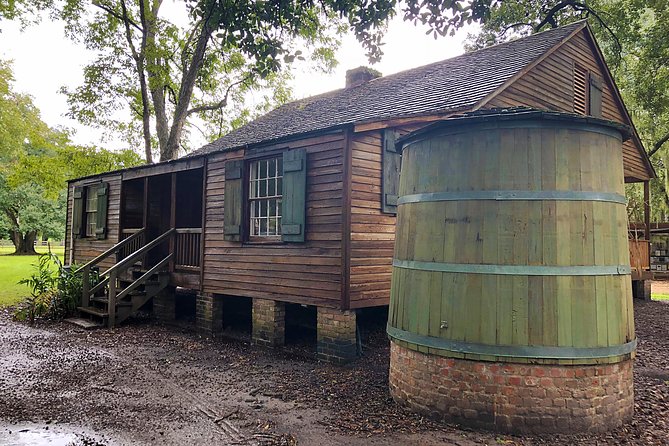
The Legacy Room displays original documents and artifacts connected with family members. This room is useful if you like evidence you can see for yourself. Objects and papers often explain a place more clearly than a long list of dates.
The room also gives the family story a physical presence. You can connect names, events, and property records with the house and grounds around you. That makes the historical account easier to follow.
I would not expect a museum on the scale of a major New Orleans institution. The value here comes from the connection between the documents and the actual plantation site. You are looking at materials tied to the people who lived there, in the setting where their decisions affected many others.
If your interest is preservation, the Legacy Room complements the main house. The tour includes information about construction, maintenance, and restoration, so the documents help show how the property’s story has been recorded and protected.
Walking the grounds under the old oaks
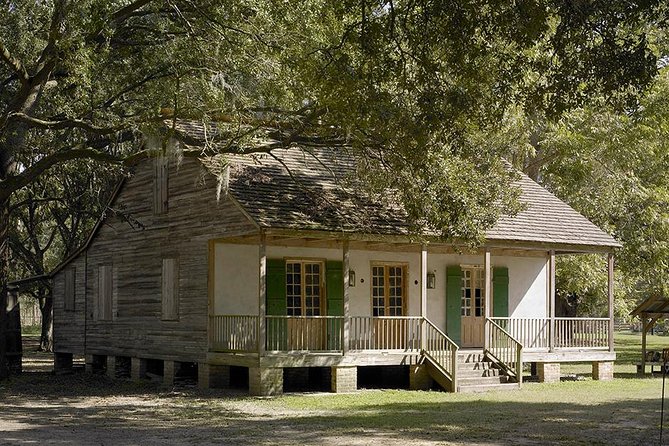
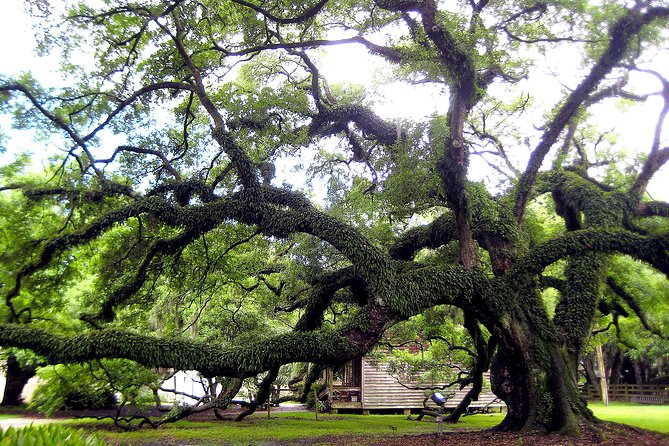
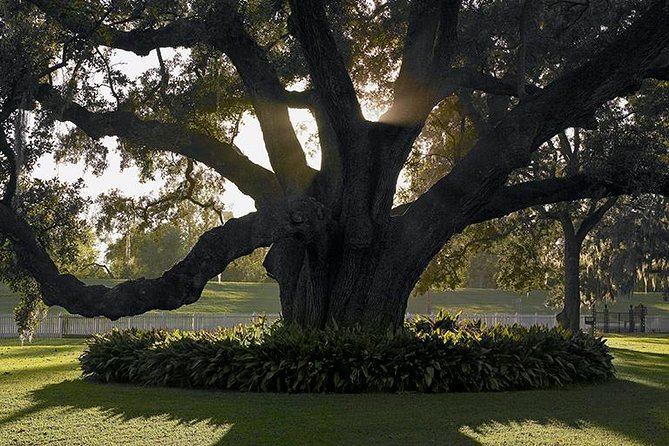
Save time for the grounds. The oak trees are one of the most memorable visual features, and the setting gives you room to think after the guided discussion.
The grounds are peaceful and picturesque, but do not mistake quiet scenery for the whole story. A plantation can look calm today while representing a system built on coercion. The contrast is worth noticing. The trees and open paths make the place attractive, while the cabins, registry, and revolt exhibit keep the history from becoming too pretty.
You can explore the grounds and dependency buildings on your own after the guided portion. That freedom is useful because different people need different amounts of time at each stop. I would spend longer at the 1811 exhibit and enslaved registry, then take a slower walk through the outdoor areas.
The visit may be especially pleasant in good weather, but the information provided does not specify weather arrangements or indoor alternatives for every part of the program. Wear practical clothing and allow time for walking between buildings. The site is scenic, but it is still a working historical property rather than a purely indoor museum.
Is $29.70 good value?
At $29.70 per person, Destrehan offers solid value for a focused historic visit near New Orleans. The cost includes admission and the guided experience, along with access to the grounds and the listed buildings.
The value depends on how you use your time. If you rush through the main house and leave after 45 minutes, the price feels less impressive. If you stay for the fuller program, examine the 1811 exhibit, visit the cabins, and walk the grounds, the price makes more sense.
This is also a good option if you want plantation history without giving up an entire day. Several people describe it as a short drive from New Orleans and a strong choice for staying close to the city. You will need to arrange your own rideshare or taxi, but the meeting point is clear: 13034 River Road, Destrehan, Louisiana 70047.
The maximum group size is 19 people. That is small enough for a more personal presentation than a huge bus group, though the exact feel will depend on the day and guide. If your group has questions, a smaller setting should make it easier to engage with the interpreter.
The visit is offered in English only. Most people can participate, and service animals are allowed. If you need specific accessibility details beyond that, confirm them before booking because the available information does not describe every surface, building entrance, or restroom arrangement.
How long should you allow?
The stated duration needs careful reading. The tour summary lists approximately 45 minutes, while the detailed program says two hours, and visitors are advised to plan for at least two hours.
I would follow the longer estimate. The guided house portion may be relatively compact, but the folk-life demonstration, main house, slave cabin, overseer’s cabin, outdoor kitchen, washroom, trapper’s cabin, Legacy Room, and grounds add up quickly.
That extra time also gives you breathing room. This is not a site where you should race from room to room. The subjects are serious, and some displays require a moment to absorb.
If you have only 45 minutes available, you can still see part of the property, but you may miss the fuller experience. For a comfortable visit, set aside two hours and add transport time from New Orleans.
Who will enjoy this tour most?
I would recommend Destrehan to you if you want a plantation visit that treats slavery and resistance as central subjects rather than side notes. It is also a good match if you like historic houses, original documents, preservation work, and quiet outdoor settings.
Families can make good use of the short format, especially if children are old enough to discuss slavery in a serious way. The grounds provide some space to move around, while the guided talk keeps the visit focused.
Couples and solo visitors may appreciate the balance between a structured tour and time to explore independently. A small group of friends can also benefit from the guide’s stories and the chance to discuss the difficult material afterward.
I would be less likely to choose this if you want a long, heavily scheduled day with many attractions included. Destrehan is one plantation site, not a full regional tour. Its strength is focus.
The experience is also a good fit for anyone who wants to stay near New Orleans rather than travel far into the countryside. Rideshare or taxi access makes it more practical than sites that require a private car, though you should arrange your return carefully and allow for the total time away.
Booking, cancellation, and practical timing
You receive confirmation when you book. The activity begins and ends at 13034 River Road, so you return to the same meeting point after the visit.
The tour is often reserved about 16 days ahead. That does not guarantee that every date fills quickly, but it suggests that planning ahead is sensible, especially if your New Orleans schedule is fixed.
Free cancellation is available up to 24 hours before the start time for a full refund. Cancellations or changes made within 24 hours are not accepted for a refund, and the cut-off follows local time.
The experience has a strong 4.8 rating from 501 ratings, with 95 percent recommending it. The most praised elements are the guides, the clear explanations, the serious treatment of slavery and the 1811 revolt, the beautiful grounds, and the fact that the visit does not take all day.
I would book it with two small preparations: arrange transport in advance, and reserve enough time to see the extra buildings. Also, do not judge the experience only by the listed 45-minute figure.
Should you book Destrehan Plantation?
Yes, if you want an accessible New Orleans-area plantation visit with a serious historical focus. The combination of costumed interpretation, the 1811 Slave Revolt Exhibit, the enslaved registry, original documents, and quiet grounds gives you more than a mansion tour.
Book it especially if you value guides who tell stories clearly. Names such as Jim, Beverly, Jordan, Kelly, and Ann appear in the praise surrounding the experience, with repeated attention to engaging presentations and careful explanations.
Skip it if you have no interest in confronting the history of slavery, or if you need a fully indoor attraction with a precisely fixed 45-minute schedule. Otherwise, the $29.70 admission is a fair buy. Take the taxi or rideshare, plan for two hours, and give the cabins and revolt exhibit as much attention as the main house.
FAQ
Where does the Destrehan Plantation Tour begin?
The tour begins at 13034 River Road, Destrehan, Louisiana 70047, USA.
Where does the tour end?
The activity ends back at the same meeting point where it begins.
How much does the tour cost?
The listed price is $29.70 per person.
How long does the tour last?
The tour summary lists approximately 45 minutes, but the detailed program and visitor guidance indicate that you should plan on about two hours to see the house, buildings, exhibits, and grounds.
What language is the tour offered in?
The experience is offered in English.
What can I see at Destrehan Plantation?
You can visit the main plantation house, a slave cabin with an enslaved registry, an overseer’s cabin with the 1811 Slave Revolt Exhibit, an outdoor kitchen, a washroom, a trapper’s cabin, and the Legacy Room with original documents and artifacts.
Does the tour discuss the 1811 Slave Revolt?
Yes. The overseer’s cabin contains an exhibit about the 1811 Slave Revolt, described as the largest uprising in United States history.
Can I explore the grounds on my own?
Yes. After the guided portion, you can view a folk-life demonstration and explore the grounds and dependency buildings independently.
Is Destrehan Plantation accessible without a private car?
The site can be reached by rideshare or taxi.
What is the cancellation policy?
You can cancel up to 24 hours before the experience for a full refund. Cancellations or changes made less than 24 hours before the start time are not accepted for a refund.
Recently reviewed around New Orleans
- New Orleans Yellow Fever Ghost Tour★ 5.0 · 1,298 reviews
- VIP Jazz Dinner Cruise with Private Tour and Open Bar Option★ 4.5 · 838 reviews
- Whitney Plantation Tour with Transportation from New Orleans★ 4.5 · 1,351 reviews
- New Orleans Private Carriage Tour of the French Quarter★ 5.0 · 537 reviews
- New Orleans French Quarter Photo Shoot★ 5.0 · 462 reviews
- New Orleans Delicious Donuts & Beignets: A Sweet Walking Tour★ 5.0 · 928 reviews
- The Escape Game at the French Quarter in New Orleans★ 5.0 · 364 reviews
- The Ghosts of New Orleans Tour★ 4.5 · 702 reviews
New Orleans Tours, compared.

New Orleans Premier Ghost, Voodoo and Vampire Walking Tour
Read our review →
New Orleans Steamboat Natchez Jazz Cruise with Dinner Option
Read our review →
Adults-Only New Orleans Ghost, Crime, Voodoo, and Vampire Tour
Read our review →
New Orleans Food Walking Tour of the French Quarter with Small-Group Option
Read our review →
New Orleans Swamp and Bayou Boat Tour with Transportation
Read our review →
New Orleans City Sightseeing Hop-On Hop-Off Bus Tour
Read our review →
Browse the lists this tour appears in