
Reviewed · NEW ORLEANS TOURS
New Orleans: Oak Alley Plantation Tour with Transportation
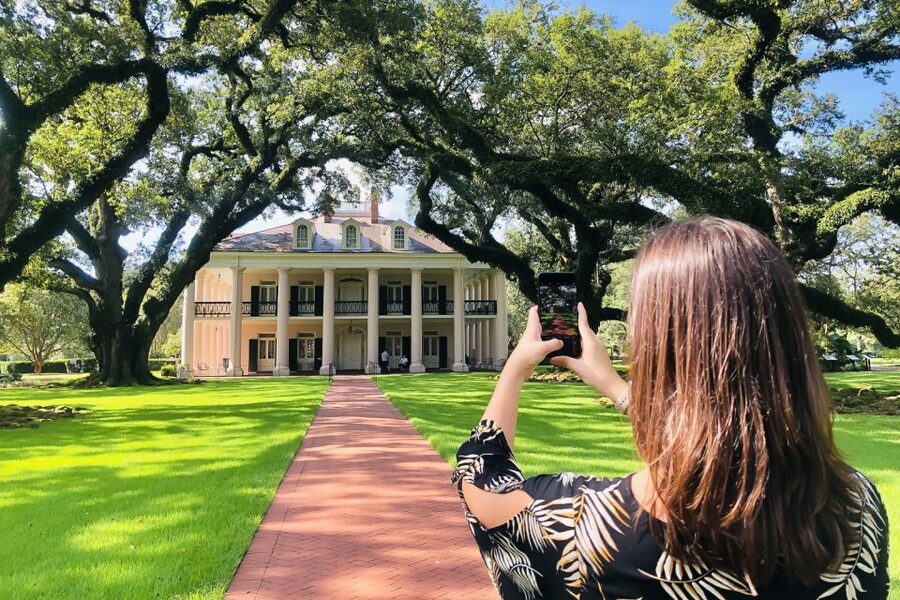
The first sight at Oak Alley is the quarter-mile avenue of ancient oaks, a grand approach planted between the 1820s and 1840s with enslaved labor. I like that the visit does not stop at the pretty mansion: the reconstructed cabins, interpreter-led slavery exhibit, and post-Civil War displays give you a fuller picture of the people who lived and worked here. I also like the ride itself, since guides such as Alton, Melinda, Robert, and Kendrell have made the trip more useful with stories about New Orleans and the plantations along the Mississippi.
The main drawback is time. The full outing lasts about five to seven and three-quarter hours, but the ride from New Orleans can take an hour to an hour and a half each way, leaving some departures with only about two hours at Oak Alley. That is enough for the house and the main exhibits, but it can feel rushed if you want a relaxed lunch and a proper walk through the grounds.
In This Review
- Key points at a glance
- Why the oak avenue is only the beginning
- The bus ride from New Orleans
- Entering Oak Alley’s 1839 Big House
- The slavery exhibit and reconstructed cabins
- Gardens, forge, and self-guided time
- Eating at Oak Alley
- Adding the 90-minute Manchac Swamp cruise
- Is $89 a fair price?
- Access, timing, and practical rules
- Who should book this outing?
- Should you book the Oak Alley tour?
- FAQ
- How long does the Oak Alley tour take?
- What is included in the $89 price?
- Is lunch included?
- Where does the tour leave from?
- How early should I arrive?
- Is the tour conducted in English?
- Is Oak Alley wheelchair accessible?
- Can I take photographs inside the plantation home?
- What does the swamp tour upgrade include?
- Can I cancel the tour?
Key points at a glance
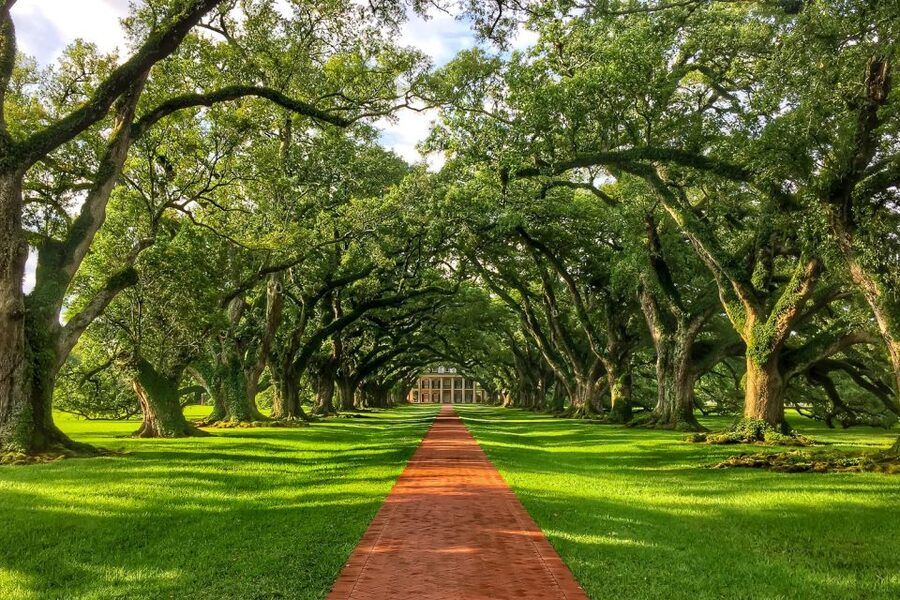
- Walk under 250-year-old oaks: The famous allée is the visual heart of the visit and the best place for photographs outdoors.
- See beyond the mansion: Reconstructed slave cabins and the Slavery at Oak Alley exhibit address the lives of enslaved people.
- Ride from downtown New Orleans: Round-trip transport saves you from arranging a car for the plantation district.
- Expect an informative bus journey: The guide may point out the Bonnet Carre Spillway and plantations such as Whitney, Evergreen, Felicity, and St. Joseph.
- Plan your food carefully: The on-site café sells sandwiches, salads, snacks, and drinks, but a full restaurant meal may not fit your schedule.
- Add the Manchac option: The 90-minute covered pontoon ride adds wildlife, Cajun culture, and possible alligator sightings.
Why the oak avenue is only the beginning
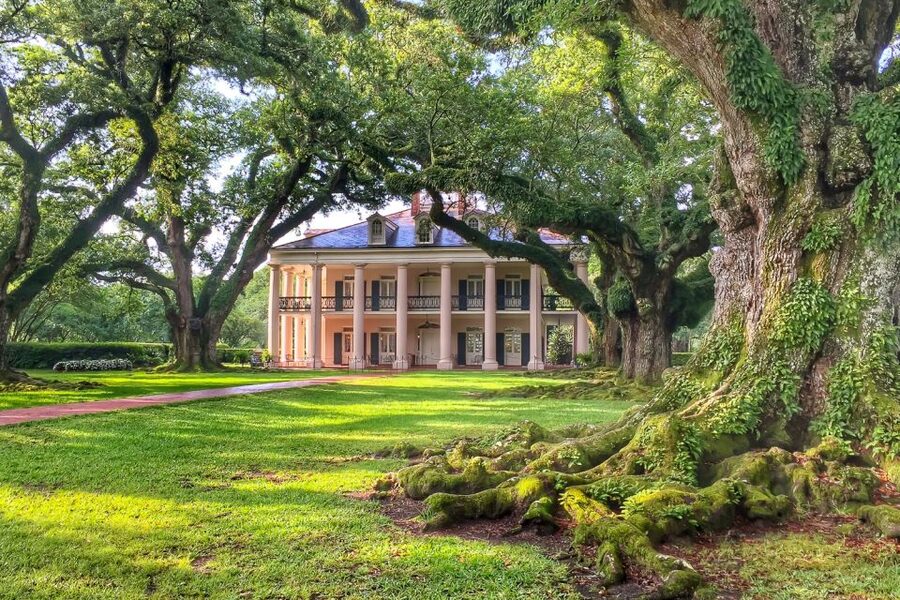
Oak Alley is often pictured as a mansion framed by enormous live oaks. That image is accurate, but incomplete. The avenue is striking because of its length, age, and symmetry, yet its beauty is tied to the labor system that created the plantation. The trees were planted with enslaved labor, and the site does not treat that fact as a footnote.
I would give the avenue time before or after the house tour. Walk its full length if the schedule allows, and take outdoor photographs from several points rather than stopping only at the mansion end. The oaks are the easiest part of Oak Alley to appreciate, but the slavery exhibit is the part that gives the visit its moral and historical weight.
The property also includes East and West Gardens designed to reflect different periods, including the 1840s and the 1930s. You can see how the site changed after the Civil War instead of viewing it as a frozen antebellum scene. A blacksmithing exhibit with the original forge adds another practical detail about plantation work.
Other New Orleans days travellers line up against this one:
- New Orleans Premier Ghost, Voodoo and Vampire Walking Tour
★ 4.5 · 12,856 reviews - New Orleans Steamboat Natchez Jazz Cruise with Dinner Option
★ 4.0 · 7,533 reviews - Adults-Only New Orleans Ghost, Crime, Voodoo, and Vampire Tour
★ 5.0 · 6,545 reviews
The bus ride from New Orleans
The tour begins at the Lighthouse Ticket Office at Toulouse Street and the Mississippi River, at the Steamboat Natchez dock behind JAX Brewery. You should arrive with your barcoded voucher about 15 minutes before departure. The transport is one of the strongest reasons to choose this outing, since Oak Alley is far beyond the central New Orleans sights and a car is otherwise useful.
The ride is not merely dead time. The guide may explain New Orleans, local food, plantation agriculture, and the communities along the river. Alton, Melinda, Robert, and Kendrell are among the guides praised for making the drive entertaining and informative, but names and assignments can change.
The route includes a view of Lake Pontchartrain as you cross the Bonnet Carre Spillway, the flood outlet for the Mississippi River. You also pass plantations including Whitney, Evergreen, Felicity, and St. Joseph. They are glimpses from the road rather than included visits, but they help you understand that Oak Alley was one part of a much larger sugar-growing region.
The coach has a restroom, a useful feature on a long outing. Still, road conditions can affect the schedule. Flooding and severe storms have caused major delays in the past, so keep your plans for the evening flexible, particularly during unsettled weather.
Entering Oak Alley’s 1839 Big House
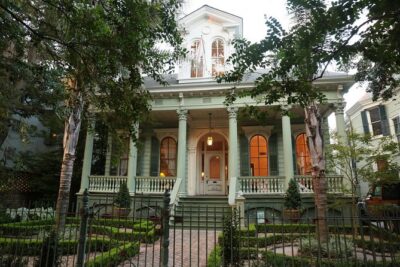
The guided house visit usually lasts about 40 minutes, though timing can vary. The 1839 Greek Revival mansion was built to display wealth and status, and its design makes that purpose plain. The tour focuses on life inside the Big House for the planter family and the enslaved workers who kept the household operating.
I find the house most useful when you view it as one part of the plantation system rather than as an isolated work of architecture. The polished rooms and formal appearance tell you about the owners’ public image. The exhibits beyond the house explain the labor, restrictions, and human cost that supported it.
The tour is structured, so you cannot linger freely in every room. Some people find the pace too quick, particularly if they want to study objects or ask many questions. A few past visits also felt that the house included fewer original objects than expected, since the building has been renovated over time.
Photography and video are not allowed inside the plantation home, and electronic devices must be switched off or muted there. Photography is encouraged on the balcony, grounds, and in the self-paced exhibits, so you can still document the avenue and gardens.
The slavery exhibit and reconstructed cabins
This is the section I would not skip. The reconstructed slave cabins and the Slavery at Oak Alley exhibit focus on the lives and legacies of people who were enslaved at the plantation. An interpreter presents the material, giving you a chance to ask questions and place the house within the wider system that supported it.
The cabins are reconstructions, not untouched original buildings. That matters because the displays are an interpretation of the past rather than a perfect physical survival. Even so, the exhibit helps you move beyond the familiar plantation image of columns and oak trees.
The quality of the visit depends partly on how much time you give this section. Read the displays, listen to the interpreter, and resist treating the cabins as a quick photo stop. Earlier visits have praised the exhibits as thought-provoking, while others wanted a fuller explanation of the suffering endured by enslaved people. That difference is worth keeping in mind: Oak Alley addresses slavery directly, but visitors looking for an especially extensive account of plantation slavery may want to compare it with other historic sites.
The plantation also presents the period after the Civil War through an exhibit about later owners. This prevents the story from ending when emancipation began. You get at least some sense of how the property changed in the years that followed.
A completely different way to spend a day nearby:
- New Orleans Food Walking Tour of the French Quarter with Small-Group Option
★ 5.0 · 6,118 reviews - New Orleans Swamp and Bayou Boat Tour with Transportation
★ 5.0 · 5,399 reviews - New Orleans Steamboat Natchez Jazz Cruise
★ 4.5 · 5,334 reviews - New Orleans City Sightseeing Hop-On Hop-Off Bus Tour
★ 4.5 · 4,943 reviews
Gardens, forge, and self-guided time
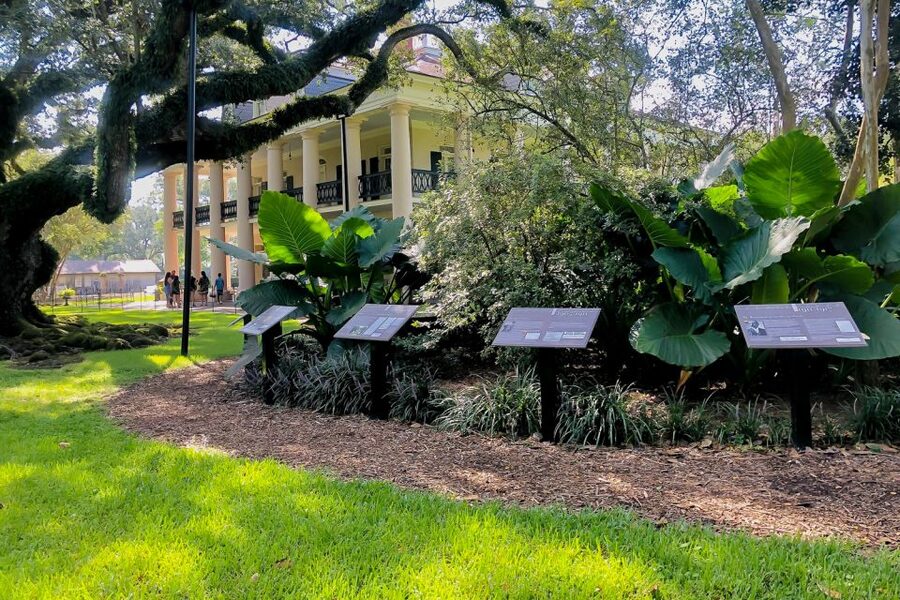
After the house tour, you have time to explore at your own pace. Depending on the departure schedule, that free period may be about 30 minutes or closer to two hours. This is where the tour’s fixed timing matters most.
The East and West Gardens offer a quieter way to see the property. Their period themes, one reflecting the 1840s and another the 1930s, show that the site has had more than one chapter. The blacksmithing display, including the original forge, adds a working detail that the mansion cannot provide.
Use your free time in order of importance. I would first walk the oak avenue, then visit the slavery exhibit, and only after that browse the gardens and other displays. If your schedule gives you two hours, you can make a good circuit. If it gives you less, do not assume you will comfortably see every sign, artifact, and garden corner.
Eating at Oak Alley
Food is not included in the $89 ticket. The Plantation Café sells grab-and-go meals, snacks, salads, sandwiches, and drinks, with picnic tables available. You can also take food back onto the coach, subject to the tour’s arrangements.
A full restaurant meal may be possible on some schedules, but it is not a safe assumption. The house tour runs at a set time, and the return departure is fixed. Several practical accounts point to the same problem: stopping for lunch can use much of the limited time available for the grounds.
I would eat before leaving New Orleans if you want a relaxed meal, then use the café for a quick snack or sandwich. If food is important to your day, check the exact timing before booking. The mint julep is an appealing on-site treat for some visitors, but it should be an addition, not the reason to choose this tour.
Adding the 90-minute Manchac Swamp cruise
The optional swamp upgrade turns this into a longer outing, lasting roughly 465 minutes at the upper end of the stated range. After Oak Alley, you ride to Manchac Swamp and board a covered pontoon boat operated by a local captain.
The cruise takes place through a privately owned wildlife refuge. The captain explains the area around Frenier and the Cajun traditions of fishing, hunting, and trapping. Alligators may come up for snacks, though wildlife sightings are never something I would treat as guaranteed.
This upgrade suits you if you want a second type of Louisiana experience after the plantation visit. It is less suitable if your main goal is to study Oak Alley slowly, since the longer outing does not solve the plantation’s limited free time. You are choosing between adding wildlife and Cajun culture or keeping more energy for New Orleans later in the day.
Is $89 a fair price?
At $89 per person, the value rests mostly in the transport and the amount of information provided on the road. If you are staying in central New Orleans and do not want to rent a car, arrange directions, or manage parking, round-trip service makes this a practical half-day plan.
The price includes the Oak Alley admission elements: the Big House tour, Sugarcane Theater film and displays, slavery exhibit, reconstructed cabins, gardens, blacksmithing exhibit, and access to the oak avenue. Lunch is extra, and the swamp cruise requires the upgrade.
Driving yourself could cost less for a group, but that comparison depends on rental costs, fuel, navigation, and your comfort with the route. The bus guide is another part of the value. Strong guides such as Alton and Robert have added New Orleans context and kept the long ride from feeling empty.
The weak point is not the admission package. It is the possibility of spending three hours or more in transit for a short visit on site. Check the departure length and expected time at Oak Alley before booking, especially if you want to see every exhibit or sit down for lunch.
Access, timing, and practical rules
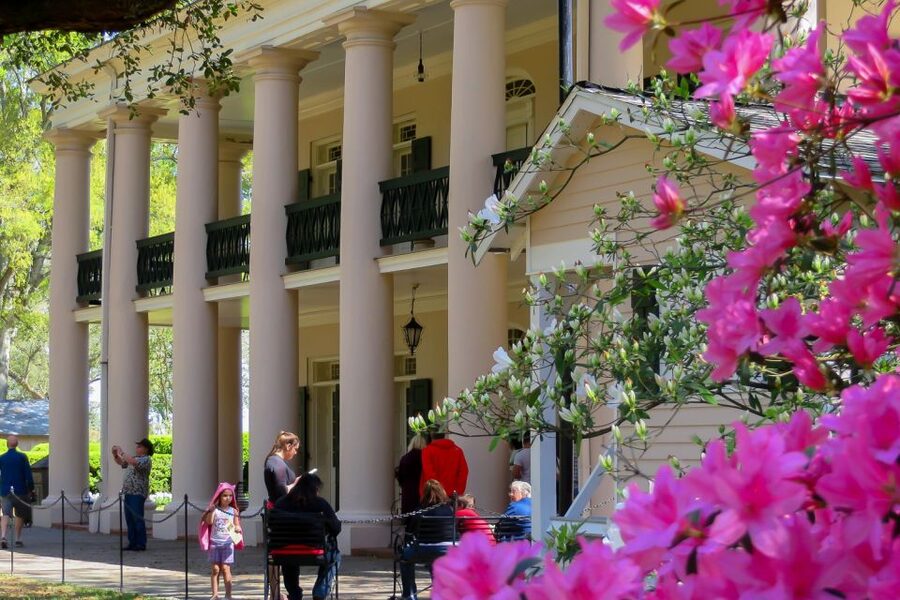
Basic and motorized wheelchairs are permitted, and most exhibits are accessible. The exception is the second floor of the Big House, which requires climbing 22 stairs. If you cannot manage the stairs, a video tour is available in the media room, though seating is limited and intended for people who cannot reach the upper floor.
Bring your voucher and arrive 15 minutes early at the Toulouse Street meeting point. The tour is conducted in English with a live guide. Free cancellation is available until 24 hours before the scheduled start, and you can reserve now while paying later.
The camera rules need care. No photography or video is permitted inside the plantation home, while outdoor areas and self-paced exhibits allow photography. Electronic devices should be off or muted during the house visit.
Wear shoes suitable for walking and plan for outdoor time. The supplied information does not specify weather protection or seasonal conditions, so I would check the forecast and bring what you need for time in the gardens and around the oak avenue.
Who should book this outing?
I would choose this tour if you want to see a famous plantation without renting a car and you value commentary during the drive. It suits first-time visitors to New Orleans who want architecture, plantation agriculture, slavery interpretation, and a glimpse of the river corridor in one day.
It is also a good fit for families and mixed-interest groups because the visit has several different parts. One person can focus on the mansion, another on the gardens, and another on the slavery exhibit or blacksmith display. The swamp upgrade works well for anyone who wants wildlife and Cajun culture added to the day.
I would hesitate if you dislike fixed schedules or need a long, quiet visit at historic sites. The house tour is guided and can feel brisk, while free time may be as short as half an hour on some departures. If you want a slow lunch and a close look at every sign, a self-drive visit may give you more control.
Should you book the Oak Alley tour?
Book it if transport from New Orleans is the deciding factor and you want more than a mansion photograph. The oak avenue is beautiful, but the slavery exhibit, cabins, and postwar displays make the visit more responsible and worthwhile.
Before paying, confirm how long your chosen departure allows at Oak Alley and decide if you need the swamp upgrade. At $89, the standard tour is a fair convenience purchase, especially with a strong bus guide. Just keep lunch quick, protect your free time, and treat the historic interpretation as the main reason to go, not only the grand view down the oaks.
FAQ
How long does the Oak Alley tour take?
The standard experience lasts between 315 and 465 minutes, depending on the selected option and schedule. The swamp upgrade is the longer version.
What is included in the $89 price?
The price includes round-trip transportation, the oak avenue, guided Big House tour, Sugarcane Theater, reconstructed slave cabins, slavery exhibit, later-owner exhibit, gardens, blacksmithing exhibit, and plantation admission elements.
Is lunch included?
No. You can buy sandwiches, salads, snacks, and drinks at the Plantation Café. Food can be eaten at the picnic tables or taken onto the coach.
Where does the tour leave from?
Tours depart from 400 Toulouse Street, New Orleans, Louisiana 70130, at the Lighthouse Ticket Office near the Mississippi River and Steamboat Natchez dock, behind JAX Brewery.
How early should I arrive?
Display your barcoded voucher at the meeting point 15 minutes before your tour time.
Is the tour conducted in English?
Yes. The activity has a live English-speaking guide.
Is Oak Alley wheelchair accessible?
Basic and motorized wheelchairs are permitted, and most exhibits are accessible. The second floor of the Big House requires 22 stairs, but a video tour is available for people unable to climb them.
Can I take photographs inside the plantation home?
No. Photography and video are not allowed inside the home. Photography is encouraged on the balcony, grounds, and in the self-paced exhibits.
What does the swamp tour upgrade include?
It includes a 90-minute covered pontoon cruise through a privately owned wildlife refuge in Manchac Swamp, with a local captain discussing Frenier and Cajun fishing, hunting, and trapping traditions.
Can I cancel the tour?
Yes. You can cancel up to 24 hours before the tour for a full refund. Reserve now and pay later is also available.
Recently reviewed around New Orleans
- New Orleans Yellow Fever Ghost Tour★ 5.0 · 1,298 reviews
- VIP Jazz Dinner Cruise with Private Tour and Open Bar Option★ 4.5 · 838 reviews
- Whitney Plantation Tour with Transportation from New Orleans★ 4.5 · 1,351 reviews
- New Orleans Private Carriage Tour of the French Quarter★ 5.0 · 537 reviews
- New Orleans French Quarter Photo Shoot★ 5.0 · 462 reviews
- New Orleans Delicious Donuts & Beignets: A Sweet Walking Tour★ 5.0 · 928 reviews
- The Escape Game at the French Quarter in New Orleans★ 5.0 · 364 reviews
- The Ghosts of New Orleans Tour★ 4.5 · 702 reviews
New Orleans Tours, compared.

New Orleans Premier Ghost, Voodoo and Vampire Walking Tour
Read our review →
New Orleans Steamboat Natchez Jazz Cruise with Dinner Option
Read our review →
Adults-Only New Orleans Ghost, Crime, Voodoo, and Vampire Tour
Read our review →
New Orleans Food Walking Tour of the French Quarter with Small-Group Option
Read our review →
New Orleans Swamp and Bayou Boat Tour with Transportation
Read our review →
New Orleans City Sightseeing Hop-On Hop-Off Bus Tour
Read our review →
Browse the lists this tour appears in