
Reviewed · SNORKELING
Snorkeling for Non-Swimmers with Photos Guided Tour Wailea Beach
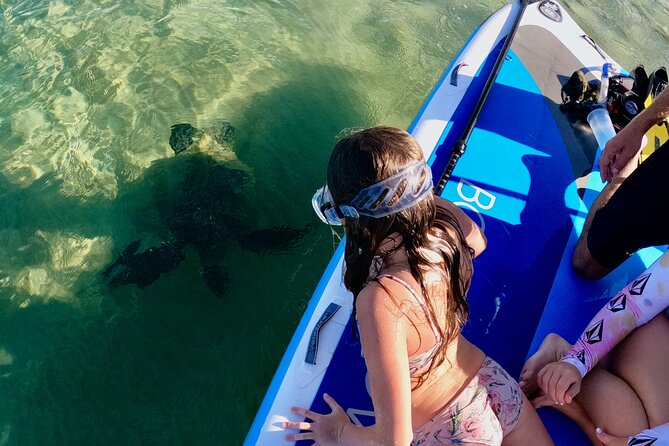
The best thing about this Wailea Beach outing is that you do not need to be a swimmer to see Maui’s underwater world. You begin in shallow water, learn to breathe through the snorkel, and get steady help before heading farther out with a life jacket and an attentive guide.
I like the calm, patient teaching, especially from guides such as Triston, Ryan, James, Sarah, and Georgia. I also like the small group size, capped at 12, and the useful mix of instruction, turtle spotting, fish watching, and complimentary photos.
The main consideration is that ocean conditions can change. One session had to pause briefly because of wind, and an underwater camera was not always available, so photos are a welcome extra rather than something to count on every time.
In This Review
- Key Points for a First Maui Snorkel
- Why This Wailea Beach Tour Works for Nervous Beginners
- What Happens at the 3894 Wailea Alanui Drive Meeting Point
- Shallow Water Practice Before the Open Ocean
- Reaching the Fish and Turtles by Paddleboard or Raft
- What Makes the Guides So Important
- Photos, Fish, Coral, and the Turtle Factor
- The $149 Price and What You Receive
- Timing, Weather, and Physical Effort
- Who Should Book This Experience
- Should You Book the Wailea Beach Snorkel Lesson?
- FAQ
- Where does the snorkeling tour meet?
- How long does the experience last?
- Do I need to know how to swim?
- What equipment is provided?
- How many people can join the group?
- Can I see sea turtles and fish?
- What is the cancellation policy?
Key Points for a First Maui Snorkel
- Made for non-swimmers: You practice floating and breathing in shallow water before heading out.
- A raft or paddleboard helps: You can reach the viewing area without swimming the whole way.
- Patient one-on-one support: Guides can hold your hand or stay close if open water makes you nervous.
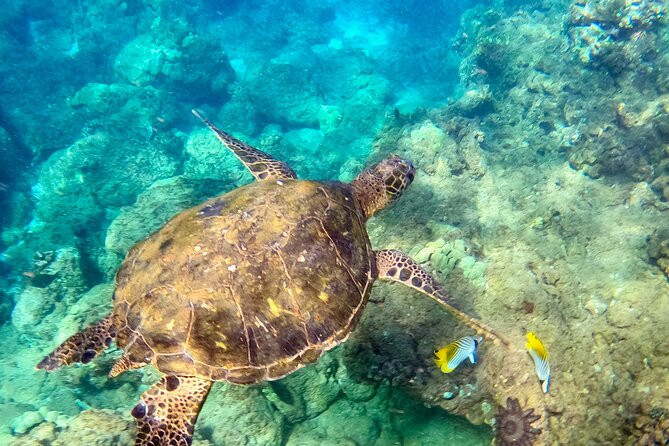
- Wildlife is a real part of the outing: Fish, coral, and sea turtles have all been seen.
- Photos are usually shared quickly: The crew often sends images by AirDrop after the session.
- Short and focused: The experience lasts about 90 minutes, so it fits neatly into a Maui day.
Why This Wailea Beach Tour Works for Nervous Beginners
Snorkeling can look easy from shore. Put on a mask, breathe through a tube, and look down. In practice, the first few minutes can be unnerving, especially if you cannot swim, dislike putting your face in water, or once had a bad experience in a pool.
This outing deals with that problem directly. You are not simply handed equipment and sent toward the reef. The guide explains how the mask, snorkel, and fins work, then gives you time in shallow water to get used to them. You can work on breathing, floating, and water safety before the ocean feels like a test.
That preparation matters. If water gets into the mask or the snorkel feels strange, you have already learned the basic response. You can also tell the instructor where you need help. Several guides, including Triston and Ryan, have been praised for staying especially close to people who were anxious or had little swimming ability.
The tone is more like a short lesson with an ocean outing attached than a standard snorkel cruise. That makes it a strong choice for a first attempt, but it also means the focus is comfort and control rather than covering a huge stretch of coastline.
More Snorkeling Trips in Maui
- Maui Snorkeling Adventure to Molokini and Turtle Town
★ 4.5 · 2,221 reviews - Maui Snorkeling Adventure From Ma’alaea Harbor to Molokini
★ 4.5 · 1,997 reviews - Maui: Molokini and Turtle Town Snorkeling aboard Pride of Maui
★ 4.5 · 1,124 reviews
What Happens at the 3894 Wailea Alanui Drive Meeting Point
You meet the My Splash team at 3894 Wailea Alanui Dr in Kihei, then return to that same point at the end. The activity is offered in English, and your booking confirmation is provided at the time of booking.
The meeting point is at Wailea Beach, so the setting is immediately practical: beach, shallow water, and access to the ocean all come together. You do not need to start with a boat ride or manage a long transfer before the lesson begins.
Once the group is assembled, the crew provides the basic snorkeling setup: mask, snorkel, fins, and life jacket. The gear is not an afterthought here. Proper fitting is important because a leaking mask or poorly adjusted snorkel can turn a manageable first lesson into a frustrating one.
The group can include up to 12 people. That is not a private lesson, but it is small enough for the guides to keep track of different comfort levels. This matters when one person is ready to look for fish and another still wants to stay near the board.
Shallow Water Practice Before the Open Ocean
The first water session takes place close to shore. You learn how to use the mask and snorkel, practice breathing with your face in the water, and get a feel for floating while wearing the life jacket.
I consider this the most valuable part of the experience. A non-swimmer does not need to become a swimmer in 20 minutes. You only need enough confidence to understand how your equipment supports you and how to stay calm when the water moves around you.
The guides adjust their help to the person in front of them. A confident swimmer may need only a quick explanation, while someone afraid of standing in a pool may need close personal support. The team has worked with people who could float or paddle only briefly, as well as families with young children and mixed ability levels.
If you feel insecure, the guide can stay nearby and hold your hand when needed. That kind of direct help is a major reason to choose this experience instead of renting gear on your own. You get a person watching your breathing, position, and comfort instead of trying to solve every problem alone.
One family described a child becoming frightened once the group moved farther out. The crew kept the child safe and occupied on the board while the rest of the family continued. That example is useful for parents: the guides can adapt, but you should still expect children to have different reactions once they leave the beach.
Reaching the Fish and Turtles by Paddleboard or Raft
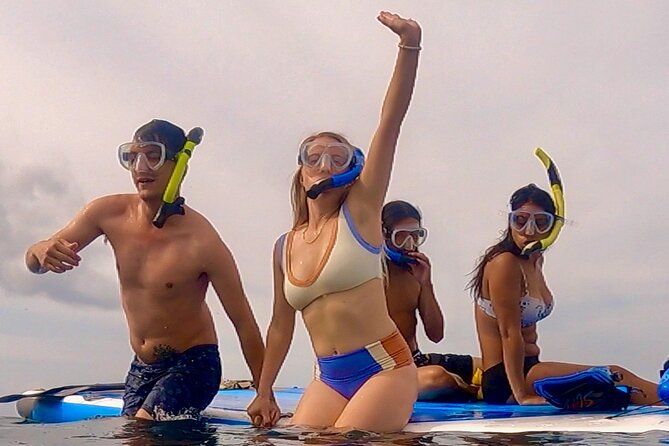
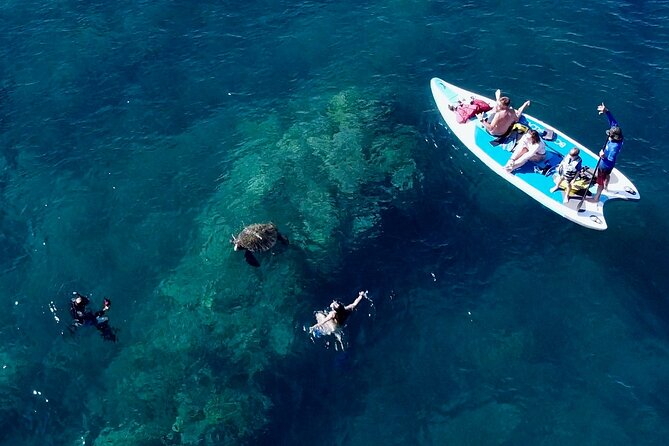
After the shore practice, the group heads toward the viewing area on a paddleboard or inflatable raft. The exact wording used to describe the equipment varies, but the practical point is clear: you do not need to swim continuously to reach the marine life.
You can use the board for support, take breaks, and look around from a stable place. Less confident participants may stay close to it while using their legs and snorkel to see what is below. More experienced members of your party can spend more time looking through the water, with the guide balancing attention across the group.
This setup is especially useful for couples or families with mixed skills. One person can be a capable swimmer and still enjoy the instruction and wildlife spotting, while the non-swimmer has a reliable base nearby. The experience does not force everyone to perform at the same level.
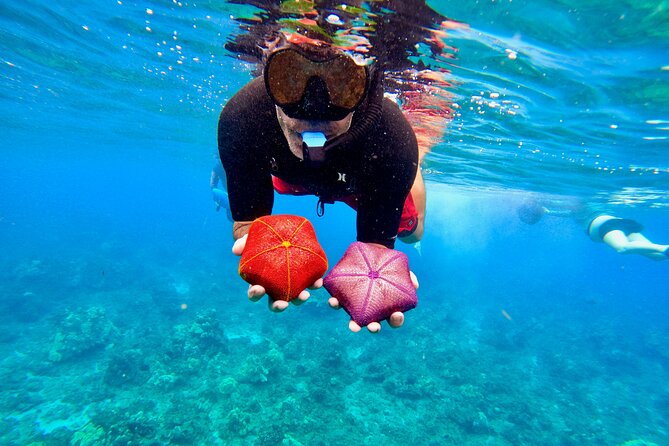
At the viewing area, you may see colorful fish, coral, and sea turtles. Multiple outings have included turtle sightings, sometimes several turtles close to the group. Wildlife is never guaranteed, of course, and ocean visibility and animal movement can change, but the location has produced the kind of marine viewing most first-time snorkelers hope for.
The guides also help point out fish and sea life. That is more useful than simply being told to look down. Beginners often miss animals that blend into the coral or do not know where to focus, so an instructor’s eye can make the underwater scene easier to understand.
More snorkelling spots near Maui:
- West Maui Snorkeling Experience by Boat from Ka’anapali
★ 5.0 · 881 reviews - South Maui: Molokini & Turtle Town Snorkeling Tour with Meal
★ 4.5 · 838 reviews - Four Winds Molokini Snorkeling Tour from Maalaea Harbor
★ 4.5 · 821 reviews - Maui: Molokini Crater and Turtle Town Snorkeling From Kihei
★ 5.0 · 765 reviews
What Makes the Guides So Important
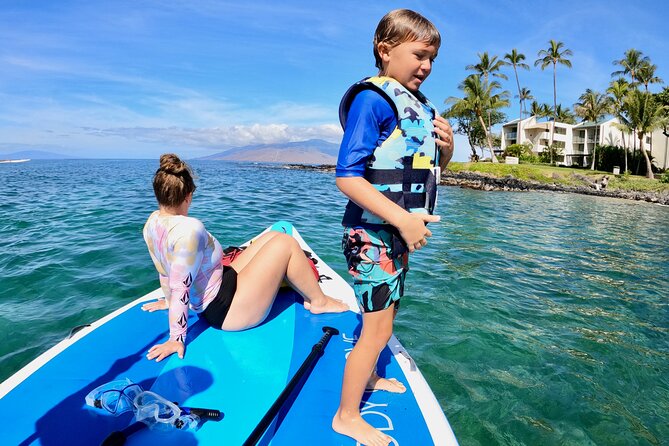
The equipment gets you into the water. The guide determines how manageable the experience feels.
Triston is repeatedly singled out for patient, one-on-one support. Ryan has been praised for helping different swimming levels at the same time, while James, Sarah, and Georgia have also worked closely with children and nervous beginners. The names matter because this is an instruction-heavy outing, not a self-guided rental.
A good guide does three things here. First, the guide explains the equipment in plain terms. Second, the guide notices when someone is anxious before that person has to ask for help. Third, the guide keeps the outing moving without rushing the least confident person.
That third point is easy to miss. If you are comfortable in the water, you still want to see fish and turtles rather than spend the whole session waiting. The reported group size and guide-to-participant attention make it possible to give extra help without abandoning stronger swimmers.
The guides also teach basic snorkeling dos and don’ts. That gives the outing an environmental side, not just a sightseeing purpose. You learn how to move through the water and observe coral and marine life without treating the reef like a swimming pool obstacle course.
Photos, Fish, Coral, and the Turtle Factor
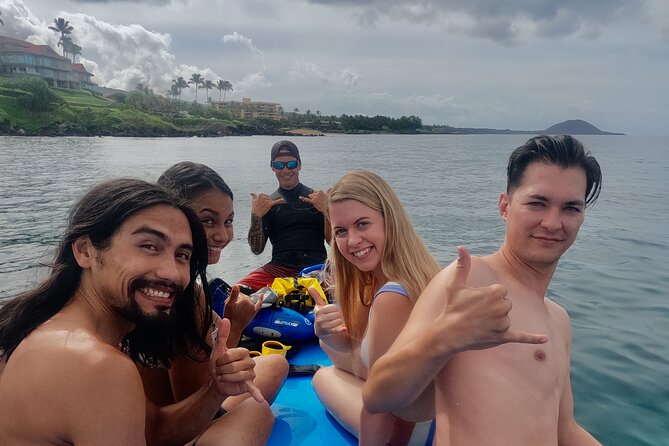
Photos add real value to a short tour. The crew often takes underwater pictures of the group and the marine life, then shares them immediately, sometimes by AirDrop. You can leave with a record of your first snorkel instead of relying on a phone that may not be suited to salt water.
I would treat this as a bonus, not the main reason to book. One outing did not have an underwater GoPro because another guide had taken it, so camera availability can vary. If photographs are important to you, ask about the current setup when you arrive.
The wildlife is the stronger attraction. The experience has included many kinds of fish, coral, and sea turtles close to the group. The guides may point out what you are seeing, which helps turn a quick glimpse into a better understanding of the reef.
You should also keep expectations sensible. The tour is about 90 minutes, not a full-day marine expedition. You will have time to practice, reach the viewing area, look around, and return, but not endless time to search every corner of the reef.
That shorter format is actually helpful for a first attempt. Wearing a mask and breathing through a snorkel can be tiring, and open water demands more attention than a pool. Ninety minutes gives you a meaningful look without committing half a day to an activity you may still be testing.
The $149 Price and What You Receive
At $149 per person, this is not the cheapest way to look at Maui’s fish. You may find less expensive options involving a simple equipment rental or a large boat trip.
The value here comes from the teaching and supervision. Your price includes the guided lesson, mask, snorkel, fins, life jacket, shallow-water practice, access to the paddleboard or raft, and the chance to see marine life with an instructor nearby. Photos are often included as well.
For a capable swimmer who already snorkels comfortably, the price may feel high for 90 minutes. You are paying for personal attention and a beginner-friendly structure, not for a long ride or a full coastal tour.
For a non-swimmer, the calculation is different. Renting equipment does not teach you how to breathe through a snorkel or help you stay calm in the ocean. A patient guide can be the difference between turning around at the beach and actually seeing turtles.
The maximum of 12 keeps the group from becoming unwieldy. It is worth remembering that 12 is a maximum, not a guarantee of a tiny private outing. Still, the format is more intimate than a large vessel carrying dozens of people.
Timing, Weather, and Physical Effort
The activity lasts about one hour and 30 minutes, with the time split between shore instruction and water viewing. Morning conditions may be preferable because calmer water can make the first lesson easier, although the available information does not promise a particular departure time.
You should have a moderate level of physical fitness. That does not mean you need to swim well. It does mean you should be prepared to handle beach activity, snorkeling equipment, floating, and time in the water.
Wind can affect the plan. In one case, the guide waited about 15 minutes to see if conditions would settle before continuing. That is a good sign from a safety point of view, but it also means the schedule can shift or the outing can be canceled when conditions are poor.
The experience requires good weather and a minimum number of participants. If the operator cancels for either reason, you are offered another date or experience, or a full refund.
You can cancel for a full refund up to 24 hours before the start time. Cancellations or changes made within 24 hours are not refunded, so do not leave this decision until the last morning.
Who Should Book This Experience
I would put this near the top of the list for:
- First-time snorkelers who want instruction before open water
- Non-swimmers who want to see marine life with close support
- Couples with different swimming abilities
- Families whose children need a gentle introduction
- Confident swimmers who want a guide to identify fish and turtles
- People who value photos and a small group over a long boat excursion
The family examples are encouraging. Guides have worked with children as young as five and six, and have helped kids around seven, eight, nine, 10, 11, and 13 feel comfortable with the equipment. The information does not give a formal minimum age, so you should confirm age requirements before booking.
I would be more cautious if you want a broad Maui coast tour, a long session, or a high-energy outing. This is a focused lesson at Wailea Beach. Its strength is personal support, not distance covered.
It may also be a poor match if you strongly dislike being in the ocean even with a life jacket and a guide. The team can help with fear, but no instructor can remove every personal limit. You should be honest about your comfort level from the start.
Should You Book the Wailea Beach Snorkel Lesson?
I would book it if you have always wanted to snorkel but have held back because you cannot swim or feel anxious in open water. The shallow practice, life jackets, board support, and guide attention address the exact problems that make casual snorkeling difficult.
The strongest reason to choose it is the teaching. Triston, Ryan, James, Sarah, and Georgia have each been praised for patience, careful instruction, and close support. The turtle and fish sightings are a wonderful reward, but the real success is getting you comfortable enough to enjoy them.
At $149, it is best viewed as a guided confidence-building session with wildlife viewing, not a bargain sightseeing trip. Book it for the support, the small group, and the chance to turn a fear of snorkeling into a real Maui memory.
FAQ
Where does the snorkeling tour meet?
You meet at 3894 Wailea Alanui Dr, Kihei, Hawaii 96753, USA, at Wailea Beach. The activity ends back at the same meeting point.
How long does the experience last?
The tour lasts approximately one hour and 30 minutes.
Do I need to know how to swim?
No. The experience is designed for non-swimmers and first-time snorkelers. You practice floating and breathing in shallow water, wear a life jacket, and can receive close assistance from the instructor.
What equipment is provided?
The tour provides masks, snorkels, fins, and life jackets. You are also taken out toward the viewing area on a paddleboard or inflatable raft.
How many people can join the group?
The maximum group size is 12 participants.
Can I see sea turtles and fish?
The experience offers the chance to see colorful fish, coral, and sea turtles. Sightings depend on ocean conditions and the movement of marine life, so they cannot be guaranteed.
What is the cancellation policy?
You can cancel at least 24 hours before the start time for a full refund. Cancellations or changes within 24 hours are not refunded. If poor weather or an insufficient number of participants causes the operator to cancel, you are offered another date or experience, or a full refund.
More Photography Sessions in Maui
- Maui Family and Couple Beach Photo Session
★ 5.0 · 333 reviews - The ‘OG’ Manatee Snorkel Tour with In-Water Guide/Photographer
★ 5.0 · 2,539 reviews - Manatee Swim Tour with In Water Photographer
★ 5.0 · 2,300 reviews - Guided Small Group Manatee Snorkeling Tour with In-Water Photographer
★ 5.0 · 1,336 reviews
Recently reviewed around Maui
- Whale Watching from Ma’alaea Harbor★ 5.0 · 537 reviews
- Maui: Whale Watching Cruise with Open Bar from Ka’anapali Beach★ 5.0 · 802 reviews
- Maui Premium Sunset Dinner Cruise & Whale Watch★ 4.5 · 504 reviews
- West Maui Half Day Snorkel from Ka’anapali Beach★ 5.0 · 1,253 reviews
- West Maui and Molokai Special 45-Minute Helicopter Tour★ 5.0 · 759 reviews
- Water Bike Tour in South Maui★ 5.0 · 372 reviews
- Maui Snorkeling Boat Tour to Turtle Town Aboard Quicksilver★ 4.5 · 542 reviews
- Rainforest Tour to Hana and Beyond★ 5.0 · 864 reviews
Snorkeling, compared.
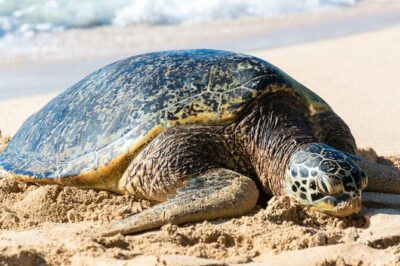
Grand Tour Around Island 16 Locations plus Snorkeling
Read our review →
Oahu Circle Island Tour with Turtle Snorkeling— Small-Groups
Read our review →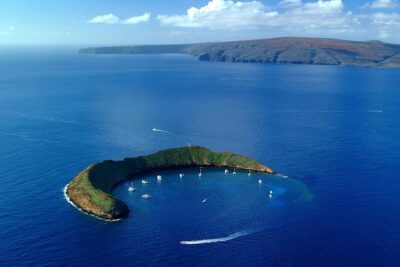
Maui Snorkeling Adventure to Molokini and Turtle Town
Read our review →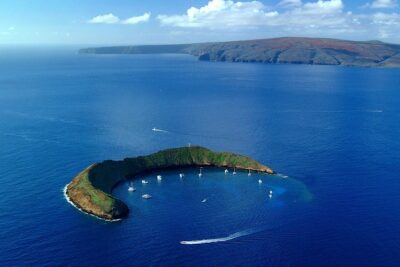
Maui Snorkeling Adventure From Ma’alaea Harbor to Molokini
Read our review →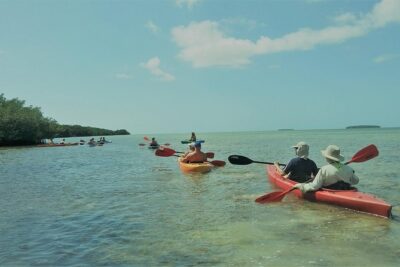
Half-Day Trip from Key West with Kayaking, Snorkeling & Sunset
Read our review →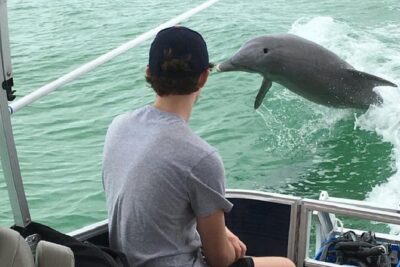
Small Group 2 Hour Dolphin Cruise with Snorkeling to Shell Key
Read our review →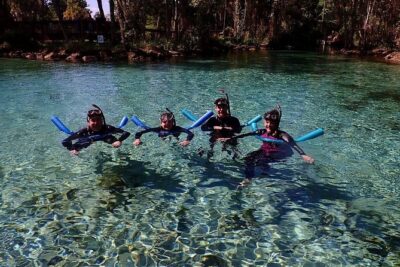
Guided Small Group Manatee Snorkeling Tour with In-Water Photographer
Read our review →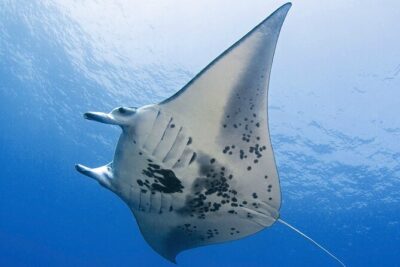
Glow of the Deep: Night Snorkeling with Manta Rays
Read our review →Browse the lists this tour appears in