
Reviewed · BIG ISLAND OF HAWAII TOURS
Big Island: Mauna Kea Summit and Stars Small-Group Adventure Tour
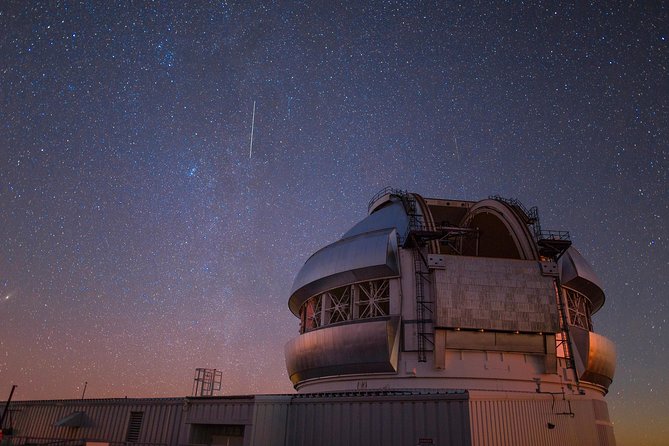
Mauna Kea gives you two great shows in one evening: a sunset above the clouds and a sky packed with stars. The summit rises to roughly 13,000 feet, so the Pacific looks vast and distant, while Maui may appear across the channel in a way you cannot see from the coast. After sunset, you descend to about 9,000 feet for a warmer, safer stargazing stop.
I like the careful altitude plan, with dinner and time to adjust at the visitor station before the summit climb. I also like the small group size, warm parkas, and serious viewing equipment, including an 11-inch Celestron telescope and a digital scope that can capture images of deep-space objects.
The main drawback is the cold, wind, altitude, and bumpy road. The dinner stop can feel rushed if you want to eat, use the restroom, and visit the information center in about 30 to 45 minutes. This is not a casual sunset outing, and you need to be comfortable with a long evening at high elevation.
In This Review
- Key points to know before booking
- Why Mauna Kea makes such a fine night out
- Meeting in Kona and settling into the van
- Dinner and altitude adjustment at 9,000 feet
- Sunset at the Mauna Kea summit
- A private telescope show at 9,000 feet
- Hot chocolate, cookies, and staying warm
- Is $329.84 a fair price?
- Who should book this Mauna Kea tour?
- Final call: a strong choice for sky and sunset lovers
- FAQ
- How long does the Mauna Kea summit and stargazing tour last?
- What is included in the tour price?
- How high does the tour go?
- What should I wear and bring?
- Is there a minimum age?
- Can I take the tour after scuba diving?
Key points to know before booking
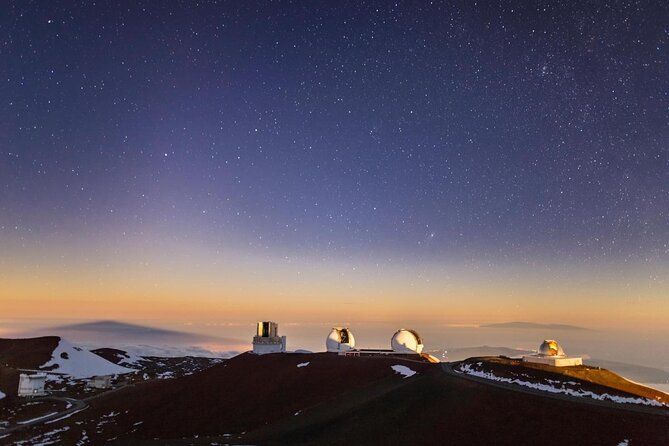
- Sunset at roughly 13,000 feet: Watch the sun drop into the Pacific from above the clouds, with possible views toward Maui.
- Stargazing at 9,000 feet: The main telescope session takes place lower than the summit, where the air is more comfortable and the group can stay longer.
- Two strong telescopes: Use an 11-inch Celestron telescope and a Stellina digital astro-photography scope for stars, planets, galaxies, and shareable images.
- Small group transport: A custom 4×4 van carries no more than 12 people over Mauna Kea’s rough access road.
- Cold-weather gear and food included: You receive a hooded parka, gloves, hot dinner, hot chocolate, and cookies.
- Strict health limits: The tour is not suitable for pregnancy, heart, respiratory, or circulatory conditions, and scuba divers must wait 24 hours before going to the summit.
Why Mauna Kea makes such a fine night out
Mauna Kea is not just a high mountain with a pretty sunset. Its height and dark skies make it a remarkable place to look outward, far beyond the Big Island. The tour uses the summit for the sunset, then moves down to the visitor station area for the astronomy session. That split is smart: you get the drama of the summit without spending the entire night at the highest point.
The setting changes quickly. At the coast, Hawaii feels warm and tropical. At the summit, you need a parka, gloves, long pants, and closed-toed shoes. The air is thin, the road can shake the van, and even a clear evening may feel harsh in the wind. The change is part of the appeal, but you should treat it as a mountain trip, not simply a drive to a viewpoint.
The company operates small groups of up to 12 people. That matters when the guide is pointing out a constellation, helping you look through a telescope, or explaining why the altitude requires a slow pace. Guides named Jeff, Jason, Wilson, Eugene, and Jon have received especially strong praise for astronomy, geology, Hawaiian culture, safety, and their ability to keep the group comfortable. Your guide will vary, but the trip depends heavily on that person’s skill.
The overall rating is 4.8 out of 5, with 97 percent of customers recommending the experience. Those numbers suggest a very dependable outing, though clear skies are never guaranteed. Clouds, fog, mist, rain, or wind can limit the stars, just as they can anywhere in the mountains.
Other Big Island of Hawaii days travellers line up against this one:
- Big Island in a Day: Volcanoes Waterfalls Sightseeing and History
★ 5.0 · 6,569 reviews - Big Island Manta Ray Night Snorkel
★ 5.0 · 5,656 reviews - Big Island: Kona Manta Ray Snorkel Tour in Keauhou Harbor
★ 4.5 · 2,465 reviews
Meeting in Kona and settling into the van
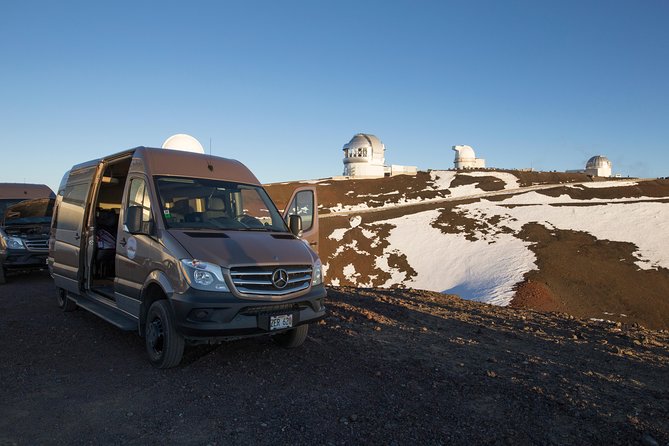
The main Kona meeting point is near the Courtyard by Marriott King Kamehameha’s Kona Beach Hotel. You meet the guide at benches near the parking lot entrance, by the curb. There may be other central pickup points along the route, and your actual pickup time may differ from the start time shown during booking, so confirm the details ahead of time.
The 4×4 transit vans are built for the rough access road and can carry up to 12 people. The ride is intended to be safe and comfortable, but the road can be bumpy for a long stretch. If you get motion sick, plan ahead. The small-group format also means less time waiting for people to gather and more room for questions.
Your guide begins explaining the island as you travel. Expect material on volcanoes, lava flows, Hawaiian navigation, astronomy, ecology, and local culture. This is one of the tour’s better features because the mountain becomes more than a scenic backdrop. You begin to understand how the island was formed and why the night sky has such a strong place in Hawaiian tradition.
Dinner and altitude adjustment at 9,000 feet
The first substantial stop is the Maunakea Visitor Information Station, around 9,000 feet. You eat a hot picnic-style dinner and give your body time to adjust before climbing higher. The meal is designed for comfort rather than ceremony. Chicken stew has been a favorite, and a vegetarian option is available, including a gluten-free choice according to the tour details and customer feedback.
Timing is the one concern here. You may have only about 30 to 45 minutes to eat, use the restroom, and look around the information center. Restrooms can develop a line, so I would use them early rather than waiting until the last minute. Eat steadily, drink water, and avoid rushing around. The operator provides filtered water refills, but you need to bring your own bottle.
This stop also gives the guide a chance to discuss Hawaiian star navigation. That conversation adds meaning to the later telescope session. You are not simply looking at random points of light. You are learning how people have read the sky, traveled across the Pacific, and connected the heavens with place and tradition.
Altitude deserves serious attention. You may feel short of breath, lightheaded, or unusually tired as the van climbs. The guides repeatedly remind people to take slow, deep breaths and move at an easy pace. That care is valuable, but it does not remove the risks. Anyone with respiratory, circulatory, or heart problems, anyone in poor health, and anyone who is pregnant should not take this tour.
Scuba divers need an extra rule: do not go to the summit within 24 hours after diving. The high elevation can create dangerous pressure-related problems after a dive. This is a firm planning issue, not a minor packing suggestion.
Sunset at the Mauna Kea summit
From the visitor station, the van continues up the 4×4-only road toward the summit. The ride is scenic but rough in places. The guide handles the driving, which is a major reason I prefer this organized trip to attempting the route in a rental vehicle. The road, altitude, and changing conditions make self-driving a poor choice for anyone unfamiliar with the mountain.
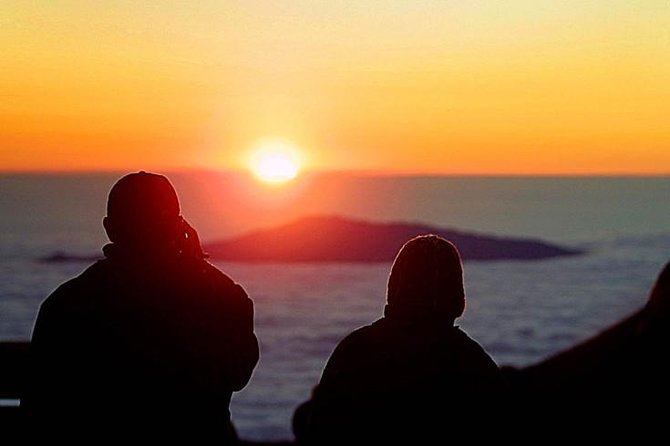
At the summit, the reward is a wide-open view above the clouds. The sun slips toward the Pacific, and the horizon can stretch across the ocean toward Maui. Sunset conditions change from day to day, but the combination of height, open sky, and cloud layers gives this stop a special character.
You have about 30 minutes at the summit according to the planned schedule. That is enough for the main view and photographs, but it is not a leisurely mountain walk. Stay near the group, follow your guide’s instructions, and do not expect to wander freely for a long time. Thin air makes even simple movement more tiring than it seems.
The cold can surprise you. The provided hooded parka and gloves help, and the parka has been described as warm. Still, bring a sweatshirt or sweater for layering, plus a warm hat if you have one. Winter can bring snow to Mauna Kea, with the heaviest snowfall generally occurring during the winter months. Closed-toed shoes and long pants are required.
One practical note: sunset is not the end of the high-altitude portion. The sky may look inviting, but the best astronomy session takes place after the group descends to a lower elevation.
A completely different way to spend a day nearby:
- Hilo Shore Excursion: Volcanoes National Park & Black Sand Beach
★ 4.5 · 2,338 reviews - Big Island: Captain Cook Snorkel On A Power Catamaran With Lunch
★ 5.0 · 2,232 reviews - KONA Manta Ray Night Snorkel – FREE re-ride if no Sightings
★ 5.0 · 2,212 reviews - Manta Ray Night Snorkel at Kona, Big Island
★ 5.0 · 1,758 reviews
A private telescope show at 9,000 feet
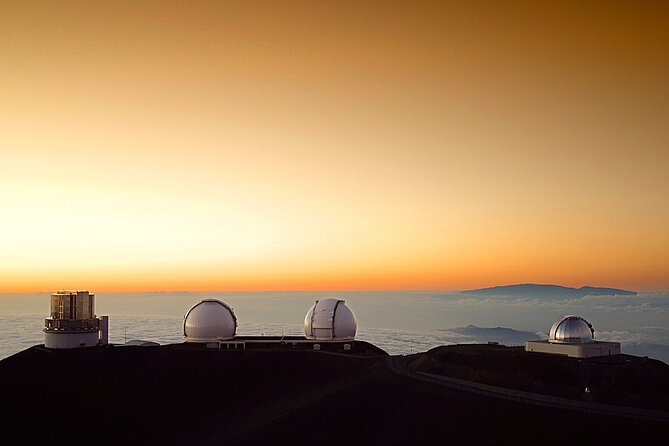
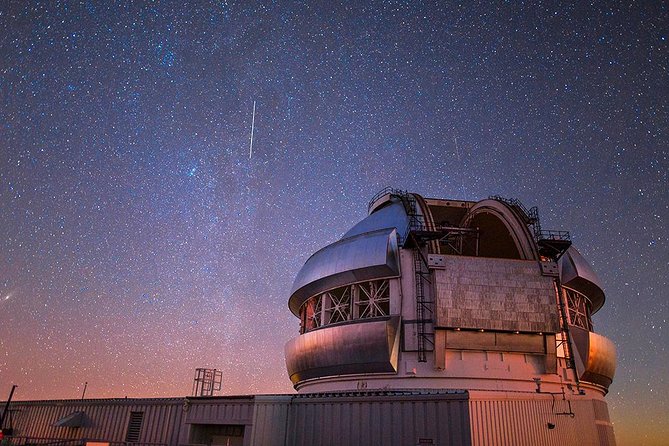
After sunset, you return toward the visitor station area for the main stargazing session. The lower elevation is easier on your body and usually less bitterly cold than the summit. The tour also uses a spot where only tour groups are allowed, which helps keep the viewing area from feeling crowded.
The 11-inch Celestron telescope is the main attraction. Depending on the night and what is visible, you may look at planets, stars, galaxies, and other deep-space objects. The guide explains what you are seeing instead of leaving you to guess at a faint blur in the eyepiece. This is where an enthusiastic guide makes a real difference.
The digital astro-photography scope adds another layer. The Stellina telescope can capture images of objects in the night sky, and the guide can share those pictures with you. That is useful for people who want more than a quick look through an eyepiece. Your phone can record the moment, but the digital scope gives you a much better way to remember the view.
A moonless night can make the Milky Way much easier to see. If that is your main goal, scheduling near a new moon is a useful tip. The moon phase does not control cloud cover, of course, but a smaller or absent moon generally leaves more contrast in the sky.
Weather remains the wild card. One night may bring clear skies and an astonishing number of stars. Another may bring fog, mist, or cloud cover, with only brief openings. A good guide can still point out constellations when clouds break, and the mountain’s geology, history, and culture remain part of the evening, but you should not book this as a guaranteed celestial performance.
Hot chocolate, cookies, and staying warm
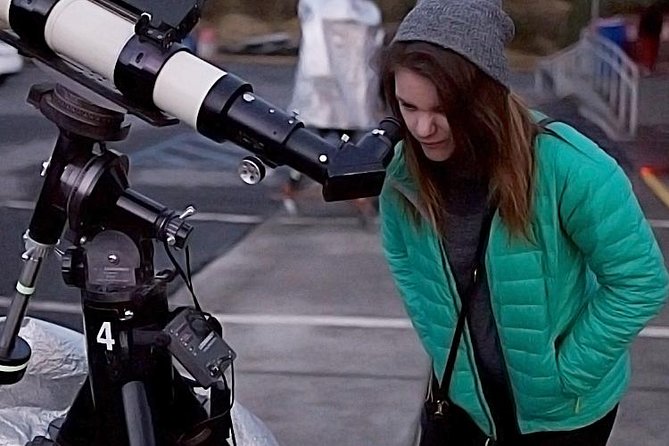
Once the sun is gone, hot chocolate and cookies become more than a pleasant extra. They give you something warm to hold while the telescope is being set up and help take the edge off the cold. The included hooded parka and gloves are useful, but do not treat them as a substitute for your own layers.
Bring:
- Long pants and closed-toed shoes
- A sweater or sweatshirt
- A warm hat
- Your own refillable water bottle
- A phone or camera, if you want to record the evening
The altitude can make you feel colder and more tired than expected. Move slowly, listen to the guide, and tell the guide if you feel unwell. The van, warm drinks, and lower stargazing position make the outing manageable for many people, but high elevation affects everyone differently.
The evening lasts about eight hours from pickup to drop-off. Dinner is served earlier than a normal evening meal because of the driving and sunset schedule. That may feel odd, but it keeps the timing workable. You may want a small snack before pickup if you usually eat late.
Is $329.84 a fair price?
At $329.84 per person, this is a costly half-day outing. The value depends on what you would otherwise need to arrange yourself. The price includes central pickup and drop-off, a trained guide, 4×4 transport, dinner, parkas, gloves, hot chocolate, cookies, telescope access, digital astronomy images, and local taxes.
You are also paying for planning and safety. A self-drive approach would not provide the same astronomy equipment, meal, clothing, or guide commentary. More important, you would be responsible for the summit road, altitude decisions, and timing. Renting a suitable 4×4 might lower the direct cost for a group, but it would not provide the same support or private star show.
I think the price makes the most sense for people who want a structured, informative night and do not want to manage the mountain themselves. Couples, families with teenagers, and friends who value astronomy will get the most from it. The minimum age is 13, so this is not an option for families with younger children.
If you only want a sunset and do not care about telescopes or Hawaiian astronomy, the price may feel high. If the sky is your main reason for booking, remember that clouds can interfere. You are paying for access, equipment, expertise, and a well-run plan, not a promise of perfect weather.
Who should book this Mauna Kea tour?
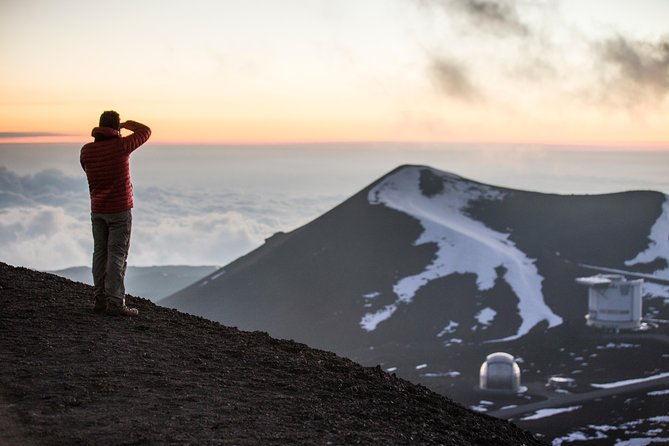
I would choose this tour if you want:
- A sunset above the clouds without driving the summit road yourself
- A small group rather than a large coach
- A guide who can connect astronomy with Hawaiian culture and volcano science
- A proper telescope session, not just a dark roadside stop
- Warm clothing and dinner included
- A memorable Big Island evening for teenagers or adults
I would think twice if you dislike cold, bumpy roads, early meals, or high elevations. It is also a poor fit for anyone with the listed medical restrictions. The eight-hour schedule can be tiring, especially if you have already spent the day hiking or touring.
Book early if your dates are fixed. The experience is often reserved about 68 days ahead, which tells you that popular evening slots can disappear well before a Big Island vacation begins. You can cancel for a full refund up to 24 hours before the start time. If poor weather or insufficient bookings force a cancellation, you can choose another date or receive a full refund.
Final call: a strong choice for sky and sunset lovers
I recommend the Mauna Kea Summit and Stars Small-Group Adventure Tour for anyone who wants the Big Island’s most unusual evening outing and accepts the demands of high altitude. The best parts are the sunset above the clouds, the lower-elevation telescope session, and the guides’ strong mix of safety, astronomy, geology, and Hawaiian culture.
The decision comes down to expectations. Pack for winter, not the beach. Leave room in your schedule for a long ride and a rough road. Choose a date near a new moon if stars matter most, but accept that weather has the final say.
For a first visit to the Big Island, this is one of the few tours that can make you feel the island’s height, age, and connection to the sky all in one evening. At this price, it is not a casual add-on. For the right person, though, it can be the most memorable night of the trip.
FAQ
How long does the Mauna Kea summit and stargazing tour last?
The experience lasts about eight hours, including pickup, the drive to Mauna Kea, dinner, the summit sunset, stargazing, and drop-off.
What is included in the tour price?
The price includes central pickup and drop-off, a guide, 4×4 transportation, a hot picnic dinner, a hooded parka, gloves, hot chocolate, cookies, telescope viewing, digital astronomy images, and local taxes.
How high does the tour go?
The summit portion reaches roughly 13,000 feet. Dinner and the main stargazing session take place near the Maunakea Visitor Information Station at about 9,000 feet.
What should I wear and bring?
You must wear closed-toed shoes and long pants. Bring a sweater or sweatshirt for layering, and consider bringing a warm hat. You must also bring your own water bottle, though filtered water refills are provided.
Is there a minimum age?
Yes. The minimum age is 13, and children under 13 cannot join the tour.
Can I take the tour after scuba diving?
No. You should not go to the Mauna Kea summit within 24 hours after scuba diving because of the altitude risk.
Recently reviewed around Big Island of Hawaii
- Hilo Shore Excursion: Active Volcano, Lava Tube, Waterfall and Gardens★ 5.0 · 393 reviews
- Volcano Adventure: Hilo Sightseeing w/ Optional Helicopter Tour★ 4.5 · 412 reviews
- Kealakekua Bay Snorkeling Tour – 4 hour Kona Zodiac Adventure★ 5.0 · 508 reviews
- Whale Watching On The Big Island★ 5.0 · 573 reviews
- Hawaii Volcanoes, Waterfalls, Beaches & Hilo Highlights Day Tour★ 5.0 · 391 reviews
- Zodiac Raft Whale Watching Adventure★ 5.0 · 456 reviews
- Small Group Big Island Twilight Volcano and Stargazing Tour★ 5.0 · 1,619 reviews
- Manta Ray Night Snorkel Tour in Kailua-Kona, Big Island★ 5.0 · 382 reviews
Big Island of Hawaii Tours, compared.
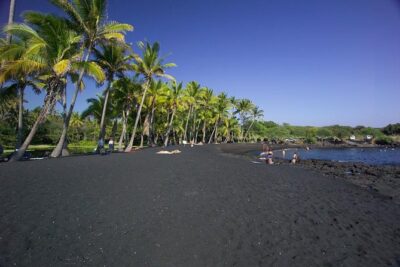
Big Island in a Day: Volcanoes Waterfalls Sightseeing and History
Read our review →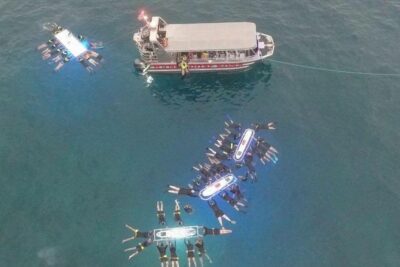
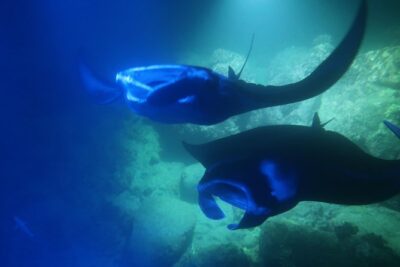
Kona Manta Ray Snorkel Tour in Keauhou Harbor
Read our review →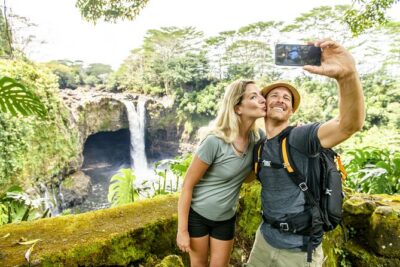
Hilo Shore Excursion: Volcanoes National Park & Black Sand Beach
Read our review →
Captain Cook Snorkel On A Power Catamaran With Lunch
Read our review →
KONA Manta Ray Night Snorkel – FREE re-ride if no Sightings
Read our review →
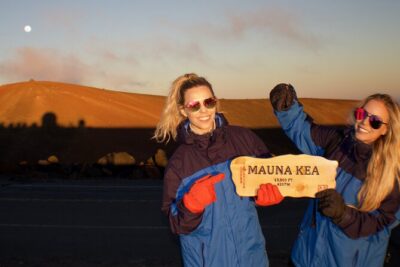
Big Island GOAT Experience: Mauna Kea Summit, Sunset & Stars
Read our review →Browse the lists this tour appears in