
Reviewed · WHALE WATCHING
Zodiac Raft Whale Watching Adventure
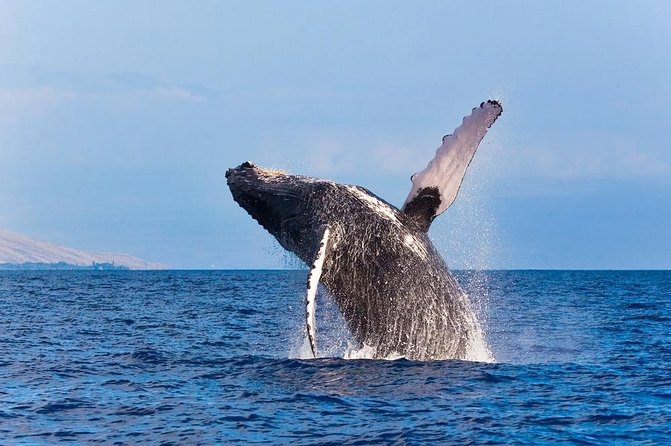
The best part of this Kona outing is the boat itself. You sit low in a 16-passenger Zodiac, close to the water and able to move quickly when a distant spout appears. In winter, humpback whales gather off Hawaiʻi to mate and give birth, and the sight of a mother with a calf, a breach, or a tail slap can make three hours vanish.
I like two things right away: the small group keeps the trip personal, and the captain does more than drive. Captains such as Shelby, Marco, Ashley, Rick, Sam, and Colin have been praised for spotting whales and explaining their behavior, while the hydrophone can bring their eerie underwater songs right to your seat.
The trade-off is comfort. This is an active, bouncy ride, not a cushioned sightseeing cruise. You need to hold on, and the company does not recommend it for anyone pregnant or dealing with back or neck problems.
In This Review
- Key points to know before you book
- A fast, close-to-the-water ride from Kailua-Kona
- Whale watching with a captain who also teaches
- Humpbacks, calves, and the best kind of uncertainty
- Hearing whale song through the hydrophone
- Spinner dolphins, turtles, manta rays, and surprise sightings
- Lava tubes and sea caves along the Kona coast
- What the three-hour itinerary feels like
- Is $113.82 a fair price?
- Who should choose this Zodiac adventure?
- Should you book Captain Zodiac?
- FAQ
- Where does the Zodiac whale-watching tour begin and end?
- How long does the whale-watching adventure last?
- How many people can ride on the Zodiac?
- What animals might I see?
- Can I hear whales underwater?
- Is there a minimum age?
- What happens if bad weather cancels the tour?
Key points to know before you book
- A small Zodiac carries up to 16 people, giving you a more intimate ride than a large whale-watching boat.
- Winter is humpback season, with whales arriving to mate and give birth in Hawaiian waters.
- The hydrophone adds a rare sound experience, letting you listen to whale song beneath the boat.
- The ride is fast and lively, with the raft able to reach whale sightings quickly but sometimes bounce over stronger waves.
- Wildlife sightings vary, so you might see humpbacks, spinner dolphins, green sea turtles, manta rays, flying fish, or other whales.
- The coastline is part of the tour, with views of lava tubes, sea caves, and volcanic formations along the Kona shore.
A fast, close-to-the-water ride from Kailua-Kona
Captain Zodiac departs from 74-425 Kealakehe Parkway, near Kailua-Kona, and heads along the coast in the direction of Waikoloa. The trip lasts about three hours and returns to the same meeting point.
The Zodiac is the main attraction. It is a rigid-hulled inflatable raft, and recent descriptions place the boat at about 24 feet long. With room for no more than 16 people, it feels more like a small expedition than a standard boat cruise.
You sit close to the sea, so the ride gives you a strong sense of speed. When the captain spots a blow, the boat can move across the water and reposition without the slow, wide turns of a much larger vessel. That maneuverability is useful, but it also means you feel the ocean more directly.
Expect spray, wind, and a fair amount of bouncing. Some people describe the sensation as a roller coaster on the water. I would choose this trip for excitement and access, not for a quiet, polished ride where you can sit back without bracing yourself.
More whale watching out of Big Island of Hawaii:
- Whale Watching On The Big Island
★ 5.0 · 573 reviews - Big Island: Pelagic Whale Watch Tour
★ 5.0 · 557 reviews - Juneau Wildlife Whale Watching
★ 5.0 · 7,379 reviews
Whale watching with a captain who also teaches
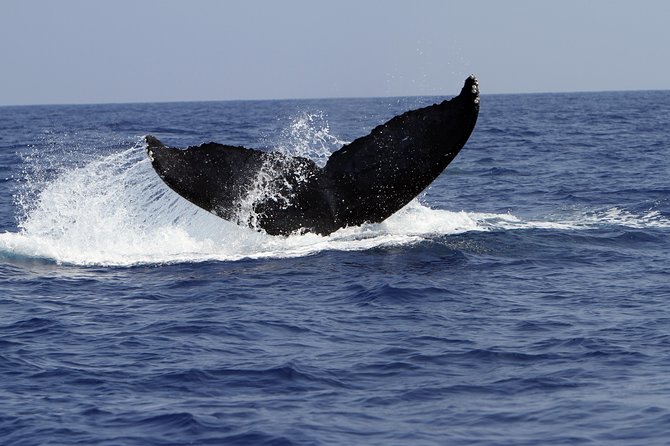
The captain scans the horizon for a spout, splash, breach, or moving fluke while explaining what you are seeing. The commentary covers whale behavior, Hawaiian history, and the volcanic forces that shaped the island.
That combination gives the tour more substance than simply chasing blows on the horizon. You learn why a whale may surface several times in one place, how a calf stays close to its mother, and why a tail slap or breach may happen. The captain also keeps watch on the boat and ocean conditions, an important point when you are traveling at speed in a small craft.
Several captains are singled out for their enthusiasm. Shelby has been praised for her facts and excitement when whales appear. Marco is noted for his calm wildlife watching and ability to find whales. Ashley, Rick, Sam, Colin, and others are also named for keeping the trip friendly, safe, and engaging.
Crew members have also shared experience with whale rescue and conservation. That matters because good whale watching is not just about getting close. It is about reading animal behavior, keeping a respectful distance, and allowing the whales to decide how near they come.
Humpbacks, calves, and the best kind of uncertainty
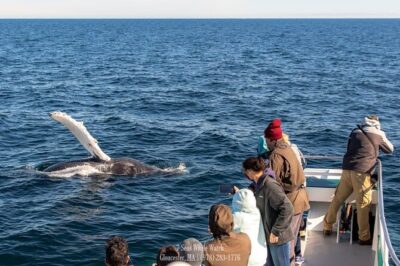
Humpback whales are seasonal visitors to Hawaiian waters in winter, when they mate and give birth. The timing gives you a chance to see mothers with newborn calves, groups of whales, and displays such as breaches, tail slaps, and pectoral fin slaps.
The wildlife reports from this trip include everything from a handful of whales to more than 20 in a morning. Some outings have produced several breaches, while others have included whales swimming directly under the boat. A mother and calf appearing beneath the Zodiac, sometimes called a mugging, is thrilling because the whales have approached on their own.
You should keep expectations realistic. No responsible whale trip can promise a breach, a calf, or even a whale sighting. One January outing produced no whales despite a serious search, and the crew arranged another morning for the same party. On the second trip, they saw five humpbacks, including a new baby.
That is a useful reminder: the ocean controls the schedule. January through the winter season can be excellent, but nature does not follow a script. The good news is that the crew appears willing to work hard and, in at least one case, help make up for an unusually quiet trip.
Hearing whale song through the hydrophone
The hydrophone is one of the most memorable features. When conditions and whale activity allow, the captain lowers a microphone into the water so you can hear the sounds of whales beneath the surface.
The song is haunting and low, and it changes the experience from a visual search into something more sensory. You may hear different whales calling or notice how the sound carries through the water. One family described being able to distinguish separate singers, while another recalled listening after the boat engine was turned off.
This quiet pause can be just as powerful as a breach. The Zodiac is built for speed, yet the hydrophone gives the ride a slower, more thoughtful moment. I would especially value it if this is your first close encounter with whales or if you have dreamed about seeing them for years.
The hydrophone does not mean you will hear whales on every departure. Its use depends on conditions and whale activity, so treat it as a valuable possibility rather than a guaranteed part of the program.
A completely different way to spend a day nearby:
- Big Island in a Day: Volcanoes Waterfalls Sightseeing and History
★ 5.0 · 6,569 reviews - Big Island Manta Ray Night Snorkel
★ 5.0 · 5,656 reviews - Big Island: Kona Manta Ray Snorkel Tour in Keauhou Harbor
★ 4.5 · 2,465 reviews - Hilo Shore Excursion: Volcanoes National Park & Black Sand Beach
★ 4.5 · 2,338 reviews
Spinner dolphins, turtles, manta rays, and surprise sightings
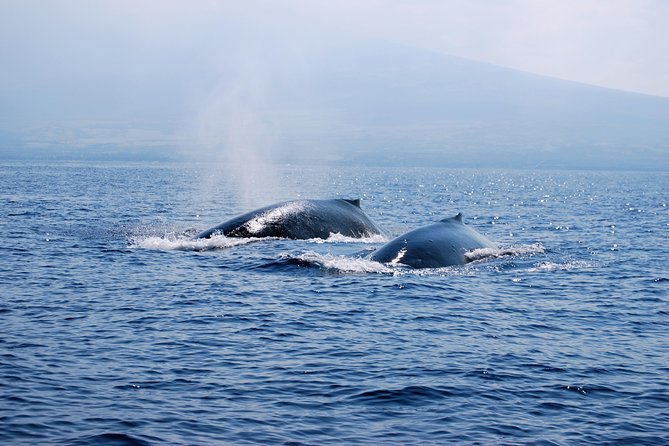
Humpbacks are the headline act, but the Kona coast can offer a wider range of marine life. The trip may include spinner dolphins, bottlenose dolphins, green sea turtles, manta rays, flying fish, schools of fish, and other whale species.
Spinner dolphins are especially fun to watch because they can move in lively groups near the boat. Bottlenose dolphins have also appeared in large pods, sometimes playing in the wake on the return ride. Flying fish can provide a quick bonus near the end of the trip.
A Hawaiian monk seal has even been seen on one outing, though that is clearly an uncommon treat rather than something to expect. The captain’s naturalist commentary helps you appreciate these sightings instead of treating every animal as a quick photo stop.
The small raft also gives you a good chance to notice the sea itself. The Kona coast is not only a whale habitat. It is an exposed volcanic shoreline with lava tubes, sea caves, and formations that show how the island continues to grow.
Lava tubes and sea caves along the Kona coast
Depending on where the whales are located, the route may pass coastal caves and small volcanic lava tubes. These formations help explain the island’s geology in a direct, visible way.
Your captain may point out how flowing lava shaped openings along the coast and how volcanic activity continues to add land. You are not visiting a separate cave attraction with a long stop. Instead, these features become part of the moving coastal tour, adding variety when the whales are surfacing farther offshore or taking a break.
The route also provides broad views of the Kona shoreline. Because the Zodiac rides low, you get a different perspective than from a road or resort viewpoint. The coast feels more immediate, with the boat carrying you from one section of shoreline to the next while the captain keeps scanning for wildlife.
What the three-hour itinerary feels like
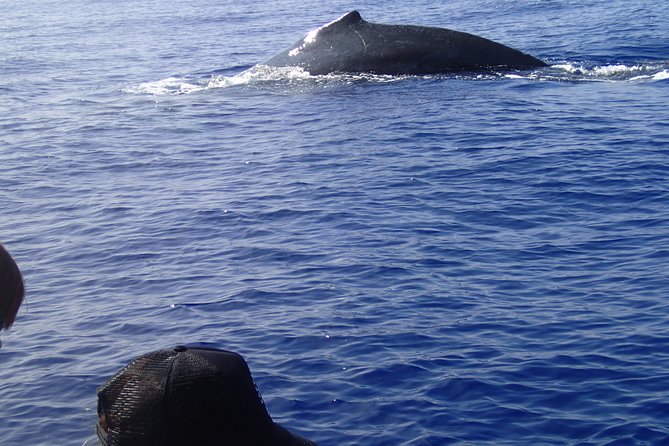
The outing begins at Captain Zodiac Raft Expeditions. After meeting the crew and receiving information before departure, you board the raft for the coastal run.
The early part of the trip combines the boat ride with an introduction to the area. The captain explains how the Zodiac operates, what to expect from the sea, and what signs to watch for. This briefing is useful because the ride is active and you need to know how to sit and hold on.
Once offshore, the captain searches for blows and other whale activity. The exact route depends on where animals are found, so the day is not a fixed sightseeing circuit. The boat may speed along the coast, pause for a whale, reposition for a better view, then move again when the animal disappears.
Between sightings, you hear about whale behavior, Hawaiian history, marine life, and volcanic geology. Snacks and drinks, including sodas, fruit juices, and bottled water, are included. At the end, the raft returns to the original meeting point.
Allow some flexibility around the finish. One outing was briefly delayed because of a medical emergency on the previous departure, although the staff kept people informed and the delay was minimal. That is a reminder that boat operations can occasionally run late for safety reasons.
Is $113.82 a fair price?
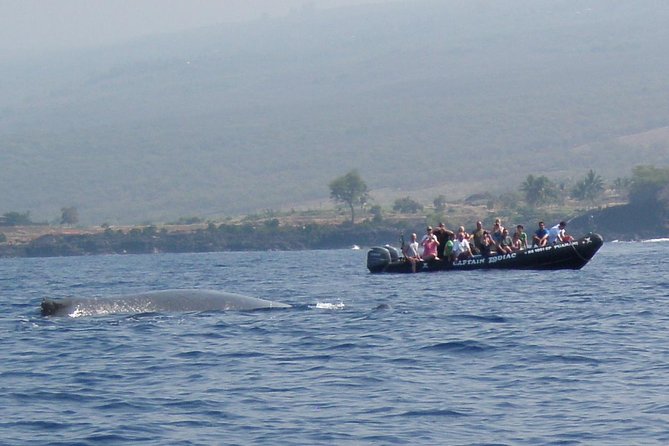
At $113.82 per person, this is not the cheapest way to look for whales from the Kona coast. I think the price is reasonable if you want a small group, an active boat, and a captain who provides naturalist commentary instead of treating the trip as a simple ride.
You are paying for about three hours on the water, drinks, snacks, local taxes, and a maximum group size of 16. The Zodiac’s speed and low seating position are also part of the value. A larger vessel may offer more stability, but this raft gives you a more immediate feel for the ocean and can get to a sighting quickly.
The value depends heavily on what you want. If your priority is comfort, shade, and a smooth platform for photography, a bigger boat may suit you better. If your priority is excitement, a small group, and the chance to hear whale song through a hydrophone, this outing earns its price.
The trip is often reserved about 24 days ahead, so popular winter departures can fill early. I would book ahead if whale watching is a main goal of your Big Island stay.
Who should choose this Zodiac adventure?
I would recommend it to adults, older children, couples, friends, and families who enjoy an active ride and do not mind getting bounced around. The minimum age is four, and many people can take part, but the raft is still a physical experience for anyone aboard.
It can work well for a multigenerational family if everyone understands the ride. Children have described the boat as a roller coaster, and the crew has been praised for working well with families. Grandparents or anyone with limited comfort on rough water should think carefully before booking.
I would skip it if you are pregnant or have back or neck problems, since the company specifically advises against the trip in those cases. I would also reconsider if you strongly dislike spray, wind, fast travel, or holding on during a bumpy crossing.
Bring a practical attitude. The boat is not a cushy cruise, and wildlife is never guaranteed. In exchange, you get a direct, lively way to explore the Kona coast with a crew that clearly enjoys both whales and the ocean around them.
Free cancellation is available until 24 hours before the start time for a full refund. Changes or cancellations inside that window are not refunded, and poor weather may lead to a new date or a full refund.
Should you book Captain Zodiac?
Book this trip if you want the most energetic version of whale watching on the Kona coast. The compact raft, small group, fast handling, whale song, and strong captain involvement make it more than a passive wildlife cruise.
I would book it for a winter visit, especially if humpbacks are high on your list and you are comfortable with an unpredictable ocean ride. Choose a different boat style if comfort matters more than speed, or if anyone in your party has back, neck, or pregnancy concerns.
For the right person, this is a memorable three hours: volcanic coastline, open Pacific air, a captain calling out the next spout, and perhaps a mother and calf passing beneath the boat.
FAQ
Where does the Zodiac whale-watching tour begin and end?
It begins at Captain Zodiac, 74-425 Kealakehe Parkway #16, Kaiminani, Hawaii 96740. The activity ends back at the same meeting point.
How long does the whale-watching adventure last?
The tour lasts approximately three hours.
How many people can ride on the Zodiac?
The boat has a maximum capacity of 16 travelers, creating a small-group experience.
What animals might I see?
You might see humpback whales, spinner dolphins, bottlenose dolphins, green sea turtles, manta rays, flying fish, schools of fish, and other whale species. A sighting is not guaranteed.
Can I hear whales underwater?
The captain carries a hydrophone, which may be lowered into the water so you can hear whale song. Its use depends on conditions and whale activity.
Is there a minimum age?
Yes. The minimum age is four years old.
What happens if bad weather cancels the tour?
If poor weather causes a cancellation, you will be offered a different date or a full refund. You can also cancel for a full refund if you do so at least 24 hours before the start time.
Recently reviewed around Big Island of Hawaii
- Hilo Shore Excursion: Active Volcano, Lava Tube, Waterfall and Gardens★ 5.0 · 393 reviews
- Volcano Adventure: Hilo Sightseeing w/ Optional Helicopter Tour★ 4.5 · 412 reviews
- Kealakekua Bay Snorkeling Tour – 4 hour Kona Zodiac Adventure★ 5.0 · 508 reviews
- Whale Watching On The Big Island★ 5.0 · 573 reviews
- Hawaii Volcanoes, Waterfalls, Beaches & Hilo Highlights Day Tour★ 5.0 · 391 reviews
- Small Group Big Island Twilight Volcano and Stargazing Tour★ 5.0 · 1,619 reviews
- Manta Ray Night Snorkel Tour in Kailua-Kona, Big Island★ 5.0 · 382 reviews
- Big Island Highlights: Coffee, Volcano, Black Sands & Waterfall★ 5.0 · 1,054 reviews
Whale Watching, compared.
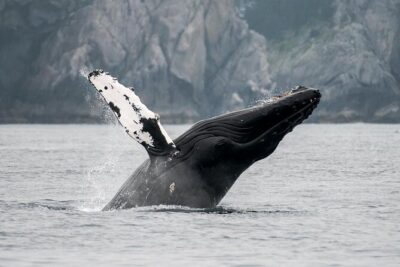
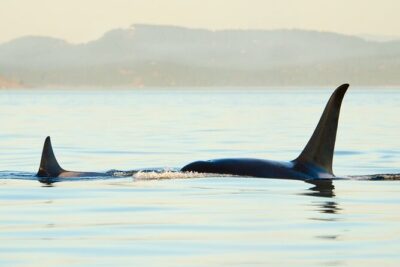
Juneau Wildlife Whale Watching & Mendenhall Glacier
Read our review →
City Cruises Boston Whale Watching Cruise by High-Speed Boat
Read our review →
Whale Watching Trips to Stellwagen Bank Marine Sanctuary. Guaranteed sightings!
Read our review →Browse the lists this tour appears in