
Reviewed · BIG ISLAND OF HAWAII TOURS
Big Island: Mauna Kea Summit Tour with Free Night Star Photo
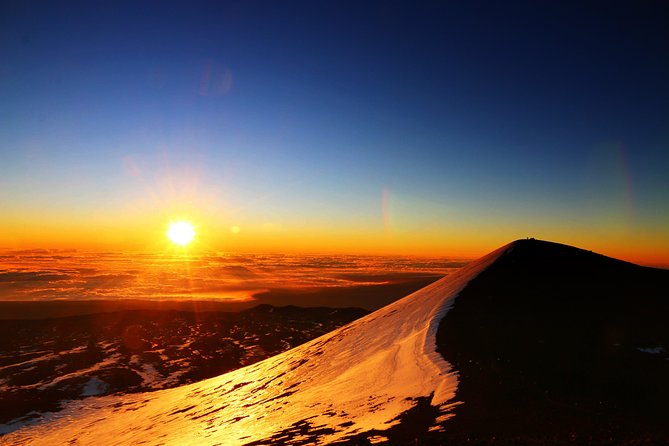
Mauna Kea gives you two big rewards in one evening: a sunset above the clouds and a sky packed with stars after dark. At 13,803 feet, Hawaii’s highest peak feels far removed from the beaches below, and the changing climate on the drive up is part of the show.
I like the included winter clothing, since the summit can be bitterly cold and windy even after a warm day at sea level. I also like the small van groups, free DSLR photos, and guides such as Wes, Chris, and James, who add useful altitude advice and plenty of island background. The drawback is the long drive, rough stretches of road, and weather risk. Clouds can spoil the sunset or stars, and altitude sickness may shorten your time up top.
In This Review
- Mauna Kea Summit Tour at a Glance
- Why Mauna Kea Is More Than a Scenic Drive
- Meeting in Kona, Waikoloa, or Waimea
- A Useful Pause at 9,000 Feet
- The Four-Wheel-Drive Ride to the Summit
- Sunset Above the Clouds
- Stargazing with a Telescope and Laser Pointer
- Is the $280 Price Worth It?
- Who Should Book This Experience
- The Bottom Line
- FAQ
- How long does the Mauna Kea summit tour last?
- What is the highest point reached on the tour?
- Where can I meet the tour?
- Is dinner included?
- Does the tour provide warm clothing?
- Are telescope viewing and stargazing included?
- Are photos included in the price?
- What happens if bad weather cancels the tour?
Mauna Kea Summit Tour at a Glance
- Sunset from 13,803 feet: Reach Hawaii’s highest point in time to watch the sun drop above the clouds.
- Warm gear supplied: Use a snow parka, ski pants, and gloves at the Onizuka Astronomy Complex.
- Dinner and hot drinks included: Choose a BLT or vegan sandwich, then warm up with a hot drink during the evening.
- Small group, maximum 12 people: The limited group size keeps the ride and telescope session personal.
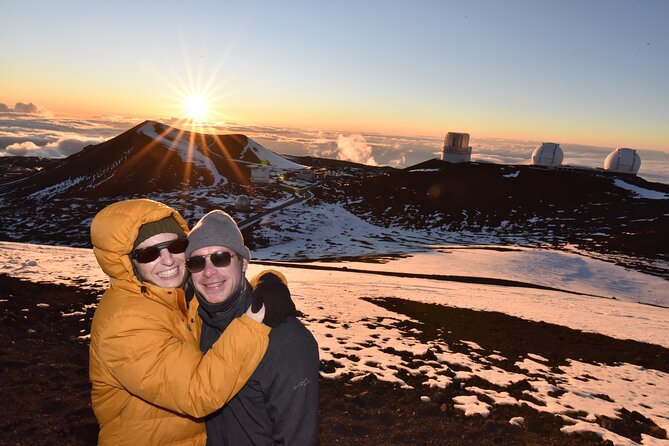
- Free photos included: Your guide takes DSLR sunset and star photos with you in the frame, weather and moon phase permitting.
- Three meeting points: Choose Target in Kailua-Kona, Queens’ Marketplace, or Gilbert Kahele Recreation Park in Waimea.
Why Mauna Kea Is More Than a Scenic Drive
The appeal here is not only the summit view. You move through several distinct temperature zones during the climb, from the warm coast to the cold, thin air near the top. That shift helps make the trip feel like a compact tour of the Big Island’s natural variety.
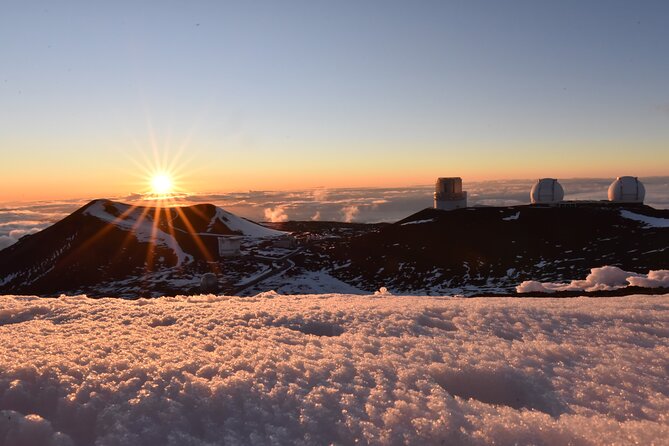
The summit also gives you a rare chance to see a sunset from above the clouds. The observatories and broad views add visual drama, but your time at the highest point is limited. The scheduled summit stop lasts about an hour, and the exact length can change with weather, road conditions, or how people are feeling at altitude.
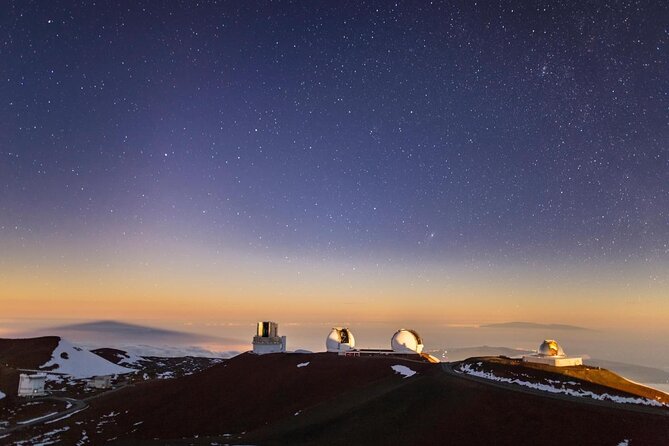
After sunset, the focus changes from scenery to the night sky. Your guide uses a refractor telescope and laser pointer to identify stars, constellations, and planets. On a clear night, you might see the Milky Way and examine the moon through the telescope. The stargazing location can shift depending on the weather, so flexibility matters.
More Big Island of Hawaii trips worth a second look
- Big Island Manta Ray Night Snorkel
★ 5.0 · 5,656 reviews - KONA Manta Ray Night Snorkel – FREE re-ride if no Sightings
★ 5.0 · 2,212 reviews - Manta Ray Night Snorkel at Kona, Big Island
★ 5.0 · 1,758 reviews
Meeting in Kona, Waikoloa, or Waimea
The tour lasts about eight hours, with pickup times changing by season. You do not simply wait at your hotel entrance. You meet the van at one of three designated locations, so read the final pickup message carefully after booking.
In Kailua-Kona, the meeting point is at Target, in front of the McDonald’s in the Target parking area at 74-5453 Makala Boulevard. At Waikoloa, meet at the shuttle bus stop behind Queens’ Marketplace, in the large parking lot near the side away from Starbucks. In Waimea, the meeting point is Gilbert Kahele Recreation Park at 44-5400 Daniel K. Inouye Highway.
The parking lots are free, but the operator does not accept responsibility for damage or lost items. That is worth noting if you plan to leave a rental car there. Pickup windows are broad, roughly 2:00 to 3:00 p.m. at Target, 2:45 to 3:45 p.m. at Queens’ Marketplace, and 3:30 to 4:30 p.m. in Waimea. Your confirmed message provides the exact time.
The drive itself takes time. Some recent trips have included more than an hour on the road before reaching the mountain, plus the return journey. I see that as part of the cost of reaching Mauna Kea, but you should not book this expecting a quick evening outing.
A Useful Pause at 9,000 Feet
The first major stop is the Onizuka Astronomy Complex, also called the Onizuka Visitor Information Station. At about 9,000 feet, this is where you pause for dinner and altitude acclimatization before going higher.
You can change into the supplied cold-weather clothing here. The package includes a snow parka, ski pants, and gloves. Use them. The summit can feel brutally cold, especially once the sun goes down, and a few layers from your hotel may not be enough by themselves. One practical tip from the trip reports is to bring an extra heavy jacket or warm base layers even though the tour provides outer gear.
Dinner is a light sandwich, either a BLT or a vegan option. You need to request the vegan sandwich by the day before the tour, or the standard BLT is provided automatically. The vegan sandwich has earned particular praise, and the BLT is described as filling and tasty. Hot cocoa or another hot drink is an especially welcome touch after the cold sets in.
This stop lasts about an hour. It is not wasted time. Going straight from sea level to the summit would be uncomfortable for many people, so the break lets you eat, change clothes, use the facilities, and learn what to expect. Guides also give tips for reducing the chance of altitude sickness.
The visitor center has a gift shop, but you should not count on buying food or drinks there. The tour provides the meal and drink, while the shop is mainly for souvenirs.
The Four-Wheel-Drive Ride to the Summit
From the astronomy complex, you continue in a 4×4 passenger van. The drive includes bumpy sections, so this is not the smoothest sightseeing ride on the island. The van is practical rather than luxurious, and the limited group size helps keep the trip comfortable.
The guides add context during the climb. Wes has been praised for discussing Hawaiian history, local places, and the route ahead, while Chris is often singled out for clear explanations about altitude and careful driving. James has also been described as an engaging and informative guide. The guide you receive depends on the departure and schedule, but the company’s staff clearly plays a large role in the experience.
The road and summit access can be affected by weather or ranger closures. If conditions change, your guide should keep you updated and may adjust the timing or route. One advantage of joining an organized tour is that you do not have to make those decisions while driving an unfamiliar mountain road.
Physical fitness needs are moderate, but the altitude is the bigger concern. Anyone with respiratory problems such as asthma is advised against taking the tour. The activity is also not available to anyone under 16 or over 75, and it is not recommended for people weighing more than 300 pounds. These limits are important, not minor fine print.
A completely different way to spend a day nearby:
- Big Island in a Day: Volcanoes Waterfalls Sightseeing and History
★ 5.0 · 6,569 reviews - Big Island: Kona Manta Ray Snorkel Tour in Keauhou Harbor
★ 4.5 · 2,465 reviews - Hilo Shore Excursion: Volcanoes National Park & Black Sand Beach
★ 4.5 · 2,338 reviews - Big Island: Captain Cook Snorkel On A Power Catamaran With Lunch
★ 5.0 · 2,232 reviews
Sunset Above the Clouds
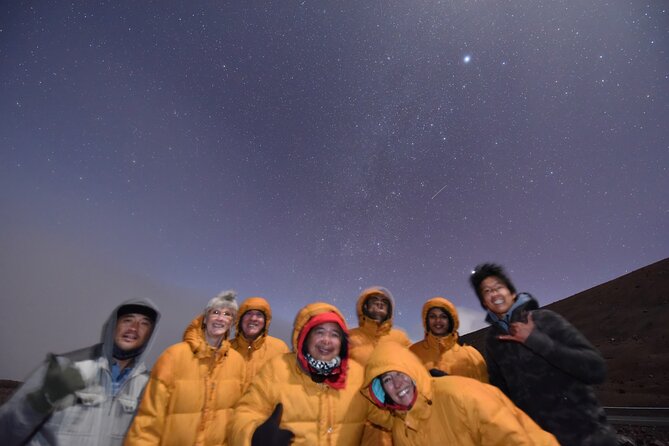
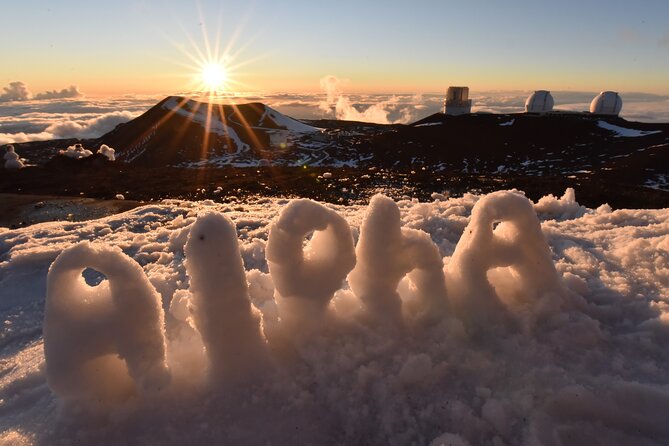
At the summit, you have about an hour to take in the view and watch sunset. The observatories are visible around the peak, adding a strong sense of place, but the real prize is the changing light and the feeling of being high above the cloud layer.
The cold becomes more noticeable here. Even if the coast was humid and warm when you left, the summit may be windy and freezing. The supplied parka, ski pants, and gloves make a major difference, but wear sturdy shoes and bring extra layers if you have them. You may spend part of the stop posing for photos, so clothing that looks good under the bulky gear is less important than staying warm.
Your guide takes group sunset photos with a DSLR camera. These photos are sent to you at no extra charge. That is a useful value point because you can enjoy the view instead of trying to manage a phone in freezing conditions. The photos are not guaranteed, since weather and visibility control what the camera can capture.
Sunset is also the part most vulnerable to bad weather. Clouds can roll in, and road closures or poor conditions may cut the summit stop short. The operator may offer another date or a full refund if the tour must be canceled because of weather, but you should still plan with some flexibility.
Stargazing with a Telescope and Laser Pointer
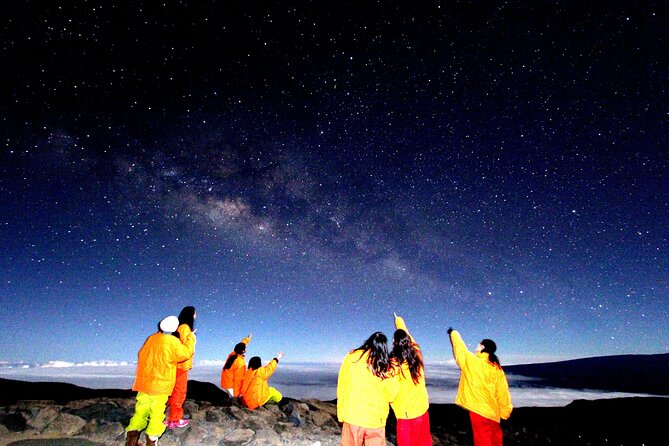
After sunset, the van returns lower on the mountain for stargazing. The exact location can change with the weather, so the experience is not locked to one fixed viewpoint.
Your guide points out constellations and planets with a laser pointer, then uses an astronomical refractor telescope for closer views. A clear night can reveal a remarkable number of stars, and the darkness gives the session a very different mood from the sunset stop. The moon can also become the main attraction, as some outings include a close look at it through the telescope.
The stargazing portion lasts about 45 minutes. That may sound brief, but the cold makes a shorter, focused session sensible. Hot cocoa is useful here, particularly after standing outside in the wind.
The included night photo is taken with you in the frame. It is one of the most appealing extras in the package, though you should keep expectations realistic. Clouds, rain, visibility, and the moon phase all affect the result. A bright moon can make the stars less dramatic, while heavy cloud can prevent a usable photo altogether.
Is the $280 Price Worth It?
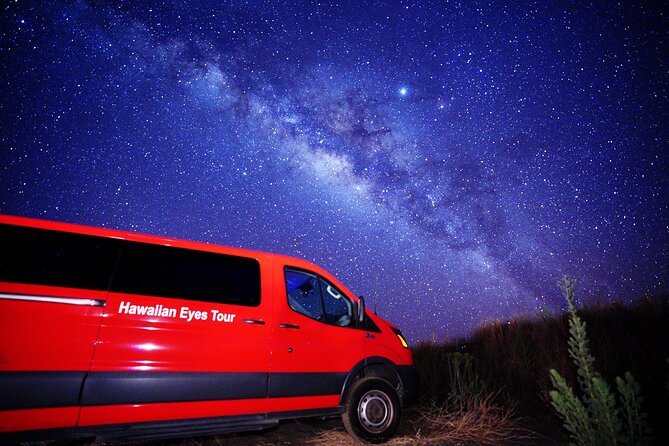
At $280 per person, this is not a cheap sightseeing trip. The price makes more sense when you add up what is included: the summit excursion, 4×4 transport, admission, dinner, hot drinks, winter clothing, telescope access, and DSLR photos.
You are also paying for the driver and guide to manage the mountain route, timing, weather changes, and altitude concerns. That matters on Mauna Kea, where conditions can change and the summit is not a casual stop on an ordinary road trip.
The value is strongest if you want a complete evening with very little preparation. You do not need to rent cold-weather clothing or arrange a separate stargazing session. The free photos add lasting value, especially for couples and solo visitors who may otherwise struggle to get good pictures in the dark.
The value is weaker if you mainly want to drive up for a quick view and are comfortable arranging your own food, clothing, and transport. The long round-trip drive also means you should treat this as the main event for the day, not something to squeeze between other Big Island plans.
Who Should Book This Experience
I would recommend this tour to adults who want a guided mountain outing, enjoy learning about the sky, and do not mind a long ride. Couples get sunset and night photos, solo visitors get help with pictures, and small families with eligible teenagers can share the evening without arranging equipment themselves.
It is also a good fit if you are staying near Kailua-Kona, Waikoloa, or Waimea and can reach one of the three pickup points. The maximum group size of 12 keeps it more personal than a large bus trip.
You should think twice if you dislike cold, bumpy roads, fixed group timing, or uncertain weather. You also need to be comfortable at high altitude and able to follow the operator’s health restrictions. The summit time may be reduced if someone develops altitude sickness, so the schedule is designed around safety rather than squeezing every possible minute from the mountain.
Book earlier in your stay if possible. If weather cancels the outing or blocks the views, having another evening available gives you a better chance at the full sunset and star show. Free cancellation is available up to 24 hours before departure, while cancellations or changes inside that window are not refunded.
The Bottom Line
Book this Mauna Kea summit tour if you want the easiest all-in-one way to combine Hawaii’s highest peak, a sunset above the clouds, guided stargazing, warm clothing, dinner, and professional photos. The strongest parts are the careful altitude stops, the small group, and guides such as Wes, Chris, and James, who make the long ride useful.
Skip it if you need guaranteed clear skies or prefer independent travel. The weather can defeat the sunset and stars, and the mountain ride takes most of an evening. For the right conditions and the right expectations, though, the combination of scenery, cold air, telescope viewing, and free photos makes the $280 fare reasonable.
FAQ
How long does the Mauna Kea summit tour last?
The tour lasts approximately eight hours, including transportation, the acclimatization stop, summit sunset, and stargazing.
What is the highest point reached on the tour?
The tour reaches Mauna Kea’s summit at about 13,803 feet, or 4,207 meters.
Where can I meet the tour?
Pickup is available at Target in Kailua-Kona, Queens’ Marketplace in Waikoloa, or Gilbert Kahele Recreation Park in Waimea. The exact meeting time depends on the season and is sent after booking confirmation.
Is dinner included?
Yes. The tour includes a light BLT sandwich. A vegan sandwich is available if requested by the day before the tour. Otherwise, the BLT is provided automatically.
Does the tour provide warm clothing?
Yes. A snow parka, ski pants, and gloves are provided at the Onizuka Astronomy Complex.
Are telescope viewing and stargazing included?
Yes. The guide uses a refractor telescope and laser pointer to explain stars, constellations, and planets. The stargazing location may change with weather conditions.
Are photos included in the price?
Yes. The guide takes DSLR sunset and stargazing photos with you in the frame at no extra charge. Photos depend on weather, visibility, and moon phase.
What happens if bad weather cancels the tour?
If poor weather forces cancellation, you can choose another date or receive a full refund. You can also cancel for a full refund up to 24 hours before the scheduled start time.
Recently reviewed around Big Island of Hawaii
- Hilo Shore Excursion: Active Volcano, Lava Tube, Waterfall and Gardens★ 5.0 · 393 reviews
- Volcano Adventure: Hilo Sightseeing w/ Optional Helicopter Tour★ 4.5 · 412 reviews
- Kealakekua Bay Snorkeling Tour – 4 hour Kona Zodiac Adventure★ 5.0 · 508 reviews
- Whale Watching On The Big Island★ 5.0 · 573 reviews
- Hawaii Volcanoes, Waterfalls, Beaches & Hilo Highlights Day Tour★ 5.0 · 391 reviews
- Zodiac Raft Whale Watching Adventure★ 5.0 · 456 reviews
- Small Group Big Island Twilight Volcano and Stargazing Tour★ 5.0 · 1,619 reviews
- Manta Ray Night Snorkel Tour in Kailua-Kona, Big Island★ 5.0 · 382 reviews
Big Island of Hawaii Tours, compared.
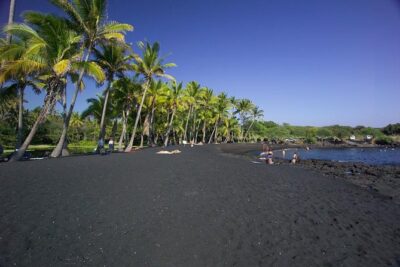
Big Island in a Day: Volcanoes Waterfalls Sightseeing and History
Read our review →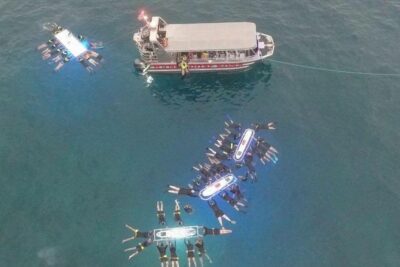
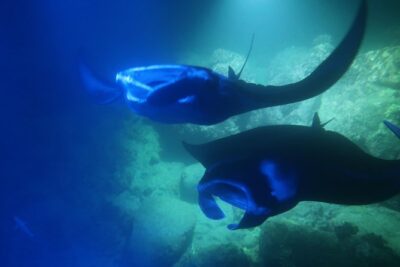
Kona Manta Ray Snorkel Tour in Keauhou Harbor
Read our review →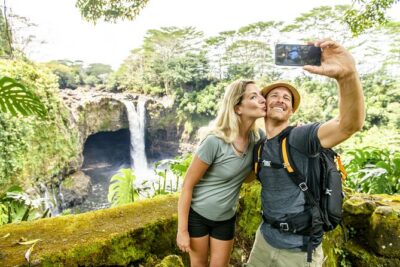
Hilo Shore Excursion: Volcanoes National Park & Black Sand Beach
Read our review →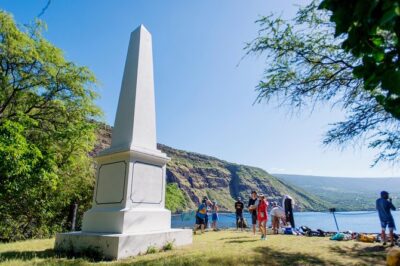
Captain Cook Snorkel On A Power Catamaran With Lunch
Read our review →
KONA Manta Ray Night Snorkel – FREE re-ride if no Sightings
Read our review →

Big Island GOAT Experience: Mauna Kea Summit, Sunset & Stars
Read our review →Browse the lists this tour appears in