
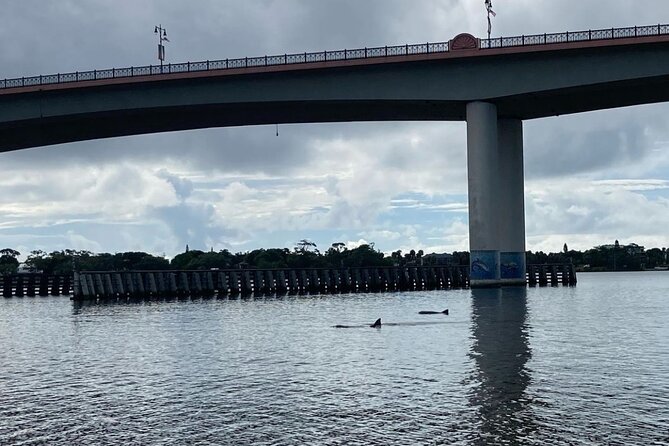
Reviewed · MANATEE ENCOUNTERS
Dolphin and Manatee Stand Up Paddleboard Tour in Daytona Beach
The best part of this Daytona Beach outing is the chance to trade the crowded shoreline for quiet water. From a paddleboard, you circle an island, pass beneath seven bridges, glide by yachts, and search shallow canals for dolphins, manatees, sea turtles, stingrays, and birds.
I like two things here: the calm bay gives beginners room to learn, and the guides take a friendly, hands-on approach. Brock, Dallas, Walker, Fletcher, Cam, Ryan, and Spencer have all earned praise for patient instruction, safety help, local facts, and keeping families at ease.
The catch is simple: wildlife is never promised, and the experience can feel short if conditions, group pace, or sightings change the plan. Some outings have lasted about an hour rather than the advertised two to three, so book this for time on the water first, animals second.
In This Review
- Key points to know before you paddle
- What the Daytona paddleboard route is really like
- Circling the island and passing seven bridges
- Searching the canals for dolphins and manatees
- Why the early morning slots make sense
- What to wear and what to bring
- The guide can make or break the outing
- Is $65 a fair price?
- Who should book this Daytona Beach tour?
- FAQ
- How long does the Dolphin and Manatee Stand Up Paddleboard Tour last?
- Where does the tour begin and end?
- Are beginners allowed to join?
- Can I use a kayak instead of a paddleboard?
- What should I wear?
- Are dolphins and manatees guaranteed?
- Should you book it?
Key points to know before you paddle
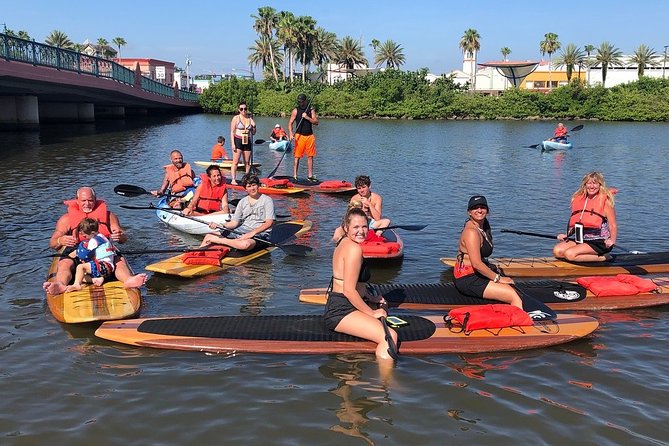
- Beginner-friendly instruction: Every outing starts with a land lesson and practice time in a calm bay.
- Seven-bridge route: You circle an island, pass a yacht club, and move through canals close to shore.
- Best start times: The 8:30 a.m. and 10:30 a.m. departures usually bring cooler weather and more active wildlife.
- Kayak backup: You can use a kayak instead if standing on a paddleboard does not feel right.
- Wildlife depends on nature: Dolphins and manatees are possible, not guaranteed, and manatee activity varies by season.
- Good value for active families: At $65 per person, the price includes instruction and equipment, but not hotel transportation.
What the Daytona paddleboard route is really like
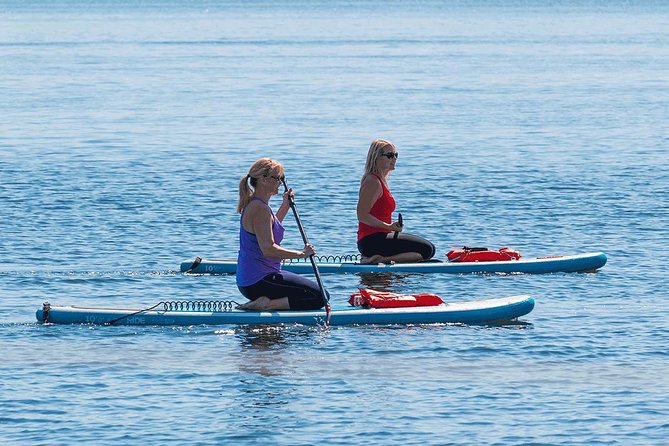
This is not an open-ocean paddle. The route stays in a calm bay and connected canals, with much of the trip in fairly shallow water near shore. That matters if you are trying stand-up paddleboarding for the first time, since you can focus on balance and steering instead of handling surf.
You meet at Three Brothers Boards, 212 South Beach Street, Suite 100, in Daytona Beach. There is no pickup from your hotel, so you need to arrange your own transportation. The location is near public transportation, but anyone coming from outside central Daytona should allow extra time to reach the shop.
The outing normally takes about two hours. You should allow three hours in your schedule, since the route may be extended when manatees are nearby. That extra cushion is useful if you have dinner plans, a drive to Orlando, or another timed activity afterward.
The route begins with a short lesson on land. Your guide explains how to hold the paddle, stand, turn, and manage the board. Most people who sign up have never paddleboarded before, so the opening instruction is built for complete beginners rather than experienced paddlers.
Next comes practice in the calm bay. This is the most important part of the trip for first-timers. You get a chance to find your balance before joining the moving route, and the guide can see who needs more help. If you still do not feel comfortable standing, kayaks are available.
That choice makes the outing more flexible than a paddleboard-only trip. You can still join the water experience without spending the whole time falling, kneeling, or worrying about your footing. Families have also used kayaks when wind made paddleboarding harder for younger children.
Other the USA days travellers line up against this one:
- NYC: SUMMIT One Vanderbilt Tickets
★ 4.7 · 51,195 reviews - NYC: 9/11 Memorial & Museum Timed-Entry Ticket
★ 4.8 · 31,428 reviews - NYC: Empire State Building Tickets – Observatory & Museum
★ 4.7 · 25,757 reviews
Circling the island and passing seven bridges
Once the group is ready, the route circles an island and passes beneath seven bridges. This gives you a steady series of small landmarks and keeps the paddle interesting, especially when wildlife is quiet.
You also pass a yacht club and move alongside yachts. The setting is a mix of residential waterfront, working canals, marinas, and open views across the bay. It is not a remote nature trip. You are exploring a developed coastal area, but the slow pace lets you notice far more than you would from a car or a busy beach.
The bridges are also useful reference points for beginners. A guide can keep the group together by moving from one clear feature to the next. This is where the guide’s role matters most. A good leader stays near anyone struggling with a current or turn, while also making sure stronger paddlers do not race ahead.
The guides have received especially strong praise for this personal attention. Fletcher has been singled out for speaking with everyone and checking safety. Walker has been praised for patient instruction and reassurance. Cam was noted for calmly helping a family learn, while Ryan helped beginners manage a windy day.
That does not mean every group moves at the same speed. A maximum of 30 people is permitted, and some outings may feel crowded if several beginners need extra time. One criticism centered on waiting for less experienced paddlers near the bridges. If you want a quiet, fast-moving paddle, ask about group size and skill levels before booking.
Searching the canals for dolphins and manatees
After the island and bridges, the route enters smaller and larger canals close to shore. The water is relatively shallow, and the guide looks for areas where dolphins and manatees are often seen.
This part rewards patience. You may spend time moving slowly, pausing, and scanning the surface instead of covering a great distance. That is ideal if you enjoy watching for signs of wildlife, but it can feel less exciting if you expect nonstop action.
Dolphins have been seen on several outings, including a pod of Atlantic bottlenose dolphins. Manatees are also possible, along with birds, sea turtles, stingrays, puffer fish, and jumping fish. One particularly full outing included all of those kinds of wildlife, but that should be treated as a lucky day rather than a standard result.
The water can be murky, and wildlife may stay below the surface. Some departures see nothing larger than a bird. That is not a flaw in the guide’s work, but it is an important part of the purchase decision. You are paying for instruction, equipment, a guided route, and a chance to see animals in their natural setting. You are not buying a guaranteed dolphin or manatee encounter.
Manatee timing deserves special attention. Activity changes with water temperature and season. Some departures take place outside the strongest manatee period, and you may be told before launch that sightings are less likely. If manatees are your main reason for booking, ask about current conditions rather than assuming the title guarantees one.
The guides can sometimes spend extra time with dolphins when the animals are nearby. That flexibility is one reason to keep your schedule open. The stated route may take longer if a good sighting develops, although the exact length depends on the conditions and the group.
Why the early morning slots make sense
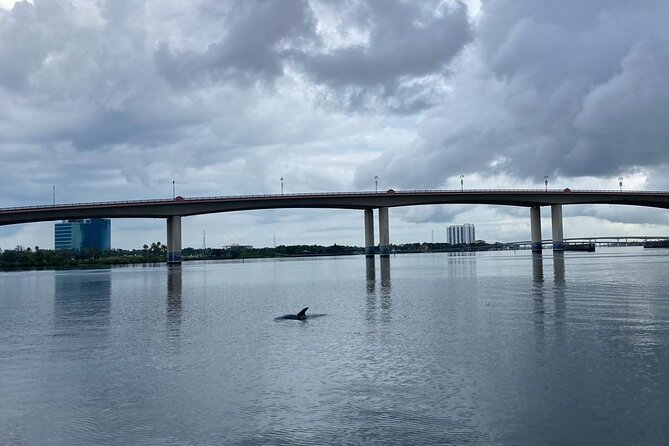
The 8:30 a.m. departure is the strongest choice for most people. Morning temperatures are usually more comfortable, the sun is less harsh, and the water is often calmer. Guides also recommend the 8:30 and 10:30 starts because dolphins and manatees are normally more active then.
An early start can change the feel of the trip. You have a better chance of beginning in calm conditions, which helps if you are learning to balance. It also limits the heat that builds on an exposed paddleboard. One morning outing was described as a particularly good way to start the day, with the guide taking time to build confidence before heading out.
The 10:30 a.m. option still has practical appeal if you do not want an early alarm. Just remember that conditions can shift, and the bay may feel hotter or windier later. Afternoon timing is not listed among the recommended slots, so I would choose it only if your schedule leaves no better option.
Weather matters more than many first-timers expect. Wind can make a calm-water route feel much harder, especially for children and anyone new to a paddleboard. On a windy day, one family split up, with the adults using boards and a parent and child choosing a kayak.
If poor weather cancels the trip, you can request another date or receive a full refund. That protection is useful for a water activity, but it does not remove the need to keep a little flexibility in your vacation schedule.
A completely different way to spend a day nearby:
- NYC: Empire State Building Observation Deck Tickets
★ 4.7 · 22,072 reviews - NYC: Edge Observation Deck Admission Ticket
★ 4.6 · 20,918 reviews - Grand Canyon West, Hoover Dam Stop and Optional Lunch and Skywalk
★ 5.0 · 19,535 reviews - New York City: Statue of Liberty & Ellis Island with Ferry
★ 4.6 · 18,683 reviews
What to wear and what to bring
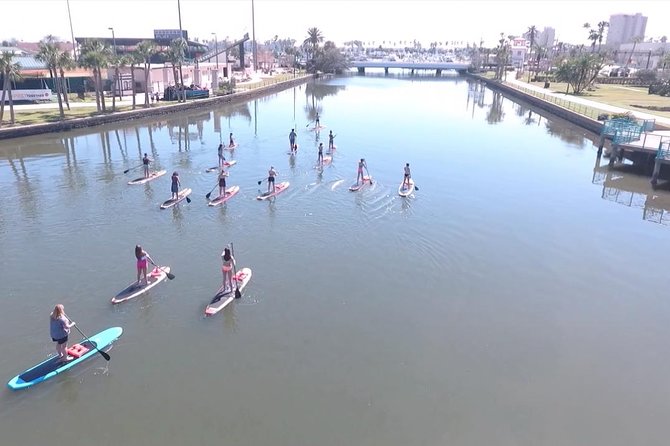
Wear comfortable clothes that you do not mind getting wet. You may remain dry, but splashes, kneeling, launching, and occasional balance checks can change that quickly.
Water shoes are recommended, though most people go barefoot. I would choose water shoes if you prefer extra grip or do not like standing on a board with bare feet. Otherwise, the barefoot option keeps your packing simple.
Bring sun protection suited to time on exposed water. The supplied details specifically stress comfortable clothing, but the early departures and comments about full sun and heat make morning planning sensible. You should also bring anything you need for the rest of your day, since the tour ends back at the original meeting point.
The company provides the required gear. A local guide is included, and the paddleboard or kayak option is handled on site. Transportation from a hotel is not included, despite some older promotional wording noted in the supplied feedback, so plan to get yourself to Beach Street.
Children must be with an adult, and the activity is not recommended for children age two and under. Most people can take part, but wind, currents, and balance still matter. Middle-school-age children and older may find it manageable, while younger children may need to ride along with an adult or use a kayak if they struggle.
The guide can make or break the outing
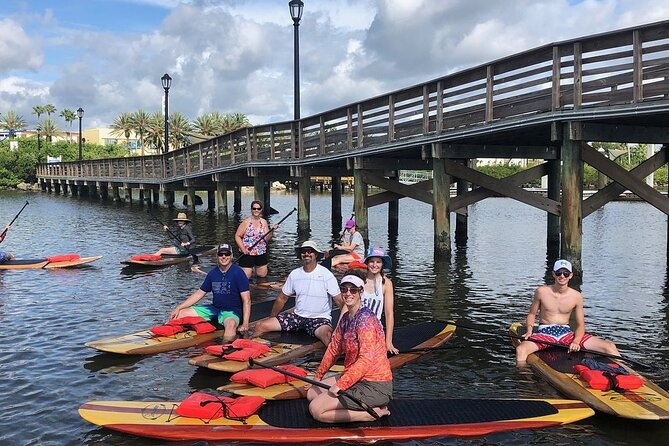
The most consistently praised part of this experience is the human side. Guides do more than point toward wildlife. They teach the basic skills, stay alert to safety, share facts about the waterways, and adjust the pace when needed.
Brock has been praised for making the trip fun, explaining the area, helping families, and spending extra time with dolphins. Dallas has been described as friendly, informative, and good at making a first canal paddle feel easy. Spencer and Spence have been noted for explaining the natural environment, while Fletcher and Walker received praise for patient one-on-one help.
That matters because paddleboarding has a short learning curve, but the first ten minutes can feel awkward. A guide who notices when you are anxious can keep the activity enjoyable. A guide who ignores the back of the group can leave beginners circling under a bridge while everyone else waits.
The group limit of 30 is worth noting. That is a fairly large possible group for an activity where skill levels vary. Many people have had attentive instruction, but a full departure may feel less personal than a small private paddle. If you are traveling with a family member who is nervous, contact the operator about the likely group size and current conditions.
The guides cannot control wildlife, wind, or the pace of every participant. They can control communication and safety, and that is where this experience has earned much of its strong reputation.
Is $65 a fair price?
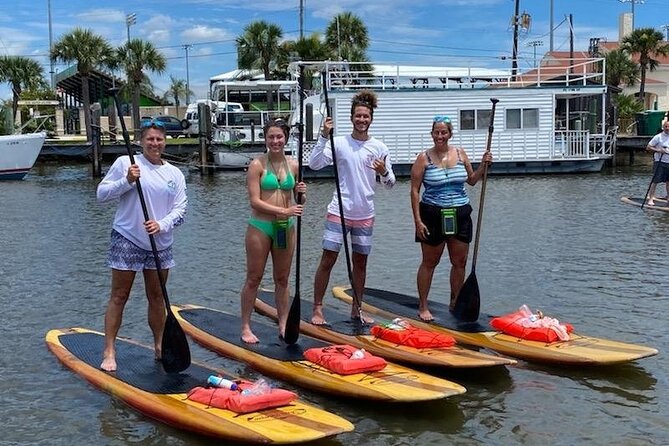
At $65 per person, the cost is reasonable if you want a guided introduction to paddleboarding rather than simply renting equipment. You receive instruction, boards or an available kayak, a planned route, wildlife-search time, and a local guide.
The value drops if your only goal is to see a manatee or dolphin. Wildlife sightings vary, and several outings have produced no animals. A scenic paddle without wildlife can still be pleasant, but you should decide in advance if that would satisfy you.
The price also deserves closer thought when the group is large or the outing ends early. Some feedback describes trips lasting about an hour, despite the stated two-hour duration and the request to allow three hours. Those reports are not the normal advertised plan, but they are worth keeping in mind when comparing this with a simple rental or another water excursion.
I see the best value here for first-timers, families, and people who want a low-pressure activity with some local interpretation. Experienced paddleboarders looking for distance, speed, or a private wildlife trip may find the format less rewarding.
Free cancellation is available when you cancel at least 24 hours before the start time. Changes or cancellations inside that window are not accepted for a refund. Cutoff times use Daytona Beach local time, and weather cancellations offer a new date or full refund.
Who should book this Daytona Beach tour?
I would recommend it to you if you want gentle outdoor activity, have little or no paddleboard experience, and like the idea of exploring canals rather than spending another morning on the sand. It works particularly well for families with older children, couples, solo visitors, and small groups of friends.
You should be comfortable with the possibility of getting wet and with a moderate amount of physical effort. You do not need prior experience, but you do need to listen to the safety lesson and accept that wind or group pace may affect the outing.
I would hesitate if your schedule is tightly packed or if you need a guaranteed two to three hours. I would also think twice if a dolphin or manatee sighting is the only reason you are willing to pay. In that case, the risk of seeing only birds and scenery may leave you disappointed.
Book an early slot if possible. Ask about wildlife conditions and group size before paying. If you are unsure about balance, use the kayak option rather than forcing yourself onto a board. Those three choices can make the difference between a relaxed morning and a frustrating one.
FAQ
How long does the Dolphin and Manatee Stand Up Paddleboard Tour last?
The tour is approximately two hours, but you should allow three hours when scheduling. The route may be extended if manatees are spotted. Some outings have been reported as shorter, so avoid booking another activity immediately afterward.
Where does the tour begin and end?
You meet at Three Brothers Boards, 212 S Beach Street, Suite 100, Daytona Beach, Florida 32114. The activity ends back at the same meeting point.
Are beginners allowed to join?
Yes. Every tour begins with a land demonstration and lesson, followed by practice in a calm bay. Most participants have never tried paddleboarding, and guides help you get comfortable before the route begins.
Can I use a kayak instead of a paddleboard?
Yes. Kayaks are available on site if you do not feel comfortable standing on a paddleboard. This can also help when wind makes paddleboarding harder for younger children.
What should I wear?
Wear comfortable clothing that you do not mind getting a little wet. Water shoes are recommended, but most people go barefoot.
Are dolphins and manatees guaranteed?
No. The route visits areas where dolphins and manatees are often found, but sightings depend on nature, weather, water conditions, and season. You may also see birds, sea turtles, stingrays, puffer fish, or jumping fish, but none of these sightings is guaranteed.
Should you book it?
Yes, if you want an easy introduction to paddleboarding with a real chance of seeing wildlife. The calm bay, helpful instruction, kayak alternative, and friendly guides make this a strong choice for families and beginners.
Book with realistic expectations. You are choosing a scenic, guided water outing, not a guaranteed animal encounter or a fast, private paddle. Select 8:30 a.m. or 10:30 a.m., ask about current conditions, and leave room in your schedule. At $65, it is a fair buy when the goal is a relaxed morning on Daytona’s waterways, with dolphins and manatees as an appealing bonus.
Recently reviewed around the USA
- Dyker Heights Christmas Lights Guided Tour★ 4.5 · 920 reviews
- New York City Dinner Cruise with Live Music★ 4.0 · 377 reviews
- New York City Holiday Lights Tour★ 4.5 · 664 reviews
- NYC in a Day Tour: Statue of Liberty, Times Square and More★ 5.0 · 366 reviews
- Broadway and Times Square Insider Tour with Theater Professional★ 5.0 · 651 reviews
- NYC Central Park Bicycle Rentals★ 4.5 · 368 reviews
- Central Park Bike Rental New York City★ 4.0 · 560 reviews
- Manhattan Sky Tour: New York Helicopter Flight★ 4.5 · 1,458 reviews
Manatee Encounters, compared.
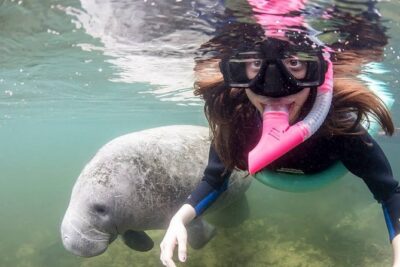
Most Popular 3hr Manatee Swim Tour + In-Water Guide!
Read our review →
The ‘OG’ Manatee Snorkel Tour with In-Water Guide/Photographer
Read our review →
Dolphin and Manatee Adventure Tour of Fort Myers
Read our review →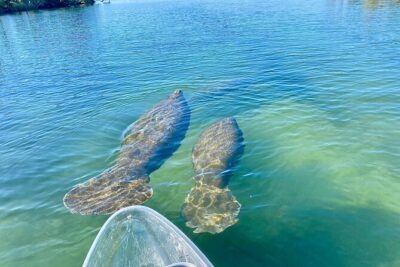
Crystal River Three Sisters Springs and Manatee Clear Kayak Tours
Read our review →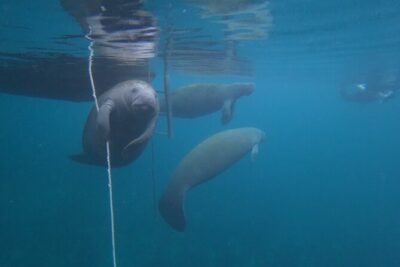
3 Hour Small Group All Inclusive Manatee Swim with free Photo pkg
Read our review →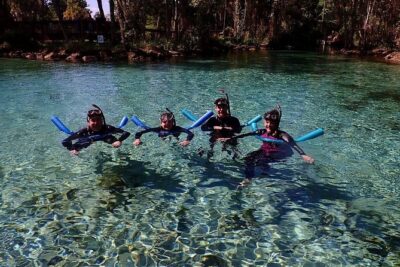
Guided Small Group Manatee Snorkeling Tour with In-Water Photographer
Read our review →Browse the lists this tour appears in