
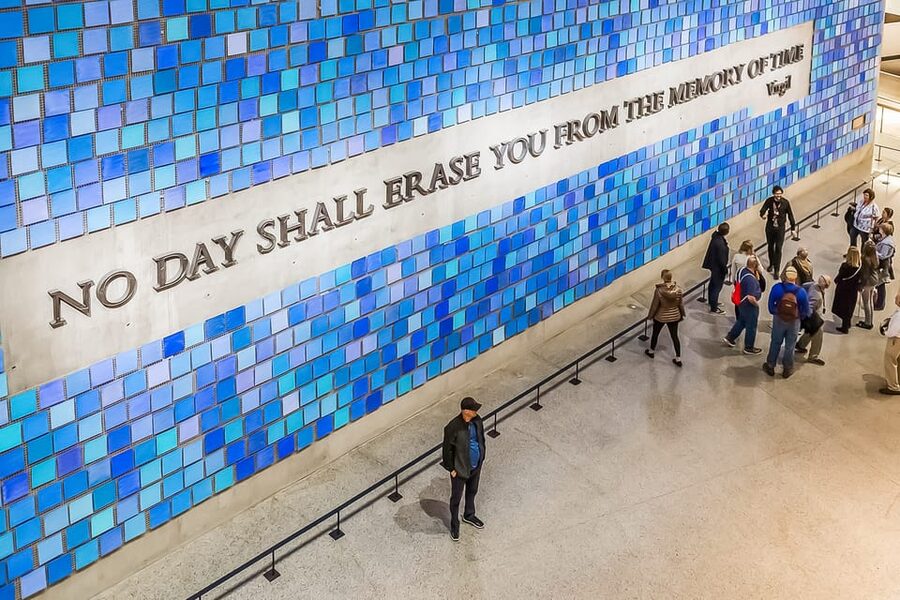
Reviewed · MUSEUMS
NYC: 9/11 Memorial & Museum Timed-Entry Ticket
The most powerful part of this experience is the way the museum moves from huge events to individual lives. You see damaged objects, hear personal accounts, and learn about the people who died, while the massive Foundation Hall gives physical scale to a tragedy that can otherwise feel impossible to grasp. Outside, the twin reflecting pools occupy the footprints of the original towers.
I like the ease of a timed, contactless entry, especially at a busy New York attraction. I also like that the $25 ticket includes the museum plus free access to the memorial pools, Survivor Tree, and Memorial Glades. The main drawback is emotional rather than practical: this is a heavy visit, and you should not squeeze it into a rushed hour between other sights.
In This Review
- Key points
- Why this museum deserves time in Lower Manhattan
- Getting inside with a timed ticket
- The Historical Exhibition: before, during, and after
- In Memoriam puts names before numbers
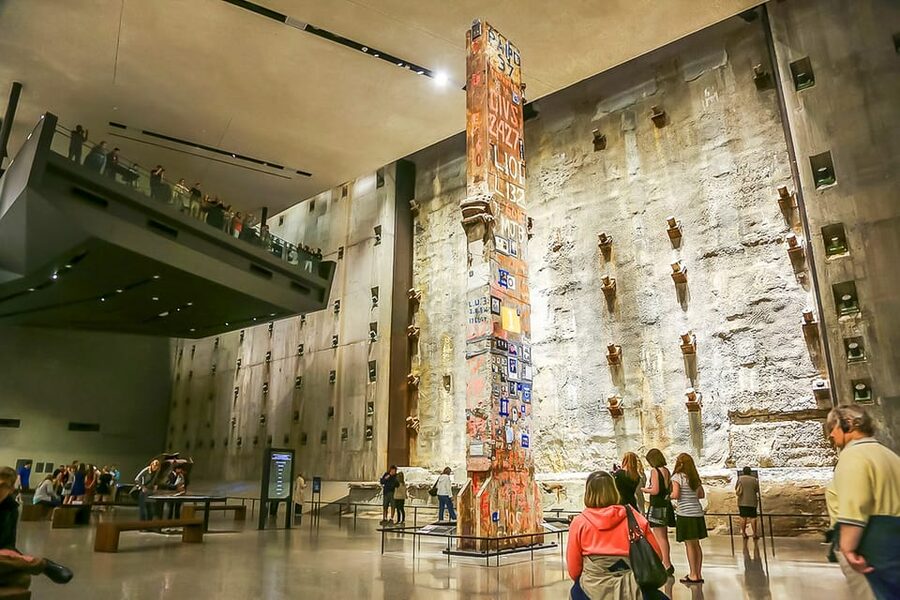
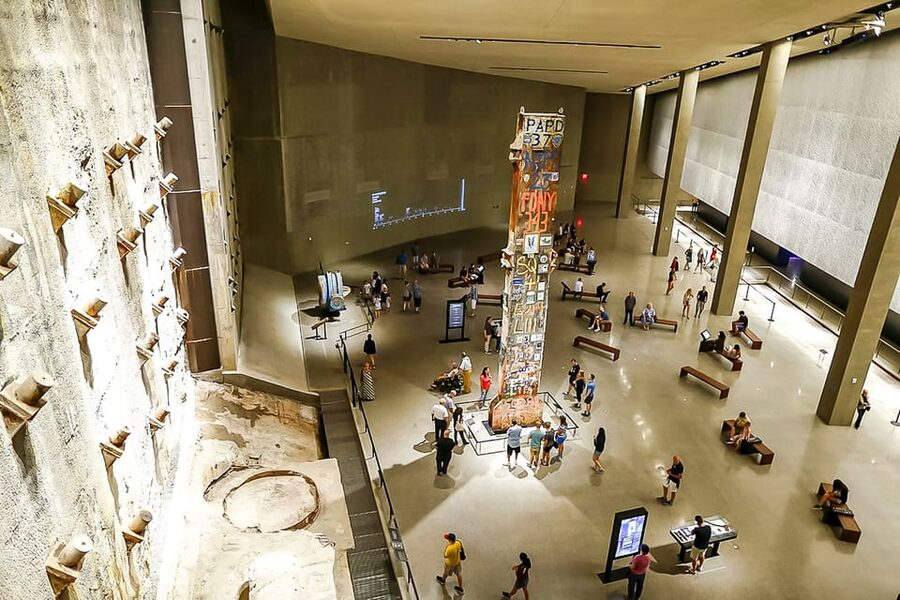
- Foundation Hall and the last column
- The reflecting pools and every name
- The Survivor Tree and Memorial Glades
- How long should you stay?
- Is $25 a fair price?
- Who will get the most from this visit?
- Practical advice for a respectful visit
- Should you book the 9/11 Memorial Museum ticket?
- FAQ
- What does the $25 ticket include?
- Is entry to the 9/11 Memorial included?
- How long should I allow for the museum?
- Is a guided tour included?
- Is there security screening?
- Can children visit without an adult?
Key points
- The museum covers three periods: Before 9/11, the Day of 9/11, and After 9/11.
- More than 10,000 artifacts include objects connected to the attacks, rescue work, and the lives affected.
- Foundation Hall contains the last column and slurry wall, two enormous surviving parts of the original site.
- The memorial pools are free to visit and carry the names of those killed in 2001 and 1993.
- Plan for at least two hours: Four hours is reasonable if you read carefully and watch the films.
- Security is airport-style: Allow time for screening, and remember that unaccompanied minors are not permitted.
Why this museum deserves time in Lower Manhattan
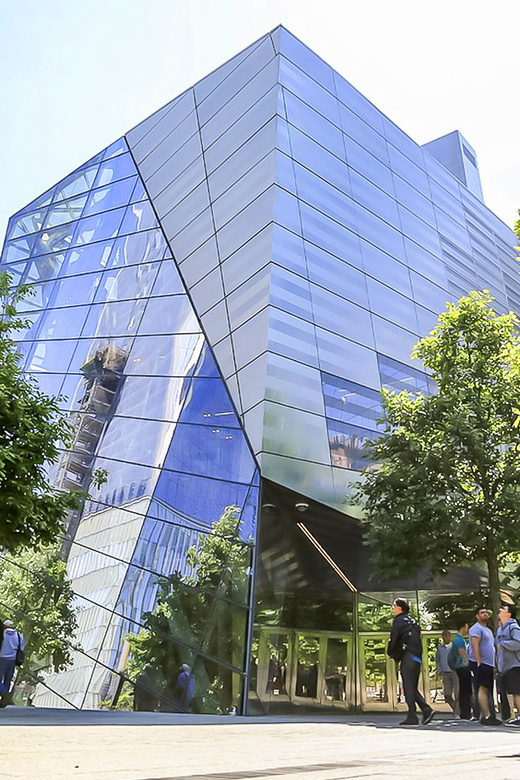
The 9/11 Memorial Museum is not a quick photo stop. It is a carefully arranged account of the September 11, 2001 attacks on the World Trade Center and the Pentagon, the crash of Flight 93, and the February 26, 1993 World Trade Center bombing.
The building sits below the memorial plaza, close to the original tower footprints. That location matters. You are not simply looking at a collection in a neutral gallery. The museum is tied to the actual site, and much of its force comes from the scale of what remains.
The presentation is respectful and direct. It does not turn the event into entertainment. Instead, it asks you to consider the people who died, the rescuers who ran toward danger, the survivors, and the wider effects that followed.
I would set aside two to four hours. Two hours lets you see the main sections without stopping for every label. Three or four hours gives you time for the personal stories, films, photographs, and memorial records. Several parts require quiet attention, so rushing through with a packed schedule would lessen the experience.
More Museum Tours in New York City
- NYC: Empire State Building Tickets – Observatory & Museum
★ 4.7 · 25,757 reviews - New York City: American Museum of Natural History Ticket
★ 4.5 · 15,447 reviews - NYC: Museum of Modern Art (MoMA) Entry Ticket
★ 4.6 · 12,540 reviews
Getting inside with a timed ticket
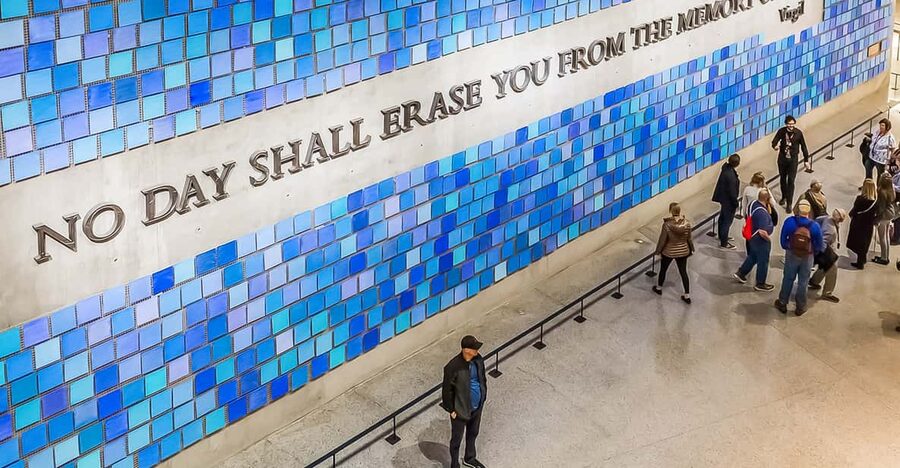
Your reserved entry time gives the visit a clear starting point. The ticket provides contactless admission to the museum, though every person must pass through airport-style security first. Build in enough time for that screening rather than arriving at the last second.
The meeting point can vary by the option booked, so check your confirmation carefully. This is a ticketed museum visit, not a guided tour by default. If you want more explanation from a guide, guided options may be available separately, and an audio guide can be purchased inside.
Coat-check facilities are available. Free Wi-Fi is also included, along with access to the current museum exhibitions. An on-site cafe gives you a chance to pause, though I would not plan your whole day around a long meal there.
The ticket is valid for one day, with starting times based on availability. Free cancellation up to 24 hours before the visit and a reserve-now, pay-later option make it easier to fit the museum into a changing New York schedule.
The Historical Exhibition: before, during, and after
The Historical Exhibition is divided into three parts: Before 9/11, the Day of 9/11, and After 9/11. This structure helps you follow the event as a sequence instead of encountering disconnected objects.
The Before 9/11 section provides context for the World Trade Center and the earlier attack in 1993. It also helps explain the events leading up to the attacks, rather than presenting September 11 as something that appeared without warning.
The Day of 9/11 section is the emotional center for many people. It covers the attacks on the World Trade Center and the Pentagon, as well as Flight 93. Artifacts and recorded accounts make the timeline more personal and specific.
You might find that familiar images from television feel different when placed beside physical objects from the site. Damaged items show the force of the destruction in a way that photographs alone cannot. Films and short video presentations add more detail, but they also make this section especially intense.
The After 9/11 section looks at the response and the continuing effects of the attacks. It brings attention to survivors, rescue workers, families, and the process of trying to understand what happened.
If you were alive in 2001, you may remember exactly where you were when the news broke. If you were born later, the exhibition provides a detailed account of an event that shaped the modern world. Parents bringing teenagers should prepare them for difficult material, but the museum can be a serious and useful history lesson for older children.
In Memoriam puts names before numbers
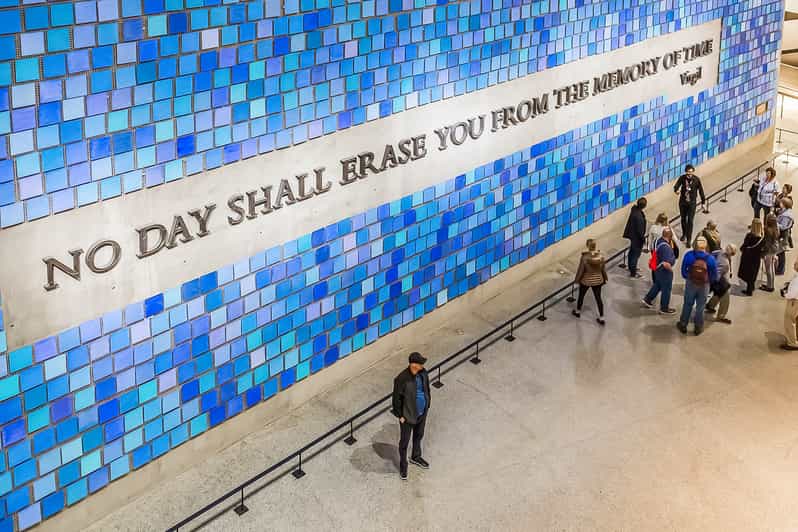
The Memorial Exhibition, called In Memoriam, focuses on the people who died in the 2001 attacks and the 1993 bombing. This is where the scale of nearly 3,000 deaths becomes more personal.
Names and statistics can become abstract when presented in large numbers. The memorial exhibition works against that distance by giving visitors a chance to learn about individual men, women, and children. Personal information, photographs, and stories help restore the identities behind the number.
This section asks for patience. You may want to move slowly, stop often, or simply sit for a while. It is not a place to hurry through while checking your phone.
The museum also includes personal material that can be especially painful, including letters written by children. Those items are small, human details within a huge historical event, and they can affect you more than the larger displays.
The exhibition is suitable for anyone wanting to understand the human cost of 9/11, but it may be too difficult for very young children. Unaccompanied minors are not permitted, and families should decide in advance how much context their children need.
More New York City museums and collections:
- 9/11 Memorial, Ground Zero Tour with Optional 9/11 Museum Ticket
★ 5.0 · 6,381 reviews - 9/11 Memorial Museum Admission Ticket
★ 4.5 · 6,376 reviews - All-Access 9/11: Ground Zero Tour, Memorial and Museum, One World Observatory
★ 5.0 · 4,886 reviews - NYC: Intrepid Museum Entry Ticket
★ 4.7 · 4,687 reviews
Foundation Hall and the last column
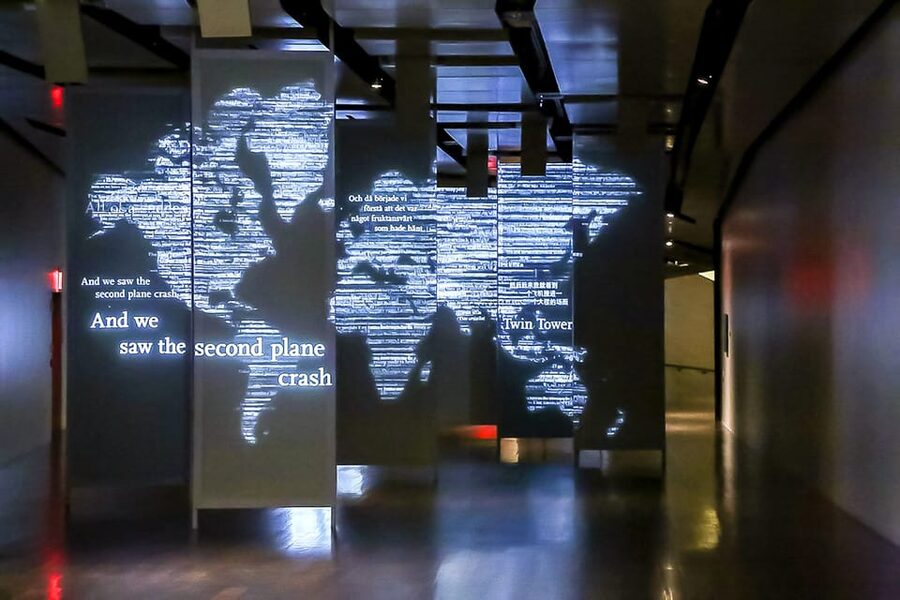
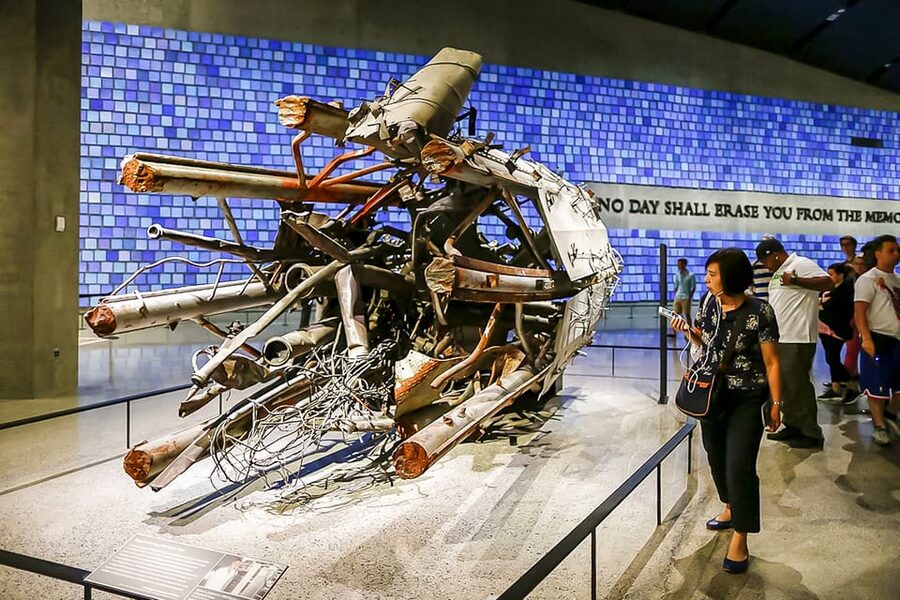
Foundation Hall is one of the museum’s most memorable spaces because of its size. It houses the last column and the slurry wall, huge structural elements connected to the original World Trade Center site.
The room gives you a sense of physical scale. Much of the museum deals with voices, photographs, documents, and smaller objects. Here, the architecture itself carries the story.
The last column became a symbolic part of the recovery effort. The slurry wall represents the underground structure that helped protect the original site from the Hudson River. Together, these elements make Foundation Hall a strong reminder that the museum is built into the remains of the towers’ foundations.
Do not assume that a large room will feel less emotional. The opposite may happen. The emptiness and scale create space for reflection, especially after the more detailed historical displays.
The reflecting pools and every name
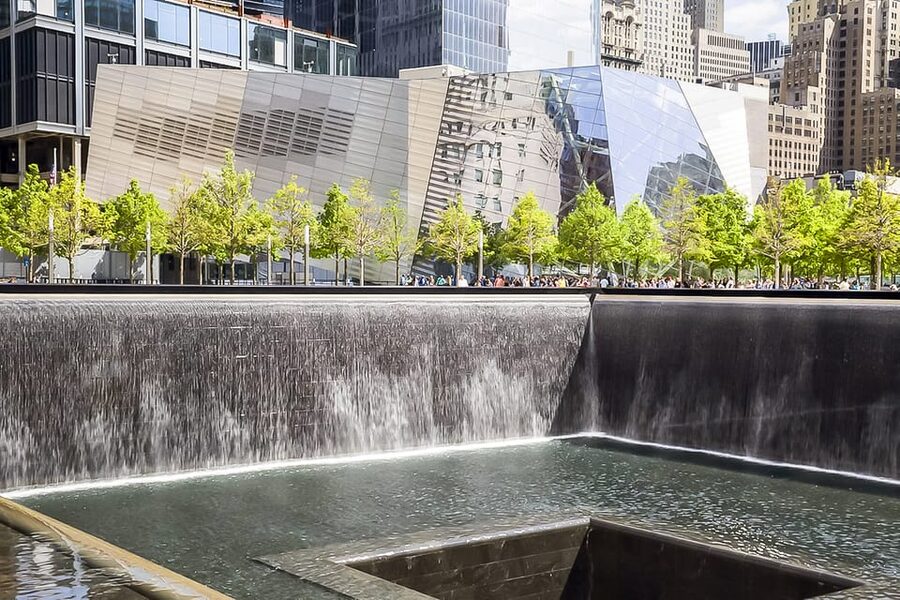
Admission to the National September 11 Memorial is free, even without a museum ticket. Your museum admission includes access to the memorial, the Survivor Tree, and Memorial Glades.
The two reflecting pools sit in the footprints of the Twin Towers. Each is nearly an acre in size, and each has a waterfall forming the largest manmade waterfalls in North America. Water flows down the dark inner walls, creating a steady sound that softens the noise of Lower Manhattan.
Bronze panels around the pools carry the names of those killed in the 2001 attacks and the 1993 bombing. This includes people who died at the World Trade Center, the Pentagon, and Flight 93, as well as those killed in the earlier bombing.
I recommend visiting the pools either before entering the museum to set the context, or afterward to process what you have seen. If your museum time is early, you can visit the outdoor memorial first. If the museum leaves you needing quiet, finish outdoors.
The plaza is open and accessible without the museum ticket, so you can return later in your New York visit. That makes the $25 museum price more useful: you are paying for the indoor historical collection, while the central place of remembrance remains available separately.
The Survivor Tree and Memorial Glades
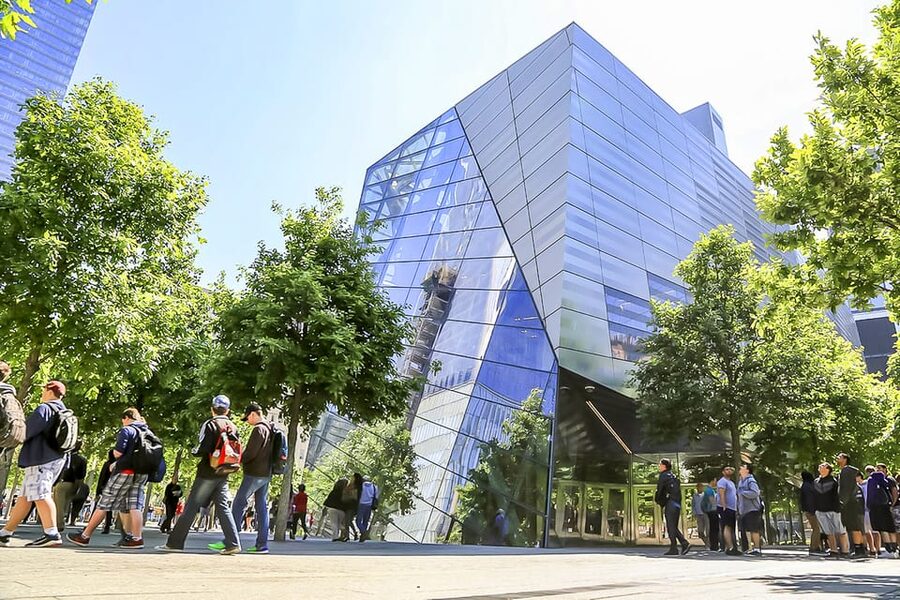
The Survivor Tree is a living reminder of recovery. It survived the attack and was later cared for as part of the memorial. Its presence adds a gentler note to a site otherwise defined by loss.
You will also have access to Memorial Glades. These outdoor areas give the memorial complex more room for reflection beyond the pools themselves.
The Survivor Tree is not a substitute for the museum, but it adds meaning to the visit. After hours of reading about destruction, rescue, and grief, a living tree offers a simple image of endurance without turning the site into a cheerful attraction.
Take your time outside. The memorial plaza is not just a place to photograph the waterfalls. Read the names, notice the arrangement of the panels, and allow the space to be quiet.
How long should you stay?
Two hours is the minimum I would recommend. That gives you time to cover the main sections, but not necessarily to read every story or watch every film.
Three hours is a better target for most people. You can move at a steady pace, pause in the Memorial Exhibition, and spend time in Foundation Hall and the video areas.
Four hours is reasonable if you have a strong interest in history or personal stories. Several people have found that they could have stayed longer, especially because the material invites close reading.
A morning entry can be a good choice if you prefer quieter conditions. An early visit gives you more room to read and think before the site becomes busier. You may also find the outdoor memorial calmer early in the day.
Do not plan a high-energy attraction immediately afterward if you know you need time to process difficult material. A walk through Lower Manhattan may be a better follow-up than jumping straight onto a crowded observation deck.
Is $25 a fair price?
At $25 per person, this is a strong value for a major New York museum. You receive timed admission, access to the current exhibitions, free Wi-Fi, and outdoor access to the memorial, Survivor Tree, and Memorial Glades.
The value comes from the amount of material, not from the length of a guided route. A short visit may make the price feel less worthwhile, but a three-hour stay gives you a substantial museum experience.
An audio guide is not included and can be rented separately. A guided tour is also not part of the standard ticket. That is important if you are comparing this with a tour that includes a guide or a longer explanation of the outdoor plaza.
The ticket does not promise a light or easy afternoon. You are paying for a serious museum that preserves evidence and personal history. If that is what you want from your New York visit, $25 is reasonable. If you are looking mainly for views, architecture, or entertainment, choose another attraction.
Who will get the most from this visit?
This museum suits adults, history-minded teenagers, educators, and anyone who wants to pay their respects at the original World Trade Center site. It can also help younger adults who did not experience 9/11 firsthand understand why the event remains so important.
Families should talk beforehand about the subject matter. Older children and teenagers may find the detailed displays educational, but the museum includes upsetting images, accounts, and personal material.
The visit can be particularly meaningful for people with a personal connection to the attacks, rescue workers, New York, or the original towers. It can also be moving for anyone who remembers watching the events unfold on television.
This is less suitable if you dislike museums that require extensive reading or if you have only a short break in your schedule. The memorial pools are still worth visiting on their own, but the museum needs time and emotional attention.
Practical advice for a respectful visit
Wear comfortable shoes. The museum contains a large amount of material, and you may spend several hours walking, standing, and stopping at displays.
Allow extra time for security. Airport-style screening is required for everyone, and a timed ticket does not mean you can skip that step.
Use the coat check if needed, especially in cold weather. You will be more comfortable moving through the museum without carrying bulky outerwear.
Consider buying the audio guide only if you want additional narration. The exhibitions already contain extensive written and recorded material, so it is not essential for a worthwhile visit.
If you have a small group, agree on a meeting point before entering. The meeting point may vary according to the option you book, and the museum is large enough that people can naturally move at different speeds.
Finally, keep your phone use discreet. Photography may be possible in some areas, but this is a place where attention and respect matter more than collecting images.
Should you book the 9/11 Memorial Museum ticket?
Book it if you want a careful, detailed account of 9/11 and are prepared for a serious experience. The combination of more than 10,000 artifacts, individual stories, the last column, the slurry wall, and the outdoor memorial gives you much more than a quick monument visit.
The $25 price is especially fair if you plan to stay three hours or more. The timed entry helps organize your day, while free access to the pools, Survivor Tree, and Memorial Glades lets you continue reflecting outside.
Skip the museum only if you have limited time, are traveling with very young children, or know that the subject matter will be too distressing. Even then, you can visit the outdoor memorial separately.
For most visitors who want to understand New York beyond its skyscrapers and shopping streets, this is one of the city’s most important stops. Go slowly, give it the time it needs, and leave room in your schedule for a quiet walk afterward.
FAQ
What does the $25 ticket include?
The ticket includes timed entry to the 9/11 Memorial Museum, access to its current exhibitions, free Wi-Fi, and access to the 9/11 Memorial, Survivor Tree, and Memorial Glades.
Is entry to the 9/11 Memorial included?
Yes. Access to the outdoor 9/11 Memorial is free, and it is included with this museum visit. The memorial has two reflecting pools with the names of those killed in the 2001 and 1993 attacks.
How long should I allow for the museum?
Allow at least two hours. Three to four hours is better if you want to read the personal stories, watch the films, and examine the exhibits carefully.
Is a guided tour included?
No. A guided tour is not included with the standard timed-entry ticket. An audio guide can be purchased separately at the museum.
Is there security screening?
Yes. All visitors must pass through airport-style security before entering the museum.
Can children visit without an adult?
No. Unaccompanied minors are not allowed. Children and teenagers may visit with an adult, but families should consider the museum’s serious and sometimes upsetting content.
Recently reviewed around New York City
- Dyker Heights Christmas Lights Guided Tour★ 4.5 · 920 reviews
- New York City Dinner Cruise with Live Music★ 4.0 · 377 reviews
- New York City Holiday Lights Tour★ 4.5 · 664 reviews
- NYC in a Day Tour: Statue of Liberty, Times Square and More★ 5.0 · 366 reviews
- Broadway and Times Square Insider Tour with Theater Professional★ 5.0 · 651 reviews
- NYC Central Park Bicycle Rentals★ 4.5 · 368 reviews
- Central Park Bike Rental New York City★ 4.0 · 560 reviews
- Manhattan Sky Tour: New York Helicopter Flight★ 4.5 · 1,458 reviews
Museums, compared.

Empire State Building Tickets – Observatory & Museum
Read our review →

9/11 Memorial, Ground Zero Tour with Optional 9/11 Museum Ticket
Read our review →
All-Access 9/11: Ground Zero Tour, Memorial and Museum, One World Observatory
Read our review →

Browse the lists this tour appears in