

Reviewed · MUSEUMS
San Diego: USS Midway Museum Entry Ticket
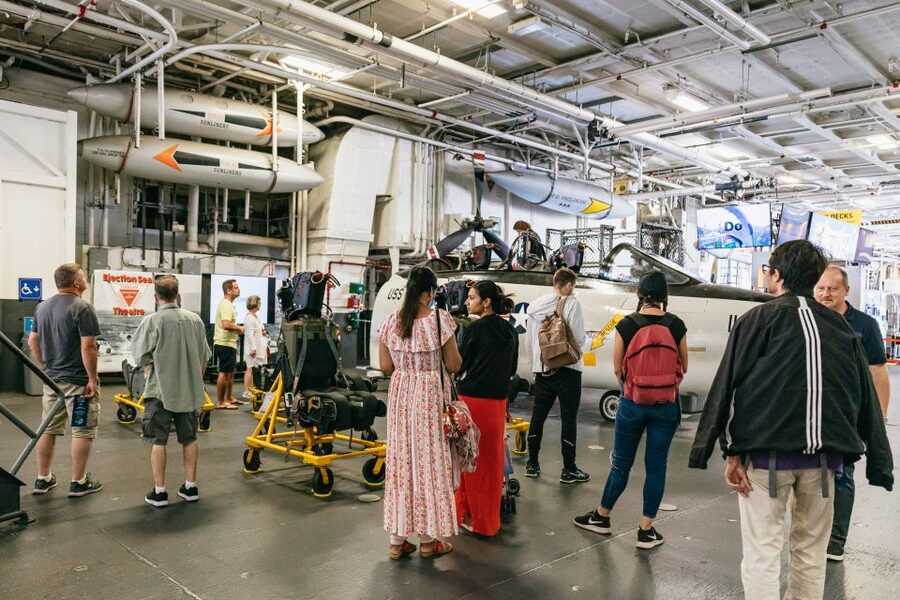
The most memorable part of the USS Midway Museum is not just the aircraft parked on deck. It is seeing how an entire floating city worked below it, from cramped sleeping quarters and engine spaces to pilots’ ready rooms and the command island. Former sailors, pilots, and other volunteers are stationed around the ship to explain what you are seeing.
I like the freedom to explore at your own speed, and I like the mix of real equipment, audio stories, films, and hands-on displays. The 25 restored aircraft cover the period from World War II through Operation Desert Storm, while the included audio guide gives structure to a very large ship.
The main drawback is size. You can rush through in two hours, but that means missing much of the detail. Give yourself three to four hours, and remember that some passageways are tight, stairs are common, and it is easy to lose track of which levels you have already seen.
In This Review
- Key points to know before boarding
- Start at Navy Pier in downtown San Diego
- Get your bearings on the flight deck
- Go below decks to see how sailors lived
- Use the audio guide without letting it control your day
- Make time for the bridge and command areas
- Try the simulators and watch the short films
- Look for the TOP SECRET NAVAL Intelligence exhibit
- How long should you plan for the Midway?
- Is $41 good value?
- Who will enjoy this experience most?
- Should you book the USS Midway Museum?
- FAQ
- Where is the USS Midway Museum?
- How long does a visit usually take?
- What are the opening hours?
- Is the ticket valid for more than one day?
- Is an audio guide included?
- Is the museum wheelchair accessible?
- Are children admitted free?
- Can active-duty military personnel enter free?
Key points to know before boarding

- A full aircraft carrier to explore: Visit the flight deck, hangar deck, engine room, crew sleeping quarters, ready rooms, and command areas.
- 25 restored aircraft on deck: See planes and helicopters linked to several decades of naval aviation, with climb-aboard aircraft and cockpits.
- Stories from former service members: Docents around the ship add personal details and explain how the Midway operated.
- Six-language audio guide: Choose English, Spanish, Chinese, French, German, or Japanese for a self-guided route through highlighted areas.
- Family activities included: Try three types of flight simulators, watch short films, and explore interactive displays.
- Allow most of a day: The ticket costs $41 per person and is good for 365 days, making it useful if you want to return.
Start at Navy Pier in downtown San Diego
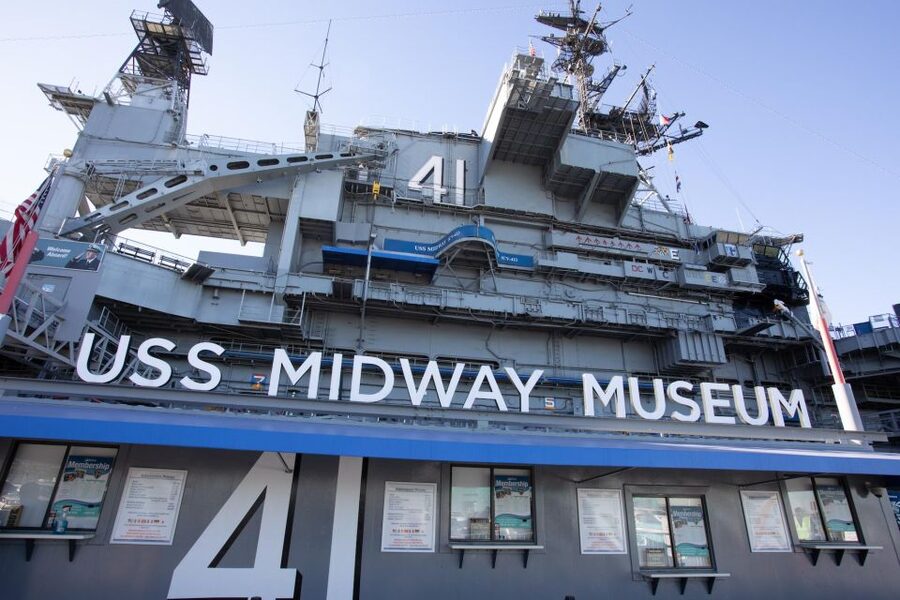
The USS Midway Museum is moored at Navy Pier in downtown San Diego. The ship itself is the attraction, so there is no bus transfer or separate meeting point to manage. Your ticket lets you skip the ticket booth and go straight to the main entrance.
You can arrive at any time during opening hours, from 10:00 AM to 5:00 PM. Last admission is at 4:00 PM, which matters more than it may sound. A late start leaves too little time for the lower decks, flight deck, exhibits, and films.
I would aim for the morning or early afternoon. That gives you room to pause when a volunteer starts explaining a piece of equipment, and it leaves time to return to sections you skipped. The museum is closed on Thanksgiving Day and Christmas Day.
The ship is close to downtown hotels and nearby attractions, so it fits neatly into a day of sightseeing around the waterfront. Transfers are not included, but the central location makes this a straightforward stop if you are already visiting San Diego without a car.
More San Diego museums and collections:
- USS Midway Museum Admission: Valid Any Date
★ 5.0 · 2,165 reviews - NYC: 9/11 Memorial & Museum Timed-Entry Ticket
★ 4.8 · 31,428 reviews - NYC: Empire State Building Tickets – Observatory & Museum
★ 4.7 · 25,757 reviews
Get your bearings on the flight deck
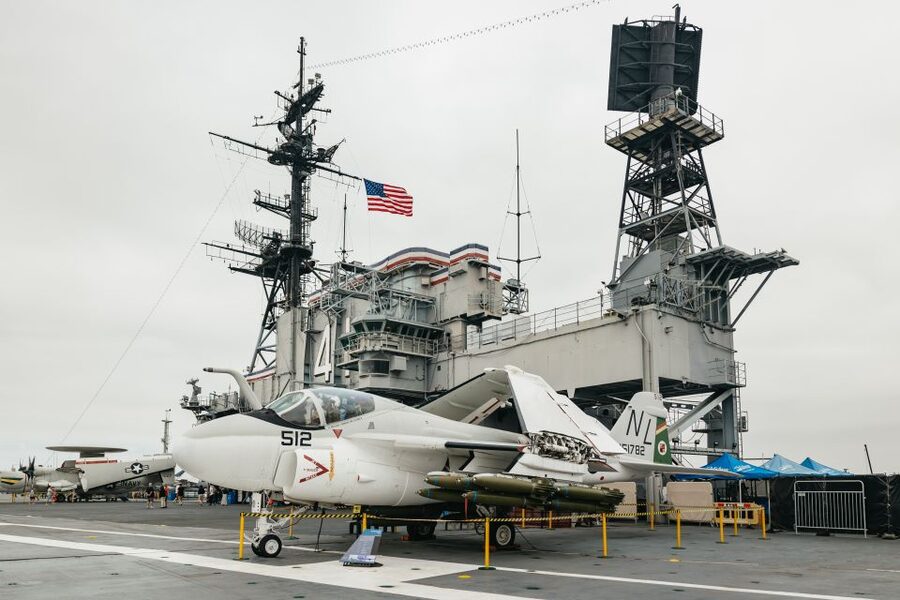
The flight deck gives you the clearest first impression of the Midway’s scale. It is a broad outdoor space lined with restored aircraft, and it helps you understand the practical problem at the heart of carrier aviation: launching and recovering aircraft on a moving ship with very little spare room.
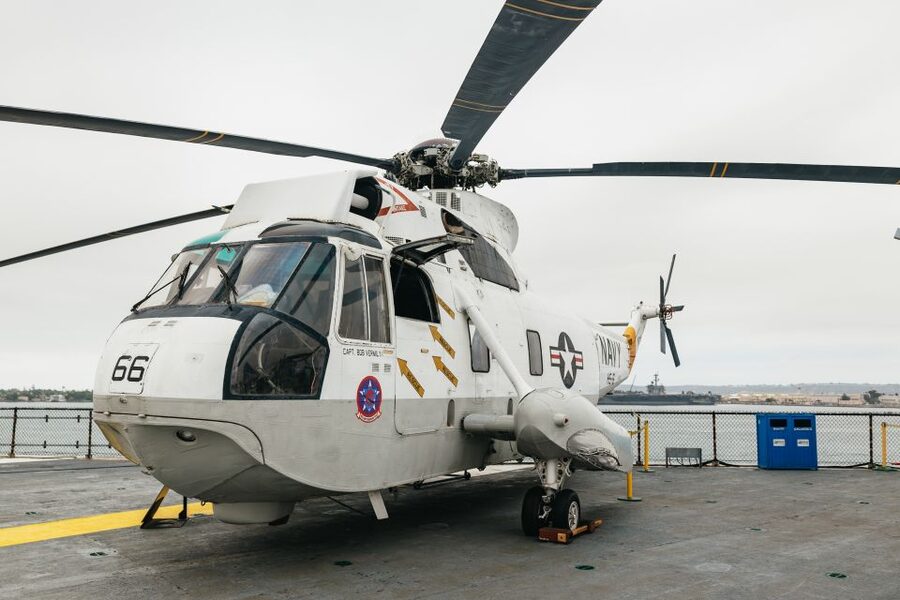
You can see 25 aircraft from the World War II period through Operation Desert Storm. The collection includes planes and helicopters, and some aircraft have climb-aboard areas or accessible cockpits. For children, these displays turn a history lesson into something physical. They can sit at controls, look around a cockpit, and take part in family activities.
The outdoor deck is also where you may encounter former sailors, pilots, and other volunteers. Their explanations can add the human scale that a written label cannot. You might hear about landing procedures, aircraft handling, weapons loading, or daily routines aboard ship. The most useful approach is simple: stop and ask questions.
Watch your head in low areas and around aircraft access points. One visitor’s practical warning was worth keeping in mind: watch your head. Wear comfortable shoes, since you will be walking and climbing for several hours.
Go below decks to see how sailors lived
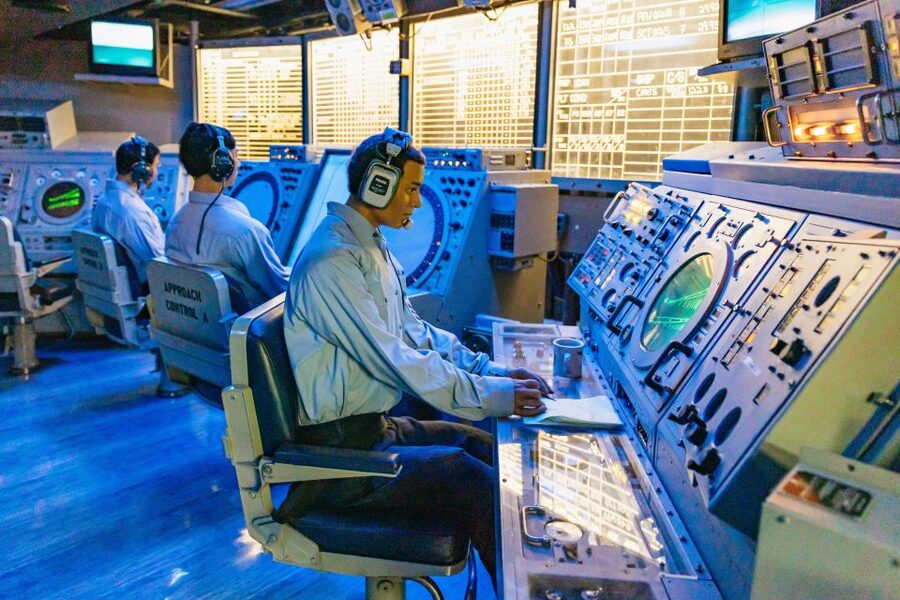
The Midway becomes more revealing below the flight deck. The crew’s sleeping quarters show how many people had to live and work inside the carrier, often in compact spaces with little privacy. These areas help explain the difference between seeing a warship as a giant machine and understanding it as a workplace and home.
The engine room and other working areas show the physical systems that kept the ship moving and supplied. You will not simply be looking at a polished exhibit behind glass. You are walking through parts of the actual carrier, with equipment, passageways, and working spaces arranged around you.
The pilots’ ready rooms offer a different view. These were places for preparation, briefing, and waiting before flights. Audio segments and docent explanations can connect these rooms to the larger process of carrier aviation, from training and planning to the demanding work of takeoff and landing.
The lower decks are where the ship can feel confusing. Direction signs are helpful, but it is still possible to miss a level or reach the upper deck just as it closes. Keep an eye on the route markers and avoid spending your whole visit on the first deck that catches your interest.
Use the audio guide without letting it control your day
The audio guide covers dozens of highlighted areas and is included with admission. It is available in English, Spanish, Chinese, French, German, and Japanese. That makes the visit easier for families or groups who do not want to share one language for every explanation.
I would use it selectively rather than listening to every stop from start to finish. The ship has too much to see for a rigid, stop-by-stop approach. Listen in the areas that interest you most, then pause the guide when a docent is giving a live explanation.
The audio material is especially helpful in spaces where you need context. A cockpit, engine room, or sleeping compartment can look like a collection of machinery and bunks without an explanation of its purpose. The recordings help turn those objects into part of a working naval system.
The human conversations are just as important. Volunteers are placed throughout the carrier and are ready to answer questions. Some are former service members, including people who served aboard the Midway or worked with naval aircraft. Their personal connection can make the ship feel less like a static collection and more like a place where real routines unfolded.
More San Diego trips worth a second look
- San Diego Zoo 1-Day Pass: Any Day Ticket
★ 4.5 · 4,248 reviews - LEGOLAND® California Theme Park Admission Tickets
★ 4.5 · 1,996 reviews - San Diego Zoo Admission Ticket
★ 4.7 · 1,332 reviews - San Diego Zoo: 1-Day Admission Ticket
★ 4.6 · 1,150 reviews
Make time for the bridge and command areas
The command island is one of the most rewarding parts of the visit. From here, you can consider how officers directed a huge ship, managed aircraft operations, and kept track of activity on the deck below.
Access to the bridge and command areas may take more time than a quick walk through the aircraft displays, but it is worth checking the route and opening times early in your visit. A visitor who arrived late found that the top deck had closed before the lower areas were finished. The lesson is clear: do not assume you can save the flight deck and bridge for the end.
The command areas also benefit from live explanations. Ask the volunteers what you are looking at and how the space related to flight operations. The answers can help you connect the carrier’s visible features, such as aircraft and deck equipment, with the decisions made behind the scenes.
Try the simulators and watch the short films
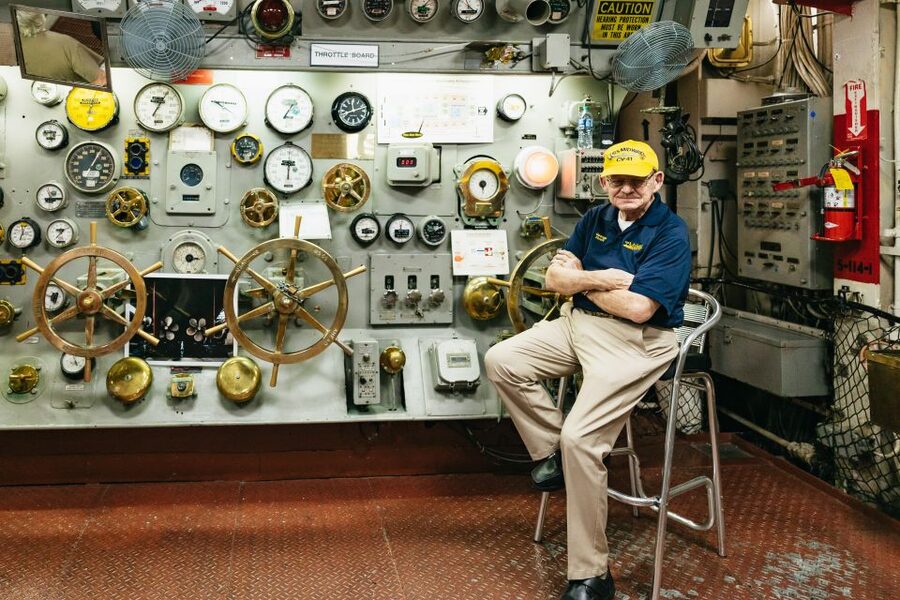
The museum is not limited to walking through preserved rooms. Admission includes three types of flight simulators, short films, music videos, and other interactive activities.
The simulators are a good choice for families and for anyone who wants a break from reading labels. Children can also take part in activities connected to aircraft controls and earn a junior pilot rating through the museum’s family programming.
The 3D Holographic Battle of Midway Theater is included as well. It gives the historical story a focused presentation, which can be useful if you do not already know the main events connected with the Battle of Midway.
Short films cover specific subjects, including carrier operations and naval aviation. They are easy to overlook when you are eager to see more of the ship, but they provide useful pauses between the flight deck and the lower decks. If you have three or four hours, fit in at least one film and the Battle of Midway presentation.
Look for the TOP SECRET NAVAL Intelligence exhibit
The TOP SECRET NAVAL Intelligence exhibit adds another angle to the visit. Aircraft and engine rooms show the physical side of naval service. An intelligence display points to the information, analysis, and decision-making that shaped operations.
This exhibit is particularly worthwhile if you are interested in how military missions depend on more than machines. Read the displays carefully, but do not feel you need to absorb every panel. The audio guide can help you decide which sections deserve more of your time.
The variety is one of the ticket’s strengths. You move from aviation technology to personal living spaces, then from historical films to intelligence work. That range keeps the visit from becoming a long row of similar displays.
How long should you plan for the Midway?

The official guidance is three to four hours, and that is a sensible target for a first visit. Two hours is enough for a brisk walk through the main areas, but not enough if you want to listen to the audio guide, talk with docents, see films, and explore the lower decks carefully.
Some people can spend five or six hours and still find more to inspect. That is possible because the carrier has several levels and many highlighted areas. If you have a short day in San Diego, choose your priorities before boarding.
A practical order is:
- Start with the flight deck and aircraft.
- Move to the hangar deck and climb-aboard displays.
- Visit crew quarters, ready rooms, and working spaces.
- See the command island and bridge before late afternoon.
- Finish with films, simulators, and exhibits you skipped.
The route can be tiring for older visitors or anyone with mobility concerns. The museum is wheelchair accessible, and staff can assist visitors. Still, a large ship has tight spaces, stairs, and long stretches of walking. A slower pace is wiser than trying to cover every corner.
Is $41 good value?

At $41 per person, this is not a quick, low-cost attraction. It is best judged as a half-day museum visit rather than a single exhibit.
The value is strongest if you give it enough time. You are paying for access to a preserved aircraft carrier, 60 exhibits, 25 aircraft, the audio guide, simulators, films, the 3D theater, and below-deck areas. You also get the chance to speak with volunteers who can explain the ship from direct experience.
The ticket’s stated validity of 365 days adds flexibility. If your plans change or you find you need more time, check the current conditions for return access. A second visit could make sense for someone with a strong interest in naval aviation, military history, or the Midway itself.
Children five and younger enter free. During October, each adult ticket includes admission for up to two children ages 6 to 12. You do not need to select a child ticket at checkout. Show the adult ticket at the ticket booth to receive the children’s tickets. Active-duty military personnel, including reservists, also receive complimentary daytime admission with valid identification.
The free October child admission makes the museum a particularly good family choice during that month. Outside that offer, consider the time you will spend there. If you rush through in two hours, the price may feel high. If you stay four hours and use the films, aircraft access, audio guide, and live explanations, the cost is easier to justify.
Who will enjoy this experience most?
I would recommend the USS Midway to anyone interested in aircraft, military service, engineering, or firsthand stories of life at sea. It works especially well for families because children can climb into aircraft, use interactive displays, and try flight simulators rather than only read display text.
History-minded visitors will find plenty to hold their attention, from the Battle of Midway theater to the aircraft collection and naval intelligence exhibit. Former service members may find the crew areas and familiar equipment especially meaningful.
It is also a good choice for older visitors and people with disabilities because staff are reported to be helpful, and the museum is wheelchair accessible. Plan extra time, use the available assistance, and do not feel pressure to cover every level.
The main mismatch is for anyone seeking a short, tightly guided activity. This is self-guided and open-ended. You need to manage your own route, decide when to listen, and keep track of closing times.
Should you book the USS Midway Museum?
Yes, if you can give it at least three hours and want more than a quick look at aircraft. The strongest reason to book is the combination of a real aircraft carrier, preserved working spaces, interactive exhibits, and volunteers who can explain what happened there in practical terms.
Book with a clear plan to see the bridge and upper deck early, then save time for the lower levels and films. Families should check the October child offer, while active-duty military visitors should bring valid identification. If you are short on time, you can still enjoy the flight deck and aircraft, but the full value of the $41 admission comes from slowing down and exploring below decks.
FAQ
Where is the USS Midway Museum?
The museum is located aboard the USS Midway at Navy Pier in downtown San Diego, California.
How long does a visit usually take?
Most people should plan three to four hours. You can spend five or six hours if you want to explore the exhibits, watch films, use the simulators, and take your time across the ship’s levels.
What are the opening hours?
You may arrive between 10:00 AM and 5:00 PM. The last admission is at 4:00 PM daily.
Is the ticket valid for more than one day?
The ticket is listed as valid for 365 days. Check availability and current return conditions when planning a second visit.
Is an audio guide included?
Yes. The audio guide is included and is available in English, Spanish, Chinese, French, German, and Japanese.
Is the museum wheelchair accessible?
Yes, the USS Midway Museum is wheelchair accessible. The ship still includes long walking sections, tight spaces, and stairs, so allow extra time if needed.
Are children admitted free?
Children age five and younger receive complimentary admission. During October, each adult ticket also includes two free admission tickets for children ages 6 to 12. You receive those child tickets at the ticket booth by showing the adult ticket.
Can active-duty military personnel enter free?
Yes. Active-duty military personnel, including reservists, receive complimentary daytime admission with valid identification.
Recently reviewed around San Diego
- La Jolla Sea Caves Kayak Tour For Two (Tandem Kayak)★ 4.5 · 1,205 reviews
- Behind-the-Scenes at Petco Park Tour★ 4.5 · 339 reviews
- Kayak Tour of the 7 Caves★ 4.5 · 355 reviews
- Incredible Slot Canyons to the Pacific★ 5.0 · 373 reviews
- Original La Jolla Sea Cave Kayak Tour for Two★ 4.5 · 871 reviews
- SoCal Riviera Electric Bike Tour of La Jolla and Mount Soledad★ 5.0 · 438 reviews
- Cali Dreaming Electric Bike Tour of La Jolla and Pacific Beach★ 5.0 · 387 reviews
- Carlsbad Food Tour★ 5.0 · 516 reviews
Museums, compared.


Empire State Building Tickets – Observatory & Museum
Read our review →


9/11 Memorial, Ground Zero Tour with Optional 9/11 Museum Ticket
Read our review →

All-Access 9/11: Ground Zero Tour, Memorial and Museum, One World Observatory
Read our review →
Browse the lists this tour appears in