
Reviewed · SAFARI
Grand Teton Wildlife Safari in a Enclosed or Open-Air Vehicle (season dependent)
Grand Teton’s wildlife is most active when the light is soft and the roads are quiet. This four-hour safari takes you out at dawn or dusk to search for moose, elk, bison, pronghorn, bears, wolves, eagles, and other animals with a local naturalist at the wheel.
I like the small group of no more than 12 people, which gives your guide room to answer questions and help everyone use the binoculars or spotting scope. I also like the seasonal vehicle choice: open-air seats bring you close to the sights in summer, while a heated enclosed vehicle keeps the cold from taking over in fall and winter.
The main catch is simple: wildlife is wild. Some outings produce bears, wolves, moose, and bison. Others may bring only a distant moose or a few pronghorn. At $159 per person, you are paying for skilled searching, transport, local interpretation, and convenience, not a guaranteed animal checklist.
In This Review
- Key points to know before booking
- Four hours in Grand Teton with a wildlife guide
- Open-air safari seats from June through mid-September
- Heated vehicles for fall, winter, and spring
- What animals might you see?
- Why the guide can make or break the outing
- Mormon Row and the famous barns
- Sunrise or sunset: which should you choose?
- Is $159 per person a fair price?
- Who should book this safari?
- Final verdict: a worthwhile guided search, with realistic expectations
- FAQ
- How long is the Grand Teton Wildlife Safari?
- What type of vehicle is used?
- Are binoculars and snacks included?
- Is hotel pickup available?
- Does the tour visit Mormon Row?
- Are young children allowed on the tour?
Key points to know before booking
- Dawn and dusk give you the best viewing conditions: The tour runs when many animals are more active, with morning and evening departures.
- The vehicle changes with the season: Open-air safari vehicles operate from June to mid-September, weather permitting. Enclosed heated or air-conditioned vehicles operate from mid-September through May.
- Binoculars and a scope are supplied: You do not need to bring your own optics, though a camera with a strong zoom remains useful.
- Mormon Row is a seasonal bonus: Tours from March through November stop near the famous barns. Snow usually prevents this stop from December through February.
- Guide quality matters here: Guides including Kyle, Kelsey, Anthony, Allie, Cameron, and Neil have been praised for animal spotting, park stories, and helping with photographs.
- Prepare for real outdoor conditions: Summer mornings can feel cold, and winter outings require full snow clothing, including boots, gloves, and a warm hat.
Four hours in Grand Teton with a wildlife guide
The tour begins at 210 North Cache Street in Jackson, with the outing ending back at the same meeting point. Hotel pickup is available in the approved Jackson Hole area from November through mid-May, but summer pickup and drop-off are not included.
From there, you head into Grand Teton National Park by safari-style vehicle. The route uses both paved highways and dirt roads, so you get more than a standard sightseeing drive. The trip covers only a portion of the park’s roughly 310,000 acres, but that is still plenty of ground to search in four hours.
Your guide watches the roadside, open fields, water, woods, and mountain edges while explaining what you are seeing. The subject is not just animals. You also hear about the park’s geology, ecology, human history, early settlers, and local culture.
That wider context makes the ride more useful than simply pointing at an elk. The jagged Teton range, Snake River scenery, forests, and open sage country all fit into a larger story about how animals move through the park and how the area developed.
Frequent stops give you time to scan with the provided binoculars or scope. Guides also stop at scenic points so you can take pictures of the mountains, wildlife, and old buildings. Some guides take photographs or videos during the trip and send them afterward, which can be especially helpful if you are busy watching through the scope.
More Jackson Hole trips worth a second look
- Half-Day Wildlife Safari Tour in Grand Teton National Park
★ 5.0 · 341 reviews - Miami: Everglades Safari Park Airboat Tour
★ 4.4 · 1,267 reviews - Everglades Airboat Safari Adventure with Transportation
★ 3.0 · 956 reviews
Open-air safari seats from June through mid-September
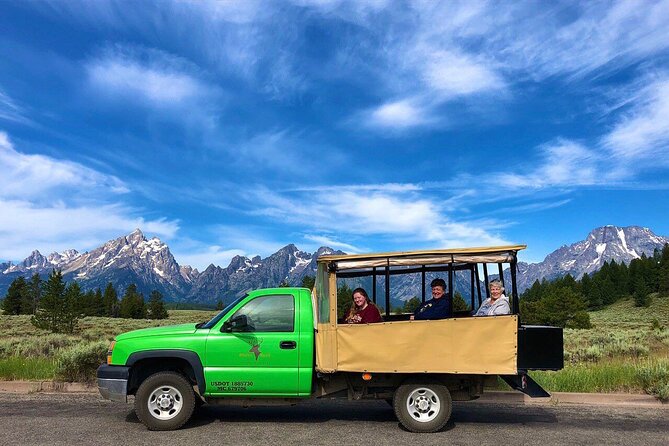
The summer vehicle is the most distinctive part of the experience. Weather permitting, you ride in an open-air safari vehicle with unobstructed views around you. You can feel the air, hear the outdoors, and look upward at Grand Teton without a roof in the way.
That setup is fun, but it is not a luxury convertible. Even in summer, the first hours of the day can be cold, and sunset trips may cool quickly. Bring a jacket, long pants, and sturdy walking shoes. One morning group appreciated the wool blankets, but you should still dress as if you will spend several hours outside.
The open seating also makes this version a poor fit for anyone with back problems. The trip includes dirt roads and rugged terrain, so comfort can vary as the vehicle moves over rough ground.
For many people, the open-air format is worth choosing for the sense of being outside. It can also make it easier to look in several directions at once. Still, a regular vehicle can sometimes offer a steadier shooting platform for photographs, and the weather may affect how much you enjoy the ride.
Heated vehicles for fall, winter, and spring
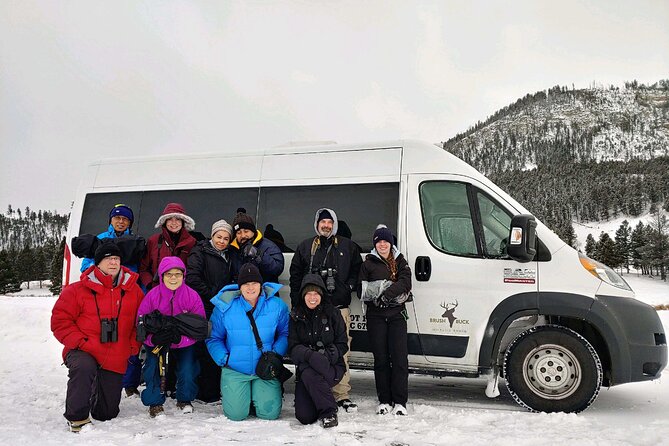
From mid-September through May, the tour uses an enclosed vehicle with heat or air conditioning. This is the practical choice as temperatures fall, especially for sunrise trips and winter outings.
Do not treat the enclosed vehicle as a reason to pack lightly. Winter visitors are asked to bring snow boots, snow pants or bibs, a winter jacket, gloves, a beanie, and a scarf. That advice is important. A four-hour wildlife search is a long time to spend cold, even inside a vehicle.
The winter route also changes. Tours running from December through February do not visit Mormon Row because snow coverage prevents the barn stop. That is not a flaw, but it matters if the historic barns are high on your photo list.
Cold-season outings can still be rewarding for wildlife, and the heated vehicle makes it easier to stay out searching. The trade-off is less of the open-air safari feeling and fewer historic stops in the snowiest months.
What animals might you see?
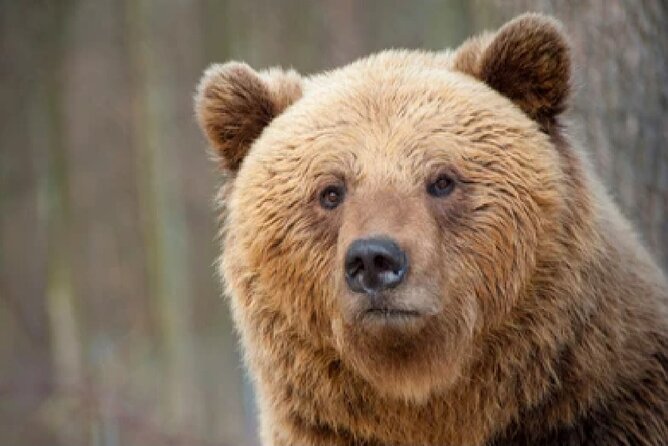
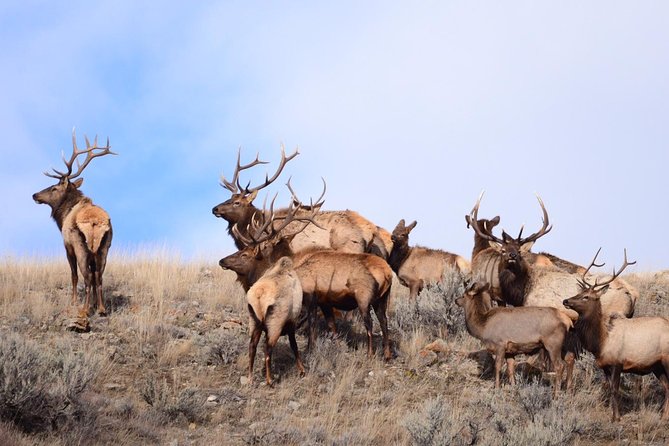
Grand Teton supports about 60 species of mammals and more than 300 bird species. The possible list is impressive: elk, moose, mule deer, pronghorn, bison, bighorn sheep, black bears, grizzly bears, and wolves.
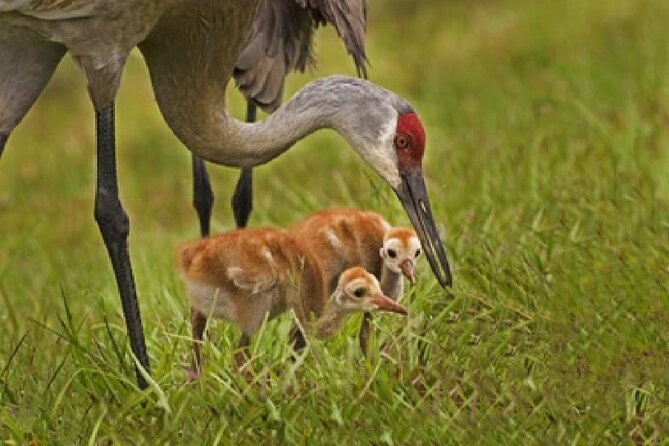
Birds add another layer. Depending on the season and route, you may see bald eagles, golden eagles, ospreys, hawks, owls, and sandhill cranes. Spring and summer are especially good periods for birdwatching, while animal behavior and locations change throughout the year.
The strongest sightings described from this experience include grizzly bears with cubs, black bears, moose with a baby, bison herds, wolves, elk, pronghorn, and bald eagles. One outing produced a wolf, which is a notably fortunate sighting. Another group watched a pack of wolves playing through a large spotting scope.
Those examples show the tour’s potential, not its promise. You may see animals at a distance, partly hidden in trees, or moving across a field. One less successful morning produced a partial view of a moose and some pronghorn. That is normal in a national park, and it is the biggest reason to book this as a guided search rather than a guaranteed safari.
The supplied binoculars are useful when animals are far away. Guides may also carry a spotting scope, which can make a distant bear, moose, or wolf much easier to see. If you have a long-lens camera, bring it. If not, the scope gives you a better look than the naked eye.
A completely different way to spend a day nearby:
- From Jackson Hole: Yellowstone Old Faithful, Waterfalls and Wildlife Day Tour
★ 5.0 · 1,557 reviews - Grand Teton Half Day Tour
★ 5.0 · 1,067 reviews - Sunset 4-Hour Grand Teton Wildlife Adventure
★ 5.0 · 1,020 reviews - Tetons and Snake River Scenic Float Trip In Jackson Hole
★ 5.0 · 1,000 reviews
Why the guide can make or break the outing
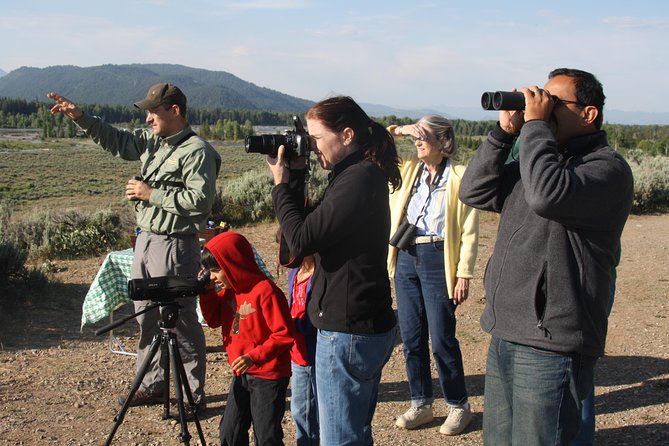
The guide is the heart of this experience. A good guide does not merely drive the route. The guide scans constantly, understands animal habits, explains what you are looking at, and keeps the group engaged during quiet stretches.
Kyle is repeatedly singled out for his ability to find wildlife, explain the area, and take strong photographs. Kelsey is praised for her enthusiasm, safety awareness, use of a scope, and effort to help every person see the animals. Anthony has been credited with finding a wolf, bison, pronghorn, and five moose while explaining park history and animal patterns.
Other praised guides include Allie, Cameron, Neil, Pat, Kevin, Jack, Phil, Diego, and Ellie. Their strengths vary, but the pattern is clear: the best part of the tour is often the guide’s judgment and storytelling between sightings.
This is valuable for families. One guide worked patiently to help an eight-year-old see animals through the binoculars. Families also benefit from having someone else handle the route and interpret the park instead of trying to watch the road, read maps, and search for animals at the same time.
Guides also follow safety rules and keep a proper distance from wildlife. Getting closer is not always better. A responsible guide helps you see animals without encouraging unsafe behavior or disturbing them.
Mormon Row and the famous barns
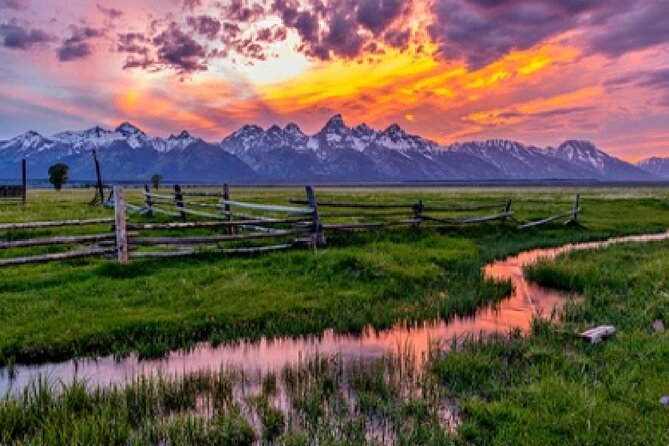
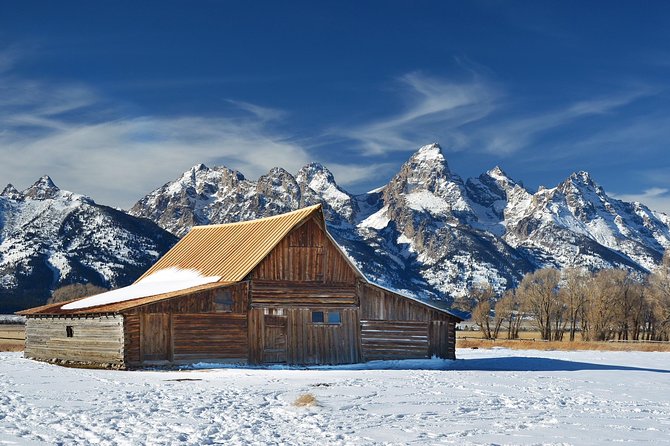
From March through November, the itinerary includes a stop in the Mormon Row Historic District. You get about 20 minutes to photograph the old homesteads and the famous barns set against the Tetons.
The T. A. Moulton Barn is one of the best-known barns in the world, and the nearby John Moulton Barn is another popular subject. The guide stops at one or the other, not necessarily both, so keep that in mind if you have a specific barn in mind.
This stop adds a welcome human element to the wildlife outing. The buildings connect the mountain view with the families who settled Jackson Hole and worked this difficult country.
The drawback is seasonal. December through February tours skip Mormon Row because snow covers the area. Even outside winter, the stop is relatively short, so you will want to arrive ready to photograph rather than spend the whole time deciding on camera settings.
Sunrise or sunset: which should you choose?
The morning tour offers cool light and the quietest feel. Animals are often active early, and the sunrise over the Tetons can be a major part of the experience. Bring extra layers, since even a summer sunrise can feel chilly.
The sunset tour gives you warmer evening light and may be easier for people who do not enjoy very early starts. It can also be more comfortable for families with older children who would struggle with a pre-dawn meeting time.
Neither departure guarantees better sightings. Animal movement, weather, recent sightings, and the guide’s route all matter. Choose based on your energy level and schedule, then dress for the temperature rather than the calendar.
Snacks, bottled water, soda, and binoculars are included. Coffee is not supplied, so bring your own if that first morning drink is essential.
Is $159 per person a fair price?
At $159, this is not the cheapest way to drive through Grand Teton. You can enter the park in your own car and search the roads yourself. For independent visitors who already understand the park, carry binoculars, and enjoy slow self-guided searching, the extra cost may not feel worthwhile.
The price makes more sense if you want someone else to drive, spot, explain, and adjust the route. You are also paying for a small group, a four-hour commitment, supplied optics, snacks, seasonal equipment, and help making the most of limited time in Jackson Hole.
A guide can save you from spending half a day passing the same fields without knowing where to look. The value rises when the guide carries a spotting scope, takes photos, or helps children and first-time wildlife watchers find what everyone else is seeing.
National park entrance fees are not included, and gratuities are optional, with 10 to 15 percent suggested. The tour is non-refundable if you cancel or request a change, so book only when your schedule is firm. If bad weather cancels the outing, you are offered another date or a full refund. A minimum group size is also required, with a different date, another experience, or a full refund offered if that minimum is not met.
Who should book this safari?
I would choose this tour if you have limited time in Jackson Hole, want a guide to handle the driving, or hope to understand the park rather than simply pass through it. It also suits families, couples, and small groups that want shared time outdoors without arranging a private vehicle.
It is a strong choice for first-time visitors who do not own binoculars or a spotting scope. It is also useful for photographers who want a guide to help locate animals, though the vehicle may not always provide the perfect camera position.
I would hesitate if your only goal is to see a bear or wolf. No ethical wildlife tour can promise that. I would also think twice if you dislike cold, rough roads, early starts, or sitting in a vehicle for several hours.
Children age five and younger are not allowed. Service animals are allowed, and most people can participate, but summer open-air tours are not recommended for people with back problems.
Final verdict: a worthwhile guided search, with realistic expectations
Book this Grand Teton safari if you want help finding wildlife and a steady stream of stories about the mountains, animals, geology, and settlers. The small group, supplied binoculars, seasonal vehicles, snacks, and strong guide involvement make the $159 price reasonable for many visitors.
Go in expecting a search, not a show. You might see bears, wolves, moose, and bison, or you might spend time scanning for a distant animal. If you can accept that uncertainty, this is a practical way to experience Grand Teton with less driving stress and a better sense of what you are seeing.
FAQ
How long is the Grand Teton Wildlife Safari?
The safari lasts approximately four hours. It begins and ends at 210 N Cache Street in Jackson, Wyoming.
What type of vehicle is used?
From June through mid-September, the tour uses an open-air safari vehicle when weather permits. From mid-September through May, transportation is provided in an enclosed vehicle with heating and air conditioning.
Are binoculars and snacks included?
Yes. Binoculars and use of a spotting scope are provided, along with snacks, bottled water, and soda.
Is hotel pickup available?
Hotel pickup in the approved Jackson Hole area is available from November through mid-May upon request. Summer hotel pickup and drop-off are not included.
Does the tour visit Mormon Row?
Tours from March through November stop at Mormon Row Historic District for about 20 minutes. Tours from December through February do not make this stop because of snow coverage. The guide stops at either the T. A. Moulton Barn or the John Moulton Barn.
Are young children allowed on the tour?
Children five years old and younger are not allowed. Most other travelers can participate, though summer open-air tours are not recommended for people with back problems.
Recently reviewed around Jackson Hole
- Yellowstone National Park – Full-Day Lower Loop Tour from Jackson★ 5.0 · 502 reviews
- Sunrise 4-Hour Grand Teton Wildlife Adventure★ 5.0 · 899 reviews
- Yellowstone Lower Loop Full-Day Tour★ 5.0 · 687 reviews
- Half-Day Wildlife Safari Tour in Grand Teton National Park★ 5.0 · 341 reviews
- Horseback Riding with Grand Teton Views in Jackson Hole★ 4.5 · 916 reviews
- Snake River Scenic Float Trip with Teton Views in Jackson Hole★ 5.0 · 864 reviews
- Whitewater Rafting in Jackson Hole: Small Boat Excitement★ 5.0 · 542 reviews
- Whitewater Rafting in Jackson Hole : Family Standard Raft★ 5.0 · 965 reviews
Safari, compared.
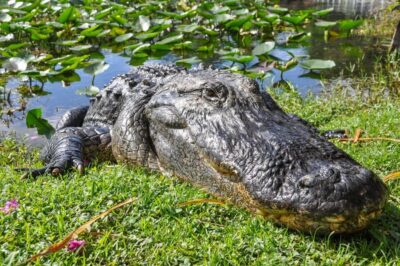
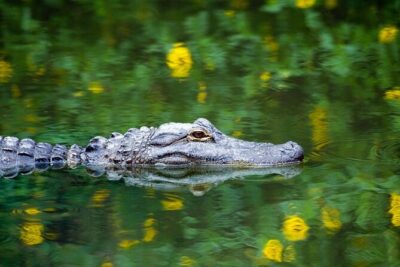
Everglades Airboat Safari Adventure with Transportation
Read our review →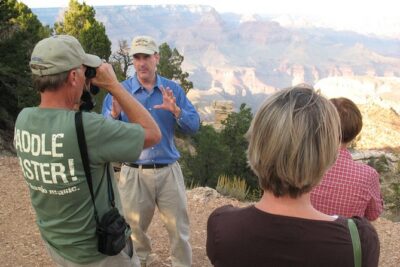
3 Hour Off-Road Sunset Safari to Grand Canyon with Entrance Gate Detour
Read our review →
Off the Beaten Path Ketchikan Photo Safari – 3 hr.
Read our review →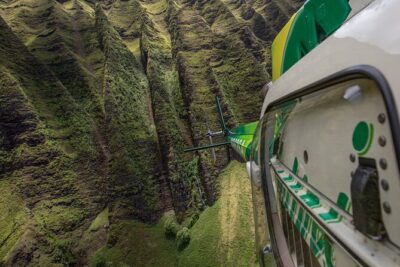
Kauai Deluxe Waterfall Safari: Helicopter Tour
Read our review →
Big Island, Hawaii: Volcanoes National Park Safari
Read our review →
Browse the lists this tour appears in