
Reviewed · FARMS
Hawaiian Salt Farm Tour in Kona
Kona’s salt farm turns a basic kitchen staple into a window on Hawaiian culture, ocean science, and local industry. On this short walk, you’ll see where seawater comes from, how it moves through the farm, and how salt is dried, refined, flavored, and packaged. The oceanfront setting near Keahole Point adds a fine dose of scenery.
I like the tour’s unusual subject and its easy pace. I also like that the tasting makes the process concrete: you can compare several salts with fruits and vegetables instead of simply looking at equipment. Guides including Candee, Mari, and Ipolani have been praised for explaining both the farm and wider island life.
The main caution is the sun. Much of the tour takes place outdoors, and one recent visitor found a guide spoke too quickly and did not handle questions well. Bring a hat, sunscreen, and questions, and allow extra time if you want to browse the shop or add the separate foot soak.
In This Review
- Key points to know before you book
- Why a salt farm belongs on your Kona schedule
- Meeting the manager at the oceanfront farm
- Following the water from ocean to salt
- The Hawaiian and Kona connections
- Ending with a salt tasting
- Should you add the cold foot soak?
- How long the visit takes and how to plan it
- Who will enjoy this Kona activity most?
- The value of $27 per person
- Should you book the Hawaiian Salt Farm Tour?
- FAQ
- Where does the Hawaiian Salt Farm Tour meet?
- How long does the salt farm tour last?
- How much does the tour cost?
- What language is the tour offered in?
- How many people can join the tour?
- Is the salt farm tour suitable for most people?
- What happens if the weather is poor?
Key points to know before you book
- See the only Hawaiian Islands salt farm: This seven-acre oceanfront site hand-harvests salt from ocean water.
- Expect a short, useful tour: The guided portion lasts about 45 minutes, with the full visit listed at roughly one hour.
- Taste the finished product: The final tasting includes several varieties, with some tastings featuring about 15 salts.
- Guides add more than salt facts: The tour can include Keahole Point, Hawaiian language, island history, and the company’s environmental work.
- Plan for sun and outdoor walking: Umbrellas may be available, but sunscreen and a hat are smart choices.
- Consider the separate foot soak: It uses cold deep-ocean water and is praised by many, but it is not part of the basic $27 tour.
Why a salt farm belongs on your Kona schedule
Kona has no shortage of grand scenery and familiar island activities. This tour gives you something different: a close look at a small local operation built around the sea.
The farm hand-harvests Hawaiian salt from ocean water. That sounds simple until you see the stages involved. Your guide explains the water source, the harvesting areas, the drying process, and the finished products. You get a better sense of the work behind a jar of salt, along with a clearer idea of how the farm uses the surrounding ocean.
I especially like the connection between the product and the place. This is not a generic food demonstration moved to Hawaii. The salt comes from the Kona coast, and the tour ties the process to the area’s ocean conditions and cultural past.
At $27 per person, the visit is priced like a short specialty attraction rather than a half-day excursion. That makes it a good choice if you want a modest-cost activity between larger plans. You are paying for a guided explanation, a walk through the working farm, and a tasting, not for transportation or a long adventure.
More Big Island of Hawaii trips worth a second look
- Award Winning Farm Tour: Coffee, Chocolate and Unique Gifts
★ 5.0 · 484 reviews - Big Island: Volcanoes, Waterfalls, & Coffee Farm Day-Trip
★ 4.9 · 414 reviews - Small-Group Big Island Tour: Hawaii Volcanoes National Park and Kona Coffee Farm
★ 5.0 · 343 reviews
Meeting the manager at the oceanfront farm
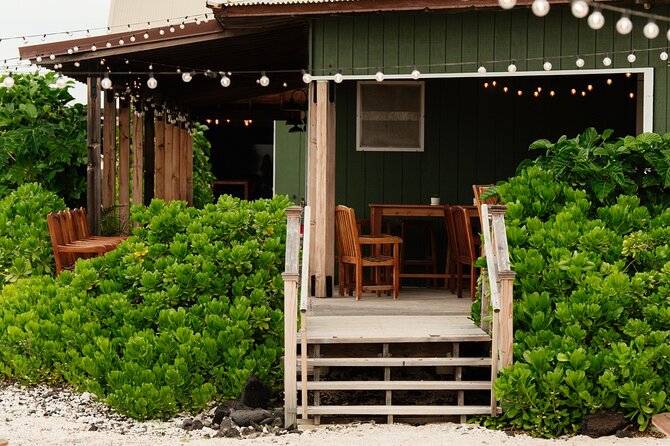
The tour begins at 73-907 Makako Bay Drive in Kailua-Kona. You meet the salt farm manager at the office, then set off around the seven-acre property.
The setting is part of the appeal. The farm sits beside the ocean, and the location gives the tour a strong sense of place. One guide offered to take a photo at a scenic spot, which is a useful touch if you are visiting without someone handy to take pictures.
The grounds are not presented as a large attraction with a long walking route. This is a compact visit with several stops linked to the salt-making process. That keeps the pace manageable for families, older adults, and anyone who does not want a strenuous activity. One account described the farm as accessible, with perhaps one small change in level.
The tour is offered in English, and the group can include up to 20 people. A group of that size is small enough for a personal feel, though the quality of the visit depends partly on the pace and style of your guide. If you have questions, ask them early and clearly. Most guides are described as friendly and well prepared, but one person found fast speech made the information hard to follow.
Following the water from ocean to salt
The first part of the walk focuses on the water source. Your guide explains where the seawater comes from and why the farm uses deep ocean water. This gives the tour a useful foundation before you see the salt itself.
You then visit the salt harvesting areas. The process is explained step by step, including how the water is handled and how the salt is dried. You should expect a working-site explanation rather than a theatrical presentation. That is a strength if you enjoy seeing how a real product is made.
The drying stage is one of the most satisfying parts to see in person. You can view salt in process and then compare it with the packaged end product. The operation is straightforward, but the details make it interesting: the source water, the stages of production, the mineral content, and the shift from ocean water to a food product you recognize.
The guide may also explain the farm’s other deep-ocean mineral products. The tour is not limited to table salt. It introduces the wider product line and explains how deep-ocean water relates to minerals such as magnesium.
Keep your expectations in check. This is a short tour, so the process is explained at an accessible level rather than in the detail of a technical workshop. If you want more depth, use the question period well. The guides are able to discuss topics beyond the set route, including Hawaiian language, local history, and the company’s development.
The Hawaiian and Kona connections
Salt has long been part of life in Hawaii, and the tour places the modern farm beside earlier Hawaiian harvesting methods. Your guide explains how salt was gathered in the past and how the current operation developed.
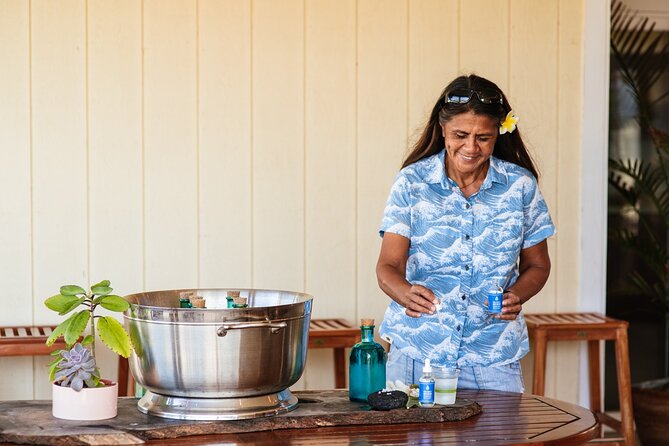
The best guides use this material to make the visit about more than production. Candee, Mari, and Ipolani have each been singled out for clear explanations, warm interaction, or strong knowledge of the farm. Ipolani was also praised for learning everyone’s names and for explaining the operation’s environmental goals.
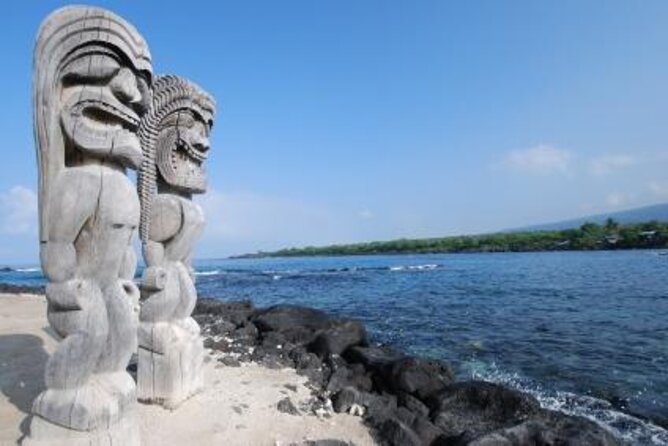
You may hear about Keahole Point and the history of the surrounding area. The tour can also include basic Hawaiian language and details about island life. These additions help you connect the product with Kona instead of treating it as a souvenir with a tropical label.
The farm’s environmental work is another worthwhile part of the story. The operation is linked with a nonprofit effort to help clean beaches and keep ocean water clean. That gives the visit a practical conservation angle, though you should think of it as part of the farm’s story rather than a separate beach-cleanup activity.
A completely different way to spend a day nearby:
- Big Island in a Day: Volcanoes Waterfalls Sightseeing and History
★ 5.0 · 6,569 reviews - Big Island Manta Ray Night Snorkel
★ 5.0 · 5,656 reviews - Big Island: Kona Manta Ray Snorkel Tour in Keauhou Harbor
★ 4.5 · 2,465 reviews - Hilo Shore Excursion: Volcanoes National Park & Black Sand Beach
★ 4.5 · 2,338 reviews
Ending with a salt tasting
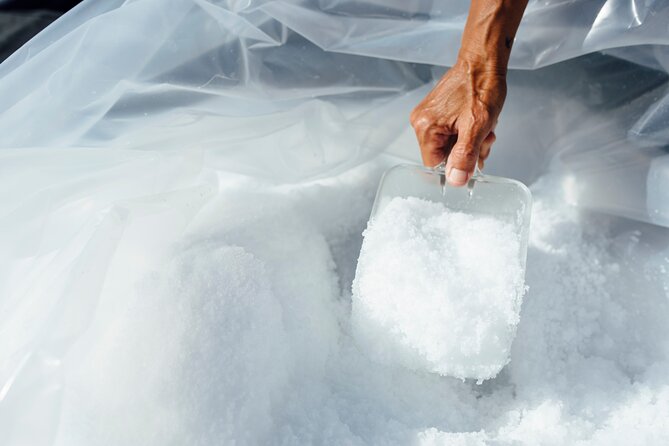
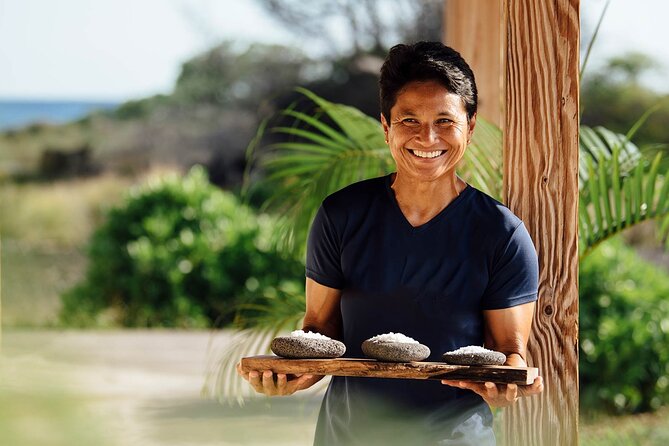
The tasting is the tour’s most playful moment. At the end, you sample different Hawaiian hand-harvested salts, often with small pieces of fruit and vegetables. Some tastings include around 15 varieties.
This is where the farm’s work becomes easy to understand. Salt can taste different depending on its mineral character, preparation, and added flavors. Tasting several types side by side gives you a reason to slow down and pay attention.
The tasting also makes the farm shop more useful. You can browse the different salts and other mineral products after the tour, then decide what is worth taking home. Salt is compact, practical, and easy to pack, so it makes a better souvenir than many bulky island purchases.
One point deserves care: ask which products in the tasting come from the farm. One visitor found the selection was not clearly explained and felt uncomfortable asking questions. That appears to be an isolated complaint among otherwise very positive feedback, but it is sensible advice for any product tasting. A simple question should help you understand what you are trying.
If you cook, this part may be worth the admission price by itself. You can compare flavors and choose a salt with a clear idea of how it tastes. If you are not a food enthusiast, the sampling still gives the tour a pleasant finish and keeps the visit from feeling like a lecture.
Should you add the cold foot soak?
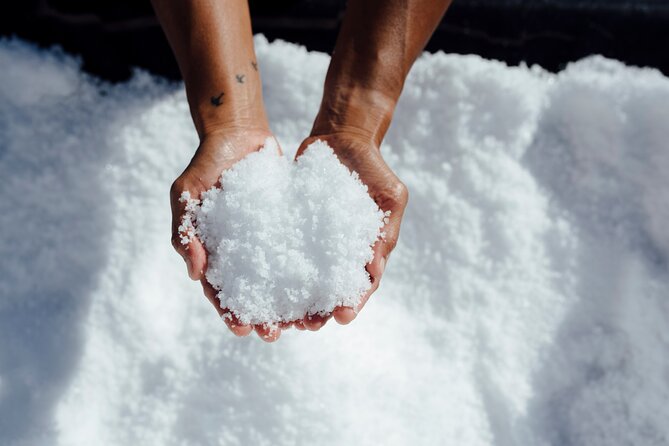
The deep-ocean foot soak is a separate add-on, not part of the basic tour. Several people wished they had booked it, while others described it as invigorating, refreshing, or exhilarating.
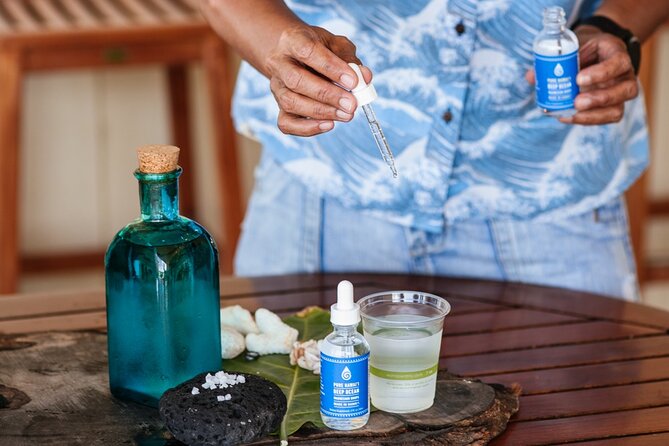
The warning is simple: the water is very cold. Do not expect a warm spa treatment. The soak is intended as a brief mineral-water experience, and one account says it lasted about 10 minutes. Another person received a jar of magnesium to add to the water.
Because the foot soak is separate, check the booking options if it interests you. It may appeal to you if you enjoy unusual wellness activities and do not mind cold water. If you prefer to keep the visit focused on salt production, the main tour is complete without it.
How long the visit takes and how to plan it
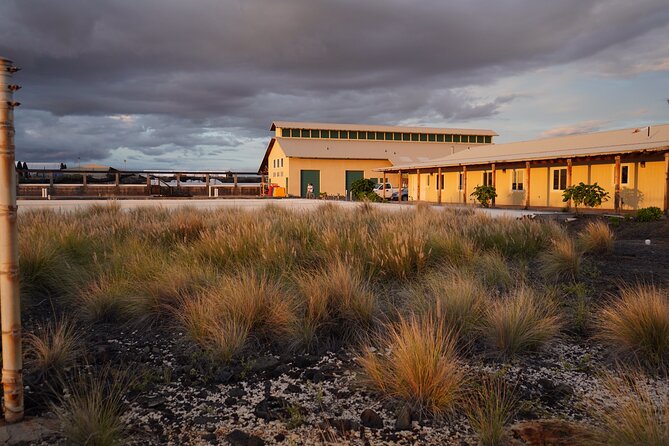
The listed duration is about one hour, while the guided itinerary itself is around 45 minutes. That leaves a little room for the tasting, photos, and time in the shop.
This timing makes the farm easy to fit into a Kona day. It can work before or after another activity, and the location near the airport makes it useful on a departure day. One person used it as a final stop before a flight and stayed a while after the tour.
Arrive ready for outdoor conditions. Wear sunscreen and a hat. Umbrellas may be available for shade, but I would not rely on them as your only protection. Comfortable shoes are sensible for walking around the farm, even though this is not a strenuous outing.
The tour requires decent weather. If poor weather cancels it, you can choose another date or receive a full refund. For your own cancellation, you must cancel at least 24 hours before the start time for a full refund. Changes or cancellations inside that window are not accepted and are not refunded.
Who will enjoy this Kona activity most?
I would choose this tour for several types of visitors:
- Food-focused visitors who want to taste a local ingredient and bring home a useful souvenir.
- Families looking for a short activity that works for older children. Two boys aged 11 and 14 were reported to enjoy both the tour and tasting.
- Older adults or people with mobility concerns who prefer a relatively easy visit. Most people can participate, and the farm has been described as accessible.
- Eco-minded visitors interested in sustainable production, ocean care, and local business.
- Repeat island visitors who have already seen the major sights and want something less familiar.
- Pre-flight planners who need an activity of about an hour near the Kona airport area.
I would think twice if you dislike outdoor heat, have no interest in food production, or want a hands-on activity that lasts several hours. The tour is informative, but it is still a short walk and talk. Its value comes from the setting, the subject, the guide, and the tasting rather than from a long list of activities.
The value of $27 per person
The $27 price is fair for the amount of time and the unusual subject. You get a guided look at a real salt farm, local context, a view of the oceanfront grounds, and a tasting of several products.
The price is especially reasonable for a family or couple seeking a compact activity. It costs much less than a full-day tour and does not consume your whole schedule. You also have the option of buying salt as a practical reminder of the visit.
The value drops if you expect a major attraction with extensive facilities or a long guided program. The tour is best understood as a focused introduction to salt making. If that sounds appealing, the short duration is an advantage. If you want a more active outing, use the farm as a small stop within a wider Kona day.
Should you book the Hawaiian Salt Farm Tour?
Yes, if you want an easy, distinctive Kona activity with a real connection to the island. I would book it for the oceanfront setting, the chance to see hand-harvested salt in progress, and the tasting that lets you compare the finished product.
Go with realistic expectations. This is not a major sightseeing tour, and the quality depends on how clearly your guide presents the material. Ask questions, protect yourself from the sun, and consider the separate foot soak only if cold water sounds appealing.
At $27, the tour is a sensible choice for food lovers, families, eco-minded visitors, and anyone with spare time before a flight. It gives you a small but memorable piece of Kona to understand, taste, and take home.
FAQ
Where does the Hawaiian Salt Farm Tour meet?
The tour meets at 73-907 Makako Bay Drive, Kailua-Kona, Hawaii 96740. It ends back at the same meeting point.
How long does the salt farm tour last?
The activity lasts approximately one hour. The guided farm visit itself is listed at about 45 minutes, followed by the salt tasting and time around the facility.
How much does the tour cost?
The listed price is $27 per person.
What language is the tour offered in?
The tour is offered in English.
How many people can join the tour?
The activity has a maximum group size of 20 people.
Is the salt farm tour suitable for most people?
Yes. Most people can participate, and service animals are allowed. The farm has also been described as accessible, with only a small level change noted in one account.
What happens if the weather is poor?
The activity requires good weather. If it is canceled because of poor weather, you will be offered another date or a full refund. You can also cancel at least 24 hours before the start time for a full refund.
Recently reviewed around Big Island of Hawaii
- Volcano Adventure: Hilo Sightseeing w/ Optional Helicopter Tour★ 4.5 · 412 reviews
- Hilo Shore Excursion: Active Volcano, Lava Tube, Waterfall and Gardens★ 5.0 · 393 reviews
- Kealakekua Bay Snorkeling Tour – 4 hour Kona Zodiac Adventure★ 5.0 · 508 reviews
- Whale Watching On The Big Island★ 5.0 · 573 reviews
- Hawaii Volcanoes, Waterfalls, Beaches & Hilo Highlights Day Tour★ 5.0 · 391 reviews
- Zodiac Raft Whale Watching Adventure★ 5.0 · 456 reviews
- Small Group Big Island Twilight Volcano and Stargazing Tour★ 5.0 · 1,619 reviews
- Manta Ray Night Snorkel Tour in Kailua-Kona, Big Island★ 5.0 · 382 reviews
Farms, compared.

Half-Day Thoroughbred Horse Farm Tour in Kentucky
Read our review →
Premium Amish Country Tour including Amish Farm and House
Read our review →
Unique Horse Farm Tours with Insider Access to Private Farms
Read our review →
Lahaina: Maui Ku’ia Estate Guided Cacao Farm Tour and Tasting
Read our review →
Road to Hana Adventure with Farm to Table Lunch
Read our review →
Award Winning Farm Tour: Coffee, Chocolate and Unique Gifts
Read our review →Browse the lists this tour appears in