
Reviewed · SHORE EXCURSIONS
Hilo Shore Excursion: Volcano Safari Lava Caves & Black Sand
Kaumana Caves offers the day’s most memorable moment: you walk down through a skylight into a lava tube formed by Mauna Loa, where the rock can swallow your flashlight beam. The route then connects Hilo’s waterfalls, black-sand coast, lava tree molds, and neighborhoods changed by Kilauea’s eruptions.
I like the small group of up to 14 and the practical port pickup. I also like the guides’ local storytelling. Ellen, Troy, Dave, and Lori have all earned praise for explaining volcanoes, island history, and daily life in Hilo without relying on a big-bus script.
The main caution is the walking. Expect uneven lava, gravel, steep steps, and slippery rock in the cave. The exact stops can change, and Pohoiki Bay has an important current caveat: work to restore the boat ramp may require an alternate black-sand beach.
In This Review
- Key Things To Know Before You Go
- What This Hilo Volcano Tour Really Covers
- Rainbow Falls and Hilo’s Tsunami Story
- Entering Kaumana Caves Through Mauna Loa’s Lava Tube
- Pahoa, Kaimu, and the Human Side of Lava
- Lava Tree State Park’s Strange Tree Molds
- Pohoiki Bay and Hawaii’s Newest Black Sand
- Leilani Estates and the 2018 Eruption Zone
- Lunch at a Local Market
- How Much Value Do You Get for $154?
- Guides, Vehicles, and the Pace of the Day
- Who Should Book This Excursion?
- Should You Book the Hilo Volcano Safari?
- FAQ
- How long is the Hilo Volcano Safari tour?
- Where can pickup and drop-off take place?
- Is lunch included in the tour price?
- Is Rainbow Falls included after June 1, 2026?
- Can I enter Kaumana Caves?
- What should I wear?
- Is the tour suitable for wheelchairs or walkers?
- How many people are in the tour group?
- What happens if bad weather cancels the tour?
Key Things To Know Before You Go
- Kaumana Caves requires careful footing: You descend steep steps through a natural opening, and the floor is uneven. You may skip the cave if it feels unsafe.
- Kilauea’s destruction is the focus: Leilani Estates, Pahoa, Kaimu, and coastal lava fields show how eruptions altered homes, roads, beaches, and freshwater features.
- The van keeps the group personal: Transportation is generally a 14-passenger Mercedes Sprinter or another small vehicle, though seating comfort can vary.
- Lunch is purchased, not included: The stop may be Malama Market or another local vendor, with deli food and island-style choices available.
- Rainbow Falls is temporary on the route: It is scheduled to be removed starting June 1, 2026, when Liliʻuokalani Japanese Garden is expected to replace it.
- The tour is built for active sightseeing: Bring sturdy walking shoes, water-resistant clothing, and patience for changing weather and road conditions.
What This Hilo Volcano Tour Really Covers
This is not simply a waterfall and volcano photo stop. It is a six-hour trip through the eastern side of the Big Island, linking natural features with the human cost of eruptions.
You start at Hilo’s cruise port or your hotel, then head out in a small tour vehicle. The route uses back roads and passes through old mango groves, Pahoa, coastal communities, and areas touched by recent lava flows.
The strongest part of the experience is the contrast. One stop shows you a cool, dark lava cave. Another shows trees preserved as molds by hot lava. Later, you walk across a black-sand shore created by the same force. This helps you understand that volcanic change here is not an old story from a textbook. It is part of the present-day Big Island.
The tour normally carries no more than 14 people. That matters on narrow roads and at short viewpoints. A guide can usually answer questions, adjust the pace, and sometimes add a brief stop if the schedule and conditions allow. The tradeoff is that a small van may feel tight, especially in the rear seats.
More Big Island of Hawaii trips worth a second look
- Hilo Shore Excursion: Volcanoes National Park & Black Sand Beach
★ 4.5 · 2,338 reviews - Hilo Shore Excursion: Active Volcano, Lava Tube, Waterfall and Gardens
★ 5.0 · 393 reviews - Juneau Shore Excursion: Helicopter Tour and Guided Icefield Walk
★ 5.0 · 536 reviews
Rainbow Falls and Hilo’s Tsunami Story
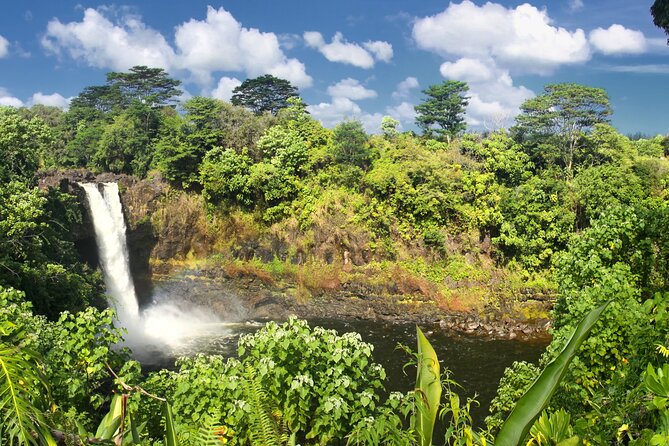
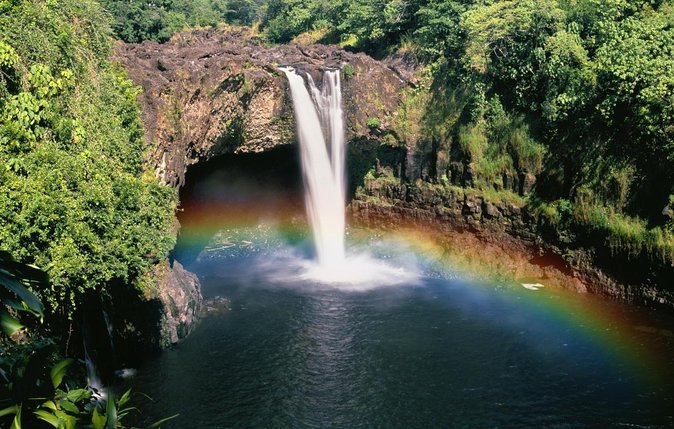
On the current route, Rainbow Falls is an easy and worthwhile opening stop. The waterfall drops 80 feet, and sunlight often creates a rainbow in the spray. You get about 20 minutes here, enough for photographs and a quick look from the viewing area.
The waterfall is close to Hilo, so it gives you an immediate scenic reward without spending much of the tour in the vehicle. It is also a gentler start than the cave, especially if you want time to wake up after leaving a cruise ship.
The drive through historic downtown Hilo adds context. Your guide explains the tsunamis that struck the city and affected its shoreline and communities. That local history helps make sense of Hilo’s layout and its close relationship with the ocean.
Starting June 1, 2026, Rainbow Falls is scheduled to leave the route. Liliʻuokalani Japanese Garden will be added instead. The garden was donated by Queen Liliʻuokalani in 1917 and includes stone lanterns, gazebos, and torii gates. It reflects the influence of Japanese immigrants in Hawaii and will give the revised tour a stronger cultural stop, though it will not replace the waterfall experience.
Entering Kaumana Caves Through Mauna Loa’s Lava Tube
Kaumana Caves is the tour’s most hands-on volcanic stop. You walk down through a skylight into a lava tube created by Mauna Loa, one of the largest volcanoes on Earth.
Your guide explains how flowing lava can cool on the outside while molten rock continues moving underneath. Once the flow drains away, it leaves a tunnel behind. Inside, you can see unusual rock colors and textures that are easy to miss from the road.
Plan on about 20 minutes. That sounds brief, but the cave entrance and rough ground make the time feel active. The steps are steep, and the floor can be slippery. Wear sneakers or hiking shoes with a firm sole. A flashlight is useful, and guides have sometimes supplied small neck lights, though you should not count on a particular piece of equipment being available every day.
You do not need to enter the tube if the descent is beyond your comfort level. The guide can explain the formation from outside, but the stop loses some of its impact without going in.
This is not a polished attraction with smooth paths and handrails throughout. It is a natural volcanic opening. If you have poor balance, serious health limits, a walker, or a wheelchair, this excursion is not a good fit.
Pahoa, Kaimu, and the Human Side of Lava
The drive through Pahoa brings you into a former plantation town now known for its relaxed, artistic character and old wooden boardwalks. The town came close to being cut off by the 2018 lava flow, and you can see areas connected to that evacuation and destruction.
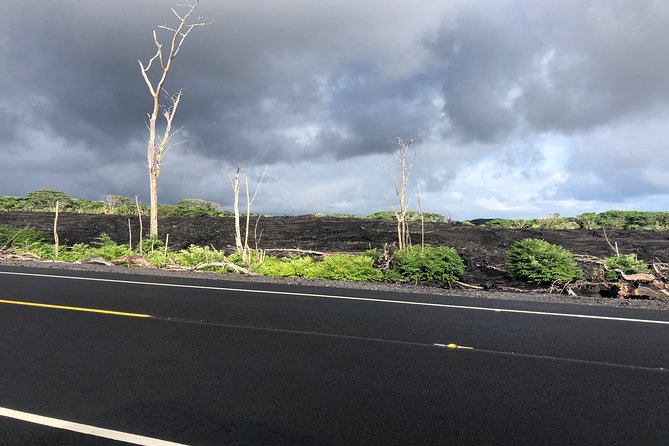
The point is not a dramatic eruption spectacle. Kilauea is not guaranteed to be erupting during your visit, and this is not a promise of seeing active lava. Instead, you see what lava left behind: burned structures, altered roads, empty lots, and land still recovering.
The wider Kaimu area gives that story more depth. A 1990 lava flow destroyed the former town and Queen’s bath. Rainforest has begun reclaiming the site, while an exhibit shows what the area looked like before the eruption.
You may also walk toward a black-sand beach across old lava flows. The walk takes about 15 minutes, so this is another place where good shoes matter. The coast is a reminder that lava does not stop at the shoreline. When hot rock reaches cool, salty ocean water, it creates steam, new shorelines, and sometimes new beaches.
A completely different way to spend a day nearby:
- Big Island in a Day: Volcanoes Waterfalls Sightseeing and History
★ 5.0 · 6,569 reviews - Big Island Manta Ray Night Snorkel
★ 5.0 · 5,656 reviews - Big Island: Kona Manta Ray Snorkel Tour in Keauhou Harbor
★ 4.5 · 2,465 reviews - Big Island: Captain Cook Snorkel On A Power Catamaran With Lunch
★ 5.0 · 2,232 reviews
Lava Tree State Park’s Strange Tree Molds
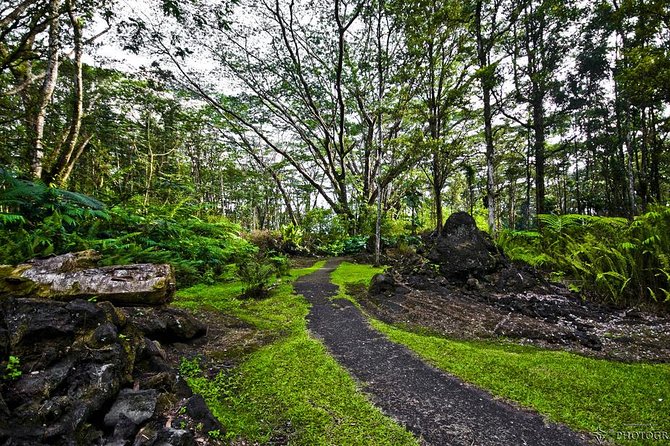
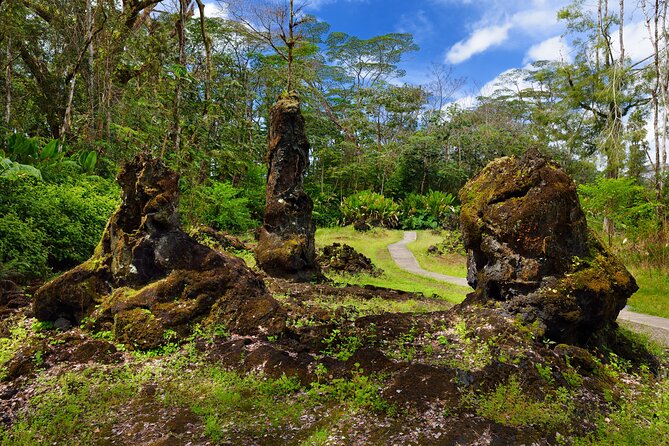
At Lava Tree State Park, lava once moved through the forest and coated the trunks of ʻōhiʻa trees. The trees burned or decayed, leaving hollow molds in the hardened rock.
You follow a short trail for about 25 minutes. The shapes can look like a stone forest, but the details are best understood with a guide. Look down into the deep fissure along the route, and pay attention to the small plants returning around the older flow.
This stop is less about a sweeping view and more about close observation. You are looking at a record of the exact moment when a forest met a lava flow. The trail is not a city sidewalk, so expect uneven ground and possible mud or loose gravel after rain.
The park also offers a useful pause after the cave and longer drives. If you enjoy geology, this may be one of the most satisfying stops because it shows volcanic action at the scale of individual trees.
Pohoiki Bay and Hawaii’s Newest Black Sand
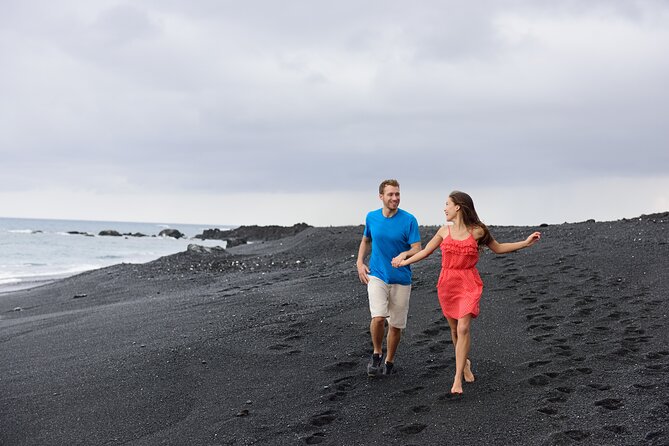
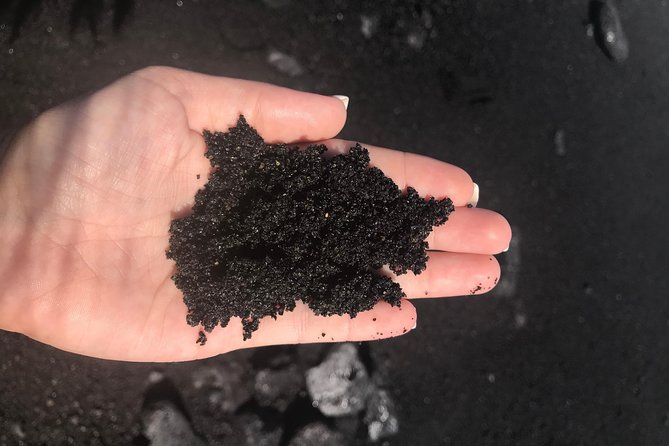
Pohoiki Bay is one of the tour’s most unusual coastal stops. A Kilauea flow changed the former boat harbor and created a large black-sand beach. You can still see parts of the old ramp and harbor area, now cut off by the new shoreline.
There is no swimming at this location. The value is seeing a coast rebuilt by volcanic material, not spending time in the water.
As of June 12, 2025, dredging work is planned to restore the boat ramp. Because of that project, the advertised Pohoiki black-sand stop may be replaced with another beach or coastal location. Ask about the current route if this feature is the main reason you are booking.
When conditions allow, you get about 20 minutes here. That is enough for a walk and photographs, but not a long beach outing. Bring protection from sun and rain, since coastal weather can shift quickly.
Leilani Estates and the 2018 Eruption Zone
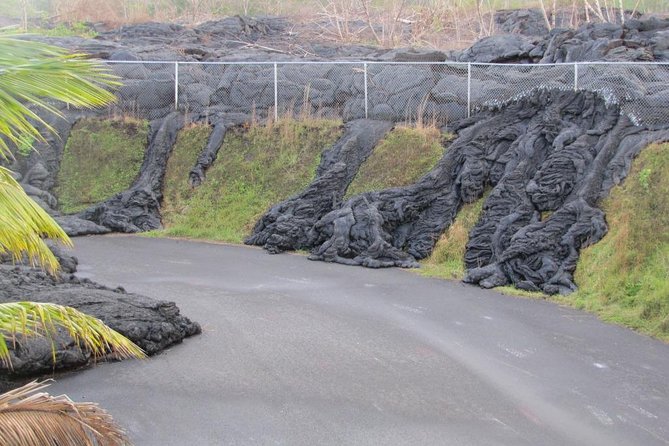
Leilani Estates shows the reach of the 2018 Kilauea eruption. Earthquakes cracked roads, lava fountains rose hundreds of feet, and almost 2,000 residents were evacuated. The eruption also destroyed Green Lake, once Hawaii’s largest natural freshwater lake.
You spend about 10 minutes in this area, although the guide may adjust the timing. This can be an emotional stop. You are not viewing an abstract volcanic field. You are looking at a residential area where people lost homes, roads, and familiar surroundings.
The quality of this stop depends heavily on the guide. Ellen, Dave, Troy, and Lori have been praised for explaining the geology alongside the history and personal effect of the eruption. A good guide helps you look closely without turning destruction into a sideshow.
The route may include extra lava fields or viewpoints if time permits. That flexibility can be a benefit, especially if volcanic activity or road access changes. It can also create a drawback if the guide spends too long on an unscheduled stop. Keep an eye on the clock, particularly when returning to a cruise ship.
Lunch at a Local Market
Lunch is not included in the $154 price. The tour stops for about 15 minutes at Malama Market or another local vendor, depending on the day.
This is a practical arrangement rather than a sit-down meal. You can buy something from a hot deli, poke counter, salad bar, or other prepared-food section. That gives you a chance to try local-style food, but the short stop may feel rushed if you need extra time to choose and eat.
Bring a small appetite plan. If you want a full meal, you may need to eat quickly or choose something easy to carry. Bottled water is included, and some guides have also offered simple snacks such as bananas or breakfast bars, but those extras are not listed as guaranteed inclusions.
How Much Value Do You Get for $154?
At $154 per person, this is not the cheapest way to see Hilo. The price makes more sense if you are arriving by ship and need round-trip port transportation, a full half-day route, and a guide who can explain what you are seeing.
You also avoid renting a car, navigating unfamiliar roads, and planning several far-flung stops. For a cruise day, that convenience has real value. The worry-free shore excursion promise adds another layer of comfort: the operator says it will get you back to Hilo Pier on time, arrange transport to the next port if the ship leaves in the rare event of a delay, and refund you if the ship does not arrive.
The value drops if you mainly want Volcanoes National Park. The standard route described here does not center on the national park. Some guides have changed the route when park entrance fees were waived or when an eruption made the park especially relevant, but you should not book this tour expecting park admission or crater views.
You also pay for variety. The day includes a waterfall, city history, cave, lava trees, black sand, eruption damage, and a food stop. If you prefer one long hike or a slow beach day, the pace may feel scattered.
Guides, Vehicles, and the Pace of the Day
The guides are a major part of the experience. Ellen is known for timing stops to avoid larger groups and for sharing detailed information about volcanoes and Hilo. Troy has driven both a new SUV and tour vehicles, and is praised for clear explanations of island history and geography. Dave and Lori are also noted for friendly, personal storytelling and strong volcanic background.
That does not mean every departure will feel identical. One poor experience described a rushed, cramped day with missed stops and too much unrelated conversation. The operator responded that its usual vehicle is a 14-passenger Mercedes Sprinter and that the route normally returns before the ship’s all-aboard time. The practical lesson is simple: guide performance and traffic can shape the day.
The vehicle is smaller than a cruise ship coach, which usually makes back-road touring easier. It does not guarantee spacious seating for every person. If comfort is a major concern, ask about the vehicle assigned to your departure.
The tour runs in rain or shine. Hilo can be wet, and a light rain jacket or poncho belongs in your day bag. Some guides have supplied umbrellas and cave lights, but your own rain layer and sturdy footwear are safer bets.
Who Should Book This Excursion?
I would choose this tour if you want to see several sides of eastern Hilo in one shore day and you enjoy learning how volcanic events changed real communities. It suits active adults, couples, solo visitors, and families with older children who can manage rough ground.
It is especially useful for first-time visitors without a rental car. You get transportation, bottled water, local commentary, and a route that would take careful planning to reproduce independently.
I would hesitate if you use a wheelchair or walker, cannot handle steep steps, or need long, unhurried stops. The operator cannot accommodate walkers or wheelchairs, and the cave can be skipped only by staying outside, not by making the terrain easier.
Book with realistic expectations. You are not guaranteed flowing lava, a national park visit, or the exact order of stops. You are buying a compact introduction to Hilo’s volcano-shaped coast and communities.
Should You Book the Hilo Volcano Safari?
Book it if the idea of walking into a lava tube, seeing tree molds, and standing on shorelines made by recent eruptions sounds more appealing than a standard sightseeing bus ride. The small group, port pickup, and strong guide roster make it a solid choice for an active cruise day.
Before paying, confirm the current black-sand beach arrangement and ask if Rainbow Falls or Liliʻuokalani Japanese Garden will be included on your date. Pack firm walking shoes, rain protection, and a little patience for route changes.
At $154, I see good value in the transportation and range of sights, but only for someone who wants a busy, geology-focused day. If that sounds like your kind of Hilo, this tour gives you a useful look at the island beyond the usual postcard view.
FAQ
How long is the Hilo Volcano Safari tour?
The tour lasts approximately six hours, including transportation between Hilo, the volcanic sites, and the return point.
Where can pickup and drop-off take place?
Pickup and drop-off are offered at the Hilo cruise port or at a Hilo hotel.
Is lunch included in the tour price?
No. A stop is made at Malama Market or another local vendor so you can purchase food.
Is Rainbow Falls included after June 1, 2026?
Rainbow Falls is scheduled to be removed from the route starting June 1, 2026. Liliʻuokalani Japanese Garden is scheduled to be added instead.
Can I enter Kaumana Caves?
You may enter the cave through a skylight, but the steps are steep and the ground is uneven. You may remain outside if the route feels too difficult.
What should I wear?
Wear comfortable shoes with good traction. A light rain jacket or poncho is recommended because the tour operates in all weather conditions.
Is the tour suitable for wheelchairs or walkers?
No. The operator cannot accommodate wheelchairs or walkers, and the tour requires walking over uneven ground, gravel, lava, and steep steps.
How many people are in the tour group?
The maximum group size is 14 people.
What happens if bad weather cancels the tour?
If poor weather causes cancellation, you will be offered a different date or experience, or you can receive a full refund. Free cancellation is also available up to 24 hours before the start time.
Recently reviewed around Big Island of Hawaii
- Hilo Shore Excursion: Active Volcano, Lava Tube, Waterfall and Gardens★ 5.0 · 393 reviews
- Volcano Adventure: Hilo Sightseeing w/ Optional Helicopter Tour★ 4.5 · 412 reviews
- Kealakekua Bay Snorkeling Tour – 4 hour Kona Zodiac Adventure★ 5.0 · 508 reviews
- Whale Watching On The Big Island★ 5.0 · 573 reviews
- Hawaii Volcanoes, Waterfalls, Beaches & Hilo Highlights Day Tour★ 5.0 · 391 reviews
- Zodiac Raft Whale Watching Adventure★ 5.0 · 456 reviews
- Small Group Big Island Twilight Volcano and Stargazing Tour★ 5.0 · 1,619 reviews
- Manta Ray Night Snorkel Tour in Kailua-Kona, Big Island★ 5.0 · 382 reviews
Shore Excursions, compared.
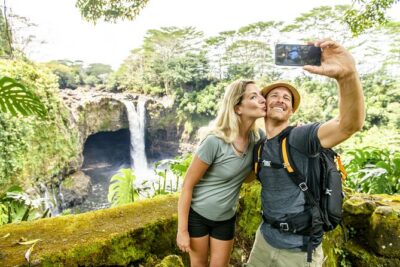
Hilo Shore Excursion: Volcanoes National Park & Black Sand Beach
Read our review →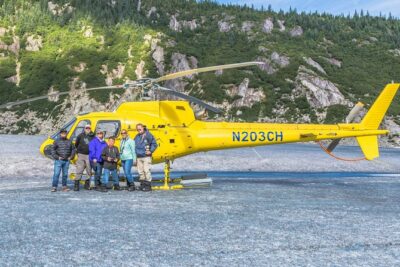
Juneau Shore Excursion: Helicopter Tour and Guided Icefield Walk
Read our review →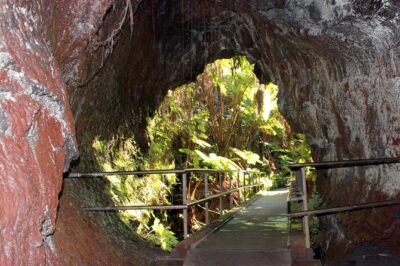
Hilo Shore Excursion: Active Volcano, Lava Tube, Waterfall and Gardens
Read our review →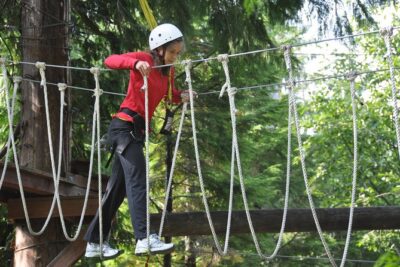
Ketchikan Shore Excursion: Rainforest Canopy Ropes and Zipline Adventure Park
Read our review →
Ketchikan Shore Excursion: Eagle Island Sea Kayaking
Read our review →Browse the lists this tour appears in