
Reviewed · WHALE WATCHING
Maui: Ultimate Whale Watch from Lahaina
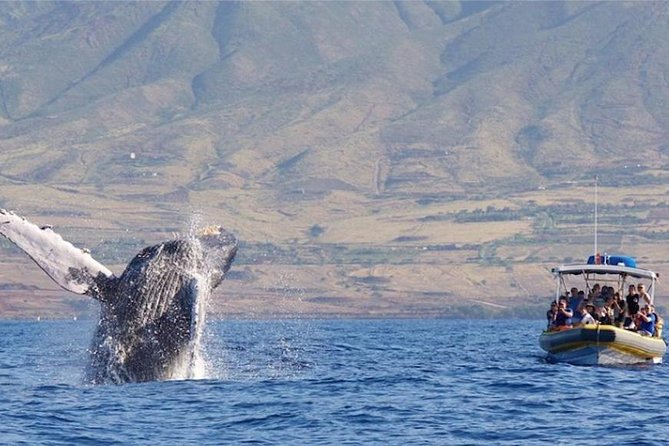
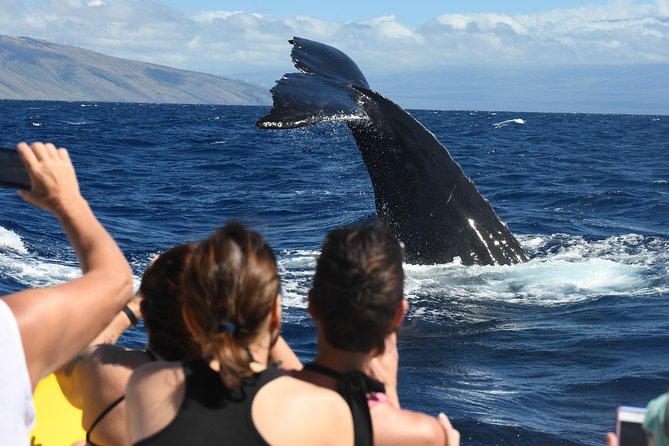
Maui’s humpback whales are the main event here, but the small, low boat is what makes this outing special. From Lahaina Harbor, you sit close to the water with fewer people blocking your view, and the crew can move quickly between sightings. On strong days, you may see breaching whales, tail slaps, fin waves, calves, dolphins, or a whale passing right beneath the boat.
I like two things in particular: the hydrophone, which lets you hear whale calls rather than only watch them, and the whale-sighting guarantee. If the ocean gives you a quiet day, you can take another trip at no extra charge. The main trade-off is comfort: the raft has limited space, and the ride can feel lively when the water is rough.
In This Review
- Key points at a glance
- Lahaina Harbor is the launch point
- Choosing between the 1.5-hour and 2-hour trips
- What the small raft changes
- Reading the ocean for humpback whales
- The hydrophone adds something you cannot photograph
- Dolphins can turn the trip into a bonus safari
- Respectful viewing matters more than a close photograph
- Rough water, seating, and comfort
- How to make the $77 fare worthwhile
- Who should book this Lahaina whale watch?
- A practical plan for the morning
- Should you book Ultimate Whale Watch from Lahaina?
- FAQ
- Where does the whale watch begin?
- How long does the experience last?
- How much does the tour cost?
- How many people can join the boat?
- Are whales guaranteed?
- Can I hear whale songs?
- Is water provided?
- Are there participation restrictions?
Key points at a glance
- Low rafting vessels put you close to the water, with every row positioned along the sides for open views.
- Small groups cap at 28 people, a useful contrast to large catamarans.
- Hydrophone listening adds an audio layer, so you can hear whale communication below the surface.
- Sightings can include humpbacks, calves, breaching, tail slaps, fin waves, and spinner dolphins.
- The trip lasts about 1 hour 45 minutes to 2 hours 10 minutes, depending on the option and conditions.
- The $77 price is strongest for people who value a personal, naturalist-led outing more than onboard comforts.
Lahaina Harbor is the launch point
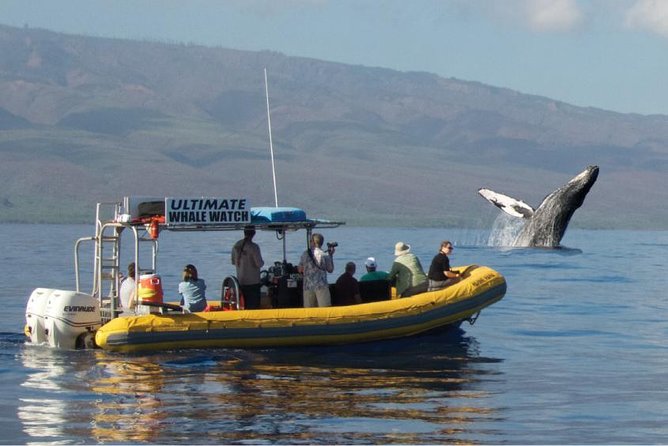
You meet at 1229 Front Street in Lahaina, then return to the same location when the outing ends. Check-in is described as simple and organized, but I would still arrive early. One reason is practical: early arrival may help you settle into a preferred seat before the boat fills.
The harbor setting is functional rather than part of the sightseeing program. You are here to board quickly and get onto the water. Public transportation is nearby, and the activity confirmation arrives when you book, so you do not need to sort out a separate meeting location.
The marina’s public restroom can be awkward to reach, with access described as being between boat trailers. Plan ahead and use facilities before check-in if possible. It is a small detail, but it matters when you are about to spend two hours on a compact vessel.
More Whale Watching in Maui
- From Maalaea: Whale Watching Tour Aboard the Quicksilver
★ 4.5 · 1,461 reviews - WHALES GUARANTEED Maui Whale Watching Makai Adventures
★ 5.0 · 1,081 reviews - Ma’alaea Harbor: Whale Watching Tour Aboard Power Catamaran
★ 4.6 · 979 reviews
Choosing between the 1.5-hour and 2-hour trips
The experience is offered in two time options, roughly 1.5 hours and 2 hours. The longer outing gives the crew more time to search, watch a pod, and wait for natural behavior instead of rushing from one sighting to the next.
At $77 per person, the price is reasonable if your priority is whale watching itself. Large boats may offer more room, indoor seating, or refreshments, but this trip focuses on the view, the captain’s search skills, and the naturalist’s explanations. Bottled water is not handed out in disposable plastic containers. Instead, purified water is available from an insulated dispenser, which is a sensible touch for an ocean-based activity.
I would choose the two-hour option if your schedule allows it. Whale watching is not a stage show with fixed curtain times. Extra time can mean another search area, a second pod, or a chance to watch a whale’s behavior develop.
What the small raft changes
The boat sits low in the water, and that changes the feel of the outing. You are closer to the surface than you would be on a large sightseeing vessel, so a whale’s back, fin, or tail can feel much more immediate. The low profile also helps you look in several directions without a tall rail or upper deck blocking part of the view.
The maximum capacity is 28 people. Several descriptions of individual trips refer to groups of fewer than 25 or about 30, so the exact headcount can vary, but this is still a small-group format compared with a large catamaran.
The phrase every seat is a front-row seat is best understood as a view claim, not a promise of wide personal space. Seating runs in rows with an aisle, and seats can be close together. One person found photography difficult because of the tight arrangement and had trouble hearing the safety instructions. That is useful context if you want generous legroom or need a quiet, spacious platform.
I like the trade-off for wildlife viewing. A small boat gives you a more personal feel, and the captain can shift position quickly when whales appear in a new area. Just keep your expectations realistic: small does not mean luxurious.
Reading the ocean for humpback whales
The crew’s job is not simply to drive toward the first splash. Captains such as Jill, Lacey, Jeremiah, John, Derek, and others are repeatedly praised for locating whales and explaining what is happening. Naturalists including Kasey, Kaci, Kat, Charlie, and Lily have been singled out for answering questions and discussing whale habits.
Names and crew assignments can change, so you should not book expecting a particular person. Still, the pattern is clear: the experience depends heavily on a captain who can read the water and a naturalist who can explain animal behavior without turning the trip into a lecture.
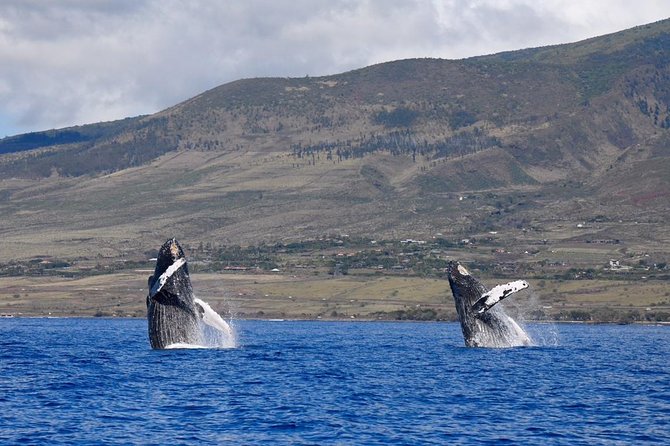
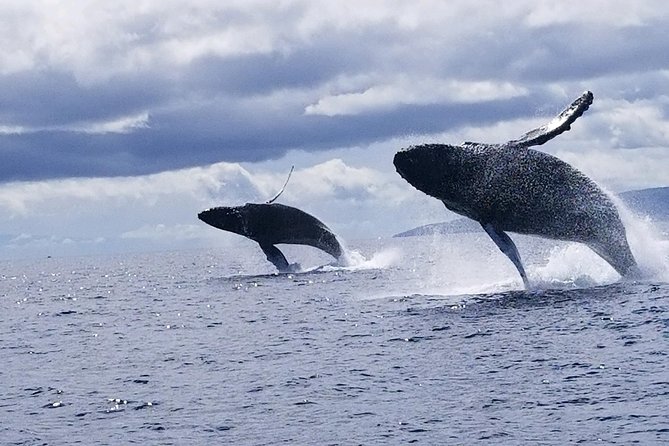
Sightings described on strong outings include repeated breaches, pectoral fin waves, tail slaps, mothers with calves, and several whales traveling together. One outing included male whales competing, while another found four whales together, an unusual grouping according to the account. These are wild animals, so no crew can promise a breach or a close pass at a particular minute.
The best advice is to keep watching after the first sighting. A whale may surface in a different direction, and you may find yourself turning often to follow activity around the boat. One person described looking in every direction to keep up with the action. That is the good kind of neck strain, though you may want to hold your camera securely.
More whale watching out of Maui:
- Maui: Whale Watching Cruise with Open Bar from Ka’anapali Beach
★ 5.0 · 802 reviews - Whale Watching Maui: 2-Hour Small Group Raft Tour from Lahaina
★ 5.0 · 661 reviews - Whale Watching from Ma’alaea Harbor
★ 5.0 · 537 reviews - Maui Premium Sunset Dinner Cruise & Whale Watch
★ 4.5 · 504 reviews
The hydrophone adds something you cannot photograph
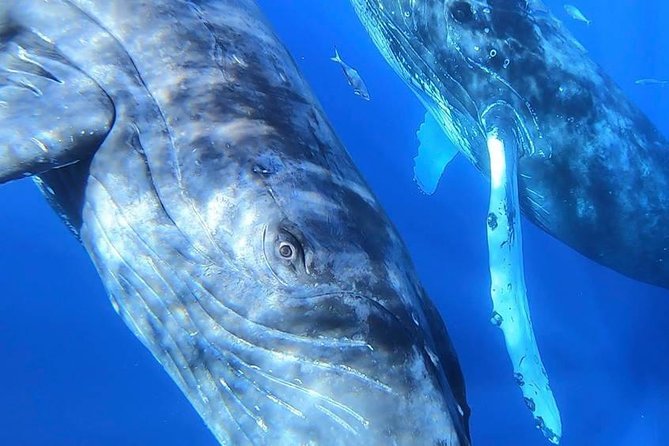
The onboard hydrophone lets you listen to whale songs underwater. This is one of the most distinctive parts of the trip because it changes whale watching from a purely visual activity into a listening experience.
You may not capture the sound in a useful way on your phone, but you can remember the contrast: the water may look quiet from above while whale communication carries below. The naturalist can connect what you hear with the animals you are watching, making the experience more meaningful than a series of distant splashes.
The hydrophone is also valuable on a slower outing. If whales stay below the surface or remain farther away, listening gives you another way to understand that they are active even when they are not performing for the boat.
Dolphins can turn the trip into a bonus safari
Whales are the reason to book, but dolphins are a real possibility. One especially memorable outing encountered a pod of roughly 150 to 200 spinner dolphins. Other descriptions include both whales and dolphins on the same trip.
Do not treat dolphins as part of the guarantee. The stated promise concerns whale sightings, not a particular number or species of dolphin. Still, seeing a pod move across the water can add a completely different rhythm to the outing, especially when the whales are temporarily submerged.
The crew’s flexibility matters here. A fast, compact vessel can respond when wildlife appears in another direction, though the captain must always operate within boating rules and maintain proper distance.
Respectful viewing matters more than a close photograph
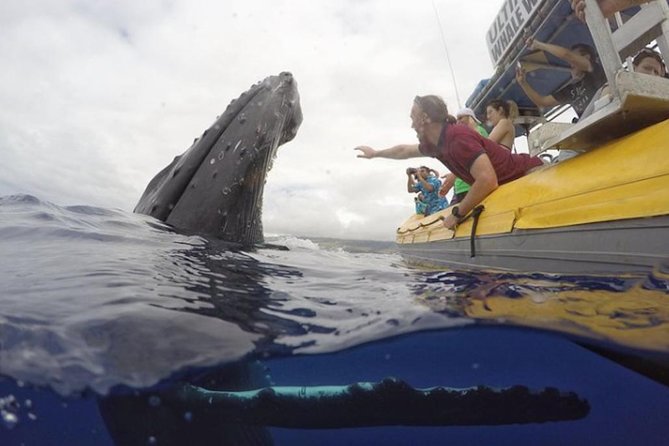
The crew is praised for getting close while respecting legal limits. That balance is important. The best whale watch is not the one that crowds an animal for a dramatic photograph. It is the one that lets you observe behavior without turning the boat into a nuisance.
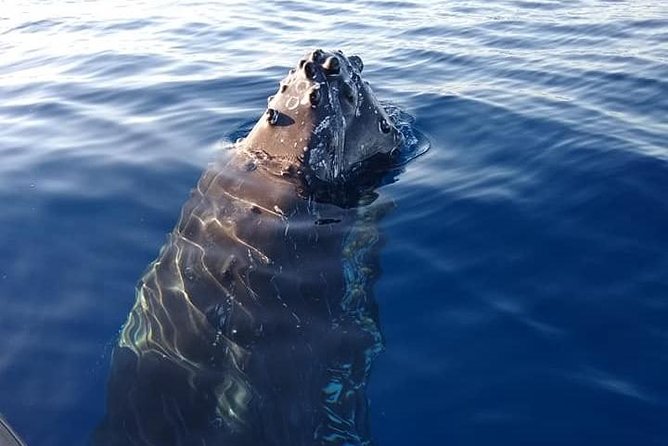
A whale may approach on its own, including swimming beneath the vessel. That can feel thrilling, but it is not something the captain can create on demand. The crew’s role is to position the boat responsibly and let the animals decide what happens next.
This is also why the two-hour trip can be worthwhile. You have time to watch natural behavior rather than treating each sighting as a quick photo stop. The experience rewards patience, alertness, and a willingness to put the camera down for a moment.
Rough water, seating, and comfort
A low raft offers excellent water-level views, but it also exposes you more directly to the sea. One account describes choppy conditions and credits the captain with handling the swells as well as possible. Another notes that the boat was used and that some seats needed repair.
I would not choose this tour if you need a calm, spacious ride. Pregnant people cannot participate, and children under three are not permitted. Most people can take part, and service animals are allowed, but anyone worried about motion or tight seating should consider those limits before booking.
The crew provides purified water from an insulated dispenser. Food and other refreshments are not listed, so bring only what the operator permits and do not expect a meal service. Keep your camera protected and your belongings secure, since the boat sits close to spray and movement.
How to make the $77 fare worthwhile
At $77, this is not the cheapest possible way to get onto Maui’s water, but it offers a clear kind of value. You are paying for a small group, a low vessel, a roughly two-hour search, crew interpretation, and the chance to hear whale songs.
The price makes the most sense for you if whale behavior is the focus of your day. If you mainly want a comfortable cruise with lots of open deck, indoor seating, or a broader menu of extras, a larger vessel may suit you better. The small boat deliberately gives up some comfort in exchange for proximity and a more intimate setting.
The whale-sighting guarantee also reduces the risk of paying for a quiet morning. If no whales are seen, you are invited to take another trip without an additional charge. Confirm the replacement arrangements with the operator if conditions affect your outing, but the policy makes this a safer choice during a short Maui stay.
The activity is often reserved about 24 days ahead. That suggests you should not leave it until the last morning of your vacation, especially during the main whale season. Booking early also gives you more choice among departure times and the 1.5-hour or 2-hour format.
Who should book this Lahaina whale watch?
I would recommend it to anyone who wants the wildlife itself to lead the experience. Couples, solo visitors, families with older children, and friends can all fit the format, provided everyone is comfortable on a compact boat.
It is especially well suited to you if you:
- Prefer a small group to a large catamaran
- Want a guide-led explanation of whale habits
- Care about hearing whale songs through a hydrophone
- Enjoy active wildlife watching rather than a passive cruise
- Want a second chance if the first outing finds no whales
- Can manage close seating and potentially rough water
I would hesitate if you are pregnant, bringing a child under three, or looking for a roomy boat with indoor seating. I would also think twice if photography is your top priority and you need a lot of space to move around. The boat’s layout can make cameras and elbows compete for room.
A practical plan for the morning
Arrive early at 1229 Front Street so you can check in without a last-minute scramble. Wear clothing suited to moving air and spray, and keep your camera ready before the boat leaves rather than trying to organize it during the first sighting.
Watch the water in every direction. Whales may surface behind you, and the crew may point out activity that is easy to miss if you focus only on the nearest animal. Listen during the naturalist’s explanations, then ask questions when the boat is settled near a pod.
I would choose the two-hour trip and leave flexibility in your day afterward. The tour normally ends back at the meeting point, but the actual length is listed as approximately 1 hour 45 minutes to 2 hours 10 minutes. Weather and wildlife conditions can affect the pace.
Free cancellation is available up to 24 hours before the start time for a full refund. Changes or cancellations inside that window are not accepted for a refund. The outing requires suitable weather and a minimum number of participants, so a cancellation by the operator may result in a different date, another experience, or a full refund.
Should you book Ultimate Whale Watch from Lahaina?
Yes, if you want a focused whale-watching trip rather than a comfort-first boat ride. The small vessel, water-level views, hydrophone, and strong record of crew-led interpretation give the $77 fare a solid value.
Book the two-hour option if you have room in your schedule, arrive early, and accept that the seats are close and the ocean may be bumpy. The whales remain wild, so spectacular breaches are never guaranteed, but the no-whale replacement policy softens that risk. For a Maui visit during whale season, this is a sensible choice for putting the animals first.
FAQ
Where does the whale watch begin?
It begins at 1229 Front Street, Lahaina, Hawaii, and ends back at the same meeting point.
How long does the experience last?
The approximate duration is between 1 hour 45 minutes and 2 hours 10 minutes. You can choose between a roughly 1.5-hour option and a 2-hour option.
How much does the tour cost?
The listed price is $77 per person.
How many people can join the boat?
The activity has a maximum of 28 participants.
Are whales guaranteed?
If you do not see any whales, you are invited to take another trip at no extra charge.
Can I hear whale songs?
Yes. An onboard hydrophone allows you to listen to whale songs underwater.
Is water provided?
Yes. Purified water is available from an insulated dispenser. The operator does not use disposable plastic water bottles for this service.
Are there participation restrictions?
Children under three cannot join, and pregnant people cannot participate. Service animals are allowed, and most people can take part.
Recently reviewed around Maui
- Whale Watching from Ma’alaea Harbor★ 5.0 · 537 reviews
- Maui: Whale Watching Cruise with Open Bar from Ka’anapali Beach★ 5.0 · 802 reviews
- Maui Premium Sunset Dinner Cruise & Whale Watch★ 4.5 · 504 reviews
- West Maui Half Day Snorkel from Ka’anapali Beach★ 5.0 · 1,253 reviews
- West Maui and Molokai Special 45-Minute Helicopter Tour★ 5.0 · 759 reviews
- Water Bike Tour in South Maui★ 5.0 · 372 reviews
- Maui Snorkeling Boat Tour to Turtle Town Aboard Quicksilver★ 4.5 · 542 reviews
- Rainforest Tour to Hana and Beyond★ 5.0 · 864 reviews
Whale Watching, compared.
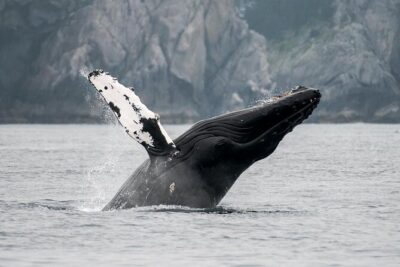
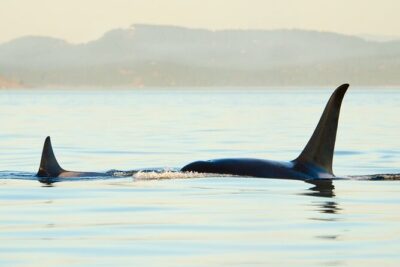
Juneau Wildlife Whale Watching & Mendenhall Glacier
Read our review →
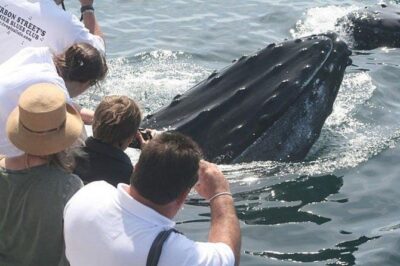
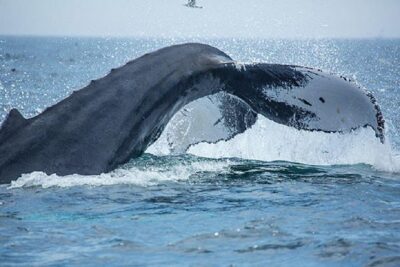
City Cruises Boston Whale Watching Cruise by High-Speed Boat
Read our review →

Whale Watching Trips to Stellwagen Bank Marine Sanctuary. Guaranteed sightings!
Read our review →Browse the lists this tour appears in