
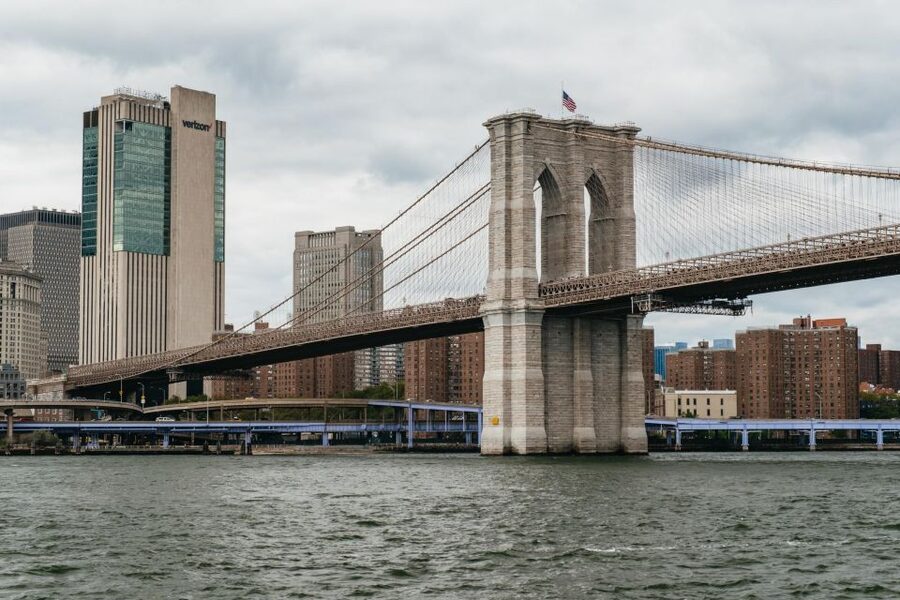
Reviewed · CRUISES & BOAT TOURS
NYC: Around Manhattan Official NYC Architecture Cruise
The best part of this cruise is the change in viewpoint. From the water, Manhattan becomes a connected work of engineering, planning, memorials, bridges, and bold new buildings rather than a wall of skyscrapers. An architect or American Institute of Architects New York Chapter guide, including guides such as Doug, leads the commentary as the yacht circles the island.
I like the assigned seating, which gives you a comfortable base instead of a scramble for a rail. I also like the full route: Hudson River, East River, and Harlem River, with all 18 bridges along the way. The main drawback is its focus. This is a serious architecture and city-planning tour, not a loud sightseeing party, and children must be at least 12.
In This Review
- Key points at a glance
- Seeing Manhattan as a floating city
- Boarding a 1920s-style yacht
- Lower Manhattan, memorials, and modern towers
- Brooklyn Bridge and the harbor photo stops
- East River housing and postwar New York
- Harlem River bridges and New York engineering
- What the guide adds to the ride
- Comfort, timing, and value at $113
- Who should book this cruise
- Planning the ride around weather and light
- Should you book it?
- FAQ
- How long is the NYC architecture cruise?
- What waterways does the boat visit?
- Does the cruise pass under Manhattan’s bridges?
- Is seating assigned?
- What is included in the ticket?
- Is the tour suitable for children?
- What language is the tour conducted in?
Key points at a glance
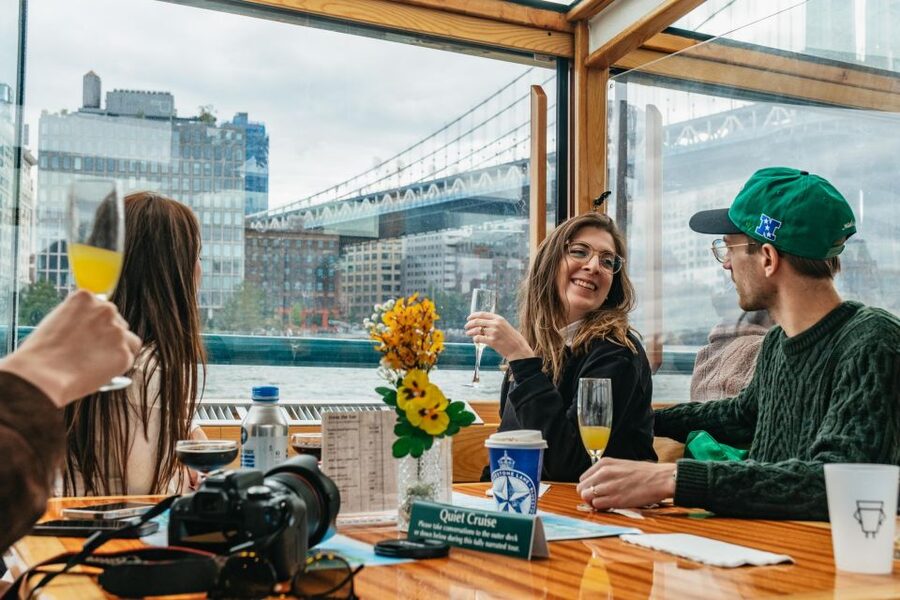
- All 18 bridges in one cruise: The route circles Manhattan through the Hudson, East, and Harlem rivers.
- An architect does the talking: Expect context on design, urban renewal, public housing, engineering, and waterfront planning.
- A polished 1920s-style yacht: Assigned seats in the grand salon make the nearly three-hour ride relaxed and orderly.
- Indoor comfort with outdoor views: Use the heated or air-conditioned observatory, then step outside for fresh air and photographs.
- One drink included: Food and more drinks are available to buy onboard.
- Best for curious adults: It suits architecture fans, history students, first-time visitors, and repeat New York visitors who want a fresh angle.
Seeing Manhattan as a floating city
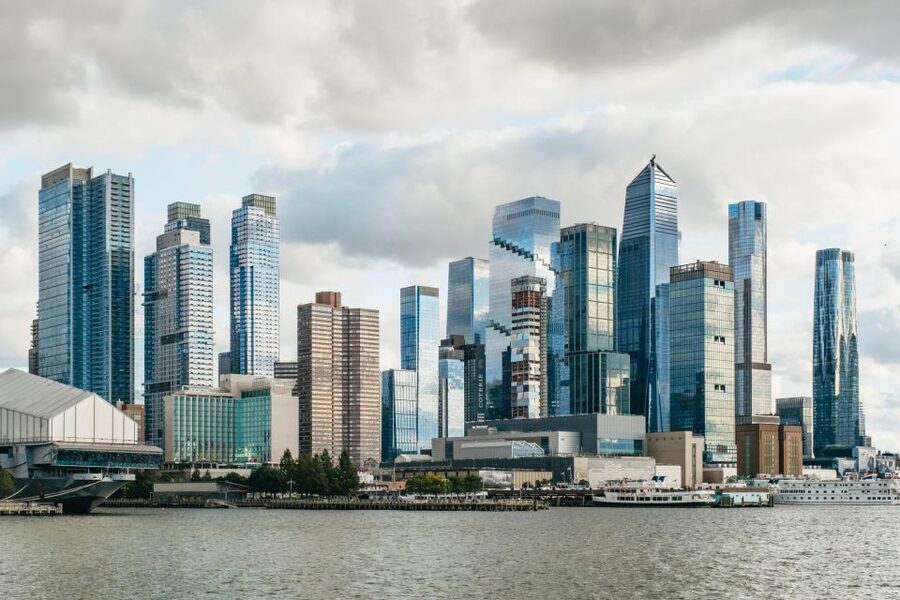
Most New York sightseeing cruises give you a skyline parade. This one asks a different question: how did the city grow around its water?
That change in focus matters. From street level, it is easy to see each building as an isolated attraction. From the yacht, you can compare old towers with new apartment blocks, watch bridges change form as the route moves north, and understand how the waterfront has shifted from working edge to public space, housing zone, memorial ground, and development frontier.
The 165-minute route is long enough to circle Manhattan rather than merely cruise past the Statue of Liberty and return. You move through three waterways and pass under 18 bridges. That makes the trip useful early in a New York visit, since it gives you a broad sense of the island before you spend days exploring individual neighborhoods.
I would not treat it as a quick photo stop. The value comes from the steady narration between the famous sights. You hear why a structure matters, what changed around it, and how New York’s decisions about land and transport shaped the city you see today.
More Boat Tours in New York City
- NYC: Circle Line 2h Harbor Lights Cruise Skip-The-Box-Office
★ 4.6 · 8,222 reviews - NYC: Circle Line 2.5 Hour Best of NYC Boat Cruise
★ 4.5 · 7,268 reviews - NYC: Statue of Liberty Express Skip-the-Box-Office Cruise
★ 4.6 · 4,873 reviews
Boarding a 1920s-style yacht
The boat is part of the appeal. It has an elegant, vintage character rather than the feel of a large, anonymous sightseeing vessel. Assigned seating in the grand salon is a small but important detail. You can settle in, keep your belongings at your table, and listen without spending the whole trip guarding a good viewing position.
The salon is heated or air-conditioned, so the cruise remains workable in cold weather and hot weather. Several departures have been enjoyed in winter, and an indoor seat is especially useful when wind makes the outside deck uncomfortable. In fair weather, you can move to the outer decks for sunlight and photographs, then return inside when you want to hear every word.
The smaller setting also supports the tour’s tone. This is designed for listening. You may find the atmosphere quiet and attentive, with a bar and snacks available rather than a party soundtrack. If you want a rowdy booze cruise, book something else. If you want a calm ride with a drink and a long stream of city stories, the format fits.
Bring a passport or ID card. Smoking and pets are not permitted, and only assistance dogs trained to perform a manual task are allowed. Emotional support animals are not permitted onboard.
Lower Manhattan, memorials, and modern towers
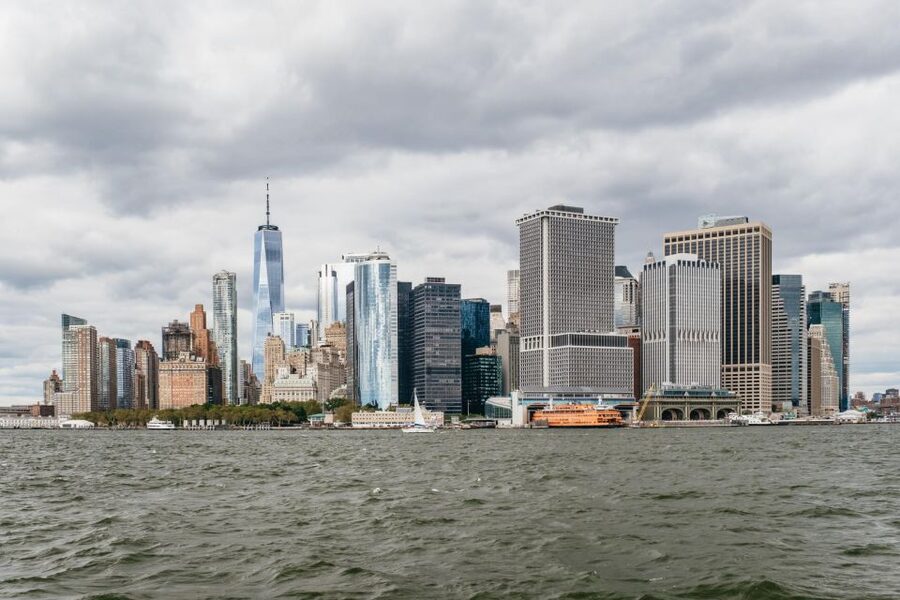
The first major section of the cruise brings the architecture of lower Manhattan into view. The commentary covers the One World Trade Center Memorial area and the waterside memorials, placing recent construction in the longer story of the city.
You will also hear about One World Trade Center itself and the new architecture often described as Downtown starchitecture. Frank Gehry’s 8 Spruce Street is one of the signature examples. Its rippling facade looks especially different from the water, where you can see its full height and changing surface without nearby streets and traffic blocking the view.
Jean Nouvel’s 100 Eleventh Avenue adds another piece to the modern conversation. The point is not simply to collect famous architect names. The guide connects design choices with the changing value and purpose of Manhattan’s waterfront, helping you see why certain buildings arrived where they did.
Lower Manhattan also supplies the older counterpoint. The Woolworth Building and Wall Street’s Art Deco spires show how earlier generations used height, ornament, and engineering to express wealth and ambition. Seen from the river, the skyline reads as a sequence of eras rather than one continuous mass.
Brooklyn Bridge and the harbor photo stops
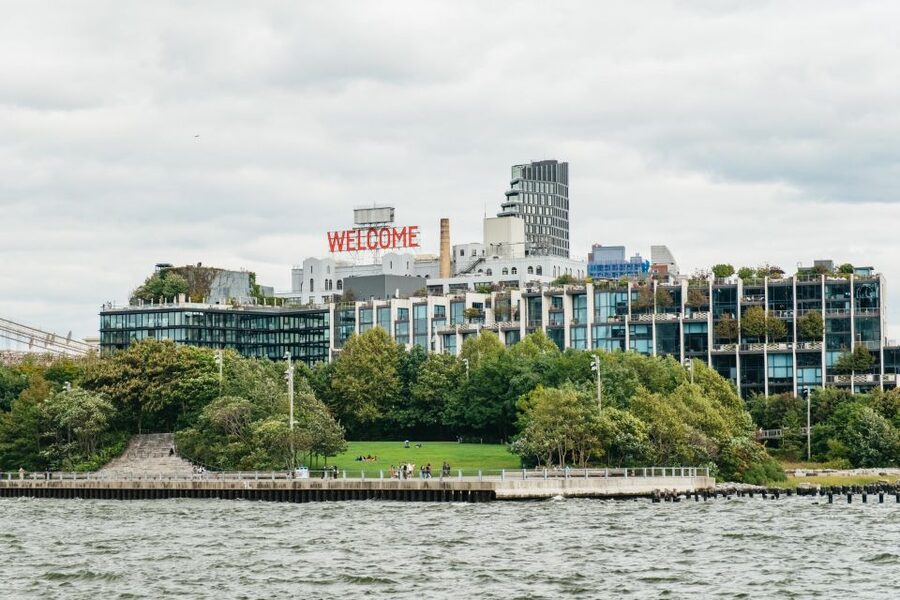
The Brooklyn Bridge is one of the cruise’s clearest visual highlights. From the water, its stone towers, suspension cables, and relationship to lower Manhattan come together in a single view. You do not need to fight street traffic or crane your neck from a crowded sidewalk.
The route also gives you strong angles toward the Statue of Liberty. One past guide described this as the best photo opportunity for the statue, and that makes practical sense: the boat can approach close enough for clear pictures without docking at Liberty Island. You will not get the full island visit or the chance to climb inside the statue, but you can save time if your main goal is a good view and a photograph.
This is one reason I see the cruise as more than an architecture lecture. Even if your interest in buildings is limited, the harbor views give the afternoon plenty of visual variety. The changing light, open water, bridges, and skyline prevent the commentary from feeling like a classroom with windows.
For the best balance, listen from the salon during the more detailed explanations and step outside when the boat reaches the major harbor views. Wind can make the narration harder to hear on the front deck, so the indoor space is the safer choice when the guide is discussing a point you do not want to miss.
A completely different way to spend a day nearby:
- NYC: SUMMIT One Vanderbilt Tickets
★ 4.7 · 51,195 reviews - NYC: 9/11 Memorial & Museum Timed-Entry Ticket
★ 4.8 · 31,428 reviews - NYC: Empire State Building Tickets – Observatory & Museum
★ 4.7 · 25,757 reviews - NYC: Empire State Building Observation Deck Tickets
★ 4.7 · 22,072 reviews
East River housing and postwar New York
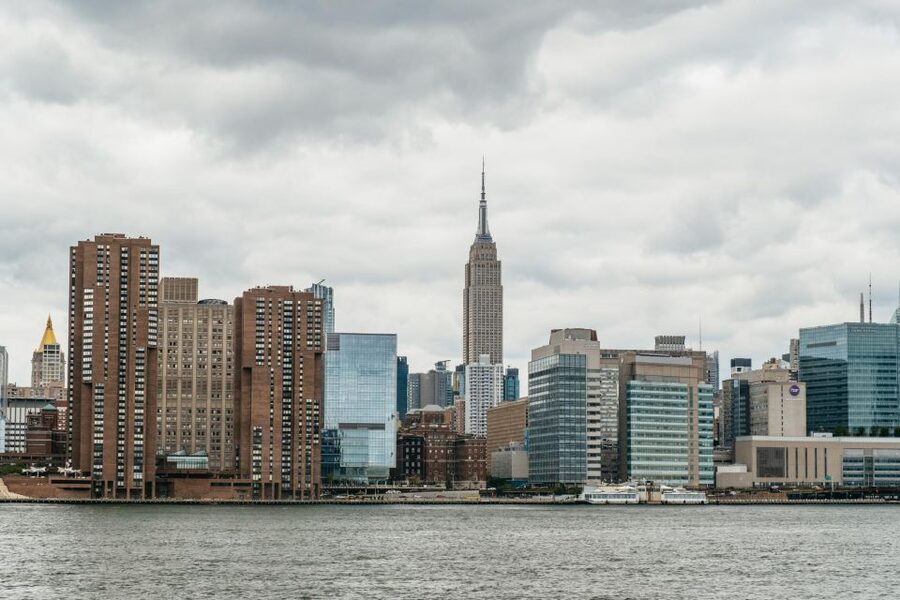
The East River section shifts the subject from individual landmarks to city policy. The guide discusses postwar urban renewal and public housing, giving you a look at parts of Manhattan that many short sightseeing routes skip.
This is valuable because New York’s architecture is not only about grand towers. Housing projects, industrial edges, parks, roads, and redevelopment plans all show how officials and developers tried to manage a crowded island. From the boat, you can see the relationship between residential buildings and the river in a way that is difficult from a neighborhood sidewalk.
The commentary also helps explain the waterfront’s newer role. The water was once treated mainly as a place for shipping, industry, and infrastructure. Today it is also tied to housing, public access, memorials, recreation, and major new development. The cruise presents that shift as an ongoing story rather than a finished project.
If you have visited New York many times, this may be the portion that changes your view most. You are likely familiar with Midtown and lower Manhattan’s headline buildings. The East River route supplies the broader urban context.
Harlem River bridges and New York engineering

The northern part of the route is where the cruise becomes a lesson in practical engineering. Along the Harlem River, you see swing bridges, lift bridges, and fixed-span bridges. Each type solves a different problem, balancing road or rail movement with the need for boats to pass.
These structures may not have the fame of the Brooklyn Bridge, but they are exactly the sort of details that make the trip worthwhile for anyone interested in how cities function. The guide explains the engineering feats and the working relationship between land transport and water traffic.
This also completes the geographic picture. A lower Manhattan cruise can leave you with the impression that New York ends at its postcard skyline. Following the Harlem River shows a more varied city, with different bridge designs, changing shorelines, and northern views that are rarely part of a standard harbor loop.
As the yacht comes around the top of Manhattan and returns toward the Hudson, the view opens toward northern Manhattan and the New Jersey Palisades. One guide described this stretch as breathtaking, and it is easy to see why: the dense southern skyline gives way to a more open setting, making Manhattan’s shape and position easier to grasp.
What the guide adds to the ride

The guide is the heart of the experience. The tour is hosted by architects and members of AIANY, so the commentary goes beyond naming buildings. You hear about architects, design choices, urban planning, construction, transportation, public housing, and the forces that changed the shoreline.
Good guides keep the information moving without turning the cruise into a technical seminar. Doug, who has lived in New York since 1961, is one guide associated with especially personal city narration. His local perspective adds the sort of detail that helps dates and building names feel connected to real streets and neighborhoods.
The strongest approach is to treat the narration as a running conversation with the city. You do not need to know architectural terms before boarding. The guide explains enough to keep the subject accessible, while those already interested in real estate, urban planning, or design should find plenty of substance.
The crew also matters. Service is described as friendly and attentive, with staff helping create a polished setting. The included drink is a pleasant extra, and additional food and drinks can be purchased onboard. Snacks have been available on some trips, but the provided information guarantees one drink, not a full meal, so eat beforehand if you need lunch or dinner.
Comfort, timing, and value at $113
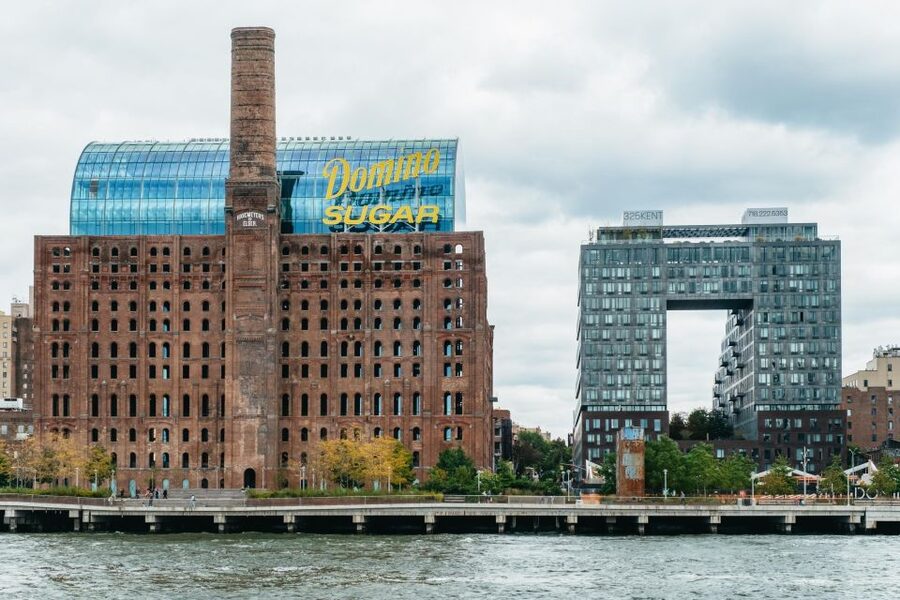
At $113 per person, this is not the cheapest way to see the skyline. You can find shorter harbor rides for less, especially if you only want quick views of the Statue of Liberty and lower Manhattan.
The comparison changes when you consider what is included. You get 165 minutes on a vintage-style yacht, an architect-led tour, assigned seating, indoor climate control, access to outdoor decks, one drink, and a route that circles the entire island. A shorter boat ride may show you the famous harbor sights, but it will not provide the same coverage of the Harlem River, the 18 bridges, or postwar urban development.
I think the price works best for someone who values explanation and comfort as much as photographs. If you are measuring value only by the number of landmark pictures, it may feel expensive. If you would otherwise pay for a walking architecture tour and a separate harbor cruise, this combines both viewpoints in one half-day activity.
The relaxed pace is another part of the value. Several hours on the water give your feet a break during a busy New York trip. You can keep sightseeing while sitting down, which is especially welcome after several days of museums, neighborhoods, and subway stairs.
Who should book this cruise
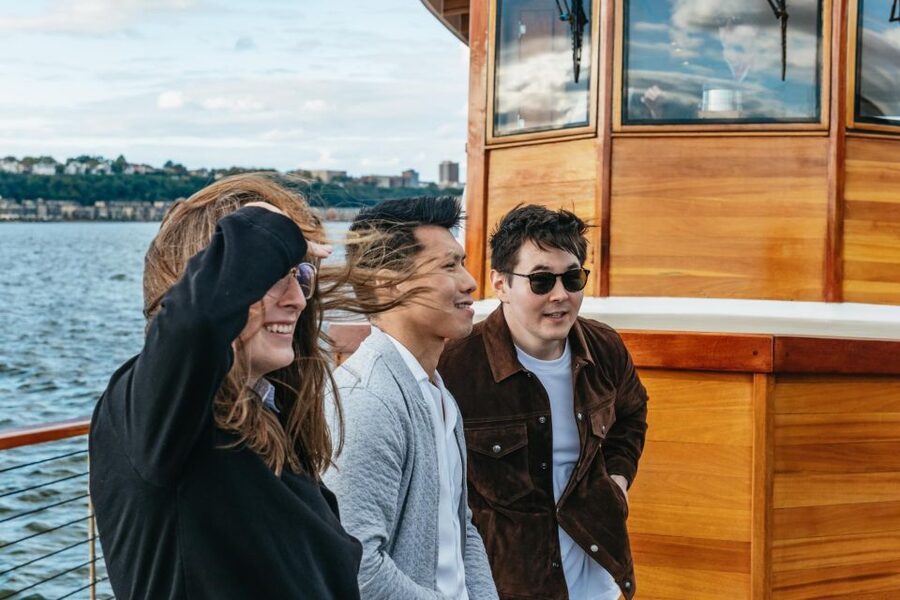
I would recommend it to first-time visitors who want to understand Manhattan’s basic shape. The full circle helps you place lower Manhattan, Midtown, northern Manhattan, the East River, and the Hudson in relation to one another.
It also suits repeat visitors. If you already know the Empire State Building, Times Square, and the usual downtown stops, the water reveals a less familiar side of the city. Native New Yorkers can enjoy it too, particularly if architecture, real estate, bridges, or urban policy interests you.
The tour is a good match for:
- Architecture and design fans
- People interested in New York history and urban planning
- Photographers who want broad skyline and bridge views
- Couples seeking a calm afternoon with a drink
- Visitors who need a seated break without giving up sightseeing
- Adults and families with children aged 12 or older
I would skip it if you want a fast, casual ride with little narration. It also may not suit young children, since the minimum age is 12 and the experience asks you to pay attention for much of the route.
Accessibility can vary by boat. If you need help boarding or have access questions, contact Classic Harbor Line in advance. Large group bookings are not permitted, and multiple reservations may face extra fees or cancellation.
Planning the ride around weather and light
The yacht’s indoor space makes the cruise possible in most conditions, but the outdoor decks are important for the full experience. On sunny days, you can move outside for unobstructed views and return to the salon for the commentary. On cold days, bring an extra layer or a blanket for your lap if you plan to spend time outdoors.
Morning, afternoon, and seasonal light will change the photographs. An afternoon departure may finish near sunset, producing especially attractive views if the timing lines up. Still, I would choose the departure that fits your schedule and weather rather than chasing a particular hour, since the route itself is the main attraction.
Friday afternoon departures can sometimes focus on climate change in and around New York City instead of the standard architecture theme. Check the theme before booking if you have your heart set on the usual route commentary.
Should you book it?
Book this cruise if you want New York explained as well as displayed. The full Manhattan circuit, architect-led narration, vintage yacht, assigned seating, and mix of famous buildings with lesser-seen bridges make it a strong choice for curious adults and repeat visitors.
At $113, it is a considered purchase, not an impulse boat ride. I think it earns the price when you value comfort, serious commentary, and a complete view of the island. Choose another cruise if you want a shorter, cheaper, more casual outing. Otherwise, this is one of the most useful ways to get your bearings and see how New York grew around its water.
FAQ
How long is the NYC architecture cruise?
The cruise lasts 165 minutes, or 2 hours and 45 minutes.
What waterways does the boat visit?
The route travels through the Hudson River, East River, and Harlem River while circling Manhattan.
Does the cruise pass under Manhattan’s bridges?
Yes. The route passes under all 18 bridges around Manhattan.
Is seating assigned?
Yes. Comfortable seating is assigned in the yacht’s grand salon.
What is included in the ticket?
The ticket includes the yacht cruise, professional guides, and one drink.
Is the tour suitable for children?
Children must be at least 12 years old to join the tour.
What language is the tour conducted in?
The live tour guide conducts the experience in English.
Recently reviewed around New York City
- Dyker Heights Christmas Lights Guided Tour★ 4.5 · 920 reviews
- New York City Dinner Cruise with Live Music★ 4.0 · 377 reviews
- New York City Holiday Lights Tour★ 4.5 · 664 reviews
- NYC in a Day Tour: Statue of Liberty, Times Square and More★ 5.0 · 366 reviews
- Broadway and Times Square Insider Tour with Theater Professional★ 5.0 · 651 reviews
- Central Park Bike Rental New York City★ 4.0 · 560 reviews
- NYC Central Park Bicycle Rentals★ 4.5 · 368 reviews
- Manhattan Sky Tour: New York Helicopter Flight★ 4.5 · 1,458 reviews
Cruises & Boat Tours, compared.

Best Niagara Falls US Tour W/Boat Ride, Cave & More Wonders!
Read our review →
Circle Line 2h Harbor Lights Cruise Skip-The-Box-Office
Read our review →
Chicago River: 1.5-Hour Guided Architecture Cruise
Read our review →
New Orleans Steamboat Natchez Jazz Cruise with Dinner Option
Read our review →
Biscayne Bay Millionaire’s Homes Sightseeing Cruise
Read our review →
Chicago Architecture Center River Cruise aboard First Lady
Read our review →Browse the lists this tour appears in