
Reviewed · SAN FRANCISCO TOURS
San Francisco: California Academy of Sciences Entry Ticket
San Francisco’s California Academy of Sciences packs an aquarium, planetarium, rainforest, and natural history museum under one roof. You can watch penguins being fed, spot butterflies and exotic reptiles, see Claude the white alligator, and then sit beneath a 75-foot planetarium screen. Four major science worlds share one admission ticket, which makes this a strong choice for a full day in Golden Gate Park.
I especially like the huge living coral reef, home to nearly 60,000 animals, and the four-story rainforest, where free-flying birds and other creatures keep the visit feeling active. The exhibits work well for children, but the astronomy shows, rooftop, and specimen displays give adults plenty to enjoy too. One catch: planetarium seats and popular rainforest time slots can fill quickly, so you should plan those parts early.
In This Review
- Key points
- Four science attractions under one Golden Gate Park roof
- Start with the aquarium and its living coral reef
- Meet the penguins in African Hall
- Enter the four-story rainforest
- Set aside time for the Morrison Planetarium
- See specimens and try hands-on activities
- Step onto the 2.5-acre living roof
- How much value do you get for $49?
- Timing, entry, and access
- Who should choose this Academy visit?
- Should you book the California Academy of Sciences?
- FAQ
- Where is the California Academy of Sciences located?
- What does the entry ticket include?
- Is the planetarium included?
- Can children under four enter the planetarium?
- How long is the ticket valid?
- Is the California Academy of Sciences wheelchair accessible?
- Is food included with admission?
- When can I see Tiny Chef, Big Impact?
Key points
- Four attractions in one building: Visit an aquarium, rainforest, planetarium, and natural history museum with one general entry ticket.
- Claude the white alligator: Look for this unusual resident and his turtle companions in the aquarium area.
- Nearly 60,000 live animals: The collection includes penguins, butterflies, reef species, birds, reptiles, and amphibians.
- A 75-foot planetarium screen: Shows change by time of day, and children under four cannot enter.
- Tiny Chef, Big Impact: See a new 20-minute film, props, photo opportunity, and mini-exhibit from December 13 through spring 2026.
- Expect four to five hours, or more: Families who want every exhibit may need most of the day.
Four science attractions under one Golden Gate Park roof
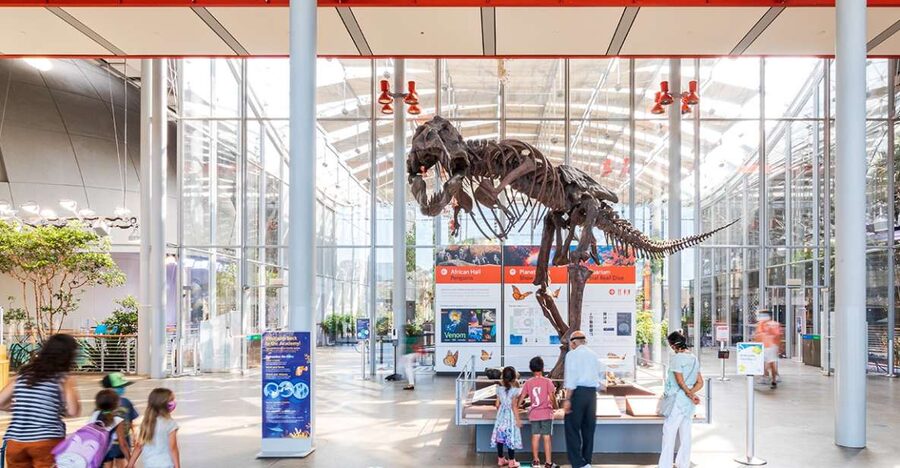
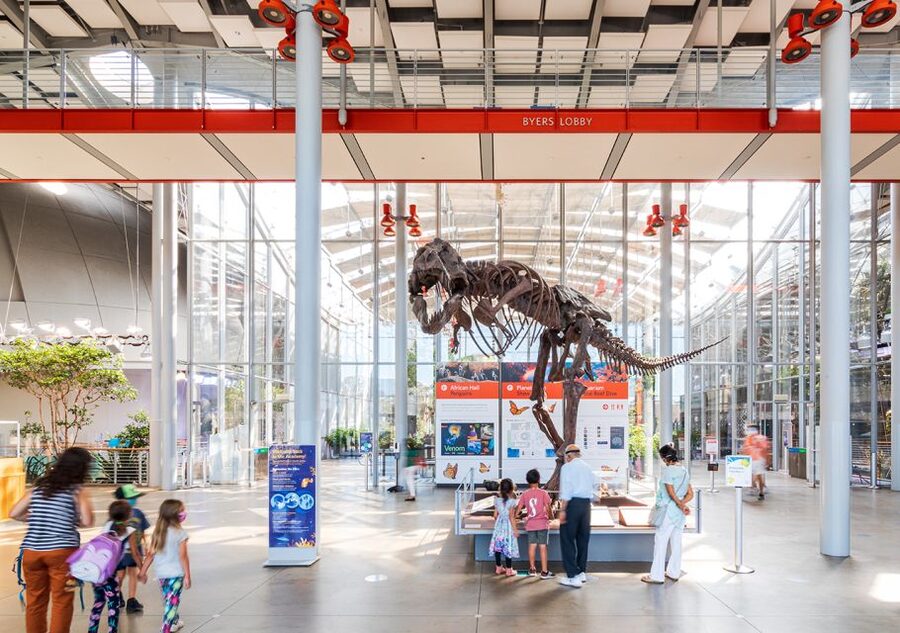
The California Academy of Sciences is at 55 Music Concourse Drive, inside Golden Gate Park. This is not a quick walk-through museum. It is a large, active attraction where you can spend an afternoon or nearly a full day moving between animals, specimens, shows, and hands-on displays.
The appeal is simple: you do not have to choose between an aquarium and a planetarium, or between live animals and old specimens. The ticket includes all exhibits and shows, including Tis the Season for Science. New exhibits also arrive each year, so repeat visits can feel different.
I would allow at least four hours if you want to see the main sections without rushing. Families with school-age children may stay longer because the hands-on areas and live presentations invite pauses rather than a quick look. One family with children aged eight and ten stayed close to five hours, mainly because the animals and interactive sections held their attention.
The museum can also rescue a foggy or cold San Francisco day. The building gives you plenty to do indoors, while the living roof and outdoor nature space add fresh air when you need a break.
More San Francisco trips worth a second look
- San Francisco: Alcatraz Ticket, Ferry, & Self-Guided App
★ 4.5 · 2,460 reviews - NYC: SUMMIT One Vanderbilt Tickets
★ 4.7 · 51,195 reviews - NYC: 9/11 Memorial & Museum Timed-Entry Ticket
★ 4.8 · 31,428 reviews
Start with the aquarium and its living coral reef
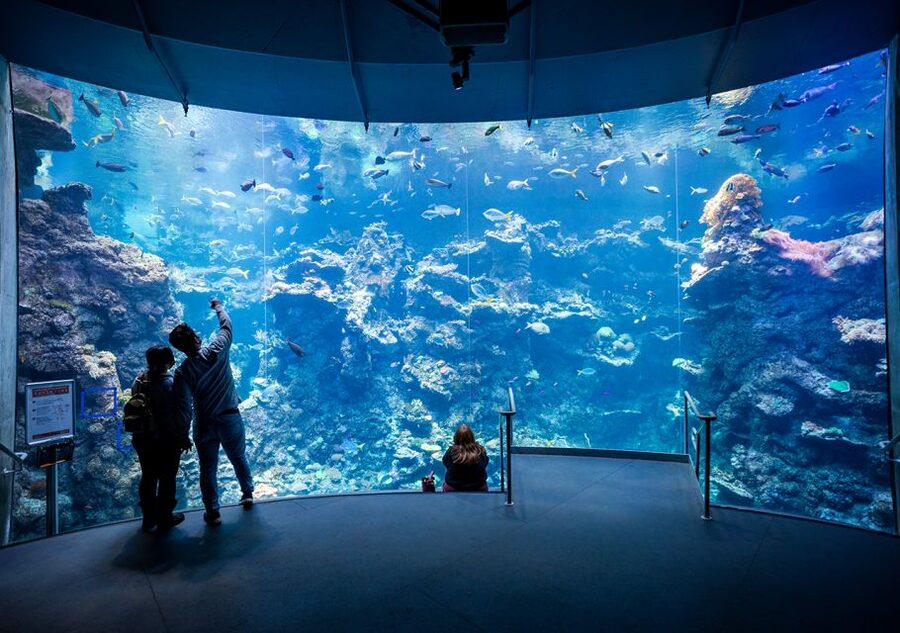
The aquarium is likely to be the strongest first stop for many people. Its centerpiece is described as the world’s deepest living indoor coral reef, with nearly 60,000 animals representing more than 1,000 species.
That scale matters. This is not a small room with a few tanks added as decoration. You get a broad look at marine life, with enough variety to keep children moving from one viewing area to the next and enough detail to reward a slower visit.
Give yourself time to watch rather than simply count species. The displays are designed for close observation, and the movement of reef animals gives this section a natural rhythm. It is also one of the easier areas for mixed-age groups, since young children can focus on color and motion while older children and adults read about the animals and their habitats.
Claude, the white alligator, is one of the most memorable residents. His unusual coloring makes him easy to remember, and he shares his area with turtle companions. Several parts of the Academy have a clear visual hook like this, which helps children connect a name and personality to a larger science lesson.
The aquarium is also where you should expect a little more waiting during busy periods. A visit in the morning, before the building becomes crowded, can make it easier to see the most popular animals without standing behind several rows of people.
Meet the penguins in African Hall
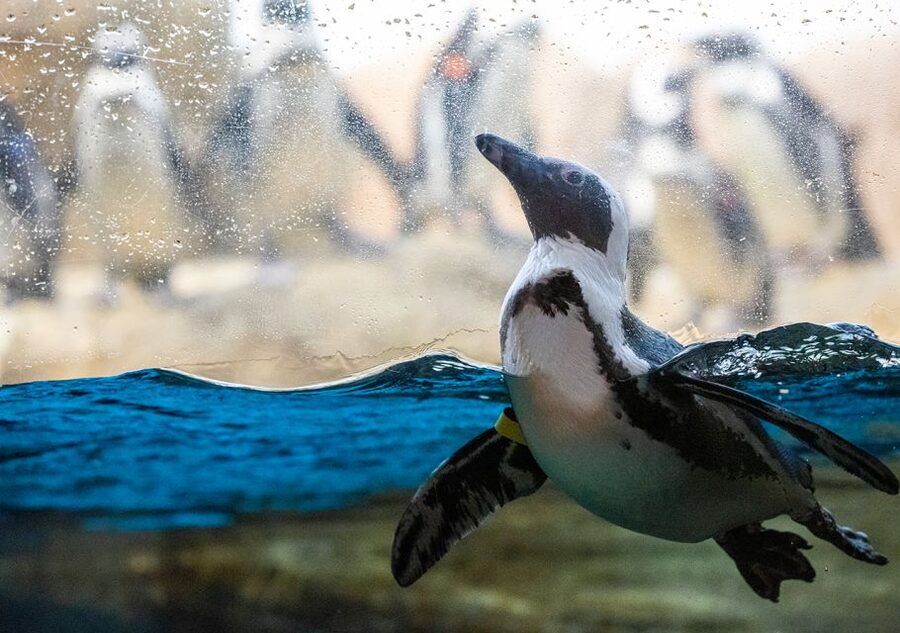
African Hall brings a more personal, lively moment to the visit. The penguin colony is playful, and feeding times can be a highlight. If you see a feeding listed during your visit, make it a priority.
Watching the birds react to food and keepers gives you something a static display cannot. It also works for children who may not yet have much patience for labels and specimen cases. The penguins provide a clear reason to stop, watch, and ask questions.
The area is part of a wider presentation of African wildlife and habitats. You can treat it as a short visit or spend longer looking at the animals and displays around it. Since feeding times matter, check the day’s public program schedule when you arrive rather than assuming you will happen upon one.
Enter the four-story rainforest
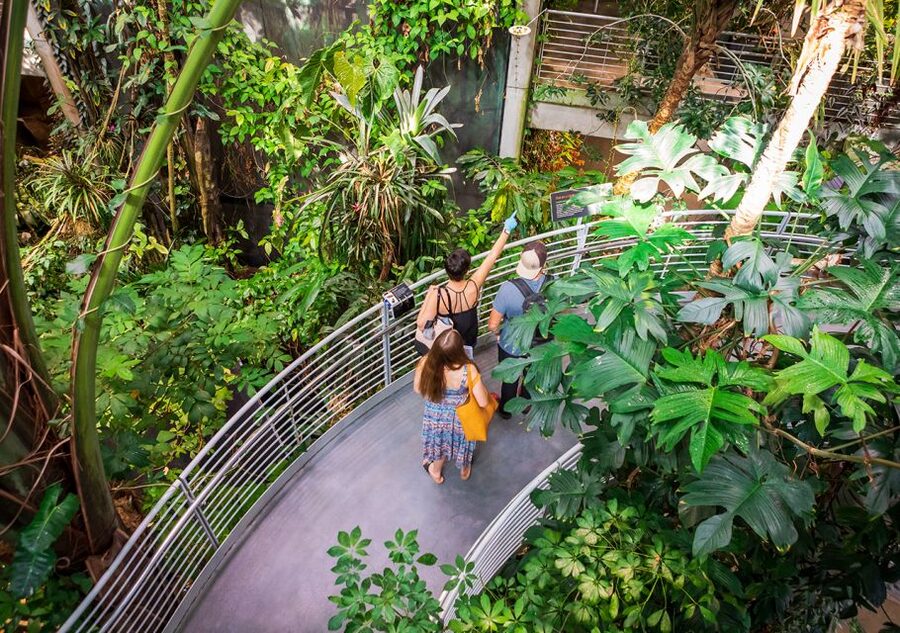
The rainforest is one of the Academy’s signature spaces. You walk through a lush, four-story environment with free-flying birds, exotic reptiles, amphibians, and other life.
This section feels different from the aquarium because the animals are not all confined to flat, front-facing tanks. You look up, around, and across several levels. Butterflies may be part of the experience, and the combination of warm air, plant growth, and moving animals gives the space a strong sense of place.
The rainforest can also be one of the busiest areas. Lines may form, and access can be slower than you expect. If this is high on your list, check how entry works when you arrive and consider going early rather than leaving it until the final hour.
A temporary closure is also possible during maintenance. One past visit found the rainforest closed, with no reduced admission offered, so it is wise to check the Academy’s current conditions before you commit the whole day to this one section. The general ticket still gives you plenty to see, but the rainforest is a major part of the attraction and its closure would change the value calculation.
A completely different way to spend a day nearby:
- Muir Woods and Sausalito (Return by Bus or Ferry)
★ 4.5 · 5,098 reviews - Big Bus SF: Hop-on Hop-off Tour with 17 Stops and Sunset Option
★ 4.0 · 4,539 reviews - Napa and Sonoma Wine Country Full-Day Tour from San Francisco
★ 4.5 · 4,455 reviews - Small Group Yosemite and Giant Sequoias Day Trip from San Francisco
★ 5.0 · 3,671 reviews
Set aside time for the Morrison Planetarium
The 75-foot Morrison Planetarium offers an entirely different kind of show. Instead of watching live animals, you sit back for an immersive journey toward the far reaches of the universe.
Themes and show times vary during the day. The planetarium is included with admission, but that does not mean you can always walk in at the last minute. Popular screenings can fill, especially on busy days. I would check the schedule soon after entering and arrange your day around the show you want.
The planetarium is one of the best reasons adults enjoy the Academy as much as children. It gives the visit a change of pace, with a chance to sit in the dark and let the screen carry the story. It also gives tired legs a useful rest after the aquarium and rainforest.
Children under four are not permitted inside. Keep that rule in mind if you are visiting with a toddler, since the rest of the Academy may suit the child while the planetarium does not.
From December 13 through spring 2026, the planetarium schedule includes Tiny Chef, Big Impact. This new 20-minute film places the social media stop-motion character Tiny Chef on the big screen in a story about how small actions can help the planet. The related mini-exhibit includes Tiny Chef props, a photo opportunity, custom merchandise, and more.
That special presentation should appeal most to families with younger children, though the environmental message gives parents a reason to watch too. Since it is a limited-time feature, confirm the current showing times before planning around it.
See specimens and try hands-on activities
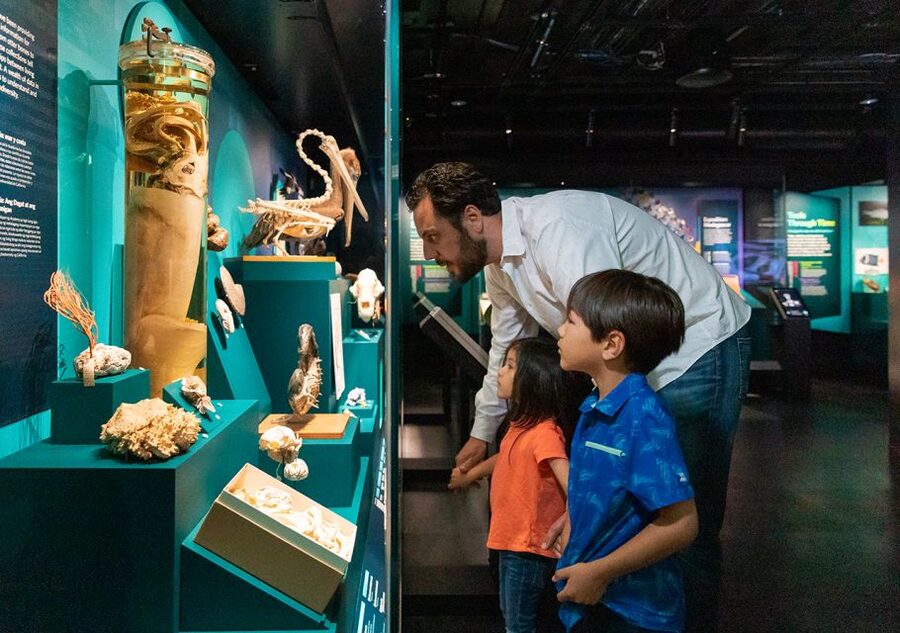
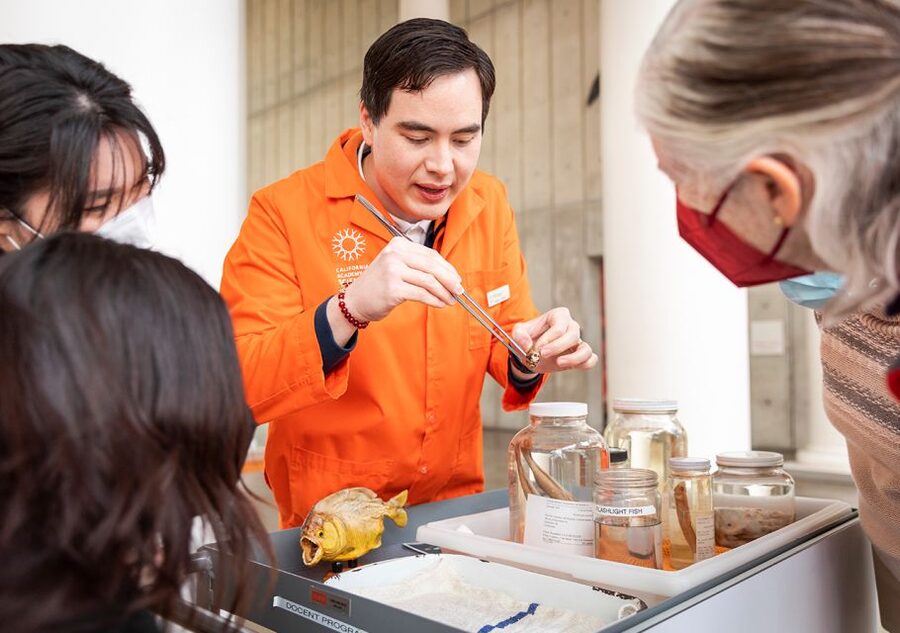
The Naturalist Center shifts the focus from live animals to the objects scientists use to understand the natural world. You can investigate hundreds of specimens and try hands-on activities designed for both children and adults.
This section is useful when you want more than a parade of animals. It shows how close observation, comparison, and preserved specimens support scientific work. Children who enjoy sorting, touching, and asking why may spend longer here than expected.
The Academy also presents live programs around the floor. These can add helpful context to the displays and give you a chance to hear explanations while standing near the subject being discussed. Staff members are available to answer questions, and the general feel is friendly and educational.
Do not assume you can see every display in one short visit. The Academy holds more than the main animal areas, and the specimen collections can pull you into a slower, more careful pace. If you arrive at 1 p.m., you may have enough time to enjoy the major highlights before closing, but you may need to choose between a complete look and a relaxed one.
Step onto the 2.5-acre living roof
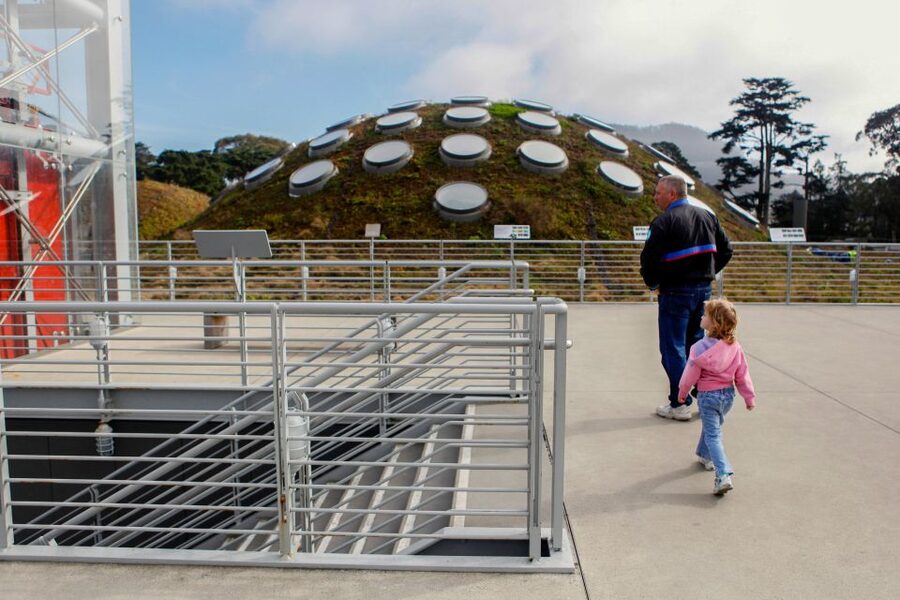
The 2.5-acre living roof is more than a photo stop. It gives you a chance to look at the Academy from above and understand how the building connects to its surroundings.
The rooftop views are a welcome change after time indoors. You can use this area as a breathing space between exhibits, especially if children need room to move or adults want a quieter pause. The roof also helps explain the Academy’s interest in natural systems through the building itself.
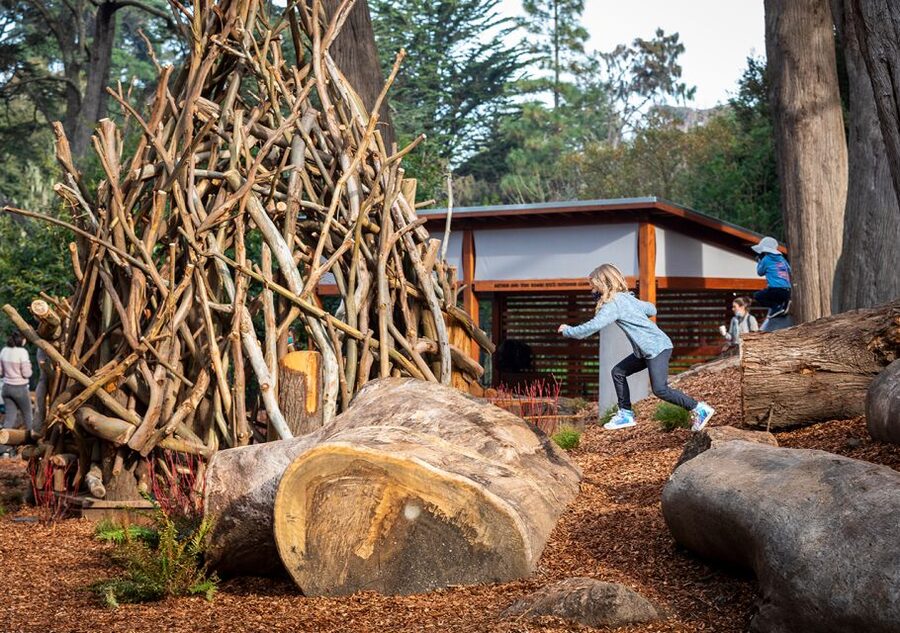
Nearby Wander Woods offers outdoor nature play and exploration for children. It is a practical addition for families who need a less structured break. You can let children explore while still keeping the visit connected to the natural world.
The roof and outdoor area will not replace the aquarium or rainforest as the main reason to buy a ticket. Their value is in pacing. They help turn several hours indoors into a full day that feels less tiring.
How much value do you get for $49?
At $49 per person, this is not a bargain attraction for a short stop. It becomes better value when you plan to spend four to five hours and use the included shows and exhibits.
You are paying for several different experiences in one admission: a major aquarium, a multi-level rainforest, a planetarium, natural history displays, public programs, outdoor areas, and special exhibitions. If you see only the aquarium for an hour, the price will feel high. If you visit the main sections, watch a planetarium film, attend a feeding, and use the outdoor spaces, the cost makes more sense.
Food and drinks are not included. Plan for that expense, especially with children. Cafeteria prices can feel steep, with one past visit finding an $8 serving of fries hard to justify. You may want to budget separately for meals and snacks instead of treating the admission price as the whole cost of the day.
The ticket is also useful when direct sales are limited. On one occasion, tickets at the Academy’s own website were sold out, while admission was still found through the booking option used for the visit. Availability can change, so do not assume the same result every day, but advance planning is still sensible.
Timing, entry, and access
You proceed directly to the entrance at 55 Music Concourse Drive and present your ticket. Mobile entry is intended to let you skip the ticket line, which can save time when the ticket window has a long queue.
Download the ticket before you reach the entrance and make sure your phone can display it. A past mobile-ticket problem required one visitor to join the regular line, so keep the voucher easy to access and allow a little patience at the door.
Parking in Golden Gate Park needs planning. One visitor spent more than an hour driving around before finding a garage space. If you are driving, arrive early and identify your parking plan before the day begins. The Academy is wheelchair accessible, and staff assistance is available, although the planetarium may direct wheelchair users to particular seating areas.
Free cancellation is available up to 24 hours before the visit, with a full refund. You can also reserve now and pay later, which helps if your San Francisco schedule is still shifting. The ticket is valid for one day, so it is best used as a central part of your Golden Gate Park plans rather than squeezed between several distant sights.
Who should choose this Academy visit?
I would recommend it most strongly to families with children from about school age through the teen years. The penguins, white alligator, butterflies, rainforest animals, and hands-on displays give younger visitors plenty to follow, while the planetarium and specimen areas keep the visit from feeling like a children’s play center.
It also suits adults who enjoy science museums. The combination of live animals, astronomy, natural history, and building design gives you more variety than a single-theme attraction. Couples can make an afternoon of it, and the Academy has even offered late-night programming on Thursdays, creating a more grown-up, science-focused evening when available.
Older adults can manage the visit well because there is a good mix of walking and seated presentations. Still, the building is large, and comfortable shoes are a practical choice.
This may be less suitable if you want a quiet, small museum or feel uneasy about animals living behind glass. Crowds, school groups, and lines can also affect the mood. Some displays may be under maintenance, and the cafeteria is not a strong reason to visit.
Should you book the California Academy of Sciences?
Book it if you want a substantial indoor attraction and can give it most of a day. The aquarium, rainforest, and planetarium combination is unusual, and the ticket covers enough material to justify the $49 price when you use it fully.
Arrive early if parking, crowds, the rainforest, or a planetarium show matters to you. Check the day’s schedules at the start, and put any must-see feeding or film near the top of your plan.
Skip it if your schedule allows only a brief stop, or if $49 feels too much for a visit focused on one exhibit. For everyone else, this is one of San Francisco’s strongest family science outings, with enough variety that you can leave some rooms unseen and still have a satisfying day.
FAQ
Where is the California Academy of Sciences located?
It is at 55 Music Concourse Drive inside Golden Gate Park in San Francisco, California.
What does the entry ticket include?
The ticket includes general entry, all exhibits and shows, and Tis the Season for Science.
Is the planetarium included?
Yes, planetarium shows are included with general admission. Show themes and times vary during the day, and popular screenings can fill.
Can children under four enter the planetarium?
No. Children under four are not permitted inside the Planetarium.
How long is the ticket valid?
The ticket is valid for one day.
Is the California Academy of Sciences wheelchair accessible?
Yes, the attraction is wheelchair accessible.
Is food included with admission?
No. Food and drinks are not included in the entry ticket.
When can I see Tiny Chef, Big Impact?
Tiny Chef, Big Impact opens Saturday, December 13, and is scheduled to remain on view through spring 2026. It includes a 20-minute planetarium film, Tiny Chef props, a photo opportunity, custom merchandise, and a mini-exhibit.
Recently reviewed around San Francisco
- San Francisco: Alcatraz, Ferry & Audio Tour w/ Night Option★ 4.4 · 617 reviews
- San Francisco: Muir Woods & Sausalito Tour with Ferry Option★ 4.5 · 515 reviews
- From San Francisco: Day Trip to Yosemite National Park★ 4.5 · 883 reviews
- San Francisco: Alcatraz, Fisherman’s Wharf & Optional Extras★ 4.4 · 663 reviews
- San Francisco: Movie Filming Locations Bus Tour★ 4.9 · 368 reviews
- San Francisco: Golden Gate Bridge to Sausalito Cycling Tour★ 4.7 · 541 reviews
- San Francisco: Napa and Sonoma Valley Wine Tour★ 4.5 · 675 reviews
- San Francisco: Golden Gate Bridge and Lombard GoCar Tour★ 4.5 · 355 reviews
San Francisco Tours, compared.
Muir Woods and Sausalito (Return by Bus or Ferry)
Read our review →
Big Bus SF: Hop-on Hop-off Tour with 17 Stops and Sunset Option
Read our review →
Napa and Sonoma Wine Country Full-Day Tour from San Francisco
Read our review →
Small Group Yosemite and Giant Sequoias Day Trip from San Francisco
Read our review →

Hop-On Hop-Off Sightseeing Tour with 17 Stops
Read our review →
Yosemite Highlights & Giant Sequoias Day Tour from San Francisco
Read our review →
San Francisco Super Saver: Muir Woods & Wine Country w/ optional Gourmet Lunch
Read our review →Browse the lists this tour appears in