
Reviewed · BIG ISLAND OF HAWAII TOURS
Snorkel with Manta Rays Guaranteed
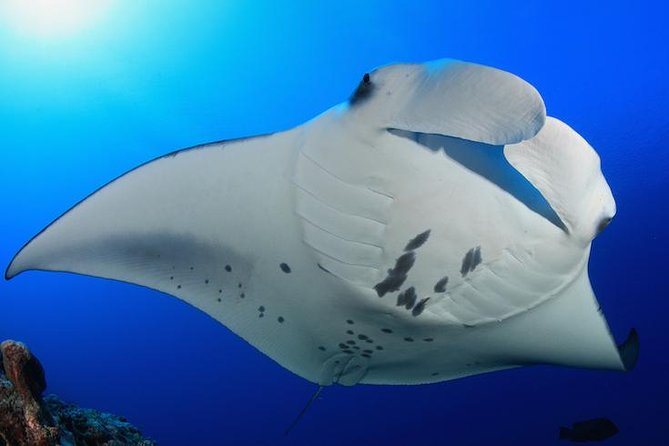
The best part of this Big Island outing happens after dark, when manta rays glide beneath a lighted raft and sweep within inches of your face. You do not chase them or swim after them. You hold the flotation bar, stay on the surface, and let the rays come to you as they feed on plankton drawn toward the light.
I like two things right away: the short boat ride from Keauhou Bay, which helps if you get seasick, and the large trimaran Hokulani, with steps for easier water access and a bathroom onboard. I also like the careful setup, including wetsuits, a clear safety talk, and crew members in the water to help nervous swimmers.
The main consideration is that this is not free swimming. You stay attached to the lighted flotation device, and holding it for 45 minutes can tire your shoulders. Rough water can add to the work, and the water may feel chilly even with a wetsuit.
In This Review
- Key points to know before you book
- Why the manta encounter feels so close
- A sunset sail aboard Hokulani
- The briefing and the lighted flotation device
- About 45 minutes watching the rays
- How difficult is the water time?
- What makes the crew important
- Is the $141.57 price good value?
- Timing, meeting point, and booking details
- What to bring and what to expect
- Should you book the Sea Paradise manta tour?
- FAQ
- Where does the manta ray tour begin and end?
- How long is the tour?
- What equipment is included?
- Do I need to swim with the manta rays?
- Is the tour suitable for children?
- What happens if weather cancels the tour?
Key points to know before you book
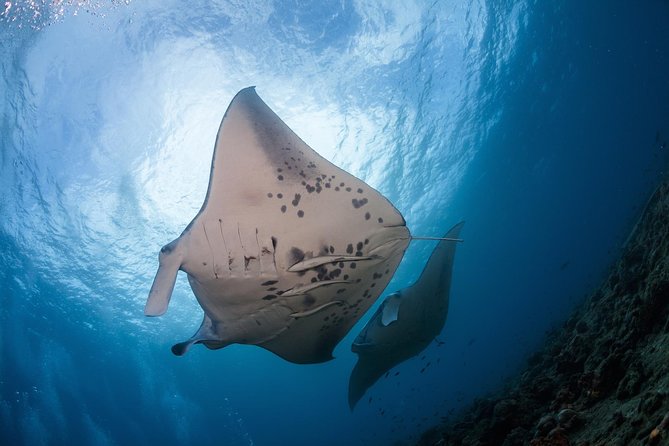
- Manta rays can pass within inches of your face: The light attracts plankton, and the rays follow their food source.
- The water time is about 45 minutes: The full outing lasts roughly 90 minutes, including the sunset cruise and briefing.
- You use a floating light raft, not fins: Wetsuits, masks, and snorkels are supplied, while fins are not needed and full-face masks are not allowed.
- The ride to the viewing site is short: A quick run from Keauhou Bay is useful for anyone prone to seasickness.
- The trimaran is built for comfort: Hokulani has steps for getting in and out, a bathroom, drinks, juices, filtered water, and snacks.
- Conditions can change: Calm water makes the experience easier, but choppy nights can make gripping the raft tiring.
Why the manta encounter feels so close
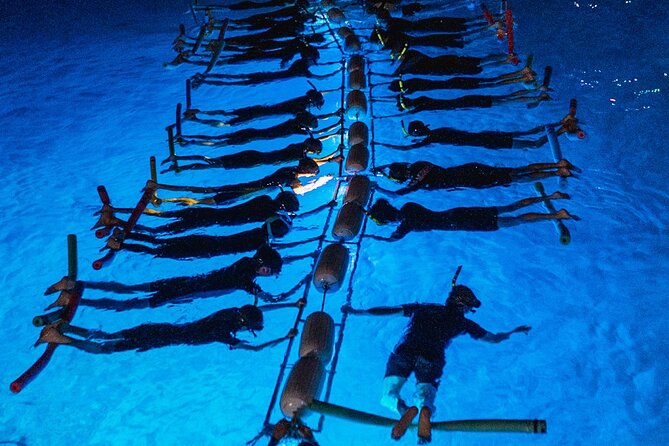
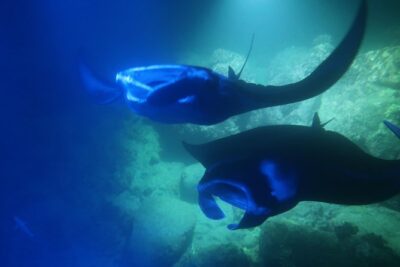
At Manta Ray Village, the experience is built around a simple idea. A light source on the flotation device draws microscopic plankton toward the surface. Manta rays arrive to feed, often rolling and banking beneath the raft as they filter food from the water.
You are not placed in a traditional snorkeling route with coral and fish. The focus is one animal, seen in darkness, with the light creating a bright viewing area below you. That makes the encounter feel unusually direct. A manta may glide under the raft, turn on its side, and come close enough for you to see the shape of its mouth and the markings on its underside.
The closeness is thrilling, but it can also surprise you. You might find a ray approaching head-on before it turns at the last moment. The important rule is simple: do not touch the manta rays. The crew also keeps your feet on the float rather than dangling fins into the water, reducing the chance of striking the animals.
I appreciate this approach because it puts the viewing rules to work without making the experience complicated. You get close, but the rays control the encounter. That is a better way to see wild animals than trying to attract or handle them.
Other Big Island of Hawaii days travellers line up against this one:
- Big Island in a Day: Volcanoes Waterfalls Sightseeing and History
★ 5.0 · 6,569 reviews - Big Island Manta Ray Night Snorkel
★ 5.0 · 5,656 reviews - Big Island: Kona Manta Ray Snorkel Tour in Keauhou Harbor
★ 4.5 · 2,465 reviews
A sunset sail aboard Hokulani
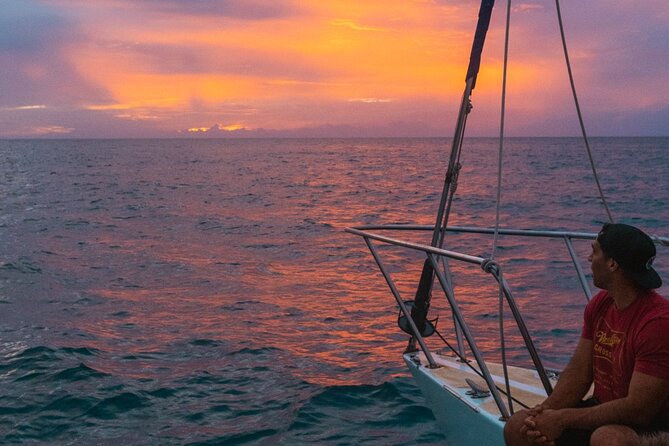
Your evening begins at Keauhou Bay in Kahaluu-Keauhou. The boat is the trimaran Hokulani, a larger vessel that gives you room to settle in before the main event. The sunset cruise is brief, but it adds a pleasant beginning to what could otherwise feel like a short transfer to the viewing site.
Drinks and snacks are offered onboard, along with filtered water, soda, and varied juices. These are small touches, but they matter after you have arrived at the meeting point, changed into gear, and prepared for the water.
The short ride is one of the strongest practical features of this tour. The exact time on the water can vary, but the trip to the site has been described as only a few minutes. If you are prone to seasickness, less time in open water is a real advantage. It also means you spend more of your 90-minute outing focused on the rays instead of sitting through a long night crossing.
The boat has steps for entering and leaving the water, which is easier than climbing a tall ladder. A bathroom is also available onboard. Those details are easy to overlook when booking, but they make a difference on a family outing or when you are already cold and tired after snorkeling.
The briefing and the lighted flotation device
Once the boat reaches the viewing area, the crew explains how to use the mask, snorkel, wetsuit, and flotation device. You then enter the water and hold onto the raft, which carries the light source that draws plankton upward.
You do not need fins for this activity. In fact, leaving fins out of the setup helps keep feet away from the manta rays. The arrangement also means you do not need strong swimming skills to keep pace with the animals, since you remain supported at the surface.
That does not make the outing effortless. You need a moderate level of physical fitness, and your arms and shoulders may work harder than expected. The raft can shift with the swell, and people nearby may bump against it or one another. On rougher nights, keeping a steady grip can become tiring.
The crew’s role is important here. Staff guide you into position, help you get settled, and remain available in the water. This is especially useful if you have never snorkeled at night or feel nervous entering the ocean after sunset. You can ask to leave the water when you need to, rather than treating the full 45 minutes as a test of endurance.
One useful tip is to grip the flotation bar gently. Holding it too tightly can leave your arms and shoulders sore. Think of the raft as support, not something you must wrestle into place.
About 45 minutes watching the rays
The actual water time is approximately 45 minutes, though individual time can be shorter if you become cold, tired, or seasick. That is a good amount of time for this kind of encounter. You have enough opportunity to watch the rays settle into a feeding pattern instead of worrying that the first missed pass was your only chance.
Sightings vary. The usual number can be one to three manta rays, but an evening may bring several more. Some outings have seen five or six together, while particularly active nights have produced seven, eight, ten, or even more. No number is promised by nature, so you should book this for the setting and possibility of the encounter, not for a fixed count.
When the rays appear, they can be startlingly large. Their slow, graceful turns contrast with the restless movement of the raft and the people around you. You may see them make repeated passes, roll beneath the light, or circle back several times.
The viewing can feel almost theatrical, but it remains a wild animal encounter. You have no control over how many rays arrive, how long they stay, or where they pass. That uncertainty is part of the value. The best moment may come after several quiet minutes, when a ray suddenly rises from the darkness below.
A completely different way to spend a day nearby:
- Hilo Shore Excursion: Volcanoes National Park & Black Sand Beach
★ 4.5 · 2,338 reviews - Big Island: Captain Cook Snorkel On A Power Catamaran With Lunch
★ 5.0 · 2,232 reviews - KONA Manta Ray Night Snorkel – FREE re-ride if no Sightings
★ 5.0 · 2,212 reviews - Manta Ray Night Snorkel at Kona, Big Island
★ 5.0 · 1,758 reviews
How difficult is the water time?
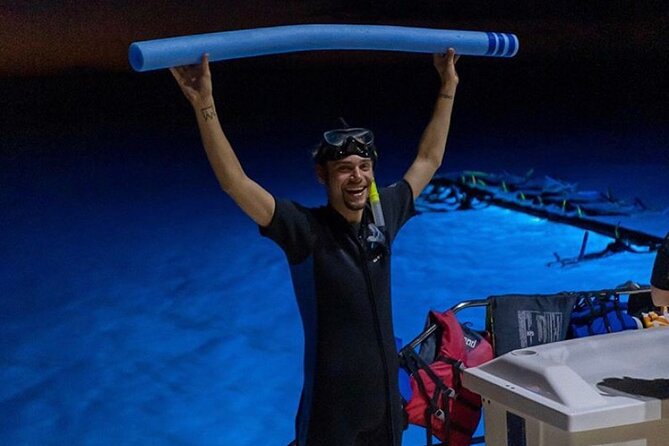
This tour suits people who can manage a moderate physical activity but do not necessarily want a long-distance swim. You hold the bar and remain near the surface, so the effort is different from ordinary snorkeling. The challenge is staying comfortable in the water, keeping your grip, and handling movement from the swell.
Choppy conditions can make the raft move up and down. Several people can share the area, so accidental contact is possible. One person described a rough night when another swimmer leaned heavily against a nearby participant while trying to film. A chest-mounted action camera or hands-free setup is a sensible idea if you want photographs without sacrificing your grip.
Children can enjoy this, but age and confidence matter. An eight or nine year old may do well with an adult nearby and an attentive crew. Much younger children may find the dark water, large animals, and raft movement too much. The operator lists a moderate fitness requirement, so take that seriously.
The water can feel cold. Wetsuits are supplied in a range of sizes, which is helpful if you need a larger fit. You should still expect to be wet and chilled by the end of the viewing period.
If you are prone to seasickness, consider the timing carefully. The short boat ride helps, but the ocean can still feel rough while you are floating. Ginger ale and similar comfort items have been available onboard, along with other drinks, but those are not a substitute for your own precautions.
What makes the crew important
A night snorkel can feel intimidating even for a strong swimmer. You cannot see far beyond the lighted area, and the manta rays may approach much closer than expected. The crew gives a safety briefing before you enter and helps position you on the flotation device.
The best reports of this tour repeatedly point to the crew’s calm support, clear instructions, and attention to children and first-time snorkelers. That matters more here than a polished sales pitch. You want staff who will notice when someone is anxious, help with the gear, and get a tired swimmer back aboard without fuss.
The team also explains the feeding behavior and local setting, so you understand why the light is used and why touching the animals is forbidden. That context makes the encounter more meaningful. You are not simply looking at a large animal under a raft. You are seeing a feeding pattern shaped by plankton, darkness, and the rays’ natural behavior.
The operation can carry up to 49 people. That is a fairly large group for an intimate wildlife experience, and the viewing area can feel busy. If you expect a private encounter with empty water around you, adjust those expectations. The larger boat provides stability and facilities, but it does not create a small-group atmosphere.
Is the $141.57 price good value?
At $141.57 per person, this is not a casual add-on. Still, the price includes the boat ride, wetsuit, mask, snorkel, flotation equipment, water, soft drinks, juices, safety instruction, and approximately 45 minutes in the water. You do not need to rent the main gear separately or arrange transport between multiple sites.
I see the strongest value in the quality of the encounter rather than the length of the boat trip. The ride is short, but the manta viewing can be extraordinary when the animals gather and pass close to the raft. You are paying for a carefully managed nighttime wildlife experience in a location known for regular manta activity.
The value is weaker if you dislike group water activities, expect to swim independently, or would be disappointed by a low manta count. Nature controls the result. A night with one or two rays can still be memorable, but it will not feel identical to a night with eight.
The 4.8 rating from 738 reviews and 95 percent recommendation rate suggest a strong track record, though the occasional mixed experience is useful to note. The most common concern is the cattle-boat feel and the fact that you are holding a raft rather than freely swimming with the animals. Know that before paying, and the price is easier to judge fairly.
Timing, meeting point, and booking details
The meeting point is Keauhou Bay, Kahaluu-Keauhou, Hawaii 96740. The activity ends back at the same location. Several activities may gather in the same general area, so read your confirmation carefully and allow time to find the correct check-in spot.
Confirmation is sent within 48 hours of booking, subject to availability. The experience is offered in English and uses a mobile ticket. It is often booked about 38 days ahead, so I would reserve early if your Big Island schedule is tight.
Free cancellation is available up to 24 hours before the start time for a full refund. Changes or cancellations inside that window are not accepted for a refund. The trip needs suitable weather and a minimum number of participants. If the operator cancels for either reason, you are offered another date or experience, or a full refund.
Gratuities are not included. If the crew helps you with gear, supports a nervous child, or spends extra time assisting in the water, plan to tip.
What to bring and what to expect
Wear a swimsuit under the wetsuit and bring a towel and dry clothes for the return. The supplied gear covers the basics, so you do not need fins. Full-face masks are not allowed for safety reasons.
If you want photos, use equipment that leaves both hands available when possible. A phone in a basic underwater case may not produce good results in the dark water. An action camera or operator-provided camera option, if available, is more practical, though the supplied details do not promise a photography service.
Most important, come ready for close contact with the animals without touching them. The rays may pass so near that you feel tempted to reach out. Keep your hands on the raft and let the manta move away on its own.
Should you book the Sea Paradise manta tour?
I would book this if seeing manta rays at night is high on your Big Island list, especially if you value a short boat ride, a large stable trimaran, clear safety support, and a setup that does not require constant swimming. It is also a good choice for confident children around eight or nine and for first-time night snorkelers who want help close by.
I would pause if you have shoulder problems, dislike holding onto equipment for long periods, or want a quiet, small-group experience. Rough water can make the raft tiring, and the group may feel crowded.
For most people, the close passes are worth the cost. Just book with the right picture in mind: this is a guided float above feeding manta rays, not free swimming through an empty sea. If that sounds like the experience you want, Sea Paradise offers a well-equipped, practical way to see one of Hawaii’s most remarkable nighttime sights.
FAQ
Where does the manta ray tour begin and end?
The tour begins at Keauhou Bay in Kahaluu-Keauhou, Hawaii. It ends back at the same meeting point.
How long is the tour?
The full activity lasts approximately 1 hour and 30 minutes. Snorkeling time in the water is approximately 45 minutes.
What equipment is included?
Wetsuits, masks, snorkels, and the snorkeling flotation equipment are provided. Fins are not needed, and full-face masks are not allowed due to safety concerns.
Do I need to swim with the manta rays?
No. You stay on the surface and hold onto a lighted flotation device while the manta rays feed below. The crew helps guide you into position.
Is the tour suitable for children?
The activity requires a moderate physical fitness level. Children around eight or nine may manage it with adult support, but the dark water, raft movement, and close manta encounters may not suit much younger children.
What happens if weather cancels the tour?
If poor weather causes cancellation, you are offered a different date or experience, or a full refund. Free cancellation by you is available up to 24 hours before the start time.
Recently reviewed around Big Island of Hawaii
- Hilo Shore Excursion: Active Volcano, Lava Tube, Waterfall and Gardens★ 5.0 · 393 reviews
- Volcano Adventure: Hilo Sightseeing w/ Optional Helicopter Tour★ 4.5 · 412 reviews
- Kealakekua Bay Snorkeling Tour – 4 hour Kona Zodiac Adventure★ 5.0 · 508 reviews
- Whale Watching On The Big Island★ 5.0 · 573 reviews
- Hawaii Volcanoes, Waterfalls, Beaches & Hilo Highlights Day Tour★ 5.0 · 391 reviews
- Zodiac Raft Whale Watching Adventure★ 5.0 · 456 reviews
- Small Group Big Island Twilight Volcano and Stargazing Tour★ 5.0 · 1,619 reviews
- Manta Ray Night Snorkel Tour in Kailua-Kona, Big Island★ 5.0 · 382 reviews
Big Island of Hawaii Tours, compared.
Big Island in a Day: Volcanoes Waterfalls Sightseeing and History
Read our review →
Kona Manta Ray Snorkel Tour in Keauhou Harbor
Read our review →
Hilo Shore Excursion: Volcanoes National Park & Black Sand Beach
Read our review →
Captain Cook Snorkel On A Power Catamaran With Lunch
Read our review →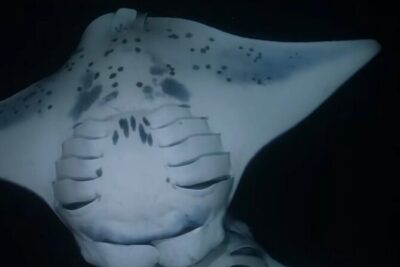
KONA Manta Ray Night Snorkel – FREE re-ride if no Sightings
Read our review →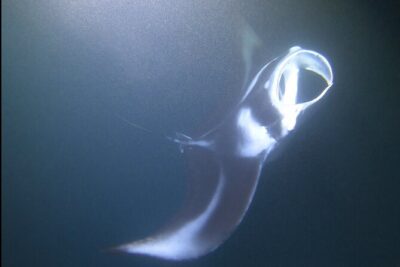

Big Island GOAT Experience: Mauna Kea Summit, Sunset & Stars
Read our review →Browse the lists this tour appears in