
Reviewed · CITY TOURS
Soul of New Orleans City Tour: Enslavement to Modern Day Culture
New Orleans history comes into sharper focus when you leave the French Quarter and follow the story through Treme, Congo Square, and the Lower Ninth Ward. This 2-hour-45-minute tour connects enslavement, jazz, school desegregation, Hurricane Katrina, public art, and modern community life in one moving introduction to the city.
I like the air-conditioned transportation, which saves you from piecing together unfamiliar neighborhoods, and I like the guides’ use of personal perspective, video footage, and local recommendations. Jay and Dennis are both named in the feedback, with Jay often praised for humor and storytelling, and Dennis for his careful, historical explanations. The main drawback is its brisk schedule: several listed stops are about five minutes, so you should expect an overview rather than long, independent visits.
In This Review
- Key points to know before booking
- A city story that begins outside the French Quarter
- Treme: music, memory, and Black New Orleans
- Congo Square and the survival of culture
- Studio Be: public art with something to say
- The Lower Ninth Ward and Hurricane Katrina
- Civil rights stories beyond the best-known names
- Local voices, videos, and the feel of the ride
- What $55 gets you
- Who should book this New Orleans tour
- Booking, timing, and cancellation details
- Should you book the Soul of New Orleans tour?
- FAQ
- How long is the Soul of New Orleans City Tour?
- How much does the tour cost?
- Where does the tour begin?
- Where does the tour end?
- What language is the tour offered in?
- Is transportation included?
- How large is the tour group?
- What is the cancellation policy?
Key points to know before booking
- Treme and Congo Square frame the story: You connect the birthplace of jazz with the African and Creole traditions that shaped New Orleans.
- The tour reaches beyond postcard New Orleans: Commentary and route highlights include the Lower Ninth Ward, levees, Hurricane Katrina, and communities still dealing with its effects.
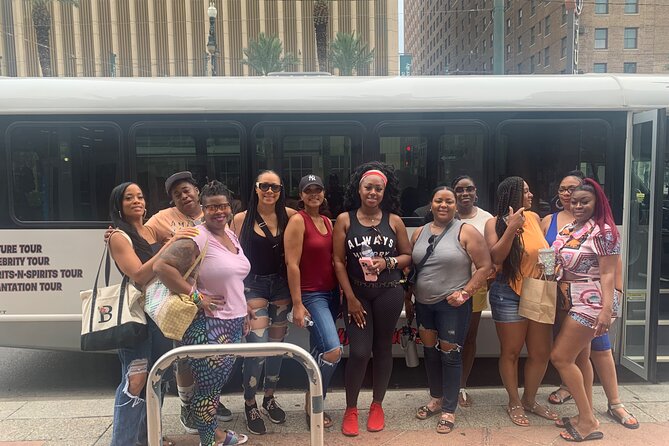
- Studio Be adds a strong visual stop: Murals give you a direct, present-day way to think about memory, race, struggle, and resilience.
- Jay and Dennis bring different strengths: Jay is praised for humor, videos, and a native perspective, while Dennis is valued for measured historical detail.
- A small vehicle keeps the group manageable: The maximum is 24 people, with transportation included and the tour returning to 414 Canal Street.
- The $55 price buys context, not just sightseeing: It is especially useful early in your stay, when you want a clearer map of the city and ideas for food, music, and later visits.
A city story that begins outside the French Quarter
New Orleans can be easy to read as a city of balconies, cocktails, brass bands, and old streets. Those things are real, but they are only one layer. This tour asks you to look at the people and places that made the city what it is, including the painful systems that shaped it and the communities that carried their culture forward.
The route links the era of enslavement to modern New Orleans culture. You hear about African traditions, Creole identity, jazz, civil rights, school integration, Hurricane Katrina, and public art. That range is the tour’s central strength. Instead of treating each subject as a separate chapter, the guide shows how music, memory, neighborhood life, and resistance remain connected.
I would take this tour near the start of a New Orleans visit. It gives you a useful framework for later time in Treme, the Lower Ninth Ward, museums, music clubs, and restaurants. It also helps you understand why a seemingly ordinary street, building, mural, or open space can carry great weight.
The experience begins at Adventures in New Orleans, 414 Canal Street, and returns there at the end. You ride in air-conditioned transportation, an important comfort in a city where heat and humidity can make long outdoor sightseeing tiring. The vehicle also handles the practical work of moving between neighborhoods, so you do not have to navigate on your own.
More City Tours in New Orleans
- New Orleans City Sightseeing Hop-On Hop-Off Bus Tour
★ 4.5 · 4,943 reviews - New Orleans Sightseeing City Tour
★ 5.0 · 3,038 reviews - City Tour of New Orleans with Pickup
★ 4.5 · 2,407 reviews
Treme: music, memory, and Black New Orleans
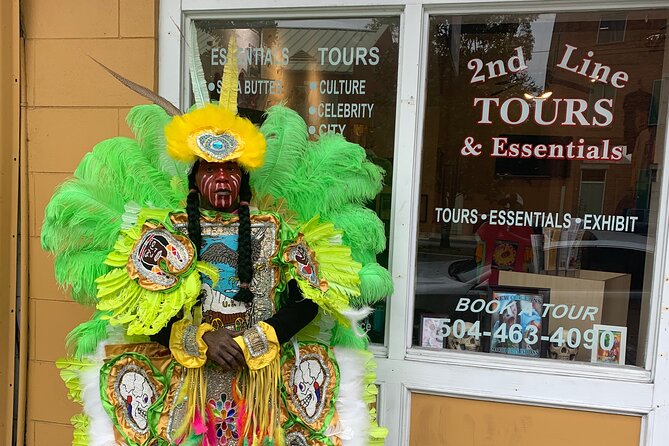
Treme is one of the tour’s most important stops. The area is presented as America’s oldest Black community, with a major role in the civil rights movement and the development of jazz. You pass music venues and hear about the musicians and traditions tied to the neighborhood.
The listed stop is short, about five minutes, so do not expect a long walk through Treme or a full music performance. Its value comes from the guide’s explanation and from seeing the setting while the story is fresh. If you already know a little about New Orleans music, this can help connect famous names and sounds to an actual place.
I especially like the way Treme works as an opening chapter. Jazz is often sold as a fun soundtrack for a night out, but here you consider the African rhythms, social gatherings, and Black community life that made the music possible. The point is not simply that jazz began in New Orleans. You begin to see why it could grow here.
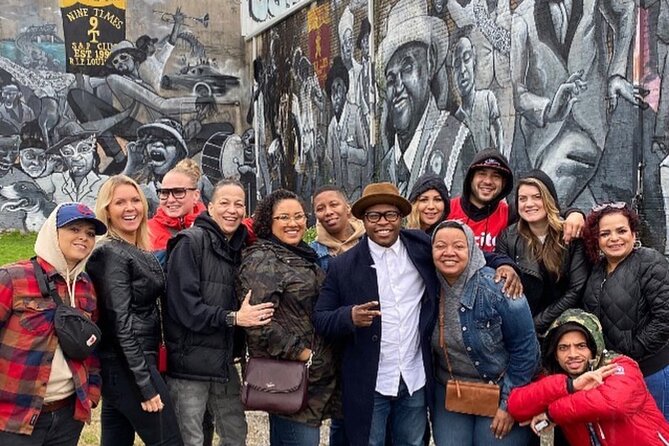
Jay is often praised for making this part lively without losing its purpose. Dennis is described as more reflective and detailed in his treatment of the African American journey in New Orleans. Your guide will shape the feel of the stop, but the subject matter gives either guide plenty to work with.
Congo Square and the survival of culture
Congo Square adds an essential link between enslavement and modern New Orleans. The guide explains how African rhythms and Creole traditions met here, and how enslaved people gathered to share music, dance, and culture.
This is a place where a short stop can carry a great deal of meaning. You may not spend long exploring the grounds, but the explanation changes how you think about public space in the city. Under a system designed to control people and strip away identity, music, dance, language, and community still found room to survive.
The stop also helps explain why New Orleans culture cannot be reduced to one European influence or one version of Creole life. The story is made from several strands, with African practices at its core. That context makes later discussions of jazz, food, festivals, and neighborhood traditions easier to understand.
You should listen closely here. The tour moves quickly, and the historical points may come in a compact burst. If you prefer to read plaques at your own pace or spend half an hour photographing a site, this format may feel too brief. If you want a clear explanation from a local guide, the short visit is efficient.
Studio Be: public art with something to say
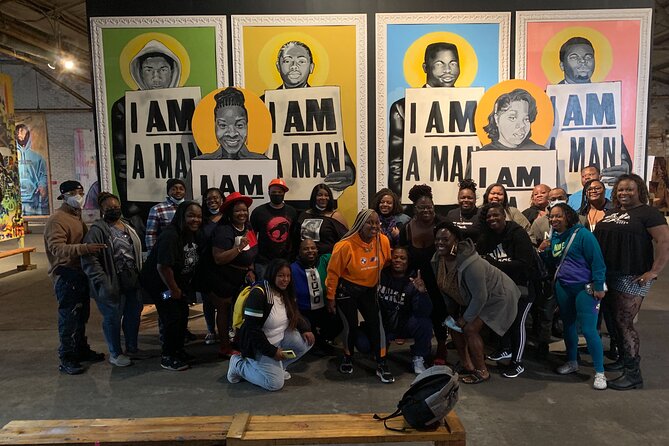
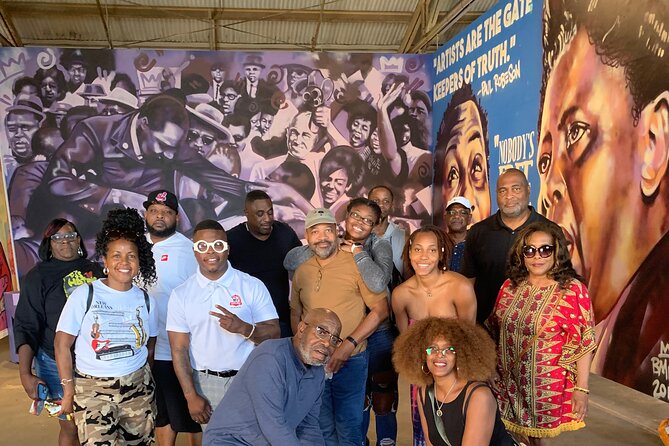
Studio Be provides the tour’s strongest visual moment. You have an opportunity to see large New Orleans murals, and the art becomes a way to consider the city’s past and present without relying only on dates and names.
The stop matters because public art can make difficult subjects immediate. A mural is not a textbook page. It can place human faces, grief, anger, pride, and hope in front of you at once. The feedback gives special attention to Studio Be, and I can see why. It breaks up the vehicle commentary and gives you something bold and memorable to look at.
The visit is listed at about five minutes, so expectations matter. You may see selected work rather than spend a long time studying every piece. Still, even a short look can stay with you, especially after hearing about enslavement, segregation, and the challenges faced by poor communities.
Bring your attention rather than treating this as a quick photo stop. The art is part of the tour’s argument: New Orleans culture is not frozen in the past. People continue to use music, painting, storytelling, and neighborhood action to record what happened and express what comes next.
More New Orleans trips worth a second look
- New Orleans City Tour: French Quarter, Garden District & Cemetery
★ 4.5 · 2,209 reviews - New Orleans City and Cemetery 2-Hour Bus Tour
★ 4.5 · 1,967 reviews - New Orleans Small-Group City Tour by Van
★ 5.0 · 1,077 reviews - City Sightseeing New Orleans HOHO Bus Tour & Bookable Extras
★ 4.5 · 1,077 reviews
The Lower Ninth Ward and Hurricane Katrina
Although Treme, Congo Square, and Studio Be are the named stops, the tour also reaches subjects beyond those three places. The route and commentary include the Lower Ninth Ward, the levees, and Hurricane Katrina. This is one of the reasons the tour feels broader than a standard city highlights ride.
The Katrina portion is serious. You see or discuss areas where the flooding and levee failures caused lasting damage, and the guide puts the disaster into a local human context. The point is not simply to look at damaged neighborhoods. You consider why some communities suffered so heavily and why recovery has remained uneven.
This section may be emotional, so plan your mood accordingly. It is not a light sightseeing loop, and that is part of its value. The tour does not present New Orleans only as a place of celebration. It gives space to loss, survival, and the work of rebuilding.
Jay has used video footage to add background to what you are seeing from the vehicle. That can be useful because the present-day view alone may not show the scale of the disaster. Dennis is also praised for stopping to provide visual context and for explaining the Lower Ninth Ward in detail.
Civil rights stories beyond the best-known names
Another important thread is school desegregation. The tour has included discussion of the McDonogh Three and Leona Tate, one of the children who helped integrate New Orleans schools. You may also have the opportunity to meet people connected to the history being discussed, including Dr. Leona Tate, depending on the day and route.
This is a valuable correction to the way civil rights history is often presented. Many people know Ruby Bridges, but New Orleans school integration involved other children whose courage deserves attention. Hearing about the McDonogh Three gives you a fuller picture of what desegregation demanded from families and students.
Do not count on a personal meeting as a guaranteed feature, since the supplied details do not promise one for every departure. Still, the possibility adds a human dimension to the tour’s historical material. The experience is at its best when names become people rather than distant figures in a timeline.
The guide’s style matters here. Jay is praised for answering many questions and using humor where appropriate, while Dennis is valued for a calm, historian-like approach. Both approaches can work well, but you should be ready for frank discussion of racism, unequal treatment, and the continuing effects of past decisions.
Local voices, videos, and the feel of the ride
A major advantage of this tour is the guide commentary during the drive. You are not simply dropped at a site and left to interpret it alone. The guide leads the route, explains what you are seeing, and connects one neighborhood to the next.
Video footage has been used during the ride, giving the guide a way to show events or images that cannot be understood from the window today. This is particularly helpful for Hurricane Katrina and other moments when the current streets do not tell the whole story.
Jay is repeatedly praised for being funny, welcoming, and committed to his city. Dennis receives similar credit for clear explanations and attention to historical detail. The company does not promise a specific guide, so you should view these as two possible guide styles rather than a selection you can make at booking.
The group size is capped at 24. That is not a private tour, but it is small enough to be more personal than a large sightseeing coach. A smaller group also makes it easier to ask questions, though the experience will still depend on the pace of the route and the number of people on your departure.
What $55 gets you
At $55 per person, this is reasonably priced for a nearly three-hour experience that includes transportation and a guide. You are paying for interpretation and access to several parts of New Orleans that may be awkward to connect by public transit, not for entry to a long list of formal attractions.
The value is strongest if you want a broad introduction. In one outing, you cover Treme, Congo Square, public art, civil rights, enslavement, jazz, Katrina, and present-day community issues. A self-guided version would require more planning, separate transportation, and a fair amount of research.
The price is less compelling if you want long stops, extensive walking, or plenty of free time for shopping and meals. One suggestion from the feedback was to add 45 minutes to an hour for a market or restaurant stop, possibly at a higher fare. That idea makes sense, but the current tour is built as a focused history and culture route.
You may also get useful food and music suggestions from the guide. Treat those as local pointers for the rest of your visit, not as part of the paid itinerary. The tour ends back at Canal Street, so you can continue into the French Quarter afterward.
Who should book this New Orleans tour
I would recommend it to first-time visitors who want more than the usual French Quarter circuit. It is also a strong choice for solo visitors, families with older children, couples, and anyone who wants to understand the city before spending nights in its clubs and restaurants.
The tour has worked for mixed-age family groups, including a one-year-old and a 71-year-old, according to the supplied experience details. Most people can participate, and service animals are allowed. Still, the subject matter is serious, and younger children may not follow every historical point.
It suits you if you enjoy learning from a guide, asking questions, and seeing neighborhoods from an air-conditioned vehicle. It may not suit you if your priority is shopping, food tasting, architecture photography, or a relaxed ride with little commentary.
Wear comfortable clothing and bring water, even though much of the experience takes place in the vehicle. You will make brief stops, and good weather is required. The activity may be canceled if the minimum number of participants is not reached or if conditions are poor.
Booking, timing, and cancellation details
The tour is offered in English, uses a mobile ticket, and is often booked about 19 days ahead. That booking pattern suggests you should reserve early if your New Orleans dates are fixed, especially if you want a particular day.
You can cancel up to 24 hours before the start time for a full refund. Cancellations or changes made within 24 hours are not refunded or accepted. If weather or the minimum group requirement causes the company to cancel, you are offered another date or experience, or a full refund.
The tour begins and ends at Adventures in New Orleans, 414 Canal Street. It lasts about 2 hours and 45 minutes, although exact timing can vary with traffic and stops. Allow a little flexibility around the start and finish if you have dinner reservations or another timed activity.
Should you book the Soul of New Orleans tour?
Book it if you want the city’s music and celebrations placed beside its harder stories. The strongest parts are the guide-led connections between Treme, Congo Square, Studio Be, civil rights history, the Lower Ninth Ward, and Katrina. Jay and Dennis each bring a clear sense of purpose, with Jay leaning toward humor and multimedia storytelling and Dennis toward careful historical explanation.
Skip it if you want a slow, highly detailed visit at each site or a food-focused outing. Several stops are brief, and the tour’s main product is context. At $55, that is a fair exchange for nearly three hours of transportation, local perspective, and a better understanding of how New Orleans became New Orleans.
FAQ
How long is the Soul of New Orleans City Tour?
The tour lasts approximately 2 hours and 45 minutes.
How much does the tour cost?
The listed price is $55 per person.
Where does the tour begin?
It starts at Adventures in New Orleans, 414 Canal Street, New Orleans, Louisiana 70130.
Where does the tour end?
The activity ends back at the meeting point on Canal Street.
What language is the tour offered in?
The tour is offered in English.
Is transportation included?
Yes. Air-conditioned transportation is included, so you do not need to use public transportation between the neighborhoods.
How large is the tour group?
The maximum group size is 24 participants.
What is the cancellation policy?
You can cancel at least 24 hours before the start time for a full refund. Cancellations or changes made within 24 hours are not accepted and are not refunded. If poor weather or an insufficient number of participants causes cancellation, you will be offered another date or experience, or a full refund.
Recently reviewed around New Orleans
- New Orleans Yellow Fever Ghost Tour★ 5.0 · 1,298 reviews
- VIP Jazz Dinner Cruise with Private Tour and Open Bar Option★ 4.5 · 838 reviews
- Whitney Plantation Tour with Transportation from New Orleans★ 4.5 · 1,351 reviews
- New Orleans Private Carriage Tour of the French Quarter★ 5.0 · 537 reviews
- New Orleans French Quarter Photo Shoot★ 5.0 · 462 reviews
- New Orleans Delicious Donuts & Beignets: A Sweet Walking Tour★ 5.0 · 928 reviews
- The Escape Game at the French Quarter in New Orleans★ 5.0 · 364 reviews
- The Ghosts of New Orleans Tour★ 4.5 · 702 reviews
City Tours, compared.



New Orleans City Sightseeing Hop-On Hop-Off Bus Tour
Read our review →
Pearl Harbor, USS Arizona Memorial & Honolulu City Tour
Read our review →
Browse the lists this tour appears in