
Reviewed · CHARLESTON TOURS
Boone Hall Plantation Admission & Tour with Transportation from Charleston
The grand entrance is the star here: a long avenue of live oaks draped in Spanish moss leads you toward Boone Hall. The setting feels instantly familiar from films and photographs, but the visit is not just about pretty trees. You also confront the lives of enslaved people who worked here and learn about the Gullah people, descendants of enslaved Africans in the Lowcountry.
I like the live Gullah presentation, which gives the visit a human voice through stories, language, music, and cultural traditions. I also like the ease of the round-trip bus from downtown Charleston, especially if you do not have a car. The main caution is time: the property is large, there is plenty of walking, and a four-and-a-half-hour outing can feel rushed if you want to attend every presentation.
In This Review
- Key points to know before booking
- From Charleston to Boone Hall by air-conditioned bus
- The live oak entrance and the first impression
- The 30-minute house tour and an important historical detail
- The slave cabins and the harder part of the visit
- The Gullah presentation is the top priority
- Gardens, roses, and the self-guided portion
- What the tram tour actually does
- Is $82 a fair price?
- Timing, walking, and useful preparation
- Who should book this Boone Hall tour?
- Should you book it?
- FAQ
- Where does the Boone Hall tour depart?
- Is hotel pickup included?
- How long does the complete experience last?
- Is transportation included?
- Is the house at Boone Hall original to the 17th century?
- Can I cancel for a refund?
Key points to know before booking
- The live oak avenue is the visual highlight: The approach to Boone Hall is one of the most memorable parts of the outing.
- The house is not an original 17th-century building: Boone Hall dates to 1681, but the present house is less than 100 years old.
- The Gullah program deserves priority: It is seasonal, but when available it is often the most affecting part of the visit.
- The plantation portion lasts about three hours: Use the time carefully, since the grounds include several separate activities.
- The bus leaves from 375 Meeting Street: Hotel pickup is not included, and you return to the same Charleston meeting point.
- Expect heat and walking: Bring water, wear comfortable shoes, and take the moderate fitness warning seriously.
From Charleston to Boone Hall by air-conditioned bus
Your outing begins at the Charleston Visitor Center at 375 Meeting Street. This is a practical downtown meeting point with parking, restrooms, a gift shop, and access to public transportation. You arrange your own way there, since hotel pickup and drop-off are not included.
The drive takes about 30 to 45 minutes. Your professional driver may provide background on Charleston and point out places along the route. Drivers named Alan and Gary have received special praise for making the ride more useful and friendly, though your particular driver will vary.
The bus is air-conditioned, a real help in the warmer months. Once you arrive, you have roughly three hours at Boone Hall, followed by the return trip to Charleston. The complete experience lasts about four and a half hours.
The group is described as small, with a maximum of 25 people stated in the tour details. One section describes groups of 15, so the exact size can vary. Either way, this is more manageable than a large sightseeing coach, but it is not a private tour.
Other Charleston days travellers line up against this one:
- Charleston’s Old South Carriage Historic Horse & Carriage Tour
★ 5.0 · 10,023 reviews - Historic Charleston Guided Sightseeing Walking Tour
★ 5.0 · 6,216 reviews - Haunted Evening Horse and Carriage Tour of Charleston
★ 4.5 · 3,678 reviews
The live oak entrance and the first impression
Boone Hall’s approach is the part you will want to photograph first. The avenue of live oaks, many covered with Spanish moss, creates the grand Southern image people expect from a plantation visit. It has also appeared in films, including The Notebook.
The visual beauty needs a little context. A grand entrance can make plantation life look romantic if you stop at the scenery, so use it as an opening scene rather than the whole story. The value of Boone Hall is in moving beyond the trees to the buildings, presentations, and accounts of the people who lived and worked here.
Boone Hall is described as one of America’s oldest working, living plantations. It produces items such as strawberries, peaches, and pecans, and the property continues to function rather than existing only as a preserved museum. That working quality helps connect the place to agriculture, though some visitors wish there were more displays about brick making, indigo, and cotton production.
The 30-minute house tour and an important historical detail
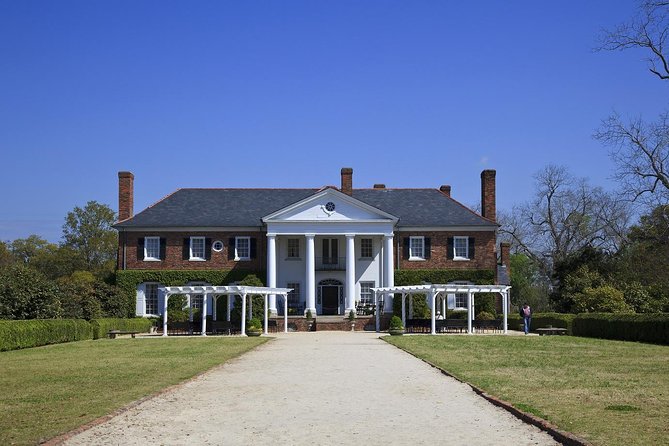
The house tour begins on the front porch. A guide in historical dress gives a presentation of about 30 minutes, covering Boone Hall’s ownership and development from 1681 through later periods.
The guide-led format gives you a clear introduction before you explore on your own. You are not left to guess what you are seeing, and the period clothing helps create a sense of place without turning the entire visit into a theatrical show.
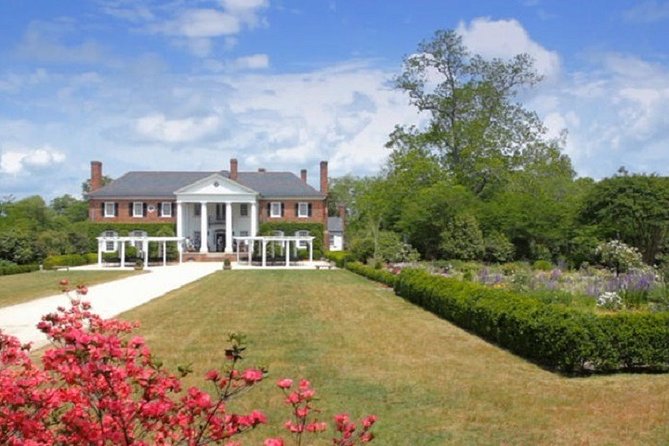
Here is the detail that can affect your expectations: the present mansion is less than a hundred years old. Boone Hall itself reaches back to the 17th century, but the house is not a Civil War-era building. If you are hoping to tour an original antebellum mansion, this may disappoint you.
I think it is better to treat the house as one chapter in Boone Hall’s long story, not as the entire physical record of the plantation. The grounds, cabins, gardens, and presentations carry much of the historical weight. The house is attractive and useful for understanding the property’s later owners, but it does not date back to 1681.
The slave cabins and the harder part of the visit
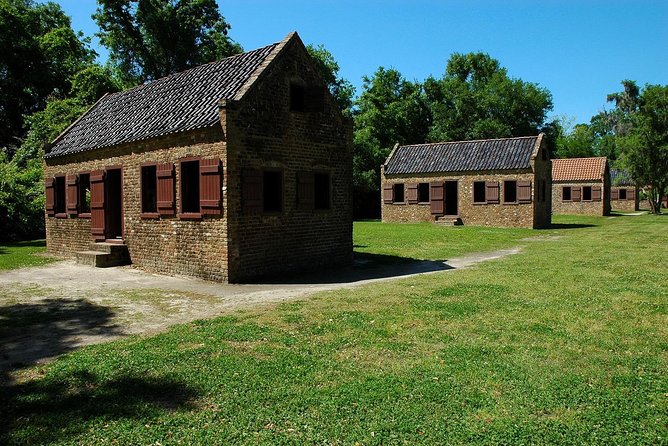
The historic slave cabins are among the most important stops. You see living quarters, relics, and material connected to the daily lives of enslaved people at Boone Hall. This is not a decorative side attraction. It is where the polished image of the avenue gives way to the cruelty and restriction that supported plantation life.
Expect this section to be sobering. The cabins make the subject physical and immediate in a way that a talk inside the mansion cannot. You can begin to understand the cramped conditions and limited choices faced by the people who lived there.
The plantation’s presentations also address emancipation and life afterward. That wider time span matters, since the story does not end with the Civil War. You get a more useful visit when you listen for the changes across the 1700s, emancipation, and the years that followed.
Some visitors have found this part emotional. That is not a reason to avoid it. It is a reason to allow yourself time and attention. Boone Hall works best when you approach it as a place of labor, exploitation, survival, and cultural endurance, not as a backdrop for a romantic Old South fantasy.
A completely different way to spend a day nearby:
- Charleston Horse-Drawn Carriage Tour: Explore Historic Charleston
★ 5.0 · 3,561 reviews - Fort Sumter Admission and Self-Guided Tour with Roundtrip Ferry
★ 4.5 · 3,343 reviews - Charleston: Fort Sumter Entry Ticket with Roundtrip Ferry
★ 4.7 · 2,879 reviews - Ghosts of Charleston Night-Time Walking Tour with Unitarian Church Graveyard
★ 4.5 · 2,835 reviews
The Gullah presentation is the top priority
Boone Hall offers a live seasonal program called Exploring the Gullah Culture. It focuses on the Gullah people, descendants of enslaved Africans who developed distinctive traditions in the coastal South. The presentation covers cultural history and may include language, music, storytelling, and customs such as sweetgrass basket making.
This is the portion I would put first on your schedule. The costumed performer brings a direct, personal quality to the visit, and the program can make the broader plantation story easier to understand. The Gullah tradition is not simply a footnote to plantation history. It reflects how African-descended communities preserved and adapted culture under terrible conditions.
Because the program is seasonal, confirm that it is running on your date. The tour includes it as a feature, but availability can depend on the season. If it is offered, do not skip it in favor of extra photographs or a slower walk through the gardens.
The sweetgrass basket tradition is another useful cultural detail. These baskets can take weeks or months to make and have practical as well as artistic uses. The subject helps you see the Lowcountry as a place with living traditions, not only historic buildings.
Gardens, roses, and the self-guided portion
The gardens and grounds are explored at your own pace. This gives you freedom after the scheduled presentations, but it also means you need to manage your time. You may find yourself choosing between lingering at the cabins, walking toward the gardens, finding food, and attending the Gullah program or tram ride.
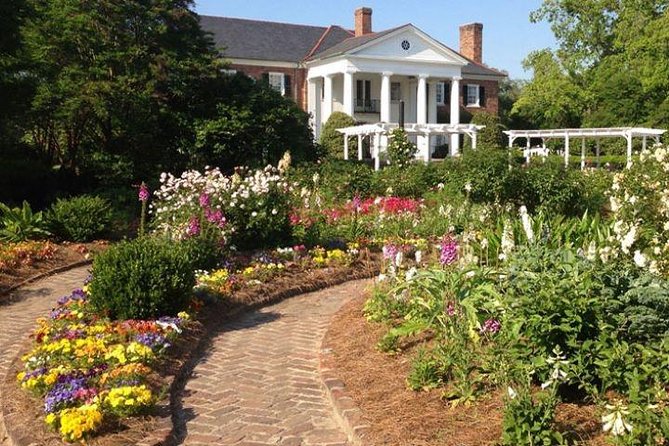
The rose garden is a pleasant final stop, with bushes more than a century old. It offers a quieter change of pace after the house and cabin presentations. The grounds also provide the best chance to enjoy Boone Hall’s plants, trees, and working-farm character without listening to a timed talk.
The setting is beautiful, but it can be hot and exposed. A visit in the early afternoon may feel demanding during warm weather. Water and snacks are available for purchase at the plantation, and there is a food stop near the horse stalls and butterfly building with sandwiches and snacks.
You can spend longer at the property if you arrive independently, but this package gives you a fixed visit of about three hours. That is enough for the main sights, though not always enough for a leisurely look at everything.
What the tram tour actually does
A seasonal plantation tram tour may be available. It is included when offered, but it is not guaranteed. The tram provides a narrated ride around the grounds and can save some walking in the heat.
Do not assume the tram works like a hop-on, hop-off shuttle. It may tour the grounds while the story is being told, but it does not necessarily stop at every attraction. If you have difficulty walking, this distinction is important. One person using a cane found the arrangement disappointing because the tram did not provide stops at each landmark.
The tour information calls for a moderate level of physical fitness. Take that seriously. There is a lot of walking, and the property is spread out. The tram can be fun and informative, but you should not book this outing expecting it to remove the need to walk.
Is $82 a fair price?
At $82 per person, this is not the cheapest way to see a plantation. You are paying for admission, round-trip transportation from central Charleston, an air-conditioned bus, a professional driver, the house tour, the cabins, the gardens, and the available presentations.
The value is strongest if you do not have a car. Reaching Boone Hall on your own would require arranging transportation, paying admission separately, and planning around the property’s schedule. This package removes that work and gives you a straightforward half-day trip from downtown.
The value is also good for a first visit to Charleston when your schedule is tight. You get a plantation visit without giving up a full day. The tradeoff is limited time on site. If you want to sit with every presentation, walk slowly through the grounds, eat lunch, and explore every building, the organized trip may feel short.
I would compare it with the cost of a private car or rideshare, not only with the price of a plantation admission ticket. For a solo visitor or couple without a vehicle, the transportation makes the price easier to justify. For a group already renting a car, an independent visit may offer more control over timing.
Timing, walking, and useful preparation
The meeting point is the Charleston Visitor Center, and the tour ends there. Arrive with enough time to locate the departure area, since missing the bus would create a serious problem. You receive confirmation when booking, and the local start time controls all cancellation deadlines.
Wear comfortable shoes. You will walk between the house, cabins, gardens, and other parts of the property. On a hot day, bring water even though drinks and snacks can be purchased on site.
The tour is offered in English. Service animals are allowed. It is near public transportation at the Charleston departure point, but hotel pickup is not provided.
If you want the best chance of enjoying everything, choose an earlier departure when possible. A later visit can be especially warm, and the fixed return time may force you to skip a presentation or move quickly through the grounds.
The experience depends on weather and on reaching a minimum number of participants. If poor weather cancels the outing, you are offered another date or a full refund. You can cancel for a full refund up to 24 hours before the start time, but changes or cancellations inside that window are not accepted.
Who should book this Boone Hall tour?
I would recommend it to you if you want a clear introduction to plantation history, prefer not to drive, and have about half a day in Charleston. It suits couples, families, solo visitors, and small groups who want transportation handled for them.
It is especially worthwhile if the Gullah program is running. That presentation adds cultural depth and gives the visit a stronger connection to the present day. The cabins are also essential for anyone who wants to understand the human cost behind the plantation’s beauty.
You may want another plan if you have limited mobility, dislike walking in heat, or expect an original 18th-century or Civil War-era mansion. The tram does not reliably solve the walking issue, and the current house is much newer than the plantation itself.
Should you book it?
Book this tour if you want the easiest practical route from Charleston to Boone Hall and care about more than the mansion. The live oak avenue, slave cabins, gardens, and Gullah presentation create a fuller visit than a house tour alone.
Before booking, check the season for the Gullah program and tram. Plan on walking, bring water, and understand that the house is a later building, not the original plantation house from Boone Hall’s earliest period.
For most first-time visitors without a car, I think the $82 fare is reasonable. The transportation and built-in structure save time and effort. Just keep your priorities clear: make the Gullah presentation and cabins your must-see stops, then enjoy the mansion, roses, and live oaks with the time left.
FAQ
Where does the Boone Hall tour depart?
The tour departs from the Charleston Visitor Center at 375 Meeting Street, Charleston, South Carolina 29403.
Is hotel pickup included?
No. You must make your own way to the Charleston Visitor Center. The tour includes pickup and drop-off only at the designated meeting point.
How long does the complete experience last?
The full outing takes about four hours and 30 minutes. The drive from Charleston to Boone Hall takes about 30 to 45 minutes each way, and you spend roughly three hours at the plantation.
Is transportation included?
Yes. Round-trip transportation is provided by air-conditioned bus from the Charleston Visitor Center. A professional driver operates the bus.
Is the house at Boone Hall original to the 17th century?
No. Boone Hall dates back to 1681, but the present plantation house is less than 100 years old. The house tour covers the property’s history and its changes under several owners.
Can I cancel for a refund?
Yes. You can cancel at least 24 hours before the experience begins for a full refund. Cancellations or changes made less than 24 hours before the start time are not accepted for a refund. If bad weather or an insufficient number of participants cancels the tour, you are offered another date or a full refund.
Recently reviewed around Charleston
- Kayak With Dolphins in Historic Shem Creek★ 5.0 · 407 reviews
- Charleston’s Best Highlights: History, Culture & Architecture★ 5.0 · 422 reviews
- 2-Hour Guided Kayak Eco Tour in Charleston★ 5.0 · 954 reviews
- Charleston Ghosts of Liberty Guided Walking Tour★ 4.5 · 473 reviews
- Undiscovered Charleston: Half Day Food, Wine & History Tour with Cooking Class★ 5.0 · 948 reviews
- Real Hauntings of Charleston! (Small Group Ghost Tour)★ 5.0 · 724 reviews
- Afternoon Schooner Sightseeing Dolphin Cruise on Charleston Harbor★ 4.5 · 620 reviews
- Private Luxury Yacht Charters, BYOB & Dolphins★ 5.0 · 395 reviews
Charleston Tours, compared.
Charleston’s Old South Carriage Historic Horse & Carriage Tour
Read our review →
Historic Charleston Guided Sightseeing Walking Tour
Read our review →
Haunted Evening Horse and Carriage Tour of Charleston
Read our review →
Charleston Horse-Drawn Carriage Tour: Explore Historic Charleston
Read our review →
Fort Sumter Admission and Self-Guided Tour with Roundtrip Ferry
Read our review →
Fort Sumter Entry Ticket with Roundtrip Ferry
Read our review →
Ghosts of Charleston Night-Time Walking Tour with Unitarian Church Graveyard
Read our review →
Charleston Harbor History Day-Time or Sunset Boat Cruise
Read our review →Browse the lists this tour appears in