
Reviewed · WINE TOURS
Undiscovered Charleston: Half Day Food, Wine & History Tour with Cooking Class
Charleston’s food tells a larger story than shrimp and grits. On this four-hour experience, certified chef-guide Forrest Parker connects the city’s waterfront, French Quarter, architecture, crops, and painful past before serving a three-course Lowcountry lunch. The unusual part is the order of ideas: you learn where the food came from before you sit down to eat it.
I like the small maximum of 11 people, which gives Parker room to answer questions and keep the walk personal. I also like that the meal is not just a tasting plate grabbed along the way. Parker demonstrates three recipes, explains his methods, and serves lunch with wine pairings from Bistro Au Vin. The main consideration is physical: you spend about 90 minutes on foot, outdoors, before lunch, and Charleston weather can be unkind.
In This Review
- Key points about this Charleston food tour
- Starting at the Pineapple Fountain at 9 a.m.
- Waterfront Park and Charleston’s public face
- Rainbow Row and the French Quarter
- Why the food history matters
- From city streets to a cooking demonstration
- The three-course Lowcountry lunch
- Food allergies and special diets
- Walking conditions, weather, and group size
- Value for a half-day in Charleston
- Who should book this experience
- Booking, cancellation, and practical timing
- Should you book the Undiscovered Charleston tour?
- FAQ
- Where does the tour start?
- What time does the experience begin?
- How long does the tour last?
- Where does the tour end?
- Is lunch included?
- Are wine pairings included?
- Can dietary restrictions be accommodated?
- What is the cancellation policy?
Key points about this Charleston food tour
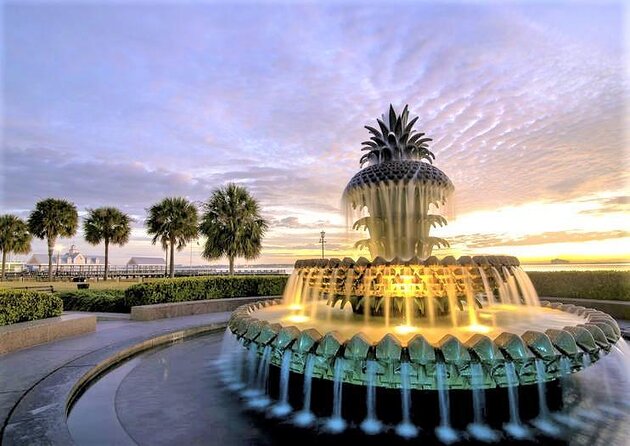
- Chef Forrest Parker leads the entire experience: You get one guide for the history walk, cooking lesson, and meal.
- The walk begins at the Pineapple Fountain: The route includes Waterfront Park, Rainbow Row, the French Quarter, and lesser-known sites.
- Food history is the organizing idea: Learn how crops, slavery, migration, and local traditions shaped Lowcountry cooking.
- The meal comes with instruction: Parker demonstrates three recipes before serving the courses.
- Wine pairings are included: You receive tasting pours with lunch, with coffee, tea, sweet tea, and water available instead.
- Recipes go home with you: Copies of Parker’s recipes let you try the dishes again in your own kitchen.
Starting at the Pineapple Fountain at 9 a.m.
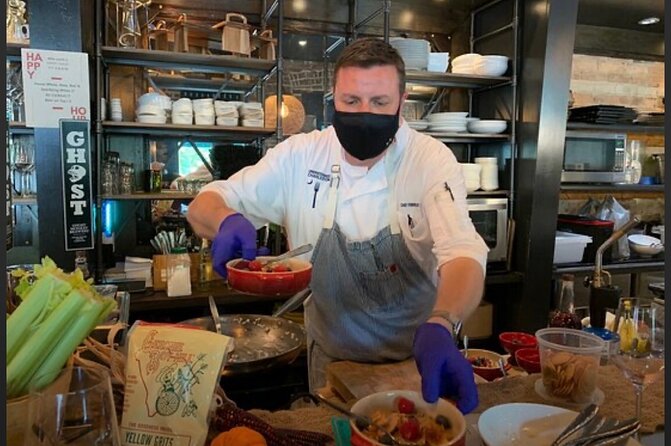
The tour starts at the Pineapple Fountain, at 1 Vendue Range in Charleston’s Waterfront Park, at 9 a.m. This is a sensible meeting point because it puts you right in the historic center and near the harbor. The activity ends back at the meeting point, so you do not need to arrange a separate ride from the restaurant or cooking venue.
Plan to arrive ready to walk. The tour is in English, uses a mobile ticket, and is capped at 11 participants. That small size matters here. Parker is not simply pointing at buildings while a large group trails behind. He is telling a food story, and the best parts depend on being able to hear the details and ask questions.
The morning start also shapes the meal. You walk first, then settle in for lunch, making this a useful first-day activity. I would book it early in your Charleston stay if you can. The walk gives you a framework for understanding later meals, markets, and menus around town.
More Historical Tours in Charleston
- Charleston’s Old South Carriage Historic Horse & Carriage Tour
★ 5.0 · 10,023 reviews - Historic Charleston Guided Sightseeing Walking Tour
★ 5.0 · 6,216 reviews - Charleston Horse-Drawn Carriage Tour: Explore Historic Charleston
★ 5.0 · 3,561 reviews
Waterfront Park and Charleston’s public face
Waterfront Park gives the tour an immediate sense of place. The Pineapple Fountain is one of Charleston’s familiar symbols, and the park opens the story toward the water, trade, travel, and the city’s relationship with the coast.
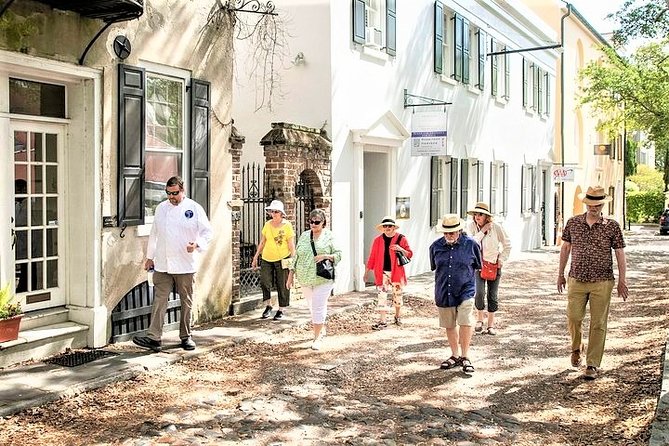
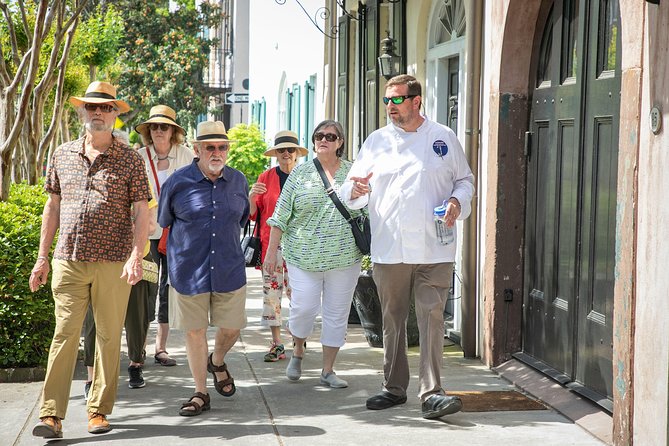
From there, Parker guides you through the historic district. His approach is not a standard architecture lecture. Buildings and streets become clues about who shaped Charleston and how food moved through the city. You might hear about crops, kitchens, labor, and the people whose cooking traditions became part of the Lowcountry table.
This food-first angle is the tour’s strongest idea. A familiar street becomes more interesting when you understand what was grown nearby, who prepared it, and how social power shaped access to ingredients and kitchens. It also gives the walking portion a clear purpose, rather than making it a list of unrelated facts.
You should still expect some standard Charleston sights along the route. The difference is the lens. Parker includes the places you would want to see, but he also points out locations and stories that are easier to miss when you explore on your own.
Rainbow Row and the French Quarter
Rainbow Row is one of Charleston’s most photographed stretches, with its line of pastel buildings near the waterfront. It is a quick reminder that the city’s appeal is not only culinary. Architecture, preservation, commerce, and tourism all sit alongside the food story.
Parker’s commentary also reaches beyond polished facades. The experience addresses Charleston’s complicated past, including slavery and the people whose work made the city’s households and dining culture possible. One especially important thread concerns an enslaved chef whose recipe still helps define local menus. That detail gives the food a human source and keeps the tour from treating Lowcountry cuisine as a pleasant collection of flavors detached from history.
I appreciate that the experience does not appear to smooth over difficult subjects. The tone is humorous and lively, but the content includes what one participant described as hard truths. That balance is important in Charleston, where beautiful streets and painful history occupy the same blocks.
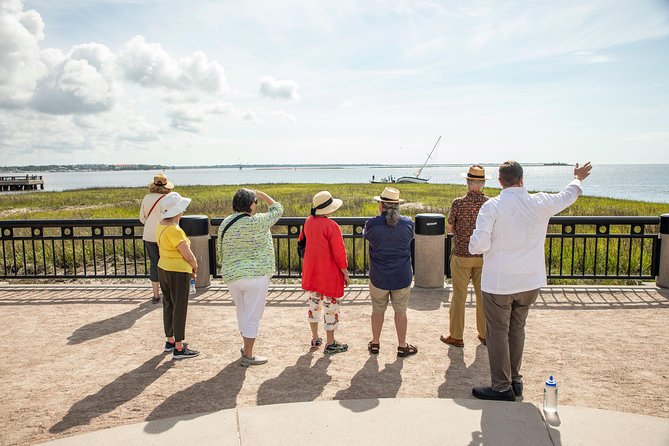
The 90-minute walk includes the French Quarter and lesser-known streets. You can expect a blend of architecture, local history, cultural context, and food lore. It is not designed as an exhaustive tour of every major landmark. Instead, it selects places that help explain how Charleston became a food city.
Why the food history matters
Lowcountry cooking is often reduced to a few famous dishes. This tour gives you a fuller picture by showing how food reflects geography, economics, cultural exchange, and forced labor.
Parker’s lessons connect heritage ingredients with the people and systems behind them. That makes the later meal easier to appreciate. Shrimp and grits, for example, are not just a bowl of seafood and porridge. They belong to a broader regional story involving coastal resources, corn, technique, and the cooks who kept those traditions alive.
The tour also recognizes that Charleston cuisine has changed over time. The menu interprets classic Lowcountry dishes using techniques Parker has developed over more than two decades. You are not only receiving old recipes unchanged. You are seeing how a chef works with tradition while making the food practical and appealing at a modern table.
This is a better fit for someone who likes context with a meal than for someone who wants to spend four hours simply eating. The food is the reward, but the walk explains why the food matters.
More Charleston trips worth a second look
- Napa and Sonoma Wine Country Full-Day Tour from San Francisco
★ 4.5 · 4,455 reviews - San Francisco Super Saver: Muir Woods & Wine Country w/ optional Gourmet Lunch
★ 4.5 · 3,352 reviews - 5-Hour Traverse City Wine Tour: 4 Wineries on Old Mission Peninsula
★ 5.0 · 2,369 reviews - Belle Meade Guided Mansion Tour with Complimentary Wine Tasting
★ 4.5 · 2,189 reviews
From city streets to a cooking demonstration
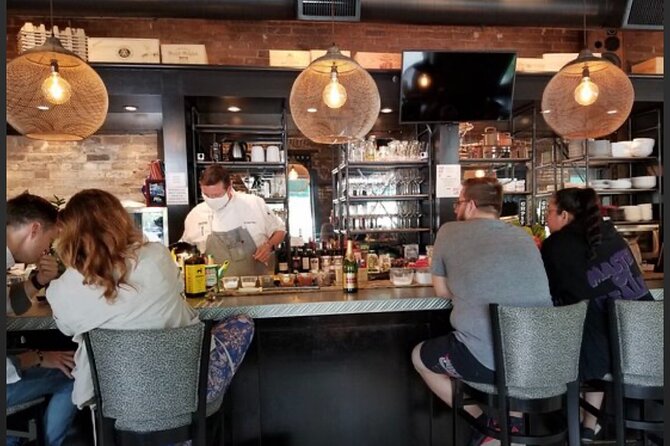
After the walk, the group heads to a cozy bistro associated with Bistro Au Vin. The setting shifts from public streets to a more relaxed meal environment, and Parker takes over the cooking demonstration.
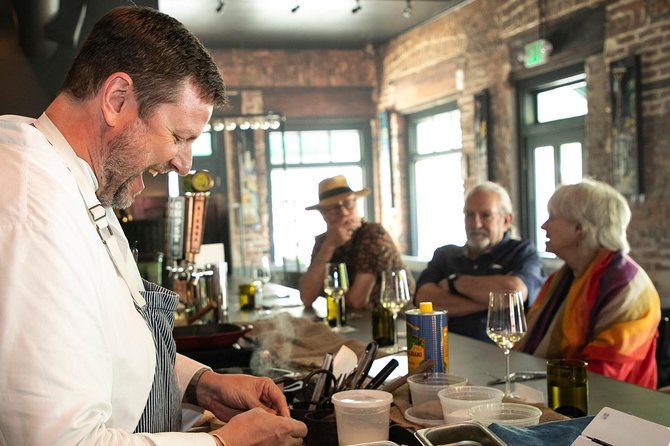
You watch him prepare three of his recipes, using heritage Lowcountry ingredients and techniques he has refined over many years. The demonstration is interactive in the useful sense: Parker explains how to prepare the dishes, shares practical tips, and provides the recipes afterward.
That take-home element improves the value. A food tour can be memorable for a morning and then disappear from your routine. Here, you leave with written recipes and a clearer idea of how the dishes were made. You may not reproduce every detail exactly, but you have a real starting point rather than only a photograph of lunch.
Parker’s personality is part of the lesson. His style is funny, warm, and conversational, with a knack for storytelling. If you prefer a quiet cooking class with little commentary, this may feel lively. If you enjoy a host who talks while he cooks, it should suit you well.
The three-course Lowcountry lunch
The meal is described as a three-course tasting built around iconic South Carolina flavors. Specific dishes can vary, but shrimp and grits has been a noted favorite, and the food is prepared fresh for the group rather than assembled as a generic buffet.
The structure works well. First, you learn the historical background. Then you see the technique. Finally, you eat the food while the flavors and stories are still fresh. That progression gives the lunch more weight than a normal restaurant meal.
Wine tasting pours are paired with Parker’s recipes. Bistro Au Vin provides the pairings, and additional wine is available for purchase. If you do not want alcohol, you can choose Charleston sweet tea, filtered water, coffee, or tea.
The wine is an important part of the value, but it also means this is not only a cooking class. It is a guided meal with alcohol included. Guests must generally be 21 or older, although older teenagers may attend with parents. Keep that age rule in mind when planning a family itinerary.
The meal has also been used for birthdays, girls’ weekends, family outings, and small celebrations. That makes sense. The format encourages conversation, and the combination of walking, storytelling, food, and wine fills a half-day without requiring you to plan several separate activities.
Food allergies and special diets
Parker specifically asks participants to provide advance notice about dietary needs. Vegetarians, vegans, pescatarians, people avoiding dairy or nuts, and those with celiac disease can be accommodated when the request is made ahead of time.
This is not a restaurant kitchen operating from a large menu. Parker handles meat, shellfish, eggs, dairy, nuts, and gluten, so cross-contact and preparation details matter. If you need an adjustment, message the operator directly before the tour and explain the issue clearly.
That advance notice is more than a courtesy. Without it, the chef may not have the ingredients or preparation plan needed for a safe alternative. You should also remember that reasonable accommodation is not the same as a guarantee for every medical condition, so ask specific questions before booking if your allergy is severe.
Walking conditions, weather, and group size
The walking portion lasts about 90 minutes and requires a moderate level of physical fitness. Charleston’s historic center is walkable, but the tour is outdoors and weather can affect comfort. Wear shoes you can use on city streets, bring water, and check the forecast before leaving.
Rain does not always end the day. Parker has provided umbrellas and adjusted the order of activities when storms made walking unpleasant. On one particularly wet occasion, the meal came first and the walk followed when conditions improved. That kind of flexibility can save the experience, but you should not assume every weather problem can be solved.
The activity requires good weather and may be canceled if conditions are poor. In that case, you can receive a different date or a full refund. The same applies if the minimum number of participants is not reached.
The maximum group size of 11 is a real advantage. It is large enough to create a social table but small enough for Parker to speak with people directly. The exact group size may vary, so you could find yourself with a handful of participants or a fuller group.
Value for a half-day in Charleston
No tour price is provided here, so I cannot judge the exact cost against competing experiences. I can assess what is included. You receive a 90-minute historic walk, a chef-led cooking demonstration, a three-course lunch, wine pairings, nonalcoholic options, and recipes to take home.
That is a substantial package. If you booked a history walk, cooking class, and chef-prepared lunch separately, you would spend more time arranging the pieces and likely lose the connection between them. Here, the food and history are designed as one lesson.
The value is strongest for people who care about both content and hospitality. You are paying for Parker’s time, storytelling, cooking, and personal attention, not simply for a plate of food. If you only want the least expensive way to sample shrimp and grits, a regular restaurant will be cheaper. If you want to understand the dish and watch it being made, this experience makes a stronger case.
The included recipes add practical value, especially if you cook at home. So does the small-group format. I would compare the total price with other chef-led food tours in Charleston, but I would not compare it only with a standard walking tour or lunch reservation. Those are different products.
Who should book this experience
I would recommend this tour to first-time Charleston visitors who want an anchor for the historic district and food scene. It is also a good choice for repeat visitors who have seen the main streets and want a more focused story about local cooking.
Food lovers will get the most from it, but you do not need to be an expert cook. Parker explains the dishes in a way that connects technique to place, so a curious eater can follow along.
It suits couples, friends, small family groups, and special occasions. The humor and relaxed meal make it social rather than formal. Older teenagers may attend with parents, but younger children are not covered by the stated age policy.
I would think twice if you dislike walking, cannot comfortably spend time outdoors, or want a fully hands-on class where you prepare every course yourself. This is primarily a chef demonstration followed by lunch, not a cook-your-own workshop.
Booking, cancellation, and practical timing
Confirmation is provided at booking, and the mobile ticket is convenient for a 9 a.m. start. The meeting point is near public transportation, but the information supplied does not specify a dedicated pickup service, so plan to reach the Pineapple Fountain on your own.
Free cancellation is available up to 24 hours before the local start time for a full refund. Cancellations or changes made within 24 hours are not refunded or accepted. Weather and minimum-participant cancellations are handled with a new date, another experience, or a full refund.
Tell the operator about food allergies, aversions, or special diets as early as possible. That is the single most useful preparation step beyond wearing comfortable walking shoes.
Should you book the Undiscovered Charleston tour?
Book it if you want Charleston explained through its food, not just photographed between meals. Chef Forrest Parker gives you a clear sequence: historic streets, difficult stories, cooking technique, a three-course lunch, wine, and recipes for home.
I especially like the way the experience treats Lowcountry cuisine as part of Charleston’s social history. The meal is highly praised, but the greater strength is the connection between what you see on the walk and what arrives at the table.
Skip it if you want a short tasting crawl, a purely architectural tour, or a fully hands-on cooking class. For everyone else, this is a well-shaped half-day that offers both a sense of place and a satisfying lunch.
FAQ
Where does the tour start?
It starts at the Pineapple Fountain, 1 Vendue Range, Charleston, South Carolina 29401.
What time does the experience begin?
The tour starts at 9 a.m.
How long does the tour last?
The experience lasts approximately four hours, including the 90-minute walking tour, cooking demonstration, and lunch.
Where does the tour end?
The activity ends back at the meeting point.
Is lunch included?
Yes. Chef Forrest Parker demonstrates three recipes and serves a three-course lunch prepared with heritage Lowcountry ingredients.
Are wine pairings included?
Yes. Bistro Au Vin provides wine tasting pours paired with the recipes. Additional wine is available for purchase. Coffee, tea, Charleston sweet tea, and filtered water are also available.
Can dietary restrictions be accommodated?
Common special diets can be accommodated with advance notice. Vegetarian, vegan, pescatarian, dairy-free, nut-free, and celiac-friendly requests are listed as possible options. Contact the operator directly before the tour.
What is the cancellation policy?
You can cancel at least 24 hours before the local start time for a full refund. Cancellations and changes within 24 hours are not refunded or accepted. Weather or minimum-participant cancellations may result in a different date, another experience, or a full refund.
More Food Tours in Charleston
- Charleston French Quarter or Brunch Food Tour with 7+ Tastings
★ 5.0 · 1,853 reviews - Downtown Charleston Food Tour
★ 4.5 · 1,376 reviews - Savor the Flavors of Charleston Walking Food Tour
★ 4.5 · 881 reviews - Charleston’s Historic Downtown Food Tour
★ 4.5 · 349 reviews
More Cooking Classes in Charleston
- New Orleans Demonstration Cooking Class with Meal
★ 5.0 · 3,000 reviews - New Orleans Hands-On Cooking Class with Meal
★ 5.0 · 1,183 reviews - New Orleans: Cajun and Creole Cooking Class
★ 4.9 · 730 reviews - Hands-on Cajun Roux Cooking Class in New Orleans
★ 5.0 · 356 reviews
Recently reviewed around Charleston
- Kayak With Dolphins in Historic Shem Creek★ 5.0 · 407 reviews
- Charleston’s Best Highlights: History, Culture & Architecture★ 5.0 · 422 reviews
- 2-Hour Guided Kayak Eco Tour in Charleston★ 5.0 · 954 reviews
- Charleston Ghosts of Liberty Guided Walking Tour★ 4.5 · 473 reviews
- Real Hauntings of Charleston! (Small Group Ghost Tour)★ 5.0 · 724 reviews
- Afternoon Schooner Sightseeing Dolphin Cruise on Charleston Harbor★ 4.5 · 620 reviews
- Private Daytime Horse-Drawn Carriage Tour of Charleston★ 5.0 · 340 reviews
- Private Luxury Yacht Charters, BYOB & Dolphins★ 5.0 · 395 reviews
Wine Tours, compared.
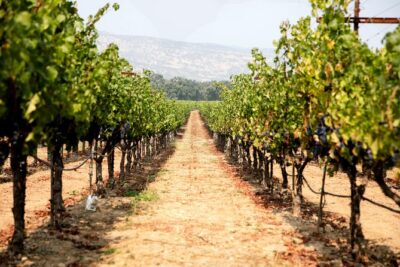
Napa and Sonoma Wine Country Full-Day Tour from San Francisco
Read our review →
San Francisco Super Saver: Muir Woods & Wine Country w/ optional Gourmet Lunch
Read our review →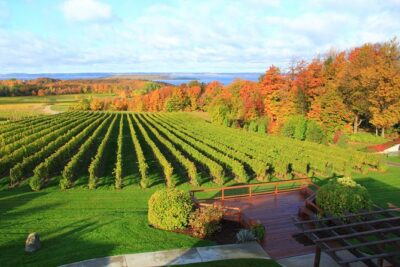
5-Hour Traverse City Wine Tour: 4 Wineries on Old Mission Peninsula
Read our review →
Belle Meade Guided Mansion Tour with Complimentary Wine Tasting
Read our review →
Small-Group Wine Country Tour from San Francisco with Tastings
Read our review →
Key West Small-Group Sunset Sail with Wine and Hors d’oeuvres
Read our review →

Private Boat Ride in Miami with Experienced Captain and Champagne
Read our review →Browse the lists this tour appears in