
Reviewed · COOKING CLASSES
New Orleans Demonstration Cooking Class with Meal
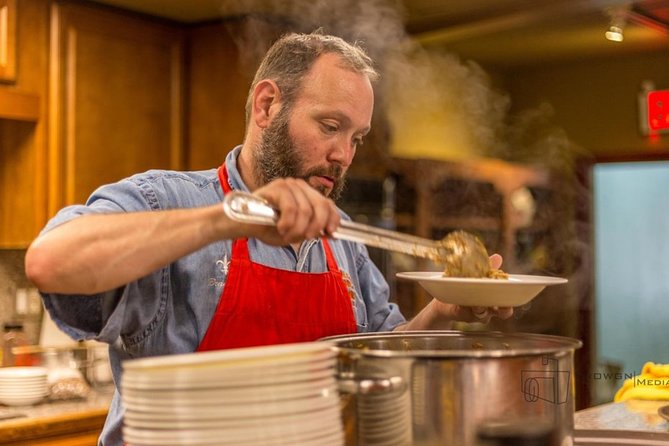
The best part of this New Orleans experience is that the meal arrives with a show. In a converted 19th-century molasses warehouse, a local chef prepares Louisiana classics in front of you, explaining the roux, seasoning, and cultural influences behind each dish before you eat generous samples of what was just made. I like the mix of cooking instruction and New Orleans storytelling, and I like that the $43 price includes food, a local beer, other drinks, and recipes to try at home.
The main thing to understand is the format. This is a demonstration class, not hands-on cooking, and the room can be large, with one recent class reaching 48 people and capacity listed at 68. The chef may be excellent, but side conversations can make hearing harder, so sit near the front if clear instruction matters to you.
In This Review
- Key points to know before booking
- A cooking class inside an old molasses warehouse
- What happens during the live demonstration
- The food: gumbo, jambalaya, and plenty more
- Why the storytelling matters
- What you take home besides a full stomach
- Is $43 a good value?
- Dietary restrictions and practical limits
- Who should book this experience?
- My verdict: book it for the lesson and the meal
- FAQ
- Where does the cooking class begin?
- Where does the experience end?
- How long does the class last?
- Is this a hands-on cooking class?
- What food might be served?
- Are drinks included?
- Do I receive the recipes?
- Can dietary restrictions be accommodated?
- Are dietary substitutions demonstrated?
- What is the cancellation policy?
Key points to know before booking
- A full Louisiana meal is included: Expect generous tastings of several prepared dishes, not just a small sample.
- The menu changes: Gumbo and jambalaya are common themes, but dishes may also include crawfish étouffée, shrimp Creole, pralines, bread pudding, or bananas Foster.
- The chef is the entertainment: Instructors such as Lynn, Eric, Vivian, Austin, Dianne, Terri, and Rene combine recipes with jokes, food lore, and Louisiana stories.
- You watch instead of cook: The class is ideal if you want to learn without handling ingredients or spending your vacation at a work station.
- The setting has character: The New Orleans School of Cooking occupies a converted 19th-century molasses warehouse on St. Louis Street, near the French Quarter.
- Special diets need planning: Vegan, gluten-free, and nut-free substitutions are available for a $5 fee, but they are not the dishes demonstrated.
A cooking class inside an old molasses warehouse
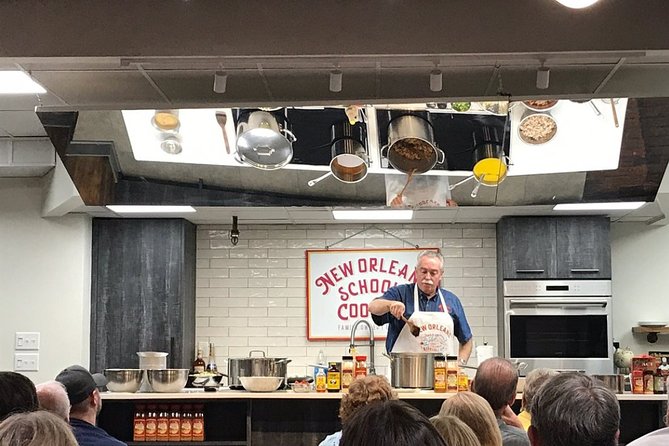
The New Orleans School of Cooking sits at 524 St. Louis Street, a convenient French Quarter location near public transportation. The activity begins and ends there, so you can easily fit it between sightseeing, shopping, or an evening meal.
The building itself helps set the mood. A converted 19th-century molasses warehouse is a fitting home for a class about food shaped by trade, migration, and local ingredients. You are not sitting in a generic conference room. You are in an old New Orleans setting tied to the city’s commercial past.
The class lasts about two hours. That is long enough for several recipes, stories, questions, and a substantial meal without taking an entire afternoon. I would avoid scheduling a fancy lunch immediately afterward. The portions are described as generous, and the menu can include four savory dishes plus several desserts.
The activity is offered in English. Confirmation arrives when you book, and the experience is available with a mobile ticket.
More New Orleans trips worth a second look
- New Orleans Hands-On Cooking Class with Meal
★ 5.0 · 1,183 reviews - New Orleans: Cajun and Creole Cooking Class
★ 4.9 · 730 reviews - Hands-on Cajun Roux Cooking Class in New Orleans
★ 5.0 · 356 reviews
What happens during the live demonstration
Your chef begins by placing Louisiana cooking in context. You hear about the cultural influences behind Cajun and Creole food, along with the small difference between the two styles. The lesson is not only about following a recipe. It explains why the food tastes the way it does and how local traditions developed.
The exact chef varies. Names connected with recent classes include Lynn, Chef Eric, Vivian, Chef Austin, Dianne, Terri, Rene, and Chef Faucheaux. Each brings a slightly different personality, but the shared format is lively and informal. Expect jokes, local anecdotes, questions from the room, and practical tips that a home cook can use.
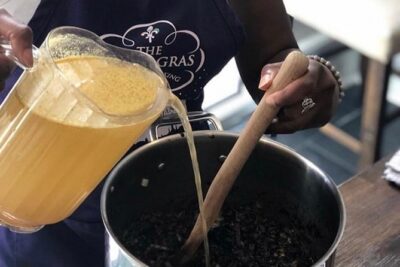
The central lesson is often the roux. This mixture of fat and flour forms the base of many Louisiana dishes, and its color and cooking time affect the final flavor. You also learn how spices are used and how a dish can be adjusted at the table. If you prefer more heat, seasoning is available so you can doctor your food to your taste.
The chef cooks in real time while explaining each step. That makes the class useful for beginners who want a clear introduction, but experienced cooks can pick up small technique notes as well. You might learn why a particular base matters, how dishes build flavor, or how to approach a recipe without treating it as a rigid set of instructions.
The room can be large. The listed maximum is 68 people, and one class had 48. That size helps keep the $43 price manageable, but it also means this is not a quiet private lesson. You may need to pay attention when the chef is speaking, especially if people nearby are chatting. A front-row seat should give you the best chance of seeing and hearing everything.
The food: gumbo, jambalaya, and plenty more
The sample menu gives you a good idea of the meal, but you should treat it as a rotating selection rather than a promise of every listed item. Possible dishes include corn and crab bisque, gumbo, jambalaya, shrimp or chicken Creole, crawfish étouffée, and shrimp and artichoke soup.
Gumbo is one of the most useful dishes to learn about because it shows how roux, stock, meat or seafood, and seasoning work together. Jambalaya gives you another view of Louisiana cooking, with rice carrying the flavors of the rest of the dish. Crawfish étouffée offers a seafood-focused example, while shrimp or chicken Creole adds another style of seasoned sauce.
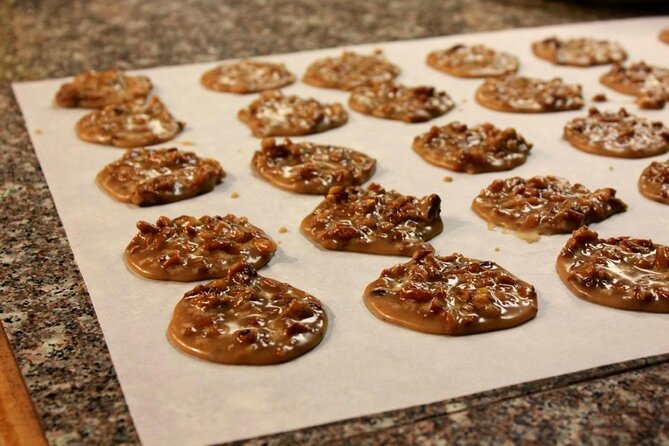
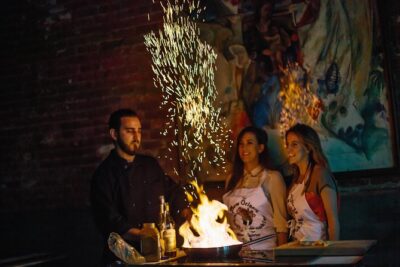
The menu may also include several desserts. Bread pudding, bananas Foster, pralines, and pecan pie are all listed possibilities. Bananas Foster is especially fun as a demonstration because the preparation can include a flaming finish. You get the visual pleasure of the technique, then a chance to taste the result.
The meal is served as the cooking progresses. Rather than watching for two hours and eating at the end, you sample each dish after it is prepared. This keeps the class moving and lets you compare flavors while the instructions are fresh.
One useful detail: the food is not prepared at a high level of heat. Seasonings are placed on the table so you can add more spice yourself. That approach makes sense for a mixed group, though diners seeking strongly spiced food may find the initial seasoning mild.
Drinks are part of the experience. You receive coffee, iced tea, water, and one local beer. The beer is a welcome Louisiana touch, while iced tea and coffee give non-beer drinkers easy alternatives. Gratuity is not included, with 15 to 20 percent recommended.
Why the storytelling matters
New Orleans food can be reduced to a short list of famous dishes, but the class gives you a better way to understand them. The chef connects food to Louisiana culture and explains the Cajun and Creole traditions rather than treating gumbo or pralines as isolated recipes.
That added context is valuable if you are new to the region. You leave knowing not only what to order in a restaurant, but also what makes the cooking distinct. The lesson can help you notice the role of seasoning, rice, seafood, sauces, and the roux when you eat elsewhere in the city.
The strongest instructors turn the lesson into a performance. Chef Eric is praised for combining food instruction with New Orleans history and humor. Chef Austin is described as keeping the room entertained while answering questions. Lynn is noted for explaining both the cooking and the city’s food culture, while Vivian is praised for an engaging presentation.
The tone is casual rather than academic. That suits the subject. You can ask about the slight distinction between Cajun and Creole food, request clarification about a technique, or simply listen to the chef’s stories while you eat.
A completely different way to spend a day nearby:
- New Orleans Premier Ghost, Voodoo and Vampire Walking Tour
★ 4.5 · 12,856 reviews - New Orleans Steamboat Natchez Jazz Cruise with Dinner Option
★ 4.0 · 7,533 reviews - Adults-Only New Orleans Ghost, Crime, Voodoo, and Vampire Tour
★ 5.0 · 6,545 reviews - New Orleans Food Walking Tour of the French Quarter with Small-Group Option
★ 5.0 · 6,118 reviews
What you take home besides a full stomach
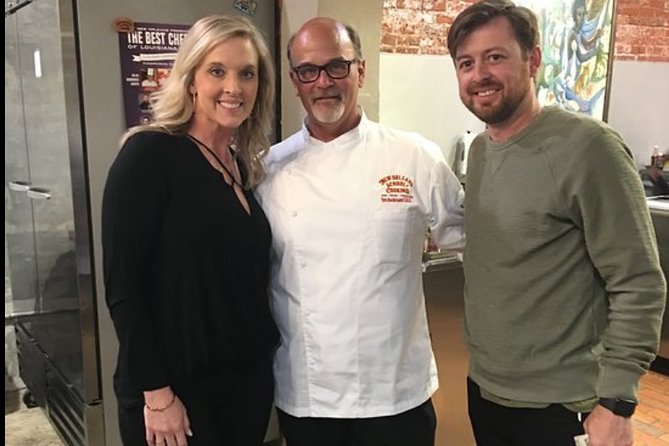
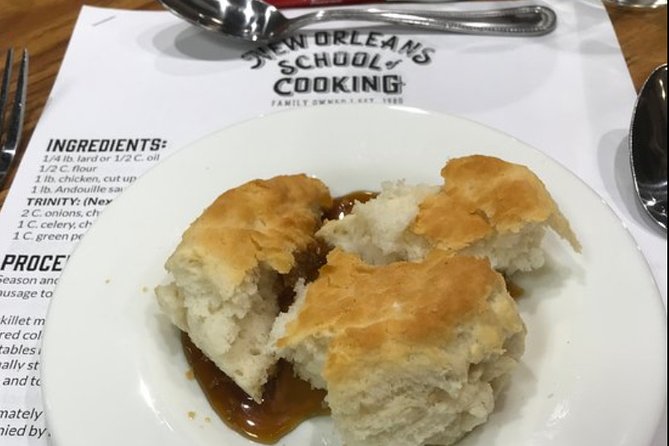
Each class includes copies of the recipes demonstrated. This is a major part of the value. You are not limited to a pleasant memory and a restaurant recommendation. You can try the gumbo, jambalaya, or dessert at home.
The recipes are intended for practical use, and the class gives you enough background to understand the key steps. The chef’s explanation of roux and seasoning can make the printed recipe easier to follow later. If you submit photos of yourself cooking the recipes at home, you can receive a diploma.
That diploma detail is optional, but it adds a playful follow-up for people who enjoy cooking projects. The more important benefit is confidence. You see the process from start to finish, eat the results, and leave with instructions in hand.
The class also works well for people who are not cooks. You do not need to chop, stir, or manage a hot pan during the session. One of the unusual strengths of this format is that a reluctant cooking companion can enjoy the stories, food, and demonstrations without being asked to participate in a practical exercise.
Is $43 a good value?

At $43 per person, this is a strong food value for New Orleans. The price covers roughly two hours of instruction and entertainment, a full meal made up of generous samples, coffee, iced tea, water, one local beer, and recipe copies.
You should compare it with what you would spend on lunch or dinner alone. Several courses of Louisiana food, dessert, and a drink can quickly approach the cost of the class, before adding any instruction. Here, the meal is paired with a local culinary lesson and a chef-led performance.
The value is best if you are curious about food. If you only want to eat and do not care how the dishes are made, a restaurant may offer a more relaxed setting. If you want a private lesson or hands-on practice, this is also the wrong format. But for a casual introduction to Louisiana cooking, the price is sensible.
The high rating, 4.9 out of 5 from about 3,000 ratings, and a 97 percent recommendation rate reflect strong overall satisfaction. I would still read those numbers alongside the group-size warning. The class can be entertaining and good value while feeling less personal than a small workshop.
Dietary restrictions and practical limits
Dietary restrictions can be accommodated, but you need to contact the reservation line after booking. For a $5 charge paid at check-in, you can receive gumbo z’herbes as a soup and Creole z’herbes as an entrée. These substitutions are vegan, gluten-free, and nut-free.
The substitute dishes are not demonstrated. The chef discusses them, and you receive copies of those recipes, but the live preparation focuses on the regular menu. The school cannot alter the recipes being prepared during the demonstration, so your restrictions may mean you can eat some parts of the meal but not others.
Tell the stewards about your needs when you check in. Do not wait until the food is being served. This is especially important for serious allergies, since the standard dishes are not individually modified.
The class is near public transportation, and it returns to the meeting point. There is no separate French Quarter tour, but the location lets you continue exploring on foot once the class ends.
Who should book this experience?
I would recommend it to first-time New Orleans visitors who want a clear introduction to local food. It is also a good choice for couples, families, friends, and solo visitors who like a shared meal with a bit of performance.
It suits you if you want:
- An easy way to sample several Louisiana dishes in one sitting
- A basic lesson in gumbo, jambalaya, roux, and Creole flavors
- Stories about New Orleans food and culture
- Recipes you can use after the trip
- A cooking experience without hands-on work
- A reasonably priced meal near the French Quarter
I would hesitate if you want a small, quiet group or a private cooking lesson. A large room can bring background noise, and the chef cannot give every person individual attention. It is also not the best choice for strict dietary needs unless you contact the school in advance and accept the separate $5 substitutions.
The class needs a minimum number of participants. If it is canceled for that reason, you can choose another date or experience or receive a full refund. Poor weather can also lead to a rescheduled date or full refund. Otherwise, cancel at least 24 hours before the start time for a full refund. Cancellations inside 24 hours are not refunded, and changes within that period are not accepted.
My verdict: book it for the lesson and the meal
I would book this class if I wanted one efficient, entertaining introduction to New Orleans cooking. The combination of a local chef, live preparation, cultural background, multiple savory dishes, desserts, drinks, and recipes gives you much more than a standard tasting.
Go in expecting a lively group demonstration, not a quiet chef’s table or hands-on workshop. Sit close to the front, arrive ready to listen, and tell the staff about dietary needs early. If that format suits you, $43 buys a filling meal and a useful piece of Louisiana food culture you can take home.
FAQ
Where does the cooking class begin?
It begins at the New Orleans School of Cooking, 524 St. Louis Street, New Orleans, Louisiana 70130.
Where does the experience end?
The class ends back at the New Orleans School of Cooking, the same place where it begins.
How long does the class last?
The cooking demonstration and meal take about two hours.
Is this a hands-on cooking class?
No. This is a demonstration class. You watch the chef prepare the dishes, ask questions, and eat the food that is made.
What food might be served?
Possible dishes include gumbo, jambalaya, corn and crab bisque, shrimp or chicken Creole, shrimp and artichoke soup, crawfish étouffée, bread pudding, bananas Foster, pralines, and pecan pie.
Are drinks included?
Yes. The price includes coffee, iced tea, water, and one local beer.
Do I receive the recipes?
Yes. You receive copies of the recipes used in the class. You may also receive a diploma by submitting photos of yourself preparing the recipes at home.
Can dietary restrictions be accommodated?
Yes, but you must call the reservations line after booking and tell the staff at check-in. For a $5 charge, vegan, gluten-free, and nut-free gumbo z’herbes and Creole z’herbes substitutions are available.
Are dietary substitutions demonstrated?
No. The substitute soup and entrée are discussed but are not prepared during the live demonstration. You receive copies of those recipes.
What is the cancellation policy?
You receive a full refund if you cancel at least 24 hours before the experience starts. Cancellations or changes made within 24 hours are not accepted and are not refunded.
Recently reviewed around New Orleans
- New Orleans Yellow Fever Ghost Tour★ 5.0 · 1,298 reviews
- VIP Jazz Dinner Cruise with Private Tour and Open Bar Option★ 4.5 · 838 reviews
- Whitney Plantation Tour with Transportation from New Orleans★ 4.5 · 1,351 reviews
- New Orleans Private Carriage Tour of the French Quarter★ 5.0 · 537 reviews
- New Orleans French Quarter Photo Shoot★ 5.0 · 462 reviews
- New Orleans Delicious Donuts & Beignets: A Sweet Walking Tour★ 5.0 · 928 reviews
- The Escape Game at the French Quarter in New Orleans★ 5.0 · 364 reviews
- The Ghosts of New Orleans Tour★ 4.5 · 702 reviews
Cooking Classes, compared.
New Orleans Hands-On Cooking Class with Meal
Read our review →
Undiscovered Charleston: Half Day Food, Wine & History Tour with Cooking Class
Read our review →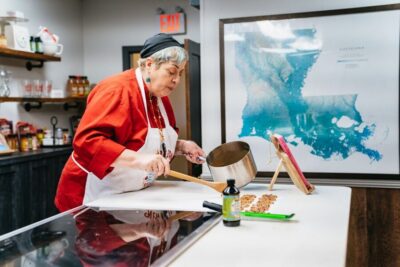
Hands-on Cajun Roux Cooking Class in New Orleans
Read our review →Browse the lists this tour appears in