
Reviewed · COOKING CLASSES
New Orleans: Cajun and Creole Cooking Class
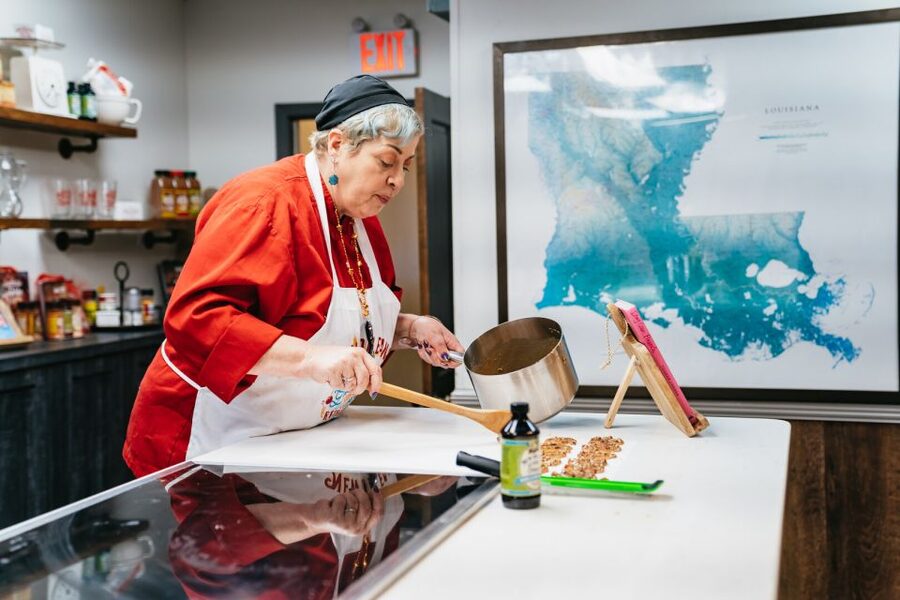
New Orleans cooking is best understood at the stove, where a pot of gumbo becomes a lesson in migration, family customs, and local folklore. This French Quarter cooking class is really a lively cooking demonstration: the chef does the work while you watch, ask questions, and eat the results.
I like the way the food and cultural stories stay connected, and I like the generous meal, which can replace lunch or leave you with no need for a big dinner. The main thing to know is simple: you do not cook hands-on. If you want to chop, stir, and make your own roux, choose a different class.
In This Review
- Key points to know before booking
- What the New Orleans School of Cooking actually offers
- Entering the old molasses warehouse
- How the class unfolds at 10:00 AM
- What you get at the 2:00 PM class
- Why the food lesson is worth your time
- The dishes you are most likely to remember
- A filling meal with local drinks
- Is $40 a good value?
- Timing, access, and practical details
- Who should book this experience
- Should you book the New Orleans cooking class?
- FAQ
- Is this a hands-on cooking class?
- How long does the experience last?
- Where do I check in?
- What food is included?
- What drinks are included?
- Do I receive the recipes?
- Is the activity wheelchair accessible?
- Can I cancel or pay later?
Key points to know before booking
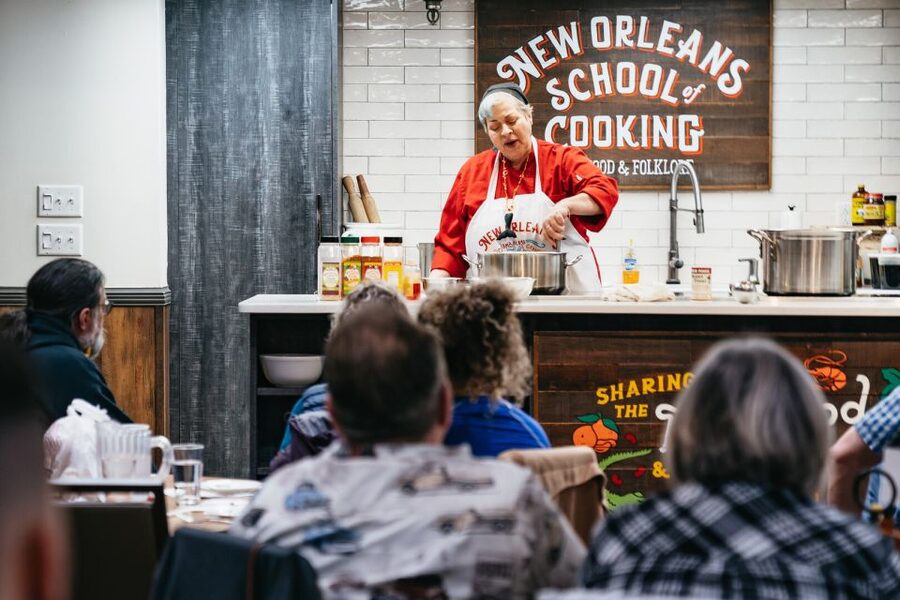
- Cooking demonstration, not hands-on: You watch the chef prepare the menu and can ask questions throughout.
- Historic French Quarter setting: The class takes place in a renovated molasses warehouse built in the early 1800s.
- Menus change by day: Gumbo, jambalaya, etouffee, red beans and rice, pralines, and other dishes appear on different morning and afternoon menus.
- A full meal is included: Expect three or four courses, plus Dixie beer, iced tea, and lemonade. Hot coffee is served at the 10:00 AM class.
- Strong food-and-culture lesson: Chefs including Lynn, Austin, Eric, Harriet, and Dianne have been praised for humor, storytelling, and clear explanations.
- Useful take-home extras: You receive recipe copies and a coupon for the New Orleans School of Cooking general store.
What the New Orleans School of Cooking actually offers
The name cooking class can set the wrong expectation. Here, the format is a seated demonstration. You watch a chef prepare several Louisiana dishes, hear why the recipes matter, and eat the completed food as the class progresses.
That format has real advantages. You can concentrate on the chef’s explanations instead of worrying about timing three burners at once. It also makes the experience easy for families, mixed-age groups, and anyone who would rather listen, taste, and ask questions than spend a vacation afternoon washing dishes.
Still, this is not the place to practice knife skills or make your own jambalaya. A few people book expecting active participation and feel disappointed by that mismatch. I would treat it as a food lesson with lunch, not a traditional workshop.
Classes last about two to two and a half hours. You can choose a 10:00 AM or 2:00 PM start, depending on the day and available spaces. The morning session includes hot coffee, while both sessions include Dixie beer, iced tea, and lemonade.
More New Orleans trips worth a second look
- New Orleans Demonstration Cooking Class with Meal
★ 5.0 · 3,000 reviews - New Orleans Hands-On Cooking Class with Meal
★ 5.0 · 1,183 reviews - Hands-on Cajun Roux Cooking Class in New Orleans
★ 5.0 · 356 reviews
Entering the old molasses warehouse
You check in at the register inside the New Orleans School of Cooking General Store. The building itself adds atmosphere before the cooking begins. It is a renovated molasses warehouse dating from the early 1800s, located in the heart of the French Quarter.
That setting matters. You are not sitting in a generic hotel meeting room for a lesson about Louisiana food. The old building, the shop, and the surrounding French Quarter place the class inside the city’s food culture.
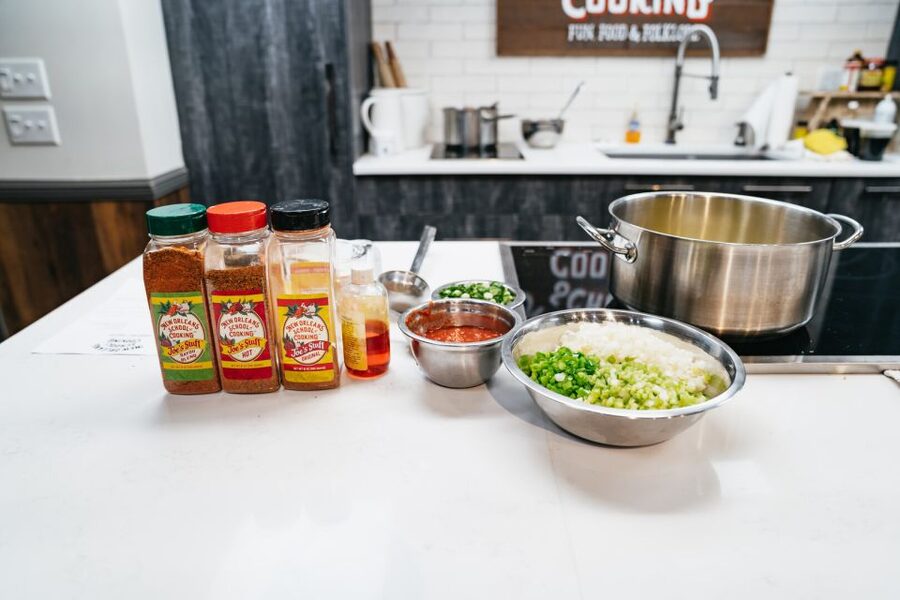
The general store is worth a look before or after the demonstration. It carries locally sourced products, including Joe’s Stuff Creole Seasoning, a house blend used by local cooks and sold as a practical souvenir. You receive a coupon for the store at the end, so save a few minutes to browse.
The coupon is not the main reason to book, but it can improve the value if you already want seasoning, recipe books, or Louisiana pantry items. It also gives you a way to continue the lesson at home instead of leaving with only a full stomach.
How the class unfolds at 10:00 AM
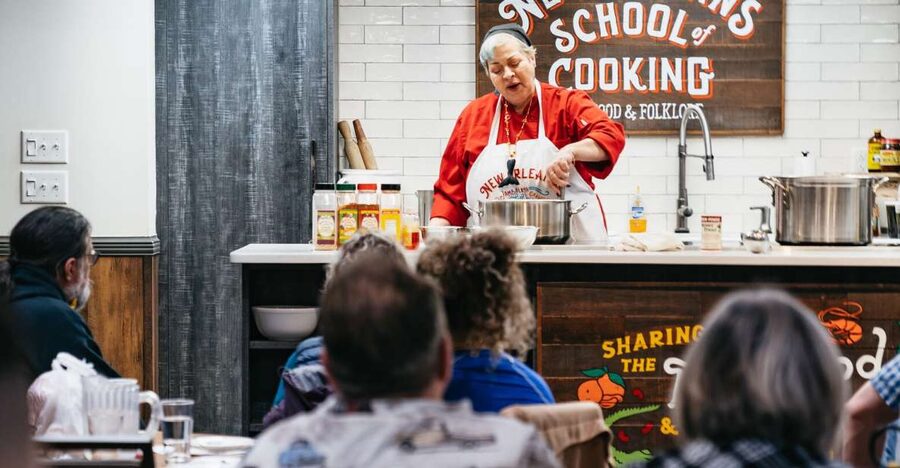
The morning class is the better choice if you want the cooking demonstration to serve as lunch. The chef introduces the dishes, explains the role of local ingredients and techniques, and prepares the menu in front of the class.
You then eat the finished courses while the chef continues with the next part of the meal. This keeps the two-hour-plus session moving. You are not waiting for one large plate to arrive at the very end.
The 10:00 AM menu changes by weekday:
- Saturday, Sunday, and Wednesday: Gumbo, jambalaya, bread pudding, and pralines
- Monday: Gumbo, red beans and rice, pecan pie, and pralines
- Tuesday: Gumbo, jambalaya, bananas Foster, and pralines
- Thursday: Corn and crab bisque, shrimp Creole, bananas Foster, and pralines
- Friday: Crawfish etouffee, shrimp and artichoke soup, bread pudding, and pralines
This schedule is important because the menu can shape your whole decision. If you are set on jambalaya, aim for Saturday, Sunday, Tuesday, or Wednesday morning. If crawfish etouffee is your priority, Friday morning is the obvious pick.
The morning lineup also shows the range of Louisiana cooking. Gumbo and jambalaya are not the only stars. Depending on the day, you may get seafood bisque, shrimp Creole, red beans and rice, pecan pie, or bananas Foster.
Hot coffee comes with this session, and the included drinks make it feel like a real meal rather than a small tasting. Portions can be substantial, so I would not eat a full breakfast beforehand. Plan your next meal with care.
What you get at the 2:00 PM class
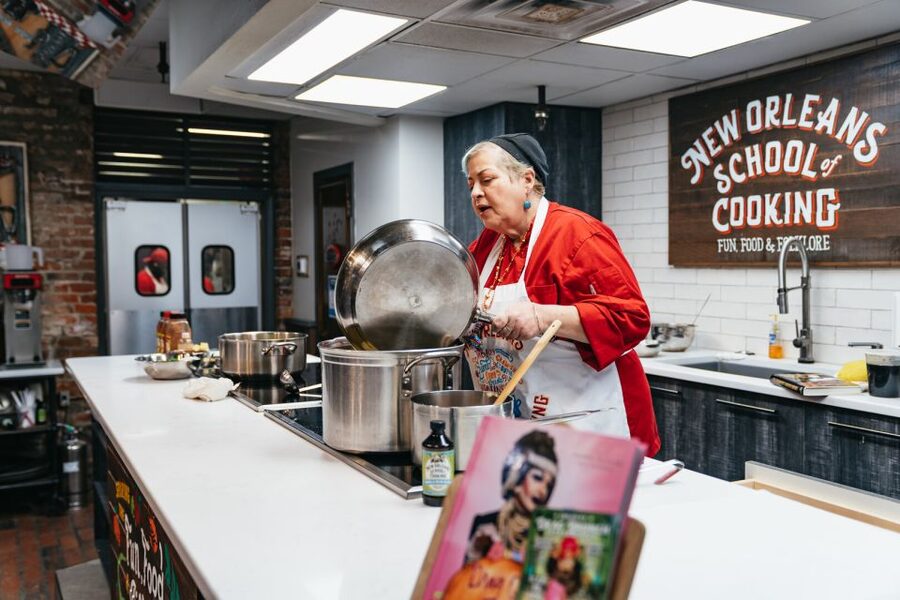
The afternoon session works well as an early dinner or a substantial late lunch. Its menus are shorter, but you still receive a proper meal and pralines.
The schedule is:
- Saturday: Crawfish etouffee, shrimp and artichoke soup, and pralines
- Sunday and Tuesday: Corn and crab bisque, chicken etouffee, and pralines
- Monday, Thursday, and Friday: Gumbo, jambalaya, and pralines
- Wednesday: Gumbo, chicken Creole, and pralines
The afternoon option is especially useful if you have spent the morning walking through the French Quarter or visiting other sights. You can come in at 2:00 PM, settle into the demonstration, and finish with enough food to keep dinner simple.
The tradeoff is that hot coffee is listed only for the morning class. The afternoon session still includes Dixie beer, iced tea, and lemonade, so you are not left without a drink.
Look carefully at the day’s menu before selecting a time. A Monday afternoon gives you the classic gumbo and jambalaya pairing. A Sunday afternoon focuses on corn and crab bisque with chicken etouffee. Those are very different food experiences.
A completely different way to spend a day nearby:
- New Orleans Premier Ghost, Voodoo and Vampire Walking Tour
★ 4.5 · 12,856 reviews - New Orleans Steamboat Natchez Jazz Cruise with Dinner Option
★ 4.0 · 7,533 reviews - Adults-Only New Orleans Ghost, Crime, Voodoo, and Vampire Tour
★ 5.0 · 6,545 reviews - New Orleans Food Walking Tour of the French Quarter with Small-Group Option
★ 5.0 · 6,118 reviews
Why the food lesson is worth your time
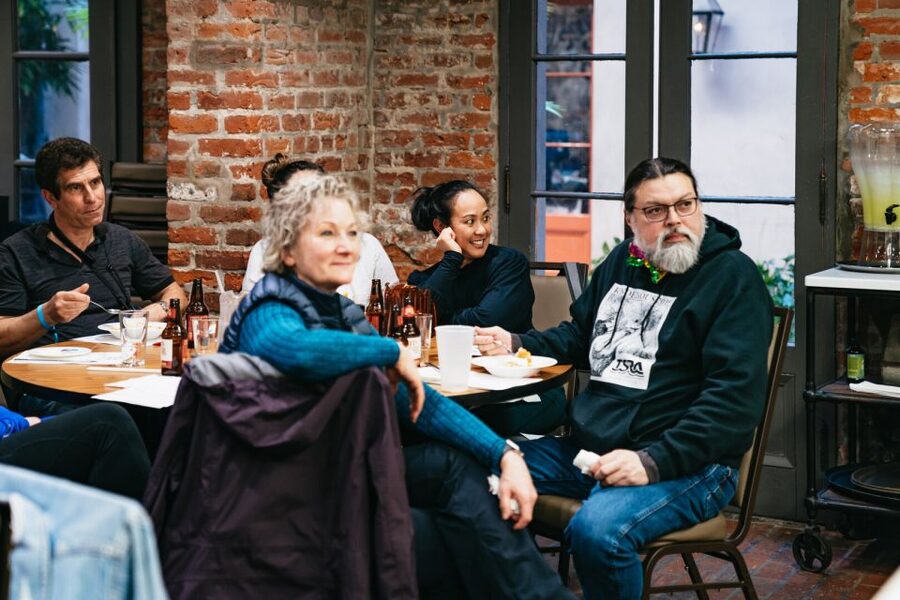
Louisiana food is not just a collection of famous dishes. The point of this class is to show how cooking connects with the people and traditions of New Orleans.
The chef explains Cajun and Creole culinary customs, along with the folklore tied to the region. That context helps you understand why a dish is made in a certain way instead of reducing the lesson to a list of ingredients.
The strongest part of the experience depends on the chef leading your session. Austin has been praised for high energy, humor, and passion. Lynn is known for an engaging style and clear food explanations. Eric has been singled out for combining good cooking with entertainment, while Dianne, also known as Gumbo Marie, has been praised for linking food, history, and fun.
Harriet has been described as lively and warm, and other chefs, including Michael and Rene, have made strong impressions through stories and jokes. The personalities differ, but the format stays the same: food preparation, explanation, questions, and eating.
That variety is part of the charm and also a small unknown. You cannot select the exact chef from the information provided. The class appears designed to be entertaining as well as instructional, but your experience will depend partly on the personality and speaking style of the chef that day.
The dishes you are most likely to remember
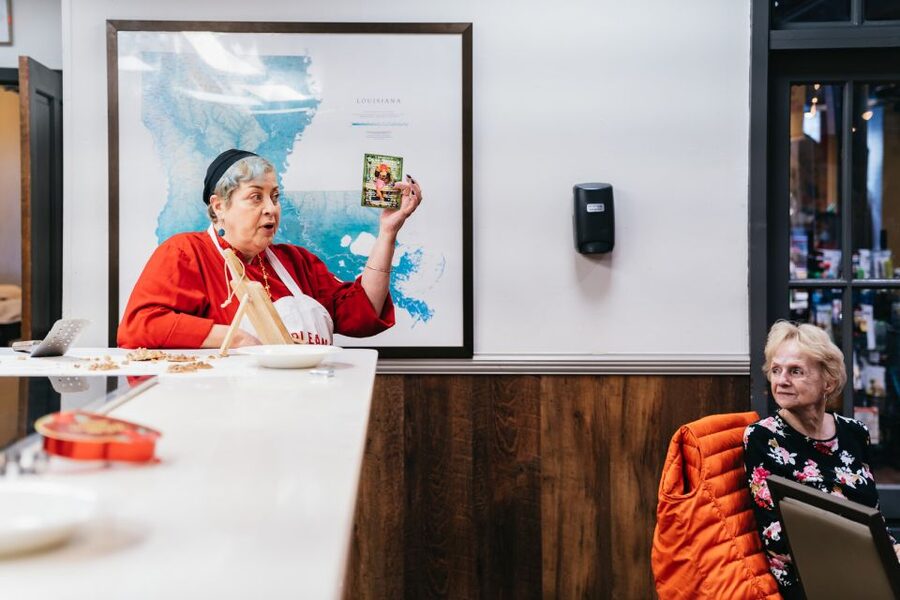
Gumbo is the common thread through many menus. It is served in the morning on most days and appears in several afternoon sessions. If gumbo is your main goal, you have plenty of chances to choose it.
Jambalaya appears often, too. It is paired with gumbo on several days, making those sessions appealing if you want two well-known New Orleans staples in one sitting.
Etouffee gives you a different lesson in Louisiana cooking. Crawfish etouffee appears on Friday morning and Saturday afternoon, while chicken etouffee is served Sunday and Tuesday afternoon. Seafood-focused menus include corn and crab bisque, shrimp Creole, and shrimp and artichoke soup.
Dessert is not an afterthought. Pralines appear on every listed menu. Depending on the day, you may also get bread pudding, pecan pie, or bananas Foster. The pralines are especially useful as a takeaway idea because the recipe copies let you try the dish at home.
Vegetarian needs may be accommodated in some cases, but the provided information does not promise a specific vegetarian menu. One class attendee received a very good vegetable alternative, and another received alternatives for a shellfish allergy. If you have an allergy or dietary restriction, contact the provider before booking rather than assuming a substitute will be available.
A filling meal with local drinks
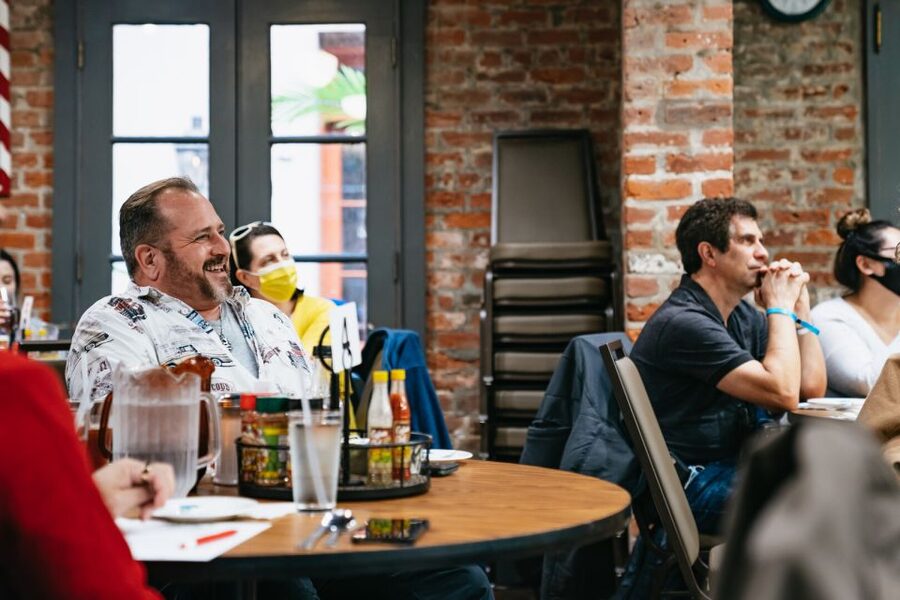
The included food is one of the strongest value points. You receive a three or four-course Cajun and Creole meal, not just a few bites from the demonstration.
Drinks include Dixie beer, iced tea, and lemonade. The morning class adds hot coffee. Those details may sound small, but they mean you are paying for an experience that covers both instruction and a meal.
The portions can be large. One useful planning tip is to avoid eating right before class. If you attend the morning session, think of it as lunch. If you attend at 2:00 PM, it may carry you through the evening.
The meal also gives you a chance to judge the finished dishes immediately after hearing how they were made. You can taste the gumbo, then ask about its seasoning. You can compare the texture of jambalaya with what you expected. That direct connection between explanation and plate makes the lesson more useful than simply buying a cookbook.
Is $40 a good value?
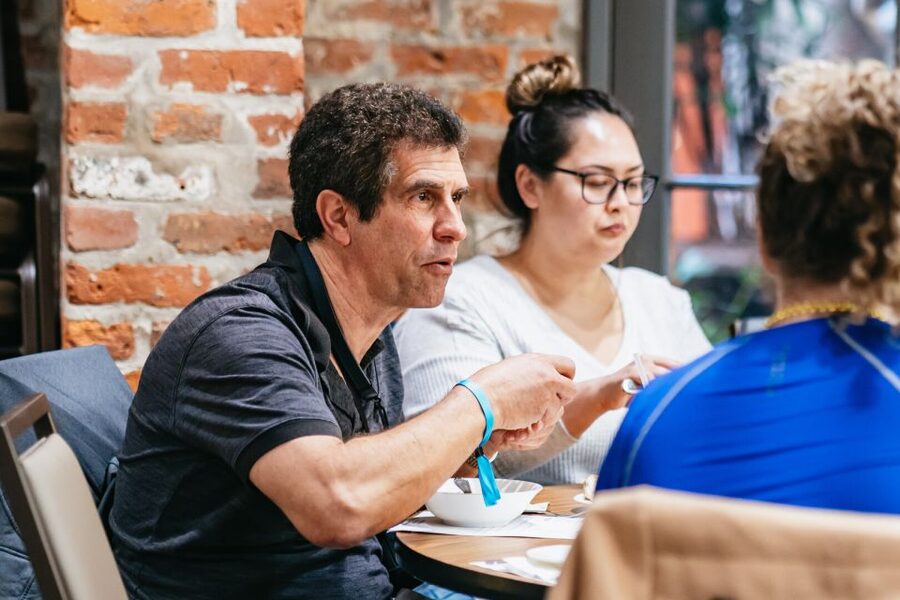
At $40 per person, the experience is priced sensibly for a French Quarter activity that lasts two to two and a half hours and includes a full meal, drinks, recipe copies, and a store coupon.
I would compare it less with a restaurant lunch and more with the cost of a meal plus a food tour or cultural talk. You receive all three elements in one sitting: a chef-led lesson, a substantial lunch or early dinner, and an introduction to local food traditions.
The value is strongest if you want to understand what you are eating in New Orleans. It is also a good pick for a first day, since the class gives you a quick introduction to the city’s food and culture before you explore more restaurants.
The value is weaker for someone seeking hands-on instruction. You are not paying for personal practice time, kitchen access, or the chance to prepare your own dishes. For that reason, I would not book it simply because the word class appears in the title.
The recipe copies help tip the balance. You can recreate the meal for family and friends, and the store coupon may reduce the cost of buying seasoning or other local products to use at home.
Timing, access, and practical details
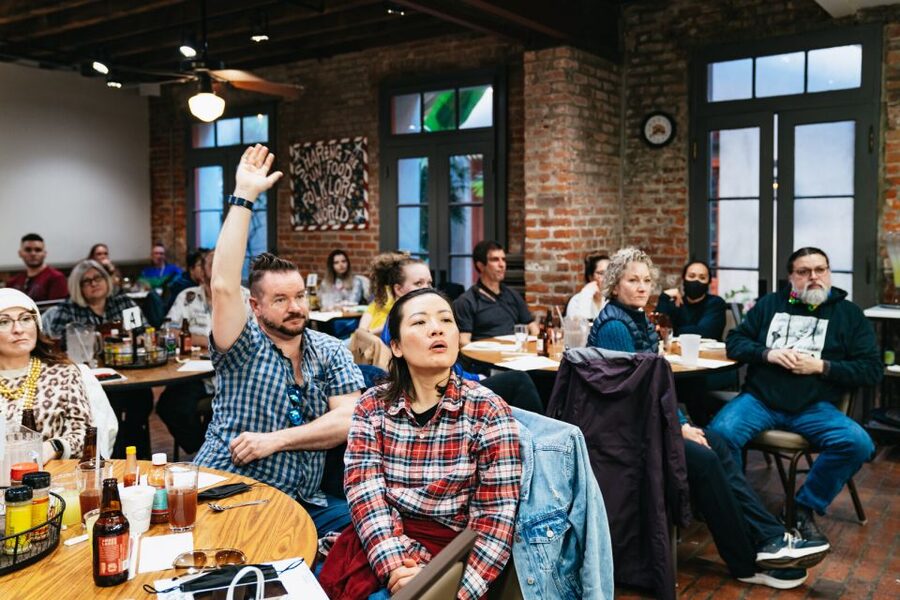
The meeting point is straightforward: enter the New Orleans School of Cooking General Store and check in at the register. Hotel pickup and drop-off are not included, so you need to make your own way to the French Quarter.
The activity is wheelchair accessible. Instruction is in English, and English is the listed language for the chef-led session.
For sound-sensitive visitors, seating may matter. One attendee found it difficult to hear everything and suggested a microphone. The class relies on spoken explanations, jokes, and stories, so position yourself where you can see and hear the chef clearly.
You are not allowed to bring drinks. Since beer, lemonade, iced tea, and coffee are supplied as part of the experience, this is unlikely to be a major issue, but it is worth knowing before you arrive.
Cancellation is flexible up to 24 hours before the start time for a full refund. You can also reserve now and pay later, which helps if your French Quarter schedule is still changing.
Who should book this experience
I would recommend this to you if you enjoy food with a story attached. It suits first-time visitors who want a friendly introduction to New Orleans cuisine, families with older children or teenagers, couples looking for an easy indoor activity, and home cooks who want recipes they can use after the trip.
It also works well for people who want a break from walking. The class is seated, social, and paced around a meal. Several chefs are praised for humor and warmth, so you should expect an entertaining lesson rather than a silent cooking lecture.
This may not suit you if you want to prepare every dish yourself. It is also not ideal if you need a guaranteed allergy-free or vegetarian menu, since alternatives are not formally promised in the activity details.
Choose your date based on the food, not just the time. Friday morning is the pick for crawfish etouffee. Saturday morning brings the classic gumbo, jambalaya, bread pudding, and pralines combination. Thursday morning is the seafood choice, with corn and crab bisque and shrimp Creole. Monday afternoon offers a simpler but very recognizable gumbo and jambalaya menu.
Should you book the New Orleans cooking class?
Yes, if you want a generous meal, a strong dose of New Orleans food culture, and recipes you can take home for $40. The chefs bring humor and local stories to the demonstration, and the old French Quarter setting gives the experience a genuine sense of place.
Book with one clear expectation: you will watch, not cook. If that sounds like a pleasant way to learn about gumbo, jambalaya, pralines, and the people behind them, this is an easy choice. If your idea of a cooking class requires an apron and your own spoon, spend your money on a hands-on workshop instead.
FAQ
Is this a hands-on cooking class?
No. The chef prepares the dishes while you watch, listen, and ask questions. It is a cooking demonstration rather than a class where you prepare the food yourself.
How long does the experience last?
The activity lasts about two to two and a half hours, listed as 2 hours to 150 minutes.
Where do I check in?
Enter the New Orleans School of Cooking General Store in the French Quarter and check in at the register.
What food is included?
You receive a three or four-course Cajun and Creole meal. The exact dishes depend on the day and class time, with options including gumbo, jambalaya, pralines, etouffee, red beans and rice, shrimp Creole, and several desserts.
What drinks are included?
Dixie beer, iced tea, and lemonade are included. Hot coffee is included with the 10:00 AM class only.
Do I receive the recipes?
Yes. You receive copies of the recipes so you can recreate the dishes at home.
Is the activity wheelchair accessible?
Yes. The activity is listed as wheelchair accessible.
Can I cancel or pay later?
You can cancel up to 24 hours in advance for a full refund. You can also reserve your place and pay later.
Recently reviewed around New Orleans
- New Orleans Yellow Fever Ghost Tour★ 5.0 · 1,298 reviews
- VIP Jazz Dinner Cruise with Private Tour and Open Bar Option★ 4.5 · 838 reviews
- Whitney Plantation Tour with Transportation from New Orleans★ 4.5 · 1,351 reviews
- New Orleans Private Carriage Tour of the French Quarter★ 5.0 · 537 reviews
- New Orleans French Quarter Photo Shoot★ 5.0 · 462 reviews
- New Orleans Delicious Donuts & Beignets: A Sweet Walking Tour★ 5.0 · 928 reviews
- The Escape Game at the French Quarter in New Orleans★ 5.0 · 364 reviews
- The Ghosts of New Orleans Tour★ 4.5 · 702 reviews
Cooking Classes, compared.
New Orleans Demonstration Cooking Class with Meal
Read our review →
New Orleans Hands-On Cooking Class with Meal
Read our review →
Undiscovered Charleston: Half Day Food, Wine & History Tour with Cooking Class
Read our review →
Hands-on Cajun Roux Cooking Class in New Orleans
Read our review →Browse the lists this tour appears in