
Reviewed · HORSES
Charleston: Downtown Horse-Drawn Carriage Tour
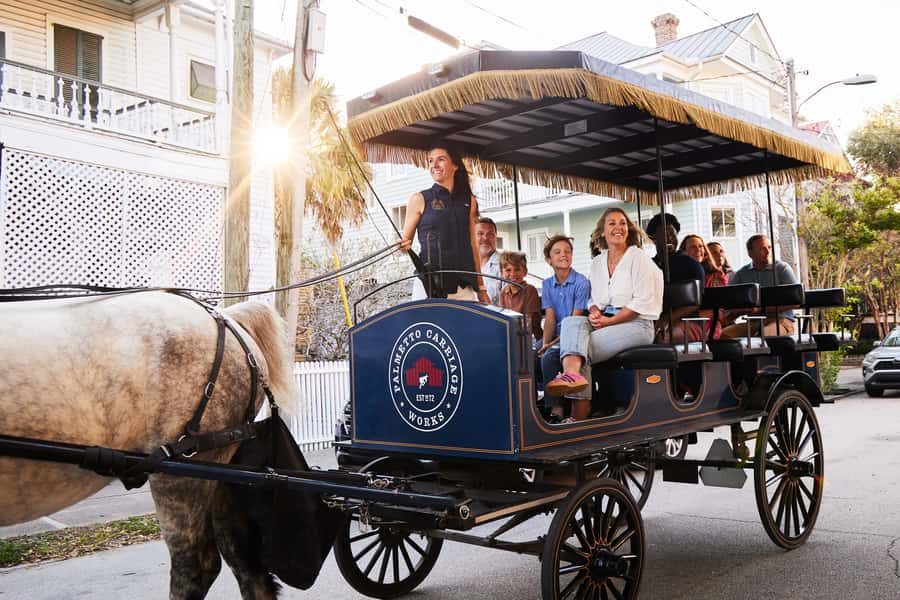
Charleston reveals itself at a slower pace from a horse-drawn carriage. For one hour, you roll through the old residential district past grand houses, church steeples, gardens, and shaded streets while a licensed guide explains how the city took shape. It is a pleasant way to get your bearings before exploring on foot.
I especially like the easy overview of downtown and the guides’ mix of facts, humor, and conversation. I also appreciate that the horses and stables are treated as part of the experience, not an afterthought. One practical concern: the route can vary, so your carriage may not pass Rainbow Row or every sight you hoped to see, and some riders have found the guide hard to hear from the back.
- One-hour city introduction: Get a useful first look at Charleston without committing to a half-day activity.
- Licensed English-speaking guides: Guides including Jeremy, Sims, Scott, Blake, and Van have been praised for clear storytelling and good humor.
- Historic residential streets: See old homes, mansions, gardens, churches, and parks from a comfortable seat.
- Route variation matters: The exact streets are assigned through Charleston’s carriage-tour system, so major sights such as Rainbow Row are not guaranteed.
- Practical meeting point: Meet by the big red barn at Palmetto Carriage Works, with paid parking at 22 Anson Street.
- Good planning flexibility: The tour is wheelchair accessible, and you can cancel up to 24 hours ahead for a full refund.
In This Review
- A Gentle First Look at Charleston’s Old Downtown
- What the One-Hour Route Can Show You
- The Guides Make or Break the Ride
- Charleston’s Architecture From a Carriage Seat
- The Stories Behind Charleston’s Culture
- Horse, Carriage, and Comfort Details
- Is $50 a Fair Price?
- Timing, Meeting Point, and Flexible Booking
- Who Will Get the Most From This Tour
- Should You Book the Palmetto Carriage Ride?
- FAQ
- How long is the Charleston carriage tour?
- Where does the tour begin?
- Where does the tour end?
- What does the tour include?
- Is the tour wheelchair accessible?
- Can I cancel the booking?
- Is parking available near the meeting point?
A Gentle First Look at Charleston’s Old Downtown
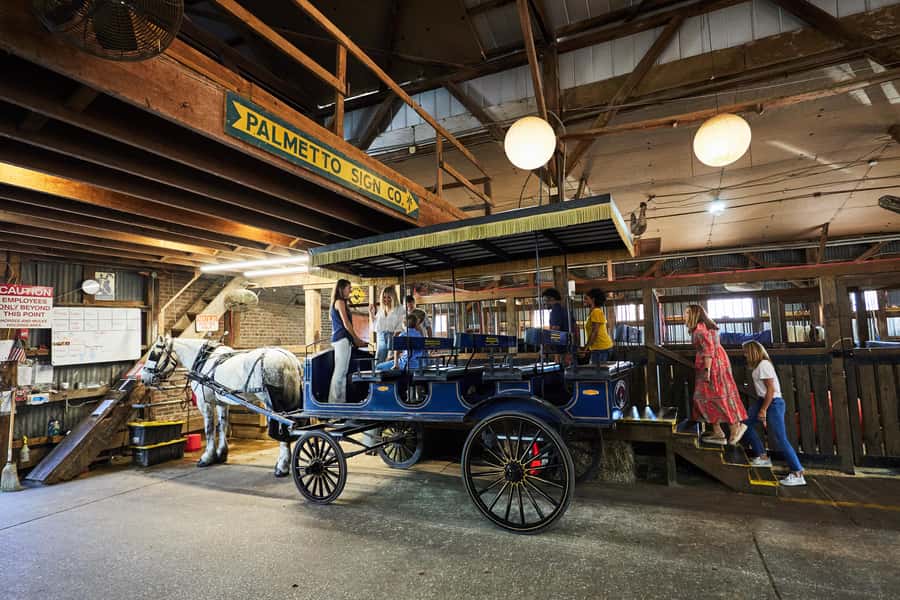
The tour begins at Palmetto Carriage Works, Charleston’s oldest carriage tour company, by the large red barn. From here, you settle into the carriage for a one-hour circuit through downtown before returning to the same spot.
That simple out-and-back arrangement makes this a useful first activity. You do not have to learn a complicated meeting system or worry about finding your way back from another part of town. The location is also about a 10-minute walk from the cruise terminal, according to one rider, and paid parking is available at 22 Anson Street.
Once underway, the carriage gives you a broad introduction rather than an in-depth visit to one landmark. You will see streets lined with houses, gardens, mansions, churches, and parks, while the guide explains what you are looking at and why it matters.
I like this format for a first day in Charleston. The slow pace lets you notice details that disappear when you rush along in a car, but the ride covers more ground than a short walk. Afterward, you can decide which streets and buildings deserve a closer look.
What the One-Hour Route Can Show You
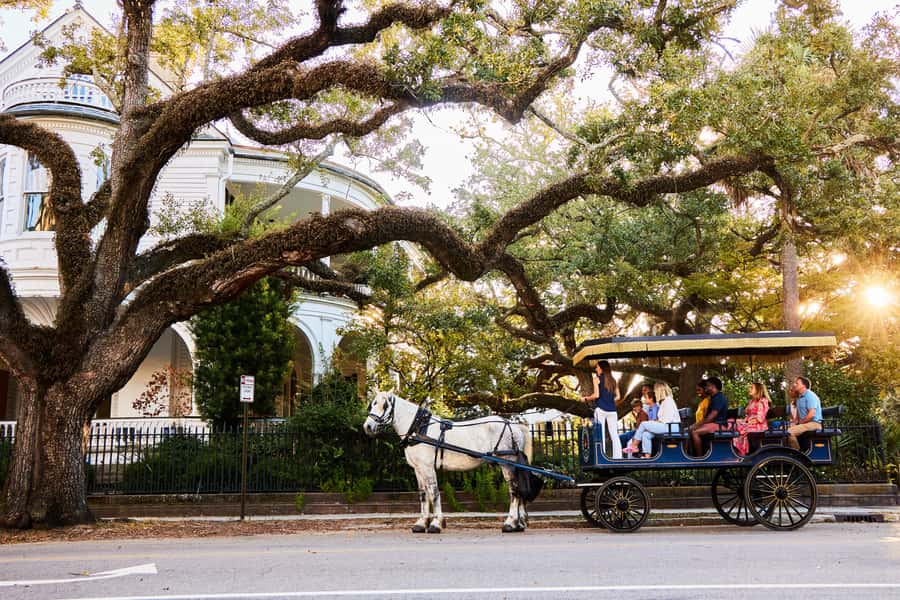
The main part of the experience is a guided ride through Charleston’s historic downtown residential area. The carriage moves past older homes and grand mansions, with the guide discussing architectural styles and the stories tied to these buildings.
You can expect the route to include attractive streets shaded by large oak trees and decorated with Spanish moss. Gardens add color and fragrance along the way, while churches and their tall steeples point to Charleston’s long religious traditions.
The carriage does not stop at each building for a formal visit. Think of it as a moving history lesson, with a seat and a changing view. You will not go inside the mansions, churches, or homes, and the guide cannot linger at every sight.
That limitation is worth understanding before you book. The reward is breadth. In a single hour, you get an introduction to several parts of downtown and a sense of how the residential districts fit together.
The exact route can change. One rider was disappointed that the carriage did not pass Rainbow Row and later visited it independently. If Rainbow Row is high on your list, plan to see it separately rather than treating it as a guaranteed part of this ride.
More Charleston trips worth a second look
- Charleston’s Old South Carriage Historic Horse & Carriage Tour
★ 5.0 · 10,023 reviews - Haunted Evening Horse and Carriage Tour of Charleston
★ 4.5 · 3,678 reviews - Charleston Horse-Drawn Carriage Tour: Explore Historic Charleston
★ 5.0 · 3,561 reviews
The Guides Make or Break the Ride
A carriage tour depends heavily on the person holding the reins and telling the stories. The best guides turn a sequence of old buildings into a clear account of Charleston’s past, with enough humor to keep the hour moving.
Guides named Jeremy, Sims, Scott, Blake, and Van have each been singled out for strong performances. Jeremy was praised for bringing Charleston’s past to life, while Sims was described as personable and especially effective. Scott received similar praise, and Blake was noted for keeping everyone informed throughout the ride.
Van was described as both informative and fun. That balance matters. A guide who gives only dates can make a historic district feel flat, while someone who relies only on jokes may leave you without a useful understanding of the city.
The guides also answer questions, so you can steer the conversation toward the subjects that interest you. Ask about architecture, churches, gardens, the city’s culture, or the people who built and shaped Charleston.
One important sound tip: if you sit in the last row, the guide may be harder to hear. Some carriages have microphones, but not every rider found the sound equally clear. If hearing every detail matters to you, ask about seating or choose a position closer to the guide when possible.
Charleston’s Architecture From a Carriage Seat
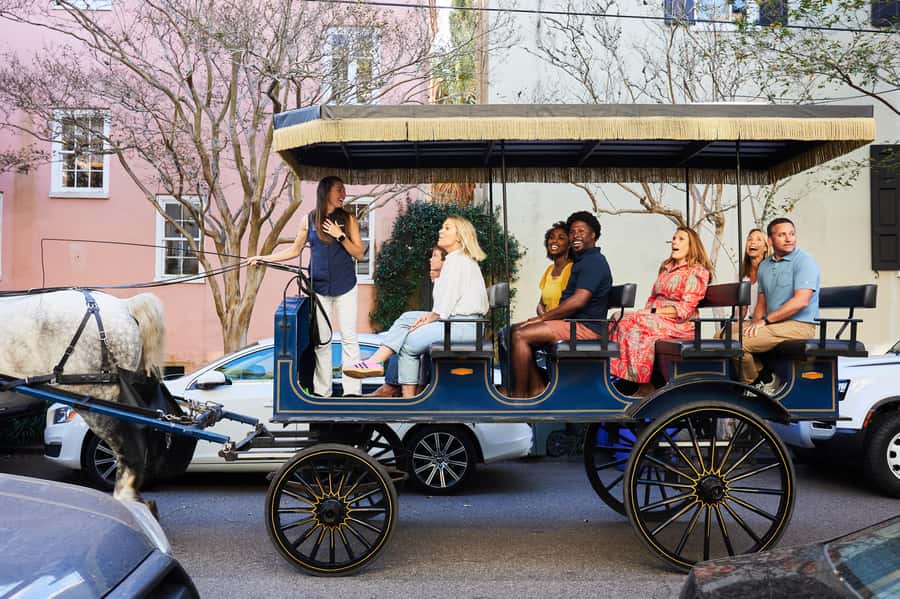
The carriage offers a good angle for studying Charleston’s houses. You can look up at porches, columns, decorative details, and carefully arranged façades without having to keep pace with a walking group.
The old homes are more than pretty backdrops. Their design reflects changing fashions, local weather, wealth, religion, and the city’s long connection to trade. A good guide helps you notice those clues instead of seeing only a row of attractive buildings.
The antebellum mansions receive particular attention, but the experience is not limited to mansion spotting. Smaller homes, garden walls, churches, and public parks help show how the city’s old districts work as a whole.
You will also see how the city’s past remains part of present-day Charleston. The tour connects older buildings with the active city around them, giving you a sense of a place that is not simply preserved behind glass.
I find that a carriage ride works well here because it slows the view without making you stop every few minutes. You can listen, take photographs when conditions allow, and keep watching the streets unfold.
The Stories Behind Charleston’s Culture
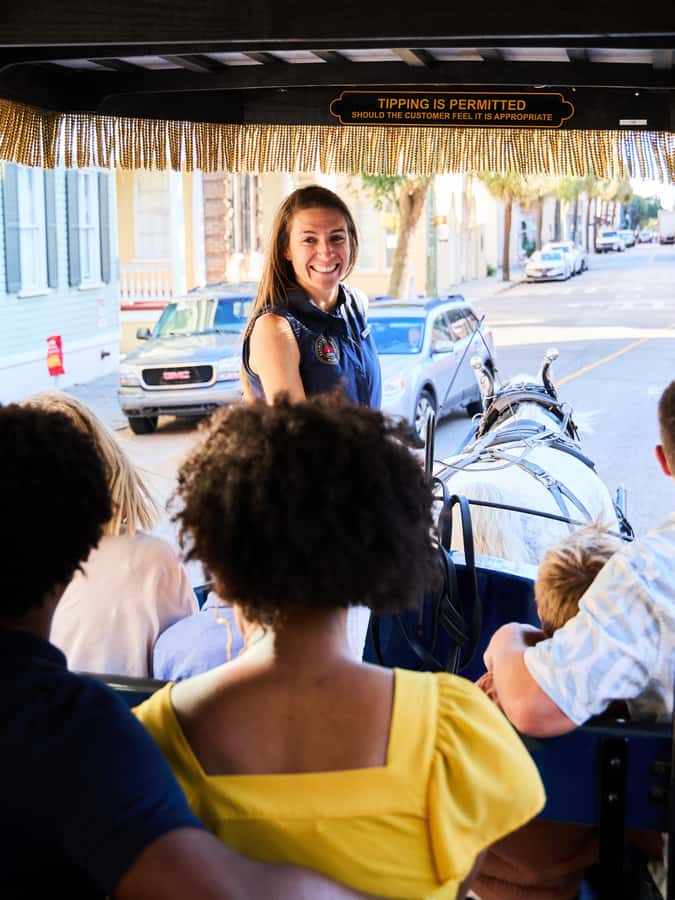
The tour promises more than architecture. Your guide also discusses the cultural forces that made Charleston what it is, including the traditions and communities tied to the city’s development.
That broader focus is important. Charleston’s appearance can make the past seem polished and simple, but the city’s story includes many different people and experiences. One rider specifically wanted more discussion of African American contributions to Charleston’s culture, buildings, and establishment.
Use that as a useful reminder to ask questions. If this part of the city’s story matters to you, request more detail about African American history and cultural contributions during the ride. The amount of attention may depend on the individual guide and the route.
The tour is still an introductory experience, not a dedicated study of Charleston’s African American history. You will hear cultural context, but the one-hour format limits how much any guide can cover.
For many people, that is a starting point rather than a complete account. I would pair this ride with independent visits to places and museums that focus more directly on the communities and labor that shaped Charleston.
A completely different way to spend a day nearby:
- Historic Charleston Guided Sightseeing Walking Tour
★ 5.0 · 6,216 reviews - Fort Sumter Admission and Self-Guided Tour with Roundtrip Ferry
★ 4.5 · 3,343 reviews - Charleston: Fort Sumter Entry Ticket with Roundtrip Ferry
★ 4.7 · 2,879 reviews - Ghosts of Charleston Night-Time Walking Tour with Unitarian Church Graveyard
★ 4.5 · 2,835 reviews
Horse, Carriage, and Comfort Details
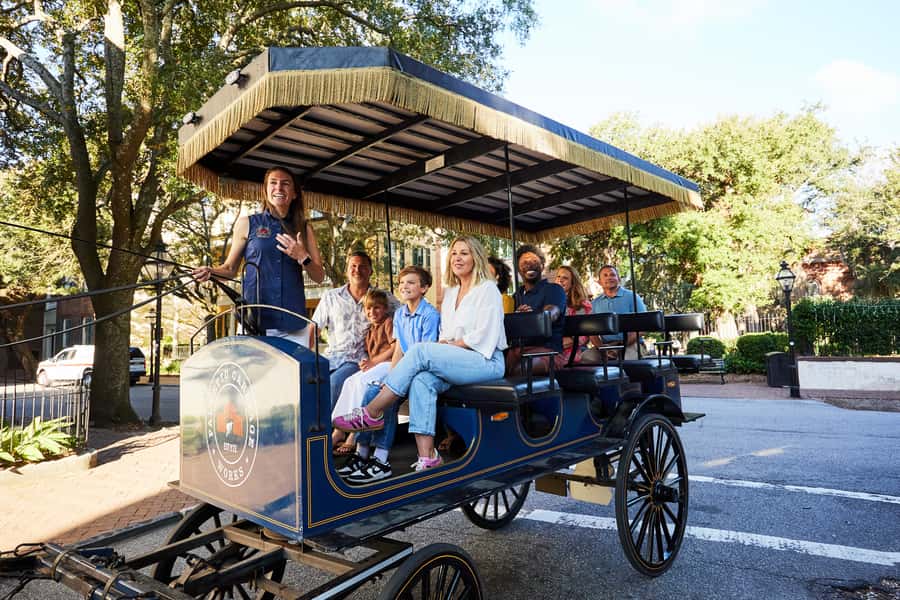
The horse-drawn carriage is the central appeal, but comfort depends on the day and the weather. On a cold ride, blankets have been provided, which is a thoughtful touch. On hot days, bring water for the carriage portion, even if cold bottles are available while you wait in the staging area.
The ride itself is relaxed rather than fast. That makes it accessible to people who do not want a long walking tour, and it gives families an easy way to see downtown together.
The activity is listed as wheelchair accessible. Since the supplied details do not explain the exact boarding arrangement or carriage design, I would confirm the loading procedure when booking if you use a wheelchair or need a specific accommodation.
Alcohol and drugs are not allowed. The activity includes the horse carriage ride and the guide, with no additional attraction admission described.
The horses receive frequent attention in the experience. Riders have described the stables and animals as well cared for, and the staff as professional. That matters to anyone choosing an animal-powered tour and wanting confidence in how the operation is run.
Is $50 a Fair Price?

At $50 per person, this is not the cheapest way to see Charleston, but the price can make sense if you value a guided introduction and the carriage itself.
You are paying for a one-hour ride, a licensed guide, the horse and carriage operation, and the convenience of seeing several historic areas without planning your own route. A strong guide can add real value by explaining details you would likely miss on your own.
The value is best for a first visit. If you already know downtown well, or if you mainly want to reach one particular sight, the route may feel less useful. You might prefer a walking tour focused on a specific neighborhood or subject.
Families may find the price worthwhile because the carriage adds a memorable element without requiring everyone to walk for an hour. It also suits cruise passengers who want a compact activity near the terminal.
The ride does not include entry to homes, churches, museums, or gardens. Keep that in mind when comparing the cost with tours that include admission or longer visits.
Timing, Meeting Point, and Flexible Booking
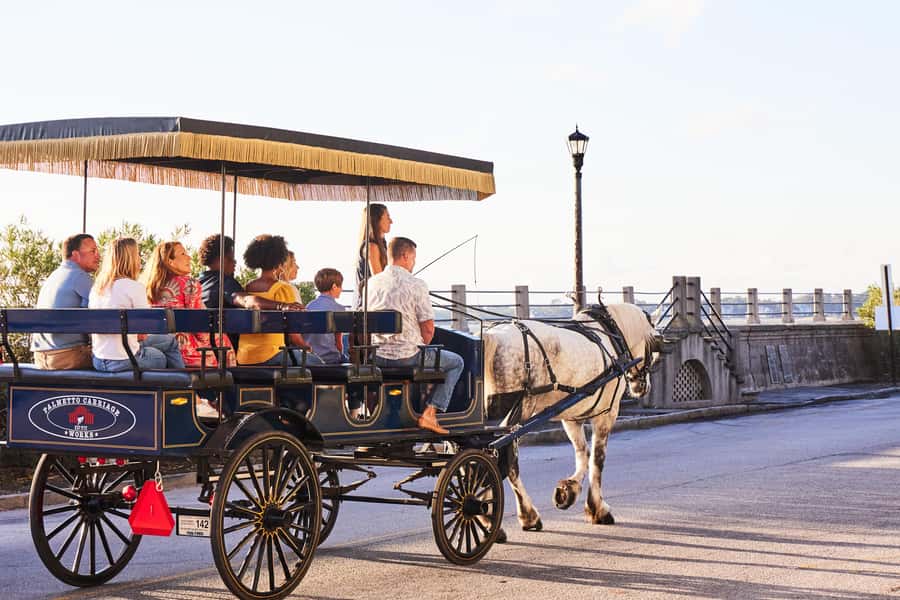
The tour lasts one hour, but starting times vary. Check the available times when booking rather than assuming a fixed departure.
Meet by the big red barn at Palmetto Carriage Works. The tour returns there after the ride, so you can leave your time before or after the activity open for lunch, walking, shopping, or another attraction.
The location is convenient for a downtown day and reachable on foot from the cruise terminal. If you drive, paid parking is available at 22 Anson Street, Charleston, South Carolina 29401.
Booking is flexible. You can reserve now and pay later, and cancellation is free up to 24 hours in advance for a full refund. That is useful when weather or a changing Charleston schedule may affect your plans.
The tour is conducted in English with a live guide. If you need another language, the provided information does not list one.
Who Will Get the Most From This Tour
I would choose this ride for a first-time visitor who wants a quick orientation before walking downtown. It is also a good fit for families, cruise passengers, and anyone who prefers a seated activity over a long walking route.
History fans should enjoy the combination of buildings, anecdotes, and local culture. The guides are often praised for adding humor without losing the substance, and the chance to ask questions gives the ride a more personal feel.
It may be less satisfying if you want a fixed route or a detailed visit to Rainbow Row, a particular church, or a specific mansion. It is also not the right choice if you expect to go inside the historic buildings.
For the best experience, I would book it early in your Charleston stay. You will get a useful sense of direction, then you can return to the streets and sights that caught your eye. Sit where you can hear clearly, carry water in warm weather, and ask about the parts of Charleston’s story you most want to understand.
Should You Book the Palmetto Carriage Ride?
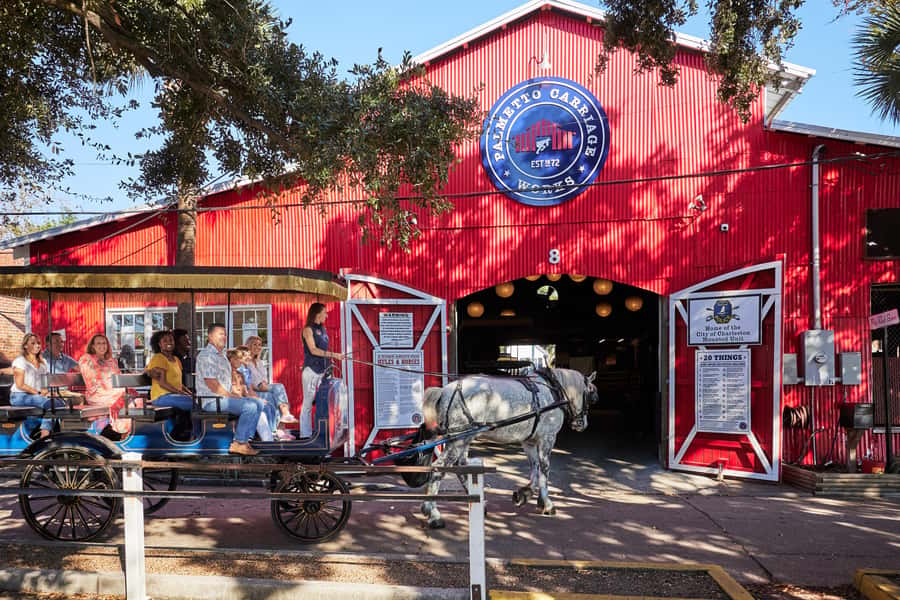
I would book this tour if you want a calm, well-organized introduction to Charleston with a guide who can connect the buildings to the city’s past. The strongest parts are the leisurely pace, the old residential streets, and the chance to hear lively storytelling from guides such as Jeremy, Sims, Scott, Blake, or Van.
I would not book it expecting a guaranteed route past every famous sight or a full treatment of Charleston’s many communities. Plan a separate visit to Rainbow Row if it matters to you, and ask direct questions about African American contributions if you want that part of the story covered in greater depth.
At $50 for an hour, it is a fair splurge for a first look at downtown, especially if the carriage ride itself is part of the appeal. For many people, it is a smart way to begin a Charleston visit, then continue on foot with a better sense of place.
FAQ
How long is the Charleston carriage tour?
The guided carriage tour lasts one hour.
Where does the tour begin?
Meet by the big red barn at Palmetto Carriage Works.
Where does the tour end?
The activity returns to Palmetto Carriage Works, the same location where it begins.
What does the tour include?
The booking includes the horse carriage ride and a live English-speaking guide.
Is the tour wheelchair accessible?
Yes, the activity is listed as wheelchair accessible.
Can I cancel the booking?
Yes. You can cancel up to 24 hours in advance for a full refund.
Is parking available near the meeting point?
Paid parking is available at 22 Anson Street, Charleston, South Carolina 29401.
Recently reviewed around Charleston
- Kayak With Dolphins in Historic Shem Creek★ 5.0 · 407 reviews
- Charleston’s Best Highlights: History, Culture & Architecture★ 5.0 · 422 reviews
- 2-Hour Guided Kayak Eco Tour in Charleston★ 5.0 · 954 reviews
- Charleston Ghosts of Liberty Guided Walking Tour★ 4.5 · 473 reviews
- Undiscovered Charleston: Half Day Food, Wine & History Tour with Cooking Class★ 5.0 · 948 reviews
- Real Hauntings of Charleston! (Small Group Ghost Tour)★ 5.0 · 724 reviews
- Afternoon Schooner Sightseeing Dolphin Cruise on Charleston Harbor★ 4.5 · 620 reviews
- Private Daytime Horse-Drawn Carriage Tour of Charleston★ 5.0 · 340 reviews
Horses, compared.
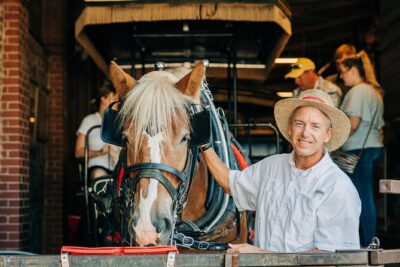
Charleston’s Old South Carriage Historic Horse & Carriage Tour
Read our review →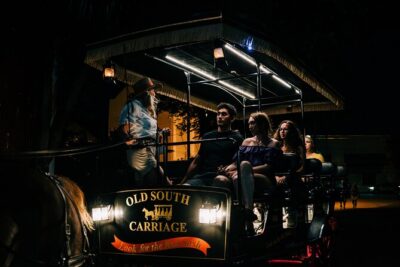
Haunted Evening Horse and Carriage Tour of Charleston
Read our review →
Charleston Horse-Drawn Carriage Tour: Explore Historic Charleston
Read our review →
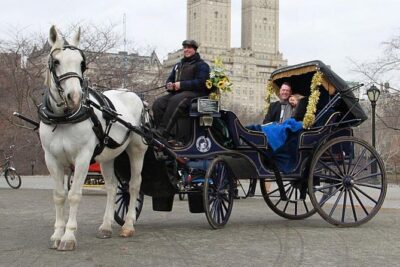
Official NYC Horse Carriage Rides in Central Park since 1979 ™
Read our review →
Half-Day Thoroughbred Horse Farm Tour in Kentucky
Read our review →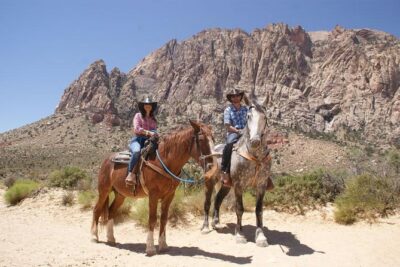
Morning Horseback Ride with Breakfast from Las Vegas
Read our review →
Red Rock Canyon Sunset Horseback Ride and Barbeque Dinner
Read our review →Browse the lists this tour appears in