
Reviewed · NATIONAL PARK TOURS
Jackson: Grand Teton National Park Guided Wildlife Tour
Grand Teton wildlife is most active at dawn and dusk, when the light is soft, the roads are quieter, and a moose or bear might appear before you have finished your first cup of coffee. This four-hour tour gives you a naturalist guide, binoculars, snacks, drinks, and a high-powered spotting scope, so you can focus on watching instead of driving.
I like the small-group feel and the guides’ sharp eyes. Guides such as Phil, Kevin, Anthony, Haley, and Neil have been praised for spotting animals quickly and explaining the park’s geology, history, and ecology in plain language. I also like the seasonal vehicles: open-sided in summer, heated and enclosed when the weather turns rough. The main consideration is simple: wildlife is wild, and no guide can promise a moose, bear, or wolf.
In This Review
- Key points
- Why Grand Teton Works So Well for Wildlife Watching
- Dawn or Dusk: Picking the Better Four-Hour Window
- Setting Out from Jackson and the Home Ranch Parking Lot
- The Summer Open Safari Vehicle
- The Heated Vehicle in Fall, Winter, and Spring
- What You Might See Along the Park Roads
- How Stops and the Spotting Scope Shape the Experience
- The Guides Make the Difference
- Snacks, Binoculars, and the Details That Matter
- Who Will Get the Most from This Tour
- Practical Packing Advice for Grand Teton
- Should You Book the Grand Teton Wildlife Tour?
- FAQ
- How long does the Grand Teton wildlife tour last?
- How much does the tour cost?
- What animals might I see?
- Are binoculars provided?
- Is food included?
- What vehicle is used in summer?
- What vehicle is used during colder months?
- Is hotel pickup available?
- Is the tour suitable for young children or wheelchair users?
Key points
- Dawn and dusk departures: The timing follows changing sunrise and sunset hours, when animals are often most active.
- Real viewing equipment: Binoculars and a spotting scope are supplied, and the scope can bring far-off animals into clear view.
- Seasonal comfort: Summer uses an open-style safari vehicle with blankets, while colder months use a heated enclosed vehicle.
- A broad cast of wildlife: You might see moose, elk, bison, pronghorn, bears, wolves, deer, eagles, pelicans, owls, and river otters.
- More than animal spotting: Your guide adds context about Grand Teton’s geology, ecology, history, and native species.
- Four hours for $159: The price makes the most sense if you value expert spotting, transport, equipment, and the chance to cover more ground than you could on foot.
Why Grand Teton Works So Well for Wildlife Watching
Grand Teton National Park covers more than 310,000 acres, with open valleys, rivers, forests, and mountain views. That variety gives animals room to spread out, which is wonderful for them and occasionally frustrating for you. A pair of moose may be feeding beside a wet area one day and nowhere in sight the next.
That is where a good guide earns the fee. You may see a small group of people stopped along the road, but without help you might not know what they are looking at. Your guide can scan the tree line, meadow, or riverbank, then set up the spotting scope so everyone gets a turn.
The scope matters. A bald eagle perched far across the valley may be little more than a dark speck to your naked eye. Through the scope, you can study its shape and behavior. Some guides also use a camera attached to the scope, allowing you to see a close view and sometimes receive photographs after the tour.
I would not book this expecting a private safari in untouched wilderness. You travel on public roads, stop at safe viewing places, and share the vehicle with a small group. The value comes from the guide’s skill, the equipment, the timing, and the simple luxury of letting someone else watch the road.
More Jackson Hole trips worth a second look
- Yellowstone National Park – Full-Day Lower Loop Tour from Jackson
★ 5.0 · 502 reviews - From Jackson: Yellowstone National Park Day Trip with Lunch
★ 4.9 · 377 reviews - From Jackson: Half-Day Grand Teton National Park Tour
★ 4.8 · 344 reviews
Dawn or Dusk: Picking the Better Four-Hour Window
The tour begins around sunrise or sunset, and the exact start time changes through the year. Your pickup time is sent after booking because sunrise and sunset shift considerably between summer and winter.
Dawn is a strong choice if you want cool air, early animal activity, and a quieter start to the day. It can also be very cold, even in warmer months, so bring a jacket and long pants. The early hour is part of the deal, not a minor detail.
Dusk offers softer light and may fit better with a relaxed morning in Jackson. It also gives you the pleasure of watching the park change as the day fades. The tradeoff is that some sightings may happen in lower light, so keep your camera close and ready.
Wildlife sightings can be quick. A moose may step behind brush, a bear may cross the road, or a bird may lift off before the vehicle stops. I would keep your camera accessible rather than buried in a bag, and I would spend less time changing lenses or settings than simply watching.
Setting Out from Jackson and the Home Ranch Parking Lot
The listed meeting point is the Home Ranch Parking Lot, where you should arrive early because parking is limited. Optional pickup is available from Jackson, Teton Village, or Wilson, Wyoming. From May 1 through October 31, the Jackson pickup location changes to 210 N Cache St.
Pickup times can shift with sunrise and sunset, so check the exact message sent after booking. During winter months, hotel pickup and drop-off are available in the approved Jackson Hole area. That is especially useful when roads are cold and dark, and you do not want to arrange an early drive yourself.
The opening part of the trip is more than transportation. Your guide will explain the plan, answer questions, and begin scanning for movement. Guides have been praised for their friendly manner and for adjusting the outing to what the group hopes to see, though the guide still has to work with the animals’ schedule.
The Summer Open Safari Vehicle
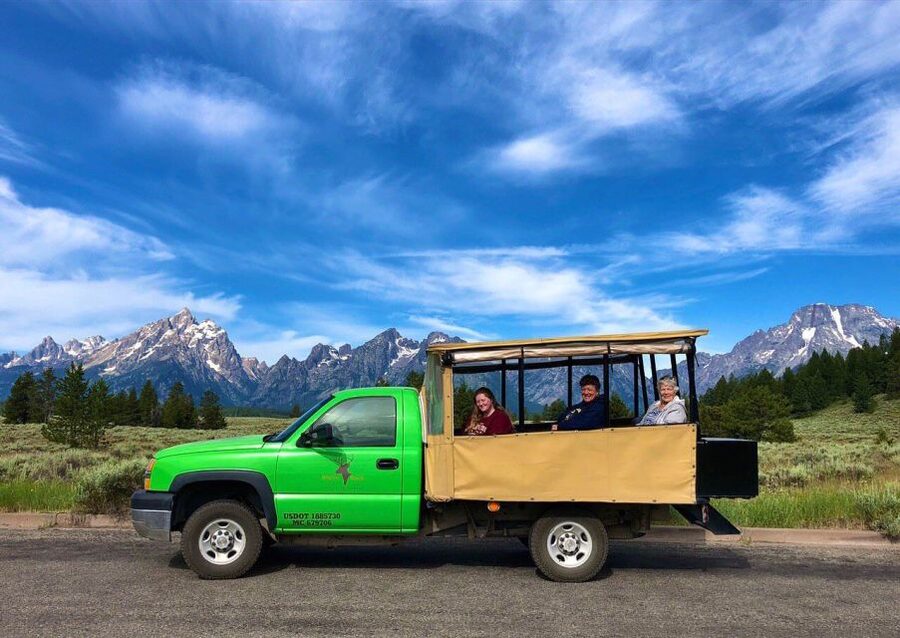
From June 1 through September 10, the usual vehicle is an open-style wildlife safari vehicle, subject to weather. This design gives you broad sightlines and makes it easier to watch animals from different seats. One guide has even been praised for the open-sided vehicle allowing better views than some enclosed options.
Open does not mean warm. Morning and evening temperatures can drop fast, and wind can make the ride feel colder than the forecast suggests. Blankets are provided, but bring your own jacket, long pants, and closed-toe shoes. The blankets are a thoughtful extra, not a substitute for proper clothing.
Rain or difficult weather can change the vehicle arrangement. The operator may use a closed-top vehicle during adverse conditions, even in a season normally associated with the open vehicle. That flexibility protects your comfort, though it can slightly change the viewing experience.
I like the open format for photographers and anyone who wants a clear view of the surrounding scenery. I would be less enthusiastic if you dislike cold air, have trouble climbing into a safari vehicle, or need a wheelchair-accessible setup. The tour is not suitable for people with mobility impairments, wheelchair users, or children under six.
A completely different way to spend a day nearby:
- From Jackson Hole: Yellowstone Old Faithful, Waterfalls and Wildlife Day Tour
★ 5.0 · 1,557 reviews - Grand Teton Wildlife Safari in a Enclosed or Open-Air Vehicle (season dependent)
★ 5.0 · 1,212 reviews - Grand Teton Half Day Tour
★ 5.0 · 1,067 reviews - Sunset 4-Hour Grand Teton Wildlife Adventure
★ 5.0 · 1,020 reviews
The Heated Vehicle in Fall, Winter, and Spring
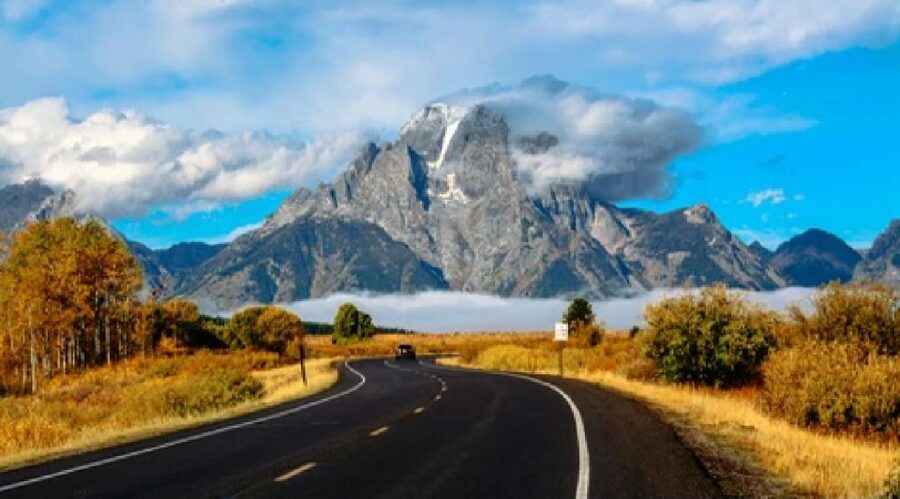
In mid-fall, winter, and late spring, you travel in an enclosed vehicle with heating and air conditioning. This makes the tour a practical choice outside the summer season. One February outing was described as comfortable in a cold van, and winter bookings include transfers from Jackson Hole in the approved area.
A closed vehicle gives you shelter from wind and snow, but it may feel less open to the outdoors. You will still stop to get out and view wildlife safely, and your guide can use the spotting scope for animals at a distance. Bring a jacket anyway. You need warm clothing during stops, not just inside the vehicle.
Winter can be a particularly appealing time to search for bison, elk, moose, and other animals. Several cold-season outings produced strong sightings, including moose, bison, elk, and even a grizzly bear. Still, you should think of these as possible rewards rather than a fixed list.
What You Might See Along the Park Roads
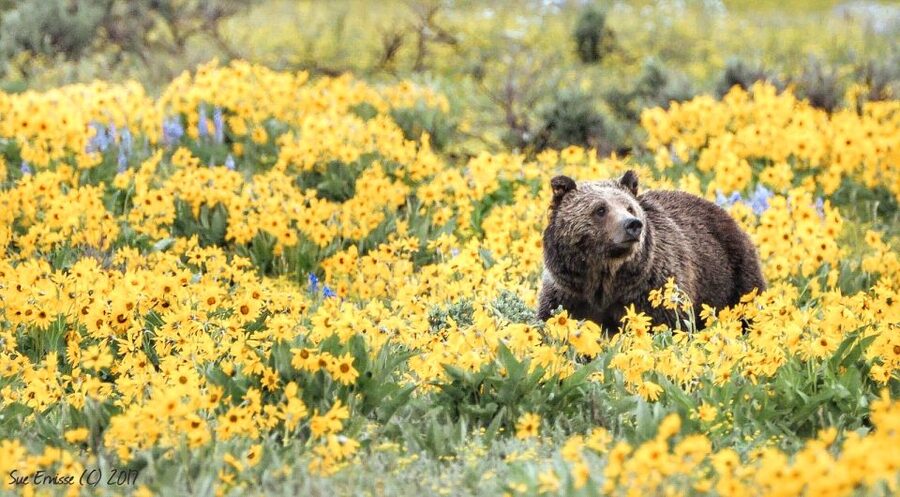
The animal list is impressive, but it is best understood as a menu of possibilities. Grand Teton is home to grizzly and black bears, wolves, elk, moose, mule deer, pronghorn, bison, and bighorn sheep. You may also see eagles, hawks, pelicans, grouse, owls, osprey, cranes, herons, and other birds.
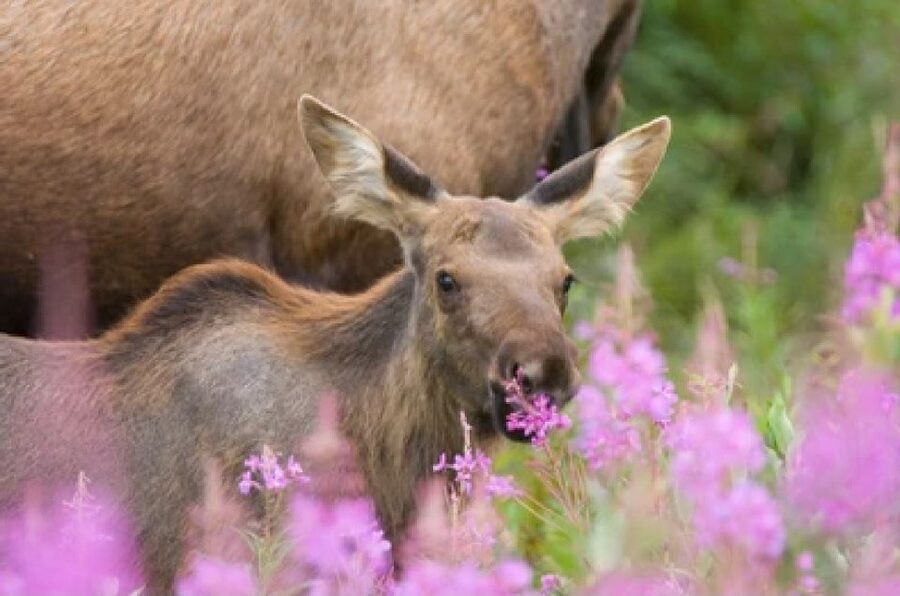
Moose are a major wish for many people, and the tour has produced sightings of bulls, groups of moose, and moose moving quickly. They often appear near wet ground or waterways, but the guide decides where to look based on current conditions and recent signs. If a moose is your top goal, tell your guide early, while understanding that no sighting is guaranteed.
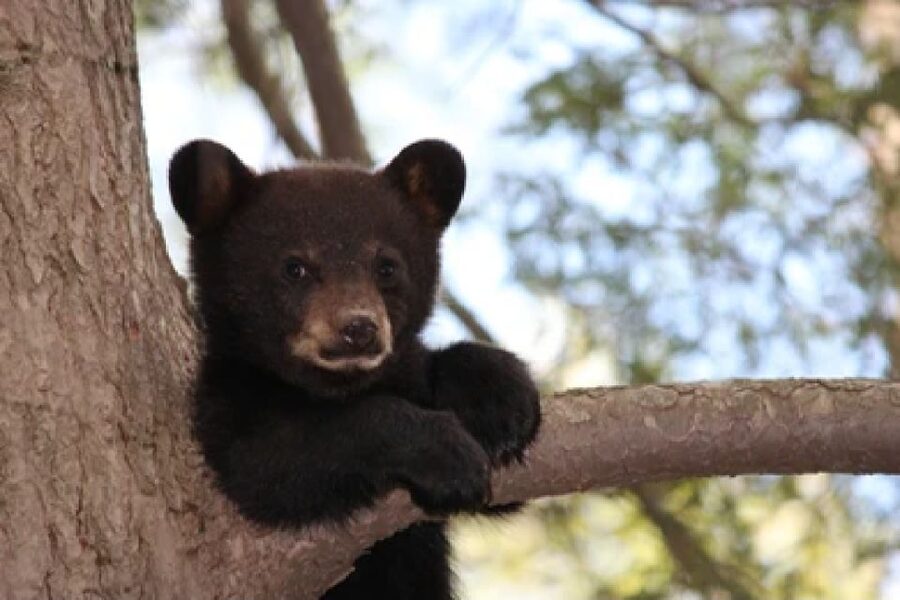
Bears can provide the biggest rush. Past outings have included black bears, grizzlies, a mother with a cub, and a family group with bears of different colors. Bear sightings may be close or far away, and safe viewing rules matter. Your guide controls where you stop and how you watch.
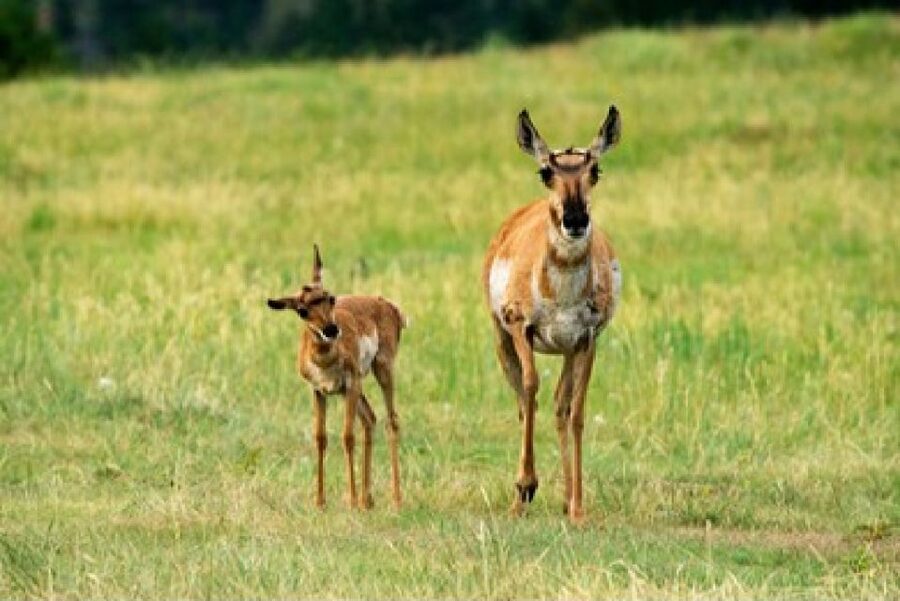
Elk, bison, mule deer, and pronghorn are often more dependable targets. One evening outing found mule deer, pronghorn, bison, and elk, while another saw a pronghorn group, many bison, and river otters. A large herd in the distance can still be a fine sight, especially through the scope.
Birdlife adds variety when large mammals are hiding. Sightings have included bald and golden eagles, pelicans, osprey, hawks, cranes, herons, and water birds. The tour is not only about collecting the biggest animals. A patient guide can help you notice behavior, flight patterns, and the smaller signs of life around the valley.
Wolves are possible but less predictable. One spring outing found a wolf and a grizzly mother with a cub, a remarkable combination, but you should not measure the tour by a rare sighting. A good four hours might instead bring moose, elk, bison, deer, and several bird species.
How Stops and the Spotting Scope Shape the Experience
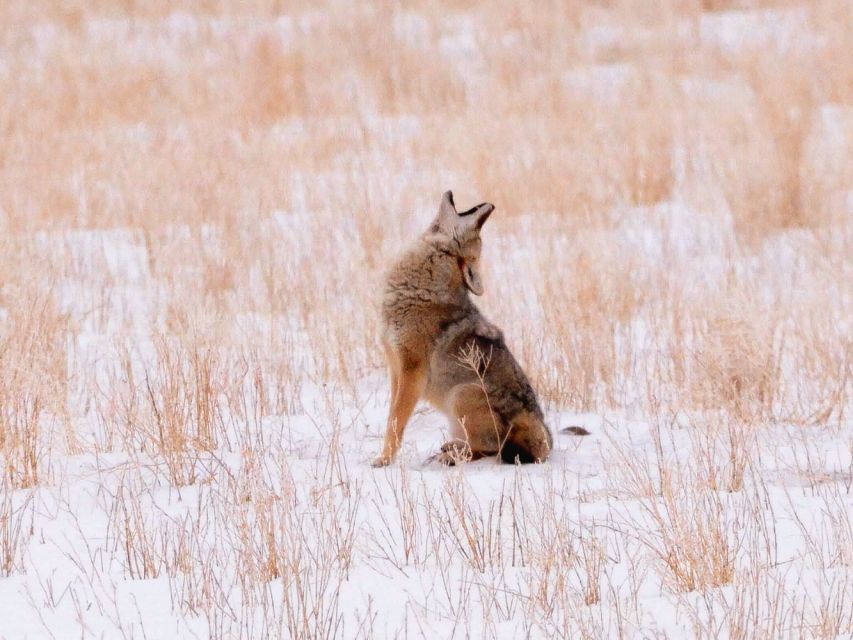
You will stop often enough to get out and view animals safely. The exact stops depend on sightings, road conditions, and the guide’s judgment. Some may be brief roadside pauses, while others give you time to study an animal through the scope.
The guide may spot something before anyone else does. This is one of the main reasons to join rather than drive the park alone. After locating the animal, the guide can point out its position, explain what it is doing, and help each person get a turn with the equipment.
The scope can turn a distant animal into the center of the outing. One guide used a camera scope to show a bull moose up close, while other outings used the equipment for bears and distant birds. Everyone may need to take turns, so expect a shared viewing process rather than unlimited time at the eyepiece.
You may also have the option to take a short hike. This is a nice change from sitting in the vehicle, but it is optional and should not be confused with a full hiking tour. Wear closed-toe shoes, stay with the group, and follow the guide’s instructions around wildlife.
The Guides Make the Difference
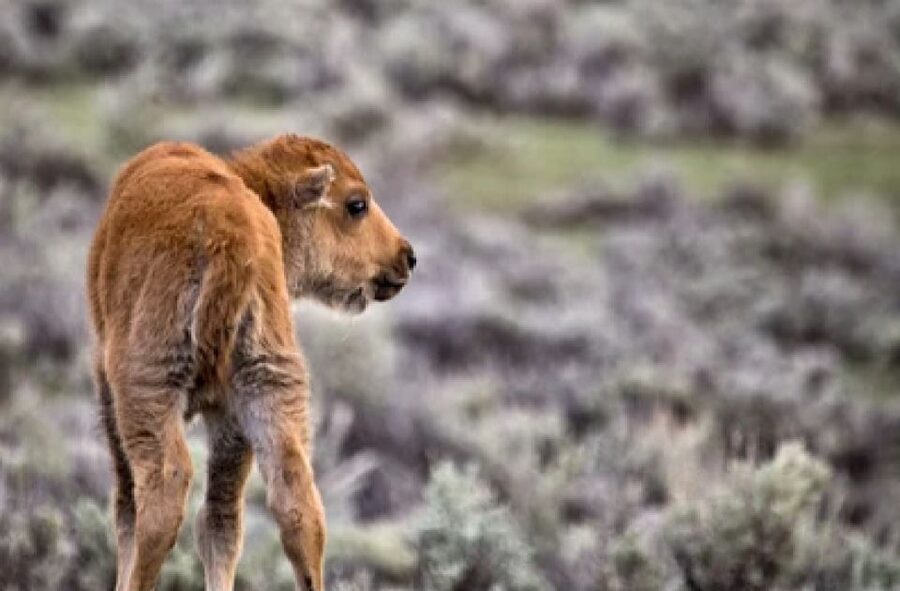
The strongest part of this experience is the guide. Names in recent outings include Phil, Kevin, Anthony, Haley, Neil, Kyle, Diego, Kelsey, Patrick, Mark, and others. Individual styles will vary, but the job requires sharp observation, patience, driving skill, and the ability to explain both animals and place.
Phil has been praised for combining humor and professionalism, sharing park history, and working hard to find moose, bears, elk, and deer. Kevin has been noted for explaining Wyoming history as well as wildlife and for using the viewing scope effectively. Anthony has been praised for accommodating the group and finding strong sightings.
Haley has been singled out for patience and for bringing the group to good viewing locations. Diego made the most of a rainy, cloudy outing, finding grizzlies, black bears, osprey, elk, sandhill cranes, and white pelicans. Kelsey covered geology, history, animal life, local food, and practical area suggestions during one trip.
That range matters because weather and wildlife change. You want a guide who can adjust instead of simply following a rigid checklist. The guides also help create a pleasant group atmosphere, which is useful on a four-hour outing with people you have just met.
There was one practical complaint about loudspeaker feedback making a guide difficult to hear. That appears to be an equipment issue rather than a regular feature, but it is worth knowing. If you cannot hear clearly, speak up early so the guide can adjust the system or repeat the explanation.
Snacks, Binoculars, and the Details That Matter
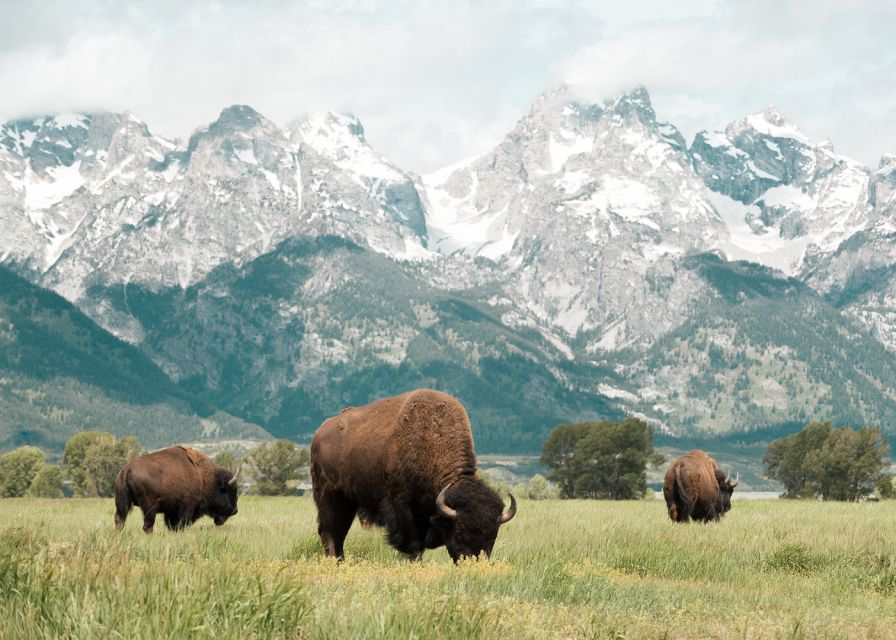
The $159 price includes snacks, water, soda, binoculars, a spotting scope, and a biologist or naturalist guide. Meals are not included, so eat before or after the tour. Four hours is long enough for hunger to become distracting, especially if you choose a dawn departure.
The binoculars are a useful inclusion. You do not have to rent or pack your own, and each person can scan the valley while waiting for a turn with the scope. I would still bring a camera and keep it handy, since sightings can happen without warning.
The tour has a 4.8 rating from 676 reviews, and the praise is especially consistent around the guides, animal spotting, comfort, and information. The clearest value is not admission to the park itself. The national park entrance fee is separate and can be bought at the entrance. You are paying for the guide’s time and skill, transport, viewing tools, and the chance to cover a large park without doing the searching yourself.
For two people, the base tour price is $318 before the park entrance fee. That is a serious cost, but it can be reasonable if wildlife is a priority and you have only a short stay in Jackson. It is less compelling if you already plan to spend several days driving the park at your own pace and own good binoculars.
Who Will Get the Most from This Tour
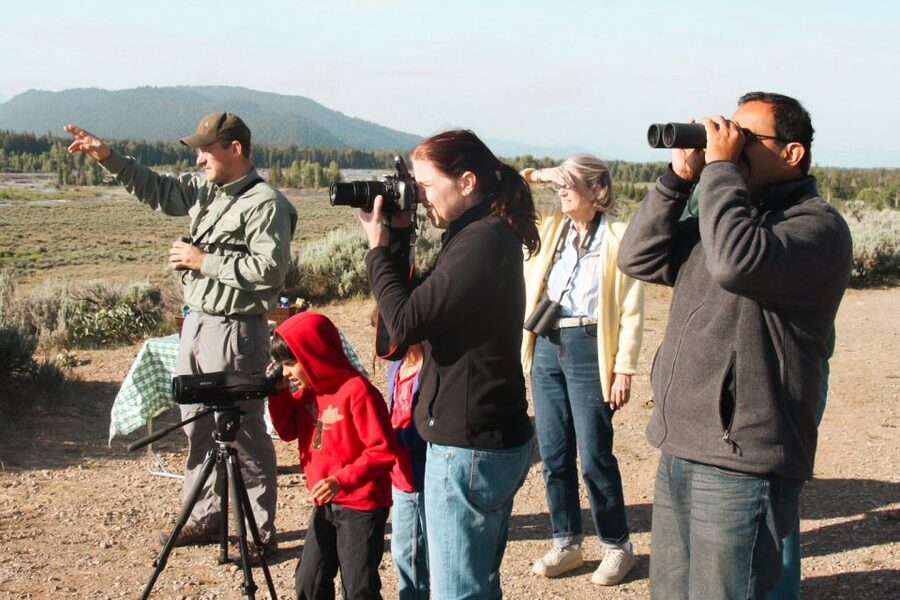
I would recommend it to a first-time Grand Teton visitor who wants an introduction to the park’s animals and natural setting. It also suits photographers who need help locating subjects, families with older children, couples, solo visitors who would rather not drive, and anyone with only one or two days in the area.
It is a good choice if you want facts along with sightings. Guides explain regional geology, ecology, and history, so the mountain views have context instead of being just a scenic backdrop.
I would think twice if you need guaranteed sightings, dislike early starts, or cannot manage getting into and out of the vehicle. Children under six cannot join, and the activity is not suitable for wheelchair users or people with mobility impairments.
For the best chance at active wildlife, I would choose the departure that fits dawn or dusk and remain flexible about the species. Ask your guide what animals are being seen that day, then let the route develop around real conditions.
Practical Packing Advice for Grand Teton
Bring a jacket in every season, long pants, and closed-toe shoes. Summer may look warm in Jackson, but an open vehicle at dawn or dusk can be chilly. Blankets are supplied in the summer vehicle, and the enclosed vehicles are heated in colder months.
Keep your camera close at hand. You may not have time to search for it when an animal appears. Binoculars are supplied, but you can bring your own if you prefer familiar equipment.
Arrive early at the Home Ranch Parking Lot because parking is limited. If you choose pickup, check the confirmed time and location carefully, especially between May 1 and October 31 when the Jackson meeting location changes.
Cancellation is flexible enough for ordinary trip planning: you can cancel up to two days in advance for a full refund. The tour is conducted in English, and small-group availability is offered.
Should You Book the Grand Teton Wildlife Tour?
Book it if you want expert eyes, useful equipment, and a chance to see more of Grand Teton in four hours than you are likely to find by guessing at roadside pullouts. The repeated strengths are clear: guides who work hard to find animals, strong explanations, comfortable seasonal vehicles, and thoughtful touches such as snacks, drinks, blankets, binoculars, and the spotting scope.
Skip it if you want complete independence or guaranteed bears and moose. The park entrance fee is extra, the meeting details require attention, and wildlife sightings depend on nature.
For most first visits, I think the tour is worth considering, especially at dawn or dusk and especially if you are staying in Jackson without much time to explore. Go prepared for cold, stay patient, and judge success by the full outing: the animals you find, the mountain views, and what you learn along the way.
FAQ
How long does the Grand Teton wildlife tour last?
The tour lasts four hours.
How much does the tour cost?
The listed price is $159 per person.
What animals might I see?
You might see elk, moose, bison, pronghorn, mule deer, bighorn sheep, black bears, grizzly bears, wolves, eagles, hawks, pelicans, grouse, owls, osprey, cranes, herons, and river otters.
Are binoculars provided?
Yes. Binoculars and a spotting scope are included.
Is food included?
Snacks, water, and soda are included. Meals are not included, so eat before or after the tour.
What vehicle is used in summer?
From June 1 through September 10, the tour normally uses an open-style wildlife safari vehicle, subject to weather. Blankets are provided.
What vehicle is used during colder months?
During mid-fall, winter, late spring, and adverse weather, the tour uses an enclosed vehicle with heating and air conditioning.
Is hotel pickup available?
Hotel pickup and drop-off are available in the approved Jackson Hole area during winter months. Pickup is also available in Jackson, Teton Village, or Wilson, Wyoming, subject to the listed arrangements and changing departure times.
Is the tour suitable for young children or wheelchair users?
No. The tour is not suitable for children under six, people with mobility impairments, or wheelchair users.
Recently reviewed around Jackson Hole
- Yellowstone National Park – Full-Day Lower Loop Tour from Jackson★ 5.0 · 502 reviews
- Sunrise 4-Hour Grand Teton Wildlife Adventure★ 5.0 · 899 reviews
- Yellowstone Lower Loop Full-Day Tour★ 5.0 · 687 reviews
- Half-Day Wildlife Safari Tour in Grand Teton National Park★ 5.0 · 341 reviews
- Horseback Riding with Grand Teton Views in Jackson Hole★ 4.5 · 916 reviews
- Snake River Scenic Float Trip with Teton Views in Jackson Hole★ 5.0 · 864 reviews
- Whitewater Rafting in Jackson Hole: Small Boat Excitement★ 5.0 · 542 reviews
- Whitewater Rafting in Jackson Hole : Family Standard Raft★ 5.0 · 965 reviews
National Park Tours, compared.
Everglades National Park Airboat Tour & Wildlife Show
Read our review →
Grand Canyon National Park South Rim Bus Tour from Las Vegas
Read our review →
Bryce Canyon & Zion National Park from Las Vegas with Lunch, WiFi
Read our review →
Hilo Shore Excursion: Volcanoes National Park & Black Sand Beach
Read our review →
2-Hour Gettysburg Battlefield Guided History Bus Tour with a National Park Guide
Read our review →
Grand Canyon National Park South with Optional Upgrades
Read our review →Browse the lists this tour appears in