
Reviewed · MANTA RAY SNORKELING
Manta Magic: Small-Group Manta Ray Night Snorkel in Kailua Kona
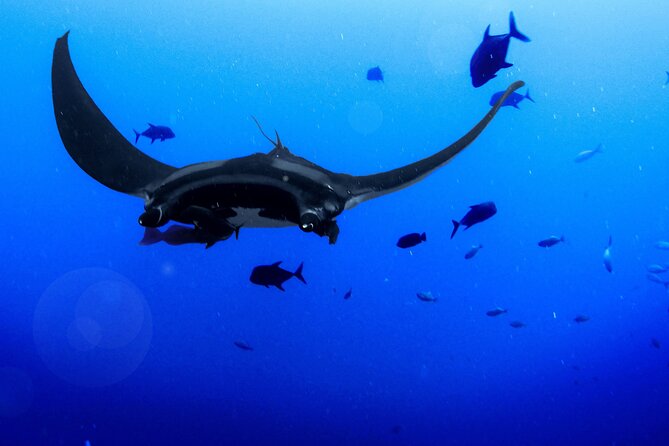
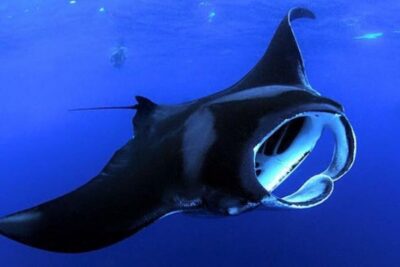
The main event is pure Hawaiian night magic: you float at the surface while manta rays sweep beneath a glowing board, their wide wings turning and banking as they feed on plankton. The boat ride from Keauhou Harbor can take as little as five minutes, leaving more time for the part you came to see.
I like the small group of no more than 11 and the calm, careful way the guides set up the water time. I also like that you can stay aboard and watch the sunset if snorkeling is not for you. Guides including Sarah, Sara, Molly, Justin, Lexi, and Kenichi have been praised for clear instruction and care for the animals.
The main caution is that this is an ocean outing, not a guaranteed wildlife show. Conditions can turn choppy, cancellations do happen for safety, and the water may feel cold after about 30 minutes in the sea. At $145, you are paying for a focused encounter rather than a long cruise or a full evening of sightseeing.
In This Review
- Key points to know before booking
- Why Kona’s night manta encounter feels so special
- From Keauhou Harbor to the feeding site
- Sunset briefing and a simple water setup
- Holding the light board as the mantas arrive
- What you see beneath the surface
- The small-group advantage, and its limits
- Is $145 a fair price?
- Health, comfort, and practical limits
- Weather, wildlife, and cancellation risk
- Who will enjoy Manta Magic most?
- Should you book this Kona manta snorkel?
- FAQ
- Where does the manta snorkel begin?
- Where does the activity end?
- How long does the experience last?
- How many people can join the tour?
- Do I have to snorkel?
- Is snorkeling equipment included?
- Do I need to know how to swim?
- Is transportation provided?
- What happens if weather cancels the tour?
Key points to know before booking
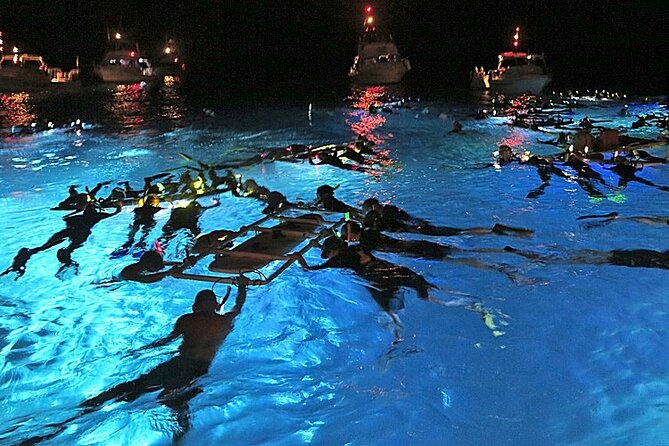
- The mantas feed beneath a glowing light board: The light attracts plankton, which in turn brings the rays close to the surface.
- The boat ride is often very short: Keauhou Harbor sits close to the viewing area, with some departures reaching the site in about five minutes.
- You must be able to swim independently: The tour requires swimming without help from a flotation device.
- The group is capped at 11 people: This gives the in-water guide more room to watch and assist the group.
- Wetsuits are optional, not necessarily full suits: The supplied gear may be a short-sleeve wetsuit top, so bring extra coverage if you get cold.
- Ocean conditions control the schedule: A cancellation for poor weather brings a choice of another date or a full refund.
Why Kona’s night manta encounter feels so special
Kailua Kona’s manta snorkel is not a passive wildlife cruise. You are in the water, face down at the surface, watching the animals pass below you at startlingly close range.
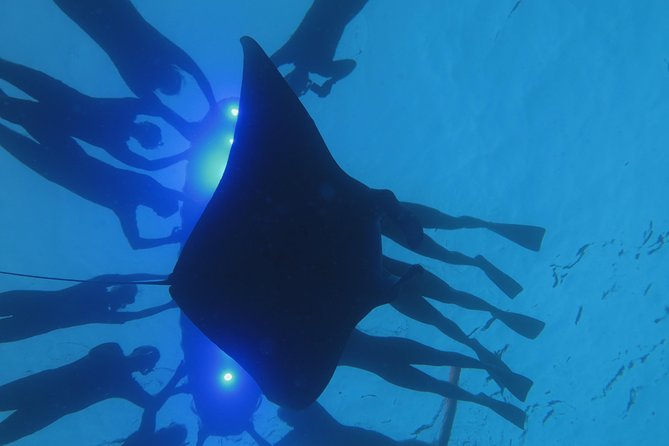
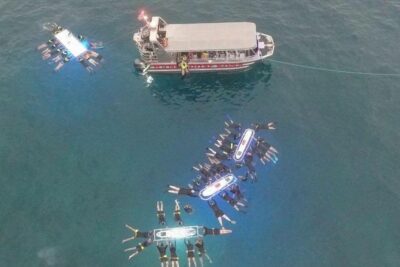
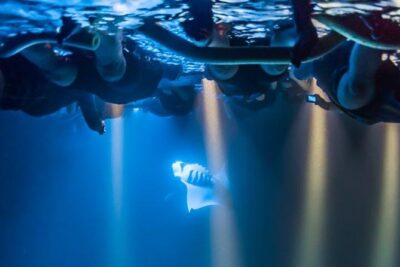
The rays are drawn by plankton gathered around the lights. You hold onto a floating light board while a certified swim guide stays with the group. The board gives you something steady to grip and keeps the group together, while the light creates the conditions that bring the mantas to the site.
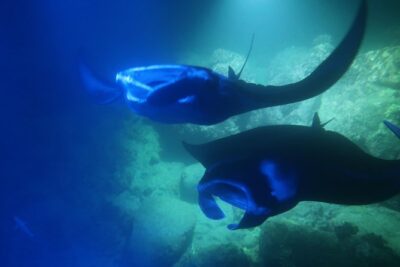
That setup explains the strange beauty of the scene. One moment you are floating in dark water under a sunset sky. The next, a manta glides beneath you, turns on its side, and comes within inches of your arms before sweeping away. Some outings produce three or four rays. Others have seen 10, 14, 15, or even about 20 animals.
No number is promised, and that matters. These are wild animals. You may get a busy evening, or a quieter one. The appeal is not a staged performance, but the chance to watch feeding behavior at close range.
More Big Island of Hawaii trips worth a second look
- Big Island Manta Ray Night Snorkel
★ 5.0 · 5,656 reviews - KONA Manta Ray Night Snorkel – FREE re-ride if no Sightings
★ 5.0 · 2,212 reviews - Manta Ray Night Snorkel at Kona, Big Island
★ 5.0 · 1,758 reviews
From Keauhou Harbor to the feeding site
You meet at 78-7130 Kaleiopapa Street in Kailua Kona. The activity returns to this same meeting point, and you must arrange your own way there. There is no transportation from Hilo or a shuttle from downtown Kona, so allow time to drive and find the correct parking area.
Arrival instructions deserve attention. The operator uses a white van near the harbor, but local rules prevent it from parking directly inside the harbor. The van may be about a block away and can be difficult to spot. Arrive 30 minutes before departure, read the location message carefully, and do not assume that a large beach sign will point the way.
Once checked in, you board the boat and head toward the manta site. The short ride is a real advantage. You spend less time in open water and more time preparing for the encounter. It also limits the chance of a long, uncomfortable ride if you are prone to seasickness, though even a short trip can feel rough when the water is choppy.
The boat is small by design. That keeps the group personal, but it also means fewer onboard comforts than you would find on a larger vessel. If you value space, a quieter group, and direct contact with the in-water guide, the size works in your favor. If you want a roomy boat with more seating and amenities, a large operator may suit you better.
Sunset briefing and a simple water setup
The ride gives your guide time to explain how manta rays feed and what you should do in the water. This briefing is useful because the best encounter depends on simple behavior: hold onto the board, remain near the group, listen to the swim guide, and avoid touching the rays.
Snorkel gear is supplied, along with beverages and an optional wetsuit. The in-water setup is straightforward. You collect your mask and snorkel, put on the available thermal layer if you want it, and enter the sea near the light board.
The wetsuit detail needs a careful note. The listing says wetsuits are provided, but the equipment described in the supplied feedback is generally a short-sleeve wetsuit top rather than a full wetsuit. Some people find this perfectly adequate in Hawaiian water. If you chill easily, bring your own full suit if you have one, or at least plan for the possibility that the available coverage will be limited.
An adult life jacket is not intended as standard viewing equipment because it holds your head high and makes it harder to look down. The light board supports your upper body, and ankle floats support your legs. Pool noodles may be available if requested. You still need to swim without relying on a flotation device, so this is not the right choice for a nonswimmer.
Holding the light board as the mantas arrive
After entering the water, you hold the glowing board and let the guide position the group. The board attracts plankton, and the plankton attracts the mantas. Your task is less athletic than it may sound. You are mainly floating, looking down, and keeping a firm grip while the guide manages the group.
The certified swim guide remains in the water to help you stay comfortable and explain what you are seeing. Guides such as Molly and Sara have been singled out for giving facts while also managing the group. That combination matters. At night, with several people sharing one board, a clear voice and steady direction make the experience much easier.
The water time is about 30 minutes, even though the full activity is listed at roughly one hour. That half-hour is a sensible length. You have enough time to see repeated passes without spending so long in the water that cold or fatigue take over.
The crew may move people into the water quickly. There are practical reasons for this: a stationary boat can make seasickness worse, the board can drift away from the boat, and every minute spent waiting is a minute taken from the manta viewing. It can feel brisk, especially if you want more time to settle your nerves, but the quick setup helps protect the actual viewing time.
A completely different way to spend a day nearby:
- Big Island in a Day: Volcanoes Waterfalls Sightseeing and History
★ 5.0 · 6,569 reviews - Big Island: Kona Manta Ray Snorkel Tour in Keauhou Harbor
★ 4.5 · 2,465 reviews - Hilo Shore Excursion: Volcanoes National Park & Black Sand Beach
★ 4.5 · 2,338 reviews - Big Island: Captain Cook Snorkel On A Power Catamaran With Lunch
★ 5.0 · 2,232 reviews
What you see beneath the surface
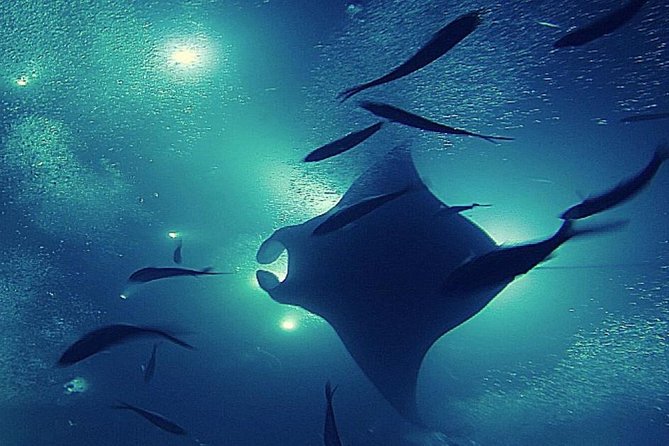
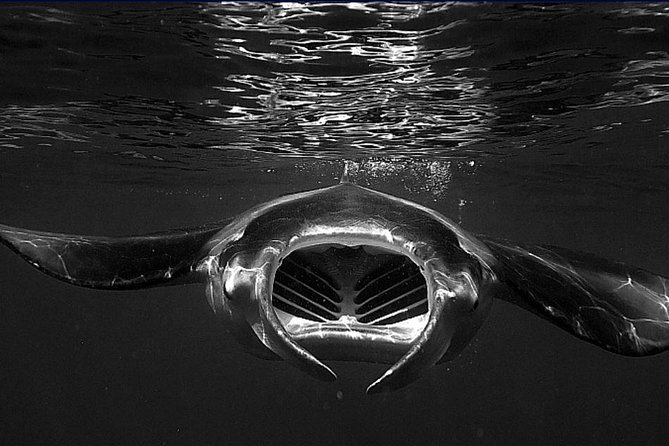
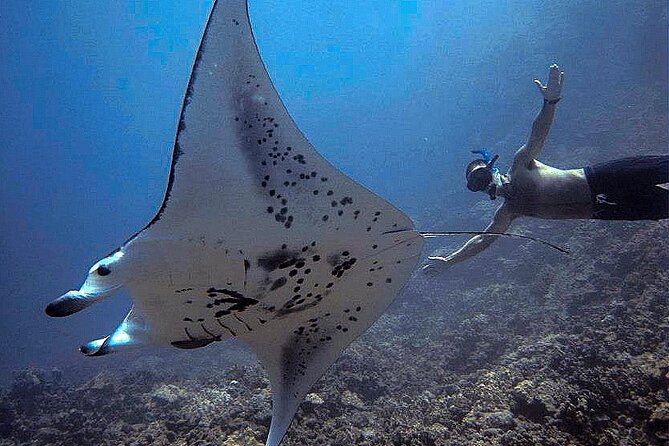
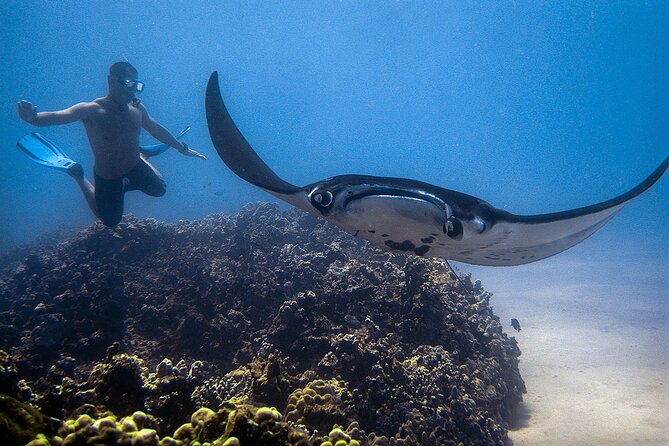
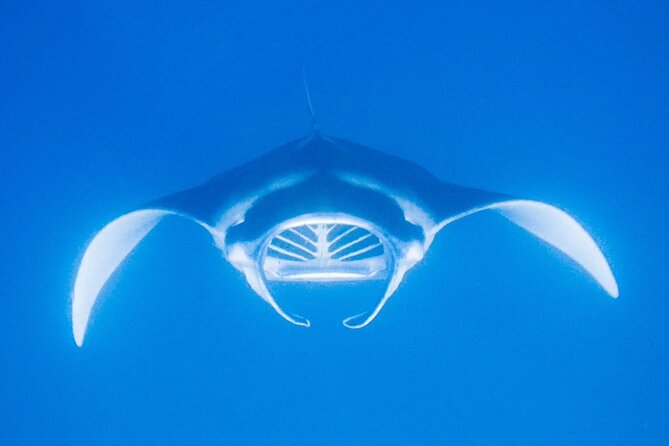
The mantas move in broad loops and sudden turns as they feed. Their wings can seem enormous when they pass directly under the board, yet the animals are gentle and focused on plankton. You may see one ray return again and again, or several arrive in sequence as the feeding area grows active.
Some encounters are quiet and graceful, with three rays making repeated passes. On a stronger night, the water can fill with animals. Reports from this operation include groups of seven or eight, 10, 14, and even about 20 mantas. A particularly good evening produced roughly 15 around the board, with some passing within inches of swimmers.
That variety is part of the bargain. You cannot select the number of rays, the length of each pass, or how close they come. You can only choose a reputable operation, listen to the guide, and hope the sea cooperates.
You should also expect the viewing area to feel dark and busy. The light board creates the focus, but the experience is not a private meeting with one animal. Other people are holding the board, and the guide may be speaking from one end while you are positioned at the other. A small group helps, but it does not make the water silent or completely personal.
Do not touch the mantas. Their closeness can tempt you, especially when one appears to brush past an arm. The best encounter is a respectful one, with you staying still and allowing the animal to control the distance.
The small-group advantage, and its limits
A maximum of 11 people is one of the strongest reasons to consider this tour. It is easier to hear instructions, easier for the guide to keep track of everyone, and less crowded around the light board than on a large boat.
The small format also makes the departure feel direct. You are not moving through a large crowd or waiting for dozens of people to enter the sea. Guides can spend more time helping individuals who feel nervous, and the boat gets to the site quickly.
There is a tradeoff. A small boat has less room and fewer backup comforts. One critical account described difficulty boarding in rough water, worn ankle-float fasteners, limited adult life jackets, and staff who were not helpful enough. The operator responded that crew should assist when needed and said the concerns would be addressed.
That balance is worth keeping in mind. Most of the supplied experiences praised the crew’s care, clear instruction, and professionalism. Still, conditions and staff performance can vary by departure. If you need extensive physical assistance, ask the operator ahead of time about boarding help and equipment.
Is $145 a fair price?
At $145 per person, this is not a budget activity. The price includes the professional guide, snorkel equipment, beverages, local taxes, and an optional wetsuit. You also get the smaller group and a boat positioned close to the viewing site.
I think the value depends on what you want from the evening. If your priority is seeing manta rays with the least possible time spent in transit, the short ride and small group make a strong case. If you are comparing it with a larger boat, you may pay a similar amount for more onboard space and a broader range of amenities.
The tour lasts about an hour, so the cost per minute is high if you judge it like a conventional sightseeing trip. That is the wrong comparison, though. You are paying for a rare wildlife encounter in a carefully timed setting, not for a long cruise.
The value also rests on the quality of the manta encounter. A night with 10 rays circling close can feel worth the full vacation budget. A cancellation or a low-activity evening will feel different, even though the operating costs remain the same. Keep your expectations realistic, and avoid scheduling this as the single reason you must leave the island the next morning.
Health, comfort, and practical limits
You need moderate physical fitness and the ability to swim without assistance from a flotation device. A ticket is required for every person, including children and anyone who stays on the boat.
The activity is not recommended for people with neck problems. Holding your head down to watch the rays can put strain on your neck, and the board position may not work well for everyone. If you have a medical concern, ask the operator before booking rather than deciding at the dock.
Motion sickness is another concern. One useful precaution is to take an appropriate seasickness medicine such as Dramamine or Bonine before departure if you already know you are sensitive. The ride may be short, but choppy water can make the boat uncomfortable.
Bring a waterproof phone case or a secure underwater camera if you want pictures. A camera attached to your wrist or chest is safer than trying to hold a loose phone while gripping the board. Do not let photography distract you from watching the animals or following the guide’s directions.
The stated maximum weight is 280 pounds per person. If that limit affects you, confirm the policy before paying. It is also wise to arrive early, since late arrival can mean missing the boat and losing the fare under the cancellation rules.
Weather, wildlife, and cancellation risk
This activity requires good weather. If poor conditions make the trip unsafe, the operator may cancel and offer another date or a full refund. A minimum number of participants is also required, and a cancellation for that reason brings the same choice.
That policy is frustrating when you have planned your holiday around the manta snorkel. It is also the correct safety approach for a night outing in open water. Ocean conditions can change quickly, and the captain has to protect both the group and the crew.
For that reason, I would schedule the manta trip early enough in your Big Island stay to leave room for a rescheduled date. Do not place it on your final evening if seeing the rays is essential. You can cancel for a full refund if you do so at least 24 hours before the start time. Inside that window, the payment is not refunded.
Who will enjoy Manta Magic most?
I would choose this tour if you want a close wildlife encounter, prefer a small group, and are comfortable floating in the sea at night. It suits couples, families with older children, and nature lovers who would rather spend the evening watching one remarkable animal than taking a general sunset cruise.
It can work for people in their 60s who have moderate fitness and feel at ease in the water. The guides have helped nervous participants, but you still need to swim independently and manage the basic physical demands.
I would look elsewhere if you want full wetsuits included, extensive onboard space, guaranteed wildlife sightings, or door-to-door transport. You may also prefer a larger boat if boarding a small vessel is difficult for you.
Should you book this Kona manta snorkel?
Book it if manta rays are high on your Big Island list and you value a short ride, a capped group, and close guidance in the water. The strongest part is the animal encounter itself: the rays can pass within inches, and on a good night their feeding turns the dark sea into a remarkable natural show.
I would book with three safeguards. Choose a date early in your stay, arrive 30 minutes ahead, and plan for a short wetsuit top rather than a full suit. With those points understood, Manta Magic offers a focused and memorable way to see Kona’s manta rays without the feel of a large crowd.
FAQ
Where does the manta snorkel begin?
It begins at 78-7130 Kaleiopapa Street in Kailua Kona, near Keauhou Harbor.
Where does the activity end?
The tour returns to the original meeting point.
How long does the experience last?
The activity lasts approximately one hour, with about 30 minutes spent in the water.
How many people can join the tour?
The maximum group size is 11 people.
Do I have to snorkel?
No. Snorkeling is optional. You can remain on the boat and enjoy the sunset.
Is snorkeling equipment included?
Yes. Snorkeling equipment is provided, along with beverages and an optional wetsuit.
Do I need to know how to swim?
Yes. You must be able to swim without the assistance of a flotation device.
Is transportation provided?
No. Transportation to and from the attraction is not included, so you must make your own way to the meeting point.
What happens if weather cancels the tour?
You will be offered another date or a full refund if poor weather causes the cancellation. A cancellation because the minimum number of participants is not met also brings the choice of another date or experience, or a full refund.
Recently reviewed around Big Island of Hawaii
- Hilo Shore Excursion: Active Volcano, Lava Tube, Waterfall and Gardens★ 5.0 · 393 reviews
- Volcano Adventure: Hilo Sightseeing w/ Optional Helicopter Tour★ 4.5 · 412 reviews
- Kealakekua Bay Snorkeling Tour – 4 hour Kona Zodiac Adventure★ 5.0 · 508 reviews
- Zodiac Raft Whale Watching Adventure★ 5.0 · 456 reviews
- Whale Watching On The Big Island★ 5.0 · 573 reviews
- Hawaii Volcanoes, Waterfalls, Beaches & Hilo Highlights Day Tour★ 5.0 · 391 reviews
- Small Group Big Island Twilight Volcano and Stargazing Tour★ 5.0 · 1,619 reviews
- Manta Ray Night Snorkel Tour in Kailua-Kona, Big Island★ 5.0 · 382 reviews
Manta Ray Snorkeling, compared.
Kona Manta Ray Snorkel Tour in Keauhou Harbor
Read our review →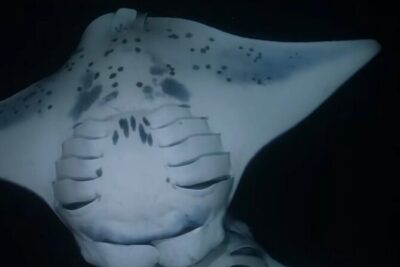
KONA Manta Ray Night Snorkel – FREE re-ride if no Sightings
Read our review →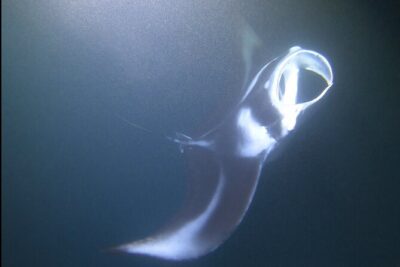
Kailua Kona: Night Manta Ray Adventure on the Big Island
Read our review →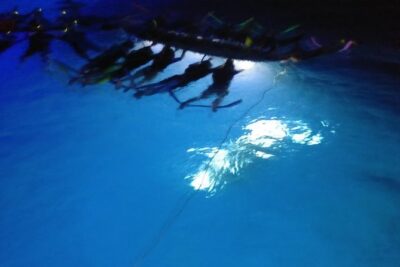
Browse the lists this tour appears in