
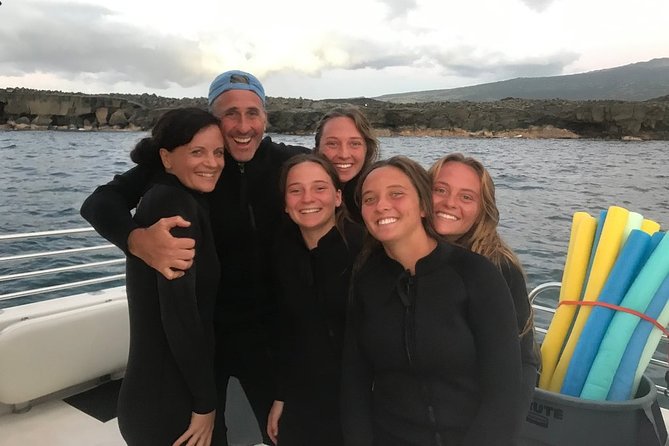
Reviewed · MANTA RAY SNORKELING
Manta Ray Night Snorkel in Kona
The real show begins after sunset, when manta rays sweep beneath your face, sometimes only inches away, feeding on plankton drawn to the boat’s lights. This Kona manta ray night snorkel gives you a front-row view of a wild animal in its own ocean, not behind glass.
I like the custom light board, which helps gather plankton below the swimmers, and the easy four-step ladder, which makes getting back aboard far less awkward. I also like the warm freshwater rinse, wetsuits, snacks, and water. The main drawback is simple: the ocean and the mantas make the schedule, not you. Rough water, cold conditions, or shy rays can turn a magical evening into a long wait.
In This Review
- Key points to know before booking
- Sunset departure from Kealakehe Harbor
- Garden Eel Cove after dark
- What the crew does in the water
- Gear, warmth, and the return to shore
- How good is the $125 value?
- The rough-water question
- Who should book this Kona night snorkel?
- Booking and cancellation details that matter
- Is the Manta Ray Night Snorkel worth it?
- FAQ
- Where does the Manta Ray Night Snorkel meet?
- What time does the tour start?
- Is snorkeling required?
- What equipment is included?
- Are food and drinks included?
- What should I bring?
- What happens if the weather is poor or the mantas do not appear?
Key points to know before booking
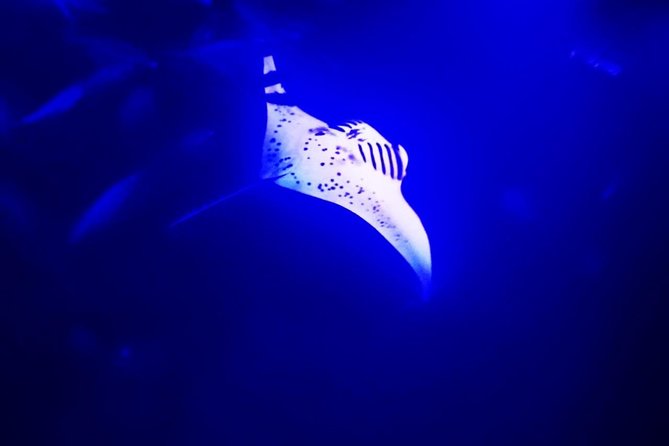
- Manta rays feed beneath the light board: You hold onto a floating board while the rays circle below.
- The boat leaves at 4 p.m.: Your outing includes a sunset cruise, the snorkel, and the ride back to the harbor.
- A custom-built 2016 boat handles the outing: The Maheli-Heli has a cabin, bathroom, submerged ladder steps, and an eco-friendly engine.
- You can stay dry: Snorkeling is optional, and you can watch from the boat if entering dark water is not for you.
- The crew takes safety seriously: Expect a waiver, firm instructions, flotation equipment, and help entering and leaving the water.
- Manta sightings are not guaranteed: Most outings report several rays, but some have seen none.
Sunset departure from Kealakehe Harbor
Your evening starts at 4 p.m. at Manta Adventures, 74-429 Kealakehe Parkway, Slip G-2, Kailua-Kona. Plan to arrive ready for a boat outing, with swimwear under your clothes and a towel where you can reach it.
The first part of the trip is a cruise along the Kona coast aboard the Maheli-Heli. This is useful timing. You reach the viewing area before full darkness, and the ride gives you a chance to settle in, listen to the safety briefing, and watch the coast change from afternoon to evening.
The boat was custom-built in 2016. It has a cabin where bags and other items can stay dry, a head with a sink, and an eco-friendly engine. The design aims to make water access easier than the usual scramble over a boat’s rear edge. Instead, you use a heavy-duty ladder with four submerged steps.
That detail matters once you are wet, cold, and tired. A ladder that reaches into the water gives you something solid to grip, though climbing from the sea still takes effort. The boat is described as having room for up to 24 people, but that can feel tight when everyone is changing, preparing gear, or waiting to enter the water. If you dislike close quarters, ask about the expected group size before you book.
More Big Island of Hawaii trips worth a second look
- Big Island Manta Ray Night Snorkel
★ 5.0 · 5,656 reviews - KONA Manta Ray Night Snorkel – FREE re-ride if no Sightings
★ 5.0 · 2,212 reviews - Manta Ray Night Snorkel at Kona, Big Island
★ 5.0 · 1,758 reviews
Garden Eel Cove after dark
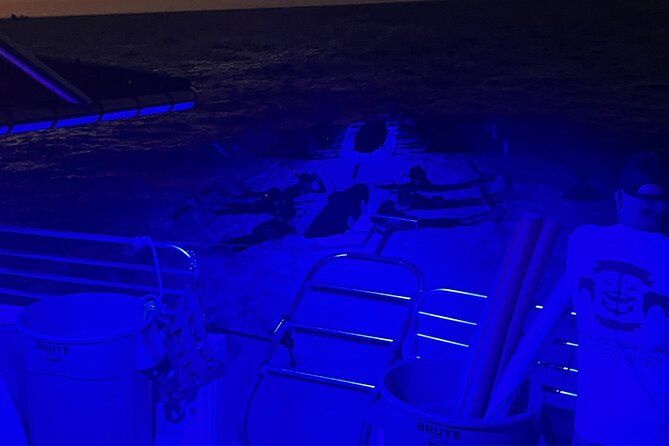
The boat heads toward Garden Eel Cove, the famous Kona-area site used for the night snorkel. The setting changes quickly. At sunset, you may have enough light for a short look around the water. After dark, the bright underwater lights become the center of the experience.
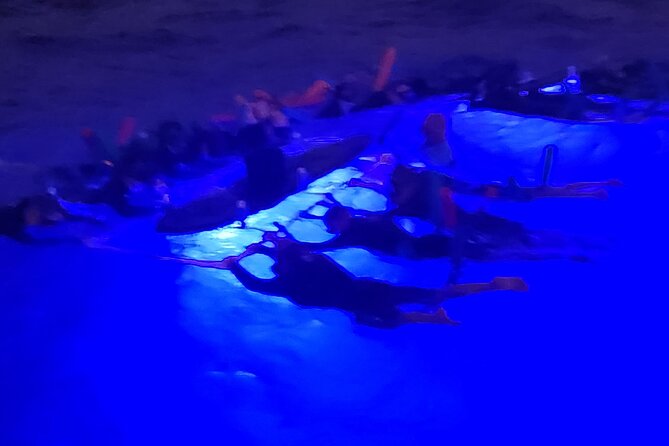
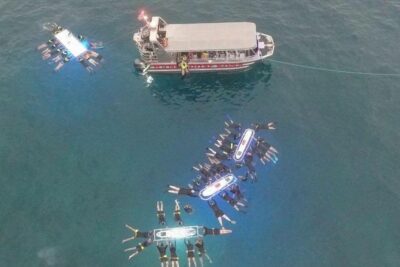
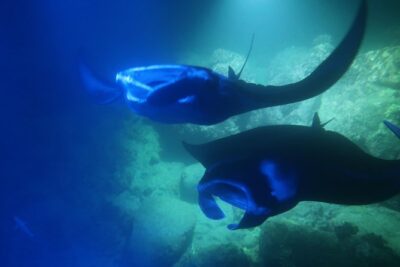
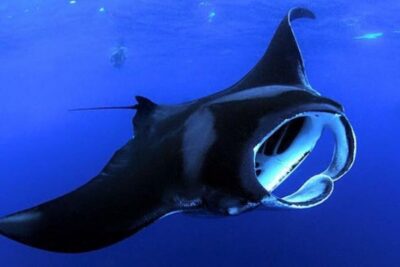
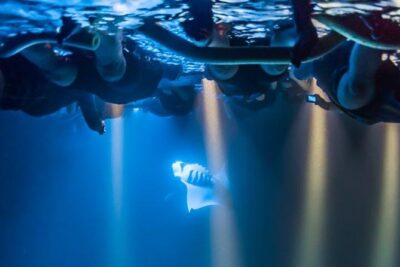
The basic idea is clever and well suited to manta feeding habits. Plankton gather around the lights, and manta rays follow the food. You hold onto a floating board at the surface while the animals glide below it. Their wide wings and pale undersides can fill your view as they turn, loop, and pass beneath you.
The best part is the distance. Several reports describe rays coming within inches of snorkelers. Some outings have produced three to five rays for more than 30 minutes, while stronger nights have brought 10 or more. One trip had an almost constant stream of 12 to 15 rays.
Those numbers are not a promise. Manta rays are wild animals, and the crew cannot call them in on demand. A night with no sightings is possible, even when the lights and location are working as planned. That is the central risk of booking this activity, and you should accept it before paying.
The setting can also feel strange at first. You are floating in dark ocean water, looking down into a pool of light, with the boat nearby and the rest of the cove hidden in blackness. The experience rewards calm breathing and patience. If you feel uneasy, the crew can help you reach your position on the board, and you can choose to remain aboard instead.
What the crew does in the water
The crew’s job is not just to point out rays. They explain how to use the board, mask, fins, wetsuit, and flotation equipment. Everyone must complete and sign an in-water snorkel waiver, and children must be accompanied by an adult.
Several crew members are identified with the operation, including Captain Bill, Captain Dan, Drew, Sam, Cal, Melissa, Karen, and Kevin. The exact team can vary, but the trip depends heavily on the crew’s organization. Drew has been praised for remembering names and keeping people engaged, while Sam and Cal have been noted for checking on swimmers and helping with equipment.
The captain may sound firm when giving instructions. That is not necessarily bad news. At night, the rules protect both people and manta rays. You need to follow directions about where to hold on, how to enter the water, and how to avoid touching the animals.
The strongest part of this operation is the help offered to people who are not strong swimmers. Flotation devices are included, and the crew can assist you to the board. Still, you should be comfortable being in open water with a mask and snorkel. The tour is not presented as a lesson in swimming, and every participant needs to judge their own ability honestly.
Children must be accompanied by an adult. The supplied information does not give a full age policy, so confirm the current minimum age before booking if you are bringing young children. One past booking problem involved children who were too young for the operator’s stated rules, so do not rely on an assumption about age eligibility.
Gear, warmth, and the return to shore
Manta Adventures supplies a mask, fins, snorkel gear, flotation devices, and wetsuits. That makes the $125 price easier to assess. You do not need to rent the main equipment separately, and you can spend less time packing bulky gear for the flight.
Bring your own towel. It is specifically requested, and you should not count on one being supplied. Wear swimwear, and bring a cover-up plus a light jacket or sweater for the boat ride. Once the sun drops, even a mild evening can feel cool when you are wet.
The warm freshwater shower is one of the most useful extras. After holding onto the board in the night water, a warm rinse can make the ride back far more pleasant. Some people still find the water cold, even with wetsuits, so pack your clothing in a dry bag or keep it in the boat cabin if possible.
Light snacks and water are included. The food may be modest rather than a full meal. Expect items such as fruit, cookies, and drinks, not dinner. Past outings have included fresh pineapple and homemade chocolate chip cookies, but you should still bring any special snacks or drinks you need.
An underwater camera or GoPro is worth bringing if you already own one. The crew does not provide camera equipment. Use a secure strap, and remember that your attention may be better spent watching a manta pass directly below your face than trying to frame every turn.
A completely different way to spend a day nearby:
- Big Island in a Day: Volcanoes Waterfalls Sightseeing and History
★ 5.0 · 6,569 reviews - Big Island: Kona Manta Ray Snorkel Tour in Keauhou Harbor
★ 4.5 · 2,465 reviews - Hilo Shore Excursion: Volcanoes National Park & Black Sand Beach
★ 4.5 · 2,338 reviews - Big Island: Captain Cook Snorkel On A Power Catamaran With Lunch
★ 5.0 · 2,232 reviews
How good is the $125 value?
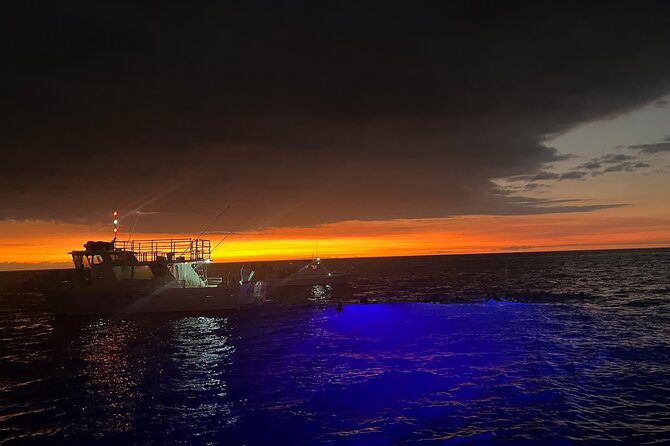
At $125 per person, this is not the cheapest way to get onto the Kona coast. The price includes about three and a half hours on the water, boat transport, snorkel equipment, wetsuit, flotation gear, snacks, water, and the warm rinse. You are also paying for a crewed night operation with a purpose-built light board and a boat designed for repeated water entry.
I think the value is strongest if you want a guided experience with gear and support already arranged. The crew handles the practical work, and you do not need to figure out how to reach the site or how to position yourself near the lights.
The value is weaker if you expect a guaranteed wildlife performance. No operator can promise that manta rays will appear, stay for an hour, or approach the board. You are paying for a well-organized chance to see them in the wild.
The company has offered a return trip when mantas fail to appear, but you should confirm the current terms directly before relying on that option. Policies and booking arrangements can change, especially when a reservation is made through a third-party site. Direct booking may reduce the chance of a reservation communication error, though the cancellation terms still matter.
The rough-water question
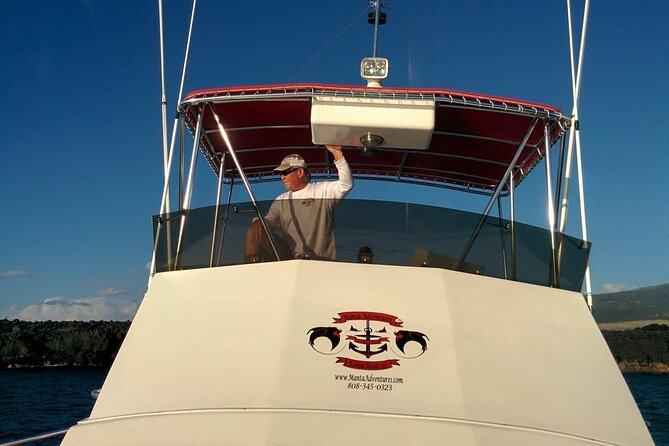
Kona’s manta snorkel is an ocean outing, not a calm swimming pool. Conditions can change, and one trip may be postponed for several nights because of high surf. If poor weather cancels your outing, you receive the choice of another date or a full refund.
Even when the boat leaves, rough water can affect the ride and the time in the water. Some people have become seasick, and waiting at the board for rays can feel tiring if the surface is moving. If you are prone to seasickness, ask the operator what precautions are allowed and consider speaking with a medical professional about suitable medication before the trip.
Summer conditions may be calmer and the water warmer, according to the operator’s response to one difficult outing. That is useful, but it is not a guarantee. Check the forecast close to departure and keep some flexibility in your Kona plans.
You also need to be ready for the temperature after sunset. A wetsuit helps, and the warm rinse is welcome, but one person can feel comfortable while another is shivering. A sweater, cover-up, and dry towel are small items that make a real difference.
Who should book this Kona night snorkel?
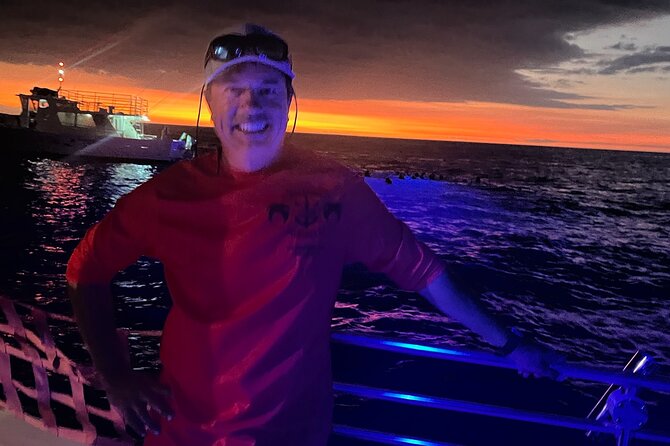
I would recommend it to you if you can float comfortably, follow water instructions, and accept that wildlife sightings are uncertain. It suits couples looking for a memorable evening, families with eligible children, and solo visitors who want an organized way to see manta rays.
It can also suit a cautious swimmer. The board, flotation equipment, ladder, and crew assistance remove several common worries. You still need to be willing to enter open water at night, but you do not have to swim around alone.
You may want to skip it if you dislike boats, get seasick easily, feel distressed in a crowded space, or need a guaranteed schedule. The boat can feel cramped at full capacity, and an hour in moving water is a long time if the mantas stay away.
Most important, do not book this as a simple sightseeing cruise. The boat ride and snacks are supporting pieces. The real product is a chance to watch wild manta rays feed in darkness. That can be astonishing, but nature keeps the final say.
Booking and cancellation details that matter
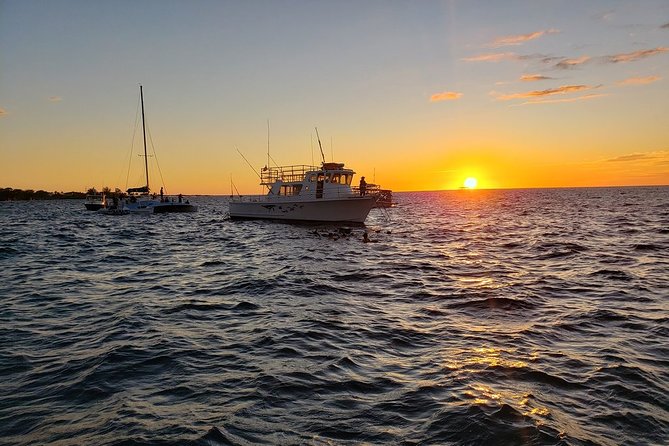
The tour lasts about three hours and 30 minutes and returns to the same harbor. It is often reserved well ahead, with bookings averaging about 39 days in advance, so leaving this until the last night of a short Big Island visit is risky.
Free cancellation applies when you cancel at least 24 hours before the 4 p.m. start time. Changes or cancellations inside that 24-hour window are not refunded. The operator can also cancel for poor weather or an insufficient number of participants, in which case you receive another date, another experience, or a full refund.
A mobile ticket is provided. Check that your confirmation reaches the operating company, especially if you reserve through an outside booking platform. Bring any special-needs requests forward when making the reservation, since the company asks guests to identify those needs in advance.
Is the Manta Ray Night Snorkel worth it?
Yes, if you want one of Kona’s most unusual ocean experiences and you can handle the uncertainty. The close views, strong lighting system, helpful water access, warm rinse, and attentive crew support give this outing real value at $125.
I would book it for the chance to watch manta rays sweep through the light, not for the included snack or a promise of perfect seas. Pack a towel, warm layer, swimwear, and camera, leave room in your schedule for weather changes, and choose a night when you can enjoy the ocean even if the animals stay away. If the mantas show, this can be the evening you remember most from the Big Island.
FAQ
Where does the Manta Ray Night Snorkel meet?
The meeting point is Manta Adventures Inc. at 74-429 Kealakehe Parkway, Slip G-2, Kailua-Kona, Hawaii 96740. The tour ends back at this same meeting point.
What time does the tour start?
The scheduled start time is 4 p.m. The outing lasts approximately three hours and 30 minutes.
Is snorkeling required?
No. You can use the included snorkel equipment and enter the water, or stay dry aboard the boat and watch from there.
What equipment is included?
The tour provides snorkel gear, fins, a mask, flotation devices, and wetsuits. A warm freshwater shower rinse is also included.
Are food and drinks included?
Light snacks and water are included. You should bring any special snacks or drinks you may need.
What should I bring?
Bring a towel, swimwear, a cover-up, and a light jacket or sweater. An underwater camera or GoPro is useful if you want to record the manta rays.
What happens if the weather is poor or the mantas do not appear?
If the operator cancels because of poor weather, you can choose an alternative date or receive a full refund. Manta sightings are not guaranteed because the animals are wild. The operator has offered return trips when mantas do not appear, so confirm the current arrangement before booking.
Recently reviewed around Big Island of Hawaii
- Hilo Shore Excursion: Active Volcano, Lava Tube, Waterfall and Gardens★ 5.0 · 393 reviews
- Volcano Adventure: Hilo Sightseeing w/ Optional Helicopter Tour★ 4.5 · 412 reviews
- Kealakekua Bay Snorkeling Tour – 4 hour Kona Zodiac Adventure★ 5.0 · 508 reviews
- Whale Watching On The Big Island★ 5.0 · 573 reviews
- Hawaii Volcanoes, Waterfalls, Beaches & Hilo Highlights Day Tour★ 5.0 · 391 reviews
- Zodiac Raft Whale Watching Adventure★ 5.0 · 456 reviews
- Small Group Big Island Twilight Volcano and Stargazing Tour★ 5.0 · 1,619 reviews
- Manta Ray Night Snorkel Tour in Kailua-Kona, Big Island★ 5.0 · 382 reviews
Manta Ray Snorkeling, compared.
Kona Manta Ray Snorkel Tour in Keauhou Harbor
Read our review →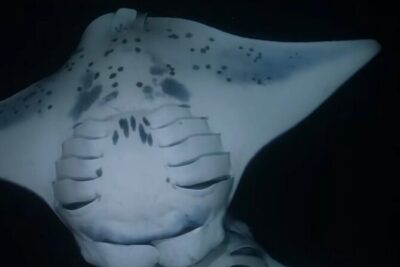
KONA Manta Ray Night Snorkel – FREE re-ride if no Sightings
Read our review →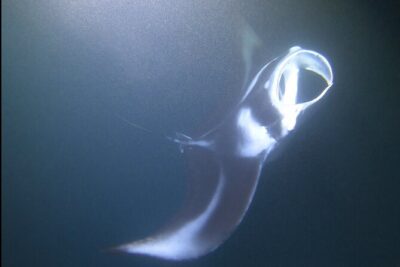
Kailua Kona: Night Manta Ray Adventure on the Big Island
Read our review →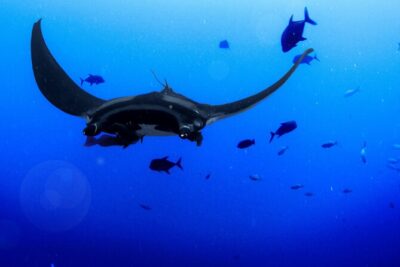
Manta Magic: Small-Group Manta Ray Night Snorkel in Kailua Kona
Read our review →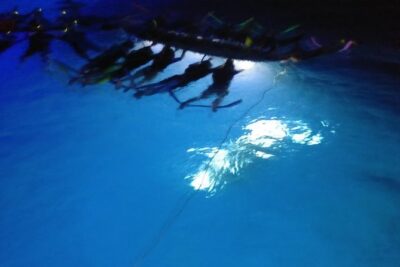
Browse the lists this tour appears in