
Reviewed · WHALE WATCHING
Monterey: Whale Watching Tour with A Marine Guide
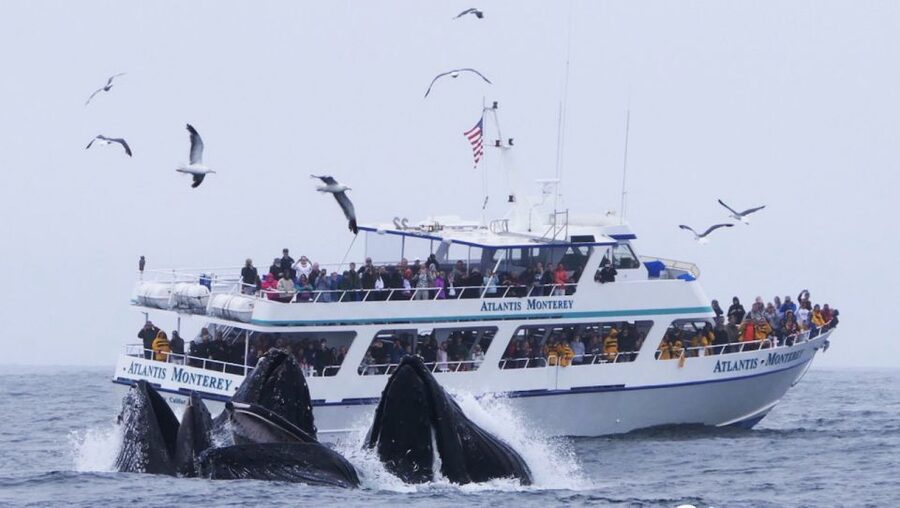
A humpback whale surfacing beside a large boat can turn an ordinary afternoon into a story you keep telling. This 150-minute Monterey whale-watching cruise takes you from Fisherman’s Wharf into Monterey Bay Marine Sanctuary, where whales, dolphins, sea lions, seabirds, and other marine life gather around some of the Pacific’s most productive waters.
I like the spacious boats, with heated indoor cabins, large windows, and an outdoor walkaround deck. I also like the guide-led commentary, which gives meaning to a distant spout or disappearing tail. The main catch is simple: wildlife is wild. You may see spectacular breaching, or you may spend time scanning open water for a few brief blows.
In This Review
- Key points to know before you book
- Leaving Fisherman’s Wharf for the marine sanctuary
- Why Monterey Bay is such a strong whale-watching setting
- What the 150-minute cruise feels like
- Finding the best place to watch from
- The guide adds more than a running commentary
- What you might see, and what you should not expect
- Is $70 a fair price?
- Practical advice for a smoother outing
- Who should book this Monterey cruise?
- Should you book it?
- FAQ
- How long is the Monterey whale-watching tour?
- Where does the tour meet?
- Which whales can I see?
- Can I see dolphins on this cruise?
- Are food and drinks included?
- Is there indoor seating?
- Can I buy an upper-deck seat?
- Are children allowed on the cruise?
- What happens if I need to cancel?
Key points to know before you book
- Look for humpback and blue whales in summer and fall: Monterey’s food-rich waters attract them during the warmer months.
- Watch for gray whales in winter and spring: Their coastal migration gives these seasons a different character.
- Expect dolphins year-round: Sea lions, seabirds, and other marine mammals may also appear.
- Choose your viewing position carefully: The boats offer heated indoor seating and outdoor decks, with limited VIP Upper Deck seats available for an extra $20.
- Plan for a five to ten-minute walk: The meeting point is the bright yellow building at the end of Fisherman’s Wharf, beside the shops and restaurants.
- Pack light and dress warmly: Large bags, luggage, strollers, and walking frames are not allowed, and the open deck can feel cold.
Leaving Fisherman’s Wharf for the marine sanctuary
The meeting point is easy to spot once you reach the end of Monterey’s Fisherman’s Wharf. Look for the bright yellow building beside the shops and restaurants. From the car park, allow five to ten minutes on foot, and build in extra time if you do not know the pier.
That walking detail matters. One person arrived late after trouble finding the car park, and another noted that the final approach is on foot. The boat cannot always wait, so I would arrive early rather than trying to cut it close.
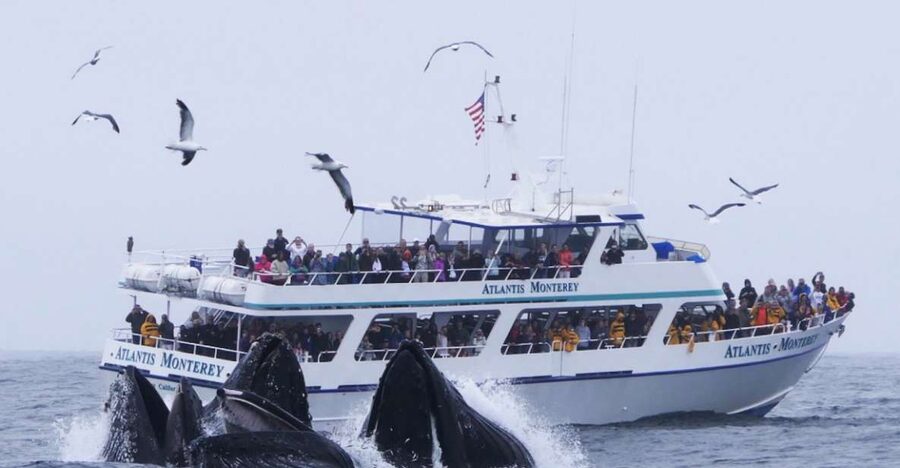
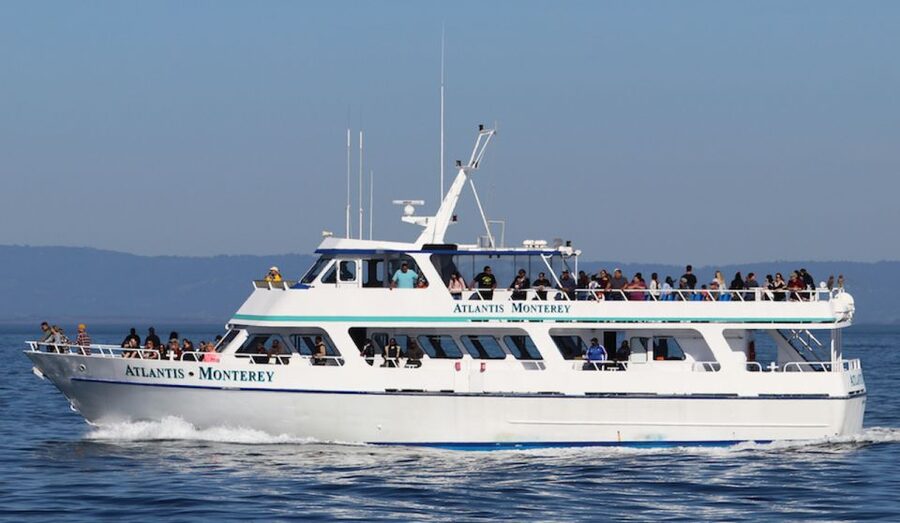
The boat will be either the 110-foot Princess Monterey or the 100-foot Atlantis Monterey. The vessel can change, as can departure times, so check the details before setting out. Both boats are designed for open-water viewing, with indoor seating, heated cabins, toilets, large windows, and outdoor space.
Once the boat leaves the harbor, the scenery changes quickly. Monterey’s waterfront gives way to open bay, and the focus shifts from buildings to the water ahead. The marine guide begins explaining what you are looking for and how to read the surface: a blow, a dark back, a fin, a group of birds, or a patch of sea lions feeding.
More whale watching out of the USA:
- Juneau Wildlife Whale Watching
★ 5.0 · 7,379 reviews - Juneau Wildlife Whale Watching & Mendenhall Glacier
★ 5.0 · 6,236 reviews - Boston: City Cruises Whale Watching Cruise
★ 4.5 · 4,710 reviews
Why Monterey Bay is such a strong whale-watching setting
Monterey Bay Marine Sanctuary is home to 34 species of marine mammals. Its most important feature is beneath the surface: nutrient-rich water rises offshore and supports a large food supply. That food draws whales and dolphins close enough for boat-based viewing.
This does not mean every trip produces a movie scene. Whales may surface briefly, remain far from the boat, or move away before everyone has a camera ready. Still, the bay offers good odds because several species use it at different times of year.
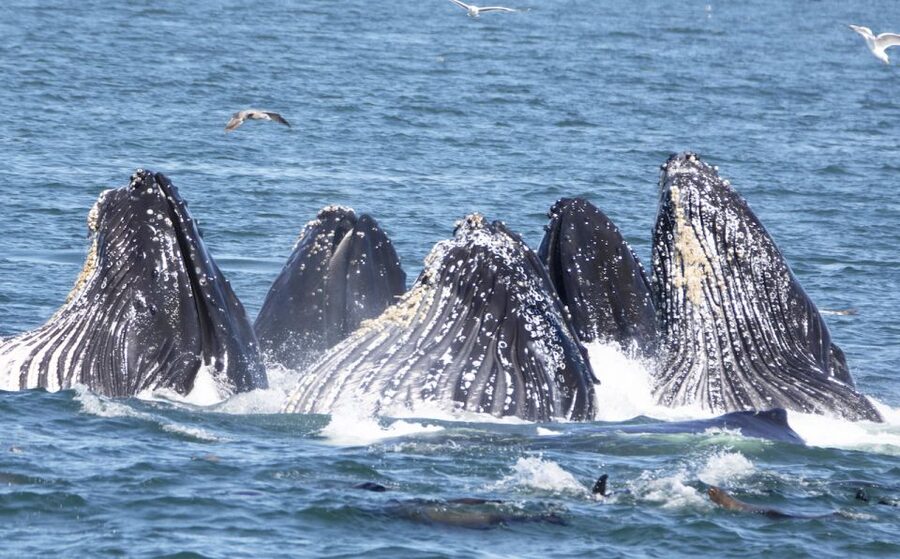
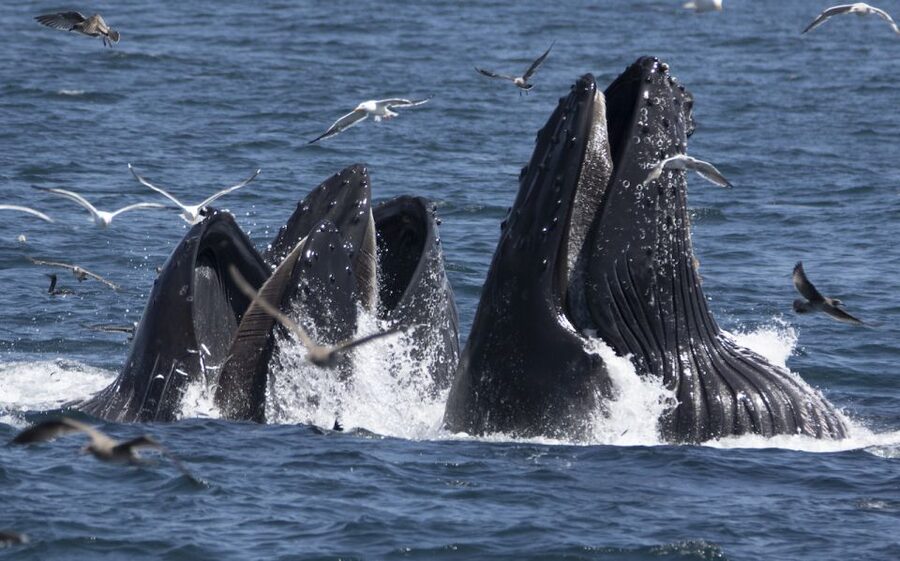
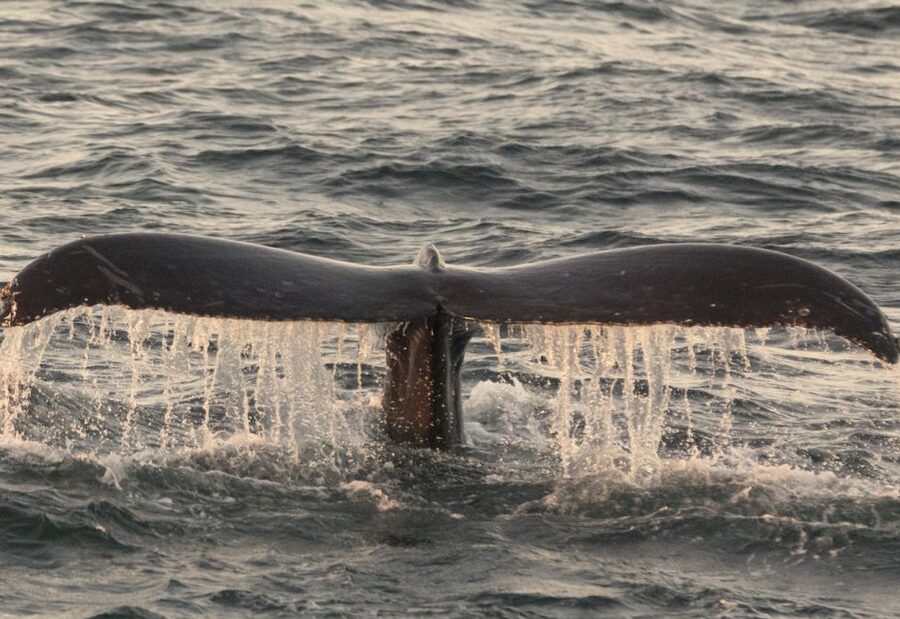
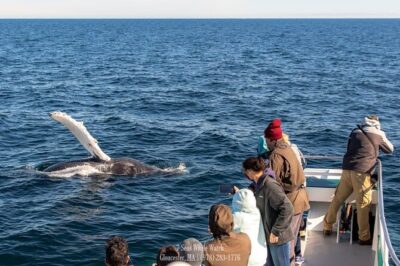
In summer and fall, humpback whales are a major attraction, along with the much larger blue whales. Humpbacks can be active at the surface, and several trips have included repeated breaches, tail displays, or whales feeding near the boat. The possibility of a blue whale adds scale, though sightings and behavior cannot be promised.
Gray whales pass the coast during winter and spring as they make one of the longest migrations of any marine mammal. A winter trip may feel different from a summer outing, with more attention on migrating gray whales rather than feeding humpbacks.
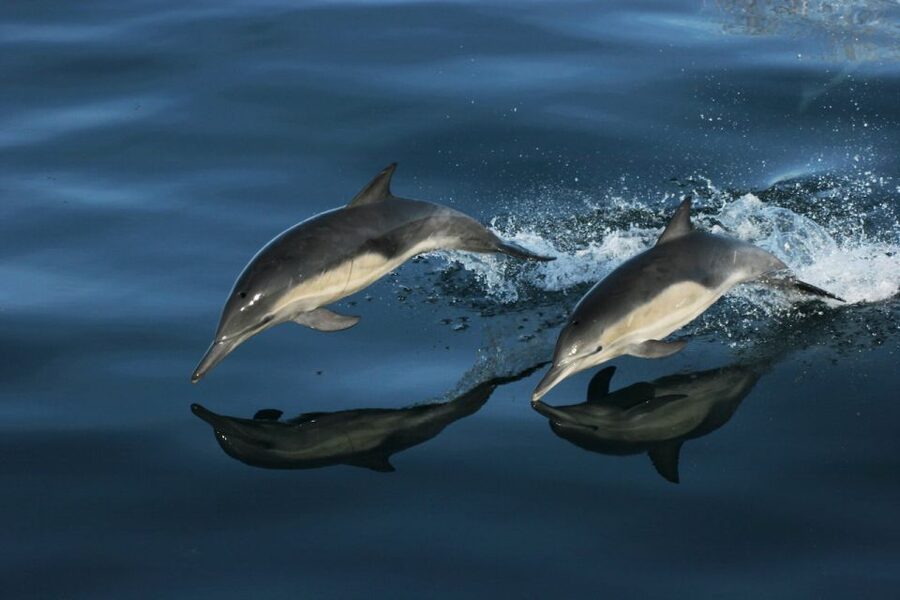
Dolphins can be found throughout the year. They may ride the waves near the vessel, sometimes appearing on the return journey. Orcas have also been seen, but they are not a dependable target species. Think of them as a remarkable bonus, not a seasonal guarantee.
What the 150-minute cruise feels like
The trip lasts two and a half hours, long enough to leave the harbor, reach active viewing areas, spend time watching wildlife, and return. The schedule gives the crew room to stay with animals when conditions are good. On one outing, the boat extended the time slightly to look for dolphins on the way back.
The first 30 to 45 minutes can test your patience. One trip initially produced no whales, then found a mother and calf followed by several humpbacks and dolphins. That is typical of wildlife watching: the quiet stretch is part of the experience, not necessarily a sign that the trip has failed.
Once whales are located, the captain may slow down and allow time for observation. You might see a blow, a rolling back, a fluke, or a whale surfacing several times as it feeds. At close range, even a short appearance feels substantial. At a distance, binoculars or a camera with a zoom lens will help, although binoculars are not listed as part of the included equipment.
The crew also watches for smaller signs of life. Sea lions and seals may gather around feeding activity, while seabirds can reveal where fish are concentrated. The guide’s job is to connect these clues, so you are not simply staring at a blank patch of ocean.
Finding the best place to watch from
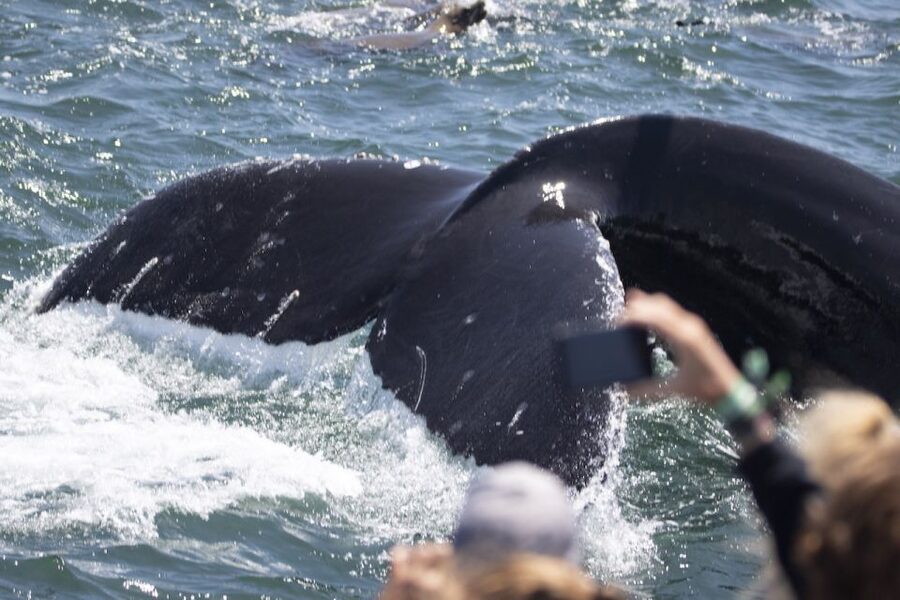
The boats offer a 360-degree viewing walkaround deck, which is useful because wildlife can surface on either side. I would avoid treating one fixed seat as your permanent base. Move carefully when the crew identifies activity in another direction, and expect popular viewing spots to fill quickly.
Indoor seating is a sensible choice if you are prone to seasickness or want shelter from the wind. The heated cabins also give you somewhere to warm up before returning outside. Large windows let you keep watching when the weather turns unpleasant, though reflections and crowds can make outdoor viewing better when conditions are comfortable.
The outdoor deck gives you the clearest sense of the bay and the best chance to follow a whale as it moves around the vessel. It can also be cold, even when Monterey feels pleasant on land. Bring warm layers, especially if you plan to stay outside for most of the trip.
A limited number of VIP Upper Deck seats may be purchased at check-in for an additional $20, depending on availability. The value is personal. One person found the upper deck worthwhile for better views, while another felt it offered no real advantage. I would consider it if an unobstructed position matters greatly to you, but I would not call it essential. The standard boat already provides outdoor viewing and a walkaround deck.
Crowding is another factor. One outing became difficult to navigate because many people were gathered on board. If you want room at the rail, arrive early and move between indoor and outdoor areas rather than waiting until a whale appears.
More the USA trips worth a second look
- History and Hauntings of Salem Guided Walking Tour
★ 5.0 · 14,564 reviews - New York in One Day Guided Sightseeing Tour
★ 5.0 · 13,166 reviews - Chicago River: 1.5-Hour Guided Architecture Cruise
★ 4.8 · 8,046 reviews - Page: Lower Antelope Canyon Entry and Navajo Guided Tour
★ 4.7 · 7,801 reviews
The guide adds more than a running commentary
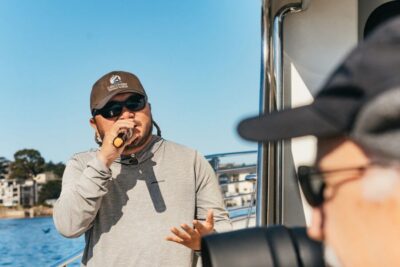
The marine guide is one of the strongest parts of this experience. The best commentary does not simply announce whale sightings. It explains behavior, the bay’s food chain, migration patterns, and the difference between species.
A good guide also knows when to stop talking. Wildlife may appear suddenly, and clear directions help you find it before the moment passes. Guides on these cruises have been praised for sharing facts in short, easy-to-follow portions, as well as for bringing humor and warmth to the trip.
Sound quality can vary by position. One person found the public-address system easy to hear at the front and inside but difficult from the back. If the natural-history information matters to you, stay near the guide or inside when possible. A distant whale is exciting, but learning why it is there makes the sighting more meaningful.
The included brochure gives you something to refer to during the cruise. Food and drinks are not included, but snacks and beverages are available from the onboard bar. You may also bring your own food or drinks. That flexibility is useful on a two-and-a-half-hour outing, especially for families with older children or anyone who prefers to bring a familiar snack.
What you might see, and what you should not expect
The strongest wildlife possibilities include humpback whales, blue whales, gray whales, dolphins, sea lions, seals, and seabirds. The exact mix depends on the season, weather, food supply, and animal movements.
Summer and fall are a good choice if humpbacks are your priority. Their feeding activity can produce repeated surfacing and occasional breaches. Blue whales may also pass through the bay, offering the chance to see the largest animal on Earth.
Winter and spring suit anyone interested in gray whale migration. Gray whales may appear as a blow followed by a long back and tail. The viewing can be quieter than a group of active humpbacks, but the migration itself gives the trip a clear purpose.
Dolphins are possible in any season. They may travel beside the vessel or appear in groups close to the boat. Sea lions and seabirds often add action while you wait for whales.
I would not book this expecting constant wildlife for 150 minutes. Even a productive trip can include long pauses, and the boat may remain some distance from the animals. Nature photographers should bring a camera with a good zoom and keep expectations realistic. The goal is to see wild animals in their own environment, not to receive perfectly framed photographs.
Some trips have included several humpbacks, a mother and calf, gray whales, fin whales, orcas, and close dolphin sightings. Other outings have seen only a couple of whales. Both are normal outcomes for a responsible wildlife cruise.
Is $70 a fair price?
At $70 per person, the cruise is not the cheapest way to spend an afternoon in Monterey, but the price is reasonable for a 150-minute boat trip with a marine guide, indoor and outdoor viewing areas, and a chance to reach the bay’s wildlife grounds.
The value improves if you care about the guide’s explanations rather than treating the boat as simple transport. You are paying for the vessel, crew, fuel, time on the water, and the chance to search a large area for animals that may move at any moment.
Food and drinks cost extra, although you may bring your own. The optional Upper Deck upgrade adds $20 per person. I would first try the standard seating and outdoor deck before paying more. If the upper level is still available and you strongly prefer a clearer position, the upgrade may suit you.
The cruise is also a better value for people who can give the experience time. If you need guaranteed close-up views on a tight schedule, no whale-watching operator can provide that. If you enjoy the process of searching, listening, and waiting for a brief appearance, the price makes more sense.
Practical advice for a smoother outing
Arrive early, particularly if you need to park. The final walk to the yellow building takes only five to ten minutes, but getting oriented around Fisherman’s Wharf may take longer.
Dress for cold conditions at sea. A light jacket that feels fine on land may not be enough on the open deck. Layers let you move between the heated cabin and outdoor viewing area without discomfort.
If you get motion sick, take your usual preventive medicine before departure. One particularly useful piece of advice from an experienced passenger was to prepare in advance rather than waiting until the boat begins moving.
Keep bags small. Luggage, large bags, baby strollers, and walking frames are not allowed. Toilets are available onboard, and food and drinks may be purchased or brought with you.
Children must be at least three years old, and the experience is not suitable for pregnant women or people with mobility impairments. The boat has outdoor areas and movement between decks, so consider those restrictions honestly before booking.
Cancellation is free up to 24 hours before departure for a full refund, and you can reserve now and pay later. That flexibility helps when your Monterey plans depend on weather or a changing road schedule.
Who should book this Monterey cruise?
I would choose this tour if you want a straightforward way to reach Monterey Bay’s marine wildlife with a guide explaining what you see. It suits couples, solo visitors, families with children over three, and anyone who wants more than a quick harbor ride.
It is especially appealing if humpback whales, dolphins, or gray whales are high on your list. The boats are large enough to offer indoor shelter and several viewing choices, which is useful when wind or spray makes the outside rail uncomfortable.
I would hesitate if you dislike open-water motion, need step-free mobility, or expect guaranteed close encounters. I would also think twice about booking the latest departure if the time changes and darkness may affect the return. One evening trip became cold and dark during the final hour after its departure moved later.
Should you book it?
Yes, if you can accept the uncertainty that comes with watching wild animals. The standout strengths are the marine guides, the large stable viewing platforms, and the range of species that may appear across the year. Breaching humpbacks, dolphins beside the boat, or a gray whale’s long back can make the outing unforgettable.
Book early in the day if you want more daylight, arrive well before departure, dress warmly, and do not pay for the Upper Deck automatically. Start with the standard seating and use the walkaround deck. At $70, this is a solid Monterey activity for anyone who values time on the water and a thoughtful explanation of the bay, not just a guaranteed photograph.
FAQ
How long is the Monterey whale-watching tour?
The cruise lasts 150 minutes, or two and a half hours. Check the available departure times when booking because schedules can change.
Where does the tour meet?
Meet at the bright yellow building at the end of Fisherman’s Wharf, beside the shops and restaurants. It is about a five to ten-minute walk from the car park.
Which whales can I see?
Possible sightings include humpback whales, blue whales, and gray whales. Humpbacks and blue whales are common targets in summer and fall, while gray whales pass the coast during winter and spring.
Can I see dolphins on this cruise?
Yes. Dolphins visit Monterey Bay throughout the year and may appear near the boat, including during the return to the harbor.
Are food and drinks included?
No. Food and drinks are available for purchase at the onboard bar, and you may also bring your own food or drinks.
Is there indoor seating?
Yes. The boats have heated cabins and large windows, along with outdoor seating and a 360-degree viewing walkaround deck.
Can I buy an upper-deck seat?
Limited VIP Upper Deck seating may be available for an additional $20 per person at check-in. Availability is limited, and the upgrade is not guaranteed.
Are children allowed on the cruise?
Children under three years old are not allowed. The activity is also not suitable for pregnant women or people with mobility impairments.
What happens if I need to cancel?
You can cancel up to 24 hours before departure for a full refund. You can also reserve your place and pay later, which keeps your plans flexible.
Recently reviewed around the USA
- Dyker Heights Christmas Lights Guided Tour★ 4.5 · 920 reviews
- New York City Dinner Cruise with Live Music★ 4.0 · 377 reviews
- New York City Holiday Lights Tour★ 4.5 · 664 reviews
- NYC in a Day Tour: Statue of Liberty, Times Square and More★ 5.0 · 366 reviews
- Broadway and Times Square Insider Tour with Theater Professional★ 5.0 · 651 reviews
- NYC Central Park Bicycle Rentals★ 4.5 · 368 reviews
- Central Park Bike Rental New York City★ 4.0 · 560 reviews
- Manhattan Sky Tour: New York Helicopter Flight★ 4.5 · 1,458 reviews
Whale Watching, compared.
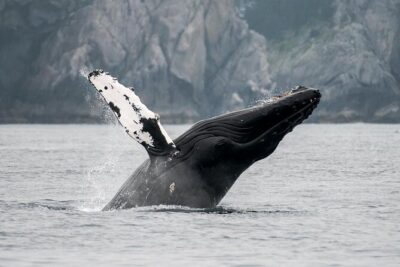
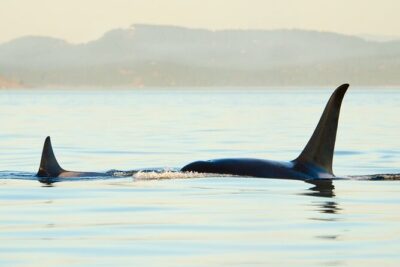
Juneau Wildlife Whale Watching & Mendenhall Glacier
Read our review →
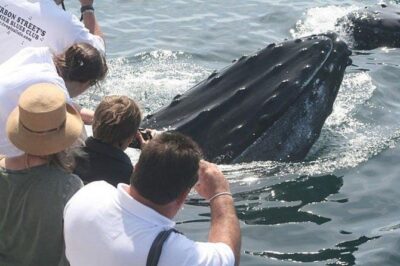
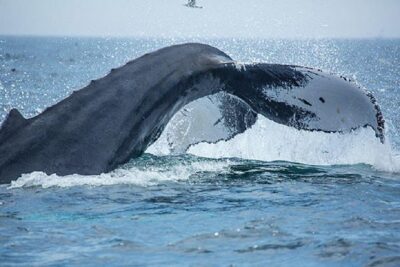
City Cruises Boston Whale Watching Cruise by High-Speed Boat
Read our review →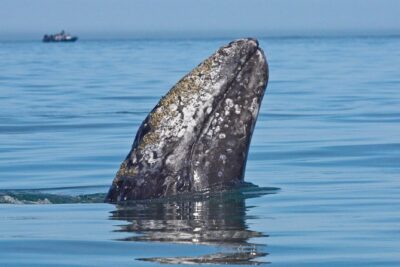
Whale Watching Trips to Stellwagen Bank Marine Sanctuary. Guaranteed sightings!
Read our review →Browse the lists this tour appears in