
Reviewed · ANTELOPE CANYON TOURS
Page: Lower Antelope Canyon Entry and Navajo Guided Tour
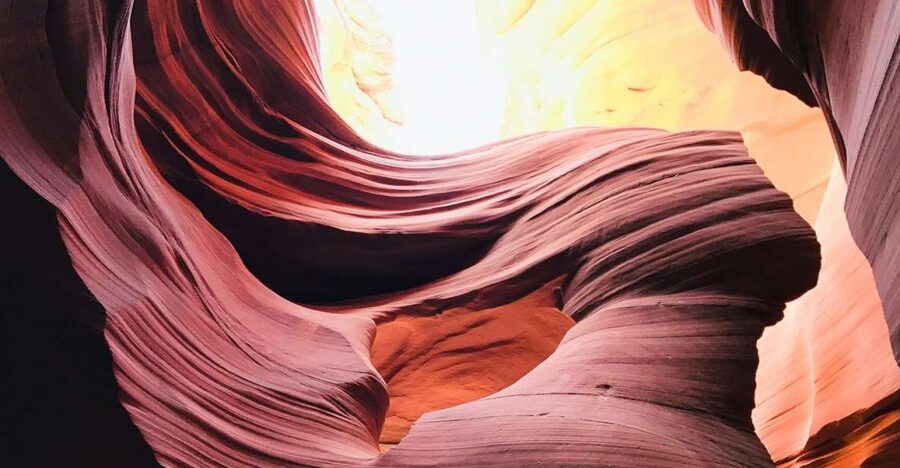
Lower Antelope Canyon is a natural light show carved into red sandstone. Water and wind shaped the narrow passage into twisting walls, smooth curves, and shadowy folds, while the moving sun keeps changing the color and mood. The canyon itself is the star, but a Navajo guide helps you notice details you might otherwise walk past.
I like two things here: the guide-led pace gives you time to take photos, and guides often point out shapes, hidden art, and phone-friendly camera angles. Several guides, including Ben, Jerry, Troy, Ala, and Kylie, have also been praised for explaining Navajo culture and taking excellent pictures of visitors. The main drawback is crowding. Groups can reach about 15 people, and narrow sections may mean waiting while others take photos.
In This Review
- Key points to know
- Why Lower Antelope Canyon Feels So Different
- The Walk From the Meeting Point to the Canyon
- Inside the One-Hour Navajo Guided Tour
- Photo Stops, Phone Tips, and Narrow Passageways
- What the Sandstone Tells You About Water and Wind
- Is the $78 Price Worth It?
- Group Size, Timing, and the Feel of the Visit
- What to Bring, and What to Leave Behind
- Who Should Book This Canyon Walk?
- The Practical Booking Decision
- FAQ
- How long does the Lower Antelope Canyon tour last?
- Where does the tour meet?
- Is a Navajo guide included?
- Does the price include the entry ticket?
- How much walking is involved?
- Can wheelchair users join the tour?
- Can I bring a backpack or tripod?
- Can bad weather cancel the tour?
Key points to know
- Hasdeztwazi means Spiral Rock Arches: This Navajo name fits the canyon’s curling sandstone walls.
- Your guide helps with photos: Guides often suggest camera settings, point out shapes, and take pictures for you.
- The walk includes steep stairs: You will walk about 10 minutes to the canyon entrance, then manage uneven ground and stairs.
- The tour lasts about one hour: That is enough time to see the main formations, though busy conditions can make the pace feel tight.
- Bags are not allowed: Leave backpacks, fanny packs, hydration packs, selfie sticks, tripods, and large cameras behind.
- Bad weather can close the canyon: Rain matters here because slot canyons are vulnerable to sudden water flow.
Why Lower Antelope Canyon Feels So Different
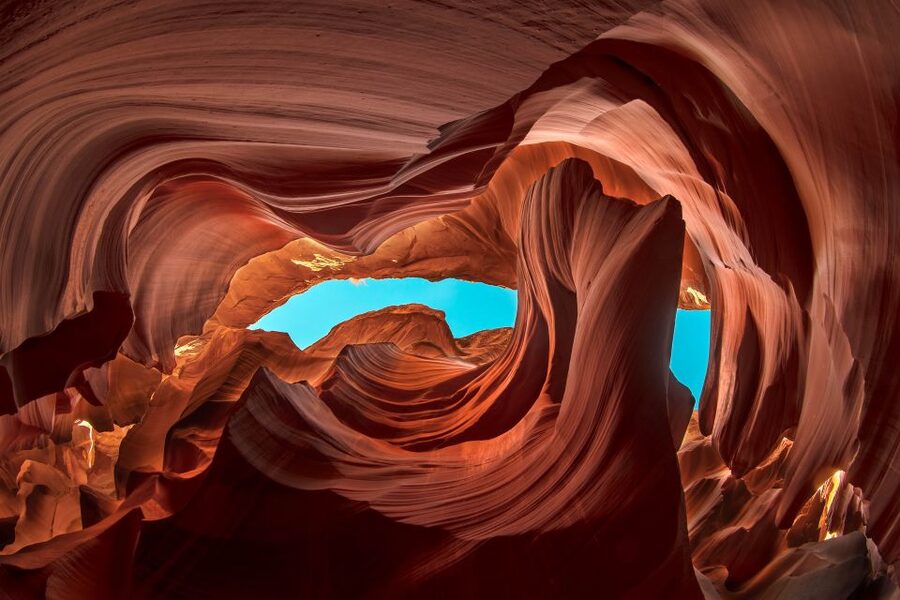
Lower Antelope Canyon is not a broad overlook where you simply admire a view. You enter the sandstone itself, walking through a winding corridor shaped by water over thousands of years.
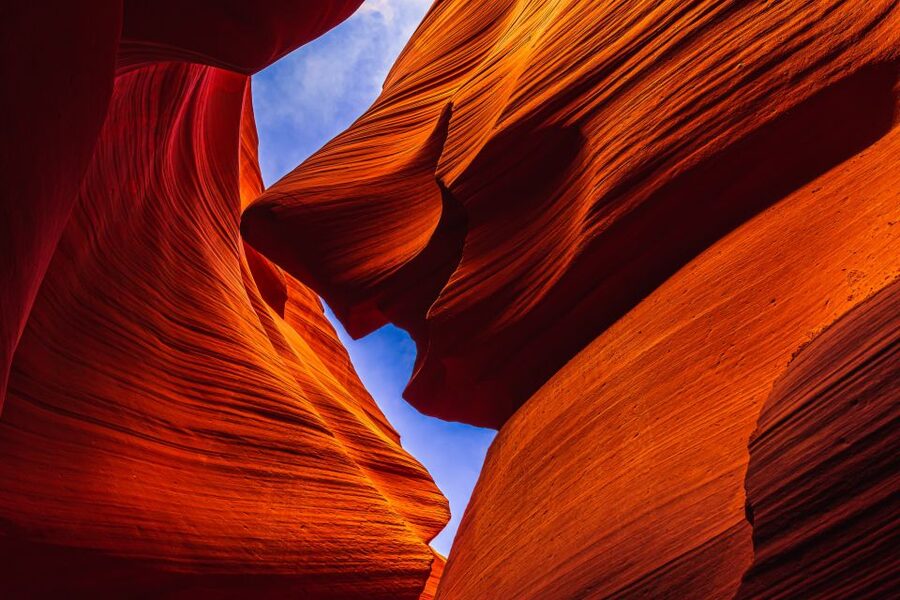
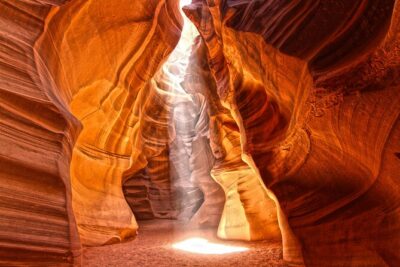
The Navajo name, Hasdeztwazi, translates as Spiral Rock Arches. You can see why as the walls curl overhead and squeeze the sky into a thin strip. Smooth grooves, sharp edges, and flowing bands of orange, pink, red, and brown give the stone a sculpted look.
I find the changing light more interesting than any single viewpoint. As the sun shifts, it slips into the canyon at different angles. Light bounces from wall to wall, brightening some curves while leaving others in cool shadow. A sunny morning and a cloudy afternoon can make the same passage look surprisingly different.
The setting is especially rewarding if you like photography, but you do not need a serious camera. Phone users can get strong pictures by following the guide’s suggestions. Guides often know where a wall resembles an animal, a face, or a familiar object. One guide even pointed out formations that looked like images from Windows or Apple screens.
More Page Arizona trips worth a second look
- Page: Antelope Canyon X Guided Tour
★ 4.6 · 4,034 reviews - Page: Lower Antelope Canyon Tour with Trained Navajo Guide
★ 4.7 · 2,552 reviews - Page: Upper Antelope Canyon Entry Ticket and Guided Tour
★ 4.5 · 2,406 reviews
The Walk From the Meeting Point to the Canyon
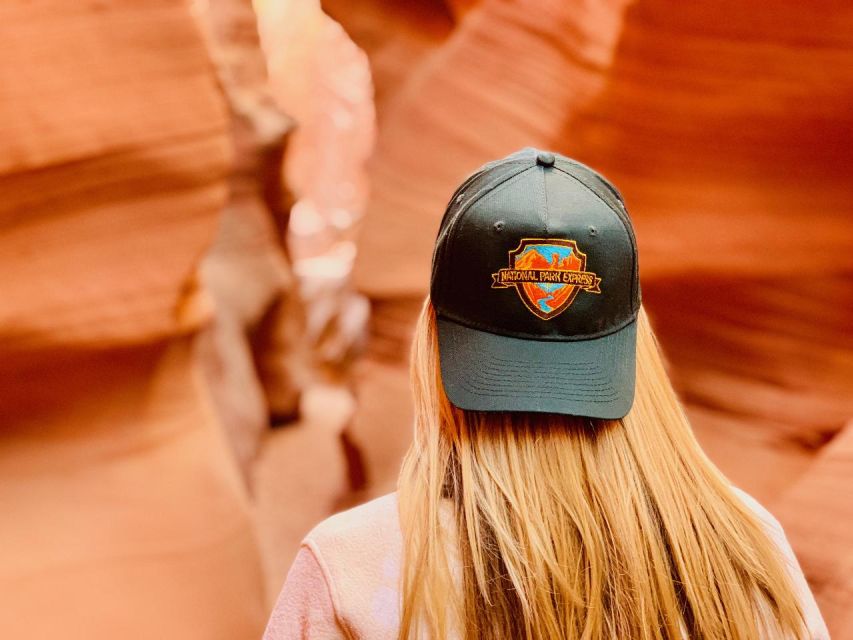
You choose a starting point connected with Ken’s Tours Lower Antelope Canyon or Dixie’s Lower Antelope Canyon Tours. The exact meeting place depends on the option you book, so check your confirmation carefully rather than assuming every ticket uses the same entrance.
From the meeting area, expect about a 10-minute walk to the canyon entrance. This is part of the outing, not a shuttle ride. Wear closed-toe shoes with a firm grip, and dress for the weather because you spend time outdoors before entering the slot.
The first physical challenge comes at the entrance. Stairs range from about 3 feet to 25 feet in length, with handrails on stairs longer than 8 feet. Some steps are steep, and the walk includes uneven surfaces plus uphill and downhill sections.
I would not call this a strenuous hike for an active person, but it is not a flat stroll. You need to walk without assistance and feel steady on stairs. The tour is not suitable for wheelchair users, people who rely on canes or walkers, or anyone unable to manage elevation changes. It is also listed as unsuitable for people with mobility impairments, heart problems, or pregnancy.
Inside the One-Hour Navajo Guided Tour
Once inside, the canyon narrows into a series of twisting passages. The guide keeps the group moving through the route while pausing at sections with especially fine curves, colors, or patterns.
This guided format matters. The walls can look abstract at first, like a collection of waves frozen in stone. A guide can point out how water cut the grooves, explain how the canyon formed, and show you shapes that are easy to miss. Guides have also used demonstrations to explain the canyon’s formation, making the geology easier to understand than a signboard would.
The cultural side adds another layer. Local Navajo guides may discuss Navajo traditions and the connection between the people and this part of Arizona. Some guides bring humor, music, or personal stories into the walk. Flute playing has added a memorable touch for some groups, though it should not be treated as a guaranteed part of every departure.
The best guides do not simply recite facts. They watch the group, help people on stairs, answer questions, and keep an eye out for safe photo stops. Guides such as Ben, Jerry, Troy, Mickyala, Ala, Myron, and Kylie have received especially warm praise for combining information with patience and personality.
Photo Stops, Phone Tips, and Narrow Passageways
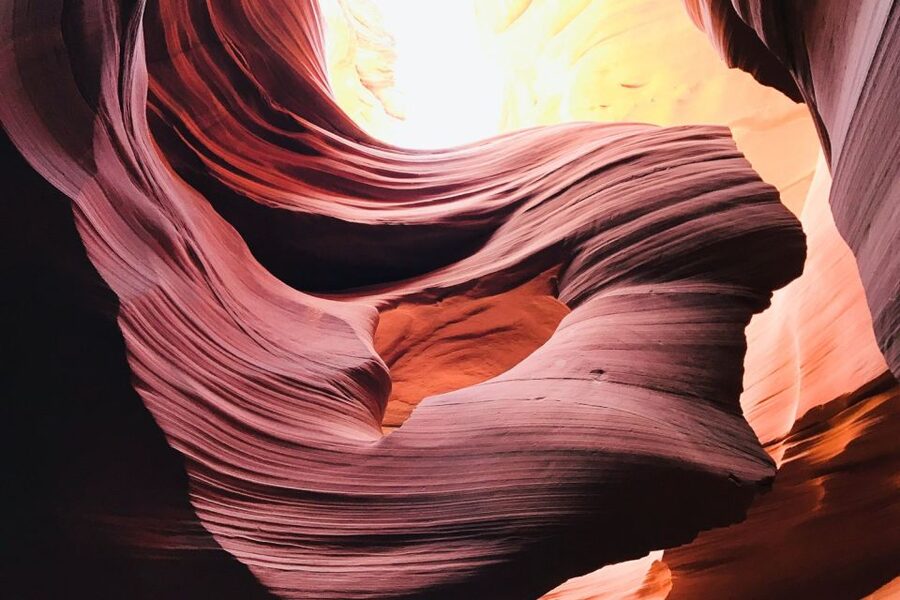
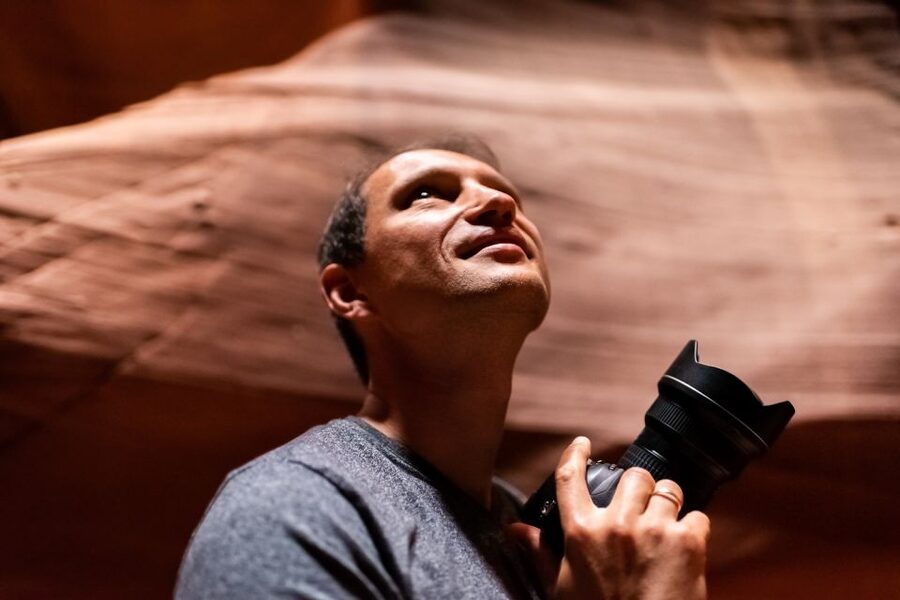
The tour is designed with photographers in mind, but it is important to set the right expectations. You will not have unlimited time to set up a tripod or work alone. Tripods, professional cameras, selfie sticks, GoPros, flash photography, and video recording are not permitted.
That sounds restrictive, yet it suits the conditions. The passage is narrow, and large equipment would slow the line. Your best tool is likely a phone or a small permitted camera. Several guides have helped visitors with iPhone settings, suggested good angles, and taken pictures of couples and families using their own devices.
I recommend keeping your camera ready but not staring at it the entire time. Look first at the stone. Notice how a dark fold turns purple, how a bright edge makes the wall look thin, and how the same curve changes when you move a few steps.
Crowding is the biggest photography issue. Groups may contain around 15 people, and other groups can be close by. In a narrow section, you may wait while someone takes a picture. Some people find it easier to stay near the back of their group, allowing others to move ahead before taking photos and rejoining the line.
You should also expect the guide to control the pace. One person described the outing as feeling rushed because of the number of people stopping for pictures. Another found the group size manageable and the organization smooth. Both reactions make sense. The canyon is visually rich, but it is a shared space with a fixed route and limited room.
A completely different way to spend a day nearby:
- Las Vegas: Antelope Canyon Horseshoe Bend Tour & Lake Powell
★ 4.7 · 2,307 reviews - Page: Lower Antelope Canyon Walking Tour with Navajo Guide
★ 4.7 · 1,289 reviews - Page: Lower Antelope Canyon Prime-Time Guided Tour
★ 4.6 · 668 reviews - Page: Upper Antelope Canyon Prime Time Entry & Navajo Guide.
★ 4.6 · 619 reviews
What the Sandstone Tells You About Water and Wind
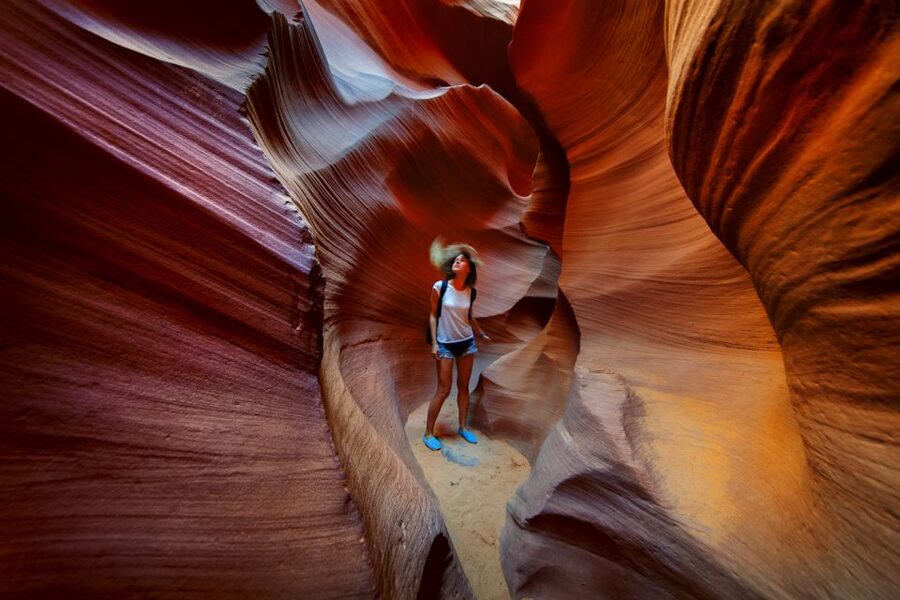
The canyon’s smooth walls are not the result of careful human carving. They come from natural forces working slowly over many thousands of years.
Water is especially important. During storms, water moves through the sandstone and gradually cuts channels into the rock. Wind helps shape and polish exposed surfaces. The result is a passage filled with flowing lines, rounded hollows, narrow slots, and overhanging forms.
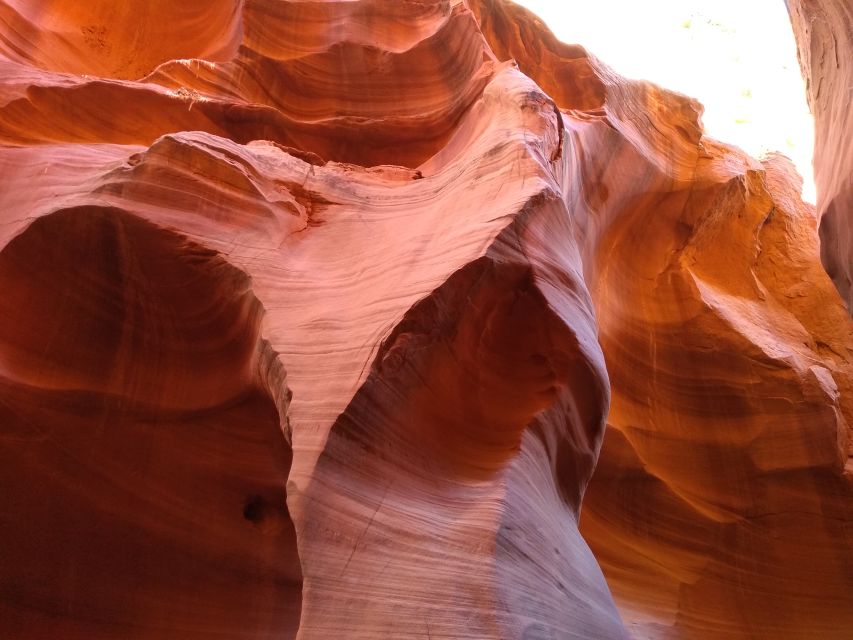
A guide can make this process easier to picture. Watch for grooves that run down the wall and broader curves where water has worked across the stone. The formations are not identical from one section to the next, which keeps the walk from feeling repetitive.
The weather also affects what you see. On a bright day, sunlight can bring out the canyon’s warm color and strong contrast. Cloud or rain may soften the color and reduce the dramatic glow. One rainy visit still offered remarkable geology, but the colors were less vivid than expected.
Bad weather can also lead to closure. This is not a place to ignore storm conditions. Slot canyons can be affected by sudden water flow, so safety decisions may change quickly.
Is the $78 Price Worth It?
At about $78 per person, this is not a cheap one-hour activity. The price includes the approximate 60-minute Lower Antelope Canyon walking tour, a local Navajo guide, the $8-per-person Navajo national permit fee, and the Lower Antelope Canyon entry ticket if that option is selected.
The value depends on what you want from the visit. If you only want to glimpse the canyon, the cost may feel high for a short walk. If you want a reserved time at a highly sought-after site, a guide who explains the geology and culture, and practical help with photos, the price is easier to defend.
Pre-booking is important because access is organized around reserved tour times. You are paying not just for admission but for a structured visit to a place where independent wandering is not part of the plan.
I think the value is strongest for first-time visitors, families, and anyone who wants context instead of silently walking through the rocks. Serious photographers may find the no-tripod rule and steady group movement limiting. Still, a good guide can help you get better results with a phone than you might manage alone.
Group Size, Timing, and the Feel of the Visit
Small-group availability is offered, but the standard group can still be around 15 people. That is worth considering before you book. A group of that size is not intimate inside a narrow canyon, especially when everyone wants the same photo.
The tour lasts about one hour inside the canyon. That is enough to appreciate the main formations and take plenty of pictures, but it does not allow long pauses at every bend. The guides generally keep things moving, which helps the schedule but can disappoint you if you want a quiet, unhurried photography session.
Starting early may help with the overall feel. One group enjoyed being among the first of the day, while the canyon’s light will always depend on the sun, clouds, and season. The available start times vary, so check the schedule before planning the rest of your day.
The tour is conducted in English. If you have trouble hearing in a crowd, stay near the guide and ask people around you to leave space. One visitor found the commentary hard to hear and suggested an audio system for the future. That is a fair concern in a busy, echoing canyon.
What to Bring, and What to Leave Behind
Keep your packing simple. Bring:
- Closed-toe shoes
- Weather-appropriate clothing
- A phone or permitted small camera
- Water before or after the tour, since hydration packs and bags are not allowed inside
The restrictions are strict. No backpacks, fanny packs, bags, large luggage, baby strollers, selfie sticks, tripods, professional cameras, flash photography, or video recording are allowed. Hiking sticks, canes, walkers, wheelchairs, mobility scooters, and crutches are also prohibited.
Pets and service animals are not permitted on Lower Antelope Canyon tours. Alcohol, firearms, and concealed weapons are prohibited as well.
Do not arrive expecting to carry a camera bag through the canyon. Pack light before you reach the meeting point, and wear clothing that lets you move easily on stairs. High-heeled shoes are not allowed and would be a poor choice on the uneven route anyway.
Who Should Book This Canyon Walk?
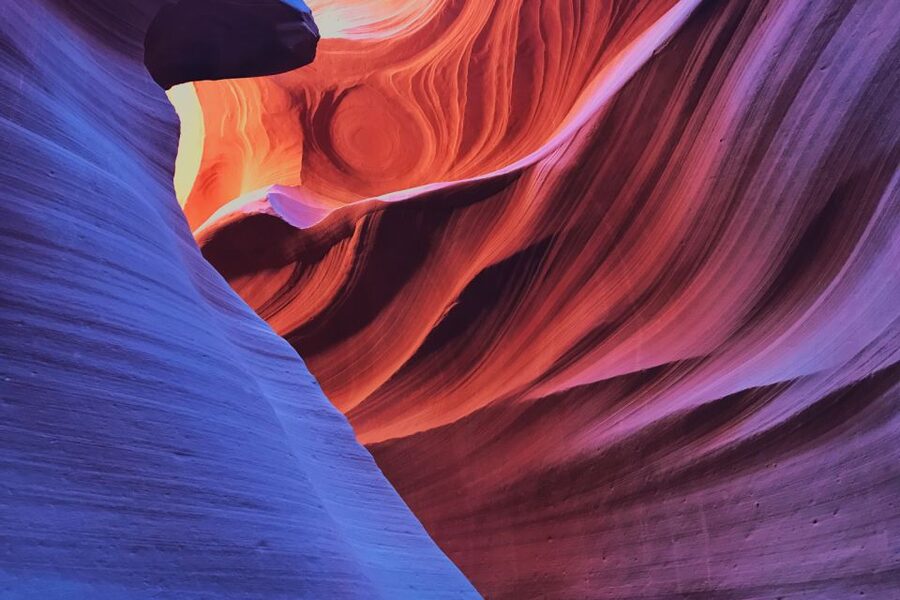
I would recommend this tour to you if you want to see one of Arizona’s most unusual natural formations without planning a technical hike. It suits first-time visitors, photographers using phones, families with older children who can manage stairs, and people curious about Navajo culture as well as geology.
It is also a good choice if you appreciate help with pictures. Guides often find the best angles, suggest settings, and take photos for the group. That small service can make a big difference when you are traveling as a couple or family and do not want one person left out of every picture.
Think twice if you need a wheelchair, walker, cane, hiking stick, or other mobility aid. The stairs and uneven ground are not optional parts of the route. You should also reconsider if pregnancy, heart problems, or poor balance make steep steps risky.
Photographers who need a tripod, professional camera, or complete control over timing may prefer a different type of outing. This is a guided public walk, not a private photography workshop.
The Practical Booking Decision
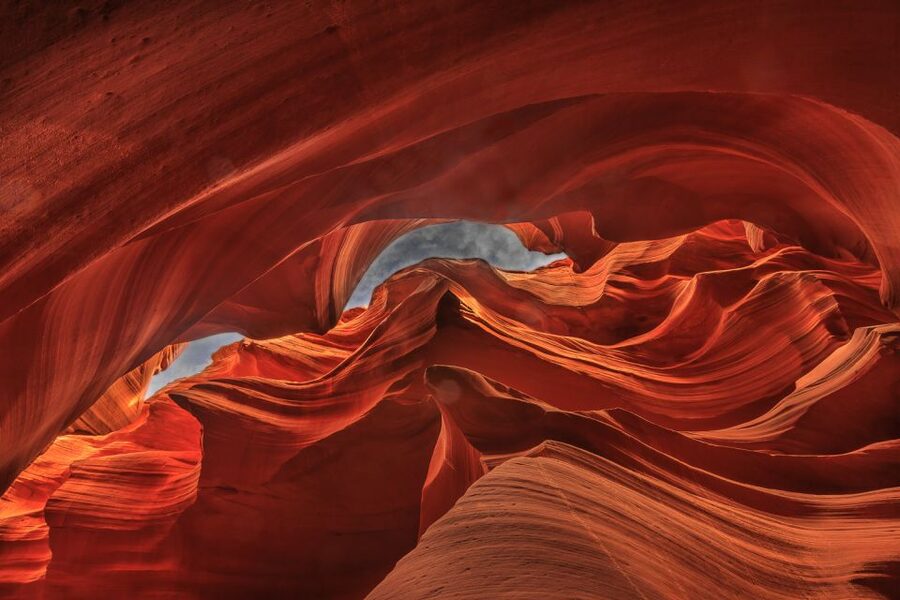
Book this tour if Lower Antelope Canyon is a priority and you want a reserved entry, local guiding, useful photo help, and a clear introduction to the canyon’s geology and Navajo connections. At $78, the cost is meaningful, but the combination of access, interpretation, and assistance makes it worthwhile for many first-time visitors.
Skip it if you want solitude, flexible pacing, or a gear-heavy photography session. Also skip it if stairs and uneven surfaces are a problem. For everyone else, this is a memorable one-hour walk through stone shaped into forms no architect could design.
FAQ
How long does the Lower Antelope Canyon tour last?
The guided walking tour lasts approximately one hour.
Where does the tour meet?
The meeting point varies by the option booked. Starting locations may include Ken’s Tours Lower Antelope Canyon and Dixie’s Lower Antelope Canyon Tours.
Is a Navajo guide included?
Yes. The tour includes a local Navajo guide, and the live tour is conducted in English.
Does the price include the entry ticket?
The package includes the Lower Antelope Canyon entry ticket if that option is selected. It also includes the $8-per-person Navajo national permit fee.
How much walking is involved?
You walk about 10 minutes to the canyon entrance, then continue over uneven ground with inclines, declines, and stairs ranging from about 3 feet to 25 feet in length.
Can wheelchair users join the tour?
No. The experience is not suitable for wheelchair users, and wheelchairs, walkers, canes, hiking sticks, and mobility scooters are not permitted.
Can I bring a backpack or tripod?
No. Backpacks, bags, fanny packs, hydration packs, tripods, selfie sticks, professional cameras, and large luggage are not permitted.
Can bad weather cancel the tour?
Yes. Lower Antelope Canyon may close because of bad weather. Cancellation up to four days in advance is available for a full refund.
Recently reviewed around Page Arizona
- Page: Upper Antelope Canyon Walking Tour with Local Guide★ 4.5 · 586 reviews
- Page: Upper Antelope Canyon Sightseeing Tour w/ Entry Ticket★ 4.6 · 397 reviews
- Page/Lake Powell: Guided Kayak & Water Antelope Canyon Tour★ 4.9 · 477 reviews
- Page: Lower Antelope Canyon Prime-Time Guided Tour★ 4.6 · 668 reviews
- Page: Lower Antelope Canyon Ticket and Guided Hiking Tour★ 4.6 · 519 reviews
- Page: Lower Antelope Canyon Walking Tour with Navajo Guide★ 4.7 · 1,289 reviews
- Page: Upper Antelope Canyon Prime Time Entry & Navajo Guide.★ 4.6 · 619 reviews
- Antelope Canyon Lake Powell: Guided Kayaking & Hike Tour★ 4.9 · 369 reviews
Antelope Canyon Tours, compared.

Lower Antelope Canyon and Horseshoe Bend Day Tour with Lunch
Read our review →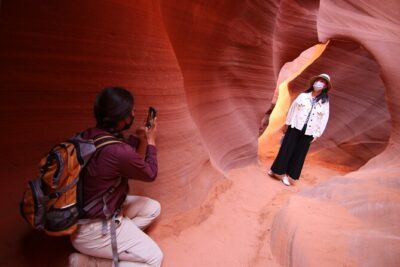

Lower Antelope Canyon Tour with Trained Navajo Guide
Read our review →
Upper Antelope Canyon Entry Ticket and Guided Tour
Read our review →
Antelope Canyon Horseshoe Bend Tour & Lake Powell
Read our review →
Browse the lists this tour appears in