
Reviewed · ANTELOPE CANYON TOURS
Page: Upper Antelope Canyon Entry Ticket and Guided Tour
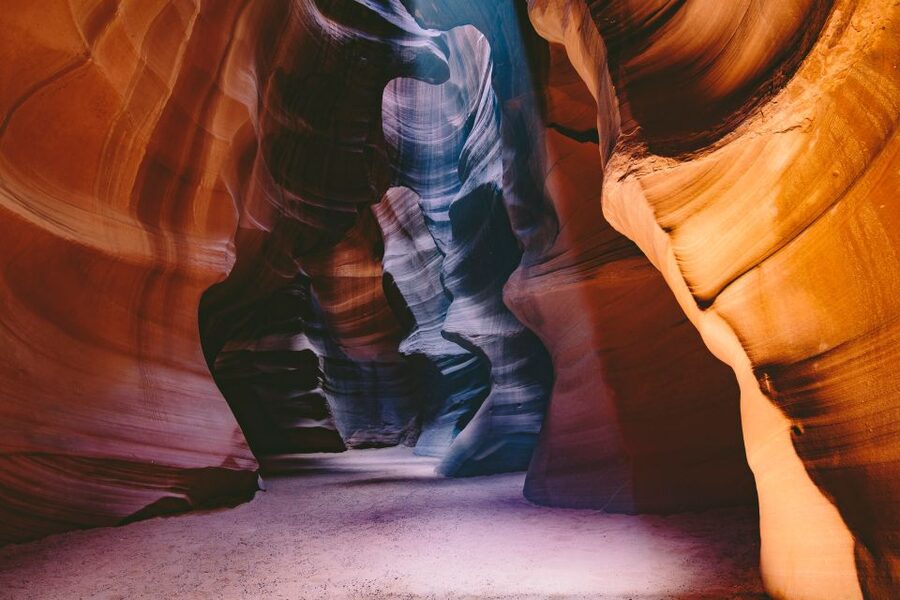
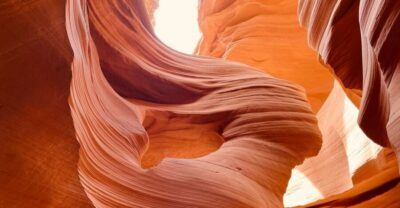
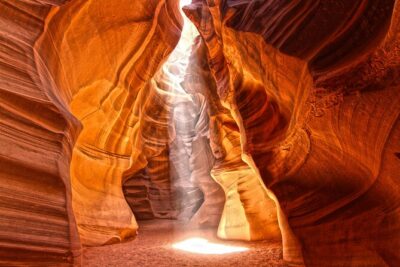
Upper Antelope Canyon is a narrow sandstone passage where water and wind have carved smooth, flowing walls into shapes that look almost painted. The famous light beams can appear around midday from April through September, but the canyon is striking at other times too, with shadows that bring out its orange, red, pink, and gold layers.
I like the Navajo-led interpretation, which adds geology, cultural context, and stories about the canyon beyond the quick photo stop. I also like the practical photography help: guides such as Wyatt, Carson, Bernice, Lillian, and Rio have been especially good at finding angles, adjusting phone settings, and taking pictures of couples and families.
The main drawback is value. At $126 per person, plus a $16.05 Navajo permit fee, this is an expensive 80 to 90 minutes. The ride through the dry wash is also very bumpy, and the tour can feel fast when several groups are moving through the same narrow canyon.
In This Review
- Key points to know before you go
- Why Upper Antelope Canyon looks so different
- The ride from the meeting point to the canyon
- Walking through the canyon for about an hour
- What the Navajo guide adds
- Choosing the best time for color and light
- Photography rules and the no-bag policy
- Is the $126 ticket good value?
- Who will enjoy this tour most
- Practical details that can make the visit easier
- Should you book Upper Antelope Canyon?
- FAQ
- How long does the Upper Antelope Canyon tour last?
- What does the tour cost?
- Is transportation to Upper Antelope Canyon included?
- Can I bring a backpack or tripod?
- Are light beams guaranteed?
- Is the tour suitable for wheelchair users?
- Can I cancel for a full refund?
Key points to know before you go
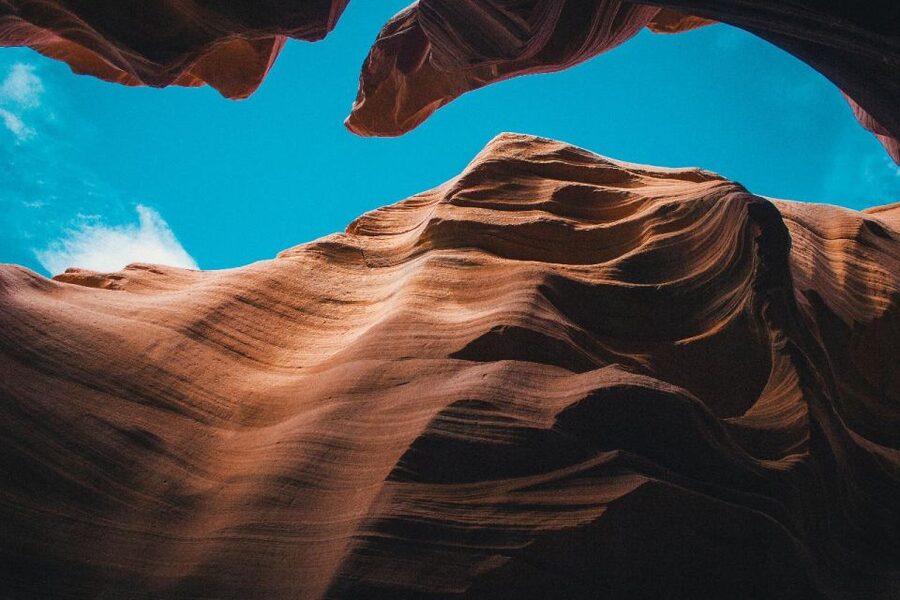
- The canyon walk lasts about one hour: The full outing takes 80 to 90 minutes, including the ride out and back.
- Your guide is part of the experience: English-speaking Navajo guides explain erosion, local culture, and canyon concerns while helping with photographs.
- Midday light matters: From April to September, famous sunbeams are most likely around the middle of the day.
- The ride is rough by design: Expect about 10 minutes on pavement and another 10 minutes over the dry wash.
- Pack very lightly: Backpacks, luggage, tripods, selfie sticks, walking sticks, strollers, and video recording are not allowed.
- The extra fee changes the real price: Add $16.05 per person for the Navajo permit, making the known total about $142.05 before any other costs.
Why Upper Antelope Canyon looks so different
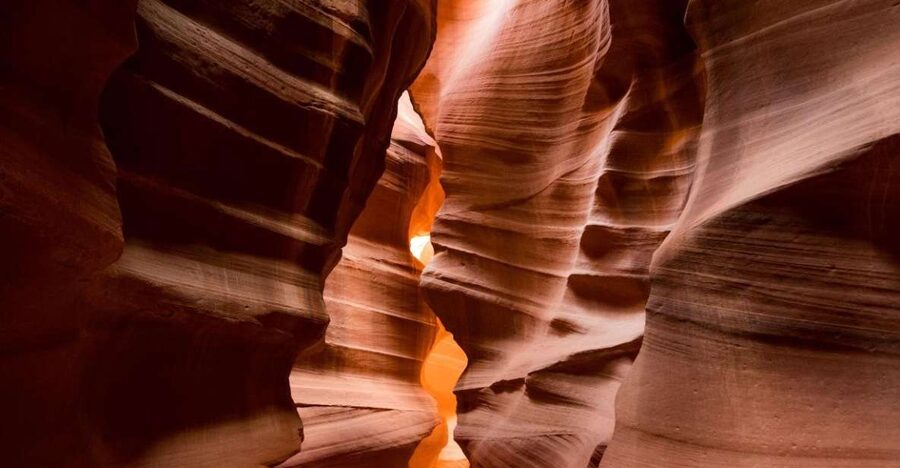
Upper Antelope Canyon is famous for its flowing walls rather than for a long hike. Water rushing through the sandstone over many years carved curves, grooves, shelves, and narrow openings overhead. The result is a passage that changes character as you walk a few steps at a time.
The walls can look soft and folded, almost like fabric, even though the stone is hard. Small changes in sunlight create strong shifts in color. One section may appear copper and orange, while another turns purple, rose, or dark red under shadow.
You do not need to be a serious photographer to enjoy the canyon. The shapes are easy to appreciate with your own eyes, and guides often point out forms that resemble a shark, hummingbird, heart, face in profile, or dragon eyes. These comparisons are a pleasant part of the walk, but the real appeal is the changing stone itself.
The canyon is on protected Navajo land near Page and Lake Powell. That setting matters. You are not simply entering a public trail with a posted sign. The visit takes place on a Native American reservation, and the guided format connects the natural formation with the people who care for and interpret it.
More Page Arizona trips worth a second look
- Page: Lower Antelope Canyon Ticket and Guided Hiking Tour
★ 4.6 · 519 reviews - Page: Upper Antelope Canyon Sightseeing Tour w/ Entry Ticket
★ 4.6 · 397 reviews - NYC: SUMMIT One Vanderbilt Tickets
★ 4.7 · 51,195 reviews
The ride from the meeting point to the canyon
You choose from several possible meeting points, including Adventurous Antelope Canyon, Antelope Slot Canyon Tours, Antelope Canyon Navajo Tours, 148 6th Avenue, Tse Bighanilini Tours, and 22 South Lake Powell Boulevard. Your exact location depends on the option you book, so check the voucher carefully before setting out.
The transfer begins on a paved road for about 10 minutes. Then the vehicle enters the dry wash of Antelope Canyon for another 10 minutes. This second stretch is rough and can bounce you around. I would not call it a smooth shuttle ride, but it is part of reaching the canyon without a long desert hike.
In hot weather, the air conditioning in the vehicle is welcome. The ride also gives your guide a chance to explain how the canyon formed, discuss its cultural meaning, and introduce modern concerns connected with flash floods and protection of the site.
One especially useful detail is the canyon’s flood risk. Water can rush through a slot canyon with frightening speed. One guide explained that flow sensors recorded water moving at up to 65 miles per hour at a height of five feet. That fact makes the smooth walls feel less decorative and more like evidence of powerful desert storms.
Arrive at the mandatory check-in time printed on your voucher. Arizona uses local time, and the time shown on your booking is not casual guidance. One early morning booking created confusion because the advertised time referred to check-in rather than the actual canyon departure, so read the wording closely.
Walking through the canyon for about an hour
At the canyon entrance, you leave the vehicle and begin the guided walk. The route is generally easy walking on foot, and one visitor described it as manageable, but the experience is not suitable for every body. The operator lists people with mobility impairments, heart problems, pre-existing medical conditions, and pregnant women among those who should not take the tour.
Wheelchairs, walkers, canes, hiking sticks, and walking aids are not permitted. This is important even if you only expect a short walk. The canyon is narrow, the surface can be uneven, and you cannot bring equipment to support you.
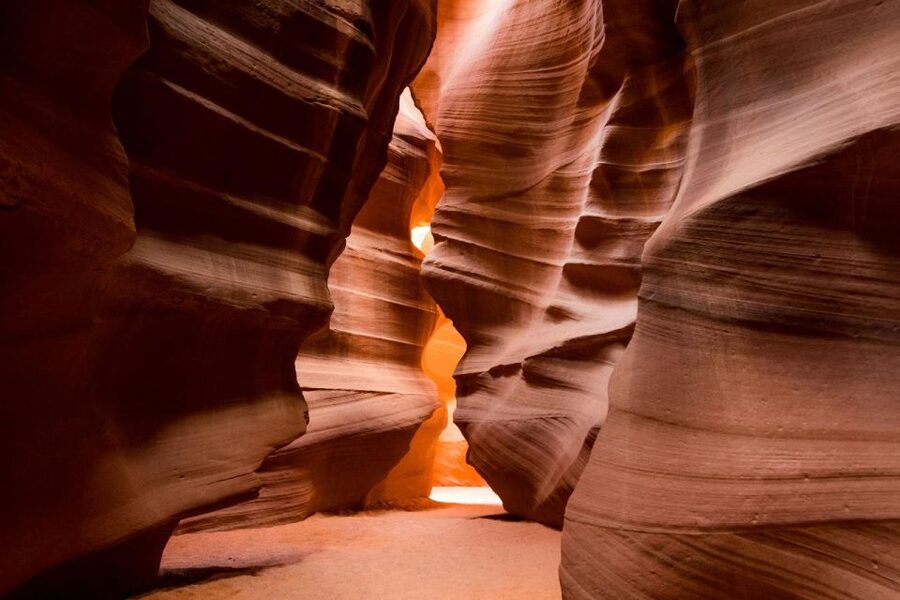
The route takes you through tall walls with a slit of sky overhead. Upper Antelope Canyon usually feels enclosed, which is part of its visual power. You are not walking across an open desert viewpoint. You are moving through a sculpted corridor where the light, color, and shape change constantly.
The pace depends partly on the number of groups in the canyon. Several people appreciated guides who allowed time for photographs, while another felt the tour moved quickly. Both impressions can be true. The guide must keep the group moving so others can enter, but a thoughtful guide can still pause at the best formations and help you get a good image.
You should expect a shared experience rather than private access. The canyon is famous, and the most recognizable formations attract attention from many groups. A small-group option may be available, but group size depends on the option you select.
What the Navajo guide adds
The guide is not just a person leading you from the vehicle to the exit. The best part of this tour is the local interpretation woven into the walk.
Guides explain the geology in plain language, showing how water and wind shaped the sandstone. They also discuss Navajo culture and the meaning of the protected setting. Some add personal stories, and Lionel even played a traditional flute and a Native song he composed during one tour. That sort of moment gives the visit a human connection that a self-guided photo stop cannot provide.
Guides also know where to stop. Carson, Wyatt, Bernice, Lillian, Rio, Tyrone, Mario, Leland, and Keanu were all singled out for helping with photographs or explaining the canyon clearly. Names and guide assignments cannot be guaranteed, but the pattern is useful: the guide’s skill can shape the quality of your visit.
Do not be shy about asking for help with your phone. Guides may suggest camera settings, show you where to stand, or take photographs of your group. This is particularly helpful inside a dark canyon, where a standard automatic setting may produce dull walls or overly bright openings.
Still, keep your expectations sensible. A guide can improve composition and exposure, but no phone picture fully captures the scale and texture of the stone. I would treat the photography help as a valuable bonus, not the sole reason to pay the admission price.
A completely different way to spend a day nearby:
- Page: Lower Antelope Canyon Entry and Navajo Guided Tour
★ 4.7 · 7,801 reviews - Page: Antelope Canyon X Guided Tour
★ 4.6 · 4,034 reviews - Page: Lower Antelope Canyon Tour with Trained Navajo Guide
★ 4.7 · 2,552 reviews - Las Vegas: Antelope Canyon Horseshoe Bend Tour & Lake Powell
★ 4.7 · 2,307 reviews
Choosing the best time for color and light
Timing changes the mood of Upper Antelope Canyon. Morning and afternoon can produce strong, saturated colors as the walls sit partly in shadow. Around midday, direct sunlight may enter through the narrow opening overhead and create the famous shafts of light.
Those beams are seasonal and not guaranteed. They are most likely from April through September, when the sun is high enough to reach into the canyon. An early morning departure may still offer beautiful walls and excellent photographs, but you should not book the earliest slot solely for a light-beam image.
One early tour at 7 a.m. produced impressive photographs but no famous sunbeams. The guide still helped create memorable images by choosing good positions and camera settings. This is a useful reminder that the canyon itself is the attraction, not one particular lighting effect.
If you are combining Upper and Lower Antelope Canyon in one day, timing deserves extra thought. Upper Canyon is taller and has narrower openings, so it may be darker earlier and later in the day. Lower Canyon has larger openings and lets in more light. If light is your priority, consider placing Lower earlier and Upper later, subject to available departure times.
The exact starting times vary, so check availability before planning the rest of your Page visit. Leave room for the check-in process and the possibility that the posted time refers to meeting rather than the canyon walk itself.
Photography rules and the no-bag policy
Photography is encouraged, but the rules are strict. Selfie sticks, flash photography, tripods, video recording, and professional-looking support gear are not allowed. Backpacks, large bags, luggage, baby strollers, pets, and walking sticks are also prohibited.
You may want to bring a water bottle, but the supplied information does not clearly state how every type of bottle or transparent bag is handled. The safest approach is to arrive with only the essentials you are certain are permitted, and ask the operator before check-in if you need to carry something unusual.
A phone is enough for most people. Guides regularly help visitors set up phones for canyon photography and take portraits at good locations. Bring weather-appropriate clothing, but do not overpack. The no-bag rule is more than a minor inconvenience, especially if you are coming directly from a road trip with luggage.
Because flash and video are not allowed, you need to work with the available light. Hold your phone steady, clean the lens, and listen when the guide suggests a camera mode. The guide may also point out shadows and shapes that are easy to miss when you are focused only on the most famous view.
Is the $126 ticket good value?
The listed price is $126 per person, and the Navajo permit adds $15 plus tax, or $16.05. That brings the known cost to about $142.05 per person. The ticket includes canyon admission, the walking tour, the Navajo guide, and free parking for non-commercial vehicles.
That is a lot for a tour lasting less than 90 minutes. You are paying for access to a protected site, regulated transportation, a local guide, and the chance to visit one of the most photographed slot canyons in the United States. You are not paying for a full-day excursion or a quiet wilderness hike.
I think the price makes sense if Upper Antelope Canyon is a top reason for visiting Page and you value expert help with photographs. It is less convincing if you are mainly looking for a cheap nature walk or if you dislike scheduled group activities.
The permit fee should be part of your mental budget from the start. It is not included in the headline price. Free parking helps a little, but it does not change the fact that this is a premium short tour.
You may also see advice to book directly on site for less. One person specifically suggested paying at the local operation rather than online. Prices and availability can change, so I would compare the final all-in price, cancellation terms, and departure time before choosing. The listed booking offers free cancellation up to five days ahead for a full refund, which may be worth paying for if your schedule is uncertain.
Who will enjoy this tour most
I would recommend Upper Antelope Canyon to photographers, first-time visitors to Page, families with older children, and anyone who wants a dramatic natural attraction without a long hike. The guides can help you make the most of a phone camera, and the walk is short enough for many people who are comfortable on foot.
It also suits people who want a local perspective. The geology is fascinating, but the Navajo guide adds cultural information and explains why access is controlled. That connection gives the visit more meaning than simply viewing photographs online.
I would hesitate to recommend it to anyone with significant mobility limits, a medical condition that makes walking or heat difficult, or a strong fear of confined spaces. It is also a poor match for visitors carrying large luggage or photography equipment.
If you want silence and solitude, choose your expectations carefully. Upper Antelope Canyon is a major attraction, and the organized flow of people is part of the deal. The reward is reliable access to extraordinary stone formations, not an untouched private canyon.
Practical details that can make the visit easier
Wear clothing suited to the weather. The vehicle may be air conditioned, but the walk and boarding areas expose you to the desert. Comfortable shoes are sensible, though the supplied information does not specify a particular type.
Keep your booking voucher available and use the exact Arizona local time. The meeting point varies by booking choice, and the tour has several possible pickup and drop-off locations, including 22 South Lake Powell Boulevard, Antelope Slot Canyon Tours, 148 6th Avenue, and Adventurous Antelope Canyon.
The tour is conducted in English. Small-group availability may depend on the option booked. Weather can close the canyon, and the decision belongs to the canyon operators or Navajo Parks, not the booking provider. Build flexibility into your Page plans if storms are possible.
Drop-off generally returns you to one of the listed area locations, but confirm your specific choice. This matters if you are fitting the tour between a meal, a drive, or another canyon visit.
Should you book Upper Antelope Canyon?
Book it if you want the classic Antelope Canyon experience, especially if you care about photographs and appreciate a guide who can explain both the stone and the Navajo setting. The canyon is genuinely unusual, and the best guides turn a short walk into more than a series of pretty walls.
Skip it if the total price feels too high for 80 to 90 minutes, if you need a wheelchair or walking aid, or if you want to explore at your own pace. If you do book, budget the extra permit fee, arrive at the exact check-in time, bring no bag, and choose your hour with the light in mind.
FAQ
How long does the Upper Antelope Canyon tour last?
The complete activity lasts about 80 to 90 minutes. The guided walk inside Upper Antelope Canyon lasts about one hour, with transportation to and from the canyon making up much of the remaining time.
What does the tour cost?
The listed price is $126 per person. A Navajo permit fee of $15 plus tax, or $16.05 per person, is not included.
Is transportation to Upper Antelope Canyon included?
Yes. The outing includes a ride of about 10 minutes on a paved road and about 10 minutes through the dry wash of Antelope Canyon.
Can I bring a backpack or tripod?
No. Backpacks, luggage, large bags, tripods, selfie sticks, walking sticks, canes, walkers, and wheelchairs are not allowed. Flash photography and video recording are also prohibited.
Are light beams guaranteed?
No. The famous beams are most likely around midday from April through September, but weather, season, and the tour time affect what you see.
Is the tour suitable for wheelchair users?
No. Wheelchairs, walkers, canes, and hiking sticks are not permitted. The activity is also listed as unsuitable for people with mobility impairments, heart problems, pre-existing medical conditions, and pregnant women.
Can I cancel for a full refund?
Yes, cancellation up to five days in advance qualifies for a full refund. Weather closures are decided by the canyon operators or Navajo Parks.
Recently reviewed around Page Arizona
- Page: Upper Antelope Canyon Walking Tour with Local Guide★ 4.5 · 586 reviews
- Page: Upper Antelope Canyon Sightseeing Tour w/ Entry Ticket★ 4.6 · 397 reviews
- Page/Lake Powell: Guided Kayak & Water Antelope Canyon Tour★ 4.9 · 477 reviews
- Page: Lower Antelope Canyon Prime-Time Guided Tour★ 4.6 · 668 reviews
- Page: Lower Antelope Canyon Ticket and Guided Hiking Tour★ 4.6 · 519 reviews
- Page: Lower Antelope Canyon Walking Tour with Navajo Guide★ 4.7 · 1,289 reviews
- Page: Upper Antelope Canyon Prime Time Entry & Navajo Guide.★ 4.6 · 619 reviews
- Antelope Canyon Lake Powell: Guided Kayaking & Hike Tour★ 4.9 · 369 reviews
Antelope Canyon Tours, compared.
Lower Antelope Canyon Entry and Navajo Guided Tour
Read our review →
Lower Antelope Canyon and Horseshoe Bend Day Tour with Lunch
Read our review →
Lower Antelope Canyon Tour with Trained Navajo Guide
Read our review →
Antelope Canyon Horseshoe Bend Tour & Lake Powell
Read our review →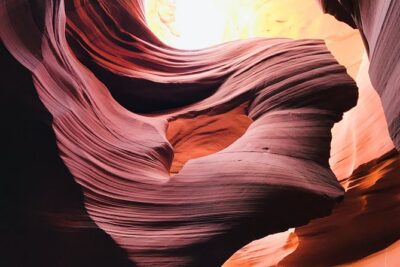
Browse the lists this tour appears in