
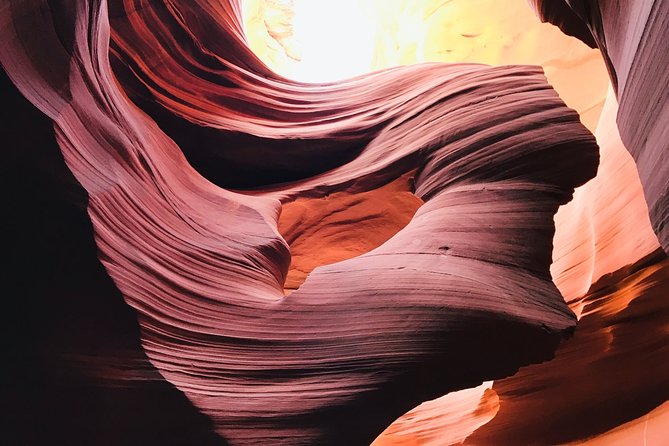
Reviewed · ANTELOPE CANYON TOURS
Lower Antelope Canyon Admission Ticket
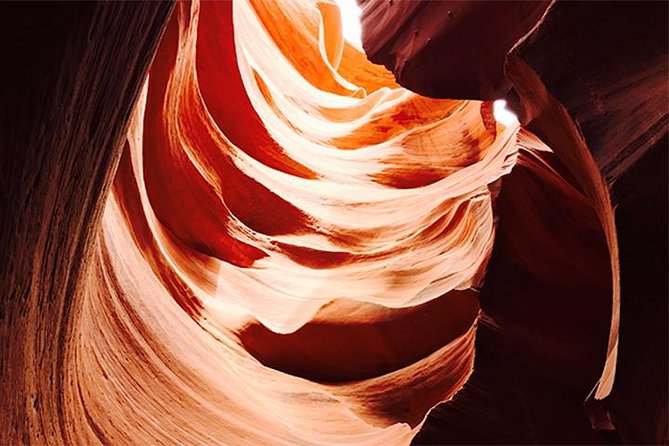
Lower Antelope Canyon is a sandstone maze shaped by water, wind, and time. You walk through twisting walls that narrow into the famous Corkscrew Canyon, climbing stairs and ladders as the passage changes from V-shaped to A-shaped. I like the Navajo-led interpretation, which adds local culture and geology to what could otherwise be only a pretty walk. I also like the small groups of up to 15, giving guides room to help with photos and questions.
The catch is physical: Lower Antelope Canyon is not a flat stroll. You need to handle uneven ground, steep steps, elevation changes, and tight spaces without assistance. People with a fear of heights or claustrophobia should think carefully before booking.
In This Review
- Key points to know before you book
- Why Lower Antelope Canyon feels different from a normal sightseeing stop
- Check-in near Page and the start of the walk
- Inside the canyon: stairs, turns, and sandstone light
- What the Navajo guide adds
- Photography help, and the limits of your camera gear
- What to wear and leave in the car
- The 90-minute schedule and group size
- Is the $78 price good value?
- Lower Antelope compared with your expectations
- Who should book Lower Antelope Canyon?
- Should you book it?
- FAQ
- Is hotel pickup included?
- How early should I arrive?
- How much walking is involved?
- Can I bring a purse or backpack?
- What camera equipment can I bring?
- What happens if bad weather cancels the tour?
Key points to know before you book
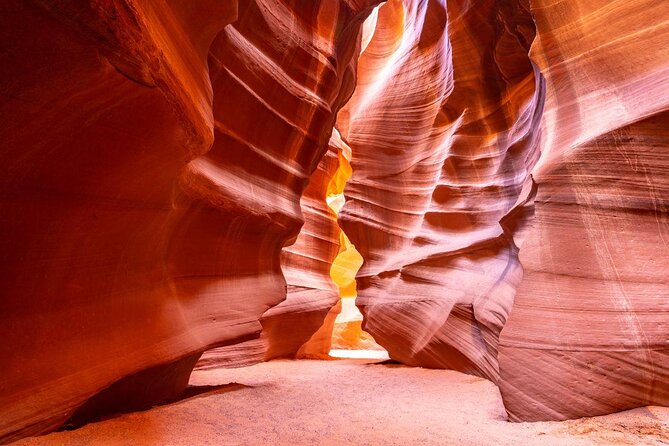
- The canyon is reached by stairs and ladders: Lower Antelope Canyon earns its Corkscrew nickname through its narrow, twisting route and steep access points.
- Navajo guides shape the visit: Guides explain the canyon’s geology, local history, and Navajo culture while pointing out familiar shapes in the stone.
- Your phone can take excellent photos: Guides such as Joanne, Carson, Lamor, Myron, and Vanessa are praised for finding good angles, suggesting camera settings, and taking pictures for the group.
- The walk covers about 1,335 feet: The tour lasts roughly 90 minutes, though the time inside the canyon can feel shorter if the group is moving briskly.
- The group limit is 15 people: This is more personal than a large crowd, though your experience still depends on the pace and habits of the people in your group.
- Pack light, or rather, do not pack inside: Bags, backpacks, tripods, selfie sticks, GoPros, drones, camcorders, and camera bags must stay in your vehicle.
Why Lower Antelope Canyon feels different from a normal sightseeing stop
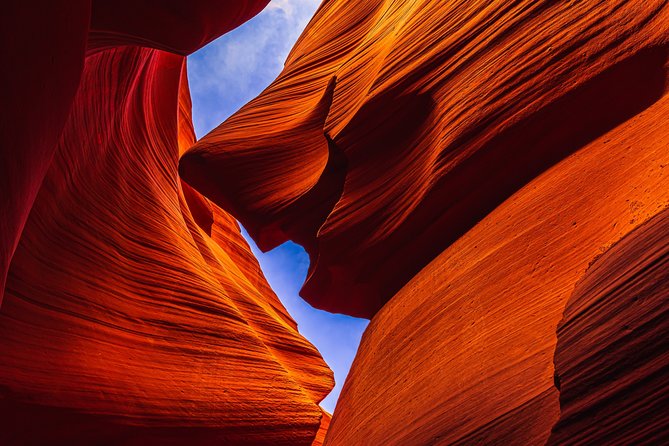
Lower Antelope Canyon is not a viewpoint where you step off a bus, take one picture, and move on. The attraction unfolds around you as you walk through a long slot canyon, with the stone changing shape at every turn.
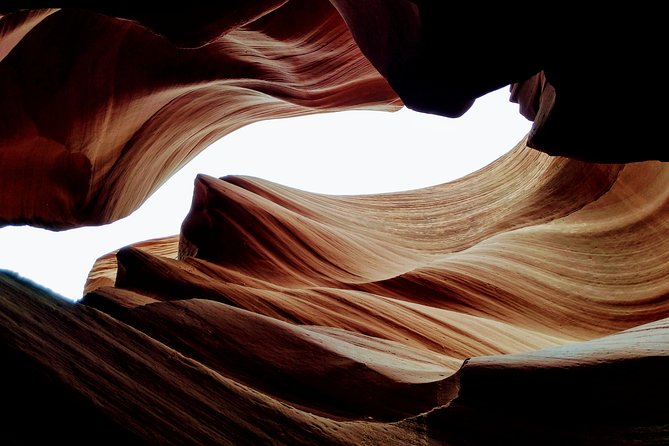
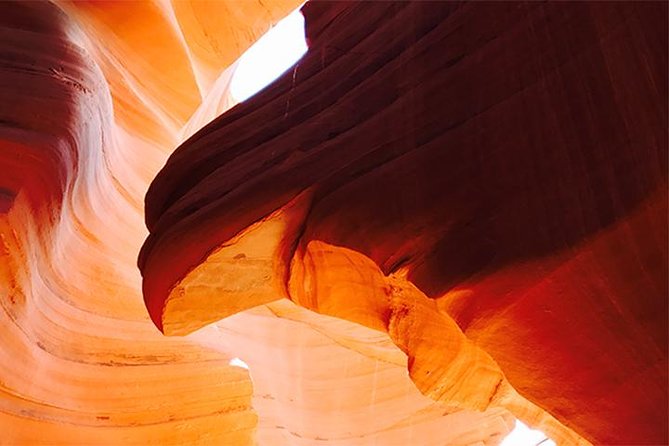
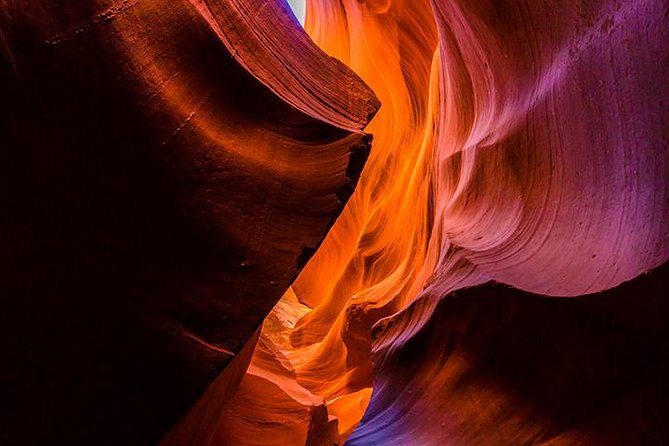
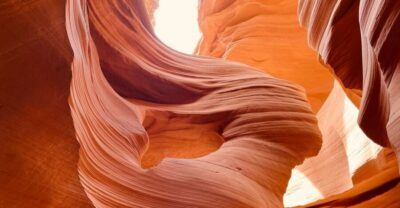
The walls were carved by flowing water, and the results are easy to read in the curving lines and rippled surfaces. Light enters from above, catches the red and orange sandstone, and changes the mood from one section to the next. The canyon is often compared to a corkscrew because the route twists and bends rather than running in a straight line.
You will see narrow sections, open pockets, steep walls, and unusual rock forms. Guides may point out shapes that resemble a smiling shark, lion head, elephant head, or a face in the wind. These names are not the main reason to come, but they give you something to look for and make the walk more engaging for children.
I like the way the canyon forces you to slow down and look upward. The best view is often not directly ahead. It may be a thin strip of sky above you, a wave in the wall, or a patch of light that makes the sandstone look almost soft.
More Page & Antelope Canyon trips worth a second look
- Page: Upper Antelope Canyon Entry Ticket and Guided Tour
★ 4.5 · 2,406 reviews - Lower Antelope Canyon Tour Ticket
★ 4.5 · 1,699 reviews - Page: Lower Antelope Canyon Ticket and Guided Hiking Tour
★ 4.6 · 519 reviews
Check-in near Page and the start of the walk
You make your own way to Lower Antelope Canyon, a few minutes outside Page on Highway 98. Hotel pickup is not included, so plan your route and parking time before the day of the tour.
Your scheduled time is the departure time, not the time to arrive. You are asked to arrive 30 minutes early for final check-in at the tour building. This extra half-hour matters because the groups leave on schedule, and late arrivals may receive no refund.
At check-in, you park your vehicle and leave behind anything that is not allowed in the canyon. You then complete the final process with the local Navajo tour staff and wait until your group is called.
One practical nuisance is that several companies operate around the Lower Antelope Canyon area. Your booking information should clearly identify the correct check-in company and building. If it does not, confirm that detail before the day of your visit rather than trying to sort it out in the parking area.
There are restrooms at the meeting location, but not inside the canyon. Use them before departure, since the walk takes place in a confined natural area with no restroom stop.
Inside the canyon: stairs, turns, and sandstone light
Once your group enters, the route quickly feels more like an adventure than a standard walk. You descend and climb moderate stairs, pass through narrow sections, and follow the canyon for approximately 1,335 feet.
The route is not described as requiring athletic ability, but you do need a moderate level of fitness. Every person must be able to walk unassisted over uneven surfaces and manage steep inclines and declines. Artificial joints, back trouble, or limited balance do not automatically rule out the tour, but they deserve honest consideration. One account describes a visitor with artificial joints and back problems completing the route with help and careful preparation. That should not be taken as a guarantee that the walk will suit everyone.
The narrow sections can be exciting, but they can also feel intense if you dislike confined places. A visitor who knew about the stairs still found that fear of heights and claustrophobia made it impossible to continue. If either concern applies to you, look closely at photographs of Lower Antelope Canyon and compare it with the Upper Canyon before paying.
The reward is visual variety. Lower Antelope Canyon is mostly V-shaped, with some A-shaped and parallel walls. The canyon has good lighting through much of the day and throughout the year, so you are not limited to one short window for attractive photographs.
Still, this is a moving tour, not an open-ended photography session. The group must keep going, and the amount of time you have at any one spot depends on the pace of the people ahead of you and the guide’s schedule.
What the Navajo guide adds
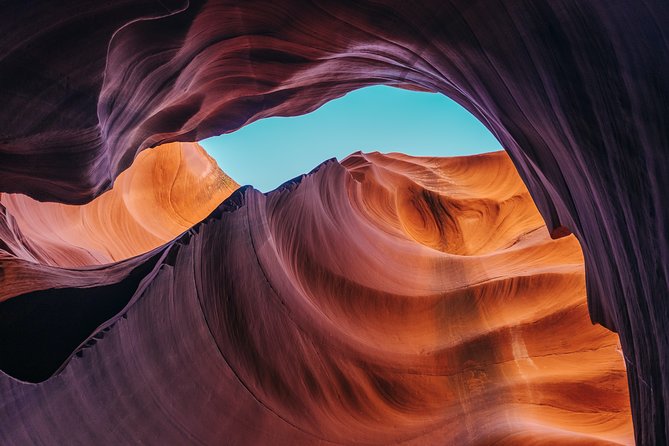
A Navajo guide gives the walk a human connection to the place. The guide explains how water shaped the canyon and shares local history and aspects of Navajo culture. That context makes the walls more meaningful than a series of colorful shapes.
The strongest guides also know how to manage the practical side of the visit. Joanne is praised for explaining the canyon and Navajo culture while taking several photographs for each person. Carson is noted for answering questions, explaining history and culture, and giving people time to get their pictures. Lamor is singled out for his canyon knowledge, friendly manner, and ability to find good lighting and poses.
Myron helped people adjust their camera settings, and Vanessa answered questions and added small historical details along the route. These examples show why the guide can make a noticeable difference. The canyon itself is fixed, but the way you see it depends partly on how well your guide draws your attention to its forms, light, and story.
Do not assume every guide will spend the same amount of time on photographs. One account describes a guide who moved the group through too quickly and offered little help, while another found the pace slightly fast but still enjoyed the many pictures taken. The small group limit helps, but it cannot remove all differences in guiding style.
A completely different way to spend a day nearby:
- Page: Lower Antelope Canyon Entry and Navajo Guided Tour
★ 4.7 · 7,801 reviews - Lower Antelope Canyon Hiking Tour
★ 5.0 · 6,216 reviews - Page: Antelope Canyon X Guided Tour
★ 4.6 · 4,034 reviews - Page: Lower Antelope Canyon Tour with Trained Navajo Guide
★ 4.7 · 2,552 reviews
Photography help, and the limits of your camera gear
You may bring a camera or phone, but it needs to be something you can carry without a bag. No camera bags, tripods, monopods, selfie sticks, GoPros, drones, or camcorders are allowed inside the canyon.
This rule changes how you prepare. Charge your phone fully, clear some storage, and decide which camera you will use before check-in. A simple phone is enough to capture the shapes, especially when the guide shows you where to stand and which settings to try.
Guides often help with portraits as well as scenery. They know the spots where the curves frame a person well, and they may take pictures for members of the group. This is one of the best practical benefits of the guided format, particularly if you are traveling as a couple and do not want one person missing from every photograph.
You should keep your expectations sensible. The guide can find favorable angles, but the canyon may be busy and the group cannot stop forever. People who want full control of a tripod, a long photography setup, or repeated takes will find the restrictions frustrating.
What to wear and leave in the car
Wear sturdy, closed-toe shoes. The route includes sand, dirt, dust, uneven ground, and stairs, so open-toed shoes, sandals, and high heels are not permitted.
Layers work well because you are outside before and after the canyon portion, while conditions inside may feel different from the sunlit check-in area. A hat, sunscreen, sunglasses, and a bandana can help with sun and blowing sand. Follow the clothing rules rather than treating this as an indoor attraction.
Leave every bag and backpack in your vehicle. That includes small purses. You also need to leave umbrellas and prohibited camera equipment behind. Pets and service animals are not allowed on the tour, so make arrangements before arriving.
These restrictions can feel strict, but the canyon is narrow and crowded equipment would make the stairs and passageways harder for everyone. The tradeoff is a lighter, simpler walk.
The 90-minute schedule and group size
The advertised duration is about one hour and 30 minutes. That includes the guided canyon experience and the movement through the access area, so do not assume you will have 90 minutes standing in your favorite chamber with unlimited time for pictures.
The group maximum is 15 people. That is small enough for a guide to answer questions and help several people with camera angles. It is not private, though, and other groups may be nearby in the canyon system.
I would schedule the tour as a major part of your day rather than squeezing it between tight reservations. You need to arrive 30 minutes early, complete check-in, and allow time for the walk back to the meeting point. The area is close to Page, but the experience is not a quick roadside photo stop.
January can be a quieter time to visit, and the canyon’s lighting works well throughout the year. The tour still requires good weather. If poor weather causes cancellation, you are offered another date or a full refund.
Is the $78 price good value?
At $78 per person, this is not a bargain attraction, especially once you account for gratuity and any additional fee required at check-in. The price is easier to justify if you value the guide’s explanations and photography help, not just access to the sandstone.
The ticket includes admission to the guided Lower Antelope Canyon tour and the Navajo Nation permit fee according to the main inclusions. However, the additional information says the permit fee is $8 per person, payable in cash on arrival, and that the price may change. Because those details conflict, confirm the current fee and inclusion before you go.
Guide gratuities are not included. Personal expenses are also your responsibility. A tip is appropriate if your guide spends time taking your pictures, explains the area well, and helps the group move safely through difficult sections.
The value is strongest for first-time visitors to Page, families with older children, couples who want photos of themselves, and anyone interested in the geology and cultural setting. It is weaker for people who dislike set departure times, narrow corridors, stairs, or restrictions on photography equipment.
Lower Antelope compared with your expectations
Lower Antelope Canyon is often chosen for its close-up, twisting route. The walls feel immediate because you walk between them rather than viewing them from a broad overlook.
The experience is beautiful, but it is not quiet wilderness in the usual sense. You are part of an organized group, and the route has rules, timing, and other people. The canyon can feel serene in a still moment, then suddenly busy when groups bunch together.
That contrast is worth understanding before booking. If you want an easy walk with lots of personal space, this may disappoint. If you want to see a remarkable natural formation and accept the structure needed to protect and manage it, the guided format works well.
The cultural component also matters. This is a Navajo-guided experience in the Navajo Nation, not simply a commercial entrance to a rock formation. Listen closely when the guide discusses local history, culture, and the forces that shaped the canyon. Those details give the visit a stronger sense of place.
Who should book Lower Antelope Canyon?
I would recommend it to you if you can manage steep stairs and uneven ground, do not mind narrow spaces, and want a vivid natural attraction near Page. It is especially useful if you want help taking photographs without carrying a tripod or asking strangers to take your picture.
Families should consider the physical route and the comfort of each child. Children may enjoy spotting the named rock shapes, but the stairs and confined passages still require attention.
You should think twice if you have serious mobility limits, trouble walking without help, a strong fear of heights, or claustrophobia. The tour does not offer a flat, open alternative. Also reconsider it if your main goal is controlled photography with extensive equipment.
Book early if your schedule is fixed. The experience is often reserved well ahead of time, with an average booking window of about 32 days. Since the ticket is non-refundable and cannot be changed for any reason, choose your date carefully and check the weather requirements before committing.
Should you book it?
Yes, if Lower Antelope Canyon fits your physical comfort level and you want one of Page’s defining sights with a Navajo guide. The sandstone forms, shifting light, cultural context, and practical photo help make the $78 price reasonable for many people.
I would not book it casually, though. Arrive 30 minutes early, wear closed-toe shoes, bring only a phone or small camera, and prepare for steep steps and tight spaces. Confirm the check-in company and the permit fee because several operators are located in the area and the fee information needs clarification.
For the right visitor, this is a memorable, carefully managed walk through stone shaped by water. For someone seeking an easy stroll or a relaxed photo shoot, it is the wrong canyon experience.
FAQ
Is hotel pickup included?
No. You must make your own way to the departure point at Lower Antelope Canyon, a few minutes outside Page, Arizona, on Highway 98.
How early should I arrive?
Arrive 30 minutes before your scheduled time. The listed start time is the departure time, and late arrivals may receive no refund.
How much walking is involved?
The route allows approximately 1,335 feet of walking inside Lower Antelope Canyon. You also need to manage uneven surfaces, elevation changes, and moderate stairs with minimal assistance.
Can I bring a purse or backpack?
No. Bags and backpacks of any kind are not allowed inside the canyon and should be left in your vehicle.
What camera equipment can I bring?
You may bring a camera or phone, but tripods, monopods, selfie sticks, camera bags, GoPros, drones, and camcorders must remain in your vehicle.
What happens if bad weather cancels the tour?
If poor weather causes the experience to be canceled, you will be offered a different date or a full refund. The ticket is otherwise non-refundable and cannot be changed for any reason.
Recently reviewed around Page & Antelope Canyon
- Page: Upper Antelope Canyon Walking Tour with Local Guide★ 4.5 · 586 reviews
- Page/Lake Powell: Guided Kayak & Water Antelope Canyon Tour★ 4.9 · 477 reviews
- Page: Upper Antelope Canyon Sightseeing Tour w/ Entry Ticket★ 4.6 · 397 reviews
- Page: Lower Antelope Canyon Ticket and Guided Hiking Tour★ 4.6 · 519 reviews
- Page: Lower Antelope Canyon Walking Tour with Navajo Guide★ 4.7 · 1,289 reviews
- Page: Lower Antelope Canyon Prime-Time Guided Tour★ 4.6 · 668 reviews
- Page: Upper Antelope Canyon Prime Time Entry & Navajo Guide.★ 4.6 · 619 reviews
- Grand Canyon West: West Rim Helicopter Tour with Landing★ 4.5 · 345 reviews
Antelope Canyon Tours, compared.

Lower Antelope Canyon Entry and Navajo Guided Tour
Read our review →
Lower Antelope Canyon and Horseshoe Bend Day Tour with Lunch
Read our review →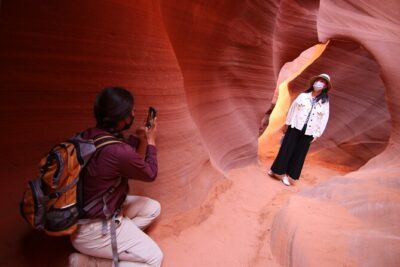

Lower Antelope Canyon Tour with Trained Navajo Guide
Read our review →
Upper Antelope Canyon Entry Ticket and Guided Tour
Read our review →
Antelope Canyon Horseshoe Bend Tour & Lake Powell
Read our review →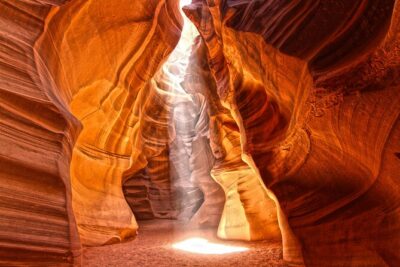
Browse the lists this tour appears in