
Reviewed · WHALE WATCHING
Monterey Whale Watching Tour
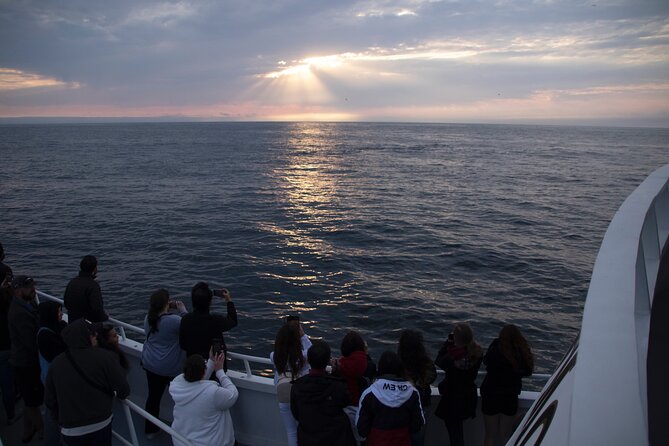
Monterey Bay gives you one of California’s best chances to see whales in the wild. This three-hour cruise heads from Fisherman’s Wharf into a protected marine sanctuary, where humpback and gray whales feed among dolphins, sea lions, otters, and seabirds. The operator advertises a 99% success rate, though wildlife is never fully predictable.
I like the large, comfortable boats and the onboard naturalists who turn sightings into a lesson rather than a quick glimpse. I also like the choice of indoor and outdoor seating, plus the optional upper deck for clearer views. The main drawback is the open Pacific: rough water can cause serious motion sickness, and some trips spend an hour reaching the whales.
- Whales can be seen year-round, with Monterey Bay offering a strong chance of spotting humpbacks, gray whales, and other species.
- The 110-foot Princess Monterey and 100-foot Atlantis Monterey provide more room and stability than a small boat.
- Naturalists and marine biologists explain what you are seeing, including whale behavior and local sea life.
- The $20 VIP upper-deck upgrade can mean fewer people, better sightlines, benches, and restrooms, if space remains.
- Wildlife sightings may include dolphins, sea lions, otters, sea turtles, sunfish, and killer whales, not just whales.
- Motion sickness is the real concern, especially when the bay is choppy or the boat travels for a long time before finding wildlife.
In This Review
- Leaving Fisherman’s Wharf for Monterey Bay
- Why Monterey Bay Produces So Much Wildlife
- The Three-Hour Search for Humpbacks and Gray Whales
- Naturalists Who Add Meaning to the Sightings
- Is the $20 Upper Deck Worth It?
- Staying Comfortable When the Pacific Gets Rough
- A Good Choice for Families and First-Time Whale Watchers
- Timing, Cancellation, and Simple Planning Tips
- Should You Book the Monterey Whale Watching Tour?
- FAQ
- How much does the Monterey Whale Watching Tour cost?
- How long does the whale-watching trip last?
- Where does the tour begin and end?
- What animals might I see?
- Are children and pregnant women allowed on the boat?
- Is there a restroom on the boat?
- Can I cancel for a refund?
Leaving Fisherman’s Wharf for Monterey Bay
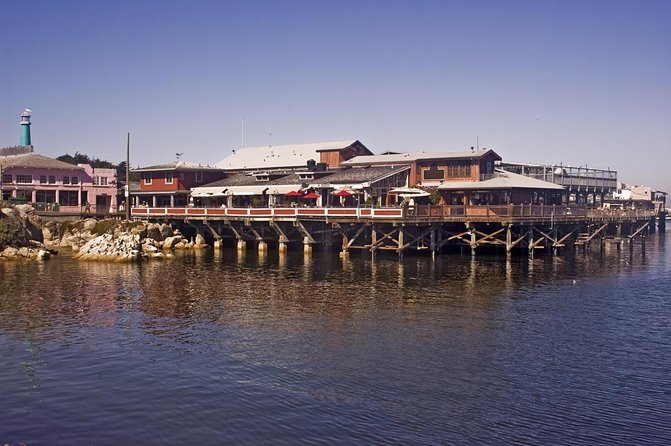
You meet the boat at 96 Fishermans Wharf in Monterey, a practical starting point near public transportation. The cruise ends at the same place, so you do not need to arrange a second pickup or find your way back from another harbor.
The boats used for this trip are the 110-foot Princess Monterey and the 100-foot Atlantis Monterey, described as the two largest boats in the Monterey fleet. That size matters. You get several decks, indoor and outdoor areas, benches, walkways, and restrooms rather than being packed into a small craft with little shelter.
The activity lasts about two to three hours, with the main cruise described as three hours. You should not expect whales to appear as soon as the boat leaves the wharf. On some outings, the boat travels for 45 minutes or more before reaching the animals. That can feel slow at first, but Monterey Bay is large, and the crew needs to find wildlife while keeping a respectful distance.
The route runs out into the bay, generally parallel to the beach, until the crew locates animals. The boat may pause and reposition as the naturalists follow whale activity. This is a wildlife trip, not a staged show, so the pace depends on where the animals are that day.
Why Monterey Bay Produces So Much Wildlife
Monterey Bay is a protected marine sanctuary built around the Monterey Bay Submarine Canyon. Nutrient-rich water supports large amounts of marine life, which in turn attracts whales and other animals.
That setting helps explain why whale watching is possible here throughout the year. Humpback whales are among the most commonly seen species, while gray whales, blue whales, sperm whales, killer whales, and Risso dolphins are also possible. You may see one whale, a loose group, or several pods working the same feeding area.
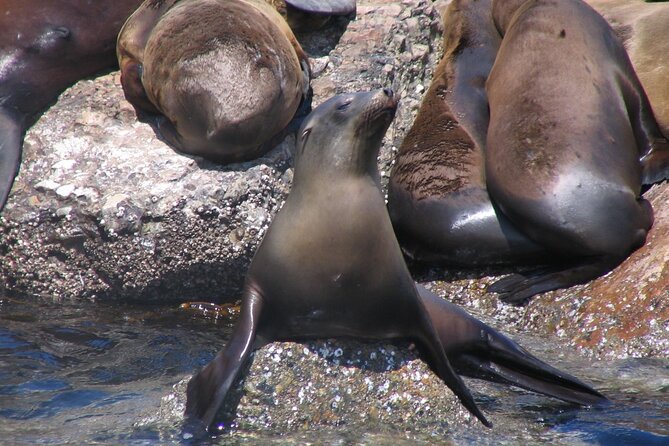
The wildlife list is unusually broad. Depending on conditions, you might spot long-beaked common dolphins, bottlenose dolphins, Dall’s porpoises, mola mola, jellyfish, sea turtles, sea lions, pelicans, sea otters, and cormorants.
I appreciate this variety because it gives the cruise value even when the whales are distant. A day with dolphins, sea lions, and otters still offers plenty to watch. It also means you should avoid treating the advertised 99% rate as a promise of close whale encounters or dramatic leaps.
More whale watching out of the USA:
- Juneau Wildlife Whale Watching
★ 5.0 · 7,379 reviews - Juneau Wildlife Whale Watching & Mendenhall Glacier
★ 5.0 · 6,236 reviews - Boston: City Cruises Whale Watching Cruise
★ 4.5 · 4,710 reviews
The Three-Hour Search for Humpbacks and Gray Whales
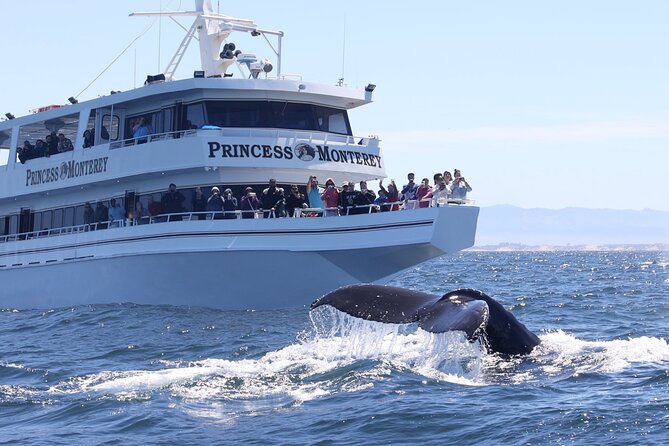
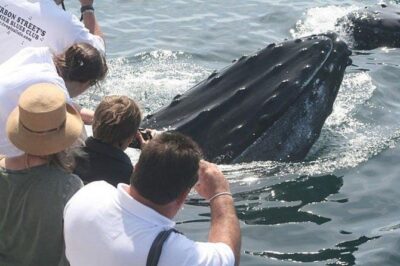
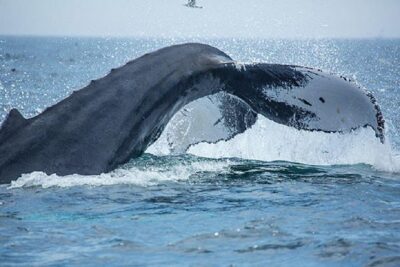
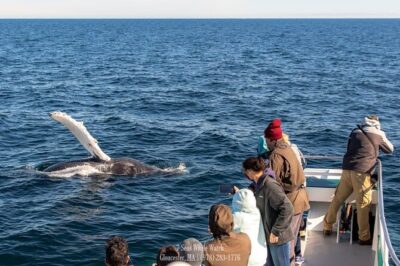
The heart of the trip is time on the water looking for whales. Humpbacks often provide the most action. They may surface repeatedly, show their tails, travel in groups, or occasionally leap clear of the water. Several accounts describe groups of seven to 15 humpbacks, while another outing saw around eight whales along with dolphins and other animals.
Those numbers are possible, not guaranteed. One trip produced a single whale at first, then became much busier later. Another spent more than an hour without a sighting before finding a group of humpbacks. You need patience, especially if your main goal is a close look.
Gray whales may be visible, but they can stay 50 to 100 yards away. At that range, you may see the top of the body and the tail rather than a full breach. Binoculars would help, although they are not listed as included equipment, so bring your own if you have them.
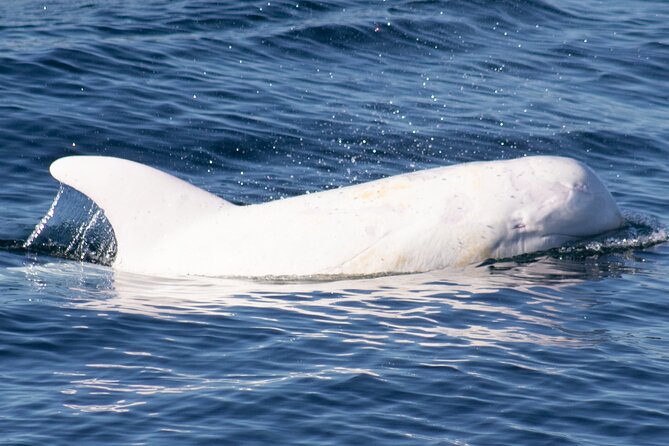
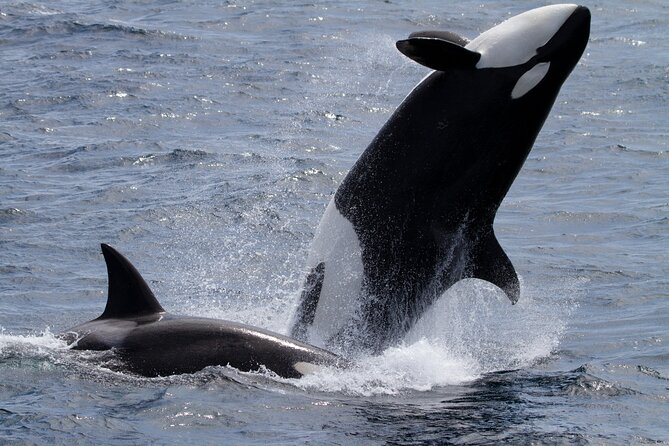
Killer whales have also been seen, including two pods on one family outing. Blue whales and sperm whales are possible but less predictable. The crew cannot choose which species appears, and advertising images of whales leaping should not set your standard for an ordinary day.
The best approach is to watch the water carefully and listen to the naturalists. They point out animals that are easy to miss and explain what the whales are doing. Melissa, one of the guides mentioned by name, was praised for clear explanations of whale and sea lion behavior. That kind of commentary helps you understand why a brief tail appearance can be meaningful, even if it does not produce a postcard-style breach.
Naturalists Who Add Meaning to the Sightings
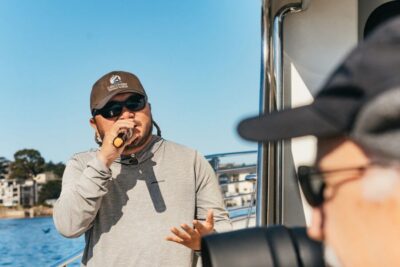
The onboard naturalists and marine biologists are a major part of the experience. They identify animals, explain behavior, and help you focus your attention when a whale surfaces only for a few seconds.
This matters because whale watching can otherwise become a frustrating game of scanning empty water. A guide can tell you where to look, explain the pattern of a whale’s movement, and add context about pods and feeding behavior.
The strongest praise goes to the crew’s organization, warmth, and marine knowledge. The staff has also been described as helpful when passengers arrived late. On a good day, the crew keeps the mood lively without turning the cruise into a noisy performance.
You should still expect a shared boat experience. With a maximum of 140 people, the vessel can feel busy, especially when everyone moves to one side for a sighting. One practical courtesy is to avoid standing directly in front of someone who is seated. The wildlife can appear on either side, so staying alert matters more than holding one perfect position.
Is the $20 Upper Deck Worth It?
The standard ticket costs $70 per person. For a three-hour wildlife cruise with naturalists, restrooms, and access to a large boat, I consider that a reasonable price, especially if you are already planning to spend time in Monterey.
The optional VIP upper deck costs another $20 per person at check-in, if space is available. It is not included in the base price, and that extra charge has surprised some passengers. The upper level offers better sightlines, fewer people, benches, and two restrooms according to one detailed account.
I would consider the upgrade worthwhile if you want the clearest chance to see animals on either side of the boat. It can also help if you dislike crowded viewing areas. However, the lower deck still has indoor seating, benches, a walkway around the boat, and a large front viewing area when conditions allow.
The front lower viewing area may be closed when the water is too choppy. That makes the upper deck more appealing on a calm day, but it does not remove the motion of the ocean. Paying extra improves your view and space, not the weather.
There is also a snack bar on the lower deck, but soda, coffee, tea, and snacks are not included in the fare. Plan to buy them onboard or bring what the operator allows. The supplied information confirms restrooms, but not a full meal service.
A completely different way to spend a day nearby:
- NYC: SUMMIT One Vanderbilt Tickets
★ 4.7 · 51,195 reviews - NYC: 9/11 Memorial & Museum Timed-Entry Ticket
★ 4.8 · 31,428 reviews - NYC: Empire State Building Tickets – Observatory & Museum
★ 4.7 · 25,757 reviews - NYC: Empire State Building Observation Deck Tickets
★ 4.7 · 22,072 reviews
Staying Comfortable When the Pacific Gets Rough
Motion sickness is the most serious issue to consider. Several outings were comfortable, but rough water left some people unable to enjoy the cruise. One passenger became sick about 45 minutes into the ride, and another described unusually strong rocking even after using motion-sickness bands and patches.
I would prepare before boarding rather than waiting for symptoms. One passenger specifically advised taking Dramamine an hour before the trip. You should follow the medication directions and ask a medical professional if you have questions about using it.
Wear warm clothing. Even if Monterey feels mild at the wharf, the open water can be cold, and one account strongly recommended a warm jacket. The boat has indoor and outdoor areas, so layers give you more options as conditions change.
Pregnant women cannot join these trips, and children under three are not accepted. Most other participants can take part, but the motion of the boat remains important for anyone prone to nausea or balance problems.
The operator can cancel for poor weather and offer another date or a full refund. That policy helps, but a trip can still operate in conditions that feel rough to you personally. If you are very sensitive to waves, this should be a serious part of your booking decision.
A Good Choice for Families and First-Time Whale Watchers
This cruise works well for families with children aged three and up, couples, friends, and first-time whale watchers. The large boat gives you room to move, and the naturalists make the outing educational without requiring prior knowledge.
Children may enjoy the range of animals more than the whale search itself. Dolphins, sea lions, otters, sunfish, and birds can appear while the boat is looking for whales. A child who understands that the trip is about wild animals, not a guaranteed performance, is more likely to have a good time.
Older adults can also enjoy the outing. One 85-year-old passenger described having a wonderful day, which reflects the value of the seating, indoor areas, and restrooms. Still, you should think carefully about mobility and motion sickness before committing to several hours at sea.
The trip suits you best if you can accept waiting, changing weather, and sightings at a distance. It suits you less if you need a quick, close, guaranteed view or if you know that boat travel makes you ill.
Timing, Cancellation, and Simple Planning Tips
The experience is commonly booked about 17 days ahead, so I would reserve early if your Monterey schedule is tight. Confirmation arrives at booking, and the departure point is straightforward at Fishermans Wharf.
You can cancel for a full refund up to 24 hours before the start time. Changes or cancellations inside 24 hours are not accepted for a refund. If bad weather cancels the trip, you can choose another date or receive a full refund. The same applies if the minimum number of participants is not reached.
For the best experience, I would arrive ready for a long period on the water rather than treating this as a short harbor ride. Bring a warm jacket, consider motion-sickness medicine, and pack binoculars if you own them. If the upper deck matters to you, ask about the $20 upgrade at check-in, since it depends on remaining space.
Do not plan a tightly timed activity immediately afterward. The listed duration is about two to three hours, and wildlife conditions can affect the pace. Returning to the same wharf keeps the logistics easy, but you still need breathing room in your day.
Should You Book the Monterey Whale Watching Tour?
I would book this cruise if seeing wild marine life is high on your Monterey list and you want a strong chance of finding whales year-round. The crew, marine commentary, large boats, and wide range of possible animals make the $70 fare a fair use of your time.
I would also pay the extra $20 for the upper deck if you want better views and fewer people, particularly if space is available and the weather is calm. I would not book it casually if you are prone to severe motion sickness, pregnant, or traveling with a child under three.
Your best mindset is simple: hope for humpbacks, stay alert for dolphins and otters, and accept that nature sets the schedule. If you can handle a potentially rough three-hour ride, Monterey Bay gives you a serious chance to see whales in their own world.
FAQ
How much does the Monterey Whale Watching Tour cost?
The standard price is $70 per person. VIP upper-deck seating costs an additional $20 per person at check-in if space is available.
How long does the whale-watching trip last?
The experience lasts approximately two to three hours, with the main cruise described as three hours.
Where does the tour begin and end?
The tour begins at 96 Fishermans Wharf, Monterey, California, and returns to the same meeting point.
What animals might I see?
Possible sightings include humpback, gray, blue, killer, and sperm whales; Risso dolphins; common and bottlenose dolphins; Dall’s porpoises; sea lions; sea otters; sea turtles; mola mola; jellyfish; pelicans; and cormorants.
Are children and pregnant women allowed on the boat?
Children under three are not allowed. Pregnant women cannot take part in these trips.
Is there a restroom on the boat?
Yes. Restrooms are available onboard. The upper deck also has two restrooms when that seating area is open.
Can I cancel for a refund?
Yes. You can cancel at least 24 hours before the start time for a full refund. Cancellations or changes made less than 24 hours before the start time are not refunded. If weather or insufficient participation cancels the trip, you can receive a full refund or choose another option.
Recently reviewed around the USA
- Dyker Heights Christmas Lights Guided Tour★ 4.5 · 920 reviews
- New York City Dinner Cruise with Live Music★ 4.0 · 377 reviews
- NYC in a Day Tour: Statue of Liberty, Times Square and More★ 5.0 · 366 reviews
- Broadway and Times Square Insider Tour with Theater Professional★ 5.0 · 651 reviews
- New York City Holiday Lights Tour★ 4.5 · 664 reviews
- NYC Central Park Bicycle Rentals★ 4.5 · 368 reviews
- Central Park Bike Rental New York City★ 4.0 · 560 reviews
- Manhattan Sky Tour: New York Helicopter Flight★ 4.5 · 1,458 reviews
Whale Watching, compared.
Juneau Wildlife Whale Watching & Mendenhall Glacier
Read our review →
City Cruises Boston Whale Watching Cruise by High-Speed Boat
Read our review →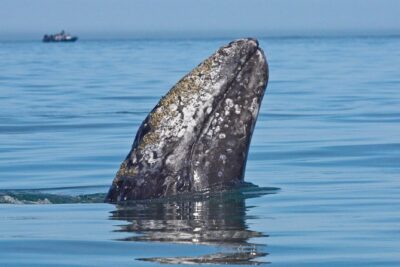
Whale Watching Trips to Stellwagen Bank Marine Sanctuary. Guaranteed sightings!
Read our review →Browse the lists this tour appears in