
Reviewed · PHILADELPHIA TOURS
Philadelphia: Eastern State Penitentiary Admission
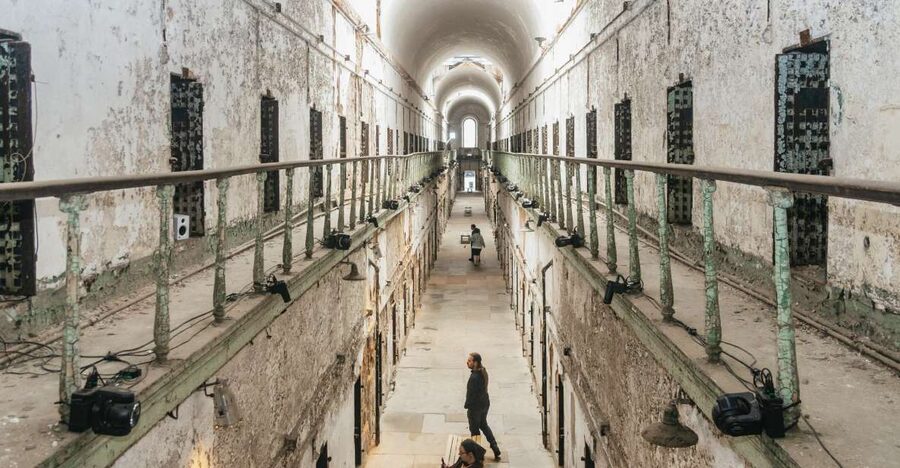
Eastern State Penitentiary is not a polished museum. It is a huge, crumbling prison where vaulted cells, empty guard towers, and long corridors show what punishment looked like in 19th-century America. Steve Buscemi’s audio tour gives the ruins a human voice, guiding you through stories of wardens, guards, inmates, escapes, riots, and daily prison life.
I like the freedom to move at your own pace, and I like the mix of hard history with art installations and interactive exhibits. I also appreciate that the main route is easy to follow, with extra stops for anyone who wants more detail. The drawback is the building itself: it has no climate control, and its semi-ruined condition means uneven surfaces, chilly winter rooms, and sticky summer walks.
In This Review
- Key points to know before you go
- Why Eastern State Penitentiary still matters
- Entering through the Fairmount Avenue gate
- Following Steve Buscemi through the cellblocks
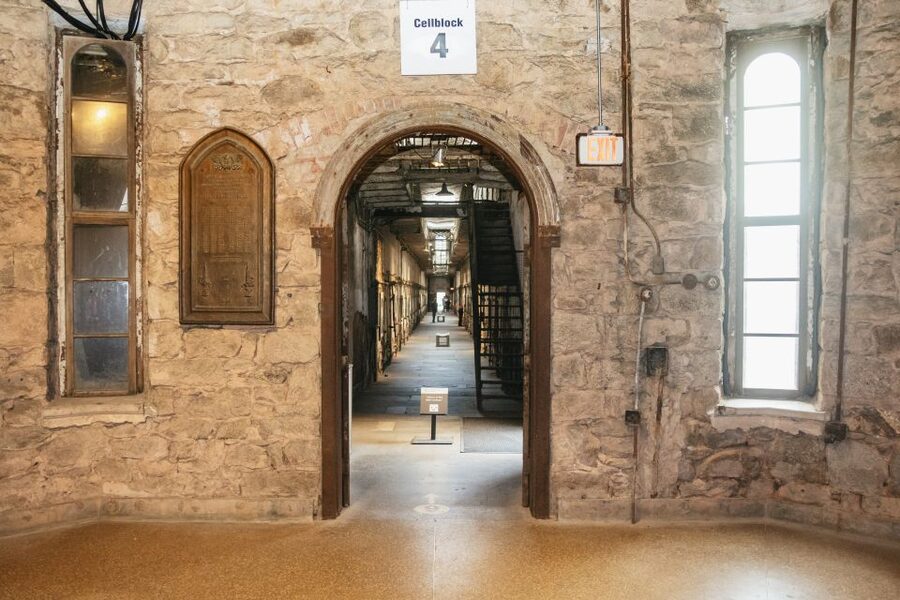
- Seeing the cells and central hub
- Al Capone’s surprisingly comfortable cell
- The abandoned Hospital Block
- Exhibits, installations, and quieter corners
- Weather, clothing, and walking conditions
- Is the $21 ticket good value?
- Who will enjoy this visit most
- What I would do with my time
- Should you book Eastern State Penitentiary?
- FAQ
- Where is Eastern State Penitentiary located?
- How much does admission cost?
- How long should I allow for the visit?
- Is the audio tour included?
- Who narrates the audio tour?
- Is the audio guide available in Spanish?
- Can I take a guide-led tour?
- Is the penitentiary suitable for young children?
Key points to know before you go
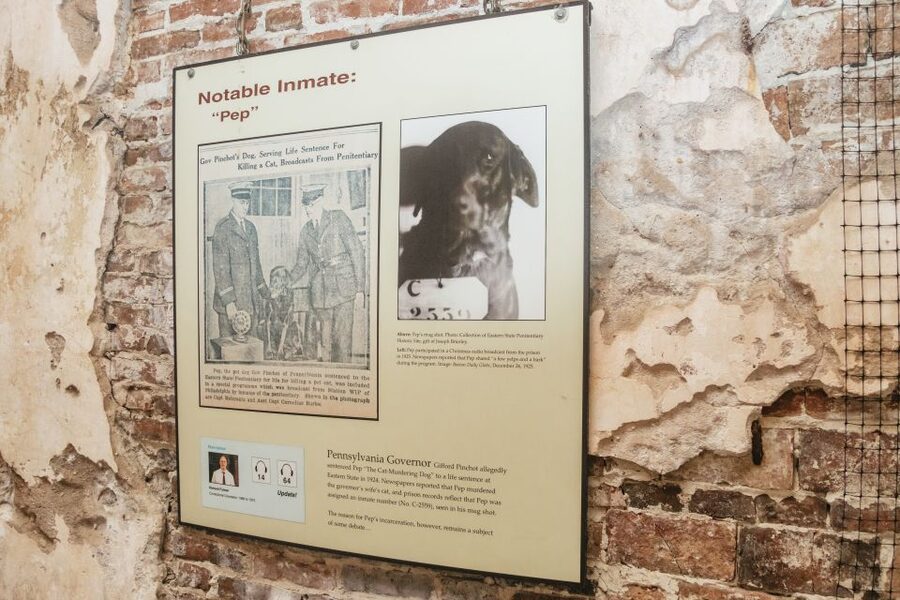
- Steve Buscemi narrates the main audio route: The supplied player and headset lead you from stop to stop without needing internet or your own headphones.
- Al Capone’s cell is a memorable stop: His room was furnished far more comfortably than the stark cells around it.
- The Hospital Block adds a darker layer: Guide-led access may be available, so check the board inside when you arrive.
- The prison is larger than a one-hour attraction: Plan on one to two hours for the main route, or up to three hours or more if you explore the extra exhibits.
- The building is open in all weather: Dress for the temperature and wear solid, comfortable shoes.
- The $21 admission offers good value: The ticket includes the audio tour, exhibits, installations, and any available guide-led tours.
Why Eastern State Penitentiary still matters
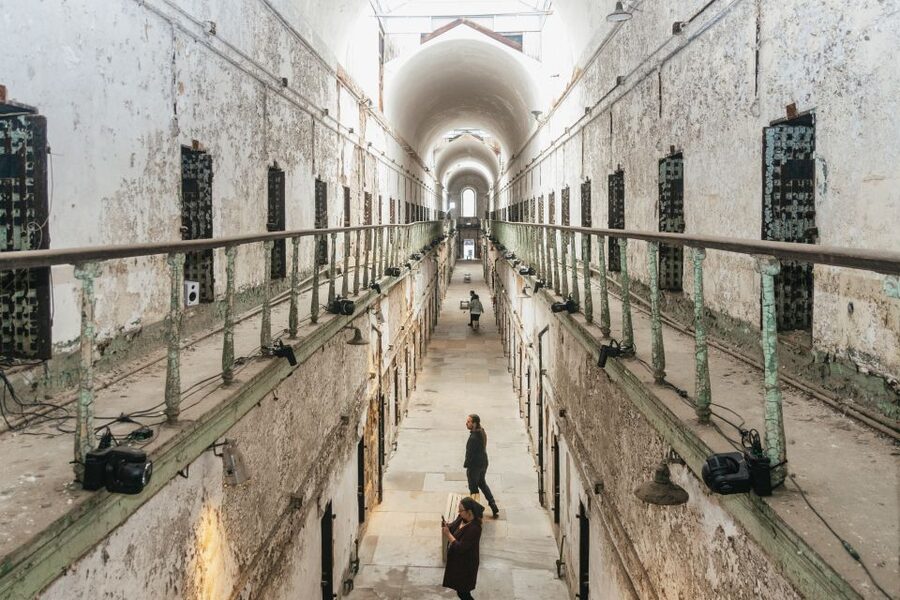
When Eastern State opened more than 180 years ago, it introduced a new idea in prison design. The building was meant to inspire penitence, meaning sincere regret, rather than simply lock people away. Its layout, rules, and architecture were copied in prisons around the world.
The design made the building part of the punishment. A central hub led to long cellblocks, allowing guards to watch the corridors from one point. Prisoners were kept in individual cells, often separated from one another, under a system built around silence, isolation, and reflection.
You can understand that idea better here than you can from a plaque or textbook. The building’s scale feels grand, but the individual cells feel brutally small. As you move through the corridors, the prison changes from an impressive piece of engineering into a place designed to close in around the people held there.
Eastern State was also surprisingly advanced for its time. It had running water and central heat before the White House. That contrast is part of what makes the site so interesting: technical progress and harsh punishment were built into the same walls.
Other the USA days travellers line up against this one:
- NYC: SUMMIT One Vanderbilt Tickets
★ 4.7 · 51,195 reviews - NYC: 9/11 Memorial & Museum Timed-Entry Ticket
★ 4.8 · 31,428 reviews - NYC: Empire State Building Tickets – Observatory & Museum
★ 4.7 · 25,757 reviews
Entering through the Fairmount Avenue gate
You enter through the main entrance on Fairmount Avenue. The arrival is straightforward, and the penitentiary is easy to reach by walking or public transportation. One visitor estimated the trip from the train station at roughly 20 to 25 minutes by bus, though your route will depend on where you begin.
At the entrance, you receive an MP3 player and headset. The equipment is simple, old-fashioned, and useful. You do not need internet access or your own earphones, and the player lets you pause, replay, skip, and choose extra subjects.
The main route contains 10 stops and takes about an hour if you follow it without lingering. That is only the framework, not the full visit. I would allow two hours at minimum if you want time for exhibits, photographs, and a few side stops.
The staff may also offer short guide-led walks into areas that are not part of the standard route. A board in the central area lists these opportunities. Hospital Block tours are especially worth checking for, since access depends on availability.
Following Steve Buscemi through the cellblocks
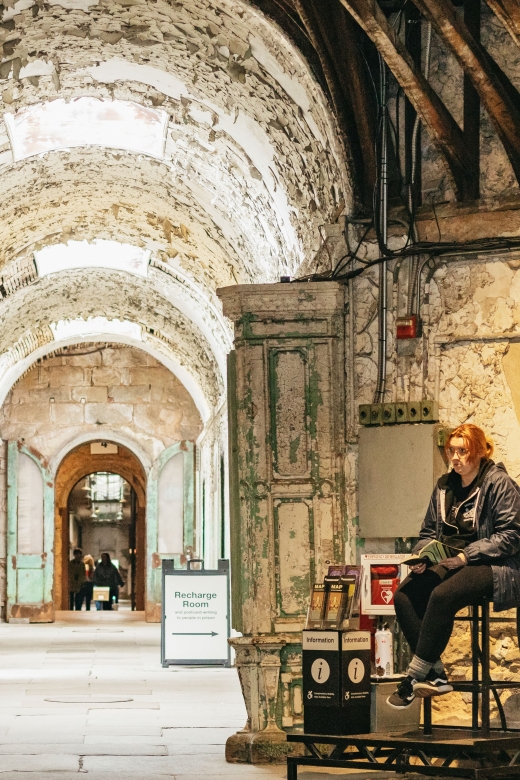
Steve Buscemi’s narration is one of the strongest parts of the visit. His voice fits the setting without turning it into a theatrical haunted-house attraction. The audio program combines narration with a stereo soundscape and accounts from three former wardens, along with 25 guards and inmates.
I like the way the audio guide gives you direction as well as information. It tells you where to go next, so you are not left staring at a map and wondering which corridor matters. At the same time, you are not tied to a group or a fixed departure time.
The main stops explain how the prison operated and how its ideas changed over time. You hear about the institution from more than one angle, including the people who ran it and those who lived behind its doors. That balance helps you see the prison as a system, not just a collection of spooky rooms.
Extra audio stops cover escapes, riots, sports, sexuality, and other subjects. You can skip them if you want a quicker visit, or use them to build a longer, more detailed tour. I would not rush past them all. The main route explains the structure, while the side stops help reveal the daily lives and conflicts that took place inside it.
The equipment itself may feel less sleek than a phone app, but that is not a real problem. It works independently, and the clear route instructions make the experience accessible to first-time audio-tour users.
Seeing the cells and central hub
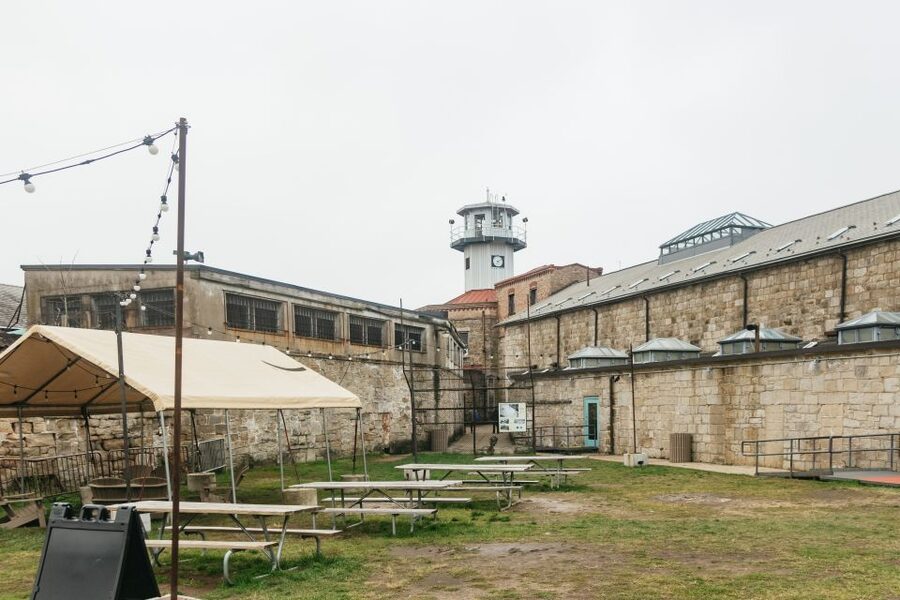
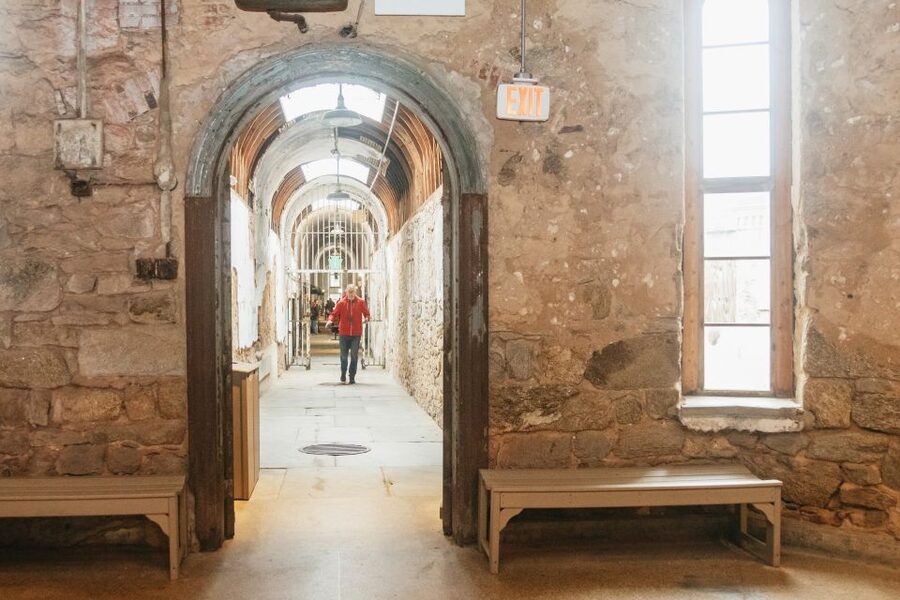
The cellblocks are the heart of Eastern State. Their long, vaulted corridors are lined with individual cells, many now open for you to see. Skylights and high ceilings create striking photographs, but the architecture also makes the prison feel exposed and controlled.
The contrast between the central hub and the narrow cells is worth noticing. From the hub, the layout makes sense as a machine built for surveillance. Inside a cell, that same design feels intensely personal and confining.
Some rooms are empty, showing only worn walls, broken surfaces, and traces of their former use. That emptiness works in the prison’s favor. You have space to imagine the routine without being pushed from room to room by a guide.
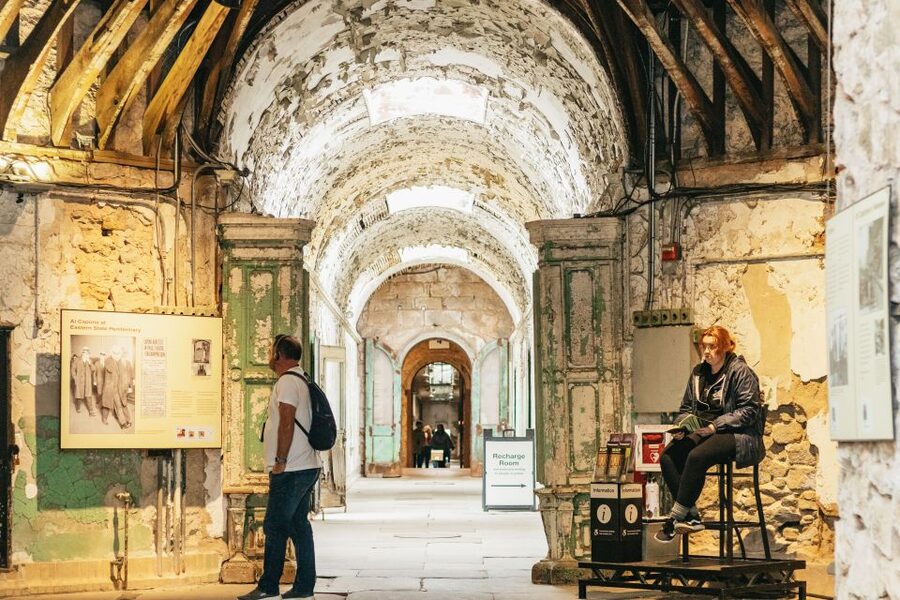
The building is in a state of semi-ruin, and that condition is central to the experience. It is not a drawback to be hidden. Crumbling masonry, abandoned corridors, and empty guard towers are part of what you came to see. Still, watch your footing, follow posted directions, and keep children close.
A completely different way to spend a day nearby:
- NYC: Empire State Building Observation Deck Tickets
★ 4.7 · 22,072 reviews - NYC: Edge Observation Deck Admission Ticket
★ 4.6 · 20,918 reviews - Grand Canyon West, Hoover Dam Stop and Optional Lunch and Skywalk
★ 5.0 · 19,535 reviews - New York City: Statue of Liberty & Ellis Island with Ferry
★ 4.6 · 18,683 reviews
Al Capone’s surprisingly comfortable cell
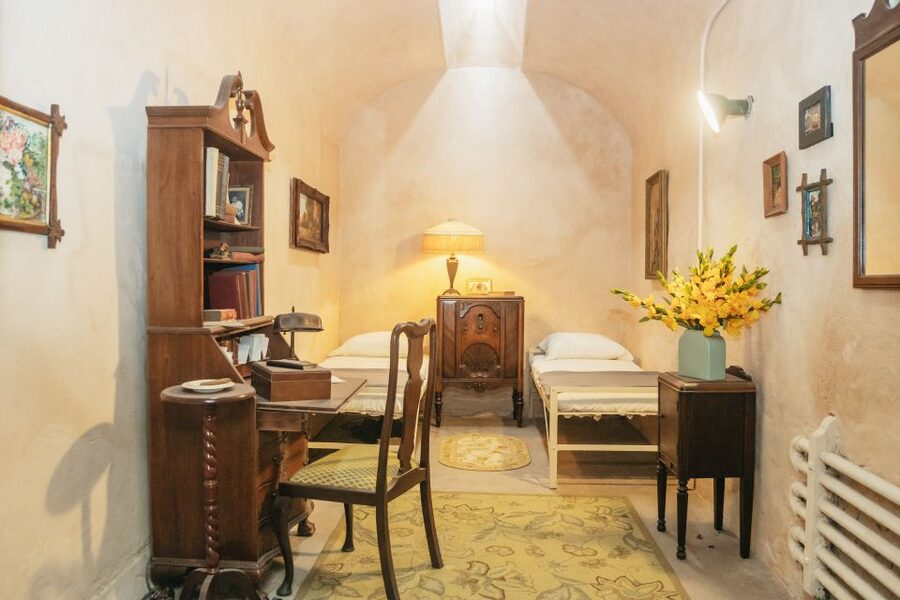
Al Capone’s cell is the best-known stop, and it deserves the attention. The notorious bank robber received a room furnished much more lavishly than the standard cells. The contrast is immediate and a little absurd.
You can see why this room sticks in people’s minds. Set against the prison’s bare spaces, Capone’s furnishings suggest status and privilege inside a place built around equal restraint. It also gives you a useful reminder that prison life was not always experienced in exactly the same way by every inmate.
Do not treat this as the entire visit. Capone is the famous name, but the audio tour includes many other people and subjects. The wider story is more revealing than one celebrity cell.
The abandoned Hospital Block
The Hospital Block is one of the most compelling parts of the complex. It has a different mood from the main cellblocks, with spaces connected to illness, treatment, and the medical side of incarceration.
Access to this section can depend on guide availability. Ask when you arrive and check the schedule board in the central area. If a short guide-led tour is offered, it can add a useful layer to the self-guided route.
The hospital area is also a good example of why the site needs careful preservation. You are looking at a long-abandoned part of a working prison, not a newly built exhibit. The condition of the rooms may be rough, but that roughness helps you understand the age and scale of the institution.
Plan extra time if you want to see this section properly. A quick photograph will not tell you much. The value comes from listening, looking closely, and considering how medical care fit into a prison built around discipline.
Exhibits, installations, and quieter corners
Eastern State is more than an audio route through old cells. Interactive experiences, history exhibits, and artist installations are spread through the complex. These additions keep the visit from becoming a simple walk through empty rooms.
The art can change how you read the building. Some installations draw attention to absence, memory, punishment, or the people affected by incarceration. They do not erase the prison’s original story. Instead, they ask you to connect its past with larger questions about reform and the meaning of confinement.
I would save time after the 10 main audio stops for these areas. One visitor spent five hours exploring the site, while others found one to two hours enough. Both are reasonable. The length depends on how many audio subjects you choose and how much time you give the exhibits.
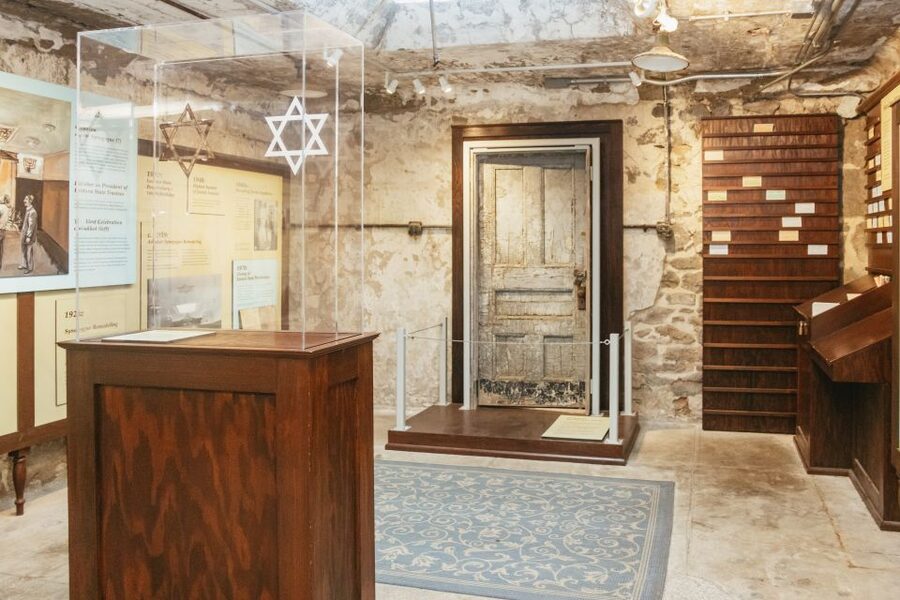
The renovated synagogue is another detail worth seeking out if it is open during your visit. It shows that the institution contained distinct religious and cultural spaces, not just rows of cells.
Weather, clothing, and walking conditions
The penitentiary operates rain or shine, and the building has no climate control. Summer can be hot and humid inside, while winter visits can feel sharply cold. Dress for the forecast rather than for an ordinary museum.
Wear sturdy, comfortable footwear. You will be walking through a large complex, and the semi-ruined condition means that some surfaces may be uneven or rough. Weather-appropriate layers are more useful than stylish clothes here.
The lack of climate control is not merely a comfort issue. It changes how long you may want to stay in certain areas. On a hot day, you may prefer a shorter main route with breaks. In cold weather, gloves or an extra layer can make the longer exhibits easier to enjoy.
The site offers a wide range of accessibility services and is wheelchair accessible. Because the complex is old and partly ruined, you should ask staff about the best route for your needs when you arrive.
Is the $21 ticket good value?
At $21 per person, the admission is fairly priced for the amount included. You receive entry, the full audio program, interactive experiences, history exhibits, artist installations, and any guide-led tours offered during your visit.
The basic route takes about an hour, which would make the price reasonable for a major historic site by itself. The value improves if you stay two or three hours and use the extra audio stops. The Hospital Block and other special areas may add still more time when available.
The ticket is also valid for 365 days, subject to checking availability for starting times. That gives you useful flexibility if your Philadelphia plans change or if you want to return for an exhibit you missed.
Even the shorter visit has substance. You are not paying only to enter a famous building and take a few pictures. The audio guide supplies the context that makes the cellblocks meaningful.
Free cancellation up to 24 hours before the visit and the reserve-now, pay-later option also make the booking less rigid. Evening entry and evening tours are not included, so check carefully if you want a nighttime experience.
Who will enjoy this visit most
I recommend Eastern State to anyone interested in American history, prison reform, architecture, preservation, or unusual Philadelphia sights. It works especially well for people who prefer to choose their own pace rather than follow a large group.
It can also suit families, but use your judgment. Children under seven are not recommended because of the building’s condition and possible safety hazards. Older children may enjoy the audio guide and the scavenger hunt activity, which you can ask for at the entrance.
The site is not designed as a light, cheerful attraction. Some stories and rooms are disturbing, and the subject matter involves punishment, isolation, violence, and institutional control. I would prepare children for that before arriving.
It is also a good choice for repeat visitors to Philadelphia. The flexible audio stops mean you can focus on different subjects on a second visit, and the site is large enough that one hour does not reveal everything.
What I would do with my time
For a first visit, I would follow all 10 main audio stops without rushing. That gives you the basic story and the layout of the prison.
Next, I would check the board for a guide-led tour, especially the Hospital Block. After that, I would choose a few extra audio stops rather than trying to complete every subject.
Finally, I would walk through the art installations and exhibits at my own speed. Allow two hours for this plan, and three hours if you want to read closely, take photographs, and pause often.
Bring patience as well as a camera. The architecture is striking, but the audio and personal stories are what turn the visit into something more than an impressive ruin.
Should you book Eastern State Penitentiary?
Yes, if you want a serious and unusual Philadelphia experience with plenty of freedom built in. The audio tour is clear, the $21 admission is reasonable, and the combination of prison architecture, personal stories, Hospital Block access, and art gives you more to consider than the famous Al Capone cell alone.
I would skip it only if you dislike confined spaces, uneven historic buildings, difficult prison stories, or walking in hot and cold conditions. For everyone else, book enough time to go beyond the main route. The strongest visit is not a quick look at the ruins, but a slow walk through the stories held inside them.
FAQ
Where is Eastern State Penitentiary located?
The main entrance is on Fairmount Avenue in Philadelphia, Pennsylvania. Enter through the main gate.
How much does admission cost?
Admission is listed at $21 per person.
How long should I allow for the visit?
The main audio route takes about one hour. Allow one to two hours for a shorter visit, or two to three hours or more if you explore extra audio stops, exhibits, installations, and available guide-led areas.
Is the audio tour included?
Yes. The Voices of Eastern State audio tour is included with admission. You receive an MP3 player and headset at the entrance.
Who narrates the audio tour?
Actor Steve Buscemi narrates the audio tour. The program includes stories from three former wardens and 25 guards and inmates.
Is the audio guide available in Spanish?
Yes. Audio guide languages include English and Spanish.
Can I take a guide-led tour?
Guide-led tours are included when available. Check the schedule board inside the penitentiary, since access and availability can vary.
Is the penitentiary suitable for young children?
Children under seven are not recommended because the building is partly ruined and can present safety hazards to unattended children. Unaccompanied minors are not allowed.
Recently reviewed around the USA
- Dyker Heights Christmas Lights Guided Tour★ 4.5 · 920 reviews
- New York City Dinner Cruise with Live Music★ 4.0 · 377 reviews
- New York City Holiday Lights Tour★ 4.5 · 664 reviews
- NYC in a Day Tour: Statue of Liberty, Times Square and More★ 5.0 · 366 reviews
- Broadway and Times Square Insider Tour with Theater Professional★ 5.0 · 651 reviews
- NYC Central Park Bicycle Rentals★ 4.5 · 368 reviews
- Central Park Bike Rental New York City★ 4.0 · 560 reviews
- Manhattan Sky Tour: New York Helicopter Flight★ 4.5 · 1,458 reviews
Philadelphia Tours, compared.


Revolution and the Founders: History Tour of Philadelphia
Read our review →

Philadelphia Old City Historic Walking Tour with 10+ Top Sites
Read our review →
Browse the lists this tour appears in