
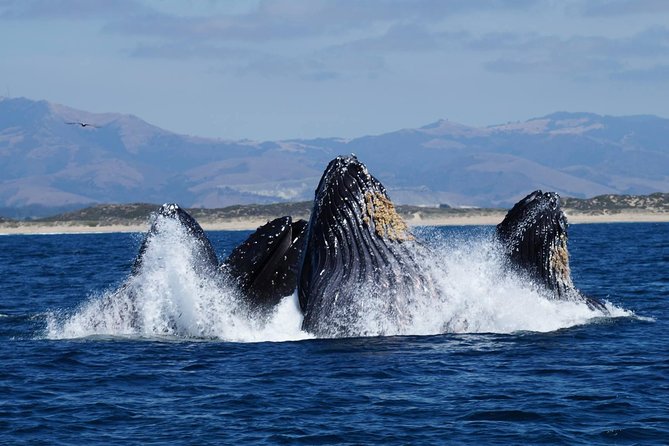
Reviewed · WHALE WATCHING
Whale Watching Tour
Monterey Bay can put on a fine show: humpback whales surfacing beside the boat, dolphins cutting through the wake, and rafts of sea lions spread across the water. This three-hour cruise gives you a real chance to see that action in the Monterey Bay National Marine Sanctuary, not just a quick ride outside the harbor.
I like the full three hours on the water and the captain’s running commentary, which adds useful facts without turning the trip into a lecture. I also like the onboard restroom, a small feature that matters once you are well offshore. The main caution is motion sickness. Wind, spray, and choppy water are part of the deal, and a crowded boat can make viewing less comfortable.
In This Review
- Key points at a glance
- Three Hours With Monterey Bay’s Biggest Residents
- Fisherman’s Wharf Is the Starting Point
- The Boat: Big Enough for Open-Water Viewing
- What You May See Beyond the Whales
- Captain Chris, Kevin, and the Human Side of the Trip
- Cold Air, Spray, and Motion Sickness
- What the Three-Hour Route Feels Like
- Is $62 a Good Value?
- Who Will Enjoy This Most
- Small Details That Improve the Day
- Should You Book Chris’ Whale Watching Tour?
- FAQ
- Where does the whale-watching tour meet?
- How long is the cruise?
- What animals might I see?
- Is there a restroom on the boat?
- Are food and drinks included?
- What happens if the tour is canceled?
Key points at a glance
- Three hours at sea: Plenty of time to reach feeding areas and wait for wildlife activity.
- A changing cast of wildlife: Humpback whales, dolphins, sea lions, otters, orcas, and seabirds have all been seen.
- Captain-led commentary: Crew members explain what you are seeing and work to keep passengers on the best viewing side.
- Boats from 53 to 70 feet: The fleet offers substantial vessels, though the feel can vary by departure and crowd level.
- Restroom onboard: A practical advantage on a cruise lasting about three hours.
- Bring warm layers and motion-sickness help: Even a sunny Monterey day can feel cold and rough offshore.
Three Hours With Monterey Bay’s Biggest Residents
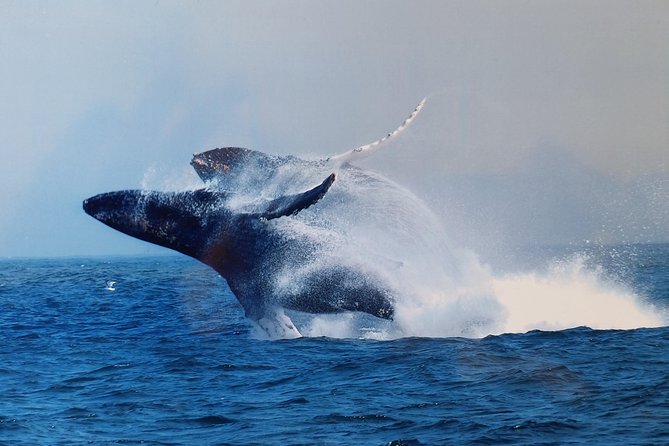
The appeal here is simple: you are not driving from one lookout to another, hoping to spot a distant spout. You are out on the bay, watching for movement across open water and following the captain toward active wildlife.
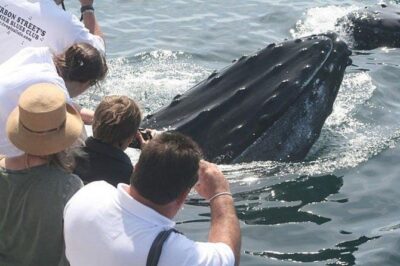
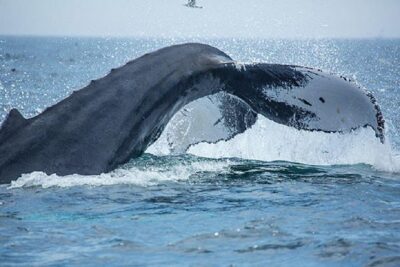
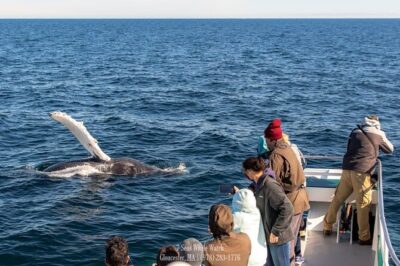
Humpback whales are the main prize. The strongest outings have produced repeated breaches, tail slaps, flipper waves, and close feeding encounters. A mother and calf have put on a show together, and an especially fortunate trip included orcas and a blue whale.
Wildlife never follows a script, of course. You may see several whales, or you may spend more time with dolphins, sea lions, birds, and otters. The company cannot promise a particular species, but three hours gives the crew time to search rather than turn around just as the first whale appears.
That time matters. A short harbor cruise can offer a pleasant view, but it rarely gives you the same chance to find animals spread across the bay. Here, the captain may continue working an area so everyone gets repeated looks instead of one hurried glimpse.
More whale watching out of the USA:
- Juneau Wildlife Whale Watching
★ 5.0 · 7,379 reviews - Juneau Wildlife Whale Watching & Mendenhall Glacier
★ 5.0 · 6,236 reviews - Boston: City Cruises Whale Watching Cruise
★ 4.5 · 4,710 reviews
Fisherman’s Wharf Is the Starting Point
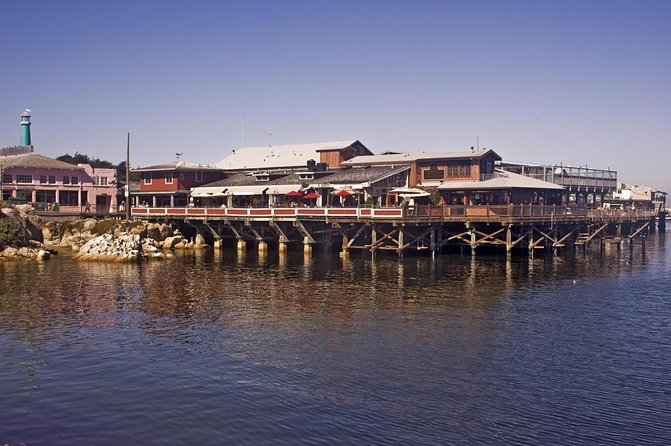
The meeting point is 48 Fishermans Wharf in Monterey, where you redeem your ticket before boarding. For parking, use 201 Washington Street, a detail worth noting before you arrive because harbor parking can add needless stress to an otherwise easy morning or afternoon.
The wharf puts you close to the water from the start. You will not need a separate transfer to the boat, and the location is near public transportation. The exact boarding flow is not described in detail, so allow enough time to find the ticket point, park, and get oriented before departure.
The cruise lasts about three hours. That is long enough to feel like a proper day on the bay, but not so long that most people lose an entire day in Monterey. I would place it early in a visit if seeing whales is a major goal. If the weather forces a cancellation, the operator offers another date or a full refund, which is useful when the sea does not cooperate.
The Boat: Big Enough for Open-Water Viewing
The company uses boats ranging from 53 to 70 feet. That gives you a steadier platform than a tiny private craft and provides several places to watch from, including areas outside the main cabin.
Still, boat feel can vary. Some departures have been described as comfortable smaller boats with plenty of room to see, while another was crowded enough that people stood around the cabin and blocked windows. This is the one area where I would keep expectations practical: a well-run boat can still feel tight when many people move to the same side at once.
Outside viewing is usually the heart of the trip. You get a wider view, fresher air, and a better chance to spot a blow before someone points it out. The tradeoff is exposure to wind, cold, and spray. The bay may look calm from shore while feeling lively once the boat reaches open water.
Inside seating helps when you need a break, but visibility and sound may be less satisfying there. One departure had dirty or scuffed windows, and engine noise made outside commentary hard to hear from the cabin. If you want the best view, head outside when conditions allow and keep your place without blocking the narrow passageways.
What You May See Beyond the Whales
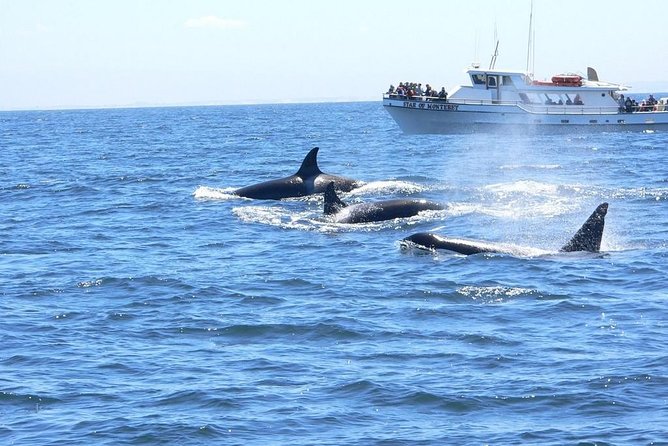
A good whale-watching trip is also a broad look at Monterey Bay life. Sea lions may gather in large rafts, while harbor seals and sea otters appear closer to the water. Dolphins can travel beside the boat or flash past in groups.
Birdlife adds movement when the whales are quiet. Gulls and cormorants are among the species seen on these outings. You may also get fine views back toward the Monterey and Carmel shoreline, giving the trip value even during a slow stretch for whales.
The most dramatic reports include humpbacks breaching repeatedly, sometimes close enough to make everyone gasp. That kind of encounter cannot be planned, but the crew’s ability to share information with other boats helps them locate active areas.
Captain and deckhand performance makes a real difference here. A good captain keeps the boat positioned so people on one side can see, then turns to give the other side a chance. The crew has also been praised for answering questions, explaining the animals, and making an effort to give everyone a clear look.
A completely different way to spend a day nearby:
- NYC: SUMMIT One Vanderbilt Tickets
★ 4.7 · 51,195 reviews - NYC: 9/11 Memorial & Museum Timed-Entry Ticket
★ 4.8 · 31,428 reviews - NYC: Empire State Building Tickets – Observatory & Museum
★ 4.7 · 25,757 reviews - NYC: Empire State Building Observation Deck Tickets
★ 4.7 · 22,072 reviews
Captain Chris, Kevin, and the Human Side of the Trip
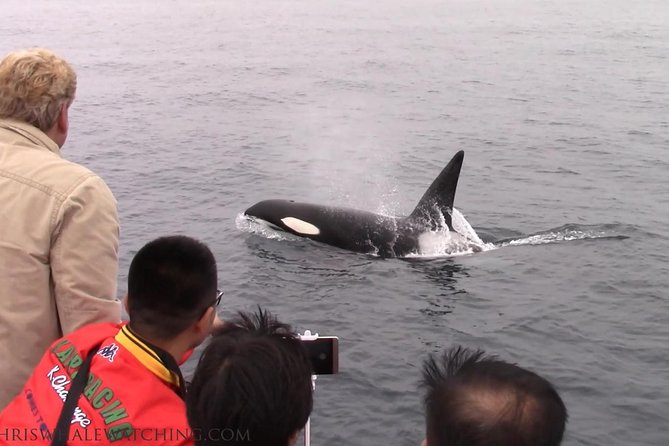
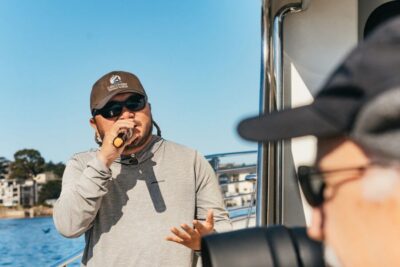
The company is Chris’ Fishing Trips & Whale Watching, and Chris himself has been praised for chatting with passengers in a warm, personal way. Kevin has also received praise for friendly conversation and whale facts. Those names matter because this is not simply a boat ride with a silent driver at the wheel.
Commentary varies by outing. Some trips feature an onboard biologist or a captain who keeps up a steady stream of useful facts. Other passengers have found the cabin speakers difficult to hear and the commentary less entertaining than expected.
I would treat the narration as a valuable extra, not the sole reason to book. The best part of the trip is still being outside with the wildlife. When the crew is actively pointing out blows, explaining feeding behavior, and answering questions, the experience becomes much more rewarding.
Safety also gets attention. The captain gives safety instructions before departure, and trips may be held back when conditions would make the ride too rough. That is good judgment, not a failure to deliver. A whale cruise should be exciting, but the boat should not go out simply to protect a schedule.
Cold Air, Spray, and Motion Sickness
Pack a jacket, even in summer. Several outings have been described as cold, windy, or wet offshore, and one August trip had enough spray to soak passengers sitting outside. A sweater or waterproof outer layer is sensible, along with shoes that can handle a wet deck.
Motion sickness is the most important practical concern. The boat can move sharply in choppy water, especially while heading out or turning near the whales. If you are prone to seasickness, take your usual precaution before departure and choose a place where you can focus on the horizon.
There is no snack, lunch, or bottled water included. Bring your own water and food if you need them, but keep your hands free for railings and your belongings secure. The restroom onboard is included and becomes particularly useful on a three-hour trip.
Families can enjoy this outing, and most people can participate. Service animals are allowed. Still, young children and anyone sensitive to boat motion may find the open water more demanding than the calm harbor suggests.
What the Three-Hour Route Feels Like
The itinerary has one listed stop: 48 Fishermans Wharf. That is the meeting and boarding point, not a sightseeing stop where you get off and explore.
After departure, the boat moves away from the wharf and toward the bay’s wildlife areas. The exact route depends on conditions and animal activity, so do not expect a fixed sequence of named stops. The captain’s job is to find living animals, not to follow a rigid map.
The ride out can be the roughest part. This is when you feel the swell, wind, and spray most clearly. Once the boat reaches the whales, the pace changes. The captain may slow down, turn the boat, and hold position while everyone watches for the next blow or breach.
You may spend several minutes waiting between appearances. That quiet pause is normal. Keep scanning the water rather than staring only at the place where the last whale surfaced. A fluke, dorsal fin, or sudden dark back can appear anywhere around the boat.
The return trip gives you another chance to enjoy the bay and shoreline views. If the whales are active, the return may feel quick. If the sea is rough, you will be glad the schedule is limited to about three hours rather than an all-day outing.
Is $62 a Good Value?
At $62 per person, this is a reasonable price for a three-hour marine wildlife cruise. The value comes from time on the water, the chance to see several species, the captain’s effort to locate active wildlife, and the onboard restroom.
You are paying for an opportunity, not a guaranteed performance. No responsible operator can promise breaching humpbacks or orcas on a specific departure. Some trips produce spectacular close feeding and repeated breaches. Others provide more modest sightings, such as distant whales, dolphins, sea lions, and birds.
The cost feels especially fair if you already plan to spend time in Monterey and want a substantial activity rather than a brief harbor outing. It is less appealing if you dislike cold, wet conditions or expect constant narration and comfortable indoor seating.
The company has a 4.7 rating from 497 reviews, with 93 percent recommending it. Those numbers fit the experience described here: strong wildlife sightings and friendly crew work are the main strengths, while crowding, speaker quality, and rough water are the main weak points.
Who Will Enjoy This Most
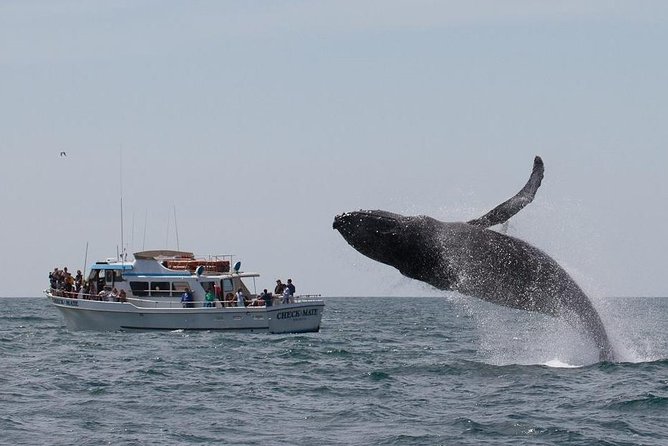
I would recommend this cruise to anyone who wants a serious chance to see Monterey Bay wildlife without paying for a private charter. Couples can enjoy the dramatic scenery, families can turn it into a memorable half-day outing, and solo visitors can easily focus on the wildlife.
It also suits people who value a crew that takes the search seriously. Captains have stayed in contact with other boats, adjusted their position, and worked to keep passengers on the best side for viewing.
You should think twice if you need guaranteed calm water, indoor comfort, or a tightly scripted tour. This is an outdoor wildlife experience. Nature controls the schedule, and the boat may roll, spray, or feel crowded when a whale surfaces close by.
Small Details That Improve the Day
A few choices can make a large difference:
- Arrive prepared for cold: Bring a jacket or sweater even under clear skies.
- Plan for motion: If you are prone to seasickness, take precautions before boarding.
- Bring water and snacks: Neither bottled water nor food is included.
- Use the open viewing areas: The cabin can be warmer, but windows and engine noise may limit the view.
- Keep moving fairly: When whales appear, avoid blocking narrow areas so others can see too.
- Allow parking time: Use 201 Washington Street and leave room to find the wharf before departure.
These are simple habits, but they help you enjoy the animals instead of worrying about comfort.
Should You Book Chris’ Whale Watching Tour?
Book it if you want three full hours searching Monterey Bay and can accept the uncertainty of wildlife watching. The combination of experienced captains, friendly crew, a usable onboard restroom, and frequent sightings of humpbacks, dolphins, sea lions, and other marine life gives this trip strong value at $62.
I would especially choose it for a clear-weather day when you can spend time outside. Pack warmly, prepare for motion sickness, and expect the boat to feel active rather than plush. If the sea is calm and the whales are feeding, this can become one of the most memorable things you do in Monterey.
Free cancellation is available until 24 hours before the start time. The operator may cancel for poor weather or if too few people book, offering another date or a full refund.
FAQ
Where does the whale-watching tour meet?
The ticket redemption and meeting point is 48 Fishermans Wharf, Monterey, California 93940. For parking, use 201 Washington Street.
How long is the cruise?
The experience lasts approximately three hours.
What animals might I see?
Sightings can include humpback whales, orcas, dolphins, sea lions, seals, sea otters, blue whales, and seabirds such as gulls and cormorants. Wildlife sightings are not guaranteed.
Is there a restroom on the boat?
Yes. A restroom is available for passenger use onboard.
Are food and drinks included?
No. Snacks, lunch, and bottled water are not included.
What happens if the tour is canceled?
If poor weather causes cancellation, you will be offered a different date or a full refund. The same options apply if the minimum number of participants is not met. You can cancel for a full refund up to 24 hours before the start time.
Recently reviewed around the USA
- Dyker Heights Christmas Lights Guided Tour★ 4.5 · 920 reviews
- New York City Dinner Cruise with Live Music★ 4.0 · 377 reviews
- New York City Holiday Lights Tour★ 4.5 · 664 reviews
- NYC in a Day Tour: Statue of Liberty, Times Square and More★ 5.0 · 366 reviews
- Broadway and Times Square Insider Tour with Theater Professional★ 5.0 · 651 reviews
- NYC Central Park Bicycle Rentals★ 4.5 · 368 reviews
- Central Park Bike Rental New York City★ 4.0 · 560 reviews
- Manhattan Sky Tour: New York Helicopter Flight★ 4.5 · 1,458 reviews
Whale Watching, compared.
Juneau Wildlife Whale Watching & Mendenhall Glacier
Read our review →
City Cruises Boston Whale Watching Cruise by High-Speed Boat
Read our review →
Whale Watching Trips to Stellwagen Bank Marine Sanctuary. Guaranteed sightings!
Read our review →Browse the lists this tour appears in