
Reviewed · MANTA RAY SNORKELING
Big Island: Night Swim with Manta Ray with Hot Chocolate
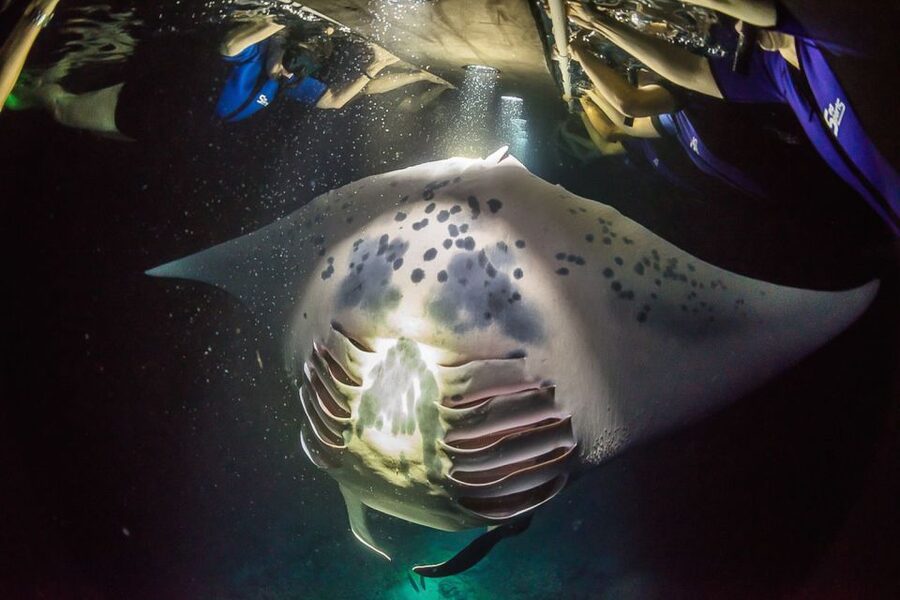
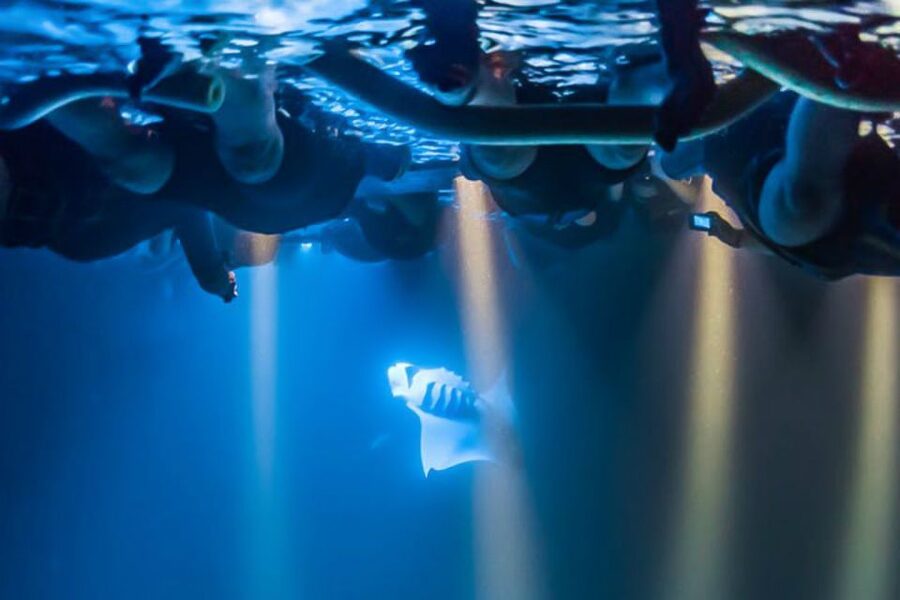
The great hook here is simple: after sunset, you hold onto a floating light board while giant manta rays sweep beneath you, often within inches of your face. The blue lights gather plankton, and the mantas arrive for dinner in a show that can feel wonderfully strange and otherworldly.
I like two things in particular. The short boat ride keeps the outing focused, and the raft gives you a steady place to watch without needing to swim after the animals. I also like the small comfort of hot chocolate and cookies at the end. You are in warm Hawaiian water, but a nighttime snorkel can still leave you chilly.
The main catch is that this is not a beginner swim. You need to be comfortable in open water, able to snorkel, and able to hold onto the flotation board for the viewing period. Sea conditions, motion sickness, and the wild nature of the mantas can affect the night.
In This Review
- Key points to know before you book
- What makes the Kona manta swim special
- Meeting at Keauhou Bay and preparing on shore
- The short boat ride from Keauhou Bay
- Holding the light board in the dark
- Watching the manta ray ballet
- What happens if the mantas are slow to appear
- Warming up with cocoa and cookies
- Is $146 a fair price?
- Who should book this experience
- Practical ways to get more from the night
- Should you book the Sea Quest manta swim?
- FAQ
- Where does the manta ray night swim meet?
- How long does the activity last?
- What equipment is included?
- Do I need to be an experienced swimmer?
- What should I bring?
- What happens if no manta rays are seen?
Key points to know before you book
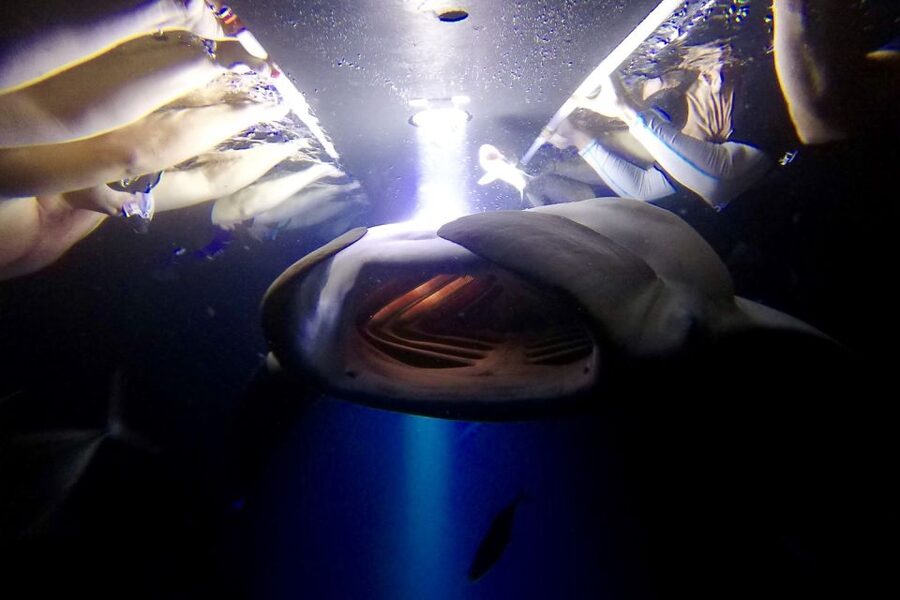
- Manta rays feed beneath blue lights: The lights attract plankton, which brings the mantas close to the viewing raft.
- The water time is at night: You will be in the ocean after sunset, not simply watching from a boat.
- A roughly five-minute boat ride gets you offshore: The ride is brief, so most of your 75 minutes centers on preparation and snorkeling.
- Sea Quest supplies the essential gear: Snorkel equipment, prescription masks, wetsuits, flotation devices, and a guide are included.
- Experienced swimmers only: Children under seven, non-swimmers, wheelchair users, and people with mobility limitations cannot take part.
- There is a fallback if the mantas do not appear: You can return another night at no extra cost, or take a confirmed afternoon snorkel tour instead.
What makes the Kona manta swim special
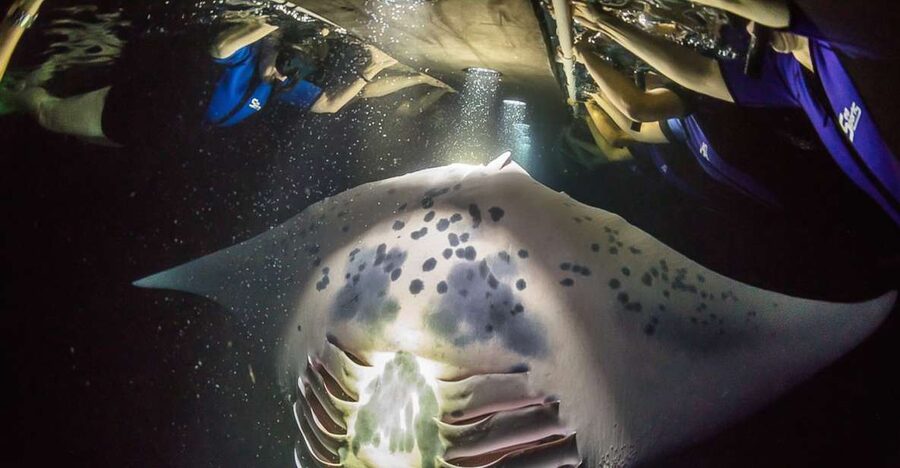
Kona’s coast near the mouth of Keauhou Bay is one of the island’s most reliable places to see manta rays. The animals gather after dark because the artificial lights concentrate plankton in the water. You are not chasing them or feeding them. You are watching a natural feeding routine from a fixed position.
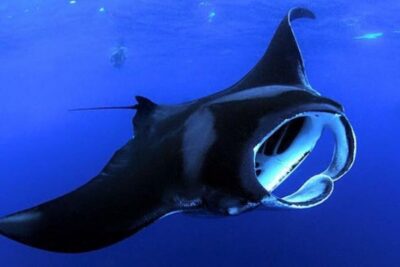
That difference matters. The mantas control the action, and the guides set up the viewing area so you can wait calmly. A ray may glide under the board, roll onto its back, open its broad mouth, and pass close enough to make you forget you are floating in the ocean at night.
These are giant rays, but they are not predators looking for people. Guides explain that manta rays are harmless, with no teeth and no poisonous tail. You still need to keep your hands to yourself and follow the crew’s rules. The best encounter is one where the manta chooses the distance.
The setting adds to the drama. In daylight, you might focus on reef fish and clear water. At night, the beam of the lights becomes your small circle of visibility. Beyond it is darkness, while the mantas appear and disappear through the glow. The effect is less like a standard snorkel and more like watching a slow underwater performance.
More Big Island of Hawaii trips worth a second look
- Award Winning Farm Tour: Coffee, Chocolate and Unique Gifts
★ 5.0 · 484 reviews - NYC: Museum of Ice Cream Entry Ticket
★ 4.3 · 2,619 reviews - Museum of Ice Cream New York City Admission Ticket
★ 4.0 · 1,154 reviews
Meeting at Keauhou Bay and preparing on shore
You check in at 78-7138 Kaleiopapa Street, Kailua-Kona, Hawaii 96740. Transportation is not included, so you need to make your own way to the meeting point. Plan enough time to arrive ready for the equipment fitting rather than treating this as a last-minute stop between other activities.
The crew provides snorkel gear, wetsuits, flotation equipment, and prescription masks. The Rx masks are useful if you normally need corrective lenses, since poor vision can take away much of the experience when the animals pass close by.
Wear your swimwear and bring a towel. The wetsuit helps with warmth, but it does not make you a swimmer. You will still need to enter the water, get comfortable with the mask and snorkel, and hold onto the flotation device while watching the mantas.
The safety briefing is an important part of the tour, not a formality to rush through. You will learn how to position yourself, how to use the raft or board, and how to behave around the animals. Guides also help calm nerves. Some people feel uneasy about entering dark water, and the crew’s steady instructions can make the first few minutes easier.
The short boat ride from Keauhou Bay
The trip offshore is brief, around five minutes according to the detailed timing provided by participants. That is a practical advantage. You are not spending most of the evening on a long cruise, and anyone prone to seasickness has less boat time to manage.
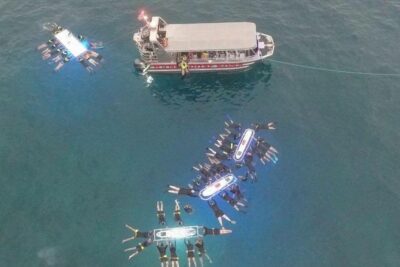
The boat ride also gives the crew a chance to explain what will happen next. Once you reach the viewing area, you enter the nighttime water and move a short distance to the floating light board or swim ring. The exact arrangement can vary, but the basic idea is the same: hold the handles, keep your body calm, and let the lights do their work.
If you get seasick easily, take the precaution seriously. Several people found the boat motion difficult, and some returned to the boat before the snorkel ended. A seasickness remedy taken before departure may help if you already know you are prone to motion sickness.
Holding the light board in the dark
The central part of the experience involves gripping the flotation board while lying on your stomach and looking down into the illuminated water. This sounds easy, but it is worth thinking about your shoulders and upper-body strength.
One person found that holding the bar for the full viewing period tired the shoulders. Another left the water after 20 or 30 minutes because of fatigue, while others stayed longer. You do not need to swim laps, but you do need to maintain your position and keep your legs from hanging down into the viewing area.
The board gives you support, yet it is not a lounge chair. If you are not a confident swimmer, this can become stressful quickly. The operator specifically limits the tour to experienced swimmers and snorkelers, and that rule protects both you and the animals.
The guides are in the water to assist with positioning and safety. Names praised in past outings include Michelle and Kelsie, though the crew can change. Kelsie was especially noted for sharing facts about manta rays and answering questions while keeping the mood light. The consistent point is that the guides are active in the water, not simply watching from the boat.
A completely different way to spend a day nearby:
- Big Island in a Day: Volcanoes Waterfalls Sightseeing and History
★ 5.0 · 6,569 reviews - Big Island Manta Ray Night Snorkel
★ 5.0 · 5,656 reviews - Big Island: Kona Manta Ray Snorkel Tour in Keauhou Harbor
★ 4.5 · 2,465 reviews - Hilo Shore Excursion: Volcanoes National Park & Black Sand Beach
★ 4.5 · 2,338 reviews
Watching the manta ray ballet
Once the lights attract enough plankton, the mantas begin to arrive. You might see one ray first, then several more. Sightings have ranged from three animals to groups of eight, 10, or even 15, but there is no fixed number. These are wild animals, and the tour cannot promise a particular show.
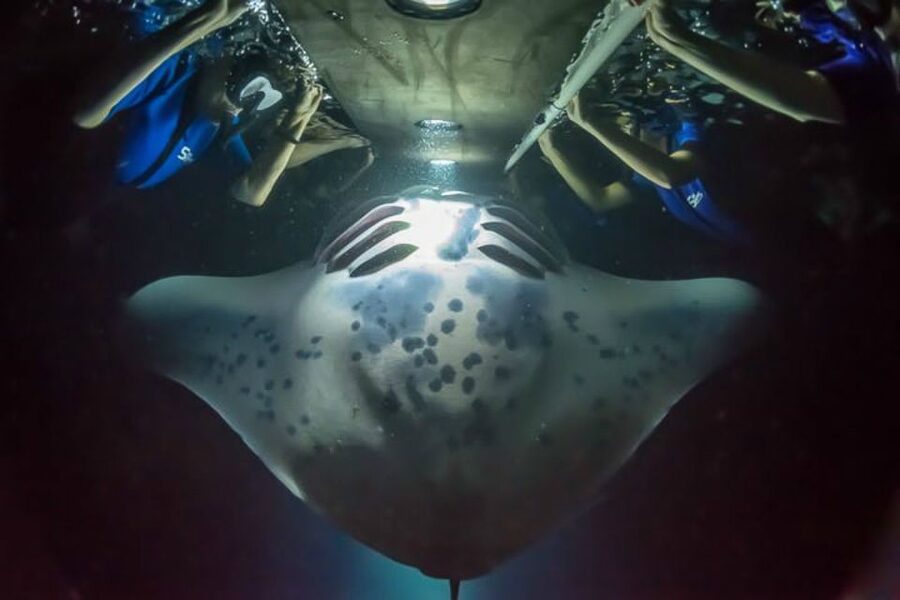
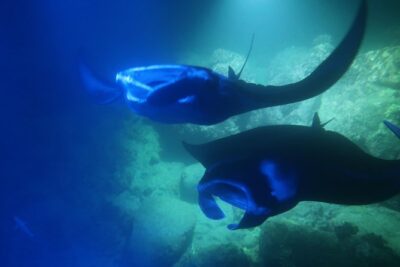
The rays often pass directly beneath the raft. They may perform slow barrel rolls, turning their enormous bodies through the light as they feed. Their white undersides become visible, then vanish into the darkness. The close distance is the part that surprises most people. A manta can pass within inches without touching you, although an occasional brush is possible.
You should resist the urge to reach toward them. A hand, fin, or dangling camera can interrupt their path and disturb the feeding area. Keep your body still, follow the guides, and let the rays come to you. The calmer you are, the better your view is likely to be.
The amount of viewing time depends on conditions, group comfort, and how long you can stay in the water. The full activity lasts 75 minutes, but that includes check-in, gearing up, the boat ride, the water session, and returning to shore. Do not assume you will spend all 75 minutes face-down over the board.
That shorter water time is not necessarily a flaw. Night snorkeling can be tiring, especially when you are holding a position and concentrating through a mask. A focused 20 to 40 minutes can be plenty, particularly if the mantas are active.
What happens if the mantas are slow to appear
Nature does not follow a tour schedule. You may see rays right away, or you may wait through a quiet start. One outing began slowly before the group found itself surrounded by 10 or 15 mantas. Another group saw three and wished for more, but still recognized that the crew could not control the animals.
This is the key expectation to set before booking: you are paying for access to a strong viewing location and a well-planned setup, not a guaranteed number of rays. Even a small sighting can be worthwhile when the animal passes close, but you should not book this if anything less than a large group would leave you disappointed.
There is a useful safety net. If no manta rays are seen at all, Sea Quest invites you to return on another night at no additional charge. You may also choose a confirmed afternoon snorkel tour at no extra cost. This does not help if you are leaving the island the next morning, so schedule the tour early enough in your stay to use the option.
Warming up with cocoa and cookies
After the water session, you return to the boat and warm up with hot chocolate and cookies. This is a small feature, but it makes sense. A wetsuit may keep you from getting truly cold, yet nighttime air, wet hair, and wind can make the ride back feel brisk.
The snack also gives the outing a pleasant finish. You have just spent part of the evening staring into black water at huge rays, and now you are holding a warm cup with something sweet to eat. It is not a meal, so have dinner before or after according to your schedule.
Is $146 a fair price?
At $146 per person, this is not a bargain activity, but the price includes the parts that can make a water excursion expensive: a guide, boat transport during the activity, snorkel equipment, prescription masks, wetsuits, flotation devices, and the night swim itself. Hot chocolate and cookies are included as well.
I see the value in the compact format. You are not buying a half-day boat trip with long transit times. The boat ride is short, and the main expense goes toward the crew, equipment, lighting setup, safety support, and access to a proven manta viewing area.
The value is strongest if you already enjoy snorkeling and want a wildlife experience unlike a daytime reef tour. It is weaker if you are unsure about open water, dislike holding onto a board, or want a guaranteed number of animals.
The tour’s high 4.9 rating from 420 ratings reflects very strong satisfaction, especially with the crew, organization, and close encounters. A few practical complaints matter just as much: tired shoulders, seasickness, and the possibility of seeing fewer mantas than hoped. I would treat the price as fair for a specialized Kona experience, provided you meet the swimming requirement.
Who should book this experience
This tour suits confident swimmers, regular snorkelers, and anyone who wants a memorable wildlife outing after dark. It can work for a solo visitor, a couple, or a family with older children who are comfortable in the water. The minimum age is seven, but age alone does not determine readiness.
You should be able to put your face in the water, use a snorkel, stay calm in darkness, and hold onto the flotation board. If you are still learning to swim, this is the wrong place to practice.
The outing is not suitable for non-swimmers, people without snorkeling experience, wheelchair users, or people with mobility impairments. The water entry and the need to hold onto the board make those limitations significant.
You should also think about your comfort with wild animals. The mantas may come extremely close, but they may also stay farther away or appear in smaller numbers. The experience rewards patience more than certainty.
Practical ways to get more from the night
Arrive in swimwear and bring a towel, as requested. Since no transportation is included, confirm your route to the Kailua-Kona meeting point before the day of the tour.
If you are prone to seasickness, plan ahead rather than waiting until you feel unwell. The boat ride is short, but even a brief ride can be uncomfortable for some people.
Listen carefully when the crew explains how to hold the board. Keep your legs straight and avoid climbing onto the board, pointing cameras too far into the water, or reaching for the mantas. Those actions can disturb the viewing area and make it harder for everyone to remain steady.
If you bring a camera, use only equipment that is suitable for water and darkness. A waterproof camera or phone case can capture the lights and rays, but do not let photography replace the experience. The best encounters can happen quickly and directly below you.
Finally, book early enough in your Big Island stay to use the return option if the mantas do not appear. This is particularly important if your schedule is tight or you are staying on the island for only a few nights.
Should you book the Sea Quest manta swim?
Book it if you are a capable swimmer and want one of Kona’s most unusual wildlife experiences. The close viewing, short ride, helpful equipment, and warm snack create a well-focused 75-minute outing. The guides have earned strong praise for safety, humor, and clear explanations, with Michelle and Kelsie among the crew members specifically remembered for their care and manta knowledge.
Skip it if you are a non-swimmer, dislike nighttime water, or cannot comfortably hold onto a board. Also skip it if you need a guaranteed number of rays. For everyone else, $146 is a reasonable price for the chance to watch giant mantas feed at arm’s length, with the comfort of a replacement outing if the animals fail to show.
FAQ
Where does the manta ray night swim meet?
Check-in is at 78-7138 Kaleiopapa St, Kailua-Kona, HI 96740. Transportation to the meeting point is not included.
How long does the activity last?
The full activity lasts 75 minutes. This includes preparation, the short boat ride, the nighttime snorkel, and returning to shore.
What equipment is included?
The tour includes snorkel equipment, prescription masks, wetsuits, and flotation devices. A guide is also included.
Do I need to be an experienced swimmer?
Yes. The tour is limited to experienced swimmers and snorkelers. It is not suitable for non-swimmers or people without snorkeling experience.
What should I bring?
Bring swimwear and a towel. Hot chocolate and cookies are provided after the night swim.
What happens if no manta rays are seen?
You can return on another night at no additional cost, or take a confirmed afternoon snorkel tour at no extra charge.
Recently reviewed around Big Island of Hawaii
- Hilo Shore Excursion: Active Volcano, Lava Tube, Waterfall and Gardens★ 5.0 · 393 reviews
- Volcano Adventure: Hilo Sightseeing w/ Optional Helicopter Tour★ 4.5 · 412 reviews
- Kealakekua Bay Snorkeling Tour – 4 hour Kona Zodiac Adventure★ 5.0 · 508 reviews
- Whale Watching On The Big Island★ 5.0 · 573 reviews
- Hawaii Volcanoes, Waterfalls, Beaches & Hilo Highlights Day Tour★ 5.0 · 391 reviews
- Zodiac Raft Whale Watching Adventure★ 5.0 · 456 reviews
- Small Group Big Island Twilight Volcano and Stargazing Tour★ 5.0 · 1,619 reviews
- Manta Ray Night Snorkel Tour in Kailua-Kona, Big Island★ 5.0 · 382 reviews
Manta Ray Snorkeling, compared.
Kona Manta Ray Snorkel Tour in Keauhou Harbor
Read our review →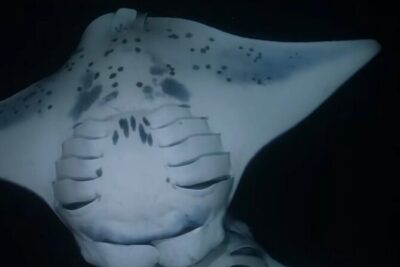
KONA Manta Ray Night Snorkel – FREE re-ride if no Sightings
Read our review →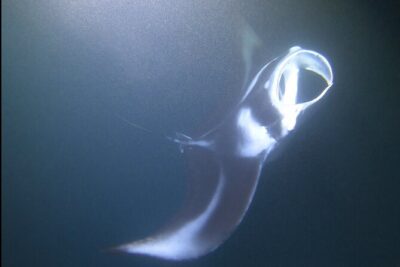
Kailua Kona: Night Manta Ray Adventure on the Big Island
Read our review →
Manta Magic: Small-Group Manta Ray Night Snorkel in Kailua Kona
Read our review →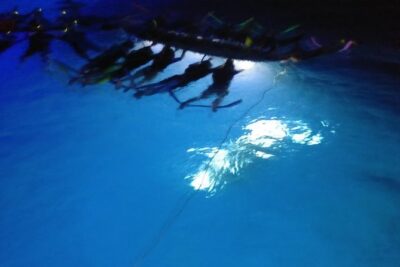
Browse the lists this tour appears in