
Reviewed · CHARLESTON TOURS
Boone Hall Plantation All-Access Admission Ticket
Boone Hall’s most important experience is not the pretty house. It is the chance to connect the grand Avenue of Oaks, a working farm, nine cabins where enslaved people lived, and the Black History in America exhibit in one visit. The plantation’s story reaches from 1681 to the present, and the best talks do not soften the cruelty of slavery.
I like the Gullah culture presentation, which gives the visit a living cultural voice rather than leaving the past behind glass. I also like the freedom to move between the gardens, cabins, farm areas, Gin House Museum, and stable grounds at your own pace. The main caution is that the mansion is not an original colonial house. It dates to the 1930s, and the first-floor tour is short.
In This Review
- Key Points Before You Go
- What Boone Hall Is Really About
- Walking Down the Avenue of Oaks
- The Cabins and the Black History in America Exhibit
- The Gullah Culture Presentation
- The Plantation Home: Attractive, But Not Colonial
- The Tractor Tour Across the Property
- Gardens, Wildlife, Stables, and the Gin House
- How Long You Need and How to Plan the Day
- Is the $36.50 Ticket Good Value?
- Who Will Enjoy Boone Hall Most?
- Cancellation and Weather Details
- Should You Book Boone Hall?
- FAQ
- How much does the Boone Hall all-access ticket cost?
- How long does a visit to Boone Hall take?
- What does the all-access ticket include?
- Is the plantation home original?
- Does the ticket include a Gullah presentation?
- Are the enslaved people’s cabins open to visitors?
- Does the tractor tour operate in bad weather?
- Can I cancel for a refund?
Key Points Before You Go
- The Avenue of Oaks sets the tone: The long oak-lined entrance is Boone Hall’s most memorable view and a fine place for photographs.
- The enslaved people’s cabins matter most: Nine original cabins hold the Black History in America exhibit and offer the clearest connection to the people who lived and worked here.
- The Gullah presentation is a highlight: This live talk is included with admission and helps explain the culture that grew from the experience of African Americans in the Lowcountry.
- One ticket covers a full half-day: You get the home tour, tractor ride, gardens, history presentation, exhibits, stable tour, and Gin House Museum.
- The mansion has a limited historical claim: The current house was built in the 1930s, not during the plantation’s earliest period.
- Plan around weather and timing: The tractor tour depends on weather, and the stable tour runs only at certain times.
What Boone Hall Is Really About

Boone Hall is often approached as a grand Southern plantation with a handsome approach road and formal gardens. Those elements are here, but they are only one part of the visit. The property also presents itself as a working farm, a place where agricultural life continues alongside tours, exhibits, and public talks.
That mix can be useful if you want more than a house tour. You can see the broad setting, then focus on the people who lived and labored here. The result is a visit with several different moods: scenic at the entrance, quiet near the cabins, practical on the tractor ride, and reflective during the Gullah presentation.
I would not treat Boone Hall as a perfectly preserved 18th-century plantation frozen in time. The present house was built in 1934 or 1935, according to the information given during the visit, and was not the original home owned by the Boone family. That fact changes what you should expect. The attraction is strongest as a broad historical site, not as a pure architectural time capsule.
More Charleston trips worth a second look
- Charleston: Fort Sumter Entry Ticket with Roundtrip Ferry
★ 4.7 · 2,879 reviews - NYC: SUMMIT One Vanderbilt Tickets
★ 4.7 · 51,195 reviews - NYC: 9/11 Memorial & Museum Timed-Entry Ticket
★ 4.8 · 31,428 reviews
Walking Down the Avenue of Oaks
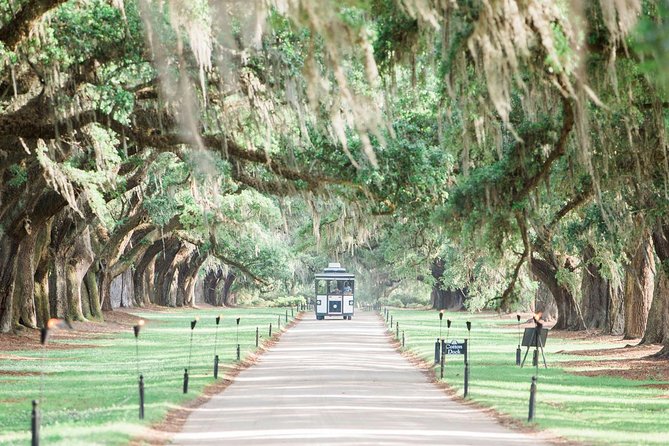
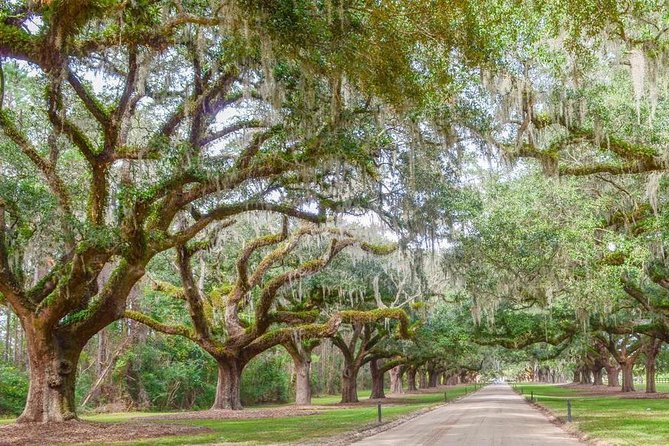
The visit begins with all-access entry along the world-famous Avenue of Oaks. Huge live oaks form a long, shaded approach toward the main property. This is the image most closely linked with Boone Hall, and it earns the attention it gets.
Bring your camera, but remember that the road is more than a photo stop. It helps explain how the estate presented itself to arriving visitors and guests. The scale creates an immediate contrast with the smaller cabins and working areas farther inside the property.
The grounds are well maintained, and the wide layout makes it fairly easy to move from one section to another. You will want comfortable shoes and enough time to pause instead of racing from scheduled talk to scheduled talk. In good weather, the outdoor setting is a major part of the experience.
The Cabins and the Black History in America Exhibit
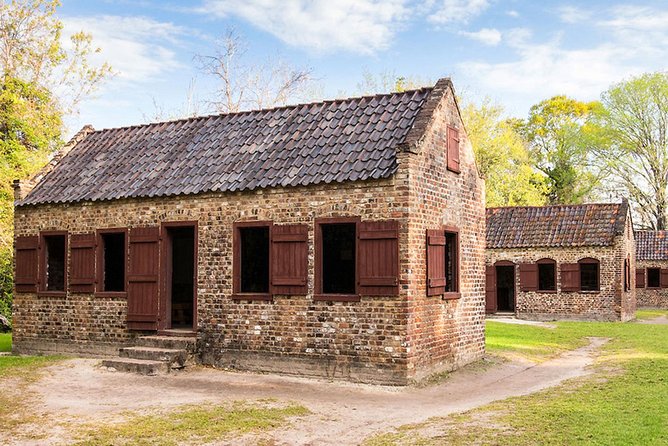
For me, the nine original cabins are the heart of Boone Hall. These are not decorative outbuildings added to complete a plantation picture. They are the surviving spaces connected to enslaved people who lived and worked on the estate.
The Black History in America exhibit uses the cabins to discuss slavery and African American history. The setting gives the subject weight. You are not simply reading a general account in a modern gallery. You are standing inside buildings tied to the lives of people who were denied freedom and whose labor helped sustain the plantation.
The brickwork offers one striking detail. Bricks that were not considered good enough for sale were used to build some of the quarters. That small fact connects the plantation’s manufacturing work to the living conditions imposed on enslaved people.
The quality of this part of the visit depends heavily on which presentation or guide you receive. Some talks address the horrors of slavery directly and make the cabins central to the story. If your priority is African American history, give this area time and do not let the mansion or gardens crowd it out.
I also suggest approaching the cabins with patience. The experience can be difficult, especially for Black visitors who may feel a personal connection to the people who lived through this system. Boone Hall is best visited with a willingness to listen carefully and sit with uncomfortable facts, not just collect attractive photographs.
The Gullah Culture Presentation
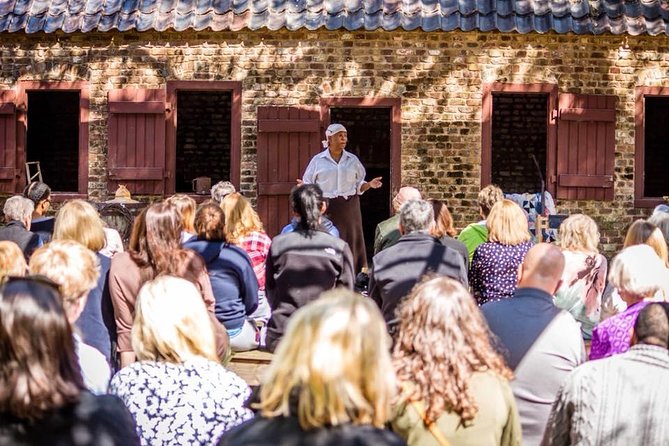
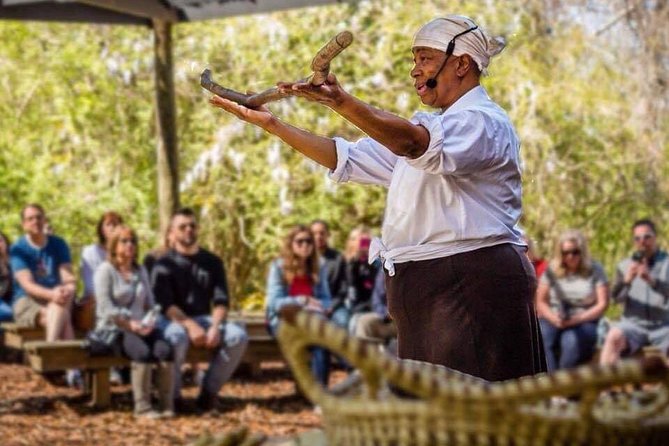
The live Exploring the Gullah Culture presentation is one of the strongest reasons to choose the all-access ticket. It brings attention to a living culture shaped by African roots, slavery, Lowcountry life, and generations of survival.
The presentation is not the same as a general plantation lecture. It gives you a chance to hear about language, customs, and identity in a way that connects the site’s past to the present. One presenter is described as a seventh-generation Gullah speaker, which adds a direct personal connection to the subject.
I would plan your visit around this talk if the schedule allows. Several hours can pass pleasantly among gardens and buildings, but the Gullah presentation gives the day its strongest human focus. One caution: presentation times are part of the property’s daily schedule, so do not assume you can arrive at the last minute and catch every activity.
A completely different way to spend a day nearby:
- Charleston’s Old South Carriage Historic Horse & Carriage Tour
★ 5.0 · 10,023 reviews - Historic Charleston Guided Sightseeing Walking Tour
★ 5.0 · 6,216 reviews - Haunted Evening Horse and Carriage Tour of Charleston
★ 4.5 · 3,678 reviews - Charleston Horse-Drawn Carriage Tour: Explore Historic Charleston
★ 5.0 · 3,561 reviews
The Plantation Home: Attractive, But Not Colonial
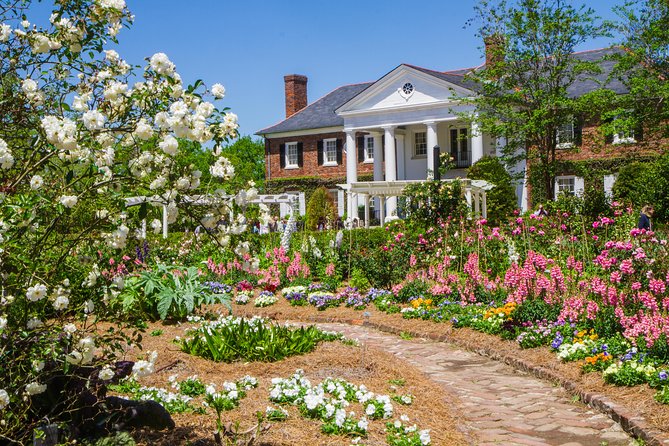
The guided first-floor home tour includes a limited number of rooms, including the entrance, drawing room, dining room, breezeway, and game room. The rooms are decorated and present the house as an elegant residence, but the tour is not a long exploration of an original 18th-century mansion.
That distinction is important when comparing Boone Hall with other Charleston-area plantations. If you want period architecture from the era of slavery, this house may disappoint. The current building dates to the 1930s, and the Boones did not own this particular house.
Still, the tour has value. It shows how later owners shaped the property’s public image and how the estate functioned as a large residence and farm. Guides explain details about the house, including why certain doors were made wider and how rooms were used.
Photography inside the house is not allowed, which may frustrate you. Since the tour covers only part of the home, I would keep your expectations modest. Think of it as one piece of the property’s story, not the main reason to buy admission.
The Tractor Tour Across the Property
The tractor tour gives you a wider view than you can get on foot. It crosses the full property and helps you understand the scale of Boone Hall as a working estate. You see more of the farm setting without spending all your energy walking between distant areas.
The ride is weather dependent. Rain can change the day’s rhythm, and you may need to return another time if the outdoor program is canceled. If the weather is good, the tractor ride is a practical way to cover ground and hear a broad account of the plantation’s past and present.
I like this part because it keeps the visit from becoming a string of indoor talks. You see fields, trees, working areas, and the relationship between the formal grounds and the agricultural property. It is also useful for families, since a moving tour can break up the more serious cabin and history exhibits.
Gardens, Wildlife, Stables, and the Gin House
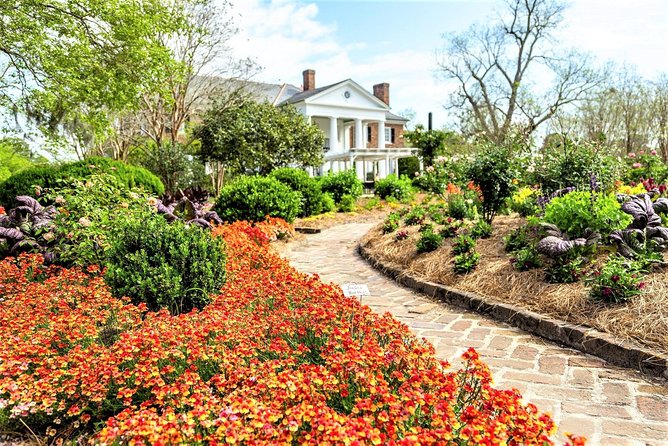
The Showcase of Color garden tour adds a lighter section to the day. The gardens provide a change of pace after the cabins and history presentations, and the grounds offer chances to see local wildlife. The exact display will vary with the season, so spring and fall may be especially pleasant times to visit.
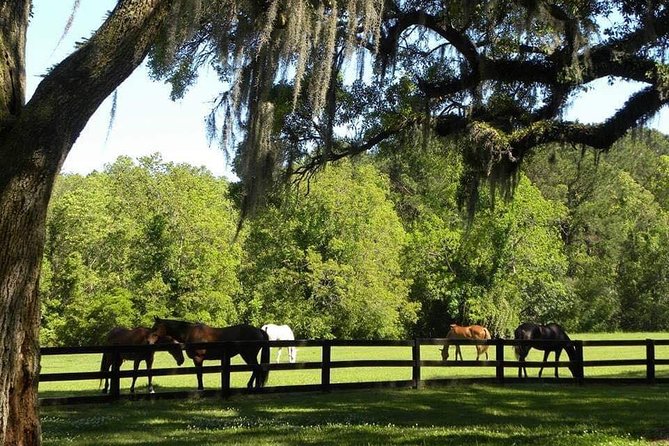
The stable area adds another current-use element. You may see polo horses near the stables, but the included stable tour runs at certain times only. If that part matters to you, check the day’s schedule when you arrive. Missing it may mean waiting an hour for the next opening.
The Gin House Museum covers 300 years of history. It adds another layer to the property by showing how agricultural and processing work fit into the estate’s long story. This is useful context, though you should not expect every stop to carry the same emotional weight as the cabins.
Together, these attractions explain the value of the all-access ticket. You are not paying for a single guided route. You are paying for a full property visit with several separate components. The tradeoff is that you need to manage your time and decide which talks matter most.
How Long You Need and How to Plan the Day
The stated visit time is about two to four hours. I would allow the full four hours if you want the cabin exhibit, Gullah presentation, house tour, tractor ride, gardens, and museums without rushing.
Two hours can work if you focus on the main highlights. In that case, I would choose the cabins, Gullah presentation, Avenue of Oaks, and either the tractor tour or the house. Four hours gives you room for the less central stops, including the stables and Gin House Museum.
Boone Hall is open Monday through Saturday from 9 a.m. to 5 p.m. The listed operating period runs through February 3, 2027. Since the property has several timed activities and weather-sensitive features, arrive early enough to learn the schedule before wandering.
Free parking is included. The site is near public transportation, and service animals are allowed. Most people can take part, though the information provided does not give detailed access notes for every building or route. If you need specific access arrangements, contact Boone Hall before booking.
Is the $36.50 Ticket Good Value?
At $36.50 per person, the ticket can be a fair deal if you use the all-access features. The tractor tour, home tour, gardens, history presentation, Gullah presentation, cabins, stable tour, and Gin House Museum create enough material for a half-day visit.
The value drops if you mainly want the mansion. Since the house is a 1930s building and the first-floor route is limited, the home alone does not justify the price for me. The ticket makes more sense when you treat Boone Hall as a complete site with strong outdoor areas and several separate history stops.
Check prices before buying through a third-party booking channel. The information provided includes cases where senior admission at the gate or through Boone Hall was lower, with examples ranging from $27 to $30 compared with about $36 to $38 booked online through another seller. Prices can change, but the lesson is plain: compare the direct price, senior rate, and any online fee before paying.
The mobile ticket is convenient, and confirmation is issued at booking. There has also been an isolated ticketing problem in which a purchaser did not appear in the property’s records and was refused entry. To avoid a bad start, make sure the mobile voucher is visible and your booking confirmation is easy to show.
Who Will Enjoy Boone Hall Most?
I would recommend Boone Hall to you if you want a broad Charleston-area plantation visit with both scenic grounds and serious historical material. It suits families, couples, solo visitors, school groups, and anyone willing to spend a few hours moving between different formats.
It is especially suitable if you want:
- A live Gullah culture presentation
- Direct access to original enslaved people’s cabins
- A working farm setting rather than only a furnished house
- A tractor ride across a large property
- Gardens, wildlife viewing, and historic buildings in one admission
- A visit that can be meaningful without requiring a full-day commitment
I would be more cautious if your main goal is an original plantation mansion or a highly focused account of the enslaved community. The presentation of slavery can vary in emphasis from one talk to another. Some parts address the subject plainly, while other sections spend more time on the house, crops, doors, parties, or current farm activity.
That does not make the site worthless, but it means you should know what you are booking. Use the cabins and Gullah talk as your anchors, then treat the mansion and gardens as supporting parts of the day.
Cancellation and Weather Details
You can cancel free of charge up to 24 hours before the experience begins for a full refund. Changes or cancellations made within 24 hours are not accepted and are not refunded.
The experience requires good weather. If Boone Hall cancels because of poor conditions, you will be offered another date or a full refund. Because the tractor tour is also weather dependent, an otherwise open property may not offer every listed activity on a rainy day.
Should You Book Boone Hall?
Book it if you want more than a pretty Southern estate. The Gullah presentation and nine cabins provide the clearest reasons to go, while the oak avenue, gardens, tractor ride, and working farm give the day variety.
Do not book it expecting an original colonial mansion or a long, room-by-room house tour. Compare prices with Boone Hall directly, especially if you qualify for a senior rate, and allow close to four hours so the visit does not become a rushed photo stop.
For me, Boone Hall is worth choosing when you approach it as a place to learn about plantation life, slavery, Gullah culture, agriculture, and the way history is presented today. Its beauty may draw you through the gates, but the cabins and the voices connected to Gullah culture are what give the visit lasting purpose.
FAQ
How much does the Boone Hall all-access ticket cost?
The listed price is $36.50 per person. Direct admission and senior prices may be lower, so compare rates before booking.
How long does a visit to Boone Hall take?
Plan on about two to four hours. Allow closer to four hours if you want to include all major tours, talks, gardens, exhibits, and the tractor ride.
What does the all-access ticket include?
It includes admission along the Avenue of Oaks, the first-floor home tour, the Black History in America exhibit, the tractor tour when weather permits, a history presentation, the Gullah culture presentation, the garden tour, beauty and wildlife viewing, the stable tour, and the Gin House Museum.
Is the plantation home original?
No. The current mansion was built in the 1930s and is not the original Boone family home.
Does the ticket include a Gullah presentation?
Yes. The all-access admission includes the live Exploring the Gullah Culture presentation.
Are the enslaved people’s cabins open to visitors?
Yes. Nine original cabins house the Black History in America exhibit and are included with admission.
Does the tractor tour operate in bad weather?
The tractor tour operates weather permitting. Poor weather can also lead to cancellation of the overall experience, with a different date or full refund offered.
Can I cancel for a refund?
Yes. You can receive a full refund if you cancel at least 24 hours before the scheduled start time. Cancellations within 24 hours are not refunded.
Recently reviewed around Charleston
- Kayak With Dolphins in Historic Shem Creek★ 5.0 · 407 reviews
- Charleston’s Best Highlights: History, Culture & Architecture★ 5.0 · 422 reviews
- 2-Hour Guided Kayak Eco Tour in Charleston★ 5.0 · 954 reviews
- Charleston Ghosts of Liberty Guided Walking Tour★ 4.5 · 473 reviews
- Undiscovered Charleston: Half Day Food, Wine & History Tour with Cooking Class★ 5.0 · 948 reviews
- Real Hauntings of Charleston! (Small Group Ghost Tour)★ 5.0 · 724 reviews
- Afternoon Schooner Sightseeing Dolphin Cruise on Charleston Harbor★ 4.5 · 620 reviews
- Savor the Flavors of Charleston Walking Food Tour★ 4.5 · 881 reviews
Charleston Tours, compared.
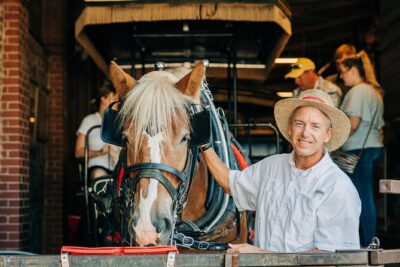
Charleston’s Old South Carriage Historic Horse & Carriage Tour
Read our review →
Historic Charleston Guided Sightseeing Walking Tour
Read our review →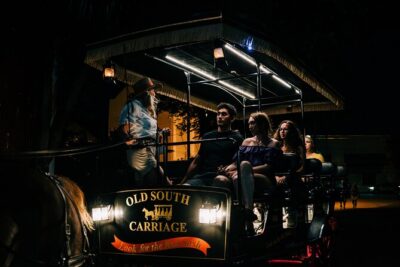
Haunted Evening Horse and Carriage Tour of Charleston
Read our review →
Charleston Horse-Drawn Carriage Tour: Explore Historic Charleston
Read our review →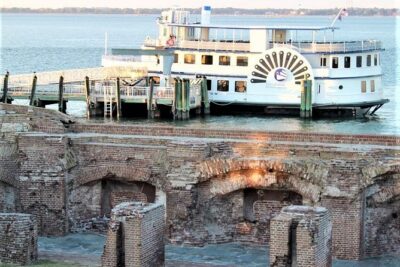
Fort Sumter Admission and Self-Guided Tour with Roundtrip Ferry
Read our review →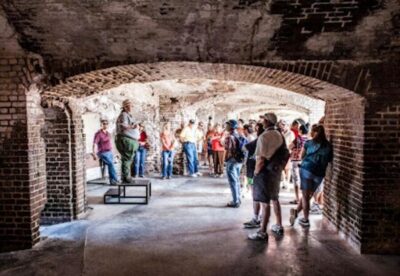
Fort Sumter Entry Ticket with Roundtrip Ferry
Read our review →
Ghosts of Charleston Night-Time Walking Tour with Unitarian Church Graveyard
Read our review →
Charleston Harbor History Day-Time or Sunset Boat Cruise
Read our review →Browse the lists this tour appears in