
Reviewed · GETTYSBURG TOURS
Gettysburg: Horse-Drawn Carriage Battlefield Tour
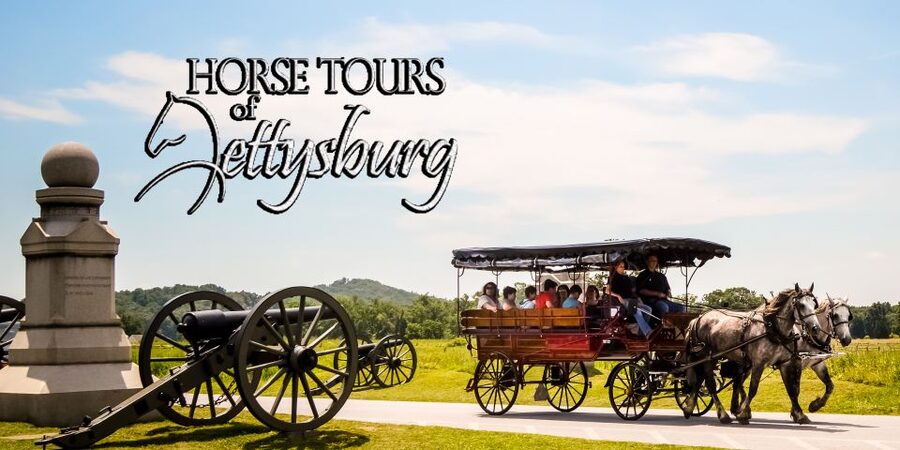
The clip-clop of hooves gives this Gettysburg Battlefield tour a pleasant rhythm, while your guide explains the fighting across the wide fields. You ride in an antique-style, open-top carriage rather than walking or staring through a tour-bus window, so the setting stays in view.
I like the small group of up to 10 people, which gives you room to ask questions. I also like the guides’ personal style: Jim, Dale, Truman, Chris, Jeff, and others are praised for clear storytelling, humor, and the ability to explain more than a memorized script.
The main drawback is scope. Two hours passes quickly, and the route may focus mainly on the second day of the three-day battle rather than covering every phase. The ride is also outdoors in all weather, and the carriage is not listed as suitable for wheelchair users or people with mobility impairments.
In This Review
- Key points before you book
- Why a carriage works at Gettysburg
- Setting out with the horses
- The first stretch: getting your bearings
- Reading the battlefield from the carriage
- Monuments, fields, and the limits of the route
- A history lesson that works for families
- Comfort, weather, and mobility
- Is $74 a fair price?
- Who should choose this carriage tour?
- Booking and planning tips
- Should you book the Gettysburg carriage tour?
- FAQ
- How long is the Gettysburg horse-drawn carriage tour?
- How much does the tour cost?
- What is included in the price?
- What language is the tour offered in?
- How many people are in each group?
- Is the carriage open to the weather?
- What should I bring?
- Can I cancel the booking?
- Can I reserve now and pay later?
- Is the tour suitable for wheelchair users?
Key points before you book
- Two hours at a slow pace: You get a relaxed ride through the battlefield, with time to look around and ask questions.
- A guide-led history lesson: The licensed battlefield guide explains troop movements, leaders, local civilians, and the wider Civil War.
- Small groups matter: With no more than 10 participants, your questions are less likely to get lost.
- Open-air seating: Fresh air and broad views are part of the appeal, but so are heat, cold, wind, and rain.
- Horse contact adds charm: You may have time to pet the horses and take photos with the team after the ride.
- Not a full Gettysburg survey: The tour can be an excellent introduction, but it may not cover all three days or include Gettysburg National Cemetery.
Why a carriage works at Gettysburg
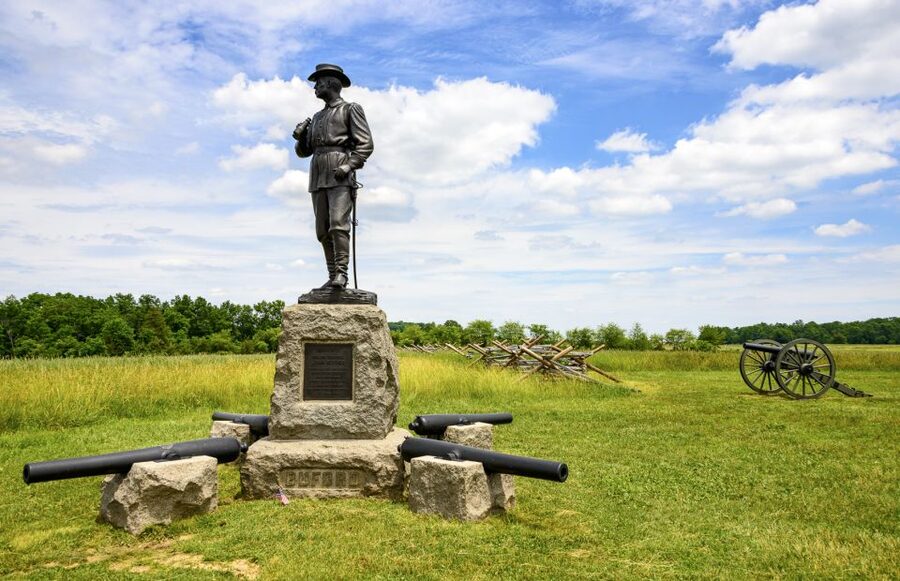
Gettysburg is not a compact battlefield. The grounds spread across open fields, roads, stone walls, monuments, and ridges. On foot, you can study one area closely, but seeing the larger pattern takes time and energy. By car, you cover more ground, though you lose some of the quiet, old-fashioned feel of the place.
The carriage sits between those two options. You move slowly enough to see the fields and monuments, but you do not have to walk from one point to the next. The open sides keep you connected to the setting, and the steady horses make the journey feel unhurried.
That pace is useful for a military site where geography matters. You can watch the ground rise and fall as your guide describes positions, attacks, and defensive lines. The point is not simply to collect names and dates. It is to understand why this particular field, road, ridge, or stone wall mattered.
I also like the way the ride makes room for conversation. Several guides are singled out for answering questions about other Civil War battles as well as Gettysburg. If you already know a fair amount about the war, that flexibility can make the experience feel more like a personal lesson than a fixed speech.
More the USA trips worth a second look
- Charleston’s Old South Carriage Historic Horse & Carriage Tour
★ 5.0 · 10,023 reviews - Haunted Evening Horse and Carriage Tour of Charleston
★ 4.5 · 3,678 reviews - Charleston Horse-Drawn Carriage Tour: Explore Historic Charleston
★ 5.0 · 3,561 reviews
Setting out with the horses
At the meeting point, a staff member directs you to parking. Do not park on the grass. Parking is included, which is helpful because the battlefield experience itself can otherwise involve extra planning around where to leave your car.
The carriage is open-top, so dress for the actual forecast, not the weather you wish you had. Bring a layer in cool months, sun protection in warm weather, and rain gear if the sky looks doubtful. The activity runs rain or shine, and the open design offers no promise of a dry ride.
Cooler days may be more comfortable than hot ones, though a November trip can feel chilly once the carriage is moving. Blankets have been available on at least some cooler rides, but I would still dress warmly rather than rely on them.
The horses are a real part of the experience, not just transportation. Different teams have included Fred and George, Nash and Trina, Hank and Hunter, and other pairs. The staff handling them are described as friendly and careful, and you may have time to pet the horses or take pictures after returning.
That final horse time is especially nice for families. Children who are not ready for a long history talk often connect first with the animals. Once their attention is caught, the guide’s stories have a better chance of landing.
The first stretch: getting your bearings
The carriage ride begins at a slow, comfortable pace. The early portion is useful because it lets you settle into the vehicle and get a sense of how large the battlefield is.
Do not expect a fast sightseeing circuit. One drawback of horse travel is that it takes time to reach the central parts of the route. One person specifically found the ride slow at the start, while others liked that same pace because it allowed them to take in the surroundings.
Your guide begins building the basic story of July 1863. You hear about the battle itself, the leaders on both sides, and the events that led the armies to Gettysburg. The strongest guides add personal stories and explain the decisions behind the movements, rather than firing dates at you.
This is where the guide makes or breaks the trip. Names such as Dale, Jim, Truman, Chris, Jeff, and John have been associated with warm, engaging presentations. The exact guide depends on the departure, but the experience is designed around a live English-speaking guide rather than an audio recording.
The ride also lets you ask questions as you go. That matters if you are traveling with children, know the Civil War well, or arrive with only a hazy idea of what happened. You can ask for clarification instead of waiting until the end.
Reading the battlefield from the carriage
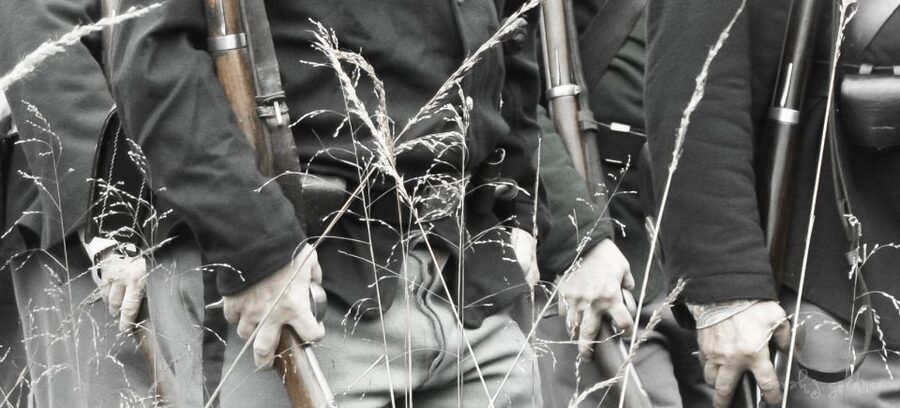
As the carriage moves through the grounds, your guide connects the visible terrain to the battle. The broad green fields are not just scenery. They help you picture distances, lines of sight, movement, and the obstacles faced by both armies.
This is one of the best reasons to choose a carriage over an indoor presentation. You are sitting in the same broad setting your guide is describing. The wind, the open sky, and the sound of the horses give the lesson a physical setting.
Expect discussion of the fighting, the commanders, and the wider Civil War. You also learn about the townspeople caught between the armies and the enormous loss of life in July 1863. That human scale keeps the tour from becoming only a study of generals and battle plans.
The guide may use photographs or other visual aids to make the story easier to follow. One guide used a pretend cannon-firing exercise to help the group imagine the force and noise of the battle. That kind of activity is simple, but it can keep younger participants engaged.
The tour is not designed as a silent ride. You will hear the carriage, the horses, and at times modern traffic. One person enjoyed the old-fashioned feel but noted that motorcycles could interrupt it. This is a working public area, not a fully preserved 1863 soundscape.
A completely different way to spend a day nearby:
- NYC: SUMMIT One Vanderbilt Tickets
★ 4.7 · 51,195 reviews - NYC: 9/11 Memorial & Museum Timed-Entry Ticket
★ 4.8 · 31,428 reviews - NYC: Empire State Building Tickets – Observatory & Museum
★ 4.7 · 25,757 reviews - NYC: Empire State Building Observation Deck Tickets
★ 4.7 · 22,072 reviews
Monuments, fields, and the limits of the route
The route gives you a broad look at the battlefield and its monuments, but it does not promise every important location. That distinction matters when you plan your day.
One useful way to approach the ride is as an introduction. You get a sense of the scale, learn the main story, and identify places you may want to study later. If you have a second day, you can return by car or on foot to spend more time at specific points.
The carriage is not necessarily the best choice if your only goal is a detailed survey of all three days of fighting. A person who wanted a full three-day account found the ride concentrated more on the second day. The supplied information does not promise a complete treatment of every phase.
Gettysburg National Cemetery may also be outside the carriage route. One person wished there had been time to visit it. If the cemetery is important to you, plan it separately rather than assuming it is included.
That is not a flaw in the ride itself. It is a matter of matching the tour to your goal. You get a pleasant, guide-led trip through a major part of the battlefield, not an all-in-one visit to every Gettysburg site.
A history lesson that works for families
This tour has a useful balance of structure and play. The carriage offers a memorable setting, while the guide gives the adults enough substance to keep listening.
Families with teenagers may find the format easier than a long walking tour. The slow movement gives children something to watch, and the horses provide a natural break from military details. One family found the pace quick enough to hold children’s attention while still allowing time to absorb the information.
The guides also appear comfortable with mixed groups. Some visitors arrive with little background, while others ask about other battles and military leaders. A guide who welcomes questions can adjust the level without turning the ride into a lecture for one kind of audience.
For adults, the strongest part is the combination of scale and story. You are not only told that tens of thousands died. You are shown the fields where the fighting unfolded and reminded that ordinary residents were caught in the middle.
The tone should remain respectful. This is a battlefield and a place of national mourning, even when the guide uses humor or invites you to imagine what the soldiers faced. The best moments combine clear explanation with a sense of the human cost.
Comfort, weather, and mobility
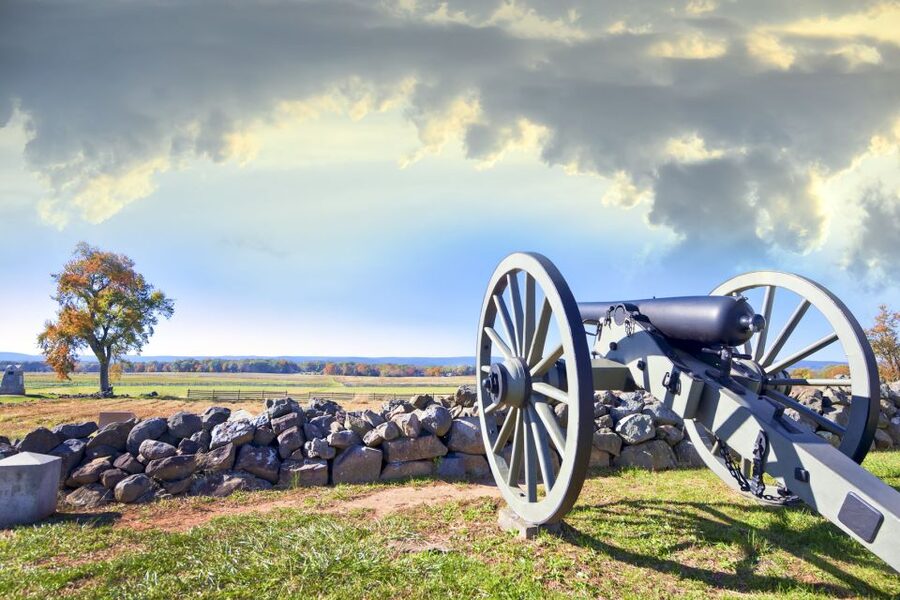
The carriage ride lasts two hours, and the seats are carriage seats. One person found the coach comfortable, while another suggested bringing a cushion if you prefer extra padding. That is sensible advice, especially if you are sensitive to firm seating.
You also remain exposed to the weather for the full outing. Wind can make a mild day feel cool, and direct sun can become tiring. Bring weather-appropriate clothing, and remember that rain does not automatically cancel the activity.
There may not be a scheduled restroom break during the ride. One person wished for a pause, so use facilities before departure if you can. This is a small point, but it matters during a two-hour outdoor activity.
The official information lists the tour as unsuitable for people with mobility impairments and wheelchair users. Boarding a carriage requires physical access, and the operator does not present this as a wheelchair-accessible activity.
A person who used a cane reported that boarding worked well for them, but that is an individual experience, not a guarantee. If you have any concern about steps, balance, or sitting for two hours, ask the provider before booking.
Is $74 a fair price?
At $74 per person, this is not the cheapest way to see Gettysburg. You are paying for a two-hour private-feeling format, a live licensed battlefield guide, the carriage, the horses, and included parking.
The value depends on how you like to learn. If you want to cover the most ground at the lowest possible cost, driving yourself may be more efficient. If you want a guide who can answer questions while you sit outside and watch the terrain pass by, the carriage earns its price more easily.
The group limit of 10 is important here. You are not paying for a huge coach filled with strangers and a guide speaking into a microphone. The small setting gives the guide more opportunity to respond to your questions and adjust the explanation.
You should also think of the ride as part of a Gettysburg visit, not necessarily the entire visit. It can serve as your first orientation, followed by a self-guided drive, museum visit, cemetery visit, or walking time. Used that way, the tour gives you a story framework that makes later stops easier to understand.
Water has been offered before some departures, but it is not listed as an inclusion. Bring your own bottle, especially in warm weather. Small practical details like this help you get more from the $74 without unnecessary discomfort.
Who should choose this carriage tour?
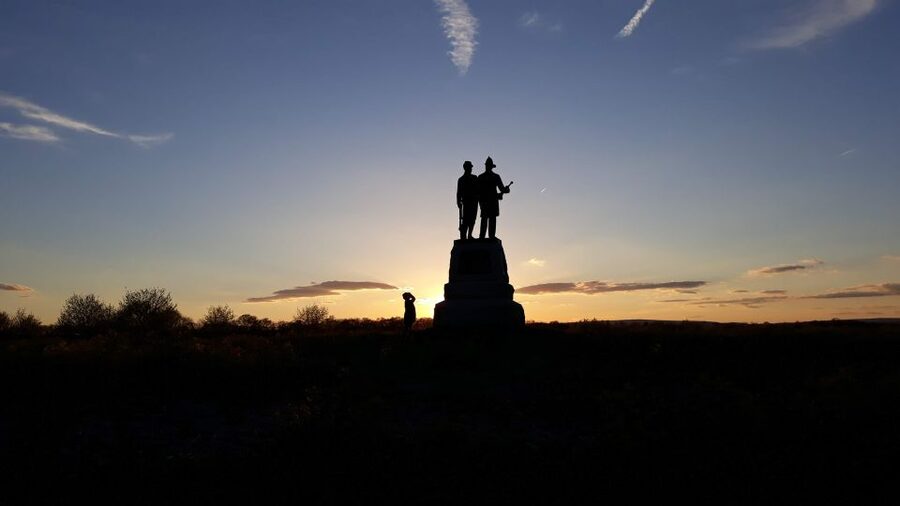
I would recommend it most strongly to:
- Families who want history presented in a lively way
- Couples looking for a memorable outdoor activity
- First-time Gettysburg visitors who need a clear introduction
- People who prefer not to walk long distances across the battlefield
- Civil War enthusiasts who enjoy asking detailed questions
- Anyone who likes animals and wants a slower, more personal sightseeing style
It is less suited to someone seeking a fast overview of every battlefield sector. It may also disappoint you if you expect a full account of all three days or a guaranteed stop at the cemetery.
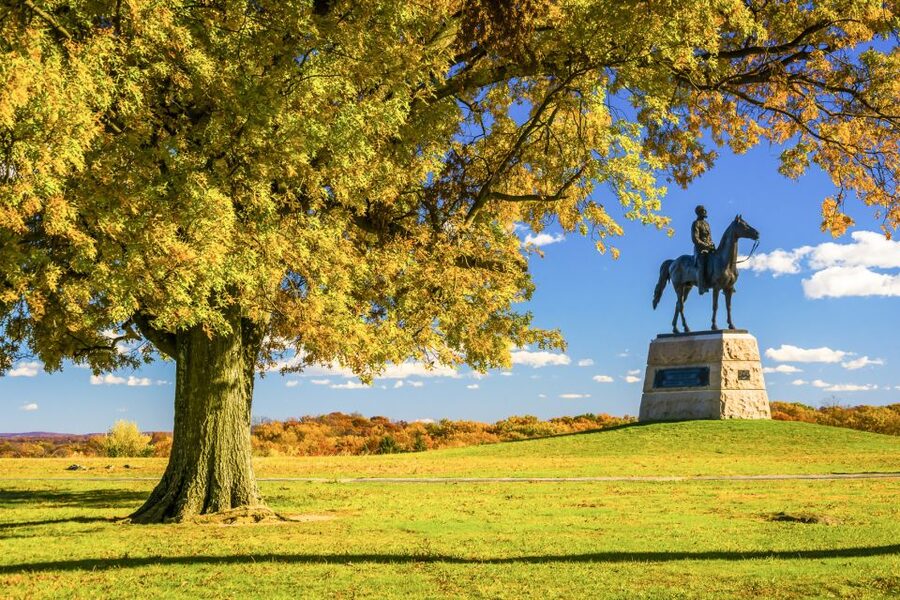
The tour works particularly well in spring, summer, or fall when you can enjoy the open carriage. In colder weather, the ride can still be worthwhile, but dress carefully. Fall would be a pleasant time for returning because the changing leaves add to the setting, though the experience remains weather dependent.
Booking and planning tips
You can cancel up to 24 hours before the activity for a full refund, and you can reserve without paying immediately. Those policies help if your Gettysburg schedule depends on weather or changing plans.
Check the available starting times because the exact departure varies. Arrive with enough time to park and get settled, and follow the staff’s instructions about where to leave your car.
Wear shoes and clothing suited to an outdoor ride. Bring a cushion if you want softer seating, a water bottle, and an extra layer. Take photos with the horses if the staff allows it, but keep the focus on the battlefield and the stories being told.
If you are planning a larger Gettysburg day, place this tour near the beginning. The guide’s explanation can give you a useful framework for later visits to monuments and other sites. If you already know the main story, use the question period to ask about particular leaders, troop movements, or other Civil War battles.
Should you book the Gettysburg carriage tour?
Yes, if you want a slow, atmospheric introduction to Gettysburg with a guide who can answer questions. The horses, open carriage, and small group make this more personal than a standard vehicle tour, and the format suits families and couples especially well.
Book with a clear idea of its limits. The ride may focus on part of the battle, does not promise the cemetery, and exposes you to sun, cold, and rain. If you want every phase covered in detail, add another tour or self-guided visit.
For most first-time visitors, $74 is reasonable when you value comfort, a live guide, and a memorable way to grasp the scale of the battlefield. Bring a layer, arrive ready for two hours outside, and let the horses set the pace.
FAQ
How long is the Gettysburg horse-drawn carriage tour?
The tour lasts two hours.
How much does the tour cost?
The listed price is $74 per person.
What is included in the price?
The price includes the horse-drawn carriage tour, a licensed battlefield guide, and parking.
What language is the tour offered in?
The live tour is offered in English.
How many people are in each group?
The group is limited to 10 participants.
Is the carriage open to the weather?
Yes. The carriage is open-top, and the activity takes place outdoors in rain or shine.
What should I bring?
Bring clothing suited to the day’s weather. You may also want a cushion for the carriage seat and water for warm conditions.
Can I cancel the booking?
You can cancel up to 24 hours in advance for a full refund.
Can I reserve now and pay later?
Yes. You can reserve your place and pay nothing at the time of booking.
Is the tour suitable for wheelchair users?
No. The activity is listed as unsuitable for wheelchair users and people with mobility impairments.
Recently reviewed around the USA
- Dyker Heights Christmas Lights Guided Tour★ 4.5 · 920 reviews
- New York City Dinner Cruise with Live Music★ 4.0 · 377 reviews
- New York City Holiday Lights Tour★ 4.5 · 664 reviews
- NYC in a Day Tour: Statue of Liberty, Times Square and More★ 5.0 · 366 reviews
- Broadway and Times Square Insider Tour with Theater Professional★ 5.0 · 651 reviews
- NYC Central Park Bicycle Rentals★ 4.5 · 368 reviews
- Central Park Bike Rental New York City★ 4.0 · 560 reviews
- Manhattan Sky Tour: New York Helicopter Flight★ 4.5 · 1,458 reviews
Gettysburg Tours, compared.
2-Hour Gettysburg Battlefield Guided History Bus Tour with a National Park Guide
Read our review →
Civil War Ghosts: Echoes of the Fallen Gettysburg Ghost Tour
Read our review →
Gettysburg: Ghost Hunt Tour with Ghost Hunting Equipment
Read our review →Civil War Ghosts: Echoes of the Fallen Gettysburg Ghost Tour
Read our review →
Gettysburg: Licensed Guided Battlefield Horseback Tour
Read our review →
Ghost Tour: History and Haunts – Family Friendly – Best in Gettysburg
Read our review →Browse the lists this tour appears in