
Reviewed · GETTYSBURG TOURS
Gettysburg: Licensed Guided Battlefield Horseback Tour
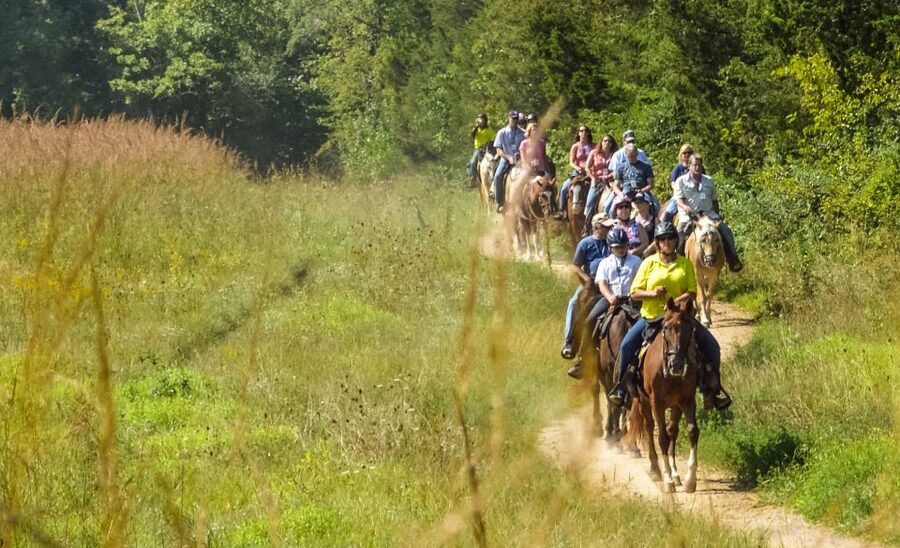
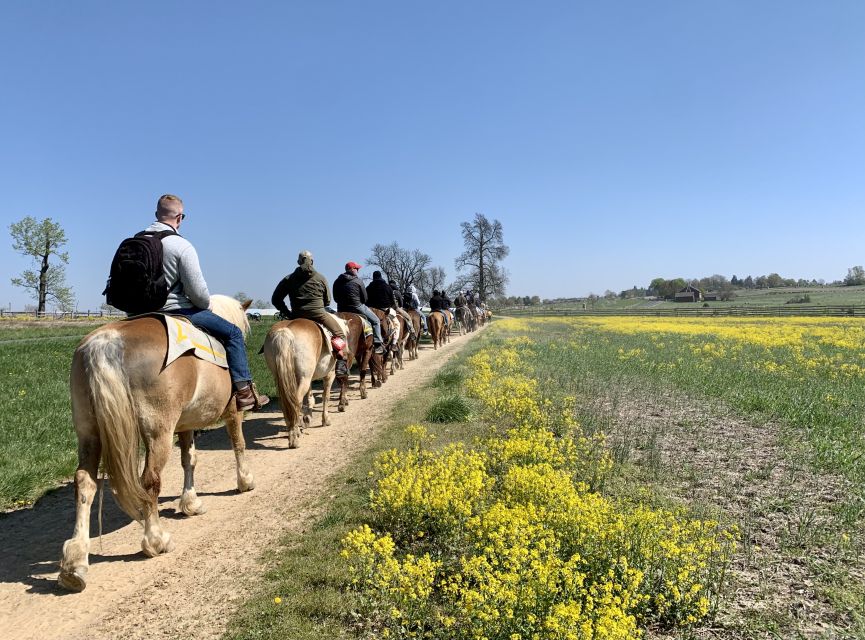
Gettysburg makes more sense from horseback. You see the folds of the fields, the roads, the farms, and the long distances that shaped the battle, while riding in the same basic way many officers did in 1863. I especially like the panoramic view toward Little Round Top from Spangler Farm and the chance to inspect the huge cannonball hole at Trostle Farm.
I also like the calm, well-trained horses and the safety team that stays with the group. Guides such as Andi, Andie, and Truman bring strong Civil War knowledge, and riders receive narration through included headsets. The main consideration is that two hours on horseback can feel short if you want a full tour of Gettysburg Battlefield. This route covers only one portion of the park.
In This Review
- Key points to know before booking
- Why horseback riding changes Gettysburg
- Starting at McMillan Woods Campground
- The Virginia Monument and Pickett’s Charge
- Spangler Farm and the view to Little Round Top
- Crossing Emmitsburg Road to Trostle Farm
- What the two-hour ride feels like
- The guides, headsets, and historical storytelling
- Horse care and rider safety
- Is $144 a fair price?
- Who should book this ride?
- Practical advice for a better ride
- Should you book the Gettysburg horseback tour?
- FAQ
- How long is the Gettysburg horseback tour?
- Where does the tour meet?
- Is horseback riding experience required?
- What locations does the ride visit?
- What should I wear?
- Does the tour operate in bad weather?
- Are helmets required?
Key points to know before booking
- Ride through real battlefield terrain: See fields, roads, farm buildings, and wooded stretches from a low, moving viewpoint.
- Learn why the ground mattered: The guide explains how hills, roads, farms, and open ground shaped the fighting.
- Visit three memorable places: The Virginia Monument, Spangler Farm, and Trostle Farm each add a different piece of the story.
- Expect active safety support: Outriders accompany the group and check saddles, stirrups, riders, and horses along the way.
- No riding background is required: The horses are described as gentle, steady, and trained to follow the line.
- Plan for the weather: This is an outdoor ride that runs rain or shine, so proper clothing matters.
Why horseback riding changes Gettysburg
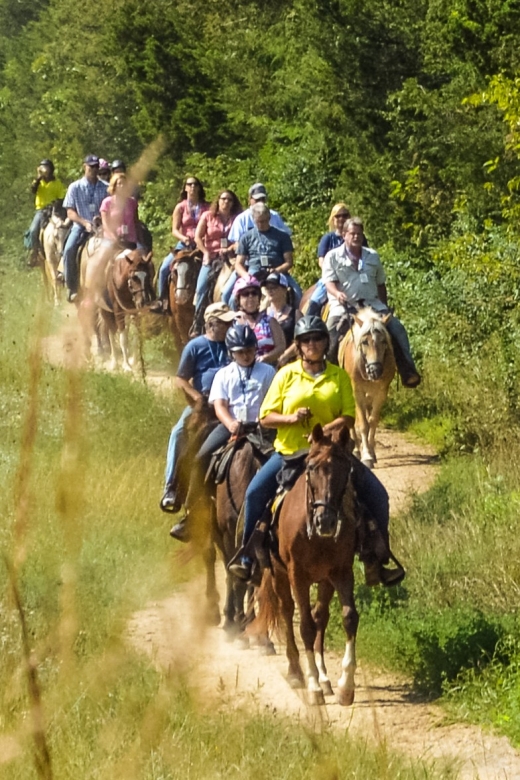
A car tour lets you cover more ground. A walking tour gives you time to pause at monuments and read signs. This horseback ride offers something different: a slow look at the ground itself.
That matters at Gettysburg. The battle was not fought on a flat map. Troops moved across open fields, along Emmitsburg Road, through farm country, and toward hills that gave one side a better view or stronger position. From a saddle, you can see how far soldiers had to move and why a seemingly small rise could matter.
I would not treat this as a replacement for a full Gettysburg visit. It is a focused ride through selected sections of the battlefield. But as a way to understand distance and terrain, it does a fine job. You are not just hearing about a charge or a defensive line. You are looking across the same fields and following roads tied to those events.
The horse also changes your pace. You are not rushing from one roadside marker to another. The ride is quiet enough for the guide’s narration, and the included audio equipment helps you hear the explanation while the horses are moving. That is useful because a mounted group cannot gather tightly around every monument or stop for a long lecture at every point.
More the USA trips worth a second look
- Charleston’s Old South Carriage Historic Horse & Carriage Tour
★ 5.0 · 10,023 reviews - Haunted Evening Horse and Carriage Tour of Charleston
★ 4.5 · 3,678 reviews - Charleston Horse-Drawn Carriage Tour: Explore Historic Charleston
★ 5.0 · 3,561 reviews
Starting at McMillan Woods Campground
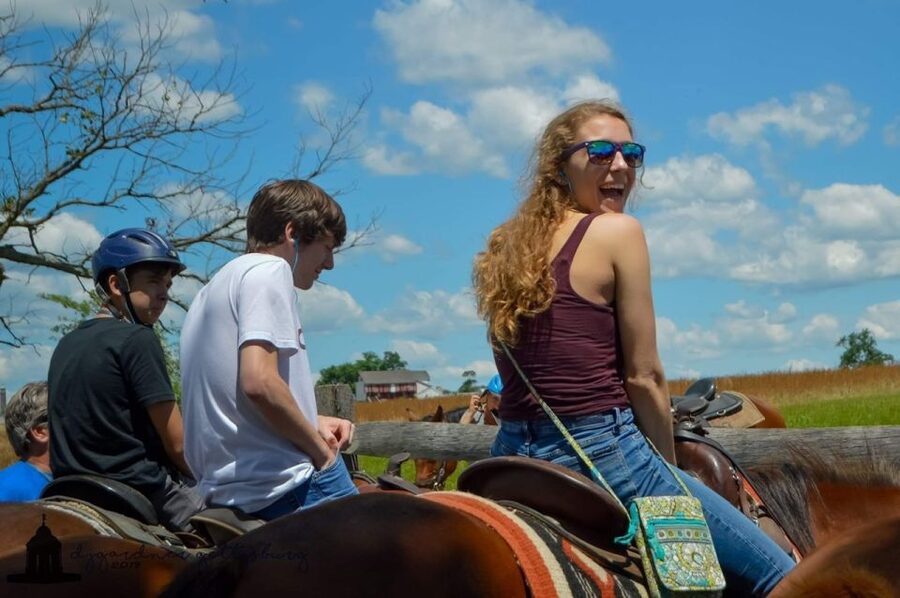
The meeting point is McMillan Woods Campground. Plan to arrive ready for an outdoor activity, with long pants or other weather-suitable clothing and closed-toe shoes. Open-toed shoes are not allowed, and that rule is sensible around horses, stirrups, and uneven ground.
Before setting out, you sign a risk form and receive riding and safety instructions. The staff helps riders get settled with their horses, saddles, and stirrups. If you have not ridden for years, say so clearly. The staff has experience matching riders with steady horses and helping first-time or nervous riders feel prepared.
The horses are a major part of the experience. The ride is designed for people without previous riding experience, and the horses are trained to travel in line and stop when the line stops. Several riders specifically found the horses gentle and easy to handle. Some also noted that the animals appeared to be in good condition and well cared for.
An outrider or several outriders remain with the group. Their job is practical, not decorative. They help riders with comfort, monitor the horses, and assist if someone needs a saddle or stirrup adjustment. A check halfway through the ride is part of the attentive approach described by many riders.
The ride is not suitable for children under eight. Anyone aged 15 or younger must ride with a parent or guardian, and all riders under 18 must wear a helmet. The activity is also not suitable for pregnant women, people with mobility impairments, visually impaired people, or anyone with a pre-existing medical condition that makes horseback riding unsafe. The booking information gives a weight limit of 250 pounds, or 115 kilograms, so use that lower figure when deciding if the ride is appropriate.
The Virginia Monument and Pickett’s Charge
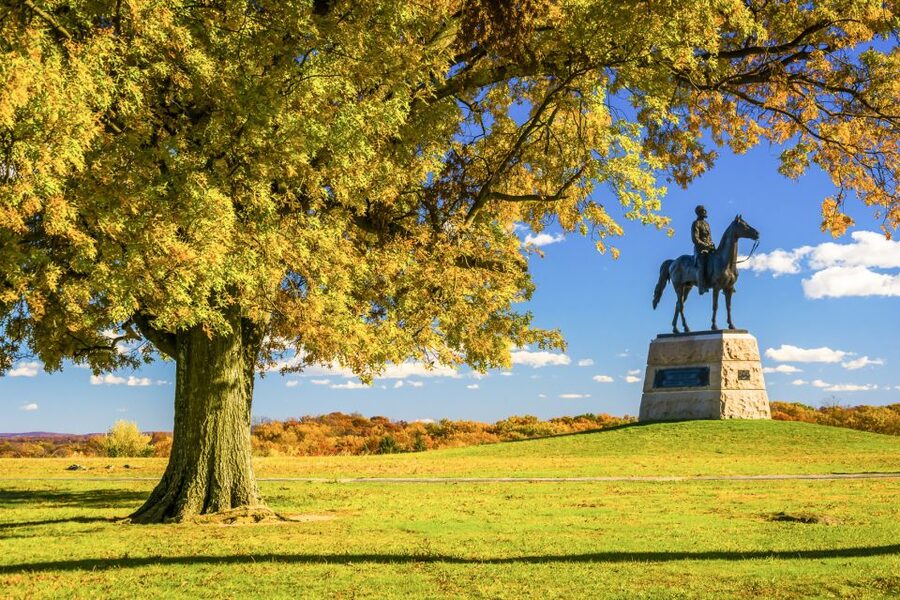
One of the first important stops is the Virginia Monument. It is tied to the Confederate assault commonly called Pickett’s Charge, the attack across open ground on the final day of the battle.
The key detail here is not only the monument itself. The guide points out where General Robert E. Lee waited for returning troops after the charge. From horseback, you can better sense the open space between positions and the difficulty of moving men across exposed ground.
This is where the ride’s format earns its price. A photograph or battlefield diagram can show you the basic arrangement, but the view from the field helps you grasp scale. You can look across the same broad ground and consider how slowly troops would have advanced compared with modern movement.
The guide’s role is especially important at this point. Names such as Andi, Andie, and Truman appear repeatedly in the experience’s feedback, with particular praise for clear storytelling, strong Civil War knowledge, and an entertaining delivery. Truman was also noted for his humor, while Andi was praised for making detailed information easy to follow.
The narration is not limited to troop movements. It includes details about soldiers and local residents, helping you connect the battle to the people who lived and fought here. That wider view keeps the tour from becoming a simple list of generals and charges.
Spangler Farm and the view to Little Round Top
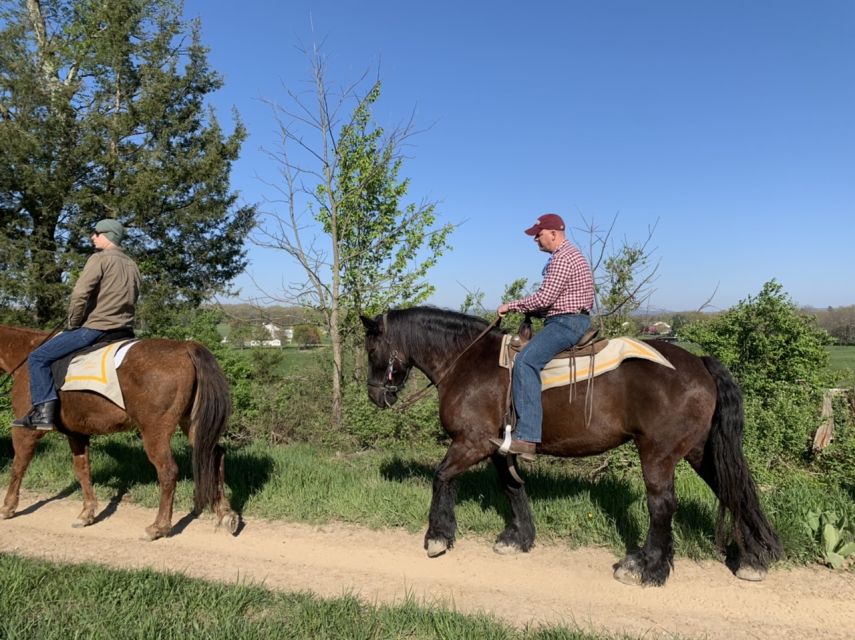
The route continues toward historic Spangler Farm. This section gives you one of the ride’s best visual moments: broad views toward the Peach Orchard and Little Round Top.
Little Round Top is one of Gettysburg’s most familiar landmarks, but distance can be hard to understand from a car. At Spangler Farm, the view lets you study the relationship between the farm, the orchard, the hill, and the open ground around them. The guide explains the action while you look at the places being discussed.
I like this part because it ties scenery to military decisions. You are not simply stopping at a pretty viewpoint. You are seeing why commanders cared about high ground, visibility, and routes across fields.
The ride also gives you access to sections that can feel different from the main roads and parking areas. Riders describe seeing parts of the battlefield that they did not encounter on foot or by car. That is an important benefit for anyone who has already taken the standard driving tour and wants a fresh way to read the site.
There is a tradeoff. The horse route is only a small part of Gettysburg National Military Park, so you will not see every major position or monument during these two hours. If this is your only Gettysburg activity, you will miss a great deal. I would pair it with the park’s auto tour or another visit to the major sites rather than expecting the horseback ride to cover everything.
A completely different way to spend a day nearby:
- NYC: SUMMIT One Vanderbilt Tickets
★ 4.7 · 51,195 reviews - NYC: 9/11 Memorial & Museum Timed-Entry Ticket
★ 4.8 · 31,428 reviews - NYC: Empire State Building Tickets – Observatory & Museum
★ 4.7 · 25,757 reviews - NYC: Empire State Building Observation Deck Tickets
★ 4.7 · 22,072 reviews
Crossing Emmitsburg Road to Trostle Farm
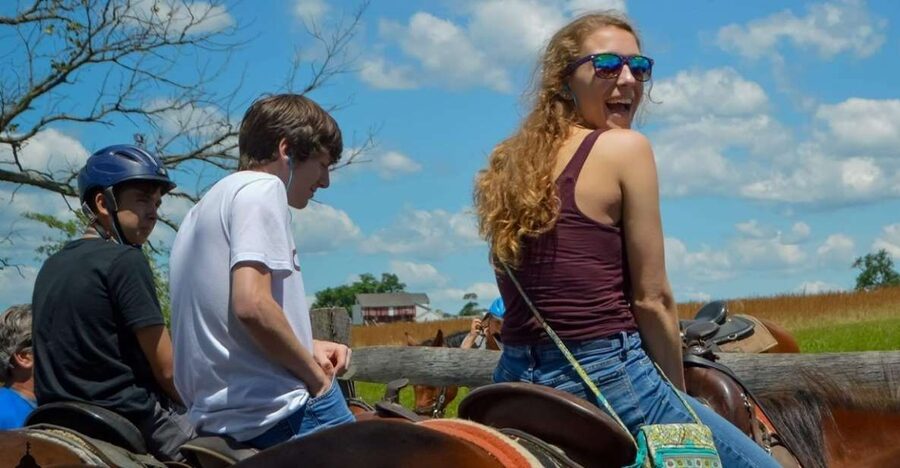
The ride crosses Emmitsburg Road and reaches the Union side of the battle. This change in position helps you follow the shifting focus of the fighting and see how roads divided the battlefield.
At Trostle Farm, look closely at the barn. A massive cannonball hole remains in its side. It is a small detail compared with the open fields around it, but it gives the battle a direct physical presence. You are looking at damage left on a real farm building, not only at a monument placed long after the event.
This stop also brings the story back to civilians and property. Farms were not just background scenery. They were working places caught in the path of a major battle. The guide adds context about the land, the buildings, the soldiers, and the local residents, allowing you to see the battlefield as a lived-in place.
The stop is a good example of why a guide matters. Without explanation, a hole in a barn is simply an old hole. With the story attached, it becomes evidence of how artillery affected the people and buildings in the area.
What the two-hour ride feels like
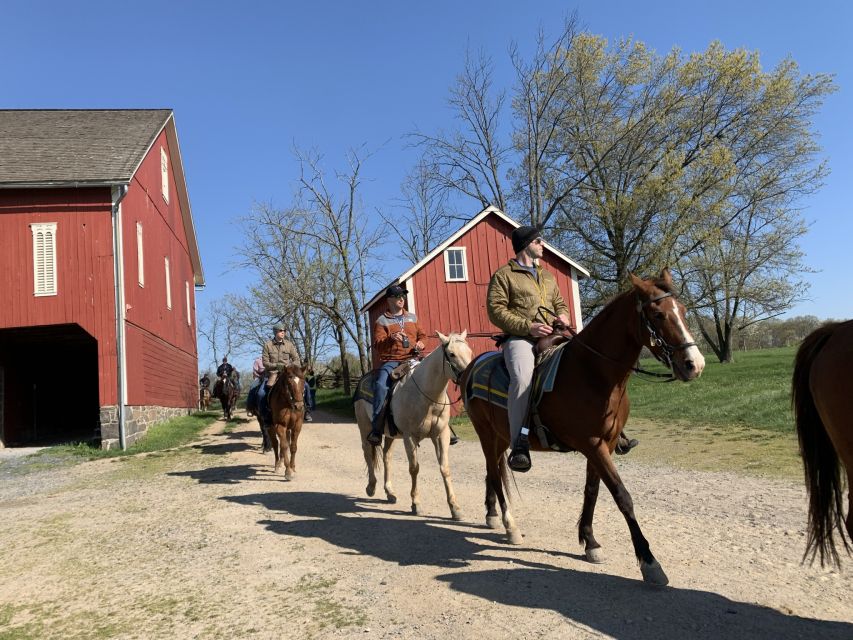
The tour lasts two hours, which is long enough to make the ride worthwhile without turning it into an all-day commitment. For a first-time rider, that length can be a good balance. You get a real trail experience and a substantial amount of battlefield interpretation, but you are not committing to a full day in the saddle.
Still, two hours can be tiring. Even a gentle horse requires you to stay balanced and attentive. You may feel the ride in your legs or back afterward, especially if you have not been on horseback recently. Wear practical clothing and prepare for sun, heat, wind, or rain.
The tour operates rain or shine. That can add atmosphere, but it also means you should take the weather warning seriously. One ride took place in rain, and another occurred in hot conditions. The staff’s job is to watch conditions and care for the horses, but you remain exposed to the day’s weather throughout the activity.
The group moves at a controlled trail-ride pace. You should not book this expecting fast riding or a chance to gallop across the fields. The horses follow one another, and the outriders maintain order and safety.
That system works well for beginners, though it can create small annoyances. One rider reported that a horse at the back of the line lagged far behind, causing horses behind it to bunch up. This does not appear to be the normal experience, but group riding can involve spacing issues and uneven movement. If you are an experienced rider seeking a free-running ride, this may feel restrained.
The guides, headsets, and historical storytelling
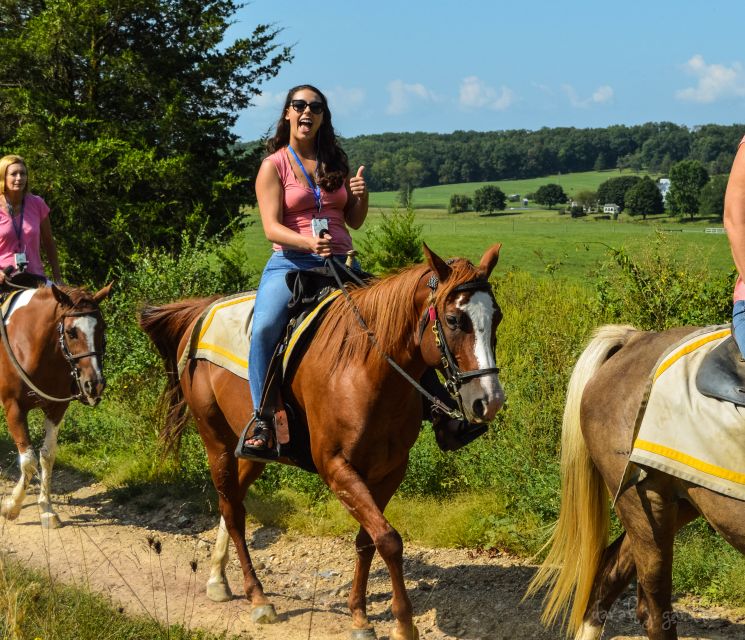
The guide is the heart of the tour. The horse gets you into the field, but the narration tells you what you are seeing.
The strongest guides combine facts with a good speaking voice and a sense of timing. Andi and Andie are praised for being engaging and clear, while Truman is noted for an entertaining style and humor. The guide explains the battle, but also adds small details and side comments that make the ride easier to follow.
Headsets are included, and that is more important than it may sound. A mounted group stretches out along a trail. Without audio equipment, riders at the back could miss key points whenever the horses spread apart. The headsets help you hear the full narration while keeping your eyes on the route.
If a live guide is not available, professionally recorded narration by Civil War commentators is provided. A live guide is preferable if you enjoy questions and personal storytelling, but the recorded backup means the historical explanation does not simply disappear.
The best way to listen is to keep looking up. Watch the ground while the guide explains it. Notice the rise of a hill, the line of a road, or the way a farm sits within the open fields. The ride is most useful when you connect the spoken account to the view in front of you.
Horse care and rider safety
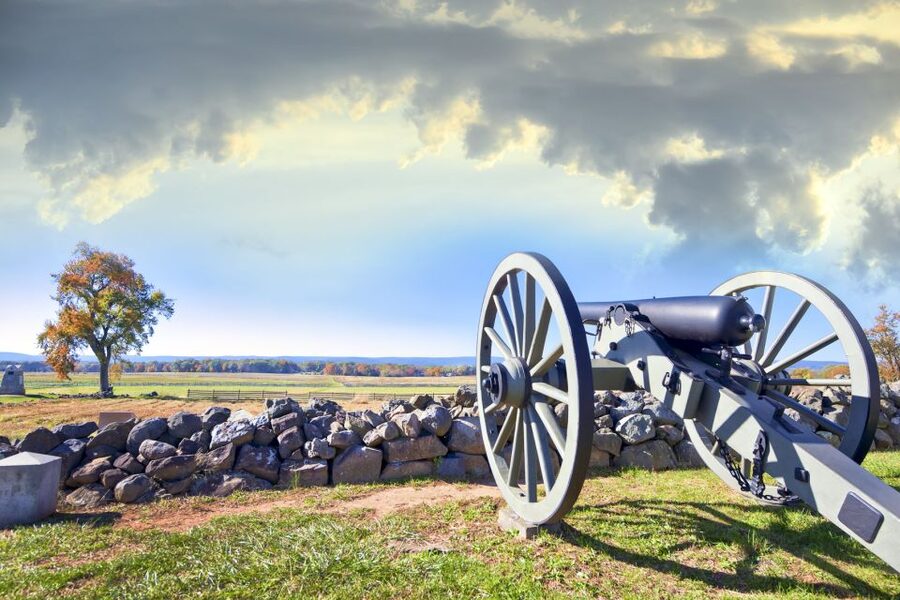
The staff’s treatment of the horses is one of the experience’s most praised features. Riders describe the animals as calm, well trained, and well cared for. In hot weather, staff were seen using fly spray and sunscreen and providing hay before the ride.
That attention matters for two reasons. First, it is reassuring if you care about animal welfare. Second, a calm horse makes the ride easier for a nervous or inexperienced rider. The horses are selected for trail work and are accustomed to staying in line and stopping with the group.
The outriders provide another layer of support. They remain with the group, help riders adjust equipment, and check in during the ride. Follow their instructions closely, especially when mounting, stopping, and keeping space between horses.
You must sign a risk form before riding. This is still a physical activity, even though the horses are gentle. Wear closed-toe shoes, dress for the weather, and be honest about any health or mobility issue that could affect your safety.
Is $144 a fair price?
At $144 per person, this is not the least expensive way to see Gettysburg. You are paying for more than a basic trail ride, though. The fee includes the horse, outrider support, a battlefield guide, and English audio narration.
The value depends on what you want from the visit. If you only want a short ride through countryside, the price may feel high. If you want a guided historical experience that uses the terrain as part of the lesson, the cost is easier to justify.
I see the main value in the combination. A normal horse ride may offer scenery and time in the saddle. A normal battlefield tour may offer facts from roads and roadside stops. This experience joins the two, giving you a physical sense of the ground while an expert explains the battle.
It is also a good choice for repeat visitors. People who have already driven around Gettysburg can use the ride to see sections from a new angle. The route does not replace the larger park tour, but it can add a different layer to it.
For families, the price can be worthwhile if everyone meets the age and safety rules. Several rides have worked well for adults with teenagers, including a 13-year-old grandson and a younger family member who had never ridden. Just remember that riders aged 15 and under need a parent or guardian with them.
Who should book this ride?
I would recommend it most strongly to:
- First-time visitors who want an active introduction to Gettysburg
- Civil War students who want to understand distance and terrain
- Repeat visitors who have already toured the park by car
- Families with children aged eight and older who are comfortable around horses
- Beginners who want a guided, controlled ride rather than independent riding
- Riders who enjoy history and scenery in equal measure
I would be more cautious if you dislike sitting on a horse for two hours, have a relevant medical condition, or want to cover the entire battlefield. The route is focused, the ride is outdoors in all weather, and the horses remain in a controlled line.
The experience is also less suitable for someone seeking a fast or technically demanding horseback ride. This is a history tour first, with the horse providing the viewpoint and pace.
Practical advice for a better ride
Arrive dressed for the forecast, but bring more protection than you think you need. The ride takes place in open country, and conditions can change during two hours outside.
Wear closed-toe shoes with secure footing. Open-toed shoes are prohibited, and loose or unsuitable footwear can make riding less comfortable.
If you are nervous, tell the staff before mounting. The team is used to first-time riders and can explain what to expect. Listen carefully to the instructions, keep your attention on the horse, and allow the outriders to help with adjustments.
Use the audio headset. It helps you catch the narration even when the line stretches out. You will get more from the ride if you listen for the connection between the guide’s words and the terrain around you.
If possible, combine this activity with a broader visit to Gettysburg National Military Park. The horseback route covers selected parts of the field, including the Virginia Monument, Spangler Farm, Little Round Top views, and Trostle Farm. A separate driving or walking visit can fill in the rest.
Cancellation is flexible if your plans are uncertain: you can cancel up to 24 hours ahead for a full refund, and you can reserve now and pay later. Starting times vary, so check availability when you book.
Should you book the Gettysburg horseback tour?
Yes, if you want to understand Gettysburg through its roads, fields, farms, and distances rather than only through monuments. The combination of steady horses, helpful outriders, headsets, and strong guides such as Andi, Andie, and Truman makes this a good choice for beginners and history-minded riders.
Book it as one part of a Gettysburg visit, not as the entire park experience. At $144, it is a premium activity, but the price is reasonable if you value both the ride and the interpretation. Skip it if you need a complete battlefield tour, cannot ride for two hours, or do not want to be outside in changing weather.
For the right rider, this is a memorable way to see the Virginia Monument, Spangler Farm, Little Round Top, and Trostle Farm. The cannonball hole in the barn and the wide views across the fields give the history a physical setting you can understand long after the ride ends.
FAQ
How long is the Gettysburg horseback tour?
The tour lasts two hours.
Where does the tour meet?
You meet the guide at McMillan Woods Campground.
Is horseback riding experience required?
No. The tour is suitable for riders without previous horseback riding experience, and the horses are described as calm, steady, and trained to follow the group.
What locations does the ride visit?
The route includes Gettysburg National Military Park, the Virginia Monument, Spangler Farm, views toward the Peach Orchard and Little Round Top, Emmitsburg Road, and Trostle Farm with its cannonball-damaged barn.
What should I wear?
Wear clothing suited to the weather and closed-toe shoes. Open-toed shoes are not allowed.
Does the tour operate in bad weather?
Yes. The activity takes place rain or shine, so you should be prepared for the day’s conditions.
Are helmets required?
All riders under 18 must wear a helmet. All participants must sign a risk form before the ride, and riders aged 15 and under must be accompanied by a parent or guardian.
Recently reviewed around the USA
- Dyker Heights Christmas Lights Guided Tour★ 4.5 · 920 reviews
- New York City Dinner Cruise with Live Music★ 4.0 · 377 reviews
- New York City Holiday Lights Tour★ 4.5 · 664 reviews
- NYC in a Day Tour: Statue of Liberty, Times Square and More★ 5.0 · 366 reviews
- Broadway and Times Square Insider Tour with Theater Professional★ 5.0 · 651 reviews
- NYC Central Park Bicycle Rentals★ 4.5 · 368 reviews
- Central Park Bike Rental New York City★ 4.0 · 560 reviews
- Manhattan Sky Tour: New York Helicopter Flight★ 4.5 · 1,458 reviews
Gettysburg Tours, compared.
2-Hour Gettysburg Battlefield Guided History Bus Tour with a National Park Guide
Read our review →
Civil War Ghosts: Echoes of the Fallen Gettysburg Ghost Tour
Read our review →
Gettysburg: Horse-Drawn Carriage Battlefield Tour
Read our review →
Gettysburg: Ghost Hunt Tour with Ghost Hunting Equipment
Read our review →Civil War Ghosts: Echoes of the Fallen Gettysburg Ghost Tour
Read our review →
Ghost Tour: History and Haunts – Family Friendly – Best in Gettysburg
Read our review →Browse the lists this tour appears in