
Reviewed · MANTA RAY SNORKELING
Manta Ray Night Snorkel from Kona — Small Group
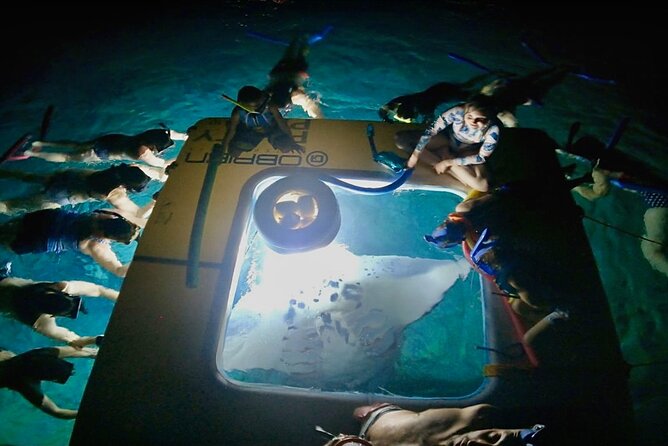
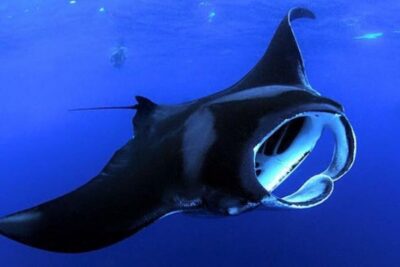
Off Kailua-Kona, the ocean turns into a nighttime feeding theater. Underwater lights draw plankton, and huge manta rays sweep through it with slow, graceful loops. Some can reach a wingspan of 20 feet, yet these animals are vegetarian and pose no threat to you.
I like the small group limit of 16, which means less waiting and more help in the water. I also like the sunset-to-moonlight timing: the light fades gradually, making the move into nighttime snorkeling less startling. The main drawback is that you must be comfortable getting into and out of the ocean, and the boat ride back can feel chilly.
In This Review
- Key Things to Know Before You Book
- Why Kona’s Nighttime Manta Snorkel Is So Special
- Leaving from Honokohau Harbor
- Sunset, Safety Briefing, and Getting Ready
- The Ride to Garden Eel Cove and Manta Heaven
- Floating Above the Mantas at Night
- Crew Support and the Small-Boat Advantage
- What the $123 Price Really Buys You
- Who Will Enjoy This Most
- Simple Ways to Prepare for a Better Evening
- Should You Book the Kona Manta Ray Night Snorkel?
- FAQ
- Where does the manta ray snorkel begin?
- How long does the experience last?
- What equipment is provided?
- What should I bring?
- What happens if no manta rays appear?
- Are there age, weight, or health restrictions?
Key Things to Know Before You Book
- Manta rays can pass within inches of you: The animals often circle and barrel-roll beneath the floating lights while feeding on plankton.
- The boat carries no more than 16 people: A smaller group gives you faster access to the water and more personal help from the crew.
- Captain Kris, Chris, Ryan, and Tori are among the crew praised for calm support: Their role matters if you feel nervous, seasick, or unsure in the water.
- Your trip runs from sunset into moonlight: You get ocean views on the way out and star-filled darkness on the return, weather permitting.
- All basic water gear is supplied: You receive a wetsuit, snorkel equipment, and flotation devices, plus island juices, soda, bottled water, and light snacks.
- No sighting means a free second outing: This is useful protection against the fact that wildlife never follows a schedule.
Why Kona’s Nighttime Manta Snorkel Is So Special
Many ocean activities ask you to look for wildlife in daylight. This one reverses the usual pattern. You enter the water after sunset and watch the sea come alive around a bright feeding station.
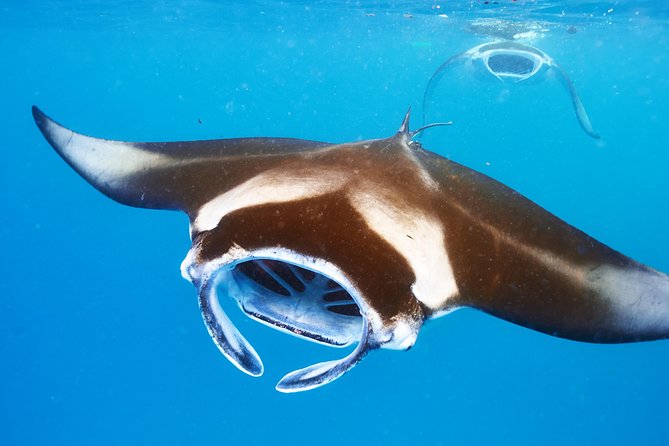
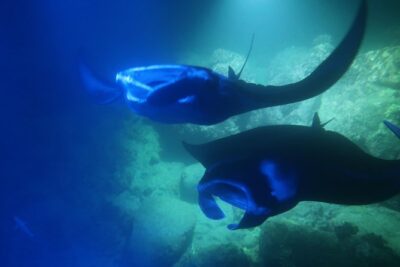
The lights attract plankton, tiny organisms that manta rays eat. The rays then glide through the illuminated water, sometimes turning on their sides or rolling beneath you. Their winglike fins make them look enormous, but their movements are quiet and controlled.
You are not chasing them. You remain near the floating light setup while the mantas choose how close to come. That makes the encounter feel less like a race and more like sitting in a front-row seat at a natural performance.
The size of the animals is the first shock. A ray with a 20-foot wingspan may pass below you, then circle back for another mouthful of plankton. Some of the strongest moments come when a manta rises almost vertically toward the light before turning away at the last second.
The experience is also memorable because of the setting. You begin with a sunset over the Kona coast, then watch the sky darken while you are offshore. On the way back, the small boat gives you an open view of the night sky. That gradual change from evening to darkness helps many people feel more at ease about snorkeling at night.
More Big Island of Hawaii trips worth a second look
- Big Island Manta Ray Night Snorkel
★ 5.0 · 5,656 reviews - KONA Manta Ray Night Snorkel – FREE re-ride if no Sightings
★ 5.0 · 2,212 reviews - Manta Ray Night Snorkel at Kona, Big Island
★ 5.0 · 1,758 reviews
Leaving from Honokohau Harbor
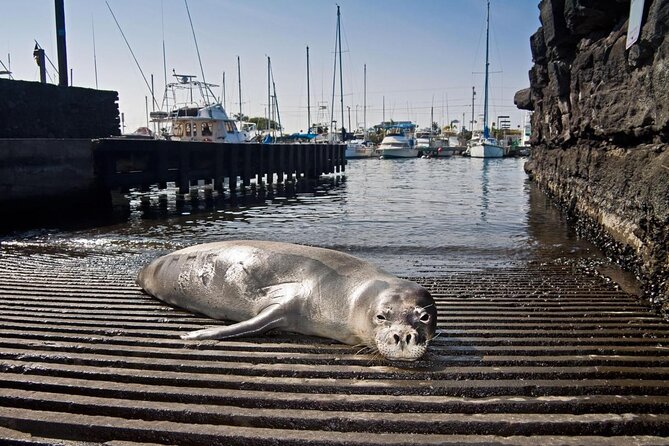
You make your own way to Honokohau Marina and Small Boat Harbor at 74 Kealakehe Parkway in Kailua-Kona. Plan to arrive at least 15 minutes before departure. Exact directions are sent 24 hours before the trip, so check your phone and allow time to find the harbor.
The harbor is the practical starting point, not a sightseeing stop. You check in, meet the crew, and prepare for a short evening on the water. Since the tour lasts about two hours, every part of the schedule matters, but the crew may adjust the timing to give the mantas the best chance to gather.
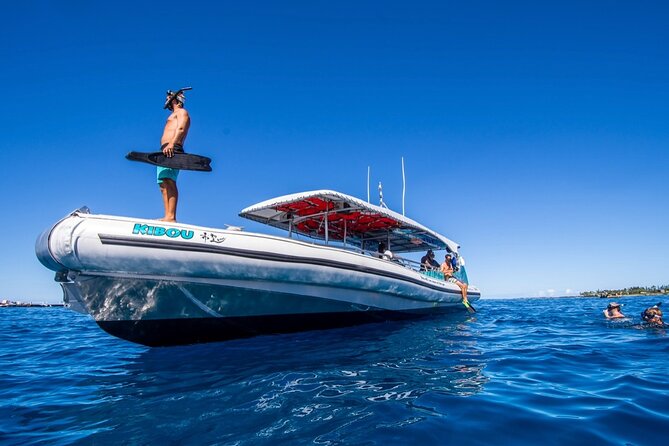
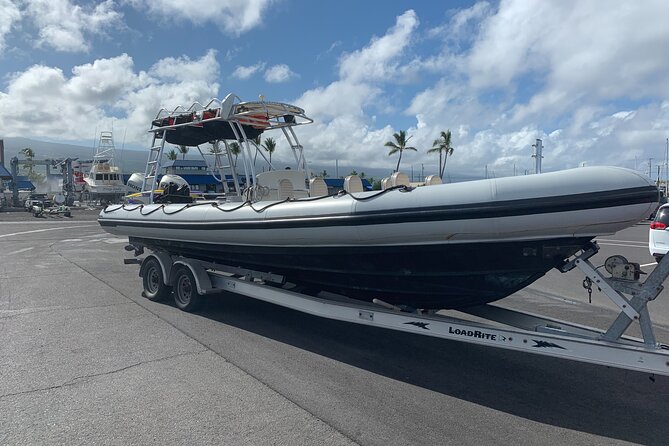
The boat used for this type of small-group outing is a hard-hulled inflatable boat. It is a practical craft rather than a luxury vessel, with a fast ride and an open feel. You should expect exposure to wind and spray, especially on the return trip.
Wear your swimsuit before you arrive. Bring a towel and warm clothing such as a sweater or windbreaker. A wetsuit helps keep you warm in the water, but it does not make the ride back warm. The combination of wet hair, evening air, and boat speed can catch you off guard.
Sunset, Safety Briefing, and Getting Ready
Your evening begins with a safety briefing. Pay close attention, even if you have snorkeled before. Night conditions change how you judge distance, and the crew needs everyone to understand how to enter the water, use flotation equipment, and behave around the rays.
You receive a wetsuit, snorkel gear, and flotation devices. The flotation equipment is important because you are likely to spend a long stretch looking downward rather than swimming around. You can conserve energy and keep your attention on the mantas.
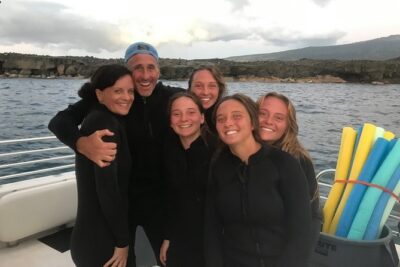
The crew has also helped nervous swimmers and people who needed extra reassurance. Guides such as Captain Kris, Chris, Ryan, and Tori have been praised for staying attentive and calm, including when someone felt seasick or panicked. That kind of support is especially valuable in open water, where a small concern can quickly feel much bigger.
Still, do not treat the crew’s support as a substitute for basic physical readiness. You need to be able to get into the water and return to the boat. The tour has a 265-pound weight restriction, is not suitable for pregnant women, and does not accept children under five. The activity is not described as wheelchair accessible.
If you have a disability, limited mobility, or concerns about getting in and out of the boat, ask for a clear answer before booking. The important question is not simply whether you can float or snorkel. It is whether you can manage the boat and water entry safely under the crew’s requirements.
The Ride to Garden Eel Cove and Manta Heaven
The first listed stop is Honokohau Marina and Small Boat Harbor. From there, you ride to Garden Eel Cove, also called Manta Heaven. The schedule lists the cove twice, which reflects the main point of the outing: you spend your time at the manta feeding area rather than hopping between unrelated attractions.
The ride takes you from the harbor into the open ocean as daylight fades. This part gives you a chance to settle in, hear the final instructions, and watch the coast recede. It also brings the one drawback of an open boat into focus. If the sea is choppy, the ride may be less comfortable, and people prone to seasickness should plan carefully.
One useful feature of leaving from this area is flexibility. The crew can choose between northern and southern manta locations when conditions call for it. A boat departing farther south may have a longer journey to reach a northern site, while this departure point can offer a more practical choice.
The crew’s local experience matters here, but conditions still control the evening. Manta rays are wild animals. You may see several large rays feeding for 40 to 45 minutes, or you may have a quieter encounter. The free return policy gives you a second chance if none appear, but it cannot guarantee a particular number of rays or a specific show.
A completely different way to spend a day nearby:
- Big Island in a Day: Volcanoes Waterfalls Sightseeing and History
★ 5.0 · 6,569 reviews - Big Island: Kona Manta Ray Snorkel Tour in Keauhou Harbor
★ 4.5 · 2,465 reviews - Hilo Shore Excursion: Volcanoes National Park & Black Sand Beach
★ 4.5 · 2,338 reviews - Big Island: Captain Cook Snorkel On A Power Catamaran With Lunch
★ 5.0 · 2,232 reviews
Floating Above the Mantas at Night
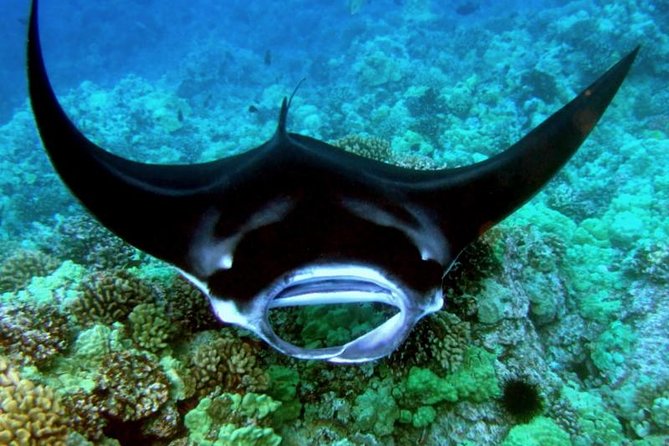
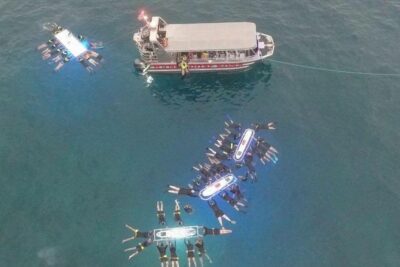
At the feeding site, the boat crew sets up the lights and helps you enter the water. You generally remain at the surface with flotation support, looking down into the illuminated area.
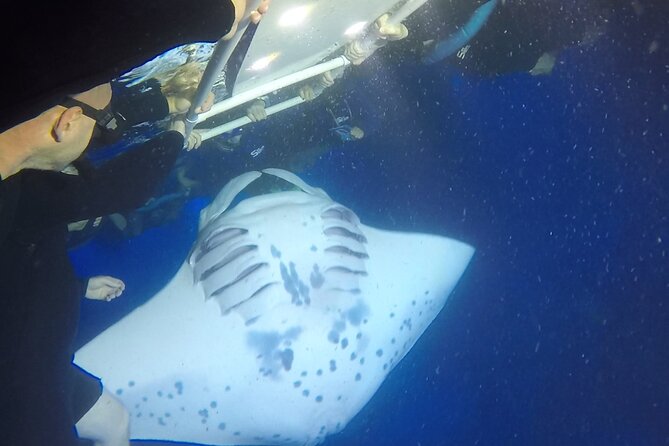
The mantas appear from the darkness. At first, you may see only a shadow or the edge of a wing. Then a ray turns toward the light, opens its broad mouth, and glides through the plankton. It may circle directly below you before disappearing into the black water.
You should keep your movements slow and follow the crew’s instructions. The rays are attracted to the food gathered by the light, not to people, so there is no need to reach for them. Respecting their space protects both you and the animals.
The best encounters can be startlingly close. Several accounts describe rays passing within inches, barrel-rolling, and returning again and again. That closeness is thrilling, but it also means you need to stay calm. A sudden kick or frantic movement can disturb the animal and make the experience harder for you.
You may spend roughly 40 to 45 minutes watching the rays when conditions are good. The crew keeps the pace relaxed rather than hustling you back aboard after a brief look. One guide has even entertained people during short pauses by blowing bubble rings underwater and sharing facts about the mantas.
The small group makes a real difference here. With 15 or 16 people, the water can still feel active, but it is less crowded than a large boat gathering. You get into the water faster, have a better chance of finding a comfortable viewing position, and can ask for help without competing with a large crowd.
Crew Support and the Small-Boat Advantage
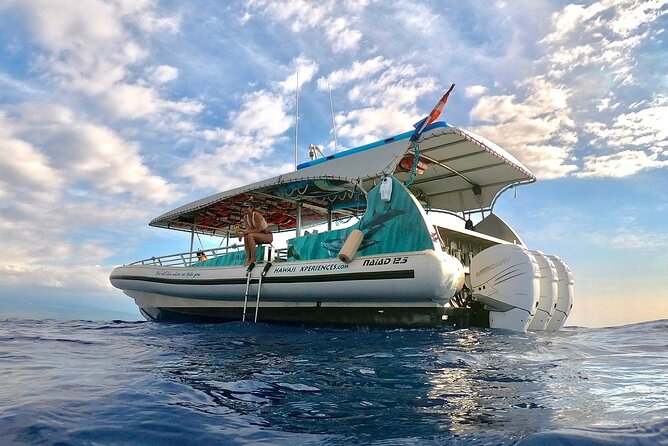
The most praised part of this outing is not only the manta encounter. It is the way the crew handles the practical parts around it.
A captain remains with the boat while another crew member is in the water, creating a useful division of duties. The guides help people with flotation gear, keep an eye on weaker swimmers, and respond if someone becomes distressed. That arrangement is reassuring, but you should still be honest about your swimming ability during check-in.
Captain Kris and Chris are both named in strong accounts of the trip, along with Ryan, Tori, Gary, Mark, and other crew members. You may not have the same combination of guides on your departure, but the repeated pattern is clear: the crew’s calm manner and attention to safety are central to the experience.
The boat is described as minimal but fast and adequate. If you want padded seating, a cabin, or a highly polished cruise boat, this may feel basic. If you prefer a smaller craft, a quick ride, and an open view of the sea and stars, that simplicity works in its favor.
A GoPro may be available through the crew on some outings, and one guide has helped with guest cameras. Do not assume that a particular photo or video service is guaranteed. Bring your own camera only if you can secure it and use it without losing focus on safety.
What the $123 Price Really Buys You
At $123 per person, this is not a cheap add-on, but it is a fair price for a specialized night wildlife outing. You are paying for the boat, captain, water guide, wetsuit, snorkel equipment, flotation gear, lights, snacks, and the chance to return free if no manta appears.
The small group is the biggest value point. A larger boat might offer a lower price, but the difference can show up in the time spent waiting, the number of people around the light, and how much help you receive. Here, the crew can focus on a limited number of people.
You also get more than a quick wildlife stop. The trip includes the sunset ride, time offshore, the manta viewing period, and the quiet return after dark. Some outings reportedly remain at the site until the group has had a full experience rather than following a rigid rush to the next departure.
The free second outing protects your investment, though you need enough time left in your Kona stay to use it. It is a useful promise, not a reason to assume you will automatically see a large gathering of rays on the first night.
Snacks and drinks are included, but do not expect a meal. Eat beforehand if you need a full dinner, especially since the activity starts around the evening meal hour.
Who Will Enjoy This Most
I would choose this for adults, families with children over five, and couples who want one memorable Kona activity rather than a long list of standard sightseeing stops. Teenagers are likely to enjoy the close views and the unusual nighttime setting.
It also suits you if you are a cautious swimmer but can manage the physical demands of entering and leaving the water. Flotation devices and attentive guides help, yet you still need to be comfortable in the ocean.
This is not the right choice if you strongly dislike open boats, get seasick easily, cannot tolerate cool evening air, or need a fully accessible setup. It is also a poor fit if you expect a guaranteed number of mantas, a private charter, or a warm indoor ride home.
The tour is offered in English, and a mobile ticket makes check-in straightforward. You receive confirmation when you book. Free cancellation is available up to 24 hours before the start time. After that, changes and refunds are not accepted, except when the operator cancels because of poor weather or failure to meet the minimum number of participants.
Simple Ways to Prepare for a Better Evening
Bring a towel and a warm layer. This is the most repeated practical advice for good reason. A windbreaker or sweater can make the boat ride back much more pleasant.
Wear your swimsuit under your clothes. You will save time at the harbor and avoid changing in a cramped setting.
Tell the crew if you are nervous, prone to seasickness, or not a strong swimmer. Their ability to help is much better when they know what you need before you enter the water.
Keep your expectations focused on the encounter, not on a specific performance. You might see five large rays feeding for nearly an hour, or you might see fewer. The free return option helps, but patience and flexibility are part of any wildlife outing.
Most important, follow the instructions about distance and movement. The best view comes when you remain still and let the manta rays come through the light on their own.
Should You Book the Kona Manta Ray Night Snorkel?
Book it if you want a close wildlife encounter, appreciate a small boat, and can handle a nighttime swim in open water. The combination of sunset, moonlight, bright feeding lights, and enormous gentle rays is genuinely unusual.
I especially like the limited group size, the flexible approach to choosing a manta location, and the crew’s repeated attention to safety. At $123, the outing offers good value when you consider the included equipment and free return option.
Skip it if you have serious mobility limits, are pregnant, weigh more than 265 pounds, or cannot safely enter and exit the water. For everyone else who meets the requirements, this is one of the strongest choices for an unforgettable evening near Kona.
FAQ
Where does the manta ray snorkel begin?
The tour begins at Honokohau Marina and Small Boat Harbor, at 74 Kealakehe Parkway in Kailua-Kona. You make your own way there and should arrive at least 15 minutes before departure.
How long does the experience last?
The activity lasts approximately two hours and ends back at the meeting point.
What equipment is provided?
The tour provides a wetsuit, snorkel gear, and flotation devices. Island juices, soda, bottled water, and light snacks are also included.
What should I bring?
Bring a swimsuit, towel, and warm clothes such as a sweater or windbreaker. The return boat ride can feel chilly after snorkeling.
What happens if no manta rays appear?
If you do not see a manta ray, you can return for a second outing at no charge.
Are there age, weight, or health restrictions?
Children under five and pregnant women cannot participate. The weight limit is 265 pounds. You must be able to manage the physical requirements of the boat and water entry, and the activity is not wheelchair accessible.
Recently reviewed around Big Island of Hawaii
- Hilo Shore Excursion: Active Volcano, Lava Tube, Waterfall and Gardens★ 5.0 · 393 reviews
- Volcano Adventure: Hilo Sightseeing w/ Optional Helicopter Tour★ 4.5 · 412 reviews
- Kealakekua Bay Snorkeling Tour – 4 hour Kona Zodiac Adventure★ 5.0 · 508 reviews
- Whale Watching On The Big Island★ 5.0 · 573 reviews
- Hawaii Volcanoes, Waterfalls, Beaches & Hilo Highlights Day Tour★ 5.0 · 391 reviews
- Zodiac Raft Whale Watching Adventure★ 5.0 · 456 reviews
- Small Group Big Island Twilight Volcano and Stargazing Tour★ 5.0 · 1,619 reviews
- Manta Ray Night Snorkel Tour in Kailua-Kona, Big Island★ 5.0 · 382 reviews
Manta Ray Snorkeling, compared.
Kona Manta Ray Snorkel Tour in Keauhou Harbor
Read our review →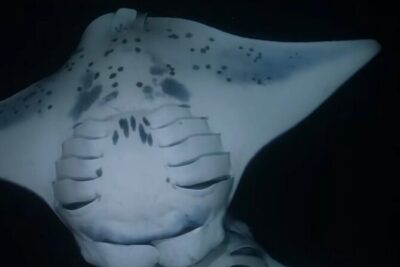
KONA Manta Ray Night Snorkel – FREE re-ride if no Sightings
Read our review →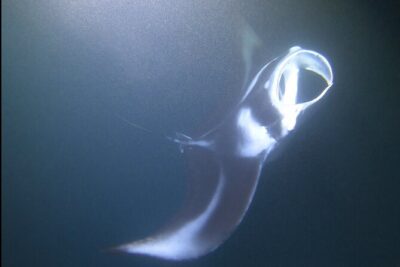
Kailua Kona: Night Manta Ray Adventure on the Big Island
Read our review →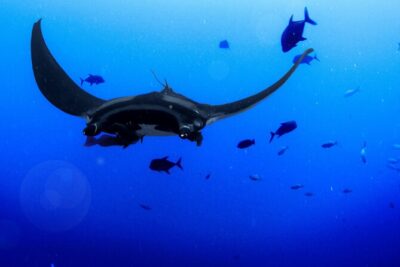
Manta Magic: Small-Group Manta Ray Night Snorkel in Kailua Kona
Read our review →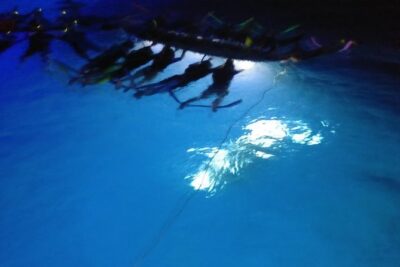
Browse the lists this tour appears in