
Reviewed · MANTA RAY SNORKELING
Manta Ray Snorkeling by Night in Kailua-Kona, Hawaii
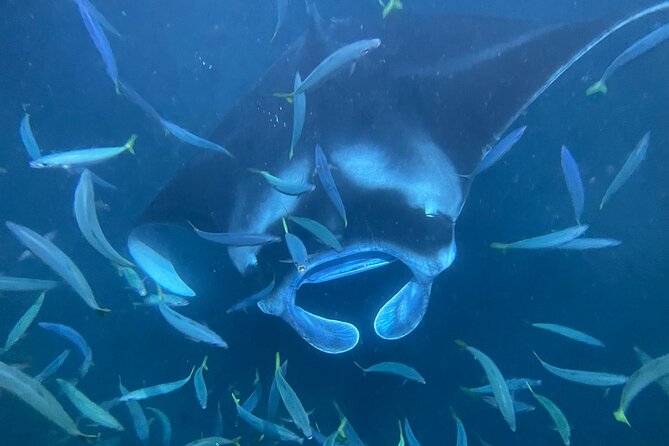
The main event is wonderfully simple: you float in the dark off Kona while wild manta rays sweep beneath you, turning and rolling as they feed on plankton gathered around a lighted board. The ride out on a historically accurate Hawaiian double-hulled canoe gives the evening a stronger sense of place than a standard motorboat outing.
I like the 12-person maximum, which keeps the water scene calmer and gives the guides a better chance to watch each swimmer. I also like the short ride to the manta site, plus the provided wetsuit top, flotation aid, and prescription snorkel masks. The main drawback is time. The full outing is roughly an hour to an hour and 15 minutes, with about 45 minutes or more in the water, so the $127.10 price may feel high if the rays are slow to appear.
- Wild manta rays feed inches from the lighted float, with no feeding or training involved.
- The canoe carries no more than 12 people, a welcome change from large, crowded boats.
- Wetsuit tops, flotation devices, and regular or prescription snorkel gear are included.
- The night setting makes the encounter feel unusual and focused, with the lights drawing plankton rather than the rays themselves.
- A short ladder climb is required, and you need basic swimming skills.
- A manta guarantee offers another attempt if no rays appear, subject to available seats.
In This Review
- Why Kona’s Night Manta Snorkel Is So Special
- The Canoe Ride Keeps the Evening Personal
- Getting Ready for the Water
- Floating at the Light Board
- What the Manta Encounter Looks Like
- Safety, Crew Care, and the Small Group
- Is $127.10 a Fair Price?
- Timing, Weather, and What to Pack
- Who Should Book This Kona Activity?
- Should You Book Eka Canoe Adventures?
- FAQ
- Where does the manta ray snorkel begin and end?
- How long does the activity last?
- What equipment is included?
- Do I need to know how to swim?
- What is the minimum age?
- What happens if no manta rays appear?
- Can I cancel for a refund?
Why Kona’s Night Manta Snorkel Is So Special
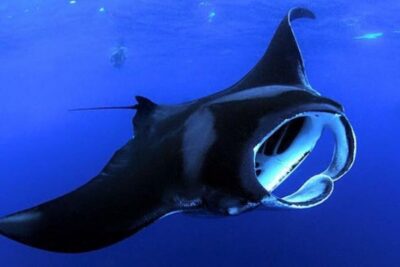
Kona’s night manta outing works because it brings you close to a natural feeding routine without feeding the animals. Bright lights shine into the water, plankton gathers around the illuminated area, and manta rays glide in to scoop up their meal.
That distinction matters. These are completely wild animals. They are not trained to perform, and nobody can promise that they will show up on a particular evening. When they do appear, their movements can be astonishingly close and graceful, with broad wings rolling through the water as they make repeated passes.
The night setting also changes the mood. You are not looking across a sunny bay at a distant animal. You are watching shafts of light, bubbles, and dark water while the rays emerge from below. It is a focused activity rather than a long sightseeing cruise, which helps explain both its appeal and its short duration.
The tour earns a 4.8 rating from 672 reviews, with 96 percent of participants recommending it. That is strong evidence that the combination of close viewing, a small group, and a friendly crew works well for most people. Still, the guarantee exists for a reason: nature sets the schedule.
The Canoe Ride Keeps the Evening Personal
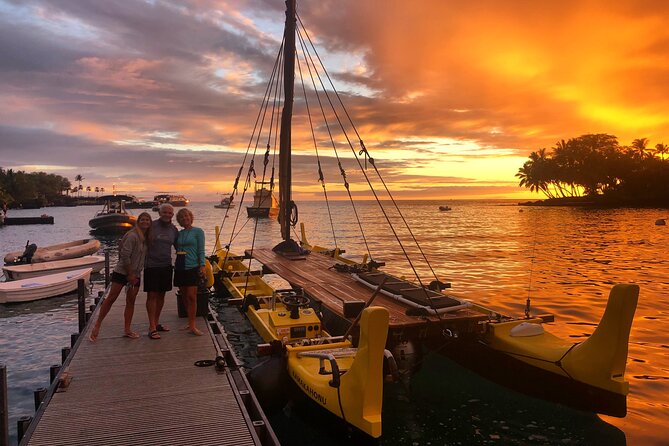
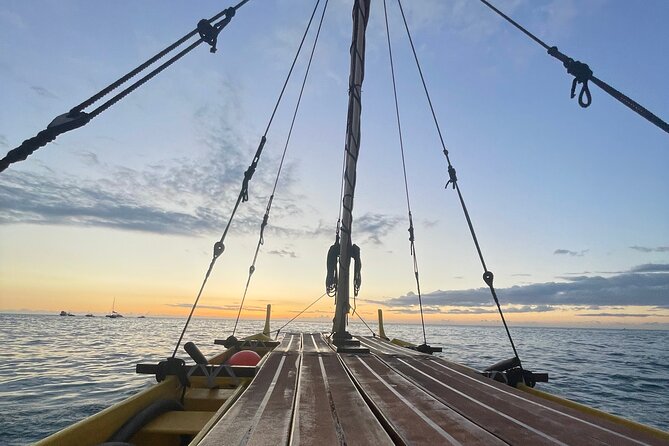
You meet the crew at 78-7130 Kaleiopapa Street in Kailua-Kona, then prepare for a short ride to the manta site. The canoe is a historically accurate Hawaiian double-hulled design, not simply a large boat dressed up for tourists.
I like that this part is more than transportation. The canoe gives you a direct connection to Hawaiian seafaring and keeps the group compact. Several departures have carried only eight to 12 people, with three guides helping manage the boat and the water portion.
The short ride also matters if you are prone to seasickness or simply dislike spending a long time on a boat. Reviews describe the ride to the site as only a few minutes, although ocean conditions can still make the crossing choppy. One outing had rain and rougher water, yet the snorkel continued safely.
At the meeting point, pay close attention to the day-of text message. It includes parking and check-in instructions with pictures. Public transportation is nearby, but private transportation to and from the meeting point is not included, so you need to arrange your own way there.
More snorkelling spots near Big Island of Hawaii:
- Glow of the Deep: Night Snorkeling with Manta Rays
★ 4.5 · 1,254 reviews - Big Island: Manta Ray Night Snorkeling Adventure in Kailua-Kona
★ 5.0 · 593 reviews - Kealakekua Bay Snorkeling Tour – 4 hour Kona Zodiac Adventure
★ 5.0 · 508 reviews
Getting Ready for the Water
The crew provides snorkel equipment, flotation aids, and a wetsuit top for warmth. Regular and prescription snorkel masks are available, which is useful if you normally need corrective lenses in the water.
Only your height and weight are collected for equipment sizing. You are not asked to guess at a shirt size, since the wetsuit top needs a more practical fit. Towels are not provided, so pack one. Several people were glad they had a dry towel waiting after the swim, and it is one of those small items that is easy to forget.
You need basic swimming skills and must be able to climb a short ladder without help. The minimum age is five, but the age rule does not remove the need for comfort in nighttime water. A child who can swim in a pool may still feel uneasy when the surroundings are dark and open.
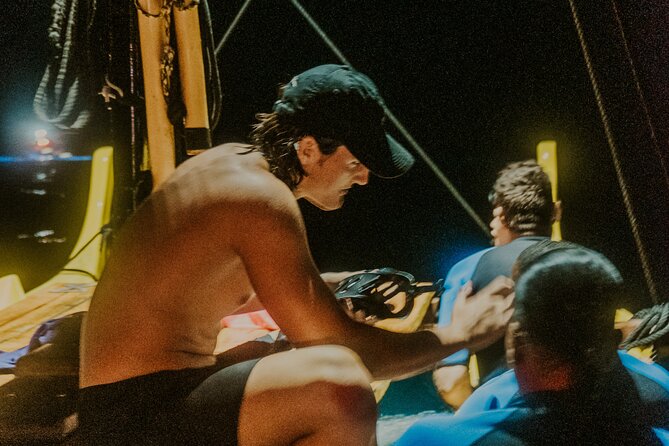
The crew takes care with boarding and reboarding. That is especially helpful if you feel nervous about entering the water. One guide stays in the water to explain what is happening, check on participants, and help people who need extra support.
This is not a good pick if you have recently had surgery or have significant mobility or physical restrictions. You also need to manage the ladder independently. Motion sickness medication is not supplied, so bring your own if you normally use it, and remember that coffee, tea, and snacks are not part of the package.
Floating at the Light Board
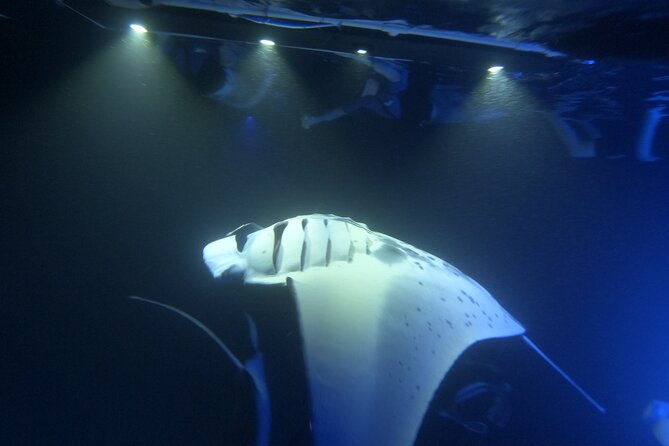
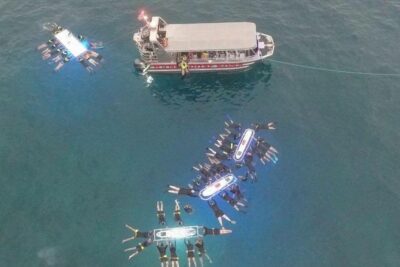
At the manta site, you put on your snorkel gear and enter the water near the lighted flotation device. The board serves two jobs: it helps you stay together, and its lights attract the plankton that brings the manta rays close.
The blue light can look smaller than expected, but the operator says the equipment is powerful and designed for this purpose. Do not expect a large, theatrical spotlight. The effect is more natural: the light creates a feeding area, and the rays choose how they use it.
You hold onto the board while looking down into the illuminated water. This is where the small group pays off. With 12 people or fewer, you have a better chance of finding a comfortable position instead of being packed tightly around a large raft.
The board can become tiring to hold. One participant found the waiting period exhausting, especially during a slower stretch before the rays returned. That is a useful warning for anyone with a shoulder, arm, or upper-body issue. You can float and use the aid, but you still need enough strength and comfort to remain in the water.
The guides provide narration about manta rays while you wait. That keeps a quiet period from becoming dead time and helps you understand the feeding behavior in front of you. Crews have included Ni’Koa, Kalala, Kama, Chris, Lance, Chaden, Beck, Tayler, and Rob on different departures, though you will not know your exact team until you arrive.
What the Manta Encounter Looks Like
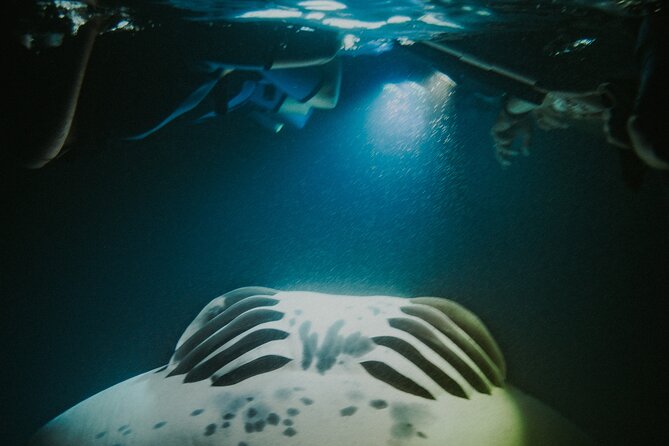
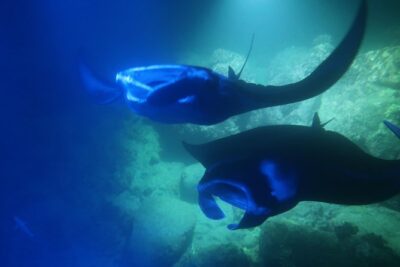
The rays may arrive within minutes, or you may wait longer. When they appear, they often pass beneath the lighted board, banking close to the people at the surface. Several accounts describe rays coming within inches, but you should never reach for them or try to control their path.
Their size is part of the shock. A manta can seem to fill your view as it rolls, turns, and unfurls its wings. It may make one pass, circle back, or share the feeding area with several others. Some outings have seen three rays early, followed by six later. Other nights can be less productive.
You may spend most of the water time watching rather than swimming. The guides’ job is to keep the group in position, protect the animals’ space, and help you stay calm. If you are a weaker swimmer, the flotation device makes the activity more manageable, but it does not replace the ability to swim or climb the ladder.
The water can feel chilly, even with a wetsuit top. Most people adjust, but the cold is worth considering if you do not enjoy nighttime ocean swimming. Keep your expectations realistic: the manta rays are the attraction, not a guaranteed performance.
More Big Island of Hawaii trips worth a second look
- Big Island Manta Ray Night Snorkel
★ 5.0 · 5,656 reviews - KONA Manta Ray Night Snorkel – FREE re-ride if no Sightings
★ 5.0 · 2,212 reviews - Manta Ray Night Snorkel at Kona, Big Island
★ 5.0 · 1,758 reviews - Big Island GOAT Experience: Mauna Kea Summit, Sunset & Stars
★ 5.0 · 1,706 reviews
Safety, Crew Care, and the Small Group
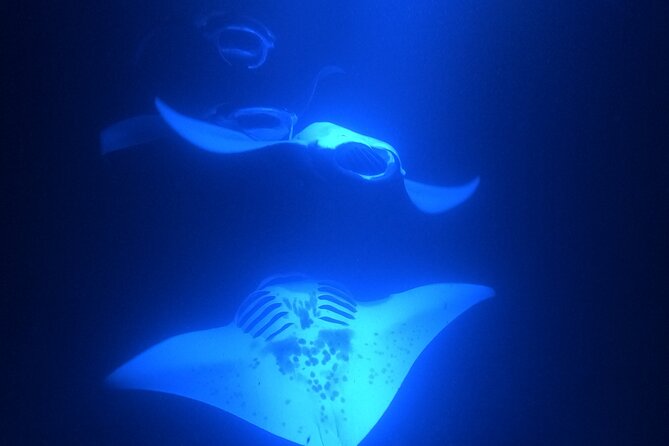
The crew’s calm approach is one of the strongest parts of the outing. Guides give clear instructions before entry, help with boarding, and check on participants in the water. Their tone is friendly, but safety remains the priority for both people and rays.
That balance is important in a nighttime activity. You need enough explanation to feel prepared, but too much chatter can distract from the scene. Most reports describe the guides as attentive and encouraging, especially for people who felt nervous about entering the water or experienced motion sickness.
A 12-person limit is a real feature, not just a marketing line. It means fewer bodies around the board, less crowding at the ladder, and more room for the water guide to notice if you need help. It also makes the canoe ride feel more like a small expedition than a mass outing.
The tradeoff is that the tour is not designed for people who want a long, relaxed boat trip. You travel out, spend a focused period at the manta site, then return to the same meeting point. That compact design suits you if you want the highlight without giving up an entire evening.
Is $127.10 a Fair Price?
At $127.10 per person, this is not a cheap add-on. The actual water time is generally about 45 minutes or more, and the total outing is around one hour to one hour and 15 minutes. If you measure value only by minutes, a longer boat tour may look better.
I see the price differently, though. You are paying for a very specific encounter, a small group, a specialized light system, a US Coast Guard certified captain, trained guides, safety procedures, insurance, maintained gear, and the canoe format. The short ride also means more of your limited time goes toward the manta site.
Some operators may charge less. Lower cost can appeal if you are comparing basic prices, but it may come with a larger group or a different boat setup. The canoe and 12-person cap are the reasons I would consider paying a little more, particularly for a family or couple that values less crowding.
Still, do not book this expecting a refund if the animals stay away. The operator cannot refund a tour simply because no manta appears. Instead, the manta guarantee provides another chance on a different evening or a future Kona visit, subject to available seats.
Timing, Weather, and What to Pack
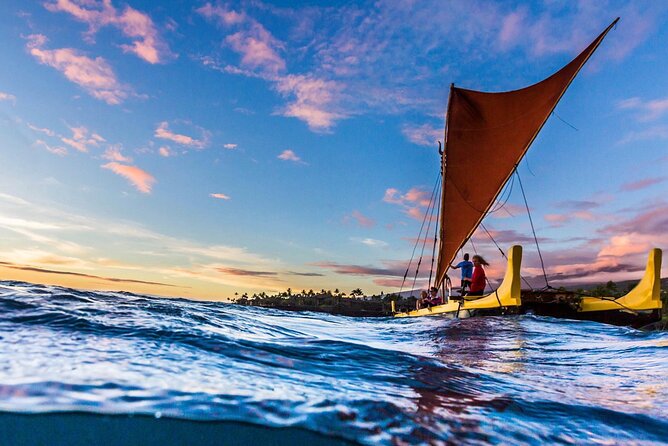
Departure times vary, with some outings around sunset and others later in the evening. A 6 p.m. departure can add a pleasant sunset view before the water portion, while a later trip puts more emphasis on the night setting.
Weather and sea conditions can affect comfort. The activity requires good weather, and poor conditions may lead to a different date or a full refund. Even when the tour runs, rain or chop can make the canoe ride and ladder work less comfortable.
Pack a towel, a dry change of clothes, and anything you need for your own comfort after swimming. Snacks and drinks are not included, and there is no private transport. Bring motion sickness medication if it is part of your normal routine, since the operator does not provide it.
The mobile ticket and confirmation arrive at booking. Opt into text updates so you receive the parking and check-in photos on the day. That is practical help at a meeting point that may be less obvious after dark.
Who Should Book This Kona Activity?
I would recommend it to you if seeing manta rays is high on your Big Island list and you are comfortable in open water. It suits couples, families with confident swimmers age five and older, and solo participants who prefer a smaller group.
It is also a good choice if you dislike crowded boats. The canoe carries 12 or fewer people, and the ride to the site is short. You still get the main manta encounter without committing to a long cruise.
Think twice if you need guaranteed wildlife sightings, dislike cold water, or have trouble holding a flotation board. Recent surgery, major mobility limits, or an inability to climb the short ladder unassisted are clear reasons to choose another activity.
Should You Book Eka Canoe Adventures?
Yes, if you understand what you are buying: a short, specialized night snorkel with wild animals, not a guaranteed show or a full evening cruise. The close manta viewing, traditional canoe, small group, and supportive water guides make the $127.10 price reasonable for a once-in-a-trip Kona activity.
Book early, since the experience is often reserved about 23 days ahead. Choose a date that gives you room to try again if the rays do not appear, bring a towel, follow the crew’s instructions, and let the mantas set the pace. If you want a personal encounter and can accept nature’s uncertainty, this is one of the Big Island’s strongest evening outings.
FAQ
Where does the manta ray snorkel begin and end?
It begins at 78-7130 Kaleiopapa Street in Kailua-Kona, Hawaii. The activity ends back at the same meeting point.
How long does the activity last?
The outing lasts approximately one hour, with some departures running about one hour and 15 minutes. Actual snorkel time is typically 45 minutes or more.
What equipment is included?
The tour includes a wetsuit top, flotation devices, and snorkel equipment. Regular and prescription snorkel masks are available.
Do I need to know how to swim?
Yes. You must have basic swimming skills and be able to climb a short ladder without assistance.
What is the minimum age?
The minimum age allowed onboard is five years old.
What happens if no manta rays appear?
The manta rays are wild, so their presence cannot be guaranteed. If none are seen, the manta guarantee provides another opportunity on a different evening or during a future visit to Kona, subject to available seats. A refund is not offered solely because manta rays were absent.
Can I cancel for a refund?
You can cancel at least 24 hours before the start time for a full refund. Cancellations or changes made less than 24 hours before the start time are not refunded or accepted. If poor weather or an insufficient number of participants causes the operator to cancel, you can choose another date or receive a full refund.
Recently reviewed around Big Island of Hawaii
- Hilo Shore Excursion: Active Volcano, Lava Tube, Waterfall and Gardens★ 5.0 · 393 reviews
- Volcano Adventure: Hilo Sightseeing w/ Optional Helicopter Tour★ 4.5 · 412 reviews
- Kealakekua Bay Snorkeling Tour – 4 hour Kona Zodiac Adventure★ 5.0 · 508 reviews
- Whale Watching On The Big Island★ 5.0 · 573 reviews
- Hawaii Volcanoes, Waterfalls, Beaches & Hilo Highlights Day Tour★ 5.0 · 391 reviews
- Zodiac Raft Whale Watching Adventure★ 5.0 · 456 reviews
- Small Group Big Island Twilight Volcano and Stargazing Tour★ 5.0 · 1,619 reviews
- Manta Ray Night Snorkel Tour in Kailua-Kona, Big Island★ 5.0 · 382 reviews
Manta Ray Snorkeling, compared.
Kona Manta Ray Snorkel Tour in Keauhou Harbor
Read our review →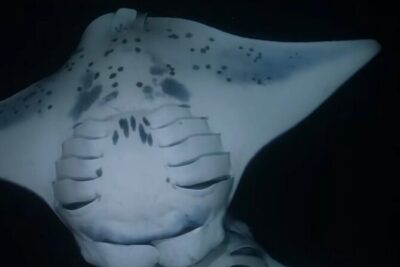
KONA Manta Ray Night Snorkel – FREE re-ride if no Sightings
Read our review →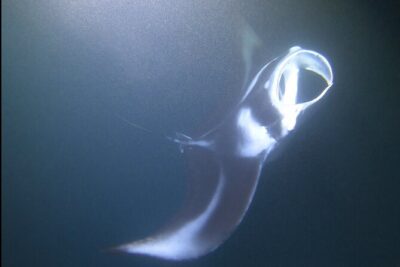
Kailua Kona: Night Manta Ray Adventure on the Big Island
Read our review →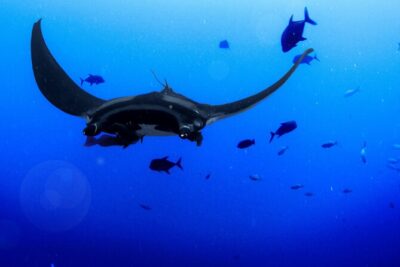
Manta Magic: Small-Group Manta Ray Night Snorkel in Kailua Kona
Read our review →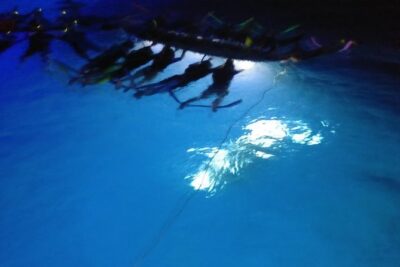
Browse the lists this tour appears in