Reviewed · GHOST & HISTORY WALKING TOURS
New Orleans Food and History Walking Tour
New Orleans’ food story is best understood one bite at a time. This three-hour walk through the French Quarter links gumbo, hot sauce, pralines, po’boys, muffulettas, boudin, and red beans with the people and places that shaped them. You get a full meal, not just a few token nibbles.
I like the generous portions, which can leave you comfortably full, and the way guides such as Beth, Meg, John, and Dylan explain recipes, migration, language, and Louisiana geography as you eat. I also like the small maximum group size of 16, which makes it easier to ask questions and keep the pace social.
The main drawback is that this is more of a progressive lunch with history than a full architectural walking tour. You will walk between stops, but the focus stays on food. Dietary limits also matter: vegetarian meals can be requested, but gluten-free, dairy-free, and vegan options are not available.
In This Review
- Key points at a glance
- Starting with gumbo on Chartres Street
- A hot sauce stop with a lot of choice
- Pralines and the sweet side of Creole cooking
- Learning the story behind the po’boy
- Muffuletta, boudin, and a tour of influences
- Bread pudding and the final sweet bite
- The food history is the real extra value
- Walking pace, weather, and group size
- Is $85 a fair price?
- Who should book this food walk?
- Booking and cancellation details
- Should you book it?
- FAQ
- How long does the New Orleans Food and History Walking Tour last?
- Where does the tour begin?
- Where does the tour end?
- What food is included?
- Is a vegetarian option available?
- Are vegan, gluten-free, or dairy-free options available?
- Are drinks included?
- How many people can join the tour?
- Can I cancel for a full refund?
Key points at a glance
- Five food stops: Expect a substantial tasting route with gumbo, catfish po’boy, pralines, boudin, muffuletta, red beans and rice, and dessert, though exact stops can change.
- French Quarter setting: The route begins at 3rd Block Depot on Chartres Street and ends at New Orleans Creole Cookery on Toulouse Street.
- Food with context: Your guide explains Creole and Cajun cooking, Louisiana’s ethnic influences, seafood harvesting, dish names, and local geography.
- Small-group format: The tour accepts no more than 16 people, a useful size for conversation and questions.
- Plan to eat lunch: The portions are often generous, so skip a big meal beforehand and bring water.
- Dietary limits: A vegetarian option is available by request. No vegan, gluten-free, or dairy-free menu is offered.
Starting with gumbo on Chartres Street
Meet your guide at 3rd Block Depot, at 310 Chartres Street, in the French Quarter. The location puts you right in the Vieux Carré, the old square that gives this part of New Orleans its name.
The first food stop is built around rustic Cajun gumbo. The sample menu describes a dark roux version with chicken, andouille sausage, chicken stock, and a spoonful of warm potato salad. That last touch is a useful reminder that gumbo is not one fixed recipe. Families and cooks adjust it according to region, tradition, and what is available.
I like beginning with gumbo because it gives your guide an easy way to explain the difference between Cajun and Creole cooking, as well as the role of roux, sausage, stock, and seasoning. Guides have also shared recipes and answered questions about how these dishes are made, so you get more than a quick explanation before moving on.
There is a bar at the first stop if you want a drink, but it is not included. Bring a little extra money if you would like beer, a cocktail, or another beverage. Water is included, while other drinks are your own expense.
One practical note: one stop can take a little longer than the others, and the gumbo may not always arrive as hot as you expect. The flavor remains the point, but diners who want a fast-moving route should know that this is a meal with time to sit, listen, and eat.
More Food Tours in New Orleans
- New Orleans Food Walking Tour of the French Quarter with Small-Group Option
★ 5.0 · 6,118 reviews - New Orleans French Quarter Food Tour: Cajun, Creole and Culture
★ 5.0 · 1,246 reviews - French Quarter walking Food Tour Famous Flavors of New Orleans
★ 5.0 · 1,115 reviews
A hot sauce stop with a lot of choice
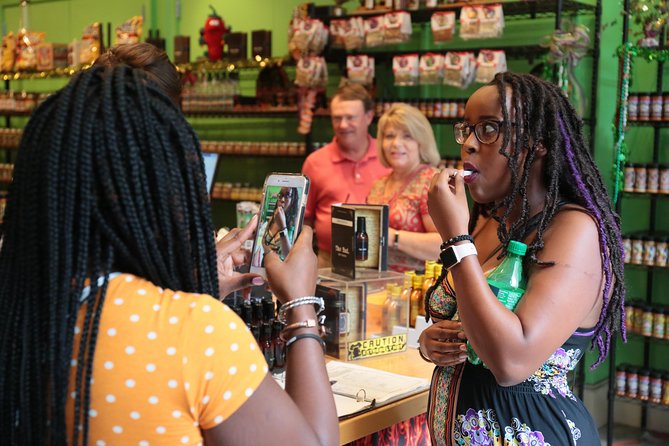
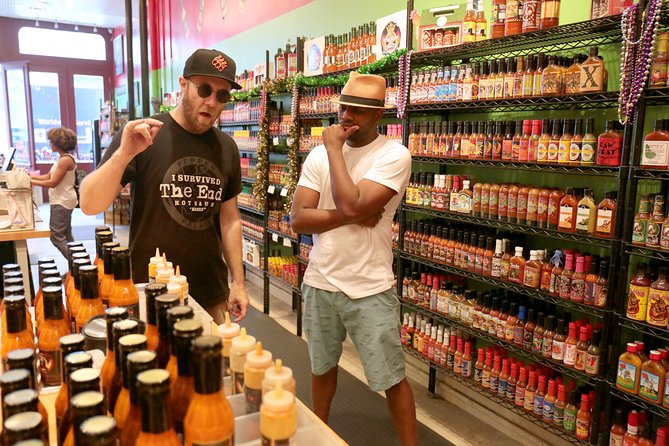
The next stop is a hot sauce shop where you can sample a wide range of sauces and seasonings. The tasting may include hot sauces, dry rubs, barbecue sauces, marinades, Buffalo wing sauces, and other spicy blends.
This is a fun change of pace from the gumbo. It also gives you a clearer sense of how New Orleans cooks use heat. Hot sauce is not simply about making food painful to eat. Different sauces bring vinegar, sweetness, smoke, fruit, garlic, or pepper flavor, and sampling several types helps you notice the difference.
Still, this stop will appeal more to spice fans than to people seeking a long sit-down meal. One of the few criticisms of the route is that some people would prefer replacing the hot sauce shop with another restaurant and sampling more dishes in smaller portions. That is a fair point. You cannot taste every classic New Orleans dish in three hours, and the tour makes a choice here.
If you are sensitive to spice, you can sample carefully rather than treating the word unlimited as a challenge. The guide can talk you through the sauces, but your comfort level is your responsibility.
Pralines and the sweet side of Creole cooking
Leah’s Pralines brings the tour into the dessert course early. You can sample a traditional praline made with local brown sugar, dairy, and pecans, or try a newer variation such as bacon pecan brittle.
Pralines matter because they show how New Orleans cooking blends local ingredients with techniques and traditions brought from elsewhere. Pecans and brown sugar give the candy its familiar character, while modern versions add different textures and flavors.
This is also one of the easier stops for picking up a food gift. The route includes opportunities to purchase items along the way, so you may want a small bag or room in your luggage. I would not count on this tour as a shopping trip, but the food stops can help you find products you will want to take home.
The praline tasting breaks up the heavier savory dishes. By this stage, you will already have eaten gumbo and sampled sauces, so the sweet bite gives your palate a reset before the sandwiches and Cajun specialties.
Learning the story behind the po’boy
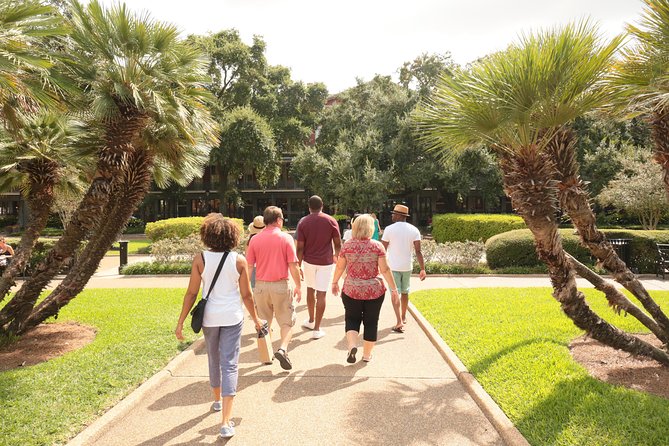
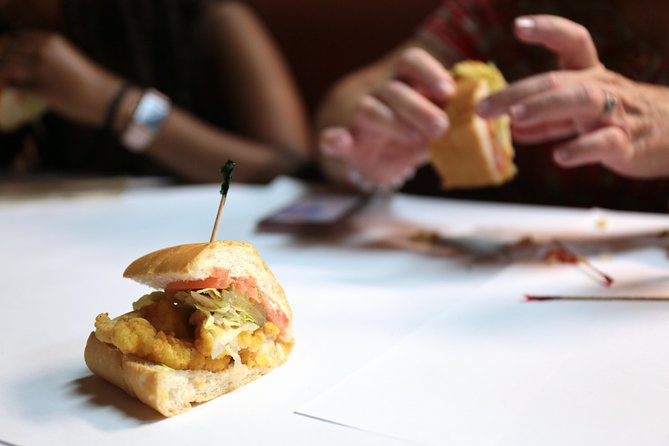
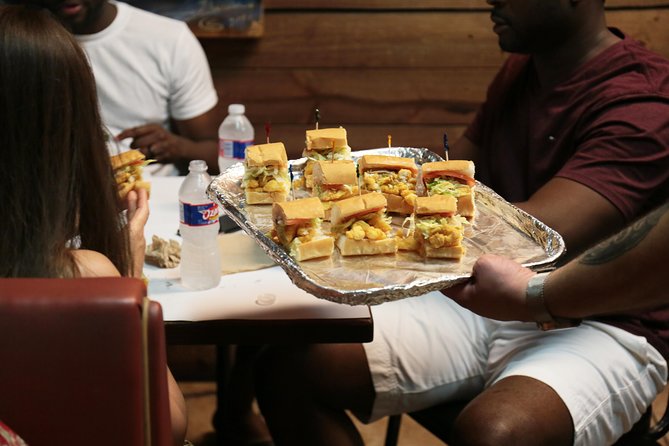
At NOLA Poboys, the main sample is a fried catfish po’boy on local French bread. It comes dressed with lettuce, tomato, mayonnaise, and pickles, with hot sauce available if you want more heat.
This is one of the tour’s most useful stops because the guide connects the sandwich to Louisiana’s seafood industry. You also learn about seafood harvesting and why local bread is so important to the finished sandwich. A po’boy is simple food, but its texture depends on the contrast between crisp fried filling, soft bread, fresh toppings, and sauce.
The fried catfish portion can be filling. If you are planning a large dinner later, keep that in mind. On the other hand, generous servings are part of the tour’s value. You are not paying $85 for three crumbs and a lecture. The food adds up to a real lunch.
The guide also explains how different ethnic groups helped shape Creole food. New Orleans cuisine is not the product of one tradition, and the tour uses dishes such as the po’boy to show how local ingredients, French bread, seafood, African cooking methods, Caribbean influences, and European food customs meet in the city.
More Ghost Tours in New Orleans
- New Orleans Garden District History Walking Tour
★ 5.0 · 2,879 reviews - New Orleans Haunted Ghost, Voodoo & Vampire Walking Tour
★ 4.5 · 2,731 reviews - New Orleans Small-Group Haunted History Carriage Tour
★ 4.5 · 2,289 reviews - Adults Only Haunted Pub Crawl in New Orleans
★ 4.5 · 2,158 reviews
Muffuletta, boudin, and a tour of influences
The sample menu may include a muffuletta, an Italian-style sandwich served on Sicilian bread. Inside are smoked ham, mortadella, Genoa salami, provolone, mozzarella, and olive salad.
The muffuletta is a good counterpoint to the seafood po’boy. It points to New Orleans’ Italian communities and shows how a dish can become deeply local while keeping a clear connection to its older roots. The olive salad is especially important, since it cuts through the rich meat and cheese with briny flavor.
You may also try a boudin ball, a fried Cajun sausage ball made with smoked pork, rice, and spices, served with Creole remoulade. This bite is compact but packed with flavor. It gives your guide another chance to explain the close relationship between meat, rice, seasoning, and practical home cooking in south Louisiana.
The route can also include red beans and rice with smoked ham, andouille sausage, and scallions. This is a slower, softer dish than the fried items, and it shows why New Orleans food is not all about sandwiches and seafood. It is a bowl built around beans, smoke, spice, and time.
Exact dishes and venues can change based on availability. You should book this experience for the food style rather than for a rigid promise that every listed item will appear. If tasting a particular dish is your main goal, ask about current stops before booking.
Bread pudding and the final sweet bite
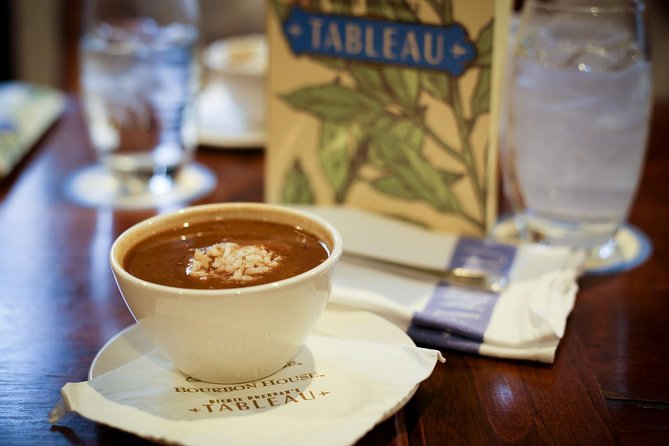
Dessert may be seasonal bread pudding, baked or fried. A banana Foster version has been especially memorable on some departures, adding caramelized fruit flavor to the warm dessert.
Bread pudding is a fitting finish because it reflects the practical side of local cooking. Day-old bread becomes something soft, sweet, and satisfying rather than going to waste. The dessert also gives the guide another chance to discuss how familiar ingredients get turned into dishes associated with New Orleans.
The meal generally leaves you full. Several guides have been praised for serving substantial portions, so resist the urge to eat a heavy breakfast or lunch before arriving. A light meal beforehand is sensible if you are unsure how much you can handle, but arriving hungry is the right plan.
The tour ends at New Orleans Creole Cookery, 508 Toulouse Street. That makes the final stop useful for continuing your evening in the French Quarter, though the tour does not include a separate architectural or nightlife program.
The food history is the real extra value
The best part of this experience is not simply the number of foods. It is the connection between the plate and the city.
You learn where names such as étouffée and jambalaya come from, how Louisiana’s geography affects its cooking, and how people from different countries brought techniques and ingredients to New Orleans. A good guide can turn a sandwich or bowl of beans into a short lesson about settlement, trade, farming, seafood, language, and family traditions.
Guide quality matters here, and the named guides have different strengths. Beth is known for mixing humor, recipes, and food history while keeping the group involved. Meg has been praised for her personality and clear explanations. John brings a broad knowledge of city history, while Dylan, sometimes called Dr. Gumbo, is especially strong at tying food to culture with humor. Other guides, including Ben, Sarah, and the Professor, have also led departures.
That range means the tone can vary slightly by departure. The common thread is a guide-led experience rather than a checklist of restaurants. Ask questions as you walk. The more curious you are, the more useful the tour becomes.
Walking pace, weather, and group size
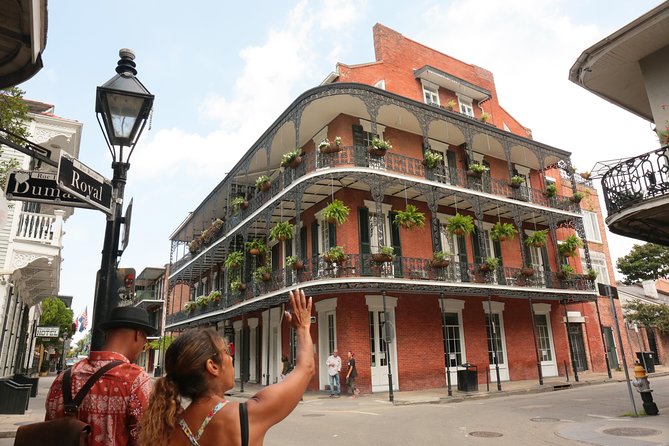
The route lasts about three hours and uses easy walking distances between French Quarter stops. It is not an intense hike, but you should wear comfortable walking shoes. One departure was described as moving quickly, while others felt easy and well paced, so expect a steady city walk rather than a slow stroll.
You will stand at some stops, cross streets, and move through busy areas. The tour is not recommended if you have mobility or walking problems. Most people who can comfortably walk through the French Quarter and remain on their feet for a few hours should manage it.
The tour runs in morning and afternoon time slots. I favor booking it early in your stay because the food knowledge can guide later meals. Several dishes and shops may be worth revisiting, and the tour gives you a useful first map of the neighborhood.
Weather needs attention. The experience operates in all weather conditions, so bring suitable clothing, a rain jacket, or an umbrella when the forecast looks wet. A rainy afternoon did not prevent one group from enjoying the route, but you should still be ready for damp streets and outdoor walking. If the operator cancels because of poor weather or because the minimum number of people is not met, you can choose another date or receive a full refund.
The group maximum is 16. That is large enough to create a social atmosphere but small enough for a guide to answer questions without shouting across a crowd.
Is $85 a fair price?
At $85 per person, this is not the cheapest way to grab lunch in New Orleans. But the price includes a set lunch spread across five eateries and shops, plus the work of organizing the stops and explaining the food.
You are paying for several substantial samples rather than one entrée. Gumbo, catfish po’boy, muffuletta, boudin, red beans and rice, pralines, bread pudding, and hot sauce tastings can add up quickly if purchased separately. Server gratuities at the establishments are included, though a tip for your guide is optional. Drinks other than water cost extra.
The value is strongest if you are new to New Orleans cuisine and want a broad introduction in one afternoon. It is less compelling if you already know the city’s food well or prefer choosing your own restaurants and ordering full portions.
One point in the tour’s favor is the chance to discover places you might skip on your own. Another is the guide’s interpretation. A good plate of gumbo is easy to find. Understanding why it tastes the way it does, and how it fits into the city’s past, is harder to arrange by yourself.
Who should book this food walk?
I would recommend it for first-time visitors, curious eaters, solo participants, couples, and families with older children who enjoy trying unfamiliar food. The friendly, question-driven format works well if you want a social activity without committing to a formal sit-down dinner.
It is also a smart choice for anyone with only a short stay. Three hours gives you a practical introduction to several New Orleans staples and the French Quarter streets connecting them.
I would not choose it if you need vegan, gluten-free, or dairy-free food. A vegetarian option is available, but you must request it during checkout. Allergies should be reported when booking, and the operator asks you to identify allergies rather than simple dislikes.
The tour is also a poor fit if you want a long history lecture about buildings and architecture. You will hear plenty about New Orleans, but the story always returns to food.
Booking and cancellation details
The experience is usually reserved well ahead of time, with an average booking lead of 26 days. That suggests you should reserve early if your schedule is fixed, especially if you want a particular morning or afternoon departure.
You receive confirmation when you book, and a mobile ticket is provided. The tour is offered in English and accepts service animals. It operates near public transportation.
Free cancellation is available up to 24 hours before the start time for a full refund. Changes or cancellations made within 24 hours are not accepted for a refund. Cutoff times use New Orleans local time.
Should you book it?
Book this tour if you want a hearty first taste of New Orleans with a guide who can explain the people, places, and traditions behind each dish. The combination of gumbo, catfish po’boy, muffuletta, boudin, pralines, and dessert gives you a broad meal, while the small group and strong guides make room for questions.
Skip it if you need strict dietary control, dislike walking between several food stops, or want a focused architecture tour. For most first visits, I would schedule it near the start of your stay, arrive hungry, wear good shoes, and bring money for drinks. At $85, it earns its keep through the amount of food and the useful local context.
FAQ
How long does the New Orleans Food and History Walking Tour last?
The tour lasts approximately three hours.
Where does the tour begin?
It begins at 3rd Block Depot, 310 Chartres Street, New Orleans, Louisiana 70130.
Where does the tour end?
The tour ends at New Orleans Creole Cookery, 508 Toulouse Street, New Orleans, Louisiana 70130.
What food is included?
The menu can include gumbo, hot sauce and seasoning samples, pralines, fried catfish po’boys, muffuletta sandwiches, boudin balls, red beans and rice with andouille sausage, and bread pudding. Stops and dishes may change based on availability.
Is a vegetarian option available?
Yes. A vegetarian option is available, but you must request it during checkout.
Are vegan, gluten-free, or dairy-free options available?
No. The tour does not offer vegan, gluten-free, or dairy-free options.
Are drinks included?
Water is included. Other drinks are not included and must be purchased separately.
How many people can join the tour?
The tour has a maximum of 16 participants.
Can I cancel for a full refund?
Yes. You can cancel at least 24 hours before the experience start time for a full refund. Cancellations or changes made less than 24 hours in advance are not accepted for a refund.
More Walking Tours in New Orleans
- New Orleans Premier Ghost, Voodoo and Vampire Walking Tour
★ 4.5 · 12,856 reviews - St. Louis Cemetery No. 1 Official Walking Tour
★ 4.5 · 3,941 reviews - New Orleans French Quarter, Voodoo and Culture Walking Tour
★ 4.5 · 2,961 reviews - Ghost and Vampire Walking Tour Of The French Quarter
★ 4.5 · 2,406 reviews
More Historical Tours in New Orleans
- French Quarter Historical Sights and Stories Walking Tour
★ 5.0 · 2,724 reviews - New Orleans Haunted History Ghost Tour
★ 4.5 · 2,084 reviews - Paddlewheeler Creole Queen Historic Mississippi River Cruise
★ 4.5 · 1,948 reviews - New Orleans: Creole Queen History Cruise with Optional Lunch
★ 4.3 · 1,112 reviews
Recently reviewed around New Orleans
- New Orleans Yellow Fever Ghost Tour★ 5.0 · 1,298 reviews
- VIP Jazz Dinner Cruise with Private Tour and Open Bar Option★ 4.5 · 838 reviews
- Whitney Plantation Tour with Transportation from New Orleans★ 4.5 · 1,351 reviews
- New Orleans Private Carriage Tour of the French Quarter★ 5.0 · 537 reviews
- New Orleans French Quarter Photo Shoot★ 5.0 · 462 reviews
- New Orleans Delicious Donuts & Beignets: A Sweet Walking Tour★ 5.0 · 928 reviews
- The Escape Game at the French Quarter in New Orleans★ 5.0 · 364 reviews
- The Ghosts of New Orleans Tour★ 4.5 · 702 reviews
Ghost & History Walking Tours, compared.
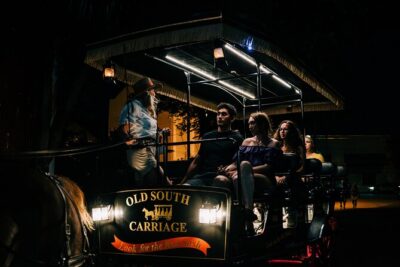
Haunted Evening Horse and Carriage Tour of Charleston
Read our review →
New Orleans Garden District History Walking Tour
Read our review →
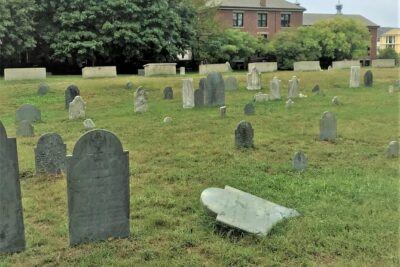
Ghosts of Charleston Night-Time Walking Tour with Unitarian Church Graveyard
Read our review →
New Orleans Haunted Ghost, Voodoo & Vampire Walking Tour
Read our review →