
Reviewed · WALKING TOURS
New Orleans French Quarter, Voodoo and Culture Walking Tour
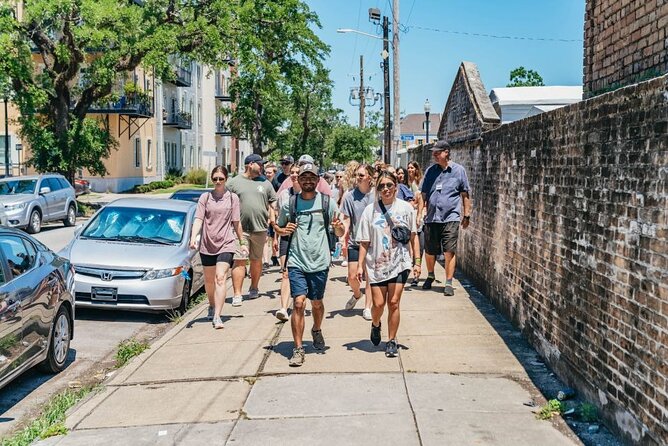
New Orleans Voodoo is not the movie version of dolls, curses, and cheap thrills. This two-hour walk places the subject in its proper setting: the French Quarter, Congo Square, slavery, African traditions, jazz, and the life of famed Voodoo practitioner Marie Laveau. That cultural context is the heart of the tour.
I like the manageable one-mile route and the mix of architecture, local history, and spiritual traditions. I also like that guides such as William, Logan, Jimmy, and James have been praised for clear storytelling, local insight, and keeping the group involved. The main consideration is that the tour may feel more historical than spooky, especially if you expect dramatic paranormal events or a cemetery visit.
In This Review
- Key points to know before booking
- Why this tour is more than a spooky walk
- Starting at Exchange Place in the French Quarter
- French Quarter architecture and Voodoo stories
- Jackson Square and St. Louis Cathedral
- Voodoo Authentica and the story of Marie Laveau
- Congo Square in Louis Armstrong Park
- Storyville, the former red-light district
- What the $27.99 price really buys you
- Walking conditions, group size, and timing
- Who will enjoy this New Orleans walk
- Should you book the French Quarter, Voodoo and Culture Walking Tour?
- FAQ
- Where does the tour begin?
- Where does the tour end?
- How long is the tour?
- What should I wear or bring?
- Does the tour enter a cemetery?
- Is the tour offered in English?
- How early should I arrive?
- Are children allowed?
- Can I cancel for a refund?
Key points to know before booking
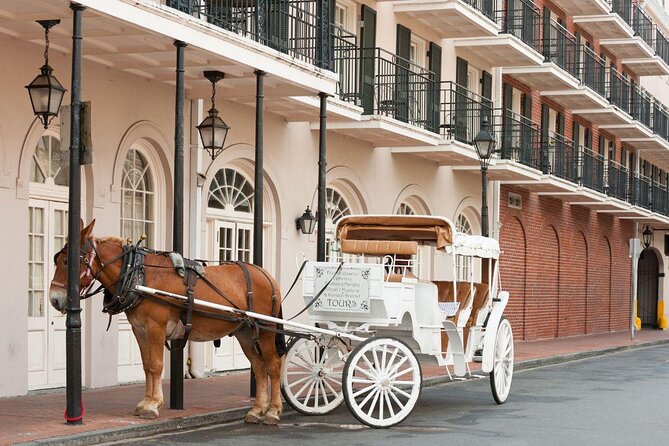
- A one-mile route through central New Orleans: You walk at an easy pace for about two hours, with stops in the French Quarter, Jackson Square, Louis Armstrong Park, and Storyville.
- Voodoo explained with context: The guide discusses beliefs, rituals, African spiritual traditions, slavery, jazz, and Marie Laveau rather than relying only on horror stories.
- Congo Square is a major stop: You learn how enslaved and free people gathered there to trade, socialize, dance, make music, and practice spiritual traditions in the 1800s.
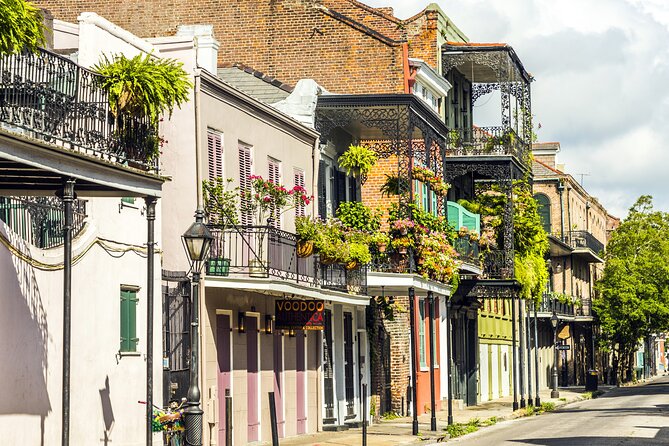
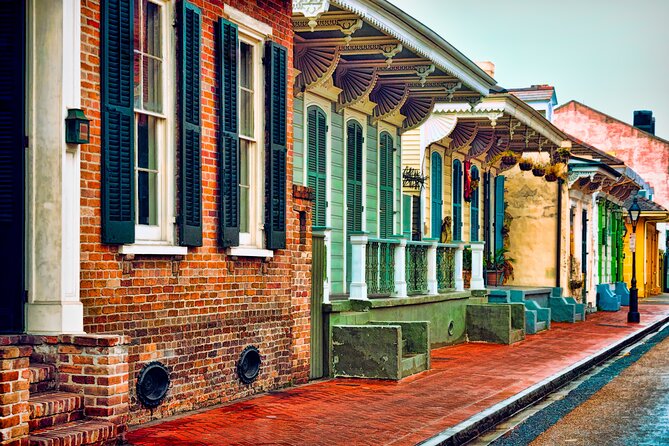
- Architecture is part of the tour: Look for Creole townhouses, French and Spanish influenced buildings, shotgun homes, entresol houses, and cloistered courtyards.
- A small group can make a difference: The maximum group size is 28, and smaller departures may give you more chances to ask questions.
- No cemetery entry: The walk may discuss local burial customs and cemetery lore, but the tour does not enter cemeteries.
Why this tour is more than a spooky walk
New Orleans has plenty of ghost stories, but this experience takes a broader route. You hear about Voodoo as a living religious tradition, not simply as a horror prop. That distinction matters, since popular films often flatten a complex subject into a handful of scary images.
The strongest part of the tour is the connection between Voodoo, African traditions, slavery, and music. At Congo Square, the guide explains how people of African descent gathered on Sundays in the 1800s. They traded, socialized, danced, played music, and practiced rituals. This gives you a useful way to understand how African cultural traditions survived and shaped New Orleans.
The city’s architecture adds another layer. You are not just walking from one spooky story to the next. You pass French and Spanish influenced buildings, Creole townhouses, shotgun homes, and entresol houses, while the guide explains how these forms fit the city’s history and daily life.
The tone is best described as curious and atmospheric, not terrifying. One family review found the tour too mild for the way it was advertised, while another family enjoyed the history and found the spiritual side of Voodoo especially helpful. I would book this for cultural interest first, with spooky atmosphere as a bonus.
More Walking Tours in New Orleans
- New Orleans Premier Ghost, Voodoo and Vampire Walking Tour
★ 4.5 · 12,856 reviews - New Orleans Food Walking Tour of the French Quarter with Small-Group Option
★ 5.0 · 6,118 reviews - St. Louis Cemetery No. 1 Official Walking Tour
★ 4.5 · 3,941 reviews
Starting at Exchange Place in the French Quarter
The walk begins at Witches Brew Gallery and Haunted Sanctuary, at 311 Exchange Place. It is directly across from the Pelican Club Restaurant, which gives you a clear landmark in a busy part of town.
Arrive 30 minutes before departure for check-in. The tour leaves on time, and late arrivals are not refunded. That policy may feel strict, but it prevents a moving walking group from having to stop and search for stragglers.
You can choose a morning or afternoon departure. Since New Orleans summers can be very hot, the morning may be easier for you if heat is a concern. Bring water, and dress for the forecast. The tour operates in most weather, including rain, cold, snow, and sleet. It is canceled only for conditions such as flooding, tropical storms, hurricanes, fires, or cloud-to-ground lightning in the French Quarter.
French Quarter architecture and Voodoo stories
The first and longest portion takes place in the French Quarter. You walk through the streets while the guide points out architectural details that are easy to miss when you are exploring alone.
Creole townhouses are one of the key sights. You also see shotgun homes, a common Southern style in the 1860s, along with entresol houses that make clever use of a partial level between floors. The route may also offer a glimpse into a cloistered courtyard and an explanation of its practical purpose.
This is where the tour earns its cultural label. As you walk, the guide introduces the history of Voodoo in New Orleans and tells stories connected to Marie Laveau, one of the city’s most famous Voodoo figures. The subject is presented alongside the streets and buildings where local traditions developed, rather than separated from the city around you.
You also peek into a small shop specializing in Voodoo ritual materials, including herbs, oils, and amulets. This is a brief look rather than a full shopping experience, but it helps show that the tradition includes objects, practices, and spiritual beliefs beyond the stereotypes.
The guide’s delivery matters here. William receives especially strong praise for bringing the city’s past and present to life, explaining the connection between Voodoo, slavery, and jazz, and inviting questions. Logan has also been singled out for making the tour enjoyable for a family group, while Jimmy was praised for offering useful local insight in a small group.
One practical caution: one review described difficulty following a guide who spoke too quickly. If you have trouble hearing or understanding, ask the guide to slow down or repeat a point early in the walk. The group is capped at 28, but the actual size can vary.
Jackson Square and St. Louis Cathedral
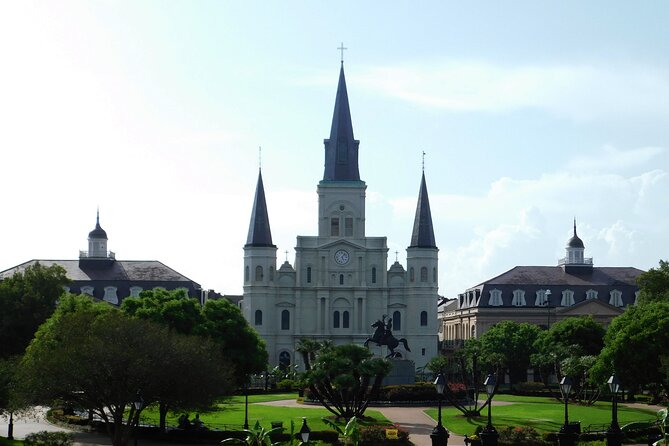
Jackson Square is the next major stop and the endpoint of the tour. It is also one of the best places to connect the city’s early settlement history with its public architecture.
You learn about the first settlements in New Orleans and see buildings associated with the city’s early development. The stop includes the first apartment buildings in the United States, according to the tour’s historical presentation, along with the surrounding square and St. Louis Cathedral.
The cathedral receives its own short stop. The guide discusses its history and the fire that destroyed much of New Orleans. This is a useful reminder that the city’s famous buildings have faced repeated disasters, rebuilding, and change.
Do not expect an extended interior visit or a formal cathedral tour. The listed stop is about ten minutes, so the emphasis is on explanation and orientation. If you want a detailed look inside the cathedral, plan separate time before or after the walk.
More New Orleans walks with a guide:
- New Orleans Garden District History Walking Tour
★ 5.0 · 2,879 reviews - New Orleans Haunted Ghost, Voodoo & Vampire Walking Tour
★ 4.5 · 2,731 reviews - French Quarter Historical Sights and Stories Walking Tour
★ 5.0 · 2,724 reviews - Ghost and Vampire Walking Tour Of The French Quarter
★ 4.5 · 2,406 reviews
Voodoo Authentica and the story of Marie Laveau
The tour pauses at Voodoo Authentica, a shop and cultural stop where the guide explains Voodoo traditions, history, and the figure of Marie Laveau.
This part can help correct the most common misunderstandings. The experience presents Voodoo as a religion with spiritual figures, rituals, and traditions, rather than as a collection of movie clichés. Some tours lean so hard into sensational stories that the historical setting disappears. This one tries to keep the two connected.
You may find the stop especially useful if you arrive with only a vague idea of what New Orleans Voodoo means. A guide may also use books or images to introduce African gods and goddesses, as one account of the experience describes. The exact presentation can vary by guide, but the subject is meant to be educational and respectful.
If your main goal is hands-on Voodoo activity, this may feel limited. You are not promised a ritual, ceremony, or private consultation. The value comes from interpretation and context.
Congo Square in Louis Armstrong Park
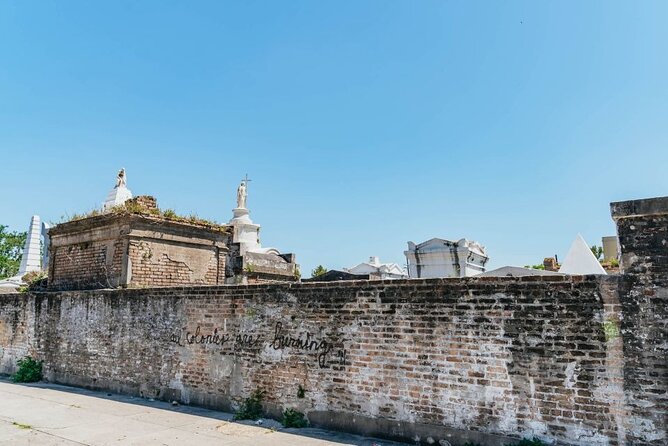
Louis Armstrong Park provides the setting for the tour’s most important historical stop. Within the park, Congo Square recalls the gatherings of enslaved and free people during the 1800s.
On Sundays, people met to trade, socialize, play music, dance, and practice spiritual traditions. The guide connects these gatherings with African cultural survival and the development of New Orleans music, including the roots of jazz.
For me, this is the point where the tour’s themes come together. The French Quarter gives you architecture and legends. Voodoo Authentica gives you a modern point of reference. Congo Square shows how people maintained community and cultural expression under oppressive conditions.
The park also gives the guide room to explain Voodoo divinities and practices in a more focused way. One account describes learning about African gods and goddesses here, along with the use of books to support the explanation.
The visit lasts about 15 minutes, so do not expect a long park walk. Still, the stop is significant because it shifts the experience away from sensational tales and toward the people, customs, and music that helped shape New Orleans.
Storyville, the former red-light district
The final listed stop is Storyville, the former red-light district just outside the French Quarter. The stop lasts about ten minutes and adds another side of the city’s past.
Storyville is useful because New Orleans culture did not develop from one tradition alone. The district’s story links the French Quarter with the broader social world around it, including entertainment and vice. The guide presents it as part of the city’s complicated past, not as a separate attraction.
Since the tour ends at Jackson Square, the sequence may not feel like a neat straight line in every departure. You are covering about one mile at a leisurely pace, so the walking is not strenuous for most people, but the historic streets can be uneven.
What the $27.99 price really buys you
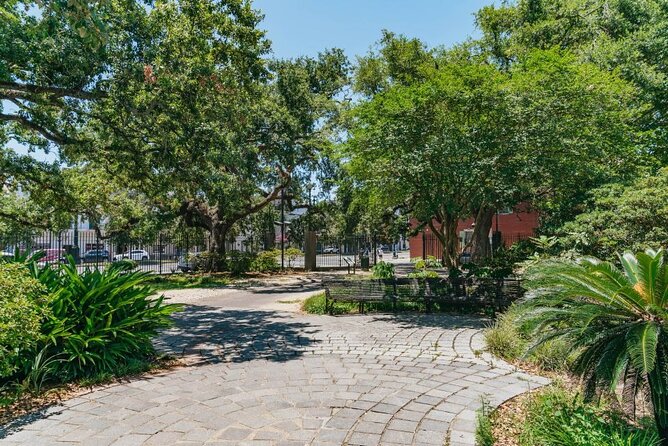
At $27.99 per person, this is a reasonably priced introduction to several central New Orleans subjects. You get about two hours with a licensed city guide, a route through the French Quarter, and stops tied to architecture, Voodoo, slavery, music, religion, and Storyville.
The value is strongest if you are new to New Orleans and want a framework for the city before exploring on your own. A good guide can point out details you would walk past, explain why Congo Square matters, and separate historical evidence from local legend.
The price does not include food or drinks, and there is no admission ticket to a major paid attraction. That is not a problem for me, because this is an interpretation-focused walking tour. Still, you are paying for the guide’s storytelling and local knowledge, not for a museum entry or a staged show.
The 4.7 rating from 2,961 reviews and 92 percent recommendation rate suggest that the format works well for most people. The lower ratings point to a clear issue of expectations: if you want a high-energy haunted attraction for children, the tour may seem too calm. If you want a thoughtful introduction to New Orleans culture with some eerie tales along the way, the price is fair.
Walking conditions, group size, and timing
The route covers about one mile over two hours. That is a leisurely pace, with frequent stops for stories and explanations rather than a continuous march.
Wear comfortable walking shoes. The French Quarter’s historic terrain can be difficult for some people with mobility issues, and the operator advises booking with those conditions in mind. Service animals are allowed, and most people can take part.
The maximum group size is 28. That is not a private tour, but it is small enough to be workable, particularly when the guide stops in quieter spots. If you value conversation and questions, a smaller departure will suit you better than a full one.
Children under five are free. The tour is offered in English and uses a mobile ticket. It is also near public transportation, which makes the central meeting point fairly easy to reach.
Because the walk runs in all standard weather conditions, bring water and prepare for heat, rain, or cold. New Orleans weather can change your comfort level quickly, even on a short route.
Who will enjoy this New Orleans walk
I would recommend this tour to you if you want:
- An introduction to New Orleans Voodoo without the usual movie stereotypes
- A guided look at French Quarter architecture
- A short route that includes Congo Square and Louis Armstrong Park
- Stories about Marie Laveau and the city’s spiritual traditions
- A cultural tour with some spooky atmosphere, but not a full horror show
- A guide who can answer questions and connect local history with modern New Orleans
Families can enjoy it if older children and teenagers are interested in history, architecture, or unusual cultural traditions. One guide was praised for holding teenagers’ attention, but the experience may not satisfy children who expect constant scares or theatrical effects.
Solo visitors may also appreciate the group format. One solo participant felt more comfortable walking through the city with a guide and group. Couples and friends can use the tour as a useful first look before exploring restaurants, museums, and music venues nearby.
I would skip it if your priority is entering a cemetery, taking part in a Voodoo ceremony, or seeing a highly theatrical ghost show. This tour does not enter cemeteries, and its strongest material is educational storytelling.
Should you book the French Quarter, Voodoo and Culture Walking Tour?
Book it if you want the city explained rather than simply shown. The best moments connect Voodoo with African traditions, slavery, jazz, architecture, and the streets of the French Quarter. The walk is short, central, and fairly priced, with enough variety to keep it from becoming a single-subject lecture.
Set your expectations correctly. This is not a haunted house in walking-tour form, and it is not a cemetery visit. You may hear unsettling stories, but the focus is respectful cultural history and local interpretation.
For a first visit to New Orleans, I think it makes a useful early activity. Arrive early, bring water, wear good shoes, and ask questions. If you enjoy guides such as William, Logan, Jimmy, or James, you are likely to get the most from the experience when you treat it as a conversation about the city, not a search for cheap scares.
FAQ
Where does the tour begin?
The tour begins at Witches Brew Gallery and Haunted Sanctuary, 311 Exchange Place, New Orleans, Louisiana 70130. It is directly across from the Pelican Club Restaurant.
Where does the tour end?
The tour ends at Jackson Square in the heart of the French Quarter.
How long is the tour?
The tour lasts about two hours and covers approximately one mile at a leisurely pace.
What should I wear or bring?
Wear comfortable walking shoes and bring a bottled water. Dress appropriately for the weather, since the tour operates in most weather conditions.
Does the tour enter a cemetery?
No. The tour does not enter cemeteries.
Is the tour offered in English?
Yes. The tour is offered in English.
How early should I arrive?
Check-in begins 30 minutes before departure. The tour leaves on time, and late arrivals will not receive a refund.
Are children allowed?
Yes. Children under five are free of charge, and most people can participate.
Can I cancel for a refund?
You can cancel at least 24 hours before the start time for a full refund. Cancellations or changes made less than 24 hours before the start time are not refunded or accepted. If the tour is canceled because of severe weather or because the minimum number of participants is not met, you will be offered another date or experience, or a full refund.
Recently reviewed around New Orleans
- New Orleans Yellow Fever Ghost Tour★ 5.0 · 1,298 reviews
- Whitney Plantation Tour with Transportation from New Orleans★ 4.5 · 1,351 reviews
- New Orleans Private Carriage Tour of the French Quarter★ 5.0 · 537 reviews
- VIP Jazz Dinner Cruise with Private Tour and Open Bar Option★ 4.5 · 838 reviews
- New Orleans French Quarter Photo Shoot★ 5.0 · 462 reviews
- New Orleans Delicious Donuts & Beignets: A Sweet Walking Tour★ 5.0 · 928 reviews
- The Escape Game at the French Quarter in New Orleans★ 5.0 · 364 reviews
- The Ghosts of New Orleans Tour★ 4.5 · 702 reviews
Walking Tours, compared.
History and Hauntings of Salem Guided Walking Tour
Read our review →
New Orleans Premier Ghost, Voodoo and Vampire Walking Tour
Read our review →
Freedom Trail History Small Group Walking Tour
Read our review →
Historic Charleston Guided Sightseeing Walking Tour
Read our review →
New Orleans Food Walking Tour of the French Quarter with Small-Group Option
Read our review →
St. Louis Cemetery No. 1 Official Walking Tour
Read our review →Browse the lists this tour appears in