
Reviewed · GUIDED
NYC: Gilded Age Mansions Guided Tour
The grandest part of this two-hour walk is the chance to see how New York’s newly rich tried to turn Fifth Avenue into an American version of a European palace district. You’ll look closely at surviving mansions, step inside a few historic halls, and hear the personal dramas behind the stone and ornament.
I like the strong storytelling, especially the mix of architecture, money, romance, murder, and social rivalry. I also like the practical use of iPad photographs, which bring demolished mansions, famous residents, and old street scenes back into view. The main limitation is simple: you will see more exteriors than interiors, since many original homes no longer exist or are not open to the public.
In This Review
- Key points at a glance
- Why Fifth Avenue became a millionaire’s parade
- Meeting near East 78th Street
- Entering 972 Fifth Avenue
- Cooper Hewitt’s main hall
- The Metropolitan Museum of Art main hall
- Mansion exteriors, lost buildings, and old photographs
- Scandal, murder, romance, and the people inside
- What makes the guides effective
- How much walking and standing to expect
- Is the $40 price fair?
- Who should book this walk?
- My verdict on the Gilded Age mansions tour
- FAQ
- How long is the NYC Gilded Age Mansions Guided Tour?
- What is the price?
- Where does the tour meet?
- What language is the tour conducted in?
- Is the tour wheelchair accessible?
- Does the tour include mansion interiors?
- Can I explore the Cooper Hewitt after entering the main hall?
- Can I explore the Metropolitan Museum of Art after the tour?
- Are food and drinks included?
- Can I cancel for a refund?
Key points at a glance
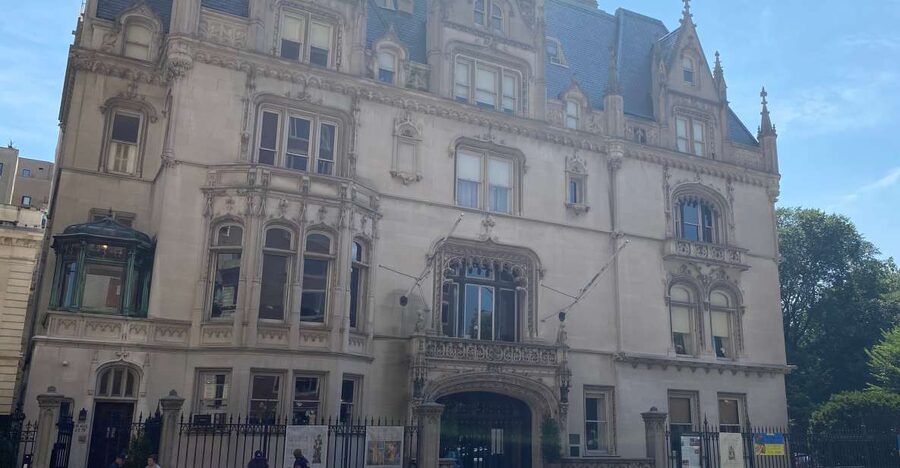
- 972 Fifth Avenue entry: Step inside one of the rare surviving mansion spaces connected with Fifth Avenue’s grand residential past.
- Three significant interiors: The tour includes the main halls of 972 Fifth Avenue, Cooper Hewitt Design Museum, and the Metropolitan Museum of Art.
- Stories beyond architecture: Expect scandals, murder, romance, social ambition, design battles, and enormous family fortunes.
- Excellent visual aids: Guides use iPads and other images to show lost buildings, former residents, and events that shaped the avenue.
- A polished two-hour route: The walk stays close to Fifth Avenue and Central Park, with a manageable pace and limited distance.
- Strong guide lineup: Matthew, Care, AJ, Peter, and other guides have received praise for humor, preparation, clear explanations, and enthusiasm.
Why Fifth Avenue became a millionaire’s parade
The Gilded Age was the period when America’s industrial fortunes grew at astonishing speed. New York became the home of families who made money in railroads, steel, banking, shipping, and other expanding industries.
Their wealth needed a public stage. Fifth Avenue, beside the newly created Central Park, provided it. Families competed to build bigger and more ornate houses, hiring architects who looked to European palaces, French châteaux, Italian Renaissance buildings, and other grand models.
I find this setting especially useful because the tour does not treat the mansions as isolated works of art. It explains the social contest behind them. Every grand doorway, tower, carved detail, and oversized window was part of a public message: we have arrived, we belong here, and our fortune deserves respect.
That message also carried tension. Some families had old social connections, while others had only recently become rich. New money could buy a mansion, but it could not always buy acceptance. The tour uses those divisions to explain why the people behind the buildings were often just as dramatic as the buildings themselves.
More New York City trips worth a second look
- New York in One Day Guided Sightseeing Tour
★ 5.0 · 13,166 reviews - Central Park Pedicab Guided Tours
★ 5.0 · 7,108 reviews - From NYC: Guided Day Trip to Washington DC by Van or Bus
★ 4.7 · 3,418 reviews
Meeting near East 78th Street
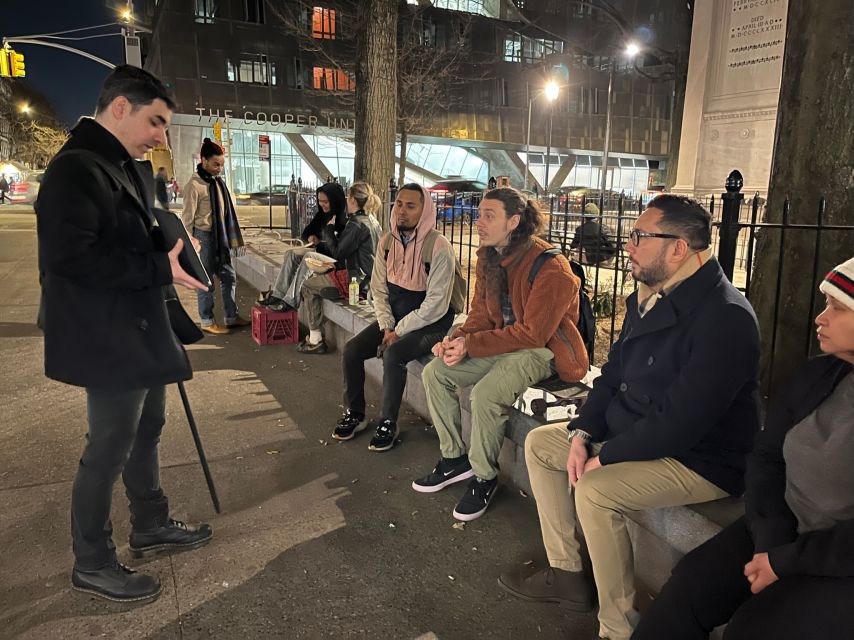
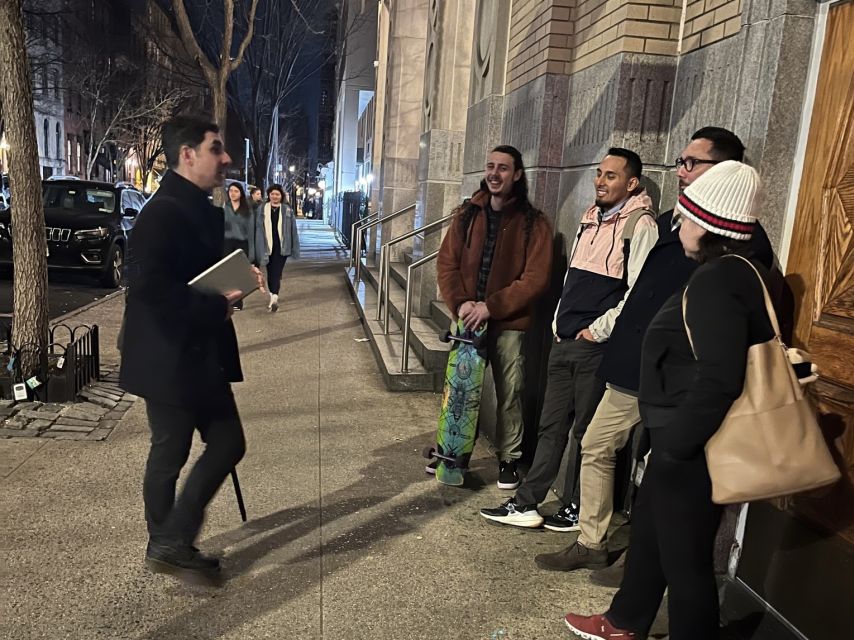
You meet at the stairs of a building on East 78th Street, just off Fifth Avenue. This is a useful starting point because you are already near the heart of the old mansion district, rather than spending the first part of the tour on a long transfer from another neighborhood.
Arrive ready to walk and listen outdoors. The route is close to Central Park and Fifth Avenue, but New York traffic and street noise can make it hard to hear a guide at times. One guide, AJ, has used electronic earpieces so everyone could follow the talk clearly. That feature may be especially welcome in a larger group.
Wear comfortable shoes. The pace is described as pleasant and manageable, not a strenuous march, but you will be on city sidewalks for two hours. Cold and windy weather can make the route less comfortable, so check the forecast and dress for an open avenue beside the park.
Entering 972 Fifth Avenue
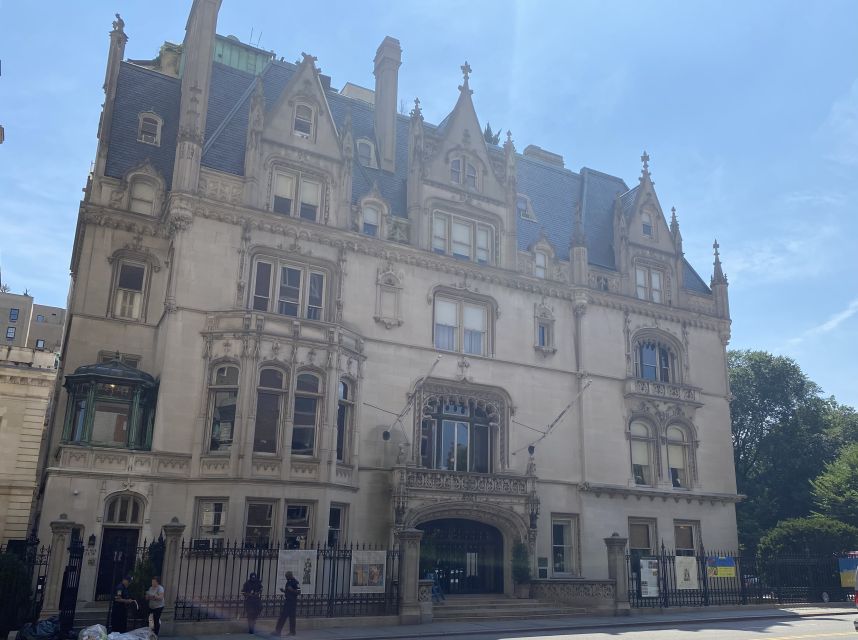
The first major interior access is 972 Fifth Avenue, one of the few surviving mansion spaces in this part of Manhattan. Getting inside matters because the exteriors only tell part of the story. The real statement of Gilded Age wealth was indoors, where architecture, furniture, decoration, entertaining rooms, and private family spaces worked together.
The guide uses the building to explain how these homes functioned as both residences and social stages. You can expect attention to design and the ambitions of the people who commissioned such places.
This is also the point where expectations need managing. The tour does not promise a parade through every room of a preserved private mansion. Entry is limited, and the available interior areas may be more modest than a first-time visitor imagines from television or old photographs.
Still, the access gives the walk more substance than a standard exterior-only sightseeing route. You are not simply looking at façades from the curb. You get at least one close interior encounter, then use the guide’s images and explanations to picture spaces that are inaccessible or gone.
Cooper Hewitt’s main hall
The tour includes entry into the main hall of the Cooper Hewitt Design Museum. This is not the same as a ticket to explore the museum’s exhibitions, so plan on a focused architectural visit rather than a full museum stop.
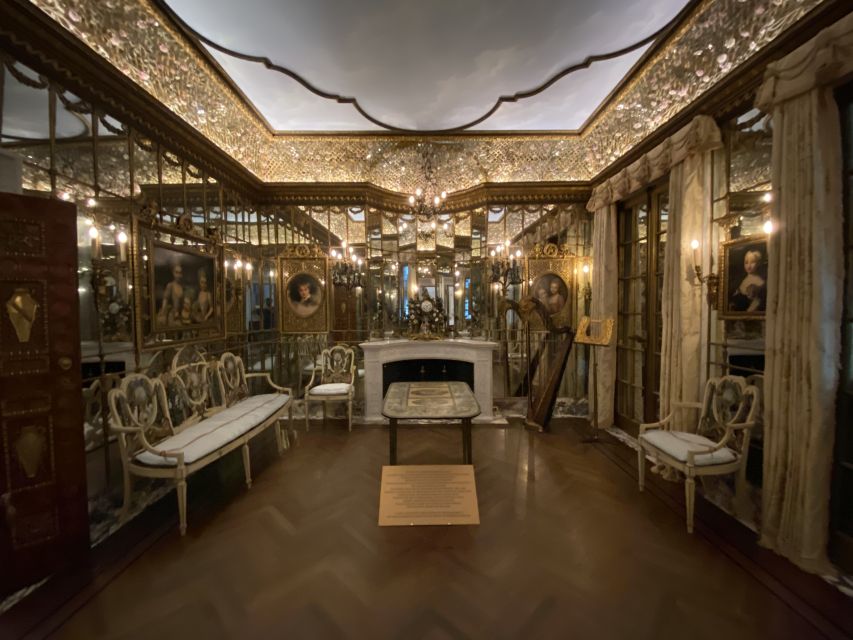
The main hall helps connect the mansions with the world of design. It gives the guide a place to discuss decorative choices, European influences, and the way wealthy New Yorkers used interiors to display taste and status.
I like this part because it keeps the tour from becoming a string of family names and gossip. Design is not just decoration here. It reveals what these households wanted other people to think about them.
If you are interested in the Cooper Hewitt’s exhibits, you will need to buy a separate ticket. That limitation is easy to miss, so keep it in mind when planning your day. The tour gives you an introduction to the building and its setting, not a complete museum visit.
A completely different way to spend a day nearby:
- NYC: SUMMIT One Vanderbilt Tickets
★ 4.7 · 51,195 reviews - NYC: 9/11 Memorial & Museum Timed-Entry Ticket
★ 4.8 · 31,428 reviews - NYC: Empire State Building Tickets – Observatory & Museum
★ 4.7 · 25,757 reviews - NYC: Empire State Building Observation Deck Tickets
★ 4.7 · 22,072 reviews
The Metropolitan Museum of Art main hall
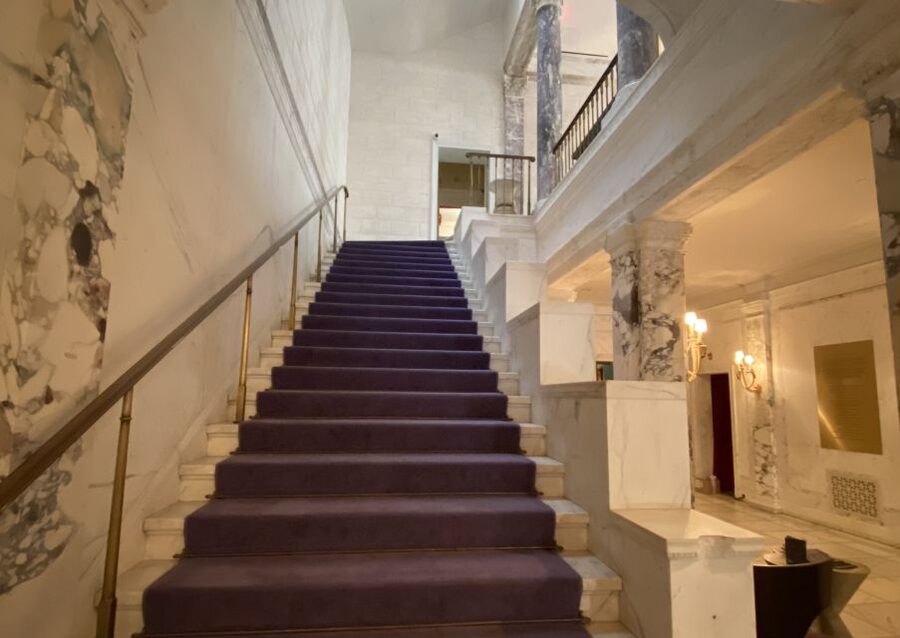
The route also includes entry into the Metropolitan Museum of Art’s main hall. Again, this covers the main hall rather than extended access to the museum’s galleries and collections.
This stop gives the Gilded Age story a broader cultural setting. The same era that produced enormous private houses also produced major public institutions. Wealthy New Yorkers were not only building homes. They were helping shape museums, cultural organizations, and the city’s public identity.
The Met stop is useful if you are already planning to visit the museum. You can use the tour as a preview, then return later with a separate admission ticket to see the collections at your own pace. One particularly convenient pairing is to take the tour in the morning, visit the Met afterward, and then continue into Central Park.
Do not expect a full guided museum tour during these two hours. The main hall is an architectural and historical stop, and the tour’s focus remains the Gilded Age mansions and their owners.
Mansion exteriors, lost buildings, and old photographs
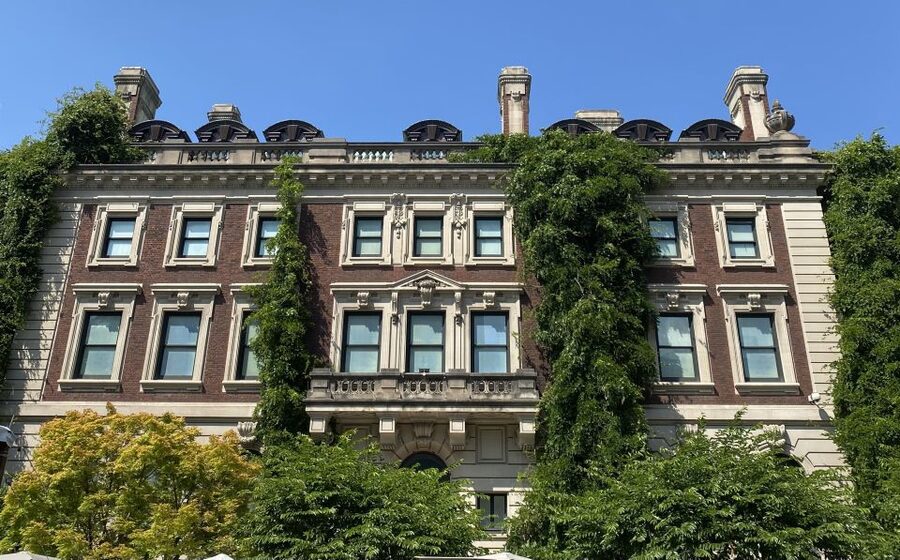
Much of the experience happens outdoors, looking at surviving façades along Fifth Avenue and nearby streets. Your guide points out architectural details and explains how the buildings fit into the old residential district.
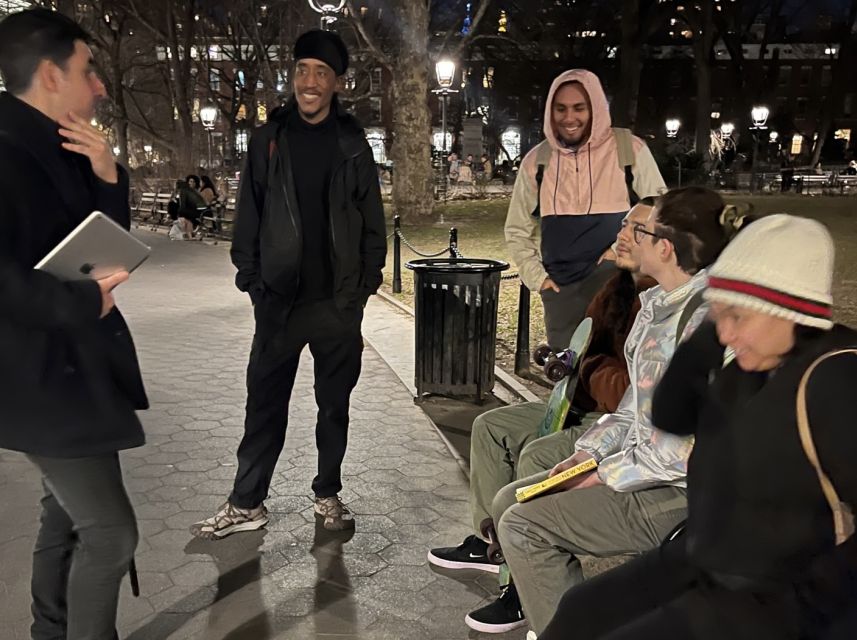
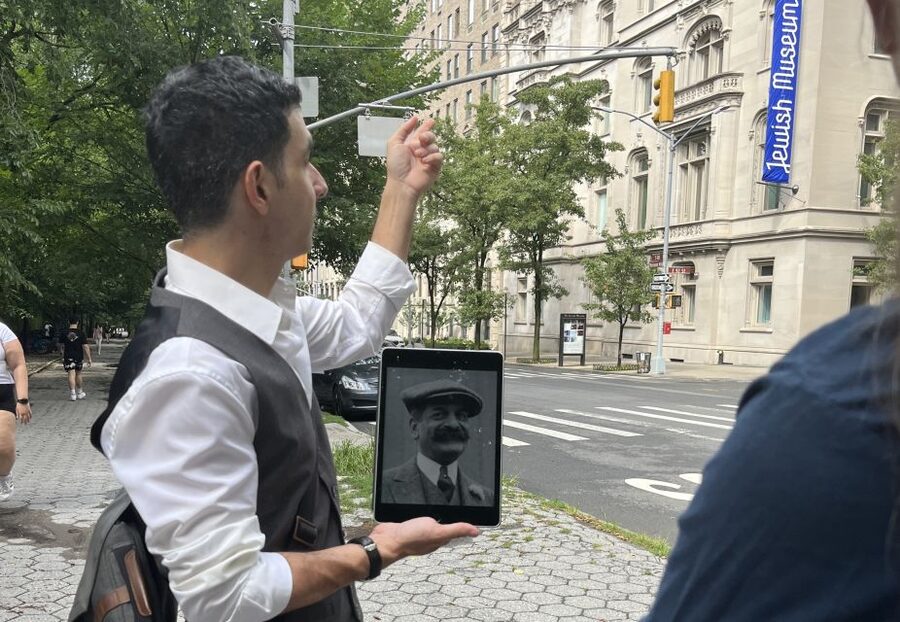
The visual aids add real value. Guides have used iPads to show photographs of people, events, and mansions that were demolished as Manhattan changed. That helps solve one of the biggest problems with historic city walks: you are often standing in front of a modern building with little visible evidence of what came before.
Instead of asking you to imagine an entire vanished block, the guide can place an old image beside the current street view. You begin to see the scale of what disappeared and understand why the surviving structures are so unusual.
The route may also bring in stories from beyond the immediate façades. The point is not only to identify buildings, but to explain the people who built, occupied, designed, and eventually replaced them. The best moments come when a carved doorway or imposing corner becomes the setting for a story about ambition, social pressure, or private scandal.
Scandal, murder, romance, and the people inside
This is not a dry architecture lecture. The subject matter includes power, greed, love, generosity, betrayal, and murder. The Stanford White and Evelyn Nesbit scandal is one example of the kind of sensational episode that may enter the discussion.
Those stories work best when they serve the larger history rather than becoming gossip for its own sake. The guide uses them to show how public reputation mattered in elite New York, how personal relationships could become national news, and how the city’s most powerful families lived under intense social scrutiny.
Fans of HBO’s The Gilded Age will find familiar names, themes, and social tensions. The tour is not a television filming-location walk, and it does not depend on having seen the series. But the show gives you a useful frame of reference for the rivalry between old and new money, the pressure to marry well, and the importance of appearances.
If you know the series, you will likely enjoy recognizing the period’s social customs and then separating dramatized scenes from the actual people and buildings. If you do not know it, the guide’s stories still work as a lively introduction to New York’s upper-class society.
What makes the guides effective
The experience depends heavily on the person leading it. The strongest feedback has centered on guides who combine clear facts with humor and a personal interest in the subject.
Matthew is often described as warm, organized, enthusiastic, and easy to follow. Care has been praised for his storytelling, friendly manner, sense of humor, and ability to handle questions from larger groups. AJ has used an iPad and listening devices to make the talk easier to follow, while Peter has been noted for accommodating special requests.
Other named guides include Michael, who brings passion to the presentation. The exact guide depends on the date and availability, so you should not assume you can select one particular person unless the booking process allows it.
This variety matters because a two-hour history walk can feel overloaded if the guide simply recites dates and names. Here, the most effective approach appears to be conversational. You are encouraged to ask questions, and the guide can adjust the amount of detail to the group.
Large groups may still have a different feel from a private walk. A private or small-group option gives you more room for questions and a closer connection with the guide. A shared group costs less, but you may need to stay attentive near busy streets and keep an eye on the group.
How much walking and standing to expect

The walk is described as limited in distance and centered around several Gilded Age mansions along Fifth Avenue. You are not covering a huge section of Manhattan, but you will spend much of the two hours outside.
There will be periods of standing while the guide explains a building or shows an image. This is worth considering if you have mobility concerns, even though the activity is listed as wheelchair accessible.
The city setting brings some practical variables. Sidewalk congestion, traffic noise, and weather can affect the experience. On a sunny day, the combination of historic buildings and Central Park can make the route especially pleasant. On a cold, windy day, you will want a warm coat and perhaps gloves so you can focus on the stories rather than your fingers.
The tour does not include food or drinks, so bring water if you need it. There is no hotel pickup or drop-off. You make your own way to East 78th Street and continue independently after the tour.
Is the $40 price fair?
At $40 per person, this tour sits in a reasonable range for a two-hour guided experience in Manhattan. The price includes a live English-speaking guide, visual aids, a shared or private walking format depending on your booking, and entry into three main hall spaces.
The value is strongest if you want interpretation rather than simply a route. You could walk Fifth Avenue alone and see the façades, but you would miss the connections between the architecture, the families, the scandals, and the buildings that no longer exist.
The price is less attractive if you expect a full mansion tour with room after room of original interiors. The interior access is limited, and neither the Cooper Hewitt nor the Met admission includes time to explore the full museum.
For me, the best value comes from combining the walk with a separate visit to the Met. The tour gives you the historical frame, then the museum lets you continue your day indoors. You can also pair it with Central Park, which is close to the route and requires no extra admission.
The free-cancellation window is practical: cancel up to 24 hours before the activity for a full refund. You can also reserve now and pay later, which helps if your New York schedule is still shifting.
Who should book this walk?
I would choose this tour if you enjoy architecture, New York society, design, or the human stories behind famous buildings. It also suits readers who like The Gilded Age and want a real-world explanation of the era’s people and social rules.
It is a good choice for a first visit to this section of Manhattan because the guide gives you context that is hard to pick up from the street alone. It also works for repeat visitors who already know New York but want a closer look at the old mansion district.
Book a private or small-group option if you care most about questions, photographs, and a slower conversation. A shared group is likely enough if you mainly want the main stories and a well-organized introduction.
I would skip it only if your priority is extensive interior access. For that, a museum visit or a dedicated house tour may suit you better. This experience is primarily a guided walk with selected interior entries, not a complete tour of private mansions.
My verdict on the Gilded Age mansions tour
I recommend this $40 walk for anyone curious about how money, architecture, and social ambition reshaped New York. The tour’s strongest feature is its balance: you get grand buildings, vanished streets, museum spaces, and lively stories about the people who made the avenue famous.
Go in expecting limited interiors and a lot of outdoor explanation. Wear good shoes, allow for weather, and consider continuing to the Met or Central Park afterward.
If those expectations fit, this is a smart way to spend two hours near Fifth Avenue. You will leave with more than photographs of ornate stonework. You will understand why these houses were built, what they meant to their owners, and why so few of them remain.
FAQ
How long is the NYC Gilded Age Mansions Guided Tour?
The tour lasts two hours.
What is the price?
The listed price is $40 per person.
Where does the tour meet?
Meet at the stairs of the building on East 78th Street, just off Fifth Avenue.
What language is the tour conducted in?
The live tour guide speaks English.
Is the tour wheelchair accessible?
Yes, the activity is listed as wheelchair accessible.
Does the tour include mansion interiors?
It includes entry into 972 Fifth Avenue, along with the main halls of the Cooper Hewitt Design Museum and the Metropolitan Museum of Art. The tour does not provide extensive access to every mansion interior.
Can I explore the Cooper Hewitt after entering the main hall?
A ticket to explore the Cooper Hewitt’s exhibitions is not included. You need a separate ticket for further museum access.
Can I explore the Metropolitan Museum of Art after the tour?
A ticket to explore the Met beyond the main hall is not included. You need a separate museum ticket.
Are food and drinks included?
No. Food and drinks are not included.
Can I cancel for a refund?
Yes. You can cancel up to 24 hours in advance for a full refund. You can also reserve now and pay later.
Recently reviewed around New York City
- Dyker Heights Christmas Lights Guided Tour★ 4.5 · 920 reviews
- New York City Dinner Cruise with Live Music★ 4.0 · 377 reviews
- New York City Holiday Lights Tour★ 4.5 · 664 reviews
- NYC in a Day Tour: Statue of Liberty, Times Square and More★ 5.0 · 366 reviews
- Broadway and Times Square Insider Tour with Theater Professional★ 5.0 · 651 reviews
- NYC Central Park Bicycle Rentals★ 4.5 · 368 reviews
- Central Park Bike Rental New York City★ 4.0 · 560 reviews
- Manhattan Sky Tour: New York Helicopter Flight★ 4.5 · 1,458 reviews
Guided, compared.

History and Hauntings of Salem Guided Walking Tour
Read our review →
Chicago River: 1.5-Hour Guided Architecture Cruise
Read our review →
Lower Antelope Canyon Entry and Navajo Guided Tour
Read our review →

Historic Charleston Guided Sightseeing Walking Tour
Read our review →

Cambridge: Harvard University Student-Guided Walking Tour
Read our review →
Browse the lists this tour appears in