
Reviewed · GUIDED
NYC: SoHo, Little Italy, and Chinatown Guided Tour
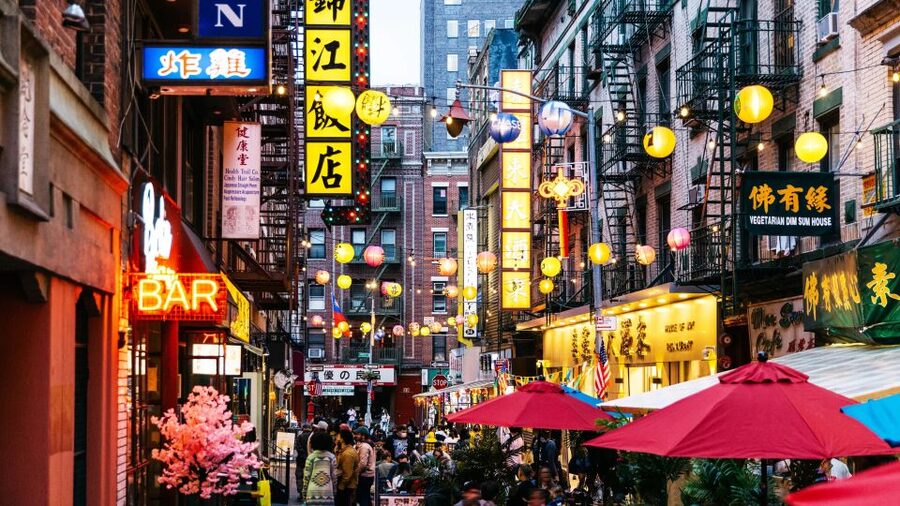
Lower Manhattan changes block by block on this walk. You start among civic buildings and old city landmarks, then move through Chinatown, Little Italy, and SoHo, three neighborhoods where immigration, food, architecture, and modern New York meet. The best part is the way a guide such as Gary, Percy, Fred, or Garrett turns ordinary-looking streets into stories about people, buildings, and old city life.
I like the food stops, because dumplings on Mosco Street and cannoli at Ferrara Bakery give the tour a tasty purpose rather than making it only a history lesson. I also like the small-group format, which lets guides answer questions and adjust their storytelling. The main consideration is pace: two hours covers a lot, so you see the neighborhoods but do not have time for long visits inside attractions or leisurely meals.
In This Review
- Key points at a glance
- Starting at City Hall and Warren Street
- City Hall Park, the Woolworth Building, and St. Paul’s Chapel
- The Brooklyn Bridge from the Manhattan side
- Dumplings and street life in Chinatown
- Mulberry Street, Bayard Street, and Little Italy
- Cannoli at Ferrara Bakery and Cafe
- Grand Street into SoHo
- What the guides add to the route
- Is two hours enough?
- The $30 value and practical details
- Who should book this walk?
- Should you book the SoHo, Little Italy, and Chinatown tour?
- FAQ
- How long does the tour last?
- Where does the tour meet?
- Where does the tour finish?
- Which neighborhoods does the tour visit?
- Is food included in the $30 price?
- What food can I try during the tour?
- What language is the tour conducted in?
- Is the tour wheelchair accessible?
- Can I cancel or pay later?
Key points at a glance
- A three-neighborhood walk: See Chinatown, Little Italy, and SoHo in one compact route through Lower Manhattan.
- Dumplings and cannoli: Food tastings add local flavor, but food and drinks are not included in the $30 price.
- City landmarks first: City Hall Park, the Woolworth Building, St. Paul’s Chapel, and the Brooklyn Bridge frame the walk.
- Guides make the difference: Gary, Percy, Fred, Garrett, Liz, Dave, and others are praised for personal stories, humor, and strong local knowledge.
- A practical two-hour introduction: You get orientation and recommendations, then can return to the places that catch your eye.
- Flexible booking: You can cancel up to 24 hours ahead for a full refund and reserve now with payment later.
Starting at City Hall and Warren Street
The meeting point is the intersection of Warren Street and Broadway, in front of City Hall Subway Station. That is a useful place to begin, since City Hall Park quickly gives you a sense of New York as both a working city and a historic one.
The tour is a walking route, not a hop-on, hop-off outing. Wear shoes that can handle pavement, cobblestones, and two hours on foot. Comfortable, weather-appropriate clothing matters, especially in summer, when one group found the heat tiring, and in wet weather, when a guide had to look for shelter along the way.
Your guide leads in English. The group may be public and small, or private if you select that option. A small group is especially useful here. Chinatown, Little Italy, and SoHo can be crowded and confusing, and a smaller party makes it easier to hear stories, ask questions, and keep a steady pace.
More New York City trips worth a second look
- New York in One Day Guided Sightseeing Tour
★ 5.0 · 13,166 reviews - Central Park Pedicab Guided Tours
★ 5.0 · 7,108 reviews - From NYC: Guided Day Trip to Washington DC by Van or Bus
★ 4.7 · 3,418 reviews
City Hall Park, the Woolworth Building, and St. Paul’s Chapel
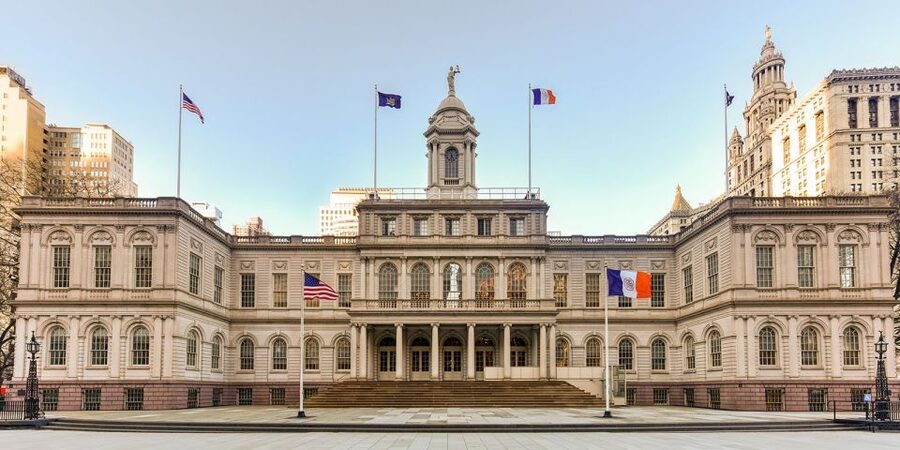
City Hall Park is more than a meeting point. It sets up the city’s political and architectural story, with the grand City Hall complex and the Woolworth Building nearby. The Woolworth is one of the area’s most recognizable towers, and it gives the guide a chance to explain how Lower Manhattan once concentrated much of the city’s power and business.
The route also includes St. Paul’s Chapel. Its presence adds a quieter note before the tour heads toward the bridge and the food neighborhoods. You are not signing up for a long church visit, so expect exterior sightseeing and storytelling rather than an extended indoor tour.
The early part of the walk is useful for first-time visitors because it establishes where you are. Several guides build a wider story around old Manhattan, including subjects such as Collect Pond, Dutch settlers, the Revolutionary War, and the city’s later growth. Percy has also been praised for linking early New York to the modern skyline, while Fred connected the city’s past to major projects such as the Brooklyn Bridge and LaGuardia Airport.
That range can make the tour feel bigger than its neighborhood title suggests. You are not only learning where to eat in Chinatown. You are also getting a quick lesson in how Manhattan developed.
The Brooklyn Bridge from the Manhattan side
The Brooklyn Bridge is a sightseeing stop rather than a full bridge crossing. You get views toward the bridge, the East River, and the city skyline, along with an explanation of the bridge’s engineering and its role in linking Manhattan and Brooklyn.
This is one of the tour’s best photo pauses. The bridge’s stonework and cables are instantly recognizable, and the area gives you a strong sense of Lower Manhattan’s scale. If you want to walk the entire bridge, plan that separately. The advertised tour lasts two hours and continues into Chinatown, Little Italy, and SoHo, so the bridge portion is about seeing and understanding it, not making a full crossing.
I like this stop because it keeps the route tied to major New York landmarks without turning the experience into a standard landmark checklist. Your guide can explain why the bridge mattered, then lead you into streets where the city’s story is told through shops, restaurants, and neighborhood buildings.
Dumplings and street life in Chinatown
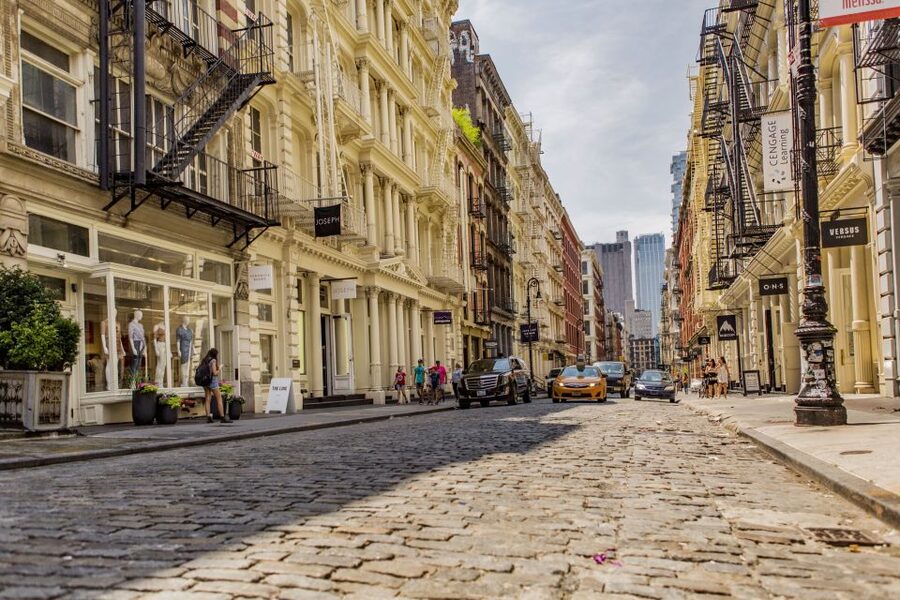
Chinatown is where the tour becomes more sensory. The route includes Mosco Street for a food tasting, with dumplings as the featured bite. The dumplings are not simply a snack. The guide explains their place in Chinese food culture and connects them to the neighborhood’s traditions.
Food is not included in the tour price, so carry some spending money if you want to eat. This arrangement has one advantage: you choose whether to buy a portion, and you can decide what suits your appetite. One visitor particularly liked being shown a good place for fried dumplings, while another appreciated that the food was not prepaid.
Chinatown is also a place where a guide adds real value. You can walk the streets alone, but you may miss the meaning behind the businesses, the changing neighborhood, and the customs represented by the food. The guide’s job is to give you enough context to see more than storefronts.
Expect a tasting stop rather than a sit-down lunch. The tour needs to keep moving, and the food break is short. If you want a larger meal, save it for after the walk and ask your guide for recommendations. Several guides have offered food suggestions for returning later, which makes the tour more useful beyond its two-hour schedule.
A completely different way to spend a day nearby:
- NYC: SUMMIT One Vanderbilt Tickets
★ 4.7 · 51,195 reviews - NYC: 9/11 Memorial & Museum Timed-Entry Ticket
★ 4.8 · 31,428 reviews - NYC: Empire State Building Tickets – Observatory & Museum
★ 4.7 · 25,757 reviews - NYC: Empire State Building Observation Deck Tickets
★ 4.7 · 22,072 reviews
Mulberry Street, Bayard Street, and Little Italy
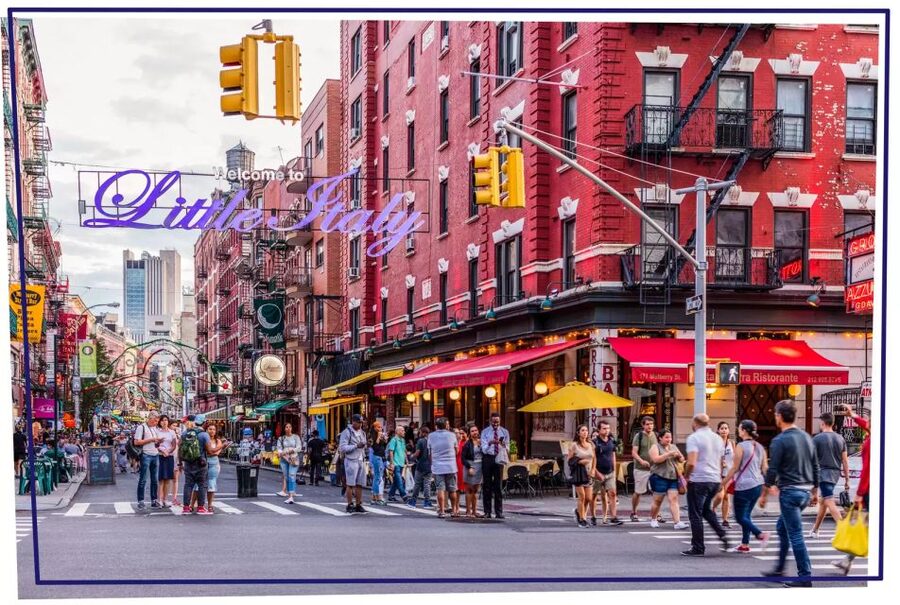
From Chinatown, the route passes along Mulberry Street and Bayard Street before reaching Little Italy. These streets show how closely the two neighborhoods sit together, and how their boundaries can blur as you walk.
The Little Italy section focuses on immigrant life, family traditions, food, and the neighborhood’s changing identity. Your guide also tells stories connected to the Italian Mafia and other local legends. That subject can easily become theatrical, so it is worth listening for the broader setting rather than expecting a crime-only tour. The more useful approach is to hear how real people, businesses, and families shaped the area.
The walk gives you a chance to compare Chinatown and Little Italy without treating either neighborhood as a museum. Both are living parts of New York, even as tourism has changed their streets. The guide helps explain what has stayed, what has shifted, and why the neighborhoods remain so closely associated with food and immigrant culture.
This section also suits visitors who enjoy New York’s connection to film and popular culture. One person noted that the route included places famous from movies. The tour does not promise a dedicated film-location walk, but you may recognize familiar streets and buildings along the way.
Cannoli at Ferrara Bakery and Cafe
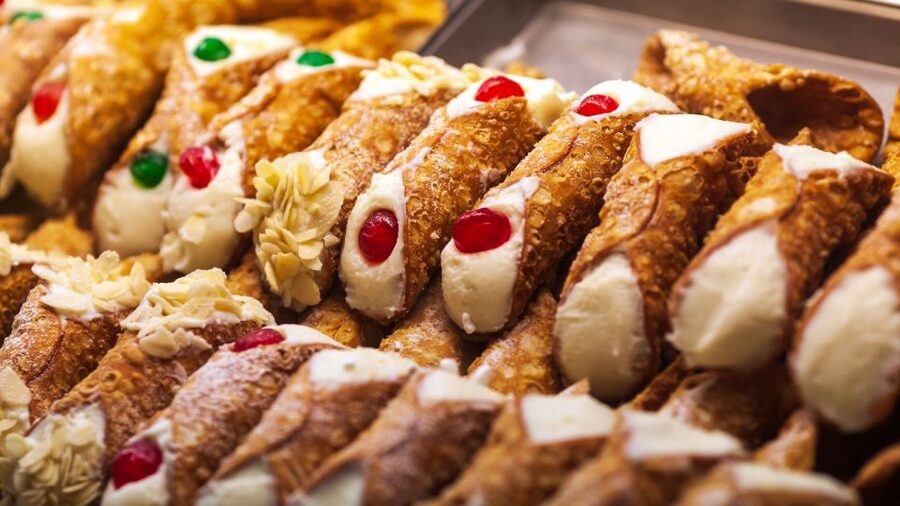
Ferrara Bakery and Cafe is the Little Italy food stop, with cannoli as the treat. Ferrara is named specifically, so this is more useful than a vague promise of something sweet somewhere along the route.
Again, the cannoli is not included in the $30 tour cost. You pay separately, which keeps the basic price low and lets you decide if you want the pastry. For many people, this is a pleasant pause after the savory Chinatown stop. For others, it may feel like an extra expense, particularly if you also buy dumplings or other snacks.
I see the food as part of the tour’s value, not the main value. You are paying for the route, guide, explanations, and access to places you might not connect on your own. The dumpling and cannoli stops give the route rhythm and help you remember the neighborhoods, but do not book this expecting a full food tour.
If you are interested in Italian-American culture, this stop works especially well when paired with the stories about immigration and neighborhood life. The pastry becomes a small, concrete example of how culinary traditions survived and became part of New York’s identity.
Grand Street into SoHo
The route then heads along Grand Street toward SoHo. This transition is important because SoHo feels different from Chinatown and Little Italy. The streets broaden into a district known for cast-iron buildings, galleries, boutiques, and a creative commercial scene.
The guide explains SoHo’s shift from industrial roots to its present role in art, fashion, shopping, and design. That change is one of the most useful themes of the entire walk. SoHo is often reduced to attractive facades and expensive stores, but its buildings make more sense when you understand how the district changed over time.
The itinerary includes the Haughwout Building, Greene Street, and Prince Street. These stops give you specific architecture to look at rather than a general stroll through shopping streets. The Haughwout Building is especially notable for its cast-iron exterior, while Greene Street offers some of the strongest architectural views in the area.
Prince Street is the finish, at Prince Street in New York, ZIP code 10012. Ending in SoHo is practical. You can continue shopping, look for a cafe, or retrace the streets and buildings that interested you. The guide may also point you toward places to return to later.
What the guides add to the route
The tour’s strongest feature is the guide, and the individual names matter because the style can vary. Gary is repeatedly praised for enthusiasm, local pride, humor, and a relaxed approach. He has used pop quizzes and personal stories to keep the walk active rather than lecture-like.
Percy is known for connecting small street details to major subjects such as Dutch settlement, the Revolutionary War, Manhattan’s skyline, and neighborhood change. Fred has been praised for storytelling, practical recommendations, and a calm pace. Garrett is described as expressive and attentive, with a talent for making history and architecture feel connected to the streets around you.
Other guides, including Liz, Dave, Jared, Jim Quinn, Bryant, Ray, and Care, have also led highly regarded walks. Liz has been especially good at sharing extra facts and book recommendations. Dave has focused on photo opportunities and surprising details, while Jared has been praised for wit and for making small groups feel personal.
The precise experience depends on who leads your departure. That is normal for a walking tour, but it is worth keeping in mind. You are buying the route and the local guide rather than a fixed audio script. The best guides adjust to questions, weather, and group size.
Is two hours enough?
Two hours is enough for a first look, not a complete study of four districts and several landmarks. You cover City Hall Park, the Woolworth Building, St. Paul’s Chapel, the Brooklyn Bridge area, Chinatown, Little Italy, and SoHo in a compact stretch.
That can feel efficient, especially if you are new to New York and want orientation early in your visit. You get a useful map in your head, learn where the neighborhoods meet, and collect ideas for later meals and sightseeing.
The tradeoff is limited time at each stop. You will not have long to browse shops, sit down for a meal, explore every building, or linger at the bridge. Some walks have lasted a little more than two hours, but you should still plan your day around the advertised two-hour length.
I would book it near the beginning of a New York stay. Then you can return to Chinatown for a longer meal, revisit Little Italy for another pastry, or spend an afternoon looking more closely at SoHo’s architecture.
The $30 value and practical details
At $30 per person, the tour is reasonably priced for a guided two-hour walk through several major Lower Manhattan areas. The value comes from the guide’s stories and route planning. Without a guide, you can reach these neighborhoods easily, but you may not understand the connections between buildings, food, immigration, crime legends, and city development.
Budget a little extra for dumplings and cannoli because food and drinks are excluded. Hotel pickup and drop-off are also not included, so you need to reach Warren Street and Broadway on your own and arrange your onward travel from Prince Street.
The tour is wheelchair accessible, and it includes multiple photo opportunities. You can cancel up to 24 hours in advance for a full refund, and the reserve-now, pay-later option helps if your schedule is still shifting. Starting times vary, so check availability when booking.
Who should book this walk?
I recommend it for first-time New York visitors who want a quick introduction to Lower Manhattan, food-minded visitors who like history with a snack, and repeat visitors who want more context than a self-guided stroll provides.
It also works well for solo visitors. A small group can make the city feel less imposing, and one solo participant described the experience as exploring New York with a friend. Families and mixed-age groups should find the short food stops and varied subjects easy to follow, though younger children need to be comfortable walking for two hours.
You may want a different tour if your priority is a long food crawl, extensive indoor sightseeing, a full Brooklyn Bridge crossing, or a slow architecture study. This is a lively overview with several themes, not a specialist tour.
Should you book the SoHo, Little Italy, and Chinatown tour?
Book it if you want a compact, story-led introduction to three famous neighborhoods and appreciate a guide who can answer questions rather than simply recite facts. The combination of City Hall landmarks, bridge views, dumplings, cannoli, immigrant stories, Mafia legends, and SoHo architecture gives you plenty of variety for $30.
Go in with sensible expectations. Food costs extra, the route moves at a steady pace, and two hours cannot cover every corner. Choose comfortable shoes, bring weather-appropriate clothing and a little cash for tastings, then use the final stop in SoHo as a springboard for your own exploring.
FAQ
How long does the tour last?
The advertised duration is two hours. Some walks may run slightly longer, but you should plan around a two-hour schedule.
Where does the tour meet?
Meet your guide at the intersection of Warren Street and Broadway, in front of City Hall Subway Station.
Where does the tour finish?
The tour finishes on Prince Street in SoHo, New York, ZIP code 10012.
Which neighborhoods does the tour visit?
The route visits Chinatown, Little Italy, and SoHo, with opening stops around City Hall Park and the Brooklyn Bridge.
Is food included in the $30 price?
No. Food and drinks are not included. You can purchase dumplings in Chinatown and cannoli at Ferrara Bakery and Cafe separately.
What food can I try during the tour?
The food stops include dumplings on Mosco Street and cannoli at Ferrara Bakery and Cafe in Little Italy.
What language is the tour conducted in?
The live tour guide speaks English.
Is the tour wheelchair accessible?
Yes, the activity is listed as wheelchair accessible.
Can I cancel or pay later?
You can cancel up to 24 hours in advance for a full refund. The reserve-now, pay-later option lets you hold a place without paying immediately.
Recently reviewed around New York City
- Dyker Heights Christmas Lights Guided Tour★ 4.5 · 920 reviews
- New York City Dinner Cruise with Live Music★ 4.0 · 377 reviews
- New York City Holiday Lights Tour★ 4.5 · 664 reviews
- NYC in a Day Tour: Statue of Liberty, Times Square and More★ 5.0 · 366 reviews
- Broadway and Times Square Insider Tour with Theater Professional★ 5.0 · 651 reviews
- NYC Central Park Bicycle Rentals★ 4.5 · 368 reviews
- Central Park Bike Rental New York City★ 4.0 · 560 reviews
- Manhattan Sky Tour: New York Helicopter Flight★ 4.5 · 1,458 reviews
Guided, compared.
History and Hauntings of Salem Guided Walking Tour
Read our review →
Chicago River: 1.5-Hour Guided Architecture Cruise
Read our review →
Lower Antelope Canyon Entry and Navajo Guided Tour
Read our review →

Historic Charleston Guided Sightseeing Walking Tour
Read our review →
Cambridge: Harvard University Student-Guided Walking Tour
Read our review →
Browse the lists this tour appears in