
Reviewed · TICKETS
NYC: The Frick Collection Entry Ticket
The Frick Collection gives you something New York’s giant museums cannot: great European art in a real historic mansion. Bellini, Rembrandt, Vermeer, Fragonard, Turner, Constable, and other masters appear in rooms designed to feel like rooms, not airport hangars. The museum reopened its Fifth Avenue home in April 2025 after a major renovation, and the restored interiors are part of the attraction.
I like the quiet scale and the way the art sits beside fine furniture, rugs, fountains, and architectural details. I also like that the newly opened second floor adds more paintings, sculpture, and decorative objects without turning the visit into an all-day endurance test. The main catch is simple: the $30 ticket is not cheap for a small museum, and busy periods can still mean slow movement inside.
- Restored Fifth Avenue mansion: Explore Henry Clay Frick’s former home, with renovated galleries and carefully finished rooms.
- Old Masters in an intimate setting: See works associated with Bellini, Rembrandt, Vermeer, Titian, El Greco, Van Dyck, and others.
- New second-floor galleries: Find smaller paintings, sculpture, and decorative arts in areas newly opened to the public.
- A visit you can finish in an hour or linger over all day: The building is compact, but the collection rewards slow looking.
- Practical advance planning: Bring your mobile ticket, avoid large bags and liquids, and book early for the smoothest entry.
In This Review
- A mansion where the building is part of the collection
- What you’ll see on the first floor
- The second floor changes the shape of the visit
- Why the renovation matters
- The garden offers a pause from Fifth Avenue
- How much time should you plan?
- Tickets, entry, and the small details that matter
- Bags, bottles, and photography rules
- Staff, audio, cafe, and gift shop
- Who will enjoy The Frick most?
- Is the $30 ticket good value?
- Should you book The Frick Collection?
- FAQ
- How much does entry to The Frick Collection cost?
- How long is the ticket valid?
- How do I enter the museum?
- Do I need to choose a starting time?
- Can I cancel my ticket?
- Can I reserve now and pay later?
- Are children allowed in the museum?
- Is The Frick Collection wheelchair accessible?
- Can I take photographs inside?
- Can I bring a bottle or large bag?
A mansion where the building is part of the collection
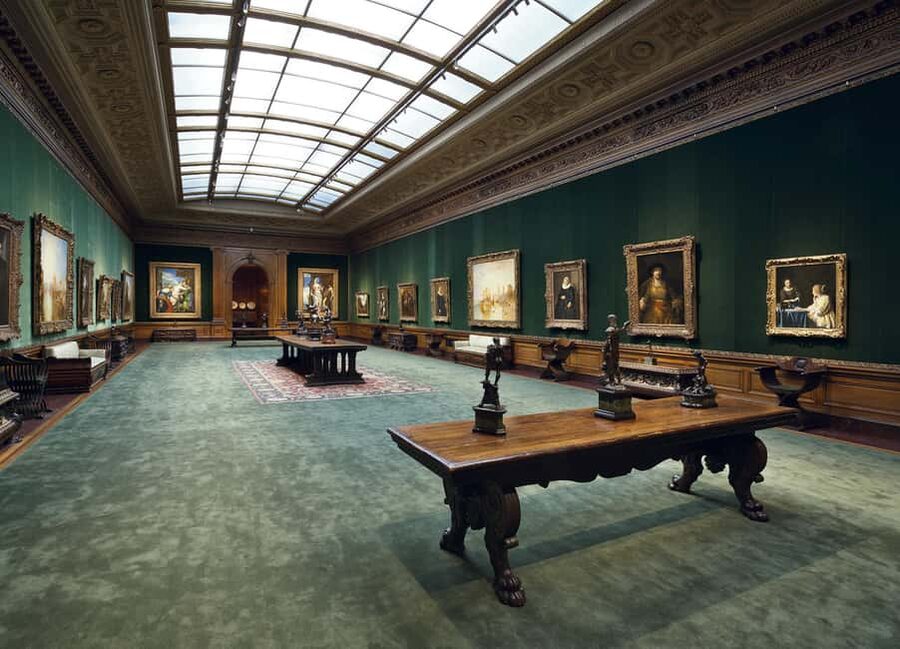
The Frick is not simply a gallery with art hung on white walls. The house gives each room a mood and a sense of proportion. You move through restored spaces where paintings share attention with fireplaces, fabrics, rugs, furniture, fountains, and woodwork.
That setting matters. A Rembrandt portrait feels different when you see it in a room built for domestic life rather than in a large public hall. The scale encourages you to stop, look closely, and notice how the art relates to everything around it.
The renovation has refreshed the interiors while opening more of the building to the public. On the first floor, many familiar masterworks have returned to restored galleries. Upstairs, you’ll find smaller works and decorative pieces that broaden your sense of how the collection was assembled.
I would allow at least two hours if you want to read labels, use the audio material, and spend time in the garden. You can pass through the rooms in about an hour if you keep moving, but that approach leaves much of the Frick’s appeal behind.
What you’ll see on the first floor

The first floor is the heart of the visit. This is where the museum’s most famous rooms and best-known paintings make their strongest impression.
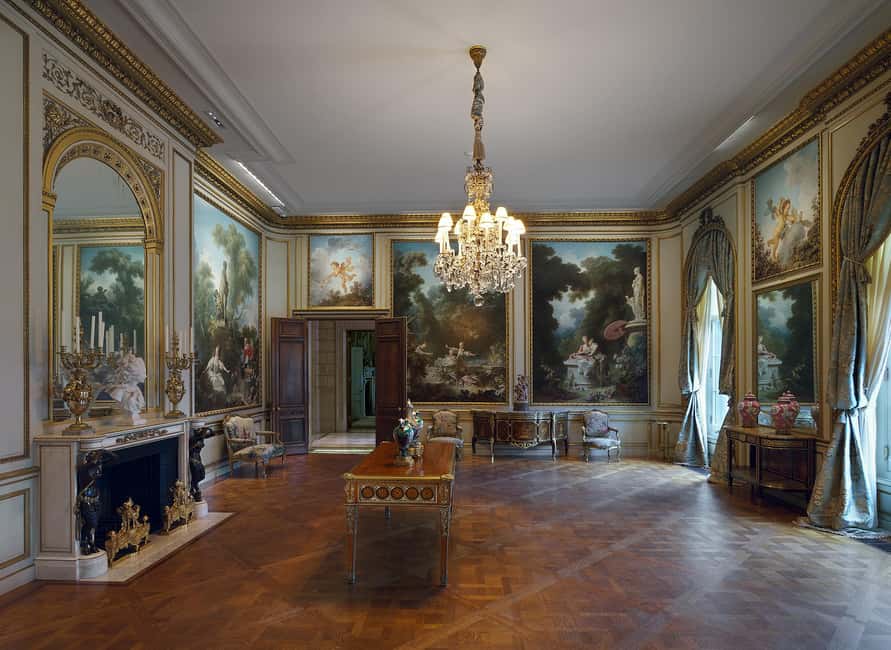
You can expect a sequence of galleries devoted to European art from the Renaissance through the nineteenth century. The collection includes works by Bellini, Fragonard, Rembrandt, Vermeer, Turner, Constable, Van Dyck, Titian, El Greco, Renoir, Monet, and Degas. The exact display can change, but the range is unusually strong for a museum of this size.
The Frick is particularly rewarding if you like fifteenth-, sixteenth-, and seventeenth-century painting. The Renaissance and Old Master holdings receive a major share of the attention after the renovation. You might find several works by an important artist in close proximity, making it easier to compare style, subject, and brushwork.
Vermeer is a major draw. Even a small group of paintings by this artist can command a room, and the Frick’s presentation gives you time to look without the crush that often surrounds famous pictures elsewhere. Rembrandt and Bellini provide another reason to slow down, especially if you enjoy portraits, religious scenes, and the effects of light on faces and fabric.
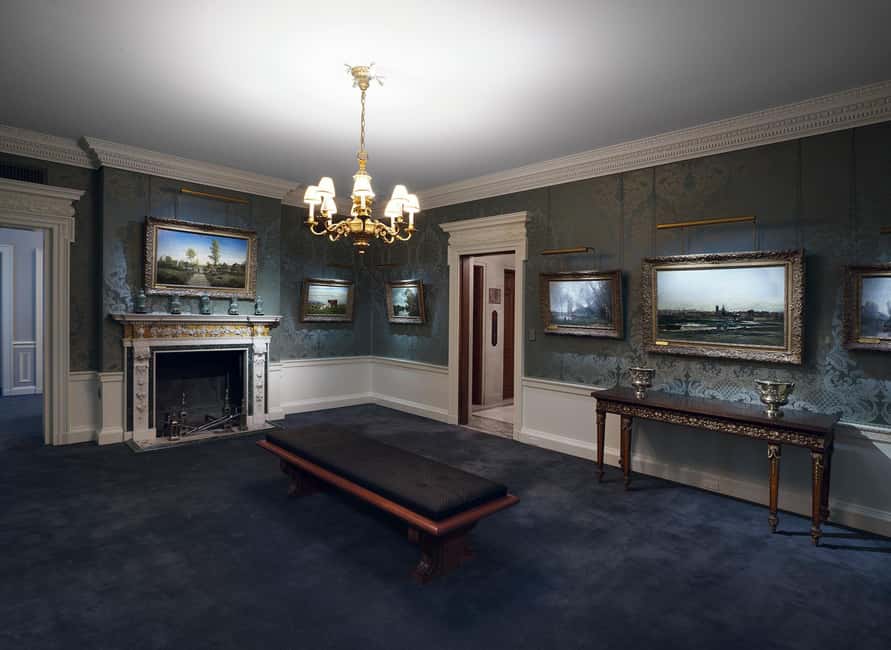
The collection also reaches into later centuries. Turner and Constable add British painting, while Renoir, Monet, and Degas represent a later French tradition. If Impressionism is your main reason for visiting, keep your expectations measured. The display may include fewer Impressionist paintings than you remember from an earlier visit, while Renaissance works now receive greater emphasis.
More New York City trips worth a second look
- NYC: SUMMIT One Vanderbilt Tickets
★ 4.7 · 51,195 reviews - NYC: 9/11 Memorial & Museum Timed-Entry Ticket
★ 4.8 · 31,428 reviews - NYC: Empire State Building Tickets – Observatory & Museum
★ 4.7 · 25,757 reviews
The second floor changes the shape of the visit
The newly opened second floor gives you more than extra gallery space. It helps explain that The Frick Collection is not only about famous paintings.
Here you’ll encounter smaller-scale works, sculpture, and decorative arts. These objects reward close looking because their appeal often lies in surface, material, and craftsmanship. A carved figure, a finely made piece of furniture, or a decorative object can show you how the Frick collection worked as a whole.
The upstairs rooms may feel more crowded in transition areas during busy periods. Still, they add useful depth to the visit, especially if you have already seen the famous first-floor paintings and want a broader picture of the collection.
I appreciate this part of the museum because it slows the pace. The best Frick visit is not a race from famous name to famous name. Take time to compare the scale of the objects, the colors of the rooms, and the way decorative pieces support the paintings nearby.
Why the renovation matters
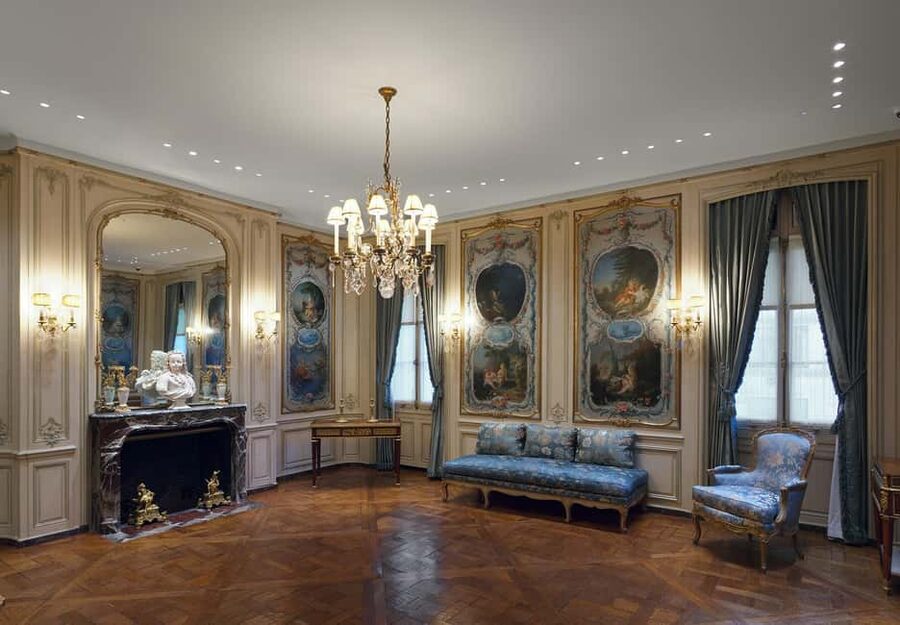
The renovation is not just a fresh coat of paint. It changes how much of the house you can see and how the collection is arranged.
Restored colors, fabrics, rugs, and architectural finishes help recover the character of the former residence. The result is polished and impressive. At the same time, the updated museum presents more works and gives the second floor a larger role.
That creates a fair tradeoff. Some people will love the cleaner, more complete presentation. Others may miss the slightly worn, residential charm of the older arrangement. I can understand both reactions. The house now feels more prepared for a major public museum, but some of its old domestic intimacy may feel less immediate.
The renovation is especially valuable for first-time visitors. You get a clearer route through the building, more rooms to explore, and a chance to see the collection in a setting that has been carefully repaired. If you visited before the work, the experience may feel familiar in some rooms and noticeably different in others.
The garden offers a pause from Fifth Avenue
The garden is one of the museum’s best rewards. It gives you a quiet place to sit after concentrating on paintings and interiors.
The garden associated with Russell Page has been restored, adding another layer to the house. Its appeal depends on the season and weather. In snow or bad weather, you may not be able to enjoy it fully, but in pleasant conditions it offers a welcome pause.
I would not treat the garden as a quick photo stop. Since photography is permitted outdoors, you can take pictures there, but the better use of the space is simply to sit for a few minutes. The garden helps explain why this building was a home as well as a container for art.
A completely different way to spend a day nearby:
- NYC: Empire State Building Observation Deck Tickets
★ 4.7 · 22,072 reviews - NYC: Edge Observation Deck Admission Ticket
★ 4.6 · 20,918 reviews - New York City: Statue of Liberty & Ellis Island with Ferry
★ 4.6 · 18,683 reviews - New York City: American Museum of Natural History Ticket
★ 4.5 · 15,447 reviews
How much time should you plan?

The ticket is valid for one day, and starting times depend on availability. In practical terms, you should choose a time that lets you visit without rushing to another major attraction.
An hour is enough for a brisk circuit. I would plan two to three hours for a more satisfying visit, especially if you want to:
- Look closely at the major paintings
- Explore the second-floor rooms
- Spend time in the garden
- Use the audio material
- Visit the cafe or gift shop
A busy Saturday or midday visit can take longer because rooms and connecting areas may slow down. Timed entry controls the number of people coming in, but it does not guarantee empty galleries. For the most relaxed experience, choose the beginning of the day, a quieter weekday period, or the final part of the opening hours.
Tickets, entry, and the small details that matter
Admission costs $30 per person. That is a fair price if you value Old Master painting, historic interiors, and a compact museum you can experience at a measured pace. It is less attractive if you want a large range of modern or contemporary art, or if you judge museum value mainly by the number of galleries.
Your mobile ticket is used for entry. Advance booking is a smart move because timed tickets can sell out, and it helps you avoid arriving without a plan. The ticket includes entry to the collection, but not every performance or space connected with the building. In particular, the basement performance hall is not included in this admission.
The activity offers free cancellation up to 24 hours before the visit, and you can reserve now and pay later. That is useful if your New York schedule is still shifting. The advertised ticket arrangement is designed to let you skip the ticket line, but allow extra time for entrance procedures, especially during busy periods.
The museum is wheelchair accessible. Children aged 10 and under are not permitted, so this is an adult-focused cultural stop rather than a family activity for younger children.
Bags, bottles, and photography rules
The restrictions are stricter than at many large art museums, so plan ahead.
Large bags, luggage, garment bags, and other oversized items cannot go into the galleries. Oversized belongings must be left at the coat check. A small backpack-style purse or hoodie can also attract attention from room staff, so carry as little as possible.
Liquids and bottles are not allowed in the galleries unless they are medically necessary. The practical advice is simple: leave your water bottle behind before entering. This rule is easy to forget, particularly on a hot day in New York.
Photography is allowed only in the lobby and garden. You cannot photograph the art or interiors inside the museum. If you like documenting every stop on a trip, this may frustrate you. If you are happy to put your phone away and look carefully, the rule can help keep the rooms calmer.
Staff, audio, cafe, and gift shop
Staff are visible throughout the building, and room attendants can help with directions and questions. I find that useful in a house museum, where the route is not always as obvious as it is in a simple rectangular gallery.
Free audio material is available, giving you more context than the short labels alone. The mobile format may feel less convenient if you prefer not to use your phone while looking at art. Still, it is worth trying for the major rooms and paintings.
The cafe is a pleasant addition, but plan for limited seating at popular times. On a busy day, you may want to put your name down early and visit the galleries while you wait. Prices reflect New York, so consider it a convenient break rather than a budget meal.
The gift shop carries attractive objects connected with the museum and its collection. It is a useful place to pick up a book if you want more information about Henry Clay Frick and the way he built the collection.
Who will enjoy The Frick most?
I would recommend this ticket to anyone who enjoys European painting, historic homes, decorative arts, and museums where quality matters more than size.
It is particularly good for:
- Art lovers who want time with Bellini, Rembrandt, Vermeer, and other major artists
- Visitors who prefer an intimate museum to a huge public institution
- People interested in restored interiors and domestic architecture
- Repeat New York visitors looking for a focused Fifth Avenue stop
- Anyone who wants a visit that can fit into a morning or afternoon
I would think twice if your main interests are modern art, large temporary exhibitions, or family attractions for young children. The museum’s focus is clear, and it leans strongly toward Renaissance and Old Master painting.
Is the $30 ticket good value?
For me, the value comes from the combination. You are not paying only to see individual paintings. You are paying for a collection, a historic house, restored rooms, a garden, and a visit that does not require an entire day.
Compared with a giant museum, The Frick offers less quantity but a stronger sense of place. You can see important art without walking miles between galleries. That makes the ticket appealing for a focused cultural afternoon.
The price feels less worthwhile if you rush through in 45 minutes, dislike older European art, or expect photography throughout the building. Book it when you are ready to give the museum your attention. This is a place for looking, not collecting phone snapshots.
Should you book The Frick Collection?
Book this experience if you want major European art in an elegant, human-sized setting. The restored Fifth Avenue home, strong Vermeer and Rembrandt holdings, added second-floor rooms, and peaceful garden make it one of New York’s most distinctive museum visits.
Choose your time carefully, bring only a small amount, and leave your water bottle in the coat check or elsewhere. I would aim for an early or quieter entry and allow two hours or more. If Renaissance and nineteenth-century European art appeal to you, the $30 admission is worthwhile. If your heart belongs mainly to Impressionism or contemporary work, check the current display before booking.
FAQ
How much does entry to The Frick Collection cost?
Admission costs $30 per person.
How long is the ticket valid?
The ticket is valid for one day.
How do I enter the museum?
Present your mobile ticket for entry.
Do I need to choose a starting time?
Starting times depend on availability, so check the available options when booking.
Can I cancel my ticket?
Yes. You can cancel up to 24 hours in advance for a full refund.
Can I reserve now and pay later?
Yes. The booking option lets you reserve your spot and pay later.
Are children allowed in the museum?
Children aged 10 and under are not permitted.
Is The Frick Collection wheelchair accessible?
Yes, the museum is wheelchair accessible.
Can I take photographs inside?
No. Photography is permitted only in the Frick lobby and garden.
Can I bring a bottle or large bag?
Liquids and bottles are not allowed in the galleries unless medically necessary. Luggage and oversized items must be left at the coat check, and large bags cannot be carried into the galleries.
Recently reviewed around New York City
- Dyker Heights Christmas Lights Guided Tour★ 4.5 · 920 reviews
- New York City Dinner Cruise with Live Music★ 4.0 · 377 reviews
- New York City Holiday Lights Tour★ 4.5 · 664 reviews
- NYC in a Day Tour: Statue of Liberty, Times Square and More★ 5.0 · 366 reviews
- Broadway and Times Square Insider Tour with Theater Professional★ 5.0 · 651 reviews
- NYC Central Park Bicycle Rentals★ 4.5 · 368 reviews
- Central Park Bike Rental New York City★ 4.0 · 560 reviews
- Manhattan Sky Tour: New York Helicopter Flight★ 4.5 · 1,458 reviews
Tickets, compared.



Empire State Building Tickets – Observatory & Museum
Read our review →
Empire State Building Observation Deck Tickets
Read our review →



Browse the lists this tour appears in