
Reviewed · SEATTLE TOURS
Seattle: Chihuly Garden and Glass Entry Ticket
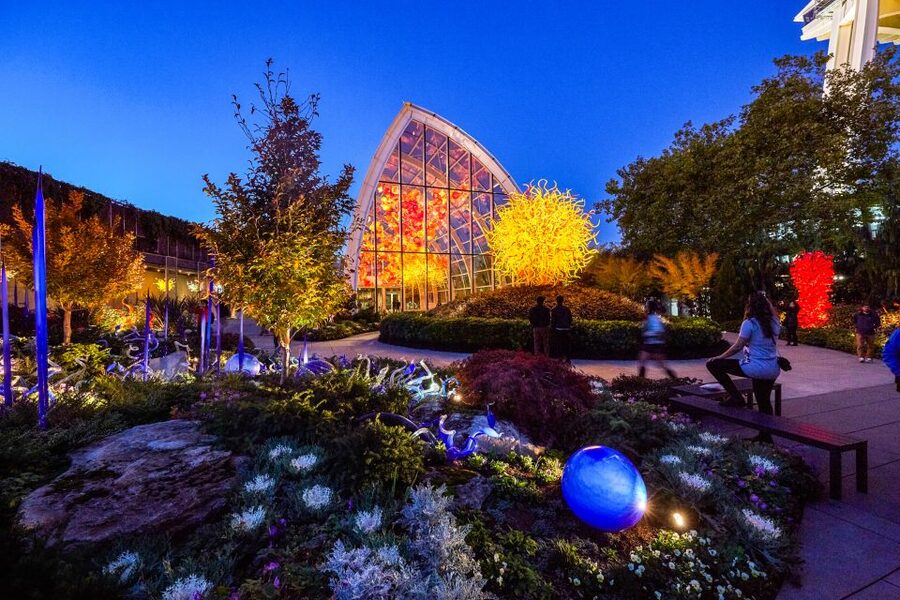
Chihuly Garden and Glass turns blown glass into a full sensory show, with glowing color, steel, sunlight, flowers, and impossible-looking forms at every turn. The 100-foot suspended sculpture inside the Glasshouse is the grand finale, but the outdoor garden may be the most memorable surprise.
I like the freedom to move at your own pace, and I like the mix of art, short films, gallery talks, and live demonstrations. The location beside the Space Needle makes it easy to pair two major Seattle Center sights in one outing. The main drawback is price: at $45 per person, this is not a cheap museum visit, especially if you expect to spend only about two hours inside.
In This Review
- Key Points at a Glance
- What Makes Chihuly Garden and Glass Worth Your Time
- Begin Inside With Eight Focused Galleries
- The Glasshouse and Its 100-Foot Suspended Sculpture
- The Garden Puts Glass Beside Living Plants
- Films, Gallery Talks, and Live Glass Demonstrations
- How Much Time Should You Allow?
- Price, Food, and Overall Value
- Getting There and Redeeming Your Ticket
- Who Will Enjoy This Most?
- A Practical Plan for Your Visit
- Should You Book Chihuly Garden and Glass?
- FAQ
- How much does admission to Chihuly Garden and Glass cost?
- How long is the ticket valid?
- Is an audio guide included?
- Is Chihuly Garden and Glass wheelchair accessible?
- Where do I redeem the ticket?
- Can the ticket be canceled?
Key Points at a Glance
- The Glasshouse is the visual climax: A 40-foot steel-and-glass structure shelters a 100-foot sculpture in reds, oranges, yellows, and amber.
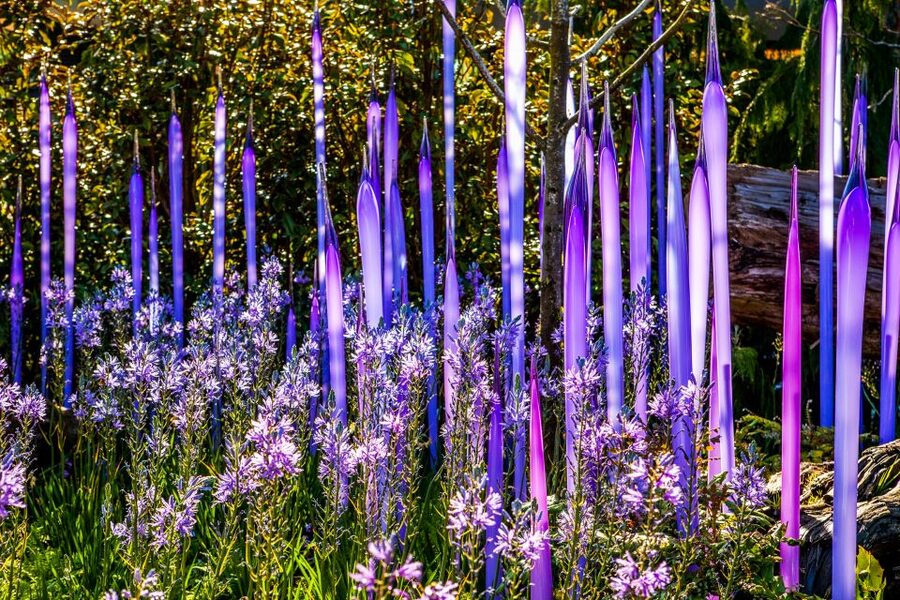
- The outdoor garden is more than a pleasant walk: Glass flowers and sweeping forms sit among real plants, creating constantly changing views in daylight.
- Eight indoor galleries show Chihuly’s range: You see large installations, delicate vessels, bold color groupings, and works that explain his approach to glass.
- Daily talks and live demonstrations add useful context: These help you understand the tools, heat, teamwork, and skill behind the finished pieces.
- Early arrival helps with photographs: The galleries feel easier to enjoy before the busiest part of the day.
- Seattle Center location saves time: You are near the Space Needle, with food, drinks, and other attractions close by.
What Makes Chihuly Garden and Glass Worth Your Time
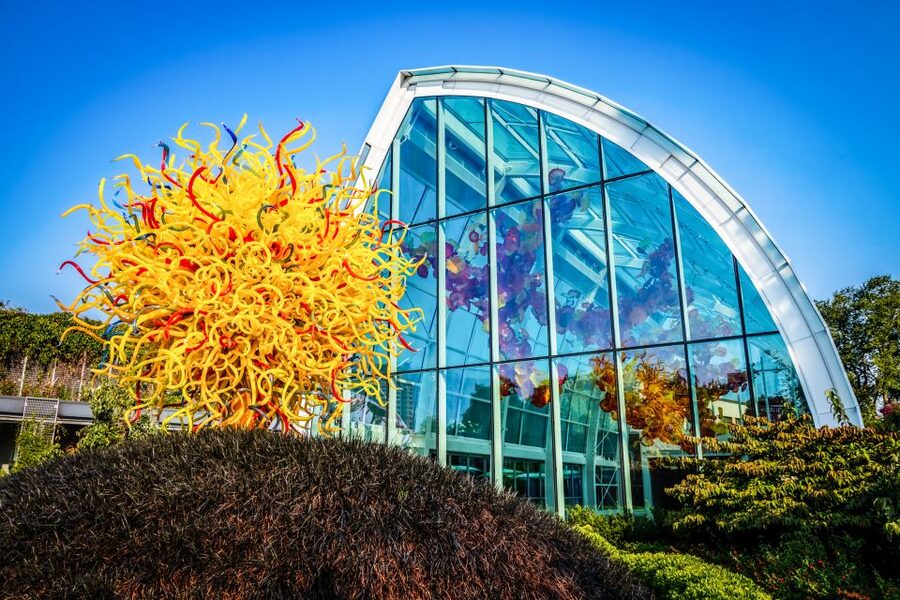
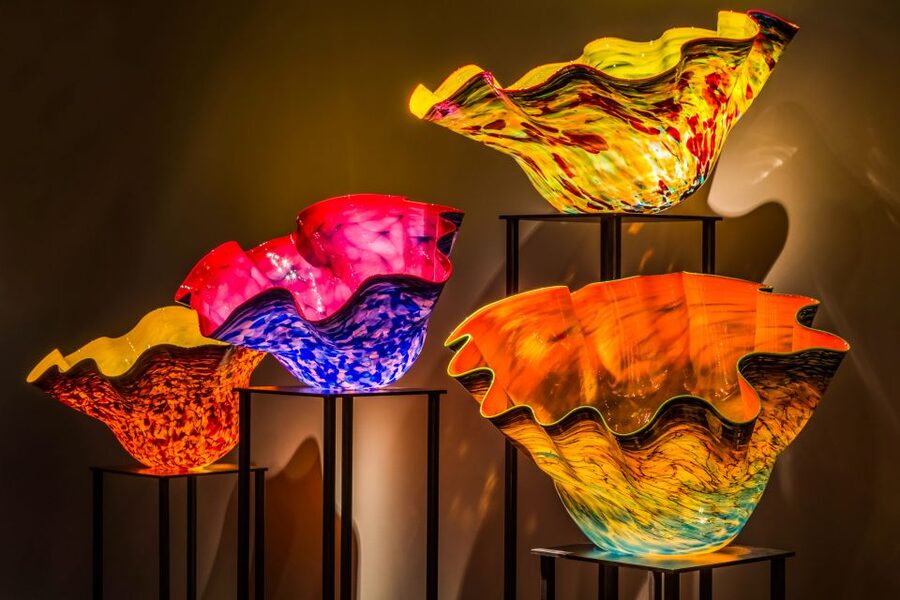
Dale Chihuly’s work is easy to recognize once you see it. The forms are often organic, oversized, and intensely colorful, with glass shaped into flowers, reeds, sea creatures, baskets, and abstract swirls. The exhibition does not ask you to admire each piece quietly from a distance. It surrounds you with color and scale.
That presentation matters. A single glass vessel can be beautiful, but a room filled with related pieces gives you a sense of how Chihuly thinks in groups and environments. You move from one carefully arranged room to another, with each gallery using lighting, walls, and open space to change the mood.
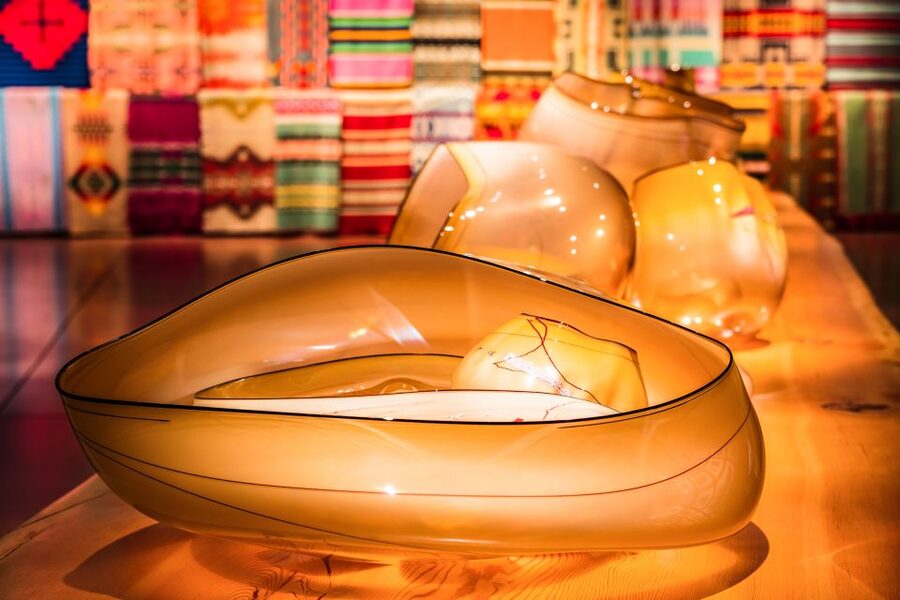
The exhibition also gives you a chance to see glass from close range. Look for bubbles, twists, thin edges, uneven surfaces, and subtle color shifts. Photographs are useful for remembering the visit, but they flatten the depth and shine of the work. Several people find that the pieces look even more striking in person than in pictures.
You do not need a background in art or glassmaking. The colors provide an immediate way in, while the films, audio tour, talks, and demonstrations supply more detail if you want it. You can make the visit as simple as a colorful walk or spend longer learning how the objects were made.
More Seattle trips worth a second look
- Seattle: Space Needle & Chihuly Garden and Glass Ticket
★ 4.7 · 1,890 reviews - NYC: SUMMIT One Vanderbilt Tickets
★ 4.7 · 51,195 reviews - NYC: 9/11 Memorial & Museum Timed-Entry Ticket
★ 4.8 · 31,428 reviews
Begin Inside With Eight Focused Galleries
The indoor portion is arranged as eight galleries, each with its own set of works and atmosphere. Rather than rushing from room to room, I suggest pausing at the entrance of each gallery before moving closer. First notice the overall arrangement, then study individual pieces.
The displays show how much Chihuly’s work depends on repetition and scale. One glass form may look delicate, while a group of similar forms can feel like a field, a wave, or a strange underwater world. The contrast between small details and huge installations keeps the exhibition from becoming one long row of objects.
The rooms are also designed for photographs. Reflections and lighting can create beautiful effects, though glare may make some pieces difficult to capture on a phone. If you want better pictures, come near opening time and take a moment to find the best angle rather than snapping everything immediately.
The exhibition includes video clips of Chihuly discussing his work and the making of his installations. These films are worth your attention. They add a human voice to an experience that might otherwise feel like a sequence of spectacular objects without much explanation.
A short visit can cover the main galleries, but you will get more from the exhibition if you allow time for the films and any scheduled talks. The experience is self-guided, so there is no group pace to follow and no guide waiting to move you along.
The Glasshouse and Its 100-Foot Suspended Sculpture
The Glasshouse is the room most likely to stop you in your tracks. The 40-foot-tall structure covers 4,500 square feet and fills with natural light. Suspended above you is a 100-foot sculpture made from many individual glass elements.
Its colors run through red, orange, yellow, and amber. Against the steel framework and daylight, the sculpture can look like a fiery ribbon, a giant botanical form, or something floating above the room. The changing light gives the installation a slightly different character as you walk beneath it.
This is the place to slow down. Look straight up, then walk to the sides of the room and study how the separate pieces connect visually. The sculpture is large enough to feel architectural, yet each element still shows the delicate irregularities of blown glass.
The Glasshouse also gives you one of the clearest examples of why this exhibition costs more than a small gallery visit. You are not simply looking at a collection of objects in cases. You are standing inside a specially built setting for a work on a remarkable scale.
At the same time, the room can feel busy during popular hours. If you want quiet time beneath the sculpture or a clear photograph, arriving early is the safest strategy. You can also return to the room later during your visit if the ticket and current entry arrangements allow it.
The Garden Puts Glass Beside Living Plants
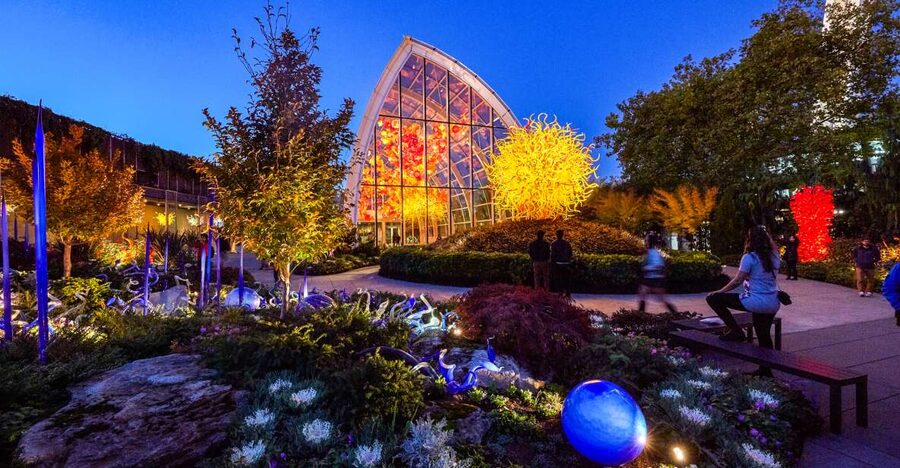
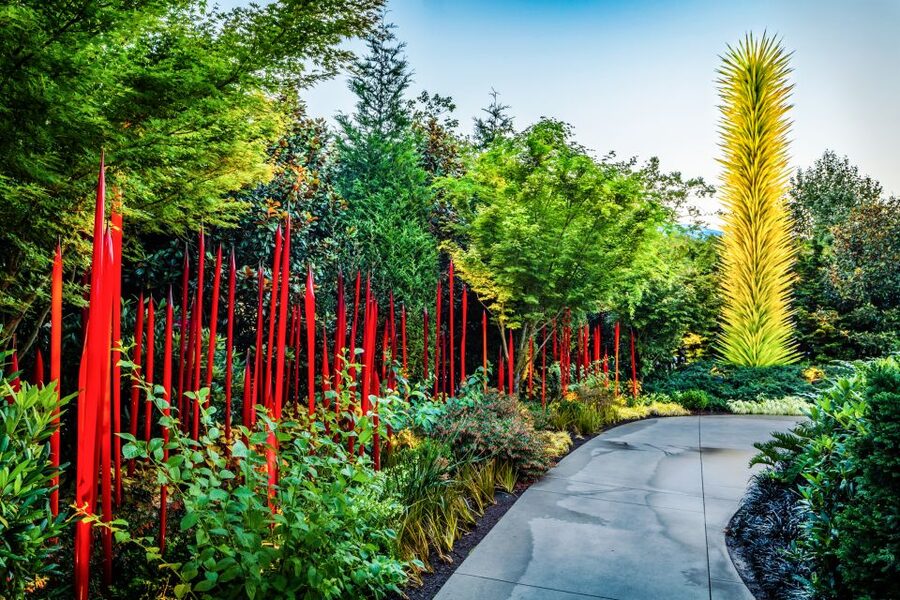
The outdoor garden is the exhibition’s most distinctive feature. Glass sculptures appear among plants, flowers, trees, and paths, creating a meeting point between handmade color and natural growth.
This setting changes the way you read the pieces. A glass form that looks abstract indoors may resemble a flower, a reed, or a sea creature when placed among real leaves and stems. The garden also gives you more room to step back and see each sculpture in relation to its surroundings.
Sunlight is part of the display. It catches edges, brings out hidden colors, and throws reflections across the glass. On a rainy day, the garden still works, though you will want suitable clothing and may spend less time outdoors. The wet conditions can also change the look of the plants and glass, making the setting feel quieter.
The garden is not huge, which is useful if you are fitting the exhibition between other Seattle plans. You can walk it slowly without needing a full afternoon. Many visitors find it more beautiful than expected, so do not treat the outdoor section as a quick exit route after the indoor galleries.
Take your time around the corners and along the paths. Some of the strongest views come from looking back toward a sculpture rather than approaching it head-on. If you are taking family photographs, the garden offers more space than the indoor rooms.
A completely different way to spend a day nearby:
- Beneath The Streets Underground History Tour
★ 4.5 · 8,006 reviews - Chef Guided Food Tour of Pike Place Market
★ 5.0 · 3,733 reviews - Mt. Rainier National Park Highlights Tour
★ 5.0 · 3,156 reviews - Seattle: Guided Underground Walking Tour
★ 4.6 · 2,144 reviews
Films, Gallery Talks, and Live Glass Demonstrations
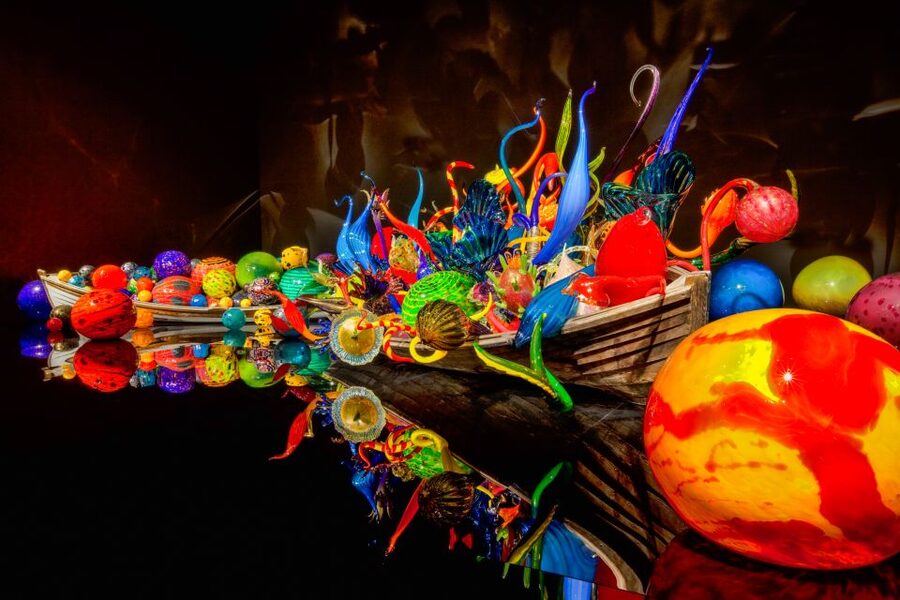
The artwork makes an instant impression, but the educational parts explain why the pieces are so difficult to produce. The smartphone audio tour is included in English, giving you an optional layer of information as you walk.
Daily Gallery Talks may add more detail about selected works and the ideas behind the exhibition. Since schedules can change, check the timing when you arrive. If a talk fits your visit, it is a useful way to give structure to a self-guided experience.
Live glass demonstrations are another major benefit when available. You may see artists shape hot glass into vessels or other forms while explaining the tools and stages involved. Demonstrations described by visitors included larger objects such as vases and glassware, not merely tiny souvenirs.
The process helps you appreciate the finished works differently. Blown glass is not a solitary craft in which an artist casually forms a perfect object. Heat, timing, movement, tools, and teamwork all matter. Even a simple-looking piece can require considerable control.
Several short films feature Chihuly explaining his work and installations. I recommend watching at least one or two, even if you usually skip museum videos. They give you a clearer sense of the artist’s imagination and show how the exhibition’s large displays developed.
How Much Time Should You Allow?
The ticket is valid for one day, but the exhibition does not usually require an entire day by itself. Many people spend roughly two hours, especially if they walk through all eight galleries, watch some films, visit the garden, and catch a demonstration.
You can spend less time if you are mainly interested in the Glasshouse and garden. You can spend longer if you listen to the full audio tour, attend talks, watch the films, study the details, and take photographs.
The one-day validity becomes more useful if you are pairing the visit with the Space Needle or another Seattle Center attraction. A combined ticket can make sense for a full day in the area, but check exactly what your selected ticket includes before buying. The basic admission described here covers Chihuly Garden and Glass, not automatically every nearby attraction.
Opening times vary by season. The venue is open 363 days a year, but it may close fully or partly for holidays, private events, special events, or facility upgrades. Check the official website shortly before you go rather than relying on an old schedule.
Price, Food, and Overall Value
At $45 per person, this is a premium admission price. The cost feels easier to justify if you appreciate glass art, large installations, photography, or design. It is harder to justify if you expect a traditional museum with many historical objects and hours of exhibits.
I see the value in the scale of the displays, especially the Glasshouse sculpture and the outdoor garden. The included audio tour, films, gallery talks, and possible live demonstrations also give the ticket more substance than a quick walk through a single gallery.
Still, you should plan honestly. If you move quickly and leave after an hour, the price may feel high. If you spend two hours or more and use the educational features, the visit becomes a fuller Seattle activity.
The on-site setting also includes a place for craft cocktails and food. That gives you an easy pause before or after the exhibition, though drinks and meals are separate expenses. You can use the café or bar to extend your time at Seattle Center without adding another major attraction.
If price is your biggest concern, check for available ticket options and morning pricing before you commit. Some visitors have found lower early-day rates, while others felt online booking offered a better deal than buying at the door. Prices and offers can change, so compare the current options rather than assuming the $45 rate is the only possibility.
Getting There and Redeeming Your Ticket
Chihuly Garden and Glass is in Seattle Center near the base of the Space Needle. That central location is one of the experience’s practical strengths. You can build a day around two iconic Seattle attractions instead of crossing the city between separate appointments.
This is a self-guided visit. Redeem your ticket at the venue, and bring the booking details shown with your reservation. One useful caution is to check the instructions for converting a QR code into an admission ticket before you join the line. Some ticket holders have had to use a kiosk first, which is an annoying surprise after waiting at the entrance.
The venue is wheelchair accessible. Children age four and younger enter free. The English audio guide works on a smartphone, so bring a charged phone and headphones if you prefer listening without holding the device.
Because the exhibition is near the Space Needle, it can fit neatly with other Seattle Center plans. Leave enough time between timed activities, since opening hours and admission procedures may change on event days.
Who Will Enjoy This Most?
I would recommend Chihuly Garden and Glass to anyone who responds to color, shape, craft, and large-scale art. It is particularly good for couples looking for a visually unusual stop and for families with older children who can appreciate how the glass was formed.
It also works well for photographers, though you should remember that bright reflections and indoor lighting can make some shots tricky. The garden gives you better room for creative compositions, while the Glasshouse offers the most dramatic scale.
Art lovers who have already seen Chihuly pieces in other cities may still find this visit worthwhile. The Seattle exhibition brings together a wide range of work and presents it in a setting designed around the artist’s style. The variety and size may feel different from seeing one or two pieces in another museum or public space.
I would be more cautious if you dislike contemporary art, have a tight budget, or want a long historical museum visit. The exhibition is focused, polished, and highly visual. Its strength is concentrated impact, not a huge number of rooms or a broad survey of glassmaking.
A Practical Plan for Your Visit
Arrive near opening time if you want more breathing room in the galleries and better conditions for photographs. Start with the indoor rooms, then move to the Glasshouse and garden while your eyes are fresh.
After the main walk, check the schedule for a Gallery Talk or glass demonstration. Use the films to learn more about Chihuly’s process, then return to any work that caught your attention.
Allow around two hours as a sensible starting point, and add time if you plan to eat, have a drink, or visit the Space Needle. Do not count on a fixed opening hour without checking first, since seasonal schedules and private events can affect access.
For families, the garden can provide a welcome change after the indoor rooms. For couples, the color and lighting make this an easy special-occasion stop. For solo visitors, the self-guided format lets you linger without holding up anyone else.
Should You Book Chihuly Garden and Glass?
Book it if you want one of Seattle’s most distinctive art experiences and you are willing to pay for presentation, scale, and setting. The Glasshouse alone is memorable, while the garden, films, talks, audio tour, and demonstrations give the visit more depth.
Think twice if $45 feels steep for a compact museum visit or if you are looking for a broad survey of art. In that case, compare morning prices and consider how the exhibition fits with the Space Needle and your other Seattle Center plans.
My practical choice would be an early visit, followed by the Space Needle or another nearby attraction. That timing gives you the best chance at calmer galleries, makes the ticket easier to justify, and lets you enjoy the garden before the day becomes crowded.
FAQ
How much does admission to Chihuly Garden and Glass cost?
The listed price is $45 per person. Children age four and younger are free.
How long is the ticket valid?
The ticket is valid for one day. The exhibition itself can often be visited in about two hours, depending on how long you spend with the films, audio tour, garden, talks, and demonstrations.
Is an audio guide included?
Yes. An English audio tour is included and is available on your smartphone.
Is Chihuly Garden and Glass wheelchair accessible?
Yes. The venue is wheelchair accessible.
Where do I redeem the ticket?
Redeem it at Chihuly Garden and Glass in Seattle Center, near the base of the Space Needle. Check the ticket instructions carefully, since some reservations may require you to use a kiosk to obtain an admission ticket before entering.
Can the ticket be canceled?
Yes. You can cancel up to 24 hours in advance for a full refund. A reserve-now-and-pay-later option is also available when offered for your selected date.
Recently reviewed around Seattle
- Seattle: Pike Place Market Chef-Guided Food Tour★ 4.8 · 847 reviews
- Seattle: Half-Day Wildlife and Whale Watching Cruise★ 4.3 · 378 reviews
- Seattle: Harbor Cruise with Local Guide★ 4.8 · 599 reviews
- Seattle: City Highlights Tour★ 4.7 · 416 reviews
- Seattle CityPASS®: Save up to 46% at 5 Top Attractions★ 4.6 · 742 reviews
- From Seattle: Mount Rainier National Park Guided Tour★ 4.8 · 412 reviews
- Seattle: City Sightseeing Hop-On Hop-Off Bus Tour★ 3.9 · 421 reviews
- From Seattle: Boeing Factory and Future of Flight Tour★ 4.5 · 363 reviews
Seattle Tours, compared.




Space Needle & Chihuly Garden and Glass Ticket
Read our review →
Browse the lists this tour appears in