
Reviewed · WALKING TOURS
Birmingham Civil Rights Tour- Riding & Walking
Birmingham’s civil rights story is spread across downtown streets, churches, neighborhoods, and former protest sites. This riding-and-walking tour connects those places in a clear order, giving you the setting and story behind each one rather than leaving you to match plaques with events on your own.
I like two things right away: the mix of van travel and walking, and the chance to reach places beyond the central Civil Rights District, including Dynamite Hill and Bethel Baptist Church. Guides such as Mike Clay and Clay are praised for careful storytelling, photos, artifacts, and thoughtful answers.
The main consideration is physical and seasonal comfort. You’ll walk more than a mile, often outdoors, in temperatures that can range from 40 to 100 degrees Fahrenheit, so this is not a good fit if heat, cold, or walking without assistance is a problem.
In This Review
- Key points to know before booking
- Why this tour helps you understand Birmingham
- Beginning at the Civil Rights District
- Kelly Ingram Park and the power of place
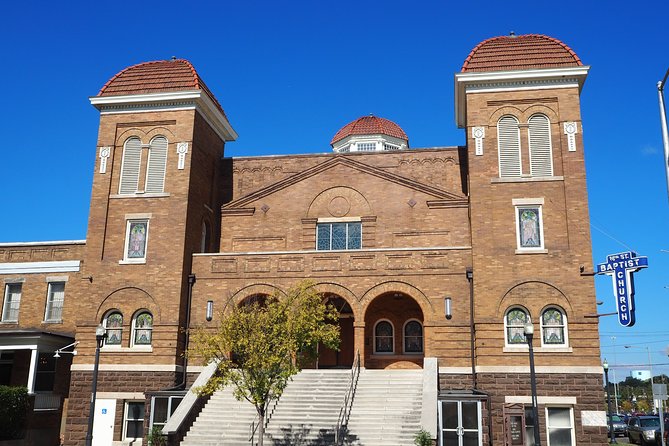
- 16th Street Baptist Church and the four children
- Linn Park and Boutwell Auditorium
- Smithfield and Dynamite Hill
- Bethel Baptist Church and Rev. Fred Shuttlesworth
- Eddie Kendrick Memorial Park and Birmingham’s Black business district
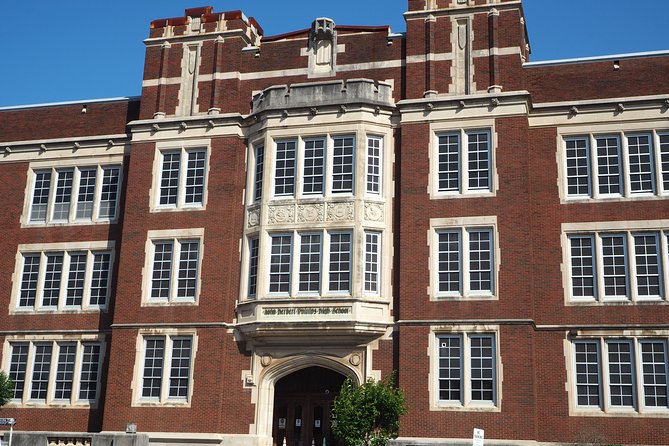
- John Herbert Phillips Academy and school integration
- The Freedom Riders attack site
- Riding, walking, and group size
- What the included cost is worth
- Who should book this experience
- Should you book the Birmingham Civil Rights Tour?
- FAQ
- How long does the Birmingham Civil Rights Tour last?
- Where does the tour start?
- What time does the tour begin?
- Where does the tour end?
- Is transportation included?
- How much walking is required?
- What happens if it rains?
- How large is the tour group?
- Are entrance fees included?
- Are children and service animals allowed?
- What is the cancellation policy?
Key points to know before booking
- Walk the places where major events happened: Kelly Ingram Park, 16th Street Baptist Church, Linn Park, and the Freedom Riders attack site give the history a physical setting.
- Go beyond downtown: Dynamite Hill, Bethel Baptist Church, Smithfield, and John Herbert Phillips Academy add neighborhood context often missed on a short city visit.
- Expect a small group: The tour has a maximum of 14 people, which leaves more room for questions and conversation.
- Ride between distant locations: Air-conditioning matters in Birmingham, especially during hot weather, and keeps the walking sections manageable.
- Hear difficult history plainly: The tour covers bombings, segregation, violent opposition, school integration, and the deaths of four children.
- Plan for a serious experience: This is educational and at times emotional, not a light sightseeing loop.
Why this tour helps you understand Birmingham
A self-guided visit to Birmingham’s civil rights sites can be rewarding, but it takes preparation. You may recognize the name 16th Street Baptist Church or know that the Freedom Riders were attacked here, yet still miss how the events connected to local churches, schools, businesses, protests, and neighborhoods.
This tour gives you that structure in roughly three hours. You move through central landmarks first, then ride into areas tied to the wider campaign. That arrangement matters because Birmingham’s movement was not confined to one memorial or museum. It involved ministers, students, parents, business owners, children, and people who risked their lives in ordinary neighborhoods.
The strongest part of the experience appears to be the guide’s role. Mike Clay is repeatedly singled out for his command of Birmingham history, clear explanations, and storytelling. Clay is also praised in the tour feedback, so the exact guide may vary. You should expect a guide-led history lesson with plenty of room for questions, not just a drive past buildings.
The best guides on a subject like this do more than recite dates. They explain who used a place, what happened there, and why it mattered. This tour is especially useful if you want the emotional and human side of the movement along with the basic timeline.
More the USA walks with a guide:
- History and Hauntings of Salem Guided Walking Tour
★ 5.0 · 14,564 reviews - New Orleans Premier Ghost, Voodoo and Vampire Walking Tour
★ 4.5 · 12,856 reviews - Little Havana Food and Walking Tour in Miami
★ 5.0 · 8,882 reviews
Beginning at the Civil Rights District
The tour starts at 512 16th Street North at 9:45 a.m. The first walking section takes place in the Civil Rights District, where you’ll visit or view several of Birmingham’s central landmarks.
The opening half-hour helps you get oriented. You’ll walk around Kelly Ingram Park, see 16th Street Baptist Church, and learn how Birmingham became a major battleground in the civil rights movement. Starting here is sensible because these sites form the core of the city’s public memory.
You should expect a serious tone from the beginning. The subject includes racial segregation, protest, police violence, bombings, and the long effort to gain equal rights. The tour does not appear designed to soften the subject, though the guides are praised for handling difficult topics with tact and compassion.
Kelly Ingram Park and the power of place
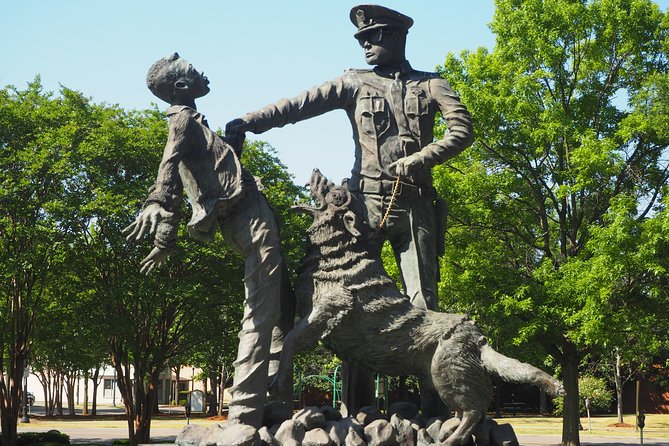
Kelly Ingram Park receives its own walking stop, and rightly so. The park contains statues connected to the children and young people who marched for freedom in Birmingham. You’ll have time to look closely at the artwork while the guide explains the role of marches and the people who took part.
This is one of the most important places to slow down. The statues are not simply decorative markers. They help you picture the age and vulnerability of many protesters, including children who became part of a national struggle.
Allow yourself to listen before rushing to take photographs. The park is public, and admission is free, but its importance comes from the stories attached to the space. You’ll get more from it if you treat this as a memorial and teaching site rather than a quick photo stop.
The walking here is manageable for anyone who can cover a reasonable distance unassisted, but Birmingham’s weather can change the feel of the visit. Shade and rest breaks may be available when practical, yet you should still wear comfortable shoes, bring water, and prepare for sun or cold.
16th Street Baptist Church and the four children
The visit to 16th Street Baptist Church focuses on the church’s role in Birmingham’s civil rights movement and the bombing that killed four little girls.
This stop carries emotional weight, and the guide’s explanation is crucial. A building can look quiet and ordinary until you understand what happened there and why the church was important to the movement. The tour connects the church to the wider fight rather than treating the bombing as an isolated tragedy.
The supplied details do not promise an interior visit or a formal church admission. You should therefore expect to see the church and receive commentary, with the exact access depending on the operation that day. The tour includes all listed activities and fees, and no separate entrance charge is identified.
For many people, this will be the hardest stop. That is not a flaw, but you should know what you are booking. The experience is meant to make the human cost of the movement clear.
A completely different way to spend a day nearby:
- NYC: SUMMIT One Vanderbilt Tickets
★ 4.7 · 51,195 reviews - NYC: 9/11 Memorial & Museum Timed-Entry Ticket
★ 4.8 · 31,428 reviews - NYC: Empire State Building Tickets – Observatory & Museum
★ 4.7 · 25,757 reviews - NYC: Empire State Building Observation Deck Tickets
★ 4.7 · 22,072 reviews
Linn Park and Boutwell Auditorium
The route continues to Linn Park, where you’ll learn about the places where protest marches ended and the groups involved in Birmingham’s civil rights fight. This is a shorter 15-minute stop, so expect a focused explanation rather than a long walk.
Linn Park adds a civic setting to the story. After seeing a church and a memorial park, you begin to understand how demonstrations moved through the city and where public action gathered momentum.
At Boutwell Auditorium, the guide discusses Bull Connor and his clashes with those fighting for civil rights. The stop also lasts about 15 minutes. Its value is less about sightseeing than about placing political resistance and public authority into the story.
You may find the pace here brisk. That is part of the trade-off in a three-hour tour covering ten locations. You get a broad view of Birmingham, but you will not have museum-length time at every stop.
Smithfield and Dynamite Hill
Smithfield takes you outside the central district to Dynamite Hill. The guide points out houses and churches that were bombed during the civil rights era and explains the attacks in their neighborhood setting.
This is one of the tour’s most useful additions. Downtown memorials can show the public face of the movement, but neighborhoods reveal the danger faced by families and congregations away from formal monuments. Seeing the setting helps you understand that intimidation was not abstract. It reached homes, churches, and daily life.
The stop is listed at about 15 minutes, so the visit is likely observational and guide-led. You will not be wandering through private property, and you should listen for the historical context rather than expect a large attraction with exhibits.
The ride to locations such as Smithfield is another reason the vehicle matters. Walking between every stop would take far longer and would make the tour much harder in hot weather. The van lets you cover more ground without turning the experience into an exhausting hike.
Bethel Baptist Church and Rev. Fred Shuttlesworth
At the historic Bethel Baptist Church, you’ll learn about the church where Rev. Fred Shuttlesworth led the movement. The stop lasts about 20 minutes, giving it more time than several of the downtown locations.
This church offers an important shift in emphasis. The story is not only about famous national figures or major public events. Local religious leaders and congregations provided meeting places, organization, courage, and continuity. Bethel Baptist Church helps show how leadership operated at the neighborhood level.
The guide’s personal connection to Birmingham may make this section especially useful. Mike Clay is described as a Birmingham native who knows the city and its civil rights story well. That does not guarantee a particular guide on your date, but the tour is built around local explanation rather than a generic audio script.
Eddie Kendrick Memorial Park and Birmingham’s Black business district
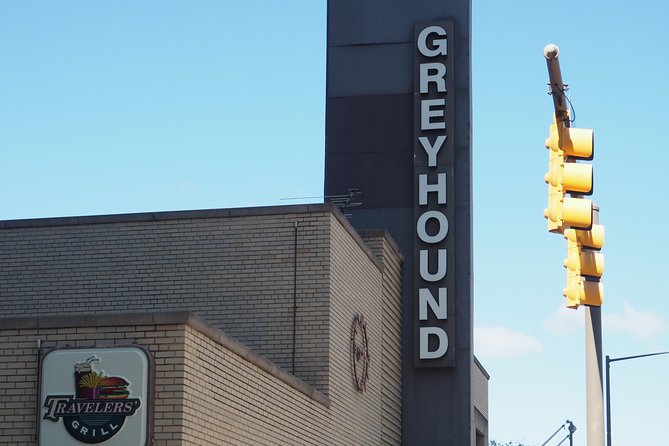
The five-minute stop at Eddie Kendrick Memorial Park is brief, but it adds an economic and social layer to the tour. Here you’ll see the Black business district and learn about Black life in Birmingham during its heyday.
Do not expect a long visit. Five minutes is enough for a short explanation and a look around, not a full walking tour of the district. Still, the inclusion matters because civil rights history is also local business history, community history, and family history.
This stop keeps the tour from presenting Birmingham only through tragedy. It points to the institutions and ambitions of Black residents, not just the obstacles they faced.
John Herbert Phillips Academy and school integration
At John Herbert Phillips Academy, the guide explains where Rev. Fred Shuttlesworth attempted to integrate Birmingham schools. The stop lasts around 15 minutes.
School integration gives you another way to understand the movement’s scope. The struggle took place in churches and on streets, but also in classrooms and public education. This location helps link the movement’s moral claims to the daily experience of children and families.
The stop is viewed from the route, based on the information provided, so expect historical commentary rather than a school visit. It is another example of why a guide helps. Without explanation, an ordinary-looking school building might have little meaning.
The Freedom Riders attack site
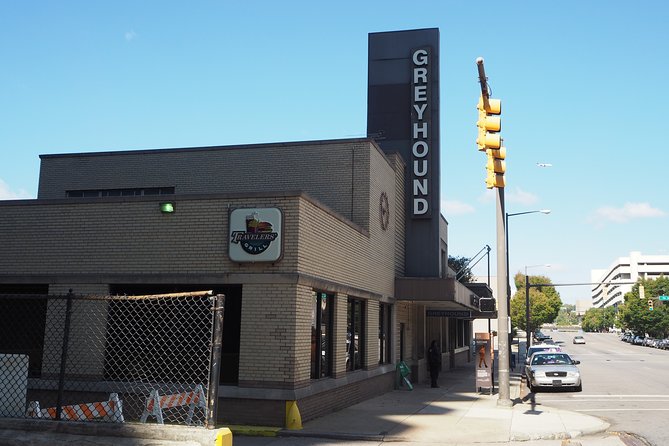
The final stop is near a Wells Fargo ATM, identified as the place where the Freedom Riders were attacked in Birmingham. You’ll spend about ten minutes here learning what happened.
The location may feel less formal than a memorial park or historic church. That is precisely why the guide’s explanation is valuable. Significant events do not always happen at places that look preserved or grand. A modern street corner can carry major historical meaning when you know what occurred there.
Ending with the Freedom Riders connects Birmingham to the wider interstate campaign against segregation. It also gives the tour a strong final reminder that organized protest required real courage and exposed people to violent retaliation.
The tour then returns to the starting point. Since the final stop is short, you should have a chance to ask follow-up questions during the drive back, though the exact timing will depend on the group.
Riding, walking, and group size
The balance between the air-conditioned vehicle and outdoor walking is one of the experience’s strongest practical features. You cover more ground than you could comfortably manage on foot, while still getting out at the places where being physically present matters.
The group is capped at 14 people. That is small enough for a more personal atmosphere without requiring the price of a private tour. If fewer people book on your date, the outing may feel especially flexible. One account describes a private tour when only two people were booked, but that should be treated as a possibility, not a promise.
The walking total is more than one mile. You must be able to walk unassisted at a reasonable speed. Comfortable shoes are essential, and I would plan around the weather rather than assume the van solves everything. The tour runs in rain, with transportation available if rain becomes an issue, but significant weather such as a hurricane, tornado, or ice can lead to a new date or a full refund.
Children must be accompanied by an adult. Service animals are allowed. The tour is not recommended for anyone who cannot walk at least a mile or who is strongly affected by hot or cold conditions.
What the included cost is worth
No tour price is supplied here, so I cannot judge the exact dollar value. I can judge what you receive for the fee: a driver-guide, live commentary, air-conditioned transportation, all listed activities, and taxes, fees, and handling charges.
All of the stops are listed with free admission, so the main value is not avoiding expensive tickets. It is the guide’s time, the transportation between scattered locations, and the access to context that would take you considerable planning to assemble yourself.
If you are already prepared to research Birmingham, map the sites, and drive between neighborhoods, a self-guided visit may cost less. You would also control the pace. But you would miss the benefit of having someone connect the events and answer questions as you go.
I see this as a good value for a first visit, especially if you have only part of a day in Birmingham. The tour covers a lot of ground without requiring you to rent a car or spend hours building a route.
Who should book this experience
I would recommend it to anyone who wants a serious introduction to Birmingham’s civil rights story, including families with older children and teenagers, teachers, history-minded visitors, and people who want more than downtown sightseeing.
It also suits you if you learn best through stories and places. Guides are praised for explaining events in chronological order, showing photos and artifacts, answering questions, and adjusting explanations for younger people. That makes the tour more useful for mixed-age groups than a lecture with no interaction.
You should think twice if you want a relaxed sightseeing ride, dislike emotionally difficult subjects, or cannot manage more than a mile of walking. The pace is not described as exhausting, and rest stops may be provided, but the subject and weather can still make the experience demanding.
Book at least 24 hours before the 9:45 a.m. start if you want the option of a full refund. Cancellations within 24 hours are not refunded, and late changes are not accepted. If major weather forces cancellation, you can choose another date or receive a full refund.
Should you book the Birmingham Civil Rights Tour?
Book this tour if you want Birmingham’s civil rights sites explained by a local guide rather than simply photographed from a sidewalk. The combination of Kelly Ingram Park, 16th Street Baptist Church, Dynamite Hill, Bethel Baptist Church, the school integration site, and the Freedom Riders location gives you a broad view in a short time.
I would choose it over wandering downtown alone, particularly on a first visit. Just arrive ready for more than a mile on foot, changing temperatures, and history that can be painful to hear. If you can handle that, the small group, air-conditioned transport, and strong guide-led storytelling make this a thoughtful use of three hours.
FAQ
How long does the Birmingham Civil Rights Tour last?
The tour lasts approximately three hours.
Where does the tour start?
It starts at 512 16th Street North, Birmingham, Alabama 35203.
What time does the tour begin?
The scheduled start time is 9:45 a.m.
Where does the tour end?
The activity ends back at the starting meeting point.
Is transportation included?
Yes. Air-conditioned transportation is included, along with a driver-guide and live commentary on board.
How much walking is required?
You will walk more than one mile during the tour. You must be able to walk unassisted at a reasonable speed.
What happens if it rains?
The tour runs rain or shine, and transportation is available if rain becomes an issue. If significant weather such as a hurricane, tornado, or ice causes cancellation, you will be offered another date or a full refund.
How large is the tour group?
The maximum group size is 14 people.
Are entrance fees included?
Yes. All taxes, fees, handling charges, activities, and listed admissions are included. The stops provided are listed as free admission.
Are children and service animals allowed?
Children must be accompanied by an adult, and service animals are allowed.
What is the cancellation policy?
You can cancel at least 24 hours before the start time for a full refund. Cancellations or changes made less than 24 hours before the start time are not accepted or refunded.
Recently reviewed around the USA
- Dyker Heights Christmas Lights Guided Tour★ 4.5 · 920 reviews
- New York City Dinner Cruise with Live Music★ 4.0 · 377 reviews
- NYC in a Day Tour: Statue of Liberty, Times Square and More★ 5.0 · 366 reviews
- Broadway and Times Square Insider Tour with Theater Professional★ 5.0 · 651 reviews
- New York City Holiday Lights Tour★ 4.5 · 664 reviews
- NYC Central Park Bicycle Rentals★ 4.5 · 368 reviews
- Central Park Bike Rental New York City★ 4.0 · 560 reviews
- Manhattan Sky Tour: New York Helicopter Flight★ 4.5 · 1,458 reviews
Walking Tours, compared.
History and Hauntings of Salem Guided Walking Tour
Read our review →
New Orleans Premier Ghost, Voodoo and Vampire Walking Tour
Read our review →
Freedom Trail History Small Group Walking Tour
Read our review →
Historic Charleston Guided Sightseeing Walking Tour
Read our review →
New Orleans Food Walking Tour of the French Quarter with Small-Group Option
Read our review →
St. Louis Cemetery No. 1 Official Walking Tour
Read our review →Browse the lists this tour appears in