
Reviewed · GHOST & HISTORY WALKING TOURS
Boston’s North End Food and History Walking Tour
Boston’s North End is more than a parade of pastry shops and red-sauce restaurants. On this three-hour walk, you trace the neighborhood’s Italian story through food, moving from Sicily and Naples to the Amalfi Coast and Emilia-Romagna without leaving Boston.
I like the small group of no more than 10 and the way the tour uses family-run shops rather than treating the North End as one giant restaurant district. I also like the generous food plan, which includes a sit-down lunch with wine. The main consideration is simple: come very hungry, because this is a full meal, not a few decorative samples.
In This Review
- Key points at a glance
- Why this North End tour feels different
- Starting with the North End’s Italian story
- Umberto and the first savory bites
- Salumeria and the lessons in olive oil
- Bricco Bakery and the pleasure of simple bread
- Lunch at Ristorante Saraceno
- A sip of limoncello and pistachio liqueur
- Cannoli, gelato, and espresso at Caffe Paradiso
- How much value do you get?
- Who should book it?
- Should you book the North End Food and History Walking Tour?
- FAQ
- How long is the Boston North End Food and History Walking Tour?
- Where does the tour begin?
- Where does the tour end?
- How many people can join the tour?
- What language is the tour offered in?
- Is lunch included?
- What foods might be included?
- Does the tour include alcohol?
- Is the tour suitable for most people?
- What happens if I need to cancel?
Key points at a glance
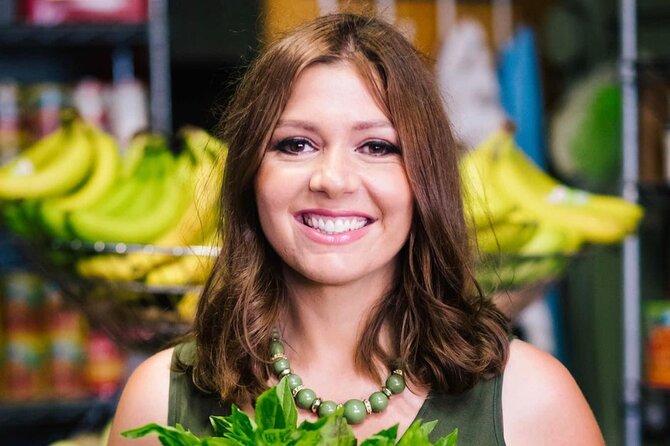
- Paula leads the walk: Her long connection to the North End gives the tour a personal, local voice.
- Five main food stops: Expect tastings at an Italian market, bakery, café, and restaurant, with extra bites and sips along the way.
- A real sit-down lunch: The meal includes two courses and a wine pairing, so you should not plan another large meal immediately afterward.
- Regional Italian focus: Foods are linked to places such as Sicily, Naples, the Amalfi Coast, and Emilia-Romagna.
- Easy neighborhood walking: The route covers short distances, though you will be on your feet for about three hours.
- Strong track record: The experience is rated 5 out of 5 from 459 reviews, with 99 percent of customers recommending it.
Why this North End tour feels different
Many North End food walks can become a march from one famous pastry counter to the next. This one aims for a broader picture. Food is the thread, but the tour also explains how Boston’s oldest neighborhood became Italian and how regional traditions found a home on this small peninsula.
That matters because Italian food is not one single cuisine. Sicilian arancini, Neapolitan pizza, northern-style pasta, cured meats, olive oil, balsamic vinegar, gelato, and cannoli all tell different stories. The tour uses those distinctions to give you a better sense of Italy’s regional cooking.
Paula is the guide named most often in the tour details, and her role appears to be central to the experience. She has lived in the North End for many years and has led the tour for more than 15 years. Her background in art history and her interest in local culture add another layer to the walk. You are not simply told where to eat. You are given a sense of why the neighborhood looks and tastes the way it does.
I especially like that Paula begins with a map of the area. That small step helps you understand the shape of the North End before you start eating. It also makes the rest of your Boston visit easier, since you leave with a clearer sense of the side streets and places you may want to revisit.
More Historical Tours in Boston
- Boston: Freedom Trail History Small Group Walking Tour
★ 5.0 · 6,450 reviews - Tour of Historic Fenway Park, America’s Most Beloved Ballpark
★ 4.5 · 3,013 reviews - Boston Food & History: Pizza, North End & Freedom Trail
★ 5.0 · 1,772 reviews
Starting with the North End’s Italian story
The tour begins in Boston’s North End and returns to the same general meeting point. The neighborhood is compact, so the route does not depend on a bus or taxi. You walk from shop to shop, with food breaks providing regular chances to sit or pause.
The history portion focuses on the area’s transformation into Boston’s Italian center. That context is useful because the North End has a layered past. Its streets are tied to Boston’s earliest history, but the tour concentrates on the people, businesses, and traditions that shaped its Italian identity.
Paula’s approach is personal rather than academic. You hear about the neighborhood through stories, local connections, food customs, and the businesses that have become part of daily life. The best part of this format is that history never feels detached from the street. A discussion of immigration, culture, or regional cooking can lead directly into a shop where you taste the subject.
The walk is described as easy in terms of distance. Still, you should wear comfortable shoes. Three hours of moving, standing, tasting, and listening is manageable for most people, but it is not a quick sightseeing loop.
Umberto and the first savory bites
One of the early stops can be Umberto, where the group may taste arancini and Sicilian pizza. Arancini are fried rice balls, usually filled or seasoned in ways that make them hearty little snacks. Sicilian pizza gives you a thicker, more substantial style than the thin slices many people expect from Naples.
This is a smart way to begin. The food is filling, and the flavors immediately show that Italian cooking changes from region to region. You can taste the difference between a casual street-style bite and the lighter, more familiar image of Italian pizza.
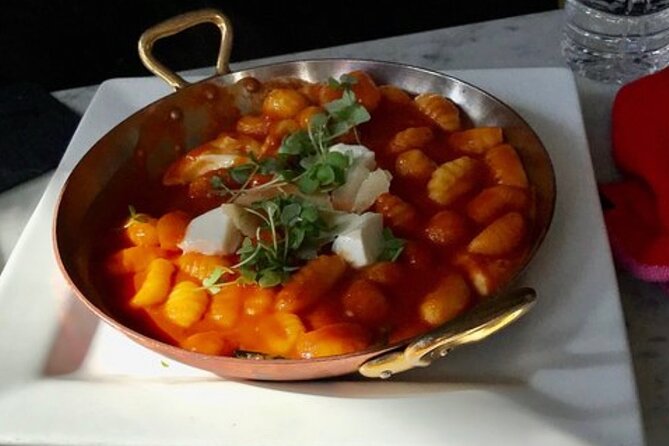
The tour’s sample menu also includes caprese salad and pasta. Exact dishes may vary, but the overall meal is built around a wide range of Italian staples rather than one repeated type of food. If you are accustomed to food tours that leave you searching for lunch afterward, this one takes the opposite approach.
That generosity is a strength, though it creates a practical issue. You need to pace yourself. It is tempting to finish every bite at the first stop, but the later tastings and lunch are substantial.
Salumeria and the lessons in olive oil
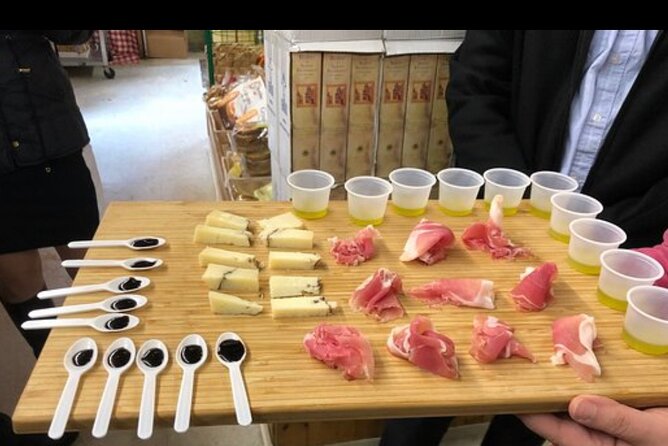
The Italian market stop brings a different kind of tasting. Here, the focus can include olive oil, balsamic vinegar, cheese, and prosciutto. These foods are familiar to many people, but tasting them side by side with guidance can sharpen your palate.
The value is not just the sample itself. You learn what to notice in olive oil, how balsamic vinegar can differ in taste and texture, and how cured meat and cheese fit into an Italian meal. It is practical knowledge you can use later in restaurants or when shopping for ingredients.
This stop also helps break up the tour’s rhythm. You are not only eating prepared dishes. You are seeing the kinds of products that Italian families use at home and that small markets sell every day. That makes the experience feel closer to ordinary food culture than a tour built around only famous dishes.
If you have strong food allergies or dietary restrictions, it would be sensible to ask about suitability before booking. The supplied information confirms that most people can participate, but it does not provide a detailed allergy or substitution policy.
More Walking Tours in Boston
- Cambridge: Harvard University Student-Guided Walking Tour
★ 4.6 · 3,931 reviews - Harvard University Campus Guided Walking Tour
★ 4.5 · 3,632 reviews - Boston Freedom Trail Walking Tour with Costumed Guide
★ 4.5 · 2,531 reviews - The Full Revolutionary Story Epic Small Group Boston Walking Tour
★ 5.0 · 2,356 reviews
Bricco Bakery and the pleasure of simple bread
At Bricco Bakery, the emphasis turns to artisan bread and pastries. Bakery visits can look modest on a schedule, but they are often among the most revealing stops on a food walk. Bread shows you how a neighborhood eats between restaurant meals, and a small pastry can tell you as much about local habits as a formal dish.
The bakery also gives you a chance to reset after the savory tastings. You may find breads, pastries, or other baked specialties, depending on the day’s selection. The tour does not present Italian food as only pasta and pizza. That wider view is one of its better qualities.
This is also a good point to pay attention to the businesses themselves. The experience is built around small family operations, and Paula’s local connections are part of the appeal. The shops are not presented as anonymous tasting stations. They are places she has used and recommended over many years.
Lunch at Ristorante Saraceno
The sit-down lunch is the heart of the tour. At Ristorante Saraceno, the meal has been described as including bread, an appetizer, pasta, and wine tastings. The main outline calls it a two-course lunch with a wine pairing, so you should expect a proper restaurant meal rather than another standing sample.
The pasta may be macaroni or another daily selection. The wine portion gives Paula room to explain Italian wine in a way that connects to the food. You may learn why a particular wine works with a dish, or how regional Italian drinking habits differ from the broad category of Italian wine often found on restaurant menus.
I like the pause built into this part of the route. Food tours can become tiring when every stop is quick and crowded. Sitting down lets you enjoy the meal, ask questions, and talk with the small group. It also makes the experience more social without requiring a formal cooking class or long lecture.
The drawback is that lunch arrives after several tastings. You should not treat the earlier food as a warm-up that can be ignored. The tour is filling from start to finish, and the sensible strategy is to take smaller bites when possible.
A sip of limoncello and pistachio liqueur
The route may also include a local liquor store, where you can taste limoncello and pistachio liqueur. This is a particularly nice connection to southern Italy. Limoncello brings the bright lemon flavor associated with the Amalfi Coast, while pistachio liqueur offers a sweeter, nuttier profile.
This stop adds variety because it is not another plate of food. It also shows how Italian traditions extend into after-dinner drinks and small indulgences. If you are interested in Italian wine and spirits, Paula’s enthusiasm for the subject adds useful context.
Alcohol is part of the experience through the wine pairing and these tastings. Keep that in mind when planning your day. The tour is not described as a drinking tour, but it does include several alcoholic pours alongside a large amount of food.
Cannoli, gelato, and espresso at Caffe Paradiso
The final stretch moves into dessert at an Italian café, with cannoli, gelato, and espresso. Caffe Paradiso is named as a stop, and the cannoli received special praise in the tour material.
This ending works because it combines several distinct Italian dessert traditions. Cannoli bring a crisp shell and creamy filling, gelato offers a colder and often denser finish, and espresso supplies the short, strong final note. You can compare the textures and flavors instead of treating dessert as one generic sweet course.
By this stage, you will probably understand the warning to come hungry. The tour can include enough food to replace lunch and dinner for some people. One useful benefit is that Paula provides a list of the places visited and suggestions for other food spots, so you can return later if you find yourself wanting a second look.
The café stop is also a pleasant social finish. The group can slow down, share impressions, and end with a classic Italian coffee ritual rather than being dropped at the last storefront.
How much value do you get?
No tour price is provided here, so I cannot make a fair claim about whether it is cheap or expensive. I can assess what you receive for the fee: about three hours of guiding, a maximum group size of 10, several food stops, a sit-down lunch, wine, market tastings, dessert, and neighborhood history.
That is a strong package if you would otherwise pay separately for lunch, dessert, and several North End samples. The small group also matters. A group of 10 is large enough for a social atmosphere but small enough for Paula to answer questions and keep an eye on everyone.
The value is highest for someone who wants both food and context. If you only want a list of quick tastings, you might prefer a shorter and less structured food crawl. If you want to understand the North End while eating a full meal, this format makes better use of your time.
The tour is also a good first-day activity in Boston. You finish with a map in your head, restaurant ideas for later, and a clearer understanding of how the neighborhood fits into the city.
Who should book it?
I would recommend this tour to couples, families with older children, and friends who enjoy eating at a relaxed pace. The short walking distances make it approachable for most people, and the small group helps keep the experience personal.
It suits visitors who like stories as much as samples. Paula’s strengths are her local connection, her enthusiasm for the North End, and her ability to link food with history and Italian culture. The tour is not just a succession of restaurant counters.
Families should note the volume of food and the presence of alcohol tastings. Children may enjoy the pizza, pasta, gelato, and pastries, but the wine and liqueur portions are aimed at adults. Service animals are allowed, and the meeting point is near public transportation.
Free cancellation is available when you cancel at least 24 hours before the start time. Changes made inside that window are not accepted, and the tour can be rescheduled or refunded if bad weather or an insufficient minimum group causes cancellation.
Should you book the North End Food and History Walking Tour?
Book it if you want a full North End meal with a local guide, not just a quick sampling of famous Italian sweets. The mix of market products, bakery food, pasta, wine, liqueur, cannoli, gelato, and espresso gives the tour real range.
I would be especially inclined to book this experience early in a Boston stay. You will learn where to eat, understand the neighborhood’s layout, and gain useful ideas for the rest of your visit. Just arrive hungry, wear good walking shoes, and leave room for dessert.
FAQ
How long is the Boston North End Food and History Walking Tour?
The tour lasts approximately three hours.
Where does the tour begin?
It begins in Boston’s North End.
Where does the tour end?
The activity ends back at the meeting point.
How many people can join the tour?
The tour has a maximum of 10 travelers.
What language is the tour offered in?
The tour is offered in English.
Is lunch included?
Yes. The experience includes a sit-down lunch in a North End restaurant, described as a two-course meal with a wine pairing.
What foods might be included?
Possible tastings include arancini, Sicilian pizza, caprese salad, pasta, olive oil, prosciutto, balsamic vinegar, cheese, cannoli, gelato, and espresso.
Does the tour include alcohol?
Yes. The experience includes wine with lunch and may include tastings of limoncello and pistachio liqueur.
Is the tour suitable for most people?
Most travelers can participate, and the walking distances are described as short. Service animals are allowed.
What happens if I need to cancel?
You can receive a full refund if you cancel at least 24 hours before the start time. Cancellations or changes made less than 24 hours before the start are not accepted, and poor weather or failure to reach the minimum group size may lead to a different date or a full refund.
More Food in Boston
- Little Havana Food and Walking Tour in Miami
★ 5.0 · 8,882 reviews - New Orleans Food Walking Tour of the French Quarter with Small-Group Option
★ 5.0 · 6,118 reviews - NYC Bus Tour of Brooklyn, Bronx, Queens: Art, Food & Sports
★ 5.0 · 3,805 reviews - Chef Guided Food Tour of Pike Place Market
★ 5.0 · 3,733 reviews
More Food Tours in Boston
- Boston North End Food Tour of 6+ Tastings, Cannoli, Lobster Roll
★ 5.0 · 1,404 reviews - Boston’s North End Food Tour: Italian Flavors & Heritage Walk
★ 5.0 · 1,322 reviews - Boston Pizza Lovers Food and History Walking Food Tour
★ 4.5 · 1,082 reviews - Boston’s Politically Incorrect North End Food Tour
★ 5.0 · 453 reviews
Recently reviewed around Boston
- Delicious Donuts of Boston: A Sweet History Walking Tour★ 5.0 · 1,038 reviews
- Boston’s Freedom Trail: A Revolutionary Walking Tour★ 5.0 · 1,343 reviews
- Freedom Trail Walking Tour 250★ 4.5 · 1,118 reviews
- Boston North End Food Tour of 6+ Tastings, Cannoli, Lobster Roll★ 5.0 · 1,404 reviews
- Narrated Sunset Cruise of Boston Harbor★ 4.0 · 532 reviews
- Sunset Sailing Cruise on a Tall Ship in Boston Harbor★ 4.5 · 414 reviews
- City Cruises Salem High Speed Ferry to/from Boston★ 4.5 · 727 reviews
- Boston Harbor Sunset Cruise★ 4.5 · 632 reviews
Ghost & History Walking Tours, compared.
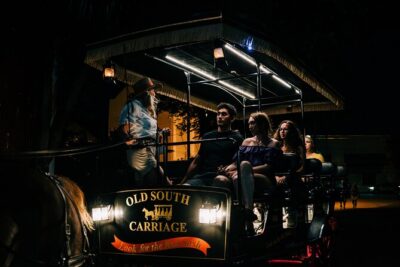
Haunted Evening Horse and Carriage Tour of Charleston
Read our review →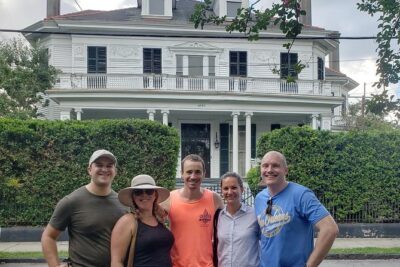
New Orleans Garden District History Walking Tour
Read our review →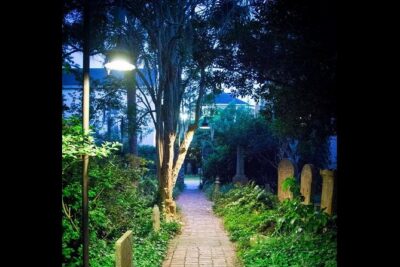
Ghosts of Charleston Night-Time Walking Tour with Unitarian Church Graveyard
Read our review →
New Orleans Haunted Ghost, Voodoo & Vampire Walking Tour
Read our review →
Browse the lists this tour appears in