
Reviewed · MUSEUMS
Ground Zero Museum Workshop Tour
The most unusual part of the Ground Zero Museum Workshop is simple: you can hold pieces of World Trade Center steel and window glass. This small Meat-Packing District museum focuses on the nine-month recovery effort, using Gary Marlon Suson’s photographs, video, and objects from the rubble to tell a personal story of the people who worked there.
I like the chance to study the exhibits at your own pace with a BOSE audio guide, and I like the museum’s careful, non-graphic approach for children. The 100 stories add human detail, while the clock stopped at 10:02 a.m. and the charred Bible page give the collection a powerful physical presence.
The main drawback is the name and location. This museum is not at Ground Zero and is not the large 9/11 Memorial Museum downtown. It is a compact second-floor space on West 14th Street, so book it only if you want an intimate recovery exhibit rather than a full account of the attacks and their aftermath.
In This Review
- Key details before you book
- What this museum is, and what it is not
- Arriving at 420 West 14th Street
- The 100 photographs and the recovery story
- The artifacts you can see and touch
- The 15-minute film and guided introduction
- Why the intimate setting works
- Comparing the workshop with the official downtown museum
- The $34.50 price and the value you get
- Who should book this experience
- Booking and practical cautions
- Should you book the Ground Zero Museum Workshop?
- FAQ
- Where is the Ground Zero Museum Workshop located?
- Is the museum located at Ground Zero?
- Does admission include the 9/11 Memorial and Museum?
- How long does the experience last?
- What does the tour include?
- Which languages are available?
- Can I touch the artifacts?
- Are children allowed?
- Can I take photographs?
- Can I bring a backpack or food?
- Is the ticket refundable?
Key details before you book
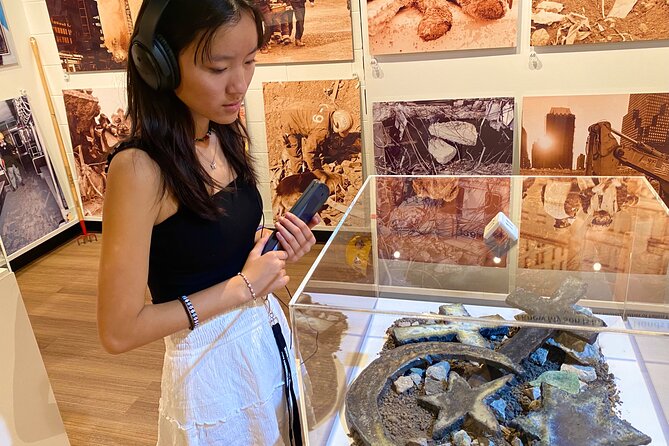
- Hold actual recovery artifacts: You can pick up and photograph World Trade Center steel and window glass, an unusual feature in New York’s 9/11 museums.
- Hear 100 personal stories: The BOSE audio tour explains the photographs and objects in English, Spanish, French, and Italian.
- See Gary Marlon Suson’s work: Suson was the official FDNY photographer with all-access permission during the recovery period.
- Plan for a small museum: The exhibit is intimate and tightly packed, not a vast institutional museum with galleries and large crowds.
- Allow 90 minutes, or more for every audio track: Some people finish in about an hour, while others spend closer to two hours listening to everything.
- Combine it with nearby sights: The museum is near Chelsea Market and the High Line, and about four subway stops from the World Trade Center area on the E train.
What this museum is, and what it is not
The Ground Zero Museum Workshop was established in 2005. Its subject is the recovery period after September 11, especially the nine months spent searching the wreckage for the missing and documenting the work of firefighters, rescue crews, and recovery teams.
That narrow focus is important. You are not entering a broad national museum covering every event, political decision, personal story, and long-term consequence connected with 9/11. You are entering a small, personal exhibit built around photographs and objects from the recovery effort.
New York has two separate 9/11 museum experiences. The official 9/11 Memorial Museum is beside the reflecting pools at the World Trade Center site. The Ground Zero Museum Workshop is several subway stops away in the Meat-Packing District. The similar names have caused confusion, so check the address carefully before paying.
If your main goal is to stand at the memorial pools and then enter the official museum, this is the wrong ticket. If you have already seen the downtown site, or if you want a close look at recovery work through one photographer’s lens, this workshop offers something different.
More Museum Tours in New York City
- NYC: 9/11 Memorial & Museum Timed-Entry Ticket
★ 4.8 · 31,428 reviews - NYC: Empire State Building Tickets – Observatory & Museum
★ 4.7 · 25,757 reviews - New York City: American Museum of Natural History Ticket
★ 4.5 · 15,447 reviews
Arriving at 420 West 14th Street
The museum is at 420 West 14th Street, near Chelsea Market and the High Line. It sits on the second floor of a building and can be easy to miss, especially earlier in the day before the outside sandwich board is placed out.
Give yourself extra time to find the entrance. This is not a grand museum frontage with a large sign and a broad lobby. You may find the setting underwhelming at first, but that changes once you reach the exhibition room and begin working through the collection.
The E train makes the trip practical. The museum is about four subway stops from the World Trade Center area, often described as roughly five minutes by train. You can also pair the visit with lunch at Chelsea Market or a walk along the High Line, which makes the West 14th Street location useful during a day in lower Manhattan.
Tours are limited to a small group, with the stated maximum at 15 people and another description noting a limit of 25. Either way, this is designed to be a small-group experience rather than a crowded museum visit. The compact room means a quieter group matters.
Bags and backpacks must be stored at the front during the tour because of space and security concerns. The museum states that this storage area is safe. Cameras are allowed, but you cannot videotape, make phone calls, or bring food and drinks into the tour. Free water is provided.
The 100 photographs and the recovery story
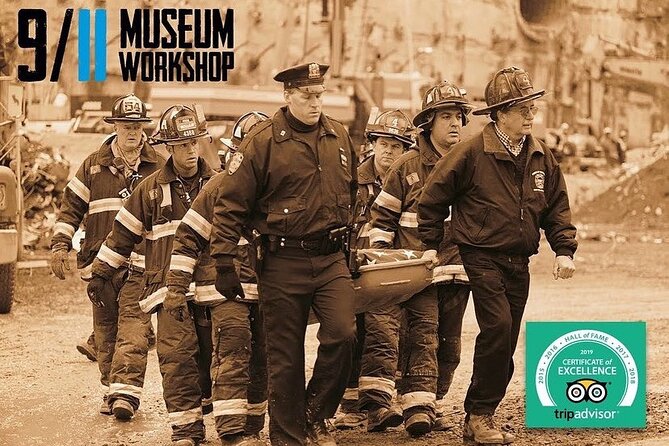
The collection includes 100 images by Gary Marlon Suson, described as the only all-access, sanctioned photographer at Ground Zero during the recovery work. His position gave him access to the recovery site and the FDNY personnel working there.
The photographs are not presented as distant news images. The audio narration supplies the stories behind them, helping you understand the work, exhaustion, loss, and duty shown in the pictures. If you simply walk around and glance at the walls, you will miss much of what gives the museum its weight.
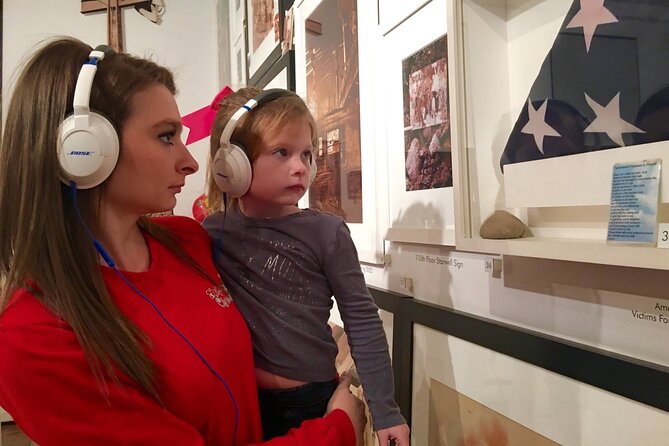
This is where the BOSE system earns its place. Each image and artifact has a spoken explanation, and you can listen in English, Spanish, French, or Italian. The audio format also gives younger children something to follow, instead of asking them to read long wall panels in silence.
You will encounter FDNY Honor Guard images and photographs from the recovery period. The emphasis is strongly on firefighters and first responders, so the museum has a particular point of view. That focus will appeal to you if you want to understand the service and sacrifice of the people working at the site.
It may feel incomplete if you want a full historical account of September 11. The museum is not trying to be a timeline of the entire day. Its strength is the close view of what happened afterward, when crews worked through the rubble in an effort to recover the missing.
The artifacts you can see and touch
Several objects give the photographs a physical anchor. The charred Genesis 11: Tower of Babylon Bible page was found in the World Trade Center rubble. Its damaged surface makes the destruction tangible without relying on graphic images.
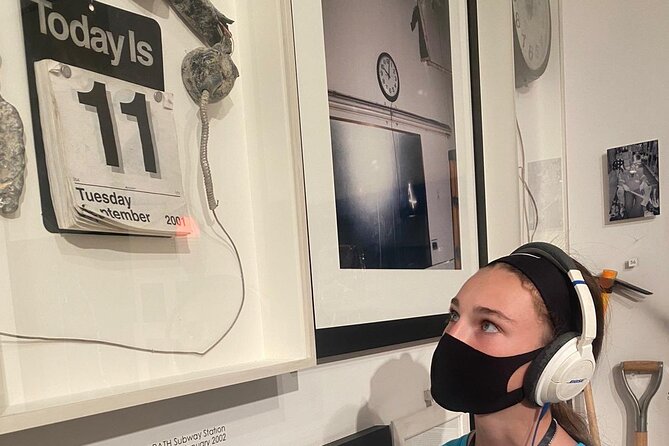
The Frozen Clock is stopped at 10:02 a.m., the time associated here with the collapse of the South Tower. The actual clock is displayed alongside the image, giving you the rare experience of seeing both the photograph and the object itself.
You can hold pieces of World Trade Center steel and window glass, and you can photograph many of the exhibits. That hands-on permission is the feature that most clearly separates this workshop from conventional museum displays, where objects are protected behind glass and visitors keep their distance.
One exhibit cannot be photographed, for a reason explained during the visit. The museum also allows you to take pictures of many other displays, but no videotaping is permitted. If you want photographs, bring a camera or use your phone only when allowed, and remember that phone calls are not permitted during the tour.
The collection is tightly packed into a small room, sometimes described as roughly 400 square feet. That is both its charm and its limitation. You get close to the objects, but several people listening at once can make the space feel crowded. Seating is available, which helps during the audio portion.
More New York City trips worth a second look
- NYC: Brooklyn Graffiti Workshop with Local Artist
★ 4.8 · 570 reviews - New Orleans Demonstration Cooking Class with Meal
★ 5.0 · 3,000 reviews - Instructor-Led Line Dancing Class with Souvenir Video
★ 5.0 · 1,394 reviews - New Orleans Hands-On Cooking Class with Meal
★ 5.0 · 1,183 reviews
The 15-minute film and guided introduction
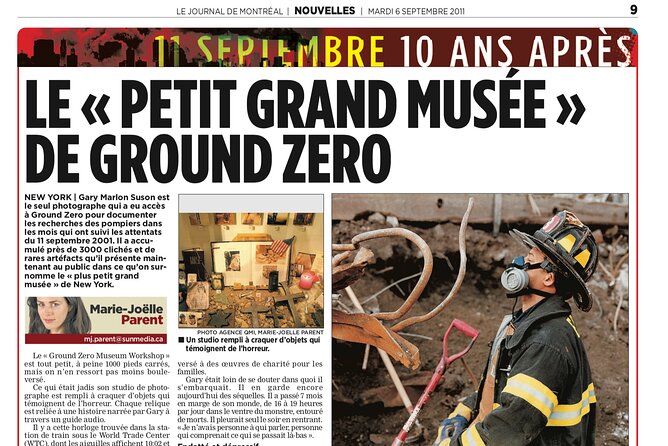
The experience includes a powerful 15-minute video. A museum guide starts the visit and provides a walk-through of the artifacts before you use the audio equipment to explore the collection.
The quality of the introduction can shape your visit. On some days, the person leading the tour may offer a warm and personal welcome, and the photographer himself, Gary Marlon Suson, may be present. When Suson is there, you may hear the stories directly from the person who made the images and worked with access to the site.
Do not count on meeting him, since his presence is not guaranteed. The museum’s regular staff lead the visit when he is away, and the core experience remains the photograph and audio collection.
The film uses news footage and recovery-period material to set the scene. It is not a lengthy cinema presentation, but it gives you a shared starting point before the individual stories. Afterward, you can take your headset and move through the images and objects in a self-guided format.
The published duration is about 90 minutes. Plan on that much time if you want a measured visit, and allow up to two hours if you intend to listen to every audio story. Some people finish in about an hour, especially if they skip portions of the recordings. The choice is yours, but rushing weakens the point of this museum.
Why the intimate setting works
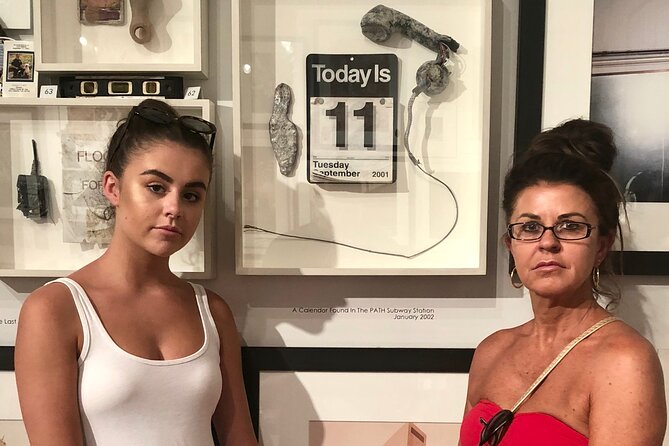
The small room can make the experience feel personal. You are close to the steel, glass, clock, photographs, and stories rather than moving through a huge series of galleries. For many people, that concentration creates a solemn atmosphere without graphic or morbid displays.
The museum is especially suitable for families who want to introduce children to the subject with care. The audio guide holds young attention better than a wall of text, and the exhibits avoid graphic scenes. Still, the topic is painful and serious, so you know your own child best.
The human scale also helps if you have limited time in New York. You can complete the visit in about an hour and a half, then walk to the High Line or eat at Chelsea Market. It works as a focused addition to a city itinerary rather than an all-day museum commitment.
The tradeoff is that the workshop can feel amateurish or underwhelming if you expect a large downtown institution. The room has many photographs and objects packed into a tight area, and the presentation depends heavily on the audio stories. I would not choose it for polished architecture, broad historical interpretation, or a grand museum experience.
Comparing the workshop with the official downtown museum
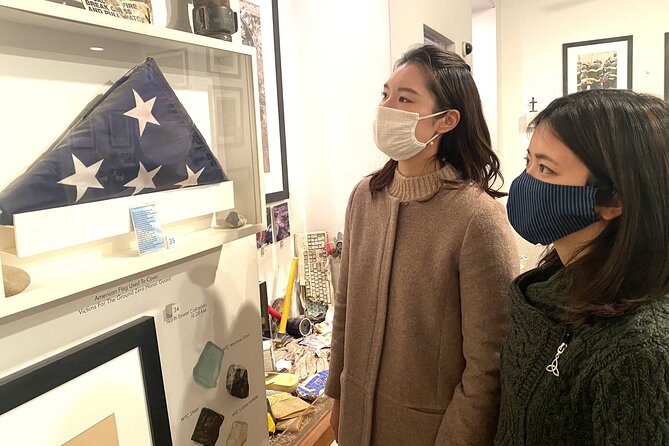
The choice is straightforward once you know what each place offers. The 9/11 Memorial Museum at Ground Zero is the major downtown institution beside the memorial pools. The Ground Zero Museum Workshop is a separate exhibit in the Meat-Packing District.
Choose the downtown museum if you want the official memorial setting and a larger, broader presentation. Choose this workshop if you want recovery photographs, FDNY stories, rare artifacts, and the chance to touch selected objects.
You can visit both if the subject matters deeply to you. The workshop’s personal focus can add detail after the downtown museum, while its smaller scale may feel repetitive if you have already spent a long time with similar photographs and accounts.
Do not assume that a ticket to one includes the other. Admission to the 9/11 Memorial and Museum is not part of this experience.
The $34.50 price and the value you get
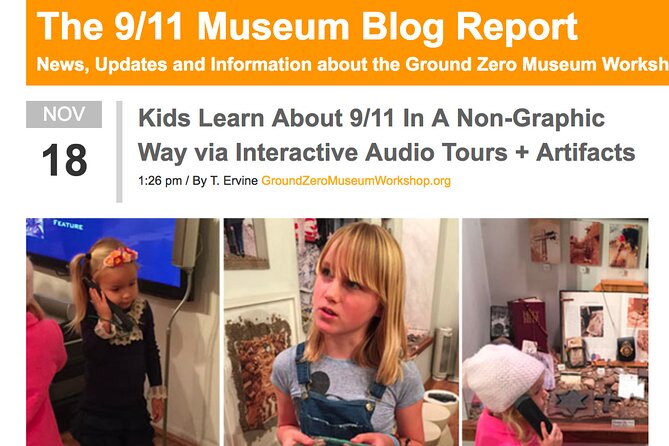
At $34.50 per person, the workshop is not a bargain basement attraction, but the value depends on what you want from a museum. You are paying for a guided introduction, the BOSE audio system, the film, access to 100 images and artifacts, seating, and the rare permission to hold selected recovery objects.
That price makes more sense if you use the audio guide fully. A quick look around the room may leave you feeling that the visit is short or small for the money. Spend 90 minutes with the stories, and the experience becomes much more substantial.
The location adds practical value. You can combine the visit with Chelsea Market and the High Line without crossing the city again. For a family, the kid-friendly audio format and compact visit may also be easier than committing to a long museum session downtown.
This is not the best value if you accidentally book it expecting the official 9/11 Memorial Museum. No amount of good photography fixes a mismatch between the experience you want and the ticket you purchased. Read the address and description before booking.
Who should book this experience
I would recommend the workshop to you if you are interested in first responders, photography, physical artifacts, and the recovery work after the attacks. It is also a good fit for families seeking a non-graphic introduction and for anyone who prefers a small, guided setting.
It suits a second visit to the subject particularly well. If you have already seen the memorial pools, the workshop gives you another angle, centered on the people who spent nine months working in the rubble.
You may want to skip it if your only reason for booking is proximity to Ground Zero. It is not downtown, and the name can create the wrong expectation. You may also be disappointed if you prefer a large museum with extensive galleries, chronological displays, and a broad national narrative.
The experience is offered in English, with audio support in Spanish, French, and Italian. Most people can participate, service animals are allowed, and seating is available. Since the subject is emotional, plan a little quiet time afterward rather than stacking the visit between demanding appointments.
Booking and practical cautions
Confirmation is provided when you book, and the ticket is mobile, so you can show it on your phone. The activity begins and ends at 420 West 14th Street.
The experience is non-refundable and cannot be changed for any reason. If poor weather causes the operator to cancel, you will be offered another date or a full refund. The tour requires good weather, so keep that condition in mind when building a tight schedule.
Arrive with as little luggage as possible. All backpacks and bags must be stored at the front, and food, drinks, phone calls, and video recording are not allowed inside the tour. Still photography is allowed under the museum’s rules.
Should you book the Ground Zero Museum Workshop?
Book it if you want an intimate, emotional look at the recovery effort, especially through FDNY photographs and personal audio accounts. The chance to hold World Trade Center steel and window glass is unusual, and the charred Bible page and frozen clock give the visit memorable focus.
Skip it if you are looking for the official 9/11 museum at the World Trade Center site. This is a small West 14th Street workshop, not a downtown memorial attraction. Make that distinction before booking, and the experience can be a moving and worthwhile part of a New York visit.
FAQ
Where is the Ground Zero Museum Workshop located?
It is located at 420 West 14th Street in New York City’s Meat-Packing District, near Chelsea Market and the High Line.
Is the museum located at Ground Zero?
No. The workshop is several subway stops from the World Trade Center area and is separate from the 9/11 Memorial Museum.
Does admission include the 9/11 Memorial and Museum?
No. Admission to the downtown 9/11 Memorial and Museum is not included.
How long does the experience last?
The visit lasts approximately 90 minutes. You may need closer to two hours if you listen to all of the audio stories.
What does the tour include?
It includes a museum guide, a BOSE audio tour in four languages, a 15-minute video, access to the artifacts and photographs, seating, and free water.
Which languages are available?
The audio tour is available in English, Spanish, French, and Italian.
Can I touch the artifacts?
Yes. You can hold and photograph selected rare artifacts, including World Trade Center steel and window glass.
Are children allowed?
Yes. The museum is described as family-friendly and uses non-graphic displays. The audio guide is designed to help hold young children’s attention.
Can I take photographs?
Photography is allowed, but videotaping is not. One exhibit cannot be photographed, and the reason is explained during the visit.
Can I bring a backpack or food?
Backpacks and bags must be stored at the front of the museum. Food and drinks are not allowed during the tour, although free water is provided.
Is the ticket refundable?
No. The experience is non-refundable and cannot be changed. If the operator cancels because of poor weather, you will be offered a different date or a full refund.
Recently reviewed around New York City
- Dyker Heights Christmas Lights Guided Tour★ 4.5 · 920 reviews
- New York City Dinner Cruise with Live Music★ 4.0 · 377 reviews
- New York City Holiday Lights Tour★ 4.5 · 664 reviews
- NYC in a Day Tour: Statue of Liberty, Times Square and More★ 5.0 · 366 reviews
- Broadway and Times Square Insider Tour with Theater Professional★ 5.0 · 651 reviews
- NYC Central Park Bicycle Rentals★ 4.5 · 368 reviews
- Central Park Bike Rental New York City★ 4.0 · 560 reviews
- Manhattan Sky Tour: New York Helicopter Flight★ 4.5 · 1,458 reviews
Museums, compared.
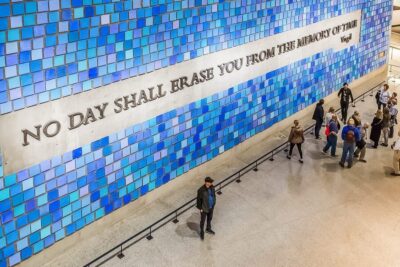
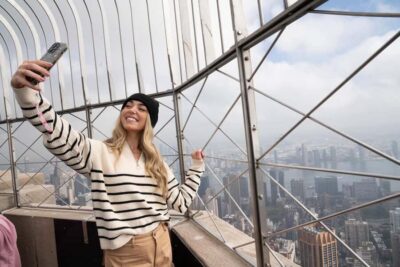
Empire State Building Tickets – Observatory & Museum
Read our review →

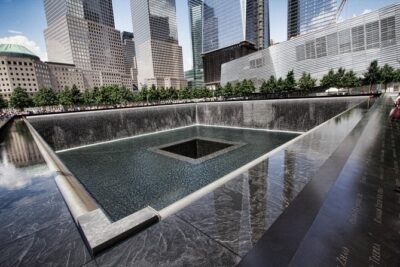
9/11 Memorial, Ground Zero Tour with Optional 9/11 Museum Ticket
Read our review →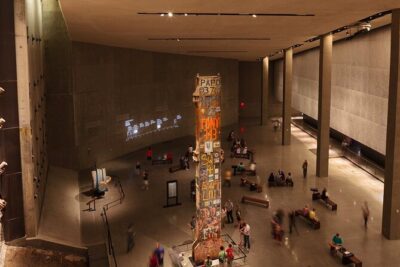
All-Access 9/11: Ground Zero Tour, Memorial and Museum, One World Observatory
Read our review →
Browse the lists this tour appears in