

Reviewed · MUSEUMS
New Orleans: The National WWII Museum Ticket
The National WWII Museum begins with a detail that ties global history to New Orleans: the landing craft used on D-Day were designed and built here. Inside five large pavilions, you follow the American experience from the causes of the war through Normandy, the Pacific, the Home Front, and the years after victory.
I like the museum’s human scale. You can follow an individual soldier through a paper dog tag, then connect that personal story to vast campaigns and military strategy. I also like the restored aircraft in the U.S. Freedom Pavilion, where catwalks bring you close to planes suspended above your head. The main drawback is simple: this is not a quick stop. A late afternoon ticket can leave you racing through exhibits, and even a full day may not cover everything.
In This Review
- Key points
- Why This New Orleans Museum Needs More Than a Few Hours
- Start With the Louisiana Memorial Pavilion
- Follow the Road to Tokyo
- Walk Through Road to Berlin
- Look Up in the U.S. Freedom Pavilion
- Add Beyond All Boundaries for the Full Sensory Presentation
- Liberation Pavilion Connects Victory to Today
- Take Breaks at the American Sector
- Getting There and Handling the Practical Details
- Who Will Get the Most From This Museum
- Should You Book the National WWII Museum?
- FAQ
- How much does admission to the National WWII Museum cost?
- How long is the National WWII Museum ticket valid?
- Is the museum admission timed?
- Is Beyond All Boundaries included with regular admission?
- Who narrates Beyond All Boundaries?
- What does the Campaigns of Courage guided tour cover?
- Are guided tours included with basic admission?
- Where is the museum entrance?
- Is the museum wheelchair accessible?
- Can I take photographs inside?
- Is there food at the museum?
- Can I cancel my booking?
Key points
- New Orleans-built D-Day craft: See how the city contributed to the Normandy invasion through landing craft designed and built locally.
- Five pavilions, one long visit: The museum covers Europe, the Pacific, the Home Front, restoration work, and the postwar world.
- Aircraft at catwalk level: Walk beneath and beside wartime planes, including the B-17E Flying Fortress, with a close look at crew positions and details.
- Beyond All Boundaries: Add the timed 4-D presentation narrated by Tom Hanks for moving seats, physical effects, and large screen imagery.
- Campaigns of Courage: Choose a two-hour guided tour of the Road to Tokyo and Road to Berlin exhibits.
- Plan for most of the day: Four hours is a useful minimum, but many visitors need a full day or a second visit.
Why This New Orleans Museum Needs More Than a Few Hours
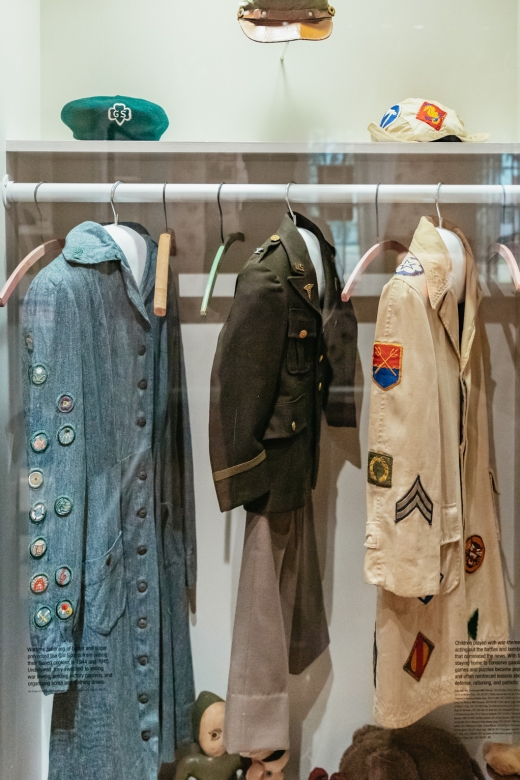
At $37 per person for basic admission, the museum costs more than many smaller city museums. I think the price is reasonable if you give it enough time. The scale is unusually large, the exhibits are carefully built, and the ticket covers a full day of access rather than a short guided walk-through.
The mistake is treating this as a one-hour attraction between lunch and a French Quarter stroll. The museum includes film clips, personal accounts, military equipment, large set pieces, maps, and plenty of reading. You can move briskly through the main story in several hours, but that means skipping details that give the exhibits their emotional weight.
For a serious visit, book an early entry. A 1 p.m. start may sound workable, but the museum closes before you can reasonably cover five pavilions at a thoughtful pace. Reservations after 3 p.m. should expect a shortened visit.
The museum is open for a one-day visit, and admission tickets can be timed or non-timed depending on the option you choose. If your ticket includes the film or a guided tour, the printed time applies to that added activity. Your museum admission can be used at any time that day.
More New Orleans museums and collections:
- The National WWII Museum Admission Ticket New Orleans
★ 5.0 · 2,202 reviews - French Quarter Walking Tour With Comp 1850 House Museum Admission
★ 5.0 · 781 reviews - The National WWII Museum Campus Pass plus 4-D Film
★ 5.0 · 672 reviews
Start With the Louisiana Memorial Pavilion
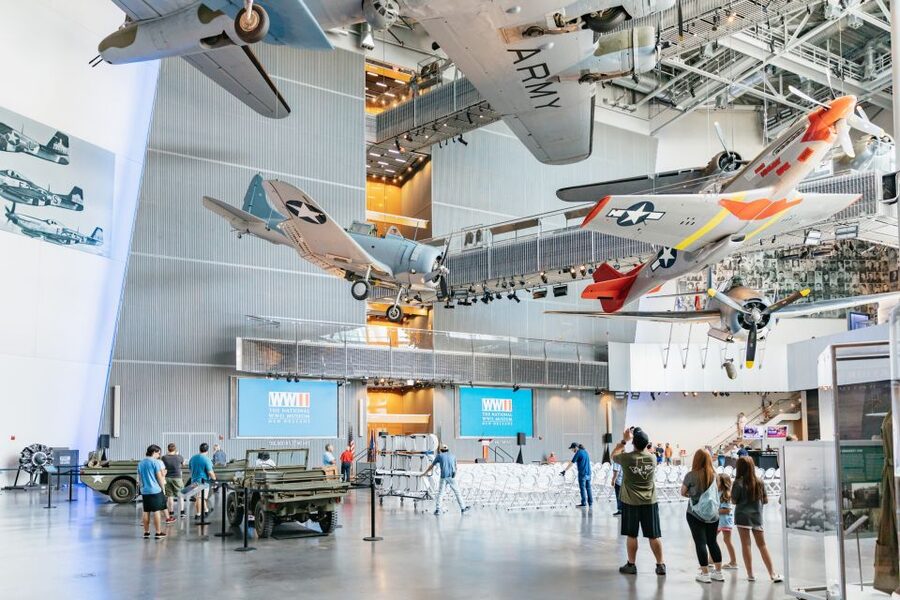
The Louisiana Memorial Pavilion gives the visit its local anchor. The D-Day exhibit explains the Normandy invasion and highlights landing craft designed and built in New Orleans. That connection matters because it keeps the war from feeling like a distant series of battles on a map.
You also find the Home Front story here. This section shifts attention away from beaches and battlefields to the American experience behind the lines. It helps explain how a country organized its people, industry, and resources for a global war.
I like this opening because it answers the basic questions before asking you to absorb battle details: why the war was fought, how the United States responded, and what ordinary people faced at home. The presentation is designed for self-guided visits, with short films, displays, and explanatory material along the route.
The museum provides visitor booklets in Chinese, English, French, Japanese, and Spanish. That is useful if you prefer to read background material in one of those languages. Staff and volunteers are stationed around the museum to point you in the right direction, which helps when the route begins to feel less obvious.
Follow the Road to Tokyo
The Campaigns of Courage area includes Road to Tokyo, which traces the war in the Pacific from Pearl Harbor toward Japan. This part of the museum deals with a long, difficult campaign, and the exhibits help put the distance, terrain, and changing military strategy into perspective.
You will find a mix of artifacts, video, battlefield context, and personal accounts. The focus stays on the American experience, but the story is not reduced to a simple victory parade. The Pacific war involved brutal fighting and hard choices, and the displays present that campaign as a demanding road rather than a quick march toward victory.
If you want more structure, you can add a two-hour Campaigns of Courage guided tour. It covers both Road to Tokyo and Road to Berlin. This is a good choice if you prefer a docent to connect the displays and explain how individual battles fit into the wider war.
The guided option does add time and cost, so it is not essential for everyone. The exhibits are well explained for independent visitors. I would choose the tour if you have a strong interest in military history, want more context than labels provide, or find large museums easier to follow with a set route.
Walk Through Road to Berlin
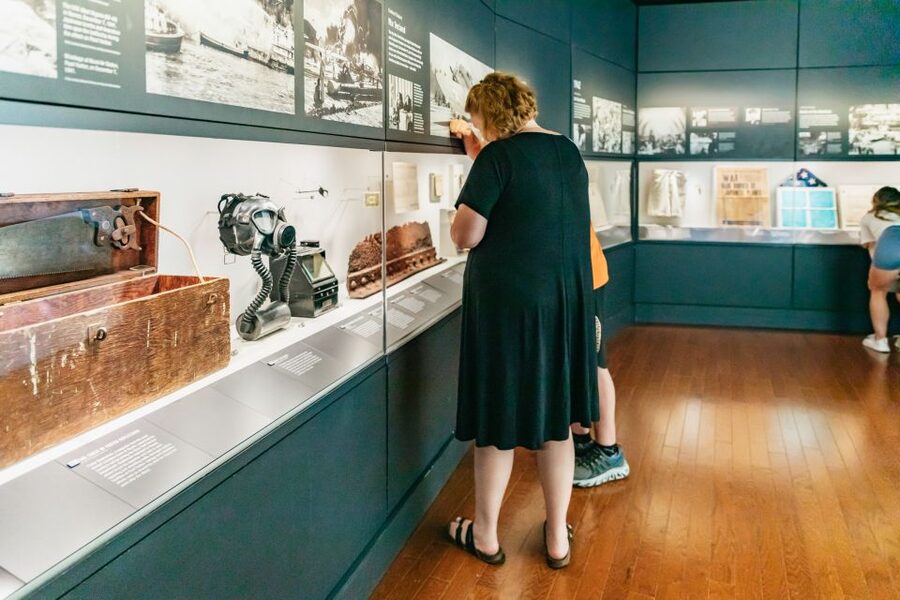
Road to Berlin recreates battle settings and villages as American forces pushed toward Germany. This exhibit gives the European campaign a physical sense of place. Instead of seeing only dates and arrows on a map, you move through scenes designed to show the environments in which soldiers fought.
The exhibit is also useful for understanding how the campaign changed over time. The road from the Normandy invasion to Berlin was not one single event. It involved movement through villages, changing resistance, difficult conditions, and the steady pressure of a large military advance.
The museum uses personal stories to keep the display connected to people. A paper dog tag lets you follow one soldier’s wartime experience through the museum. I recommend taking one. It gives your visit a thread to follow when the number of names, units, weapons, and operations begins to pile up.
This is one reason the museum works for families. A teenager who may not read every panel can still follow a person, a vehicle, or a particular campaign. Older children and students can then return to the details that interest them most.
More New Orleans trips worth a second look
- NYC: SUMMIT One Vanderbilt Tickets
★ 4.7 · 51,195 reviews - NYC: 9/11 Memorial & Museum Timed-Entry Ticket
★ 4.8 · 31,428 reviews - NYC: Empire State Building Tickets – Observatory & Museum
★ 4.7 · 25,757 reviews - NYC: Empire State Building Observation Deck Tickets
★ 4.7 · 22,072 reviews
Look Up in the U.S. Freedom Pavilion
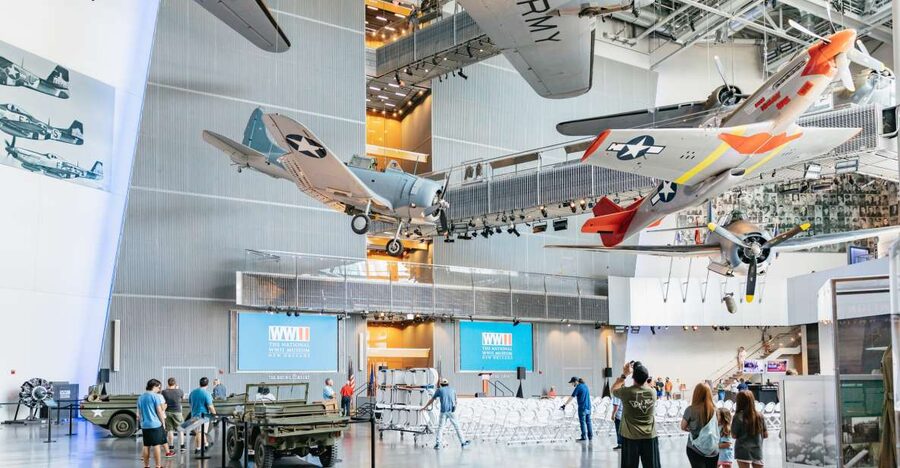
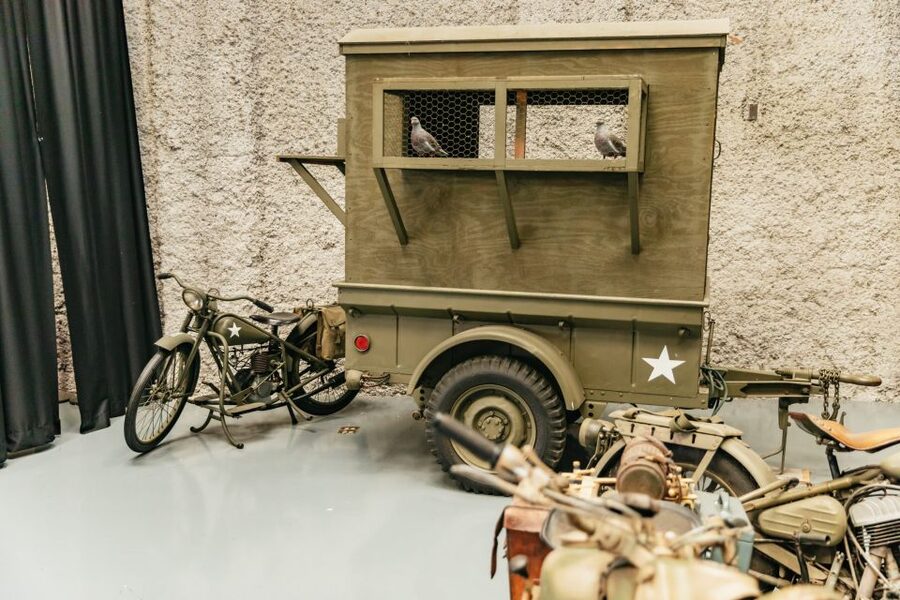
The U.S. Freedom Pavilion is one of the museum’s most memorable spaces. Actual World War II aircraft hang above you, including the B-17E Flying Fortress. Tanks and trucks add weight at ground level, while the aircraft give the hall a dramatic sense of height.
The sky-high catwalks are the special feature here. They let you see the planes from closer range and inspect parts of the aircraft that would be invisible from the floor. You may also see figures positioned inside the planes, helping show where crew members worked during wartime missions.
This area can be crowded, especially around the catwalks and the most recognizable aircraft. Give yourself time rather than trying to push through. The planes are not just large objects for photographs. Their size, cramped positions, and mechanical details help explain the physical demands placed on wartime crews.
No flash photography or video is allowed. Keep your camera ready for regular photographs, but plan to spend more time looking than filming. The museum’s value here is in the details you notice in person.
Add Beyond All Boundaries for the Full Sensory Presentation
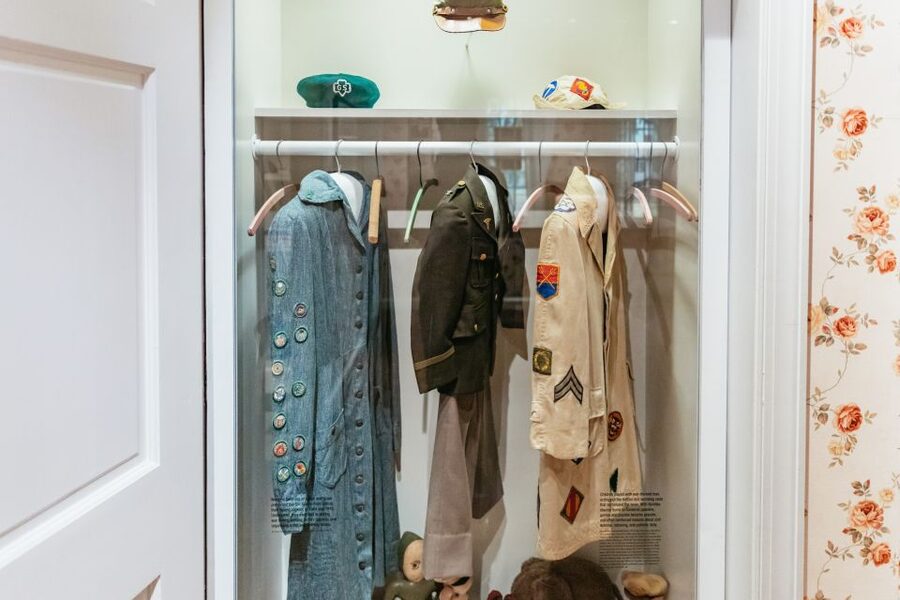
The Solomon Victory Theatre presents Beyond All Boundaries, a 4-D film narrated by Tom Hanks. It combines large screen imagery with physical effects and moving seats. The result is more than a standard museum film, and it has a strong emotional impact.
I recommend adding it if you can handle a dramatic presentation. The film brings the war’s scale and danger close to the audience, but the sensory effects may not suit everyone. If you prefer quiet galleries and first-person testimony, the regular exhibits may be enough.
You need a separate ticket option that includes the 4-D film. The film time on your ticket is reserved, so arrange your museum route around it. Your admission to the museum itself is not restricted to that film time.
The film is especially useful after you have seen some of the galleries. Once you know the basic sequence of events, the presentation can pull those campaigns together. It should not replace the exhibits, though. The film gives you an intense overview, while the galleries provide the names, objects, and personal accounts.
Liberation Pavilion Connects Victory to Today
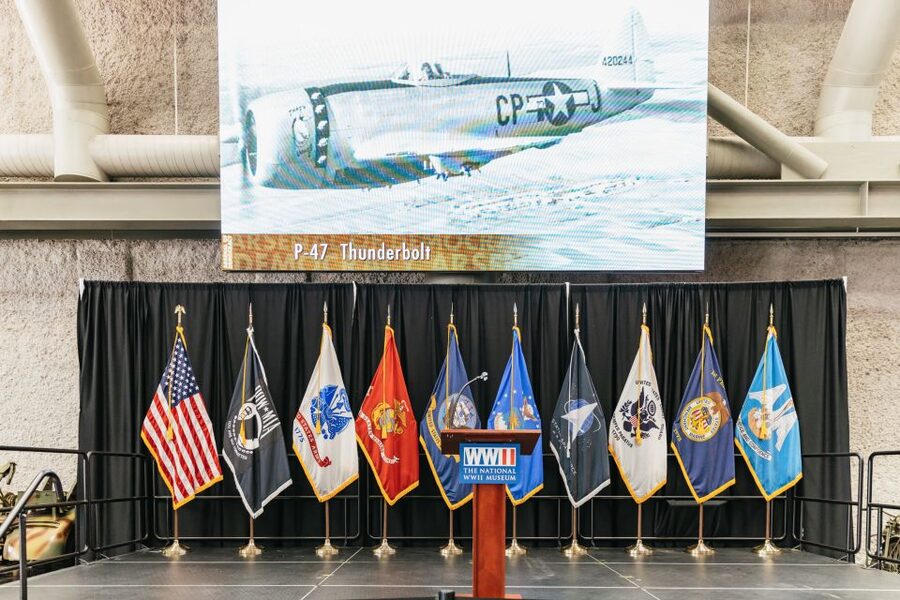
Liberation Pavilion covers the closing months of the war and the years immediately afterward. This section moves beyond battlefield victory and asks what happened when the fighting stopped.
That shift is important. World War II did not end with a clean return to normal life. Soldiers came home, societies rebuilt, political relationships changed, and the consequences of the war continued into the modern world. The pavilion closes by explaining links between that period and life today.
If you have already spent several hours with the combat exhibits, this section gives the visit a needed pause. It widens the story from operations and equipment to people and consequences. I would save enough energy for it rather than leaving once you have seen the most dramatic aircraft and battle scenes.
Take Breaks at the American Sector
The museum is large enough that fatigue can affect how much you absorb. The American Sector Restaurant and Bar provides a practical break inside the complex. It is open Sunday through Friday from 11 a.m. to 2 p.m., and Saturday from 11 a.m. to 3 p.m.
There are also places for snacks, and the museum has clean, easy-to-find restrooms. A meal break makes sense if you are staying most of the day. One useful advantage of eating onsite is that you do not have to lose time leaving the museum and returning through city traffic.
The dining room has received especially strong praise for its food and service, with beignet fries and a chocolate shake at Jeri’s mentioned as popular treats. These details matter on a long museum day. A short break can keep younger visitors and tired adults engaged for another pavilion.
There are two gift shops, so allow extra time if you want books, souvenirs, or educational material. The museum also includes on-site restoration work and a period dinner theater, adding to the sense that this is a full institution rather than a single hall of displays.
Getting There and Handling the Practical Details
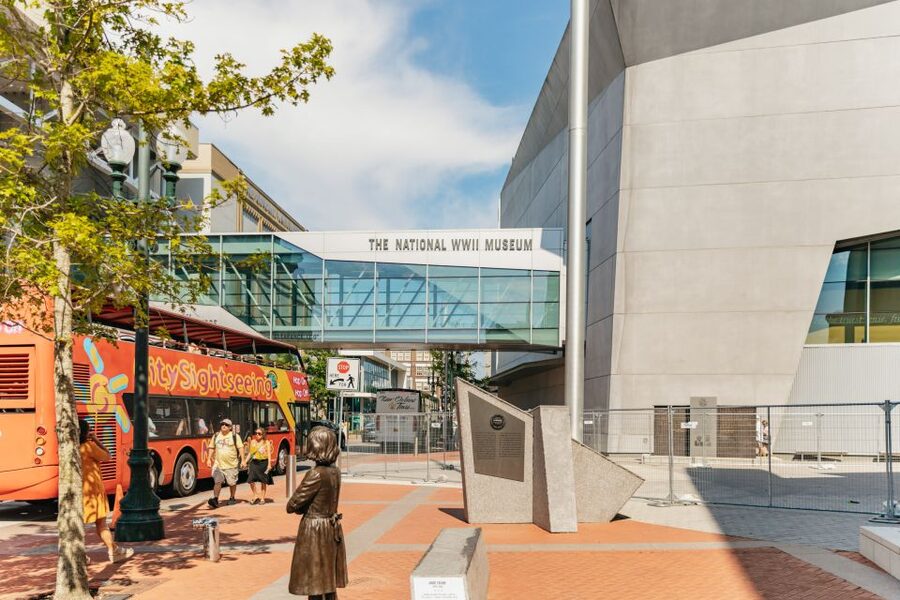
Enter through the main museum entrance on the north side of Andrew Higgins Boulevard. Show your barcoded ticket, and staff will direct you to the proper scanning point and visitor guide pickup.
The paid parking garage is at 1024 Magazine Street. If you are driving, include parking and walking time in your schedule. The museum is in downtown New Orleans, so public transport or a taxi may be easier than finding a space during a busy period, but the supplied information does not specify particular transit routes.
The museum is wheelchair accessible. A limited number of wheelchairs are available to borrow on a first-come-first-served basis, so do not count on one being available if you need it. Some older adults may need help moving through the large facility, especially during a full-day visit.
The route can feel confusing at certain checkpoints. Staff and volunteers are helpful, but pay attention to signs and ask for directions before you miss a pavilion or timed film. The visitor guide is worth picking up at the entrance.
Who Will Get the Most From This Museum
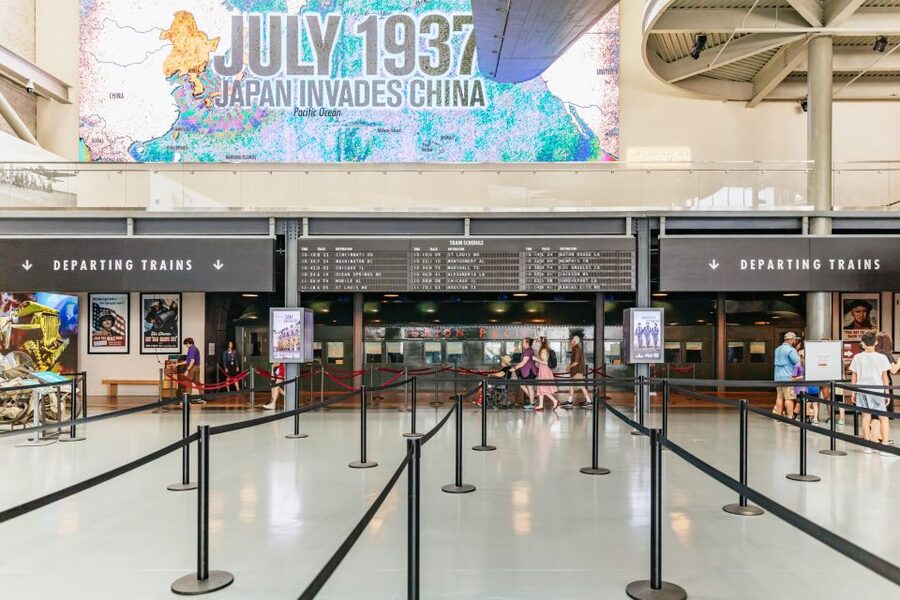
This is an excellent choice for history fans, veterans, families with older children, and anyone who wants more than a quick look at military hardware. Teenagers can connect with the personal stories and dog-tag system, while adults may spend longer with strategy, photographs, and first-person accounts.
It also suits visitors from outside the United States. The museum focuses on the American experience, but the war’s campaigns and consequences are presented as part of a global conflict. The multilingual booklets make the visit easier for some international visitors.
You should think twice if you have only a narrow window in New Orleans. The $37 ticket is harder to justify when you can stay for only an hour or two. The museum rewards time, patience, and a willingness to read.
The subject is also emotionally heavy. The 4-D film, personal testimony, and scenes of wartime destruction can be upsetting. That is part of the museum’s purpose, but it is worth knowing before you arrive with young children or anyone who prefers lighter sightseeing.
Should You Book the National WWII Museum?
Book it if you can give it at least half a day, and ideally most of a full day. The strongest parts are the New Orleans connection to D-Day landing craft, the aircraft catwalks, the personal dog-tag stories, and Beyond All Boundaries.
I would buy the film option if you enjoy powerful multimedia presentations. Choose the Campaigns of Courage tour if you want an expert-led route through Road to Tokyo and Road to Berlin. If your schedule is tight, keep the basic ticket and focus on the pavilions that matter most to you.
The museum is not a casual filler between other New Orleans attractions. It is a serious, moving, carefully organized visit that can easily take four to seven hours. For many people, a second day is the sensible choice. If World War II interests you, this is one of the city’s strongest cultural stops. If it does not, the price and time commitment may be too much.
FAQ
How much does admission to the National WWII Museum cost?
The listed price is $37 per person for the basic museum ticket. Options that include the 4-D film or guided tours cost more.
How long is the National WWII Museum ticket valid?
The ticket is valid for one day. Check availability for the starting times offered when you book.
Is the museum admission timed?
It depends on the option selected. Basic entry may be timed or non-timed. If you select an option with a 4-D film or guided tour, the reserved time applies to that activity, while the included museum admission can be used at any time that day.
Is Beyond All Boundaries included with regular admission?
No. You need to choose the ticket option that includes the timed 4-D film.
Who narrates Beyond All Boundaries?
The 4-D film is narrated by Tom Hanks.
What does the Campaigns of Courage guided tour cover?
The two-hour guided tour covers the Road to Tokyo and Road to Berlin exhibits.
Are guided tours included with basic admission?
No. A live guide is included only when you select a guided tour option.
Where is the museum entrance?
The main entrance is on the north side of Andrew Higgins Boulevard. Show your barcoded ticket there, and staff will direct you to the scanning area and visitor guide pickup.
Is the museum wheelchair accessible?
Yes. The museum is wheelchair accessible. A limited number of wheelchairs are available to borrow on a first-come-first-served basis.
Can I take photographs inside?
Yes, but flash photography and video are not allowed.
Is there food at the museum?
The American Sector Restaurant and Bar is onsite. It is open Sunday through Friday from 11 a.m. to 2 p.m., and Saturday from 11 a.m. to 3 p.m. There are also snack options.
Can I cancel my booking?
You can cancel up to 24 hours in advance for a full refund. A reserve-now-and-pay-later option is also available.
Recently reviewed around New Orleans
- New Orleans Yellow Fever Ghost Tour★ 5.0 · 1,298 reviews
- VIP Jazz Dinner Cruise with Private Tour and Open Bar Option★ 4.5 · 838 reviews
- Whitney Plantation Tour with Transportation from New Orleans★ 4.5 · 1,351 reviews
- New Orleans Private Carriage Tour of the French Quarter★ 5.0 · 537 reviews
- New Orleans French Quarter Photo Shoot★ 5.0 · 462 reviews
- New Orleans Delicious Donuts & Beignets: A Sweet Walking Tour★ 5.0 · 928 reviews
- The Escape Game at the French Quarter in New Orleans★ 5.0 · 364 reviews
- The Ghosts of New Orleans Tour★ 4.5 · 702 reviews
Museums, compared.

Empire State Building Tickets – Observatory & Museum
Read our review →


9/11 Memorial, Ground Zero Tour with Optional 9/11 Museum Ticket
Read our review →
All-Access 9/11: Ground Zero Tour, Memorial and Museum, One World Observatory
Read our review →
Browse the lists this tour appears in