
Reviewed · MUSEUMS
Whitney Museum of American Art Admission Ticket
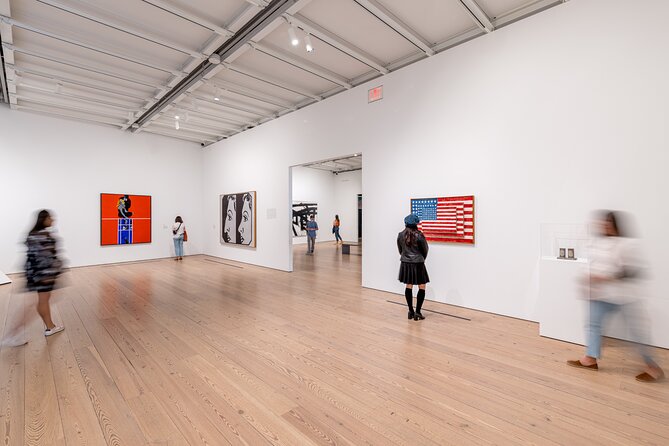
The best part of this ticket is the building itself. The Renzo Piano-designed Whitney rises between the High Line and the Hudson River, with bright galleries, outdoor artworks, and terraces that open onto Manhattan. You get American art and a fine city view in one stop.
I like the freedom to explore at your own pace, and I like that free daily tours give you a useful way into unfamiliar modern art. The main drawback is crowding. A time slot may get you through the door, but a popular Hopper or special exhibition can still feel packed.
The $30 price makes sense if you plan to see several floors, use the terraces, and take your time with the collection. It is less convincing if you only want a few Edward Hopper paintings, especially when part of the museum is closed or a special show is crowded.
In This Review
- Key points for planning your Whitney visit
- The Whitney’s Meatpacking District setting
- Entering with a mobile ticket
- What to see across the museum
- The Biennial and temporary exhibitions
- Why the architecture matters
- Free tours and exploring alone
- Crowds, closures, and the real time needed
- Who will get the most from this ticket
- Booking, cancellation, and useful details
- Should you book the Whitney Museum ticket?
- FAQ
- How much does admission to the Whitney Museum cost?
- How long should I plan for the visit?
- Is a mobile ticket available?
- Are guided tours included?
- What artists can I see at the Whitney?
- Does the ticket include the Biennial?
- Where is the museum located?
- Can I cancel for a refund?
Key points for planning your Whitney visit
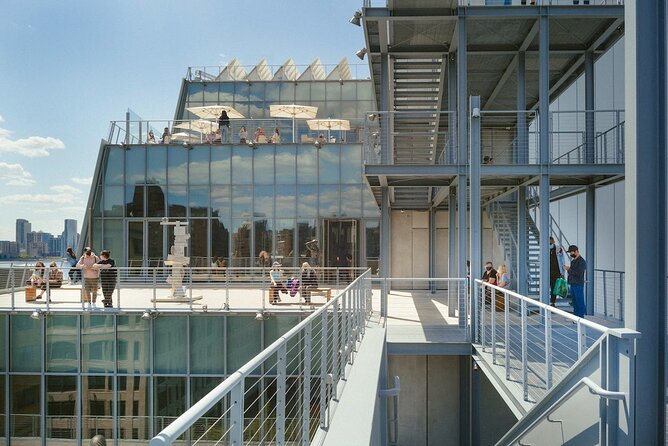
- See the terraces on floors 5, 6, and 7: Outdoor art and views give the visit a welcome change of pace.
- Reach the eighth-floor terrace: This is the best spot for wide views of Manhattan and the Hudson River.
- Use the free daily tours: Times vary, so check the schedule after you arrive.
- Allow about two hours: That is enough for a useful visit, though art lovers will want longer.
- Pair it with the High Line: The museum sits right beside one of Manhattan’s most enjoyable elevated walks.
- Expect modern and contemporary art: Hopper and O’Keeffe are here, but the museum’s focus also includes living American artists.
The Whitney’s Meatpacking District setting

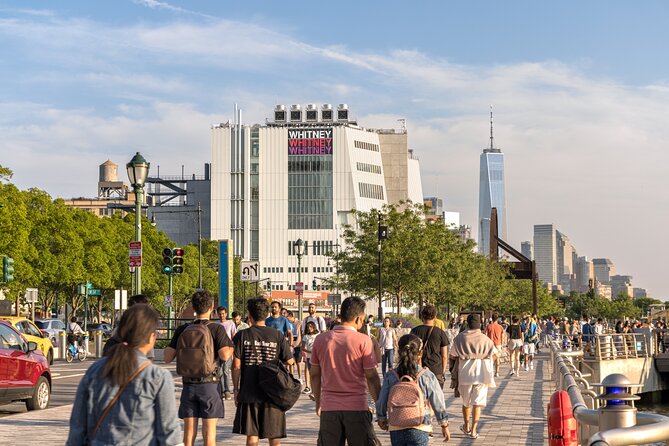
The museum is at 99 Gansevoort Street in the Meatpacking District, though the exact address is less important than its position. You can combine the visit with the High Line, Chelsea Market, and Greenwich Village without making a separate cross-town trip.
The neighborhood has restaurants, galleries, nightlife, and the High Line’s planted walking path. I would plan the museum as the middle or end of a half-day outing rather than treating it as an isolated stop. A walk on the High Line before the museum gives you a good look at the building from outside. A walk afterward helps you continue toward Chelsea or Greenwich Village.
Public transportation serves the area, and most people can take part without special arrangements. Driving is a poor fit for this part of Manhattan. The supplied information does not promise parking, and one visitor specifically found parking difficult, so public transit or a combination of subway and walking is the sensible plan.
The Whitney was founded by Gertrude Vanderbilt Whitney in 1930. That background matters because this is not simply a general modern-art museum with an American section. Its purpose is to present American art, with particular attention to artists working in the United States today.
More Museum Tours in New York City
- NYC: 9/11 Memorial & Museum Timed-Entry Ticket
★ 4.8 · 31,428 reviews - NYC: Empire State Building Tickets – Observatory & Museum
★ 4.7 · 25,757 reviews - New York City: American Museum of Natural History Ticket
★ 4.5 · 15,447 reviews
Entering with a mobile ticket
You book ahead, receive confirmation, and bring the mobile voucher to the admissions desk. The voucher is exchanged for a museum ticket, so do not assume that showing a phone screen means walking straight into the galleries without stopping.
Advance booking is useful during busy periods and special exhibitions. It gives you a planned entry and can reduce the uncertainty of arriving without a ticket. Some people were admitted earlier than expected, but I would not build your day around early entry. Treat the scheduled time as the time that matters.
The ticket is listed at $30 per person. That is a fair New York museum price if you spend two or three hours inside and make use of the terraces, tours, permanent displays, and temporary exhibitions. The value falls when a large section is closed or when a short late-day time slot leaves you little time to see the building.
Check the exact admission details before paying, especially if your main reason for going is a particular exhibition. A ticket tied to a 5 p.m. entry at a museum closing at 6 p.m. can leave too little time for a full visit. A time slot is not the same as a quiet gallery.
What to see across the museum
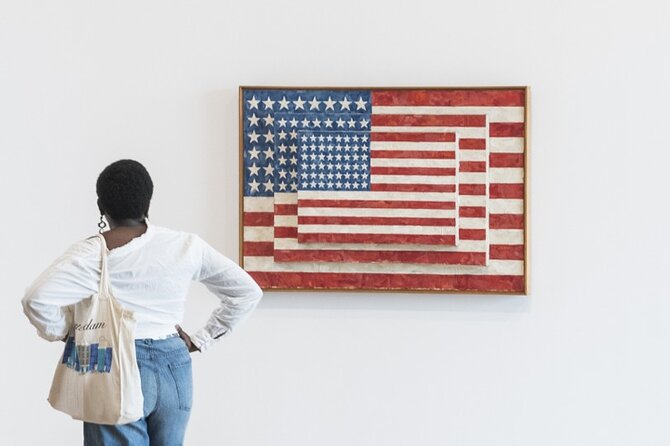
The Whitney presents 20th-century and 21st-century American art, with a strong emphasis on living artists. You can expect a mix of painting, sculpture, photography, installation, and other forms of modern and contemporary work.
The permanent collection includes major American names such as Edward Hopper, Georgia O’Keeffe, Jackson Pollock, and Alexander Calder. The exact works on view can change, so you should not buy this ticket expecting a fixed checklist of famous paintings.
Hopper is a particular draw. His scenes can feel familiar even when you know little about American art, and the museum’s Hopper holdings are an important reason for many people to visit. Still, the number of Hopper works on display may be smaller than you expect. If Hopper is your only goal, check the current exhibition plan first.
O’Keeffe, Calder, and Pollock offer different ways into the collection. O’Keeffe’s work rewards close attention to color and form. Calder brings sculpture and movement into the picture. Pollock asks you to look at paint as action rather than as a window onto a scene.
The museum also gives living American artists a central place. That can make the experience exciting, but it can also make the visit challenging if you prefer traditional painting. Some installations will speak to you at once. Others may seem thin or puzzling. The free tours are useful here because a docent can provide context without forcing you to like every piece.
The Biennial and temporary exhibitions
The Whitney Biennial is the museum’s signature exhibition and a major survey of recent American art. The ticket information includes access to the 2024 Biennial, so this experience can be especially worthwhile when that show is part of your visit.
The Biennial is not a tidy parade of greatest hits. It is meant to show current directions, arguments, materials, and concerns in American art. You may find painting beside video, sculpture beside social commentary, and installations that need a little time before they make sense.
Special exhibitions can change the value of the ticket. A strong show may keep you inside well beyond two hours. A crowded show can have the opposite effect, especially when people gather around a few famous works.
Plan your timing carefully. A late entry can work if you want one focused exhibition, but it is a poor choice if you want the collection, terraces, shop, and café area as well. If your schedule allows, arrive earlier in the day and give yourself room to pause.
More New York City museums and collections:
- NYC: Museum of Modern Art (MoMA) Entry Ticket
★ 4.6 · 12,540 reviews - 9/11 Memorial, Ground Zero Tour with Optional 9/11 Museum Ticket
★ 5.0 · 6,381 reviews - 9/11 Memorial Museum Admission Ticket
★ 4.5 · 6,376 reviews - All-Access 9/11: Ground Zero Tour, Memorial and Museum, One World Observatory
★ 5.0 · 4,886 reviews
Why the architecture matters
Renzo Piano designed the current building to bring light and air into the museum. The galleries feel different from a dark, enclosed museum, and the changing views help break up a long art visit.
The architecture is not merely a container for the collection. Windows frame the Hudson, the High Line, rooftops, and streets below. These views help you understand the museum’s place in the city and offer a reset after a demanding installation.
The outdoor terraces on floors 5, 6, and 7 include artworks rather than serving only as observation decks. On the eighth floor, the terrace gives you the broadest city and river views. I would make a point of finding all of them, even if the galleries are your main reason for coming.
One family described the upper floor, view, and bar as a highlight. That fits the building’s appeal: you can spend time with serious art, then step outside and simply look at New York. Bring a little flexibility, since weather and terrace access can affect the outdoor portion.
Free tours and exploring alone

Free daily tours are included with admission. Times vary, so check the schedule soon after you arrive rather than waiting until the end of your visit.
A tour can be a smart choice if contemporary art is not your usual territory. You do not need to understand every work before enjoying it, and a short explanation can show you what to look for in an installation or abstract piece.
If you prefer silence and independence, the museum works well on your own. Start with the floor that interests you most, then use the galleries as a route toward the terraces. You can also join a tour first and return to the works that caught your attention.
Staff service has generally been a strong part of the experience. Visitors have found the museum team friendly and helpful, and Stanley in the gift shop received special praise for being well informed and pleasant to talk with. That makes the shop worth a brief stop, even if you do not plan to buy anything.
Crowds, closures, and the real time needed
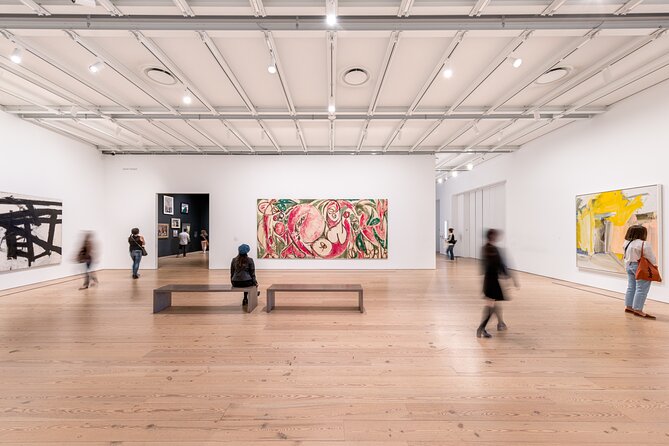
Two hours is a reasonable first visit. It gives you time for several galleries, a terrace stop, and perhaps a free tour. It does not guarantee a leisurely look at every floor, especially during a major exhibition.
Crowding is the biggest practical complaint. Popular displays can become ten people deep, making it hard to see the art or read the wall text. Some signs may also be difficult to read when the room is packed.
A time slot helps manage admission, but it cannot make a popular show private. If you dislike crowds, avoid the busiest period you can and allow extra time rather than trying to rush through a famous exhibition.
Exhibitions and floors can close for installation or other museum needs. One short visit had only part of the building open and took about 30 to 40 minutes. That is poor value at $30, so check what is open on your date, particularly if you are visiting for one named show.
Bathrooms and seating can matter more than you expect on a museum day. There are places to sit, which is helpful for children, older adults, and anyone who wants to slow down. But crowded periods can put pressure on facilities and make a comfortable visit harder.
Who will get the most from this ticket
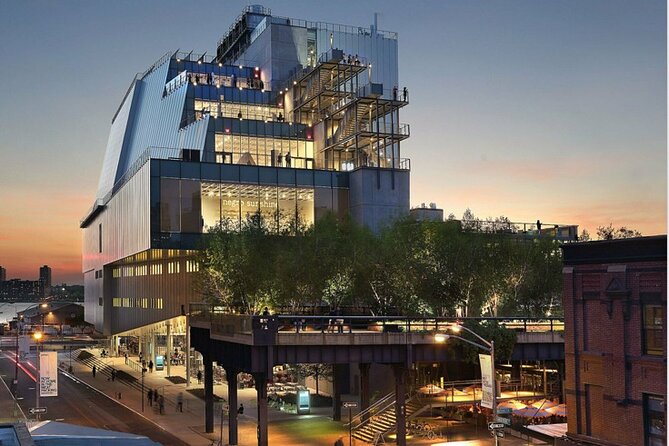
This admission suits you if you like American art, modern architecture, city views, or a flexible museum visit. It is also a good choice for a first introduction to contemporary American art because you can combine independent viewing with a free tour.
Families can make good use of the bright galleries, outdoor areas, and seating. A child or teenager who is studying art may find the range of materials and ideas especially useful. You should still keep your schedule loose, since not every installation will hold a young visitor’s attention.
The Whitney is less suitable if you want only old master paintings or a guaranteed large display of one artist. It may also disappoint you if you dislike abstract and contemporary work. Hopper is here, but the museum is much broader than Hopper.
For a short New York stay, the location helps. You can visit the museum, walk the High Line, stop at Chelsea Market, and continue toward Greenwich Village. That combination makes the $30 easier to justify than a visit requiring a special trip across town.
Booking, cancellation, and useful details
The experience is offered in English, and the ticket is mobile. Confirmation arrives at booking, and the museum is near public transportation.
Free cancellation is available if you cancel at least 24 hours before the scheduled start time. Changes or cancellations made within 24 hours are not accepted for a refund, and the cut-off follows local New York time.
The experience provider is the Whitney Museum of American Art. Even so, take a moment to confirm where and how your voucher must be exchanged. The normal process described here is a stop at the admissions desk for the museum ticket.
Should you book the Whitney Museum ticket?
Book it if you want a serious look at American art in a memorable building, especially if you can spare two hours and plan to use the terraces. The High Line location, free tours, Hopper, O’Keeffe, Calder, Pollock, living artists, and Hudson views give the visit several layers.
I would hesitate if you have only one hour, only want Hopper, or are visiting during a packed special exhibition. In those cases, check the open floors and exhibition schedule first. For most people who enjoy modern art and want to connect a museum visit with a good Manhattan walk, this is a solid $30 admission.
FAQ
How much does admission to the Whitney Museum cost?
The listed price is $30 per person.
How long should I plan for the visit?
The experience lasts about two hours. You may need more time if you want to see several exhibitions, join a tour, and visit every terrace.
Is a mobile ticket available?
Yes. You receive a mobile voucher and exchange it for a museum ticket at the admissions desk.
Are guided tours included?
Yes. Free daily tours are included with admission, with different times offered throughout the day.
What artists can I see at the Whitney?
The collection and exhibitions can include American artists such as Edward Hopper, Georgia O’Keeffe, Jackson Pollock, and Alexander Calder, along with living American artists. Displays can change.
Does the ticket include the Biennial?
The supplied admission details include access to the 2024 Biennial, the Whitney’s signature survey of recent American art.
Where is the museum located?
The Whitney is in Manhattan’s Meatpacking District, between the High Line and the Hudson River. It is also near Chelsea Market and within walking distance of Greenwich Village.
Can I cancel for a refund?
Yes, if you cancel at least 24 hours before the experience starts. Cancellations or changes made less than 24 hours before the start time are not accepted for a refund.
Recently reviewed around New York City
- LEGOLAND® New York Theme Park Admission Ticket★ 4.0 · 1,396 reviews
- NYC: Woodbury Common Premium Outlets Shopping Round Trip Service★ 4.0 · 784 reviews
- Washington DC Day Tour from New York City★ 4.5 · 917 reviews
- Day trip to Washington from New York★ 5.0 · 348 reviews
- NYC Underground Subway Walking Tour★ 4.5 · 361 reviews
- 2-hour Metropolitan Museum Guided Tour★ 5.0 · 515 reviews
- NYC The Sopranos Iconic Filming Locations Bus Tour★ 4.5 · 427 reviews
- Bronx Zoo Admission Ticket★ 4.0 · 406 reviews
Museums, compared.

Empire State Building Tickets – Observatory & Museum
Read our review →


9/11 Memorial, Ground Zero Tour with Optional 9/11 Museum Ticket
Read our review →
All-Access 9/11: Ground Zero Tour, Memorial and Museum, One World Observatory
Read our review →
Browse the lists this tour appears in