

Reviewed · HISTORICAL TOURS
Historic Memphis Guided Walking Tour: Memphis Beyond Beale
The Peabody Ducks are the charming finale to a walk through some of Memphis’ hardest chapters. Before you watch the ducks parade into the hotel lobby, you’ll hear about yellow fever, the Battle of Memphis, cotton, radio, Prohibition, and the people who shaped this river city. I like the strong historical focus and the way the route links famous sights to specific events. I also like the small-group feel, with a maximum of 20 people and plenty of room for questions.
The main drawback is simple: this is an outdoor walking tour, so cold, rain, or heat can affect the experience. The walk is generally easy, but the timing and length can vary. Some tours finish in about 90 minutes, while the advertised outing runs roughly two to three hours, especially if you add the Orpheum Theater visit.
In This Review
- Memphis Beyond Beale: Key Points
- Why This Walk Is More Than a Beale Street Tour
- Starting at the Peabody Memphis at 9:30
- Barboro Alley and the Yellow Fever Story
- The WDIA-WHRK Building and Memphis Radio
- Court Square and the Old Downtown Core
- Fourth Bluff Park and the Battle of Memphis
- The Mississippi River and the City’s Reason for Being
- Cotton Row and the Cotton Exchange
- Memphis Tourism and Howard’s Row
- The Peabody Ducks at the South’s Grand Hotel
- The Orpheum Theater Option at Noon
- What the $32.92 Price Gets You
- Weather, Walking, and Timing
- Who Will Get the Most From This Tour
- Should You Book Memphis Beyond Beale?
- FAQ
- Where does the Memphis walking tour start?
- How long does the tour last?
- Is the Orpheum Theater tour included?
- Does the tour include food, drinks, or hotel transportation?
- Is parking available near the meeting point?
- What happens if the weather is poor?
Memphis Beyond Beale: Key Points
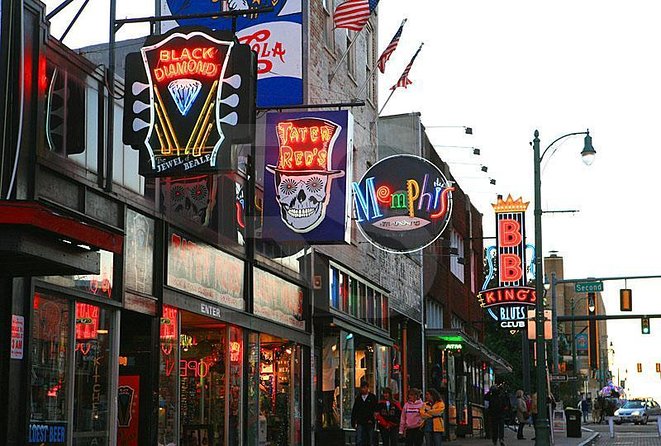
- See more than Beale Street: The route includes Court Square, Fourth Bluff Park, the Mississippi River, Cotton Row, General Washburn’s Escape Alley, and other downtown landmarks.
- Learn the city’s difficult past: Yellow fever, Civil War battles, racial and cultural change, cotton commerce, and Prohibition all get a place in the story.
- Catch the Peabody Ducks: The famous duck march gives the tour a light, memorable ending.
- Hear local stories from experienced guides: Charlie, Charles, Kate, and Mary are among the guides praised for clear storytelling and an easygoing style.
- Choose the Orpheum add-on: On Monday through Wednesday, subject to availability, you can join a guided theater tour at noon.
- Pay $32.92 per person: That is a fair price for a guided introduction to downtown, especially if you want context before exploring Memphis on your own.
Why This Walk Is More Than a Beale Street Tour
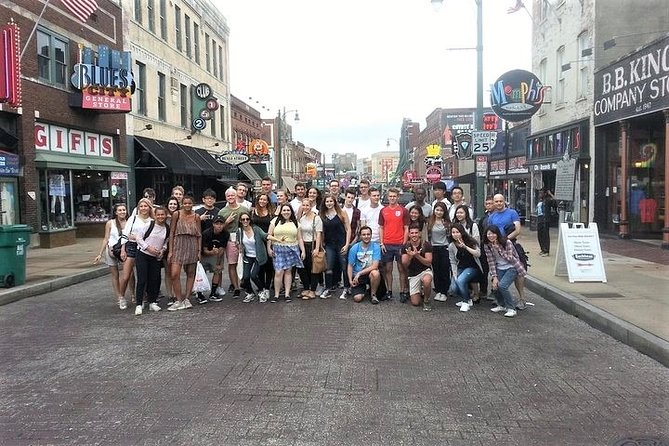
Memphis is often sold through music. Beale Street, Elvis, blues clubs, soul, and rock ‘n’ roll rightly draw much of the attention. But Memphis makes more sense when you understand the river, cotton, disease, war, politics, and migration that shaped it.
This tour gives you that wider picture. You still see Beale Street and other familiar downtown sights, but the emphasis is on what happened here and why the city developed as it did. A guide can point out a quiet alley or an ordinary-looking building and explain its connection to yellow fever, Civil War espionage, radio, or Memphis commerce.
That is the tour’s greatest value. You are not simply checking off landmarks. You are building a mental map of downtown Memphis. Afterward, Beale Street feels less like an isolated entertainment strip and more like one part of a complicated river city.
The guides bring different personalities to the walk. Charlie and Charles are praised for keeping groups involved, while Kate and Mary are described as friendly, clear, and willing to answer questions. That matters on a history tour. Dates and names can blur together, but a good story about Memphis’ gamblers, steamboat arrivals, soldiers, or machine bosses tends to stick.
More history-led days around the USA:
- New York City: American Museum of Natural History Ticket
★ 4.5 · 15,447 reviews - History and Hauntings of Salem Guided Walking Tour
★ 5.0 · 14,564 reviews - Charleston’s Old South Carriage Historic Horse & Carriage Tour
★ 5.0 · 10,023 reviews
Starting at the Peabody Memphis at 9:30
The tour begins at the Peabody Memphis, at 149 Union Avenue. This is a useful starting point because the hotel itself is one of downtown’s best-known landmarks, and you will return here for the duck march later in the route.
The scheduled start time is 9:30 am. Arrive early enough to find your guide and get settled before the group sets off. The tour accepts mobile tickets, and confirmation is provided when you book.
Parking is available in several garages and open lots within a few blocks. The closest listed garage is at 149 Peabody Place, between Second Street and BB King Boulevard, next to the Hampton Inn. Metered parking may also be available on nearby streets, including Second Street south of Beale, Beale Street between Front and Second, and Peabody Place from Front to Fourth Street.
The group can include up to 20 people. That is large enough to give the tour energy, but small enough for a guide to respond to questions. The walk uses public downtown streets and outdoor spaces, so wear comfortable shoes and dress for the forecast.
Barboro Alley and the Yellow Fever Story
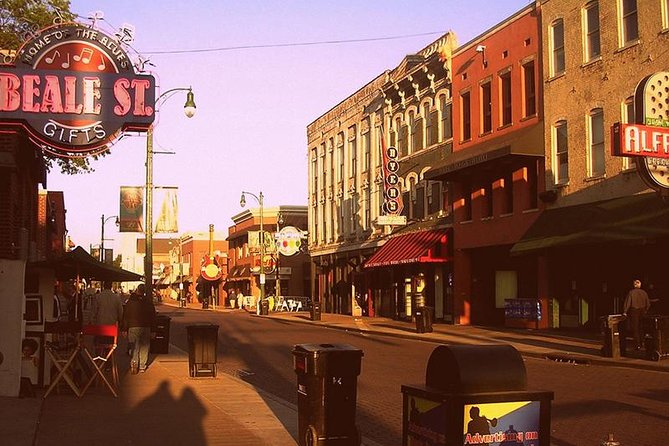
The first stop is Barboro Alley, where you begin with one of Memphis’ most sobering subjects: the yellow fever epidemics.
The disease hit Memphis especially hard in the 1870s. The tour connects the outbreak to the city’s population, downtown development, and Beale Street. This is an important opening because it explains why Memphis experienced such sharp periods of growth and decline.
You will not get a medical lecture detached from the city. Instead, the story is tied to streets, neighborhoods, and the people who lived through the crisis. That approach helps you understand why Memphis’ past includes both sudden wealth and severe hardship.
Allow about 10 minutes here. It is a short stop, but one of the most useful. Several guides make the yellow fever story a central part of the walk, and it gives you context that is easy to miss if you explore downtown alone.
The WDIA-WHRK Building and Memphis Radio
Next comes the WDIA-WHRK Radio Building, with a look at WDIA and its identity as the Goodwill Station.
Radio played a major part in Memphis’ cultural life, especially in the spread of Black music and the growth of the city’s music industry. The stop adds a cultural layer to the tour. You move from disease and civic survival into the media world that helped shape Memphis’ sound and public identity.
The visit lasts about 10 minutes. It is not a museum admission stop, so the value comes from the guide’s explanation and the connection to the surrounding streets.
This is also where the tour starts to show its range. It is not only about Civil War generals or famous musicians. Memphis’ story includes broadcasters, business owners, performers, and communities whose influence traveled far beyond the city.
More the USA walks with a guide:
- New Orleans Premier Ghost, Voodoo and Vampire Walking Tour
★ 4.5 · 12,856 reviews - Little Havana Food and Walking Tour in Miami
★ 5.0 · 8,882 reviews - Chicago: Gangsters and Ghosts Walking Tour
★ 5.0 · 7,155 reviews - Boston: Freedom Trail History Small Group Walking Tour
★ 5.0 · 6,450 reviews
Court Square and the Old Downtown Core
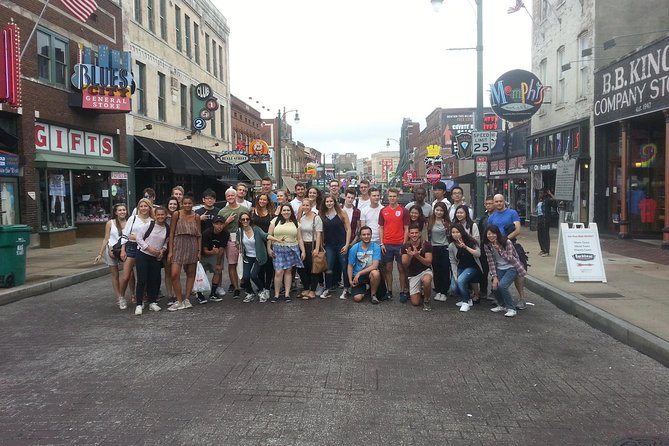
Court Square receives about 20 minutes, making it one of the longer stops. The park is one of Memphis’ oldest, and the fountain gives the group a clear landmark around which to discuss the city’s early civic life.
A guided explanation helps here because parks can be easy to pass without a second thought. Your guide can place Court Square within the growth of downtown, the arrival of visitors and goods, and the movement between the river, commercial streets, and public buildings.
This is a good spot to ask questions. The group is still early in the route, and the guide can explain how the different subjects fit together. If you want to know more about Memphis’ frontiersmen, merchants, steamboat traffic, or political characters, this is a natural time to speak up.
Fourth Bluff Park and the Battle of Memphis
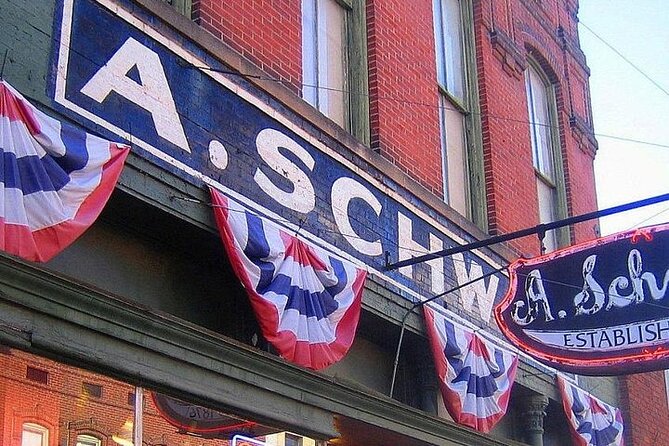
The route continues to Confederate Park, now renamed Fourth Bluff Park in 2016. This area marks the site of the Battle of Memphis in June 1862.
The name change is itself part of the modern story. You get a look at how Memphis remembers the Civil War today, not only what happened during the conflict. The guide also discusses additional sites connected to the Battle of Memphis and Forrest’s Raid on Memphis.
Expect about 15 minutes here. The stop works best for people who want more than a quick mention of the Civil War. You will hear about the military events, but also about the people caught in the conflict and the ways war affected this strategic river city.
The tour’s Civil War coverage is a strong point, though you should keep your expectations in check. This is a downtown walking overview, not a specialist battlefield program. You will get a well-shaped introduction rather than a minute-by-minute military study.
The Mississippi River and the City’s Reason for Being
The Mississippi River is not just a scenic backdrop on this walk. It is the key to understanding Memphis’ economy and location.
At the river stop, the guide explains its importance to trade, travel, cotton, and the city’s growth. Memphis was tied to the river long before modern tourism turned the waterfront into a sightseeing area. Steamboats, freight, merchants, and labor all passed through this corridor.
Allow about 15 minutes. Weather matters most here because you are outside and exposed to the elements. On a pleasant morning, this portion can be one of the most enjoyable parts of the route. On a cold or wet day, it may feel less comfortable, even though the subject remains worthwhile.
The river also helps connect the tour’s different eras. It links frontier Memphis with the cotton trade, the Civil War, commercial expansion, and the city’s later cultural life. You begin to see why Memphis developed as a crossroads rather than simply as a music destination.
Cotton Row and the Cotton Exchange

The Cotton Museum at the Memphis Cotton Exchange introduces the commercial engine that once drove Memphis: cotton.
The stop focuses on the Cotton Exchange and historic Cotton Row. You will hear how trade, speculation, transport, and wealth shaped downtown. The tour also helps place cotton within the larger story of the people who worked, sold, shipped, and profited from it.
The listed visit lasts about 10 minutes. Admission to the museum is not included as a separate visit, so do not expect a full museum tour here. Think of this as an outdoor explanation of the city’s cotton economy and its connection to nearby buildings.
This part is valuable because it keeps the story grounded. Music is the easy Memphis subject, but cotton explains much of the city’s original power. It also opens the door to harder questions about labor, slavery, race, and the unequal wealth built around the crop.
Memphis Tourism and Howard’s Row
At the Memphis Tourism stop, you see an area once known as Howard’s Row. It contains the oldest collection of original buildings in Downtown Memphis.
This is the kind of place a guide can make more interesting than a map can. Older buildings often look modest beside later development, but they help you picture the commercial city that existed before modern roads, large hotels, and newer attractions changed the downtown blocks.
The stop takes about 10 minutes. It is a good chance to look closely at the building fronts and street pattern rather than rushing from one major attraction to the next.
The tour’s route is strongest when it pauses at these less famous places. Beale Street and the Peabody are easy to find. Howard’s Row and Barboro Alley are the sort of details that give your later downtown wandering more meaning.
The Peabody Ducks at the South’s Grand Hotel
The Peabody Ducks are the crowd-pleasing part of the tour. The guide explains the history of the hotel, known as the South’s Grand Hotel, before you watch the ducks make their well-known march.
Allow about 20 minutes. Timing is important, since the walk is designed to arrive for the duck event. This is a popular tradition, and the lobby can be busy, so stay with the group and follow the guide’s instructions.
The duck march gives the historical walk a welcome change of pace. After yellow fever, war, cotton, and Prohibition, a line of ducks is exactly the sort of odd Memphis flourish that makes the city memorable.
One useful tip is to consider visiting the bar afterward and ordering a rubber ducky cocktail. That is not included in the tour, and food and drinks are generally your responsibility, but it can be a playful way to extend this stop if your schedule allows.
The Orpheum Theater Option at Noon
The final listed stop is the Orpheum Theatre, a major Memphis entertainment venue since 1928. The standard walk brings you to the theater area, while the optional add-on includes a guided building tour.
The Orpheum tour is offered Monday through Wednesday only and depends on availability. If you select it, you arrive for the noon tour. The walking guide leaves at that point, and the theater is only two blocks from the original meeting place.
This option changes the length and shape of your morning. The basic walking tour may take around 90 minutes in some cases, while the Orpheum visit adds about an hour. If you have afternoon plans, check the timing before booking the add-on.
I like the choice because it lets you match the outing to your interests. Add the theater if you care about architecture and performance history. Skip it if you mainly want an introduction to downtown Memphis and need to move on by lunchtime.
What the $32.92 Price Gets You
At $32.92 per person, this tour is priced as a city orientation rather than a major attraction package. The professional guide, local taxes, and the basic walking experience are included. Food, drinks, hotel pickup, and drop-off are not.
The value depends on how much context you want. You could walk past Court Square, the riverfront, Cotton Row, and the Peabody on your own, but you would miss the connections between them. A guide also saves you the work of sorting Memphis’ many eras into a sensible order.
The price looks especially fair for a first morning in the city. You get a broad introduction, then can return to the places that interest you most. The Orpheum guided tour, if selected, adds more value for theater fans, but it is not necessary for the basic experience.
The tour does not include museum admissions or a meal. Keep a little extra time and money available if you want to explore on your own after the walk.
Weather, Walking, and Timing
The tour requires good weather. If poor weather forces cancellation, you can choose another date or receive a full refund. You can also cancel for a full refund if you do so at least 24 hours before the start time.
That policy is useful, but weather remains a practical concern. Memphis summers can be hot, and winter mornings can be cold. One account describes a very cold outing where there was not much to see comfortably, while other tours continued successfully in cool or wet conditions because the guide kept the group engaged.
Wear supportive shoes and bring water. The route lasts about two to three hours as advertised, although some versions finish closer to an hour and a half. The Orpheum option takes you to the noon theater tour and adds about an hour.
Most people can take part, and service animals are allowed. Still, this is a walking activity over public streets and outdoor areas. If you have mobility concerns, contact the provider before booking so you can clarify the route.
Who Will Get the Most From This Tour
I would choose this for a first visit to Memphis, especially if you want the city explained before you tackle its music attractions. It suits history fans, couples, families with older children, and anyone who prefers stories to a simple sightseeing loop.
It is also a good pick if you have only a morning downtown. The route covers major names, including Beale Street and the Peabody, while adding places you may not notice on your own.
The tour is less suited to someone who wants a long stop inside museums, a food-focused outing, or a deep study of one subject. Most stops are short, and the group keeps moving. If the weather is poor, you may find the outdoor format tiring.
Ask questions as you go. Charlie, Charles, Kate, and Mary are all described as guides who keep the group involved and welcome questions. That personal exchange is one of the best reasons to take a guided walk instead of relying only on a phone map.
Should You Book Memphis Beyond Beale?
Book it if you want to understand how Memphis became Memphis. The yellow fever story, Civil War sites, Mississippi River, cotton trade, radio building, old downtown blocks, Beale Street, and Peabody Ducks make a well-balanced introduction.
The strongest features are the guides’ storytelling, the small maximum group of 20, and the route’s mix of serious history and Memphis oddity. The duck march is a fun finish, but the earlier stops give the tour its real substance.
Skip it if you dislike walking outdoors, need a tightly fixed duration, or want every stop to be a full indoor attraction. For everyone else, $32.92 buys a useful first look at downtown, with enough detail to shape the rest of your Memphis visit.
FAQ
Where does the Memphis walking tour start?
The tour starts at the Peabody Memphis, 149 Union Avenue, Memphis, Tennessee 38103. The scheduled start time is 9:30 am.
How long does the tour last?
The experience is advertised as approximately two to three hours. Some tours may finish in about 90 minutes. Selecting the Orpheum Theater guided tour adds about one hour.
Is the Orpheum Theater tour included?
The Orpheum guided tour is included only if you select that option. It is available Monday through Wednesday, subject to availability, and begins at noon.
Does the tour include food, drinks, or hotel transportation?
No. Food and drinks, hotel pickup, and hotel drop-off are not included.
Is parking available near the meeting point?
Yes. Four parking garages and several open-air lots are within a few blocks. The closest listed garage is at 149 Peabody Place, between Second Street and BB King Boulevard.
What happens if the weather is poor?
The experience requires good weather. If it is canceled because of poor weather, you can choose another date or receive a full refund. For personal cancellations, you must cancel at least 24 hours before the start time for a full refund.
Recently reviewed around the USA
- Dyker Heights Christmas Lights Guided Tour★ 4.5 · 920 reviews
- New York City Dinner Cruise with Live Music★ 4.0 · 377 reviews
- NYC in a Day Tour: Statue of Liberty, Times Square and More★ 5.0 · 366 reviews
- Broadway and Times Square Insider Tour with Theater Professional★ 5.0 · 651 reviews
- New York City Holiday Lights Tour★ 4.5 · 664 reviews
- NYC Central Park Bicycle Rentals★ 4.5 · 368 reviews
- Central Park Bike Rental New York City★ 4.0 · 560 reviews
- Manhattan Sky Tour: New York Helicopter Flight★ 4.5 · 1,458 reviews
Historical Tours, compared.

History and Hauntings of Salem Guided Walking Tour
Read our review →
Charleston’s Old South Carriage Historic Horse & Carriage Tour
Read our review →

Big Island in a Day: Volcanoes Waterfalls Sightseeing and History
Read our review →
Freedom Trail History Small Group Walking Tour
Read our review →
Historic Charleston Guided Sightseeing Walking Tour
Read our review →
Starship Landmark 90 Minute Sightseeing Cruise
Read our review →Browse the lists this tour appears in